Disclosure: We may earn a small commission if you purchase through links on this page. No additional cost to you. We just want to be transparent about how we fund this site.
HOKA Arahi 8 vs ASICS GEL-Kayano 32 for Flat Feet
Lightweight stability vs traditional stability. The flat feet comparison runners are searching for.
We don't just recommend shoes. We explain why they work for your feet.
What You Need to Know First
Flat feet require medial arch support to prevent the excessive inward rolling that strains the plantar fascia, posterior tibial tendon, and knee. Lightweight stability shoes like the Arahi 8 achieve this through structural sidewall engineering rather than heavy foam wedges - making them appropriate for performance-focused runners who cannot afford the weight penalty of traditional stability shoes. Heavier traditional stability shoes like the Kayano 32 combine the correction with premium cushioning - making them superior for everyday wear and walking.
This comparison did not exist five years ago - because HOKA was not making stability shoes five years ago. The Arahi 8 changed that. At just 9oz, it is one of the lightest stability shoes available at any price point, using HOKA's H-Frame technology to provide medial support without the bulk of traditional stability platforms. The ASICS GEL-Kayano 32 is the gold standard on the other side - a 32-iteration refined stability shoe with adaptive 4D Guidance and premium GEL cushioning in both heel and forefoot. The weight difference is 2 full ounces. For runners who race or chase pace, that difference is meaningful. For everyday flat-footed walkers, the Kayano 32's premium cushioning is worth the weight.
Specs Compared
Factual specs only. No brand is favored. You decide what matters most for your feet.
Which One Is Right for You?
Both are excellent. Here is the honest case for each based on your specific situation.
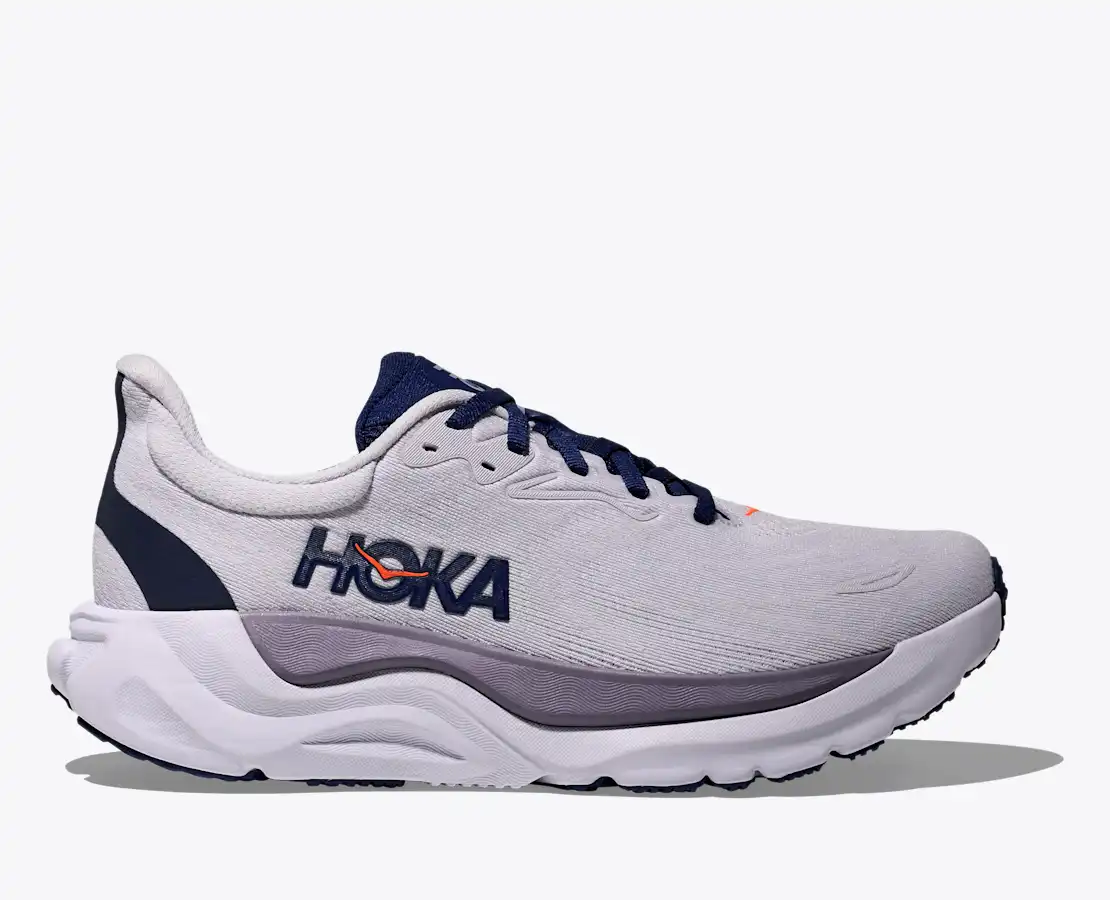
HOKA Arahi 8
$140-$155
Choose this when
You are a runner with flat feet who wants overpronation correction without sacrificing pace or feel. The Arahi 8's H-Frame stability at 9oz is a rare achievement - most stability shoes in this weight class lack meaningful correction. It is also the stronger choice for speed-focused training, race day for flat-footed runners who need correction but not maximum cushioning, and anyone who has found traditional stability shoes like the Kayano 32 too heavy or too stiff for performance running.
H-Frame technology controls overpronation without overcorrecting
Lightweight stability at only 9 oz
Ideal for flat feet and overpronation

ASICS GEL-Kayano 32
$160-$170
Choose this when
Your flat feet cause significant symptoms and you prioritize protection over performance. The Kayano 32's 4D Guidance System provides adaptive stability alongside premium FF Blast Plus foam and PureGEL heel cushioning - a combination the Arahi 8 cannot match in total protection. It is also the stronger choice for everyday wear, walking, older adults with flat feet, and anyone whose flat feet are accompanied by plantar fasciitis or knee pain that requires cushioned stability rather than lightweight correction.
4D Guidance System provides adaptive stability for overpronation control
FF Blast Plus foam midsole with higher stack height for balanced cushioning
PureGEL technology in heel for softer landings and shock absorption
The Honest Verdict
Both are podiatrist recommended for flat feet. The Arahi 8 is the right choice for performance-focused runners who need stability without weight penalty. The Kayano 32 is the right choice for everyday wearers, walkers, and runners who prioritize cushioned protection over pace. Both correct overpronation effectively - the choice is about how you use the shoe.
Answer These. Then Decide
Four quick questions that point you toward the right shoe for your specific situation.
Are you a runner who cares about pace and wants the lightest stability shoe available?
Do your flat feet cause plantar fasciitis or knee pain requiring maximum cushioning?
Is this shoe primarily for everyday wear rather than running?
Do you want GEL cushioning in both heel and forefoot?
Frequently Asked
Which is better for flat feet - HOKA Arahi 8 or ASICS GEL-Kayano 32?
The Arahi 8 is better for performance runners with flat feet who need stability without weight penalty. The Kayano 32 is better for everyday wearers, walkers, and runners who prioritize cushioned protection and adaptive stability. Both correct overpronation effectively - the difference is performance versus protection priority.
Is the HOKA Arahi 8 stable enough for severe flat feet?
The Arahi 8 provides moderate stability appropriate for mild to moderate overpronation. For severe flat feet with significant symptoms, the Kayano 32, Brooks Adrenaline GTS 25, or New Balance 1540v4 provide more aggressive correction. A podiatrist or running store gait analysis is the best way to determine whether the Arahi 8 provides sufficient correction for your specific overpronation severity.
What does HOKA H-Frame technology do for flat feet?
H-Frame is HOKA's stability system that uses an H-shaped firmer foam structure wrapping around both the medial and lateral sides of the midsole to prevent excessive inward rolling. Unlike traditional medial posts which apply constant correction, H-Frame guides the foot along its natural motion path without overcorrecting - providing stability that feels more natural than older stability approaches while keeping the shoe significantly lighter.
Do I need a stability shoe if I have flat feet but no pain?
Not necessarily. Flat feet without symptoms do not always require stability footwear. If increasing activity levels, starting a running program, or developing any downstream symptoms like knee or ankle pain, a podiatric evaluation is recommended before symptoms progress. Both the Arahi 8 and Kayano 32 are appropriate preventive choices for active flat-footed individuals who want to get ahead of potential overpronation problems.
Related Comparisons
Still Not Sure Which Is Right for You?
Take our guided quiz and get a personalized recommendation based on your specific foot condition, activity level, and concerns. We explain exactly why each shoe fits your feet.