Last updated September 2026
Best Shoes for Seniors
Foot health changes significantly with age: Fat pads thin, feet widen, balance declines, and flexibility decreases. The shoes that worked at 40 often do not meet the needs of feet at 65 and beyond.
Every shoe on this page is selected for stability, cushioning, wide fit options, and slip resistance the four most critical features for senior foot health and fall prevention.
How Aging Affects Your Feet
Fat pad thinning
The natural cushioning under the heel and ball of the foot thins with age, increasing pressure and pain during walking and standing. Shoes with maximum cushioning compensate for this loss.
Foot widening
Tendons and ligaments loosen with age, causing feet to widen and lengthen. Many seniors are wearing shoes that are too narrow, leading to bunions, hammertoes, and forefoot pain.
Reduced ankle stability
Balance declines with age as proprioception and ankle strength decrease. A stable shoe with a wide platform base reduces fall risk - the leading cause of injury in adults over 65.
Reduced flexibility
Bending to tie laces becomes difficult with arthritis and reduced flexibility. Shoes with easy entry and adjustable closures maintain independence without compromising fit security.
What Seniors Need in a Shoe
Based on podiatric research into the biomechanical and safety needs of aging feet.
Stability and wide base
A wide platform base and stable midsole reduce fall risk - the leading cause of serious injury in adults over 65. Avoid narrow or unstable soles.
Maximum cushioning
As plantar fat pads thin with age, external cushioning becomes essential. Look for maximum-cushion shoes that absorb impact across the entire foot.
Wide toe box
Feet naturally widen with age. A roomy toe box accommodates bunions, hammertoes, and foot widening without creating the pressure points that cause pain.
Slip-resistant outsole
Falls are the leading cause of injury in older adults. A slip-resistant outsole rated for wet and smooth surfaces significantly reduces fall risk.
Easy entry and adjustable closure
Lace-up shoes with secure closures provide the best fit but can be difficult for seniors with arthritis. Look for wide openings, loop laces, or velcro closures.
Lightweight construction
Heavy shoes increase leg fatigue and reduce gait clearance - a trip hazard. Lightweight shoes reduce energy expenditure and help seniors maintain natural gait.
Best Shoes for Seniors
Stability, cushioning, and wide widths - selected for the specific needs of aging feet.
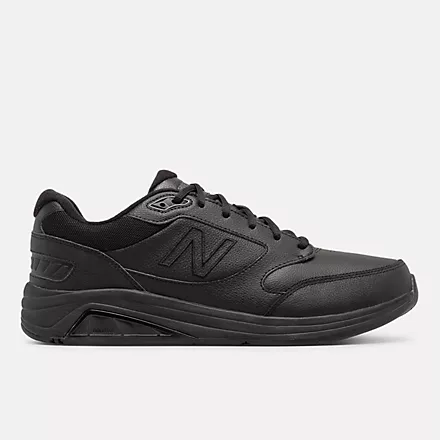
New Balance 928v3 Lace-Up Walking Shoe
new balance
$134-$145
Why for seniors
Purpose-built walking shoe with motion control support and a wide stable platform which is ideal for seniors who need maximum stability on every surface. Wide and extra-wide options.
ROLLBAR motion control technology and Clinical-Grade Support: The signature ROLLBAR® motion control system minimizes rear-foot movement, keeping your stride aligned and reducing stress on the plantar fascia.
Reduces morning heel pain and keeps you moving comfortably all day, whether you're on your feet for work or walking for fitness.
Maximum Shock Absorption: Engineered with ABZORB® cushioning in the midfoot to absorb harsh impacts, protecting your heels from painful concrete and hard floors.

New Balance 1540v4
new balance
$195-$205
Why for seniors
The highest stability rating in our catalogue. Extra-depth design accommodates orthotics and swollen feet. A trusted choice for seniors with flat feet or overpronation. APMA accepted.
Extra depth design accommodates custom orthotics
ROLLBAR motion control technology for severe overpronation
ABZORB cushioning for impact absorption
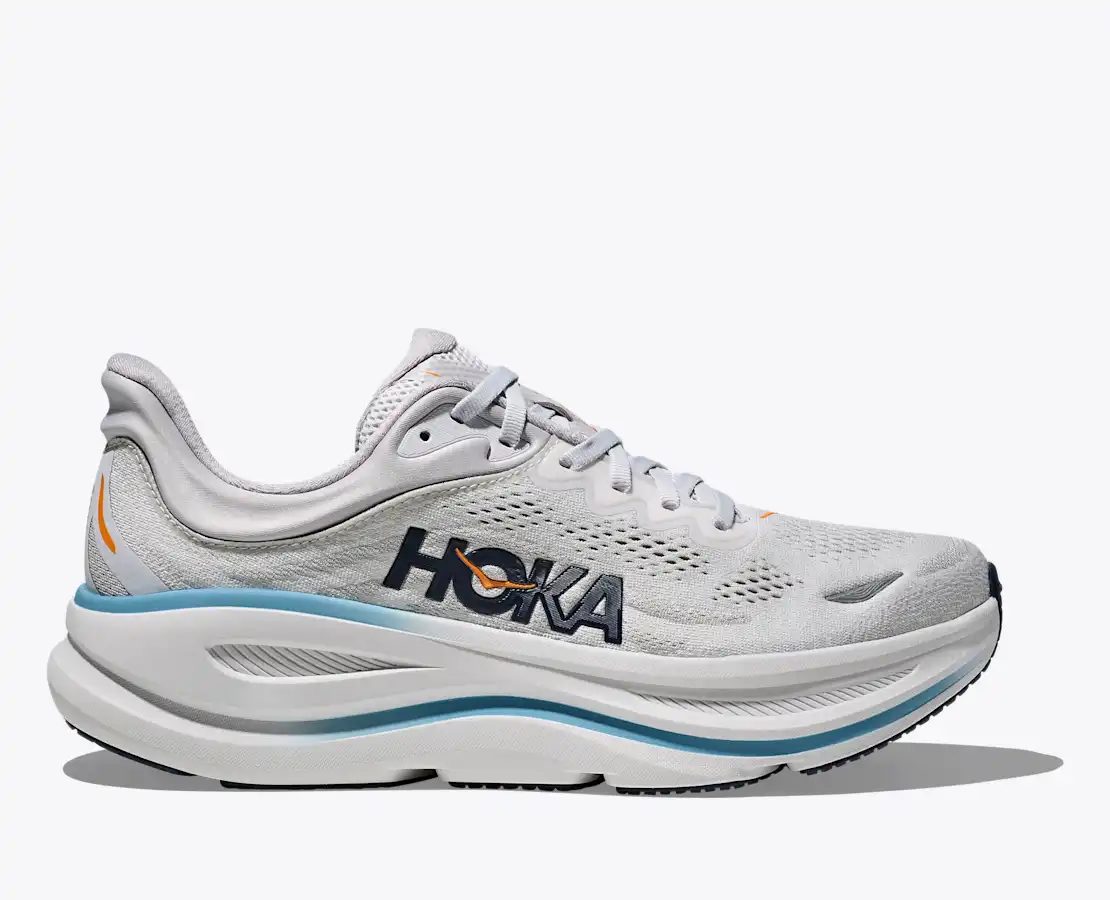
HOKA Bondi 9
hoka
$165-$180
Why for seniors
Maximum cushioning compensates for thinning plantar fat pads - the leading cause of foot pain in seniors. Rocker geometry aids forward propulsion and reduces energy expenditure. APMA accepted.
Supercritical EVA foam for maximum plush cushioning
Meta-Rocker geometry reduces plantar fascia stress
APMA Seal of Acceptance pid=9031 - podiatrist top recommendation for heel pain - verified directly from APMA Seal Database May 2026

Brooks Ghost 17
brooks
$140-$155
Why for seniors
Available in five widths from AA to 4E - accommodates the foot widening common with age. Smooth, predictable ride that does not require breaking in. APMA accepted.
DNA Loft v3 nitrogen-infused foam for soft responsive cushioning
APMA Seal of Acceptance pid=9077 - PDAC A5500 diabetic shoe certified - verified directly from APMA Seal Database May 2026
Segmented crash pad for smooth heel-to-toe transitions

New Balance Fresh Foam X 840v1
new balance
$109-$120
Why for seniors
Roomy toe box and wide widths with a diabetic-friendly design. Soft upper accommodates bunions and hammertoes that become more common with age.
Fresh Foam X cushioning
Spacious toe box
Supportive design for diabetic foot care
Saucony Guide 19
saucony
$150
Why for seniors
Stability without a rigid medial post - GuideRails-style support guides the foot naturally. Wide widths available. Lightweight for its support level, reducing leg fatigue.
CenterPath technology uses a wide base platform, high sidewalls approximately 8mm tall, and uniform foam density to guide foot positioning without any medial post or dual-density insert. Geometry-based stability that feels invisible underfoot
Softer compression-molded PWRRUN EVA midsole delivers a more cushioned ride than the Guide 18 while maintaining the stable platform runners and walkers with overpronation need
6mm drop confirmed at exactly 6mm in independent RunRepeat lab testing, matching the official Saucony specification precisely. A rare result that validates the spec
What Seniors Should Avoid
Loose slip-on styles without heel counters - increase fall risk significantly
Thin-soled shoes - provide no cushioning for thinning plantar fat pads
Narrow toe boxes - worsen bunions and hammertoes common in older feet
High heels - shift load forward and dramatically increase fall risk
Worn-out shoes - degraded midsoles are a hidden fall hazard
Buying the same size as 10 years ago - feet change size and shape with age
Frequently Asked Questions
What shoes are best for seniors?
The best shoes for seniors provide stability to prevent falls, cushioning for thinning fat pads, wide toe boxes for age-related foot widening, slip-resistant outsoles, and easy entry. New Balance 928v3, HOKA Bondi 9, and Brooks Ghost are frequently recommended by podiatrists for older adults.
Why do seniors need different shoes?
As we age, the fat pads under the feet thin out, reducing natural cushioning. Feet widen and lengthen. Tendons and ligaments lose elasticity. Balance declines. All of these changes affect footwear needs - seniors require more cushioning, wider fits, greater stability, and slip-resistant outsoles compared to younger adults.
Are slip-on shoes safe for seniors?
Loose slip-on shoes without a secure closure are a fall risk for seniors. Shoes that are easy to put on but include adjustable laces, velcro, or bungee closures are a better option - they combine easy entry with a secure fit that prevents the shoe from shifting during walking.
How do I know if my shoes fit properly as a senior?
Have your feet measured at a shoe store - foot size changes with age and many seniors are wearing the wrong size. There should be a thumb's width of space between your longest toe and the end of the shoe. The shoe should not pinch anywhere and should feel secure around the heel. Always try shoes on later in the day when feet are at their largest.
How often should seniors replace their shoes?
Seniors should replace shoes every 6 months or 300-500 miles - whichever comes first. Degraded midsoles are a hidden fall hazard because they create uneven surfaces underfoot. If you notice increased foot pain or fatigue, your shoes may have worn out even if the outsole looks fine.
How much do falls actually relate to footwear in older adults?
A 4-year prospective study of community-dwelling older adults, the MOBILIZE Boston Study, tracked 1,829 falls and found that inappropriate footwear was reported as a contributing cause in 24.3 percent of them. Footwear is one of the few fall-risk factors a person can directly control, unlike balance decline or medication side effects.
What shoe features are actually proven to reduce fall risk?
A 2026 systematic review published in the Journal of the American Geriatrics Society found that wide soles, medium-firm materials, low heels, and high collars improved stability and reduced postural sway in older adults. Cupped, rigid insoles enhanced dynamic balance control, and treaded rubber outsoles minimized slipping. These are measurable, evidence-based features - not general comfort claims.
Does Medicare cover the cost of shoes for seniors?
Medicare Part B covers therapeutic shoes and inserts for seniors who have diabetes and at least one qualifying foot condition, when prescribed by a Medicare-enrolled doctor. Coverage is typically one pair of extra-depth or custom-molded shoes per calendar year, with Medicare paying 80 percent of the approved amount. Seniors without diabetes generally do not qualify for this specific benefit.
More Shoe Guides
From the MySoleMatch Journal
MySoleMatch provides shoe recommendations based on podiatric research. We are not a medical platform and do not provide medical advice. If you are experiencing foot pain that affects your mobility or daily life, consult a licensed podiatrist.
Have a Specific Foot Condition?
Our guided quiz matches you to the right shoe based on your specific foot condition, lifestyle, and concerns.