The Complete Guide to Shoes for Flat Feet and Overpronation
Flat feet affect roughly 30% of adults. Without the right footwear, the arch collapses on every step, leading to plantar fasciitis, shin splints, knee pain, and chronic fatigue. The right shoe changes everything.
This guide covers what flat feet and overpronation actually are, how to identify the right shoe category for your severity level, what features matter most, and our top picks across every major brand. All APMA accepted.
What Are Flat Feet and Overpronation?
Flat feet: also called pes planus or fallen arches, occur when the medial longitudinal arch of the foot has little or no height when bearing weight. In a foot with a normal arch, a curved space is visible between the inner edge of the foot and the ground. In a flat foot, this space disappears and the entire sole contacts the ground.
Flat feet are either flexible or rigid. Flexible flat feet appear flat only when bearing weight and form an arch when the foot is lifted. This is the most common type. Rigid flat feet remain flat regardless of weight bearing and are typically associated with structural or neurological causes.
Overpronation is the mechanical consequence of flat feet during movement. Without an arch to control inward rotation, the foot rolls excessively inward on each footstrike. This inward rotation travels up the kinetic chain - rotating the tibia inward, stressing the knee, and loading the hip and lower back asymmetrically. This is why flat feet are linked to pain well above the foot itself.
Flat feet are not always painful. Many people have low or absent arches without symptoms. Pain typically emerges when standing or walking on hard surfaces for extended periods, when activity level increases suddenly, or when supportive footwear is replaced with flat, unsupportive shoes.
Which Shoe Category Do You Need?
The right shoe depends on how severe your flat feet and overpronation are. Use this as a starting point.
Mild
Low arch that still makes some contact with the ground.
Recommended:
Stability shoe with light medial support.
HOKA Arahi 8, Saucony Guide 19, ASICS GT-2000 14
Moderate
Arch collapses noticeably under load, visible inward ankle roll.
Recommended:
Full stability shoe with structured medial post or guidance system.
Brooks Adrenaline GTS 25, ASICS GEL-Kayano 32, Nike Structure 26
Severe
Foot is completely flat, significant overpronation, secondary knee or back pain.
Recommended:
Motion control shoe or stability shoe with custom orthotics.
New Balance 1540v4, Brooks Addiction GTS 15, ASICS GT-4000 4
Not sure which tier applies to you? Check your shoe sole wear pattern. Heavy wear on the inner heel and forefoot edge indicates overpronation. A podiatrist can perform a gait analysis to confirm severity and recommend the correct shoe category.
What to Look for in a Flat Feet Shoe
Six features that separate a shoe that actually corrects flat feet from one that just looks supportive.
Stability or motion control construction
Flat feet need a shoe that resists inward rolling. Stability shoes use a denser medial midsole or guidance system to limit overpronation. Motion control shoes use a full-length firm base for severe cases. Neutral shoes offer no correction and can make flat feet symptoms worse.
Structured heel counter
A firm heel counter locks the calcaneus in a neutral position and prevents the rear foot from rolling inward. This is especially important for flat feet because rear-foot instability is where the collapse begins.
Arch support - built-in or orthotic-ready
The shoe should either have a well-defined arch support built into the midsole, or a removable insole that allows a custom or semi-custom orthotic. Flat insoles with no arch profile provide no meaningful correction.
Wide base and stable platform
A wider midsole base increases the contact footprint and reduces lateral ankle instability. Narrow shoes with curved lasts allow more foot movement and are poorly suited for overpronators.
Firm midsole - not too soft
Extremely soft, plush midsoles can actually worsen overpronation by allowing the arch to sink on each step. The ideal flat feet shoe balances cushioning with enough firmness to maintain arch position under load.
Correct fit in the heel and midfoot
Flat feet often come with a wider midfoot. A shoe that fits correctly in the heel but is snug across the midfoot will create pressure points and reduce the effectiveness of the arch support.
Best Shoes for Flat Feet and Overpronation
All APMA accepted. Stability and motion control options across every major brand and price point.

Brooks Adrenaline GTS 25
brooks
$150-$160
GuideRails technology supports the arch from both sides without overcorrecting - the most recommended stability shoe for flat feet by podiatrists. Handles mild to moderate overpronation effectively. APMA accepted.
GuideRails holistic support system controls excess movement without overcorrecting
DNA Loft v3 nitrogen-infused cushioning for lightweight plush comfort
APMA Seal of Acceptance pid=9201 - PDAC A5500 diabetic shoe certified - verified directly from APMA Seal Database May 2026
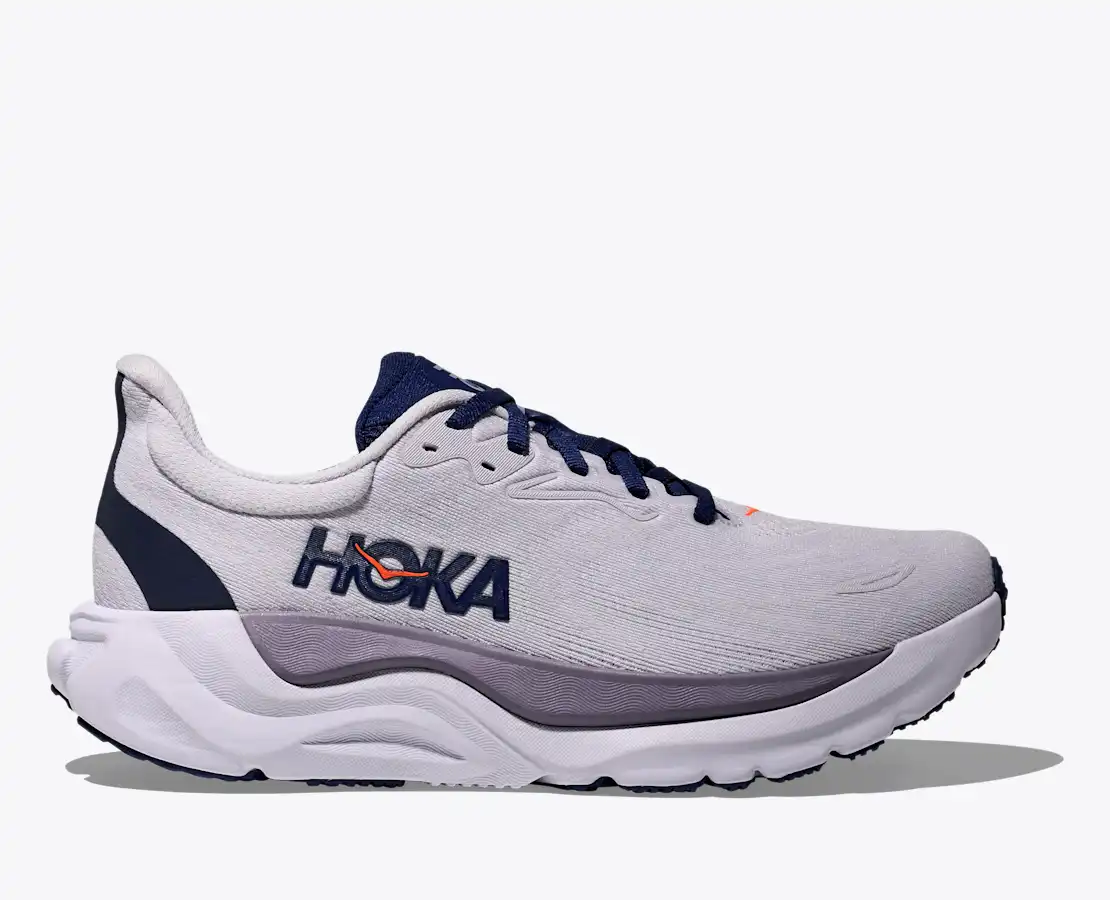
HOKA Arahi 8
hoka
$140-$155
J-Frame construction provides medial support without a traditional rigid post. Lightweight for a stability shoe, with a wide base that prevents ankle rollout. Ideal for runners and active walkers with flat feet. APMA accepted.
H-Frame technology controls overpronation without overcorrecting
Lightweight stability at only 9 oz
Ideal for flat feet and overpronation

ASICS GEL-Kayano 32
asics
$160-$170
4D Guidance system and PureGEL heel cushioning address both stability and shock absorption - the full package for flat feet with plantar fasciitis overlap. Available in wide widths. APMA accepted.
4D Guidance System provides adaptive stability for overpronation control
FF Blast Plus foam midsole with higher stack height for balanced cushioning
PureGEL technology in heel for softer landings and shock absorption

New Balance Fresh Foam X 860v15
new balance
$145-$155
Fresh Foam X midsole with medial post provides structured support for daily wear. One of the most consistently recommended flat feet shoes by podiatrists across multiple generations. APMA accepted.
Fresh Foam X midsole with Stability Plane technology
Engineered mesh upper for breathability
Described by New Balance as a stability shoe
Saucony Guide 19
saucony
$150
PWRRUN midsole with CenterPath guidance corrects overpronation without the rigidity of traditional medial posts. A modern approach to flat feet support that feels more natural underfoot. APMA accepted.
CenterPath technology uses a wide base platform, high sidewalls approximately 8mm tall, and uniform foam density to guide foot positioning without any medial post or dual-density insert. Geometry-based stability that feels invisible underfoot
Softer compression-molded PWRRUN EVA midsole delivers a more cushioned ride than the Guide 18 while maintaining the stable platform runners and walkers with overpronation need
6mm drop confirmed at exactly 6mm in independent RunRepeat lab testing, matching the official Saucony specification precisely. A rare result that validates the spec

ASICS GT-2000 14
asics
$135-$145
Lightweight stability at a lower price point. Provides solid flat feet support for walkers and light runners who need daily correction without the premium price. APMA accepted.
FF Blast Max cushioning for energized responsive ride
Trampoline-inspired forefoot pod for better stability and balanced toe-off
Asymmetric tongue wing reduces movement for secure midfoot fit

Nike Structure 26
nike
$120-$135
Dual-density midsole with React foam offers flat feet support in a mainstream running silhouette. A strong option for runners who want Nike performance without sacrificing arch correction. APMA accepted.
Full-length ReactX foam with midfoot support system wrapping the arch and heel for a firm stable base
APMA Seal of Acceptance pid=9107 - Nike Structure 26 - verified directly from APMA Seal Database May 2026
Reliable midfoot support system controls overpronation without the rigid plastic post of older stability shoes

Saucony Hurricane 25
saucony
$150-$170
Maximum cushioning plus PWRRUN+ stability foam - the top pick for flat feet runners who also need maximum shock absorption. Handles high mileage with consistent overpronation control. APMA accepted.
Maximum PWRRUN+ cushioning combined with stability support for overpronating runners
CenterPath technology uses higher sidewalls and broader base instead of rigid plastic posts
Plush max-cushion ride with structural guidance for those who overpronate and need protection
What to Avoid If You Have Flat Feet
Neutral running shoes with no stability feature - they allow full inward collapse on every step
Zero-drop shoes without strong arch support - shifts load onto an already compromised arch
Extremely cushioned shoes with no structure - softness without support worsens overpronation
Fashion sneakers and flat-soled shoes - no arch support, no heel counter, no correction
Worn-out shoes - a compressed midsole no longer corrects and actively causes harm
Sizing down for a snug fit - flat feet spread wider than arched feet and need room
Do You Need Custom Orthotics?
Most people with flat feet do not need custom orthotics. A well-fitted stability or motion control shoe addresses the majority of overpronation cases without additional intervention. The shoes in this guide are selected specifically because their built-in support systems are clinically meaningful - not just marketing.
Custom orthotics become relevant when shoe-based correction alone does not resolve symptoms after 4-8 weeks of consistent wear, when a podiatrist identifies a specific structural deviation that requires targeted correction, or when the flat feet are accompanied by a secondary condition like posterior tibial tendon dysfunction or severe plantar fasciitis.
If you do use custom orthotics, look for shoes with removable insoles and extra depth - the Brooks Addiction GTS 15, New Balance 1540v4, and Orthofeet Sprint are all orthotic-ready and carry APMA acceptance.
Frequently Asked Questions
What kind of shoes are best for flat feet?
The best shoes for flat feet have stability or motion control construction, a medial post or firm midsole to prevent arch collapse, a structured heel counter, and a wide base. Top options include the Brooks Adrenaline GTS 25, HOKA Arahi 8, ASICS GEL-Kayano 32, and New Balance Fresh Foam X 860v15.
What is overpronation and how does it relate to flat feet?
Overpronation is when the foot rolls inward excessively during the gait cycle. Most people with flat feet overpronate because without a natural arch to absorb impact, the foot collapses inward on each step. They are related but not the same - you can have flat feet without severe overpronation, and mild overpronation without completely flat arches.
Are stability shoes or motion control shoes better for flat feet?
It depends on severity. Stability shoes like the Brooks Adrenaline GTS 25 or HOKA Arahi 8 work for mild to moderate flat feet and overpronation. Motion control shoes like the New Balance 1540v4 or Brooks Addiction GTS 15 are for severe overpronation or rigid flat feet. A podiatrist can help determine which category you need.
Can flat feet cause knee and back pain?
Yes. When the arch collapses, the tibia rotates inward, which stresses the knee, hip, and lower back. Many people with flat feet report knee pain, shin splints, hip discomfort, and lower back pain - all tracing back to poor arch support and uncorrected overpronation. Proper footwear significantly reduces these secondary effects.
Do I need custom orthotics if I have flat feet?
Not necessarily. Many people with flat feet get sufficient support from well-designed stability or motion control shoes. Custom orthotics are typically recommended when over-the-counter shoes alone do not resolve symptoms, or when a podiatrist identifies a specific biomechanical issue that requires corrective intervention.
How do I know if my flat feet are causing my foot pain?
Common signs include pain along the inner arch or heel after standing or walking, ankle soreness that worsens with activity, shin splints, and visible inward rolling of the ankle. If your shoe soles wear unevenly on the inner edge, overpronation is likely contributing to your pain.
More Shoe Guides
MySoleMatch provides shoe recommendations based on podiatric research. We are not a medical platform and do not provide medical advice. If you are experiencing foot pain that affects your daily life, consult a licensed podiatrist.
Not Sure Which Shoe Is Right for You?
Our quiz factors in your severity level, activity type, width needs, and any overlapping conditions to give you a precise recommendation - not a generic list.