Disclosure: We may earn a small commission if you purchase through links on this page. No additional cost to you. We just want to be transparent about how we fund this site.
HOKA vs ASICS for Overpronation
Maximum cushion meets adaptive stability. Which approach works better for your inward roll?
We don't just recommend shoes. We explain why they work for your feet.
What You Need to Know First
Overpronation occurs when the foot rolls inward excessively during the gait cycle, causing uneven load distribution across the foot, ankle, knee, and hip. It is particularly common in people with flat feet or low arches. Left unaddressed, overpronation is a primary driver of overuse injuries - especially in runners who log significant weekly mileage. Stability footwear that controls inward motion without overcorrecting is the most effective non-clinical intervention available.
Overpronation is one of the most common biomechanical issues in runners and active adults - and it is a leading contributor to plantar fasciitis, shin splints, knee pain, and Achilles tendinitis. Both HOKA and ASICS have built dedicated stability lines to address it, but their philosophies differ significantly. HOKA uses H-Frame technology, an H-shaped foam structure wrapping around both the medial and lateral sides of the midsole that guides the foot without the bulk of traditional stability designs. ASICS uses its 4D Guidance System, which is an adaptive stability platform that responds to your specific gait pattern. Both are highly effective. The question is which suits your running style, foot type, and the severity of your pronation.
Specs Compared
Factual specs only. No brand is favored. You decide what matters most for your feet.
Which One Is Right for You?
Both are excellent. Here is the honest case for each based on your specific situation.
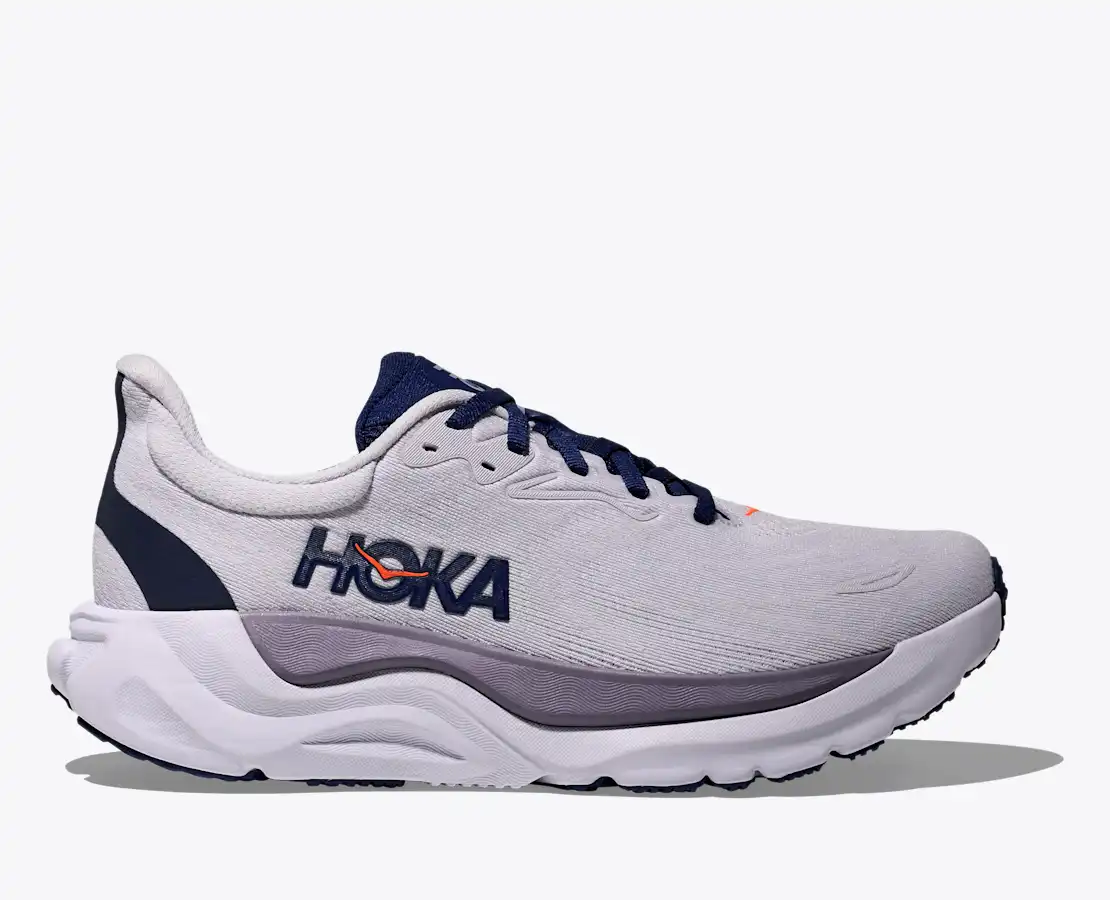
HOKA Arahi 8
$140-$155
Choose this when
You want lightweight stability that does not feel like a traditional heavy motion control shoe. The Arahi 8 weighs just 9 ounces, which is exceptional for a stability shoe and its H-Frame technology controls overpronation with minimal intrusion into the natural feel of the stride. It is the stronger choice for runners prioritizing speed and lightness alongside stability, for mild to moderate overpronators, and for users who have found traditional stability shoes feel too bulky or heavy.
H-Frame technology controls overpronation without overcorrecting
Lightweight stability at only 9 oz
Ideal for flat feet and overpronation

ASICS GEL-Kayano 32
$160-$170
Choose this when
You need a higher level of adaptive stability and are willing to accept more weight and structure in exchange. The GEL-Kayano 32's 4D Guidance System provides multi-directional correction that responds to your specific gait pattern rather than applying a fixed correction. It is the stronger choice for moderate to severe overpronators, for runners with secondary conditions like plantar fasciitis or knee pain alongside overpronation, and for users who prefer a highly cushioned plush ride with their stability support.
4D Guidance System provides adaptive stability for overpronation control
FF Blast Plus foam midsole with higher stack height for balanced cushioning
PureGEL technology in heel for softer landings and shock absorption
The Honest Verdict
Both shoes are podiatrist recommended for overpronation and represent the best of what their respective brands offer in the stability category. The HOKA Arahi 8 is the better choice for runners who want lightweight stability. The ASICS GEL-Kayano 32 is the better choice for runners who want maximum adaptive correction with premium cushioning. If weight and feel are your priorities, go HOKA. If correction depth and cushioning are your priorities, go ASICS.
Answer These. Then Decide
Four quick questions that point you toward the right shoe for your specific situation.
Do you prioritize a lightweight shoe above all else?
Is your overpronation moderate to severe?
Do you have secondary conditions like plantar fasciitis or knee pain alongside overpronation?
Have traditional stability shoes felt too heavy or bulky for you?
Frequently Asked
Is HOKA or ASICS better for overpronation?
Both are excellent stability options but suit different runners. HOKA Arahi 8 is better for runners who want lightweight stability and a natural feel. ASICS GEL-Kayano 32 is better for runners who need deeper adaptive correction and premium cushioning alongside stability. The right choice depends on your severity of pronation, secondary conditions, and personal preference for shoe weight and feel.
What is the difference between H-Frame and 4D Guidance System?
H-Frame is HOKA's lightweight stability technology: an H-shaped foam structure wrapping around both the medial and lateral sides of the midsole, that guides the foot without adding significant weight. The 4D Guidance System is ASICS's multi-directional adaptive platform that responds to the specific movement patterns of your gait. H-Frame is simpler and lighter. The 4D Guidance System provides more comprehensive correction across multiple planes of motion.
How do I know if I overpronate?
Common signs of overpronation include uneven wear on the inner edge of your shoe soles, ankle pain or instability, knee pain particularly on the inner side, and shin splints. The most accurate assessment is a gait analysis at a specialty running store or a biomechanical evaluation from a podiatrist. If you suspect overpronation, a stability shoe is a low-risk first intervention. It can only help, not harm.
Can overpronation be fixed with the right shoes?
Stability shoes manage the biomechanical consequences of overpronation effectively but do not structurally fix the underlying cause. For most people that is sufficient - the right shoe prevents the chain of overuse injuries that overpronation causes. For severe cases, custom orthotics prescribed by a podiatrist provide the most targeted correction. Stability shoes and custom orthotics can be used together for maximum effect.
Related Comparisons
Still Not Sure Which Is Right for You?
Take our guided quiz and get a personalized recommendation based on your specific foot condition, activity level, and concerns. We explain exactly why each shoe fits your feet.