How we evaluate every shoe.
MySoleMatch is not a ranking site, a trend tracker, or an affiliate aggregator. Every shoe in our catalog is here because it meets a documented standard for a specific foot condition. Here is exactly how we decide what makes the cut.
How Shoes Are Selected
The selection process
Condition-first research
We start with a specific foot condition - plantar fasciitis, bunions, flat feet, diabetic neuropathy - and identify the clinical requirements a shoe must meet to support that condition. The condition defines the criteria. The shoe is evaluated against it.
APMA and clinical verification
We cross-reference each shoe against the APMA Seal database, publicly available podiatric guidance, and clinical literature from practicing DPMs. Shoes that carry APMA acceptance receive a verified badge with a direct link to their APMA record so you can confirm it yourself.
Structural evaluation
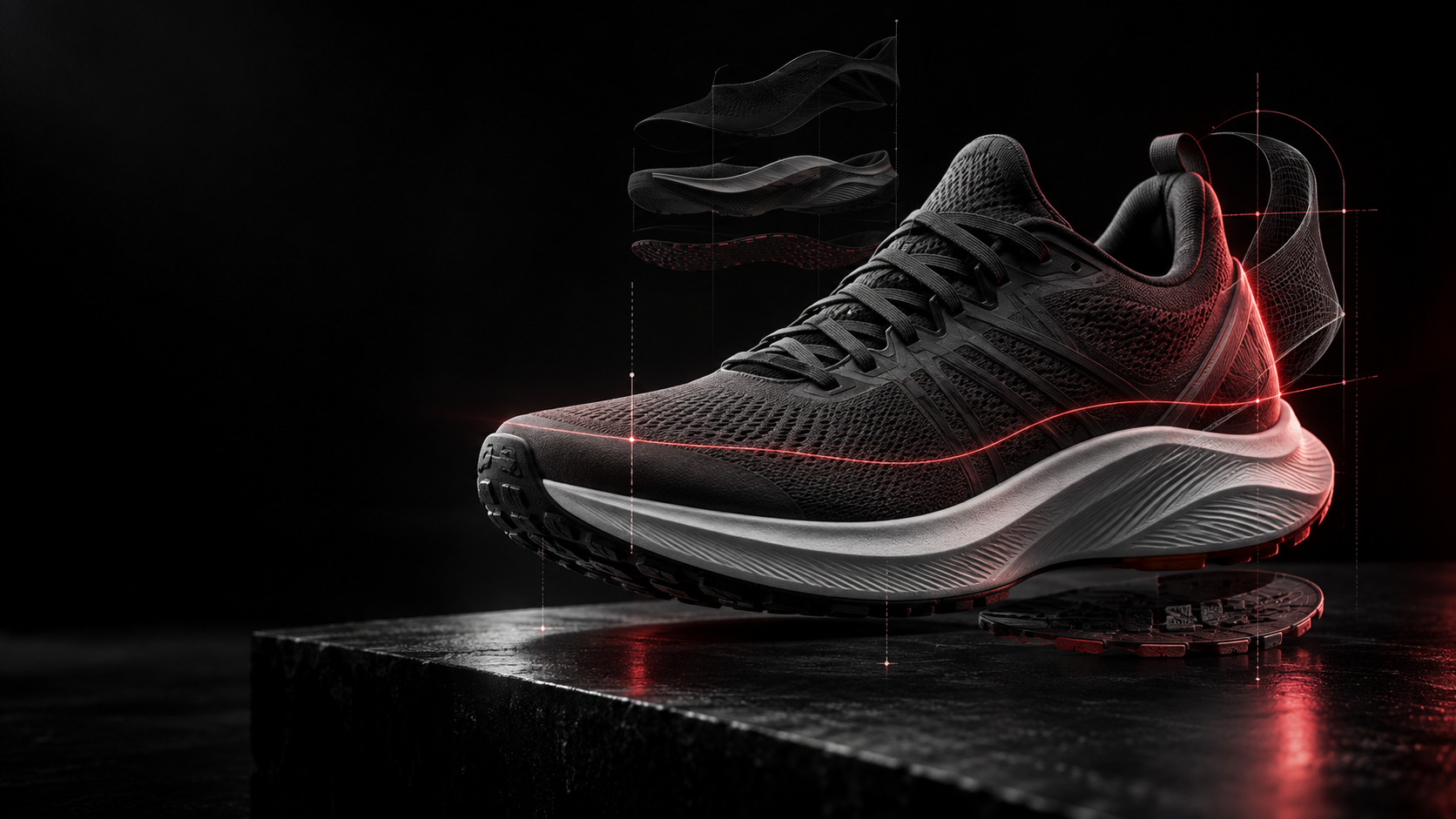
We evaluate each shoe against the eight structural characteristics listed below - heel stability, cushioning type, toe box width, arch geometry, outsole stability, upper structure, heel drop, and orthotic compatibility. A shoe must meet the relevant criteria for its condition match.
Condition matching and priority scoring
Each shoe is mapped to the specific conditions it supports, with a priority score and confidence rating. High-confidence matches are backed by both APMA acceptance and direct podiatric citation. Medium-confidence matches are supported by structural criteria and clinical patterns.
Structural Criteria
What we look for in a shoe
These eight characteristics define whether a shoe is genuinely appropriate for foot pain - not whether it is popular, stylish, or highly rated.
Heel Stability
A firm, structured heel counter keeps the rearfoot aligned during heel strike - critical for plantar fasciitis, Achilles issues, and overpronation.
Cushioning Type
We distinguish between cushioning designed for athletic performance and cushioning designed for long-duration standing. These are not the same thing.
Toe Box Width
A wide or anatomically shaped toe box reduces compression on bunions, hammertoes, and neuromas. We measure this against clinical toe box standards.
Arch Support Geometry
We evaluate whether arch support is anatomical and positioned correctly - not simply whether it exists. Misplaced arch support can worsen pain.
Outsole Stability
A wider, flatter outsole base provides lateral stability - important for ankle instability, flat feet, and overpronation.
Upper Structure
We consider whether the upper is structured enough to keep the foot aligned without creating pressure points on sensitive areas.
Heel Drop
The height difference between heel and forefoot directly affects Achilles tendon load, plantar fascia tension, and knee and hip alignment.
Orthotic Compatibility
We note whether shoes accommodate custom orthotics - including extra-depth construction, removable insoles, and adequate internal volume.
APMA Verification
How APMA acceptance works
What APMA acceptance means
The APMA Seal of Acceptance is awarded to footwear that has been reviewed by the American Podiatric Medical Association and determined to promote good foot health. Shoes in the acceptance program have been independently evaluated - they did not simply pay for a badge. We verify every APMA-accepted shoe in our catalog directly against the APMA Seal Database and provide a link to the specific product record so you can confirm it yourself.
What APMA acceptance does not mean
APMA acceptance is a meaningful signal, but it is not a prescription. It tells you the shoe has been reviewed and meets a standard for promoting foot health in general. It does not guarantee the shoe is the right choice for your specific condition, foot shape, or gait pattern. That is why APMA acceptance is one input in our evaluation - not the only one.
Our radical transparency commitment
Every APMA-accepted shoe on MySoleMatch includes a direct link to its specific record in the APMA Seal Database. You do not have to take our word for it. The record number is stored in our database and the verification link appears on every qualifying shoe detail page. If a shoe's APMA status cannot be verified, we say so.
An Honest Truth
There is no universally perfect shoe for foot pain.
A shoe that works beautifully for one person with plantar fasciitis may feel wrong for another person with the exact same diagnosis. Foot conditions are influenced by anatomy, gait, body weight, activity level, floor surfaces, footwear history, and factors we cannot evaluate remotely.
Our condition matching logic is designed to surface the shoes most likely to help a given condition based on podiatric research and structural criteria. It is a strong starting point - not a guarantee. We encourage you to try shoes, pay attention to how your foot responds, and consult a podiatrist if something is not working.
The goal is the right shoe for this person, not the best shoe in general.
Research Sources
Where our information comes from
We do not rely on brand marketing materials or sponsored content. Our recommendations are built on primary sources.
American Podiatric Medical Association
The leading professional organization for podiatric medicine in the United States. Their Seal of Acceptance program independently reviews footwear for promoting good foot health.
Visit sourceFoot Health Facts
The patient education resource of the American College of Foot and Ankle Surgeons - peer-reviewed clinical guidance on foot conditions and treatment.
Visit sourceRunRepeat Lab Testing
Independent laboratory testing data on outsole grip, midsole durability, stack height, and heel drop - providing objective measurements beyond marketing claims.
Visit sourcePodiatric Clinical Literature
Publicly available clinical guides and recommendations from practicing DPMs and board-certified podiatric practices, cited and linked directly in our shoe detail pages.
View catalogBureau of Labor Statistics Ergonomic Data
Occupational standing time, musculoskeletal injury data, and workplace footwear requirements inform our specialty guides for nurses, teachers, and standing professionals.
Visit sourceMySoleMatch Picks
Top APMA Verified Shoes for Plantar Fasciitis
Every shoe below carries the APMA Seal of Acceptance. Reviewed by licensed podiatrists and confirmed to promote good foot health. Picks are matched specifically to Plantar Fasciitis based on clinical alignment strength.

Brooks Adrenaline GTS 25
brooks
$150-$160
Why it works for Plantar Fasciitis
GuideRails corrects overpronation - a leading cause of plantar fasciitis - while DNA Loft v3 cushioning absorbs heel impact with every stride.
10mm
Heel Drop
high
Cushion
5
Widths

Clove Forte
clove
$140-$175
Why it works for Plantar Fasciitis
SuperCush Comfort System's dual-density foam core reduces plantar fascia strain through 12+ hour standing shifts. APMA accepted.
N/A
Heel Drop
high
Cushion
2
Widths

New Balance 1080v15
new balance
$165-$175
Why it works for Plantar Fasciitis
New Balance rates the Infinion foam cushioning Extra Soft and lists neutral support with a 6mm drop. New Balance makes no plantar fasciitis claim for this shoe, so check heel and arch comfort when you try it on. A podiatrist can advise on whether this level of cushioning suits your symptoms.
6mm
Heel Drop
maximum
Cushion
4
Widths
MySoleMatch is an independent platform. We are not affiliated with any shoe brand or the APMA. Shoe links are affiliate links through Amazon, HOKA, Brooks, and other partner programs. We may earn a small commission if you purchase through our links at no additional cost to you. These picks are editorially selected based on APMA acceptance and clinical alignment to Plantar Fasciitis. Not commission rates. Always consult a podiatrist for persistent foot pain.
See the methodology in action.
Take the quiz and see how condition-aware matching works for your specific foot situation.