Best Shoes During Pregnancy
Pregnancy changes your feet in two distinct ways - relaxin loosens the ligaments supporting your arch causing measurable flattening and lengthening, while fluid retention causes edema that swells your feet by a full shoe size or more. According to Dr. Rebecca Burmeister DPM at Michigan Medicine, these structural changes often persist permanently after delivery.
Every shoe in this guide is curated for the specific foot health demands of pregnancy - firm arch support for relaxin-induced flattening, wide toe boxes for edema, adjustable closures for daily swelling changes, and maximum cushioning for the amplified impact forces of pregnancy weight.
1+ size
Foot growth common during pregnancy
Permanent
Arch and width changes often last post-delivery
Relaxin
Hormone that loosens foot arch ligaments
DPM Sourced
Michigan Medicine, Austin Foot and Ankle
The Clinical Reality
What Pregnancy Actually Does to Your Feet
Most women expect swelling during pregnancy. What surprises many is that the structural changes - the arch flattening and foot widening caused by relaxin - are often permanent. Dr. Rebecca Burmeister DPM at Michigan Medicine confirms that studies suggest the most significant foot changes occur during the first pregnancy, and that the foot may become wider and longer in ways that do not fully reverse after delivery.
Relaxin is a hormone primarily produced to loosen the pelvic ligaments in preparation for childbirth. The problem is that it acts systemically - it does not just target the pelvis. Combined with the additional weight of pregnancy, relaxin causes the ligaments supporting the foot arch to stretch, allowing the arch to flatten and the foot to lengthen. This is why many women find they need a larger shoe size both during and after pregnancy.
The downstream consequences are real and clinically documented. Plantar fasciitis is extremely common during pregnancy - Austin Foot and Ankle Specialists confirm the arch collapse from relaxin leads to sharp heel pain in a significant portion of pregnant patients. Overpronation from arch flattening increases stress on the ankles and knees. Swollen feet in narrow shoes cause nerve compression and bunion flares. All of these are largely preventable with the right footwear from the start of the second trimester.
First Trimester
Weeks 1-13
Relaxin levels begin rising. Existing shoes are usually still appropriate but begin monitoring fit. This is the time to schedule a podiatric evaluation if you have pre-existing flat feet, plantar fasciitis, or overpronation.
Second Trimester
Weeks 14-26
Transition to wider, more supportive footwear now - before edema becomes significant. Most women need to go up one width category. Firm arch support becomes essential as relaxin effects peak and weight increases.
Third Trimester
Weeks 27-40
Prioritize easy-entry designs - bending to tie shoes becomes difficult and uncomfortable. Check size again as further changes often occur. Slip-on styles with supportive footbeds are ideal. Edema is typically at its highest.
What Pregnant Women Need in a Shoe
Wide toe box - size up in width first
Pregnancy causes foot widening as relaxin loosens ligaments and edema develops - often by a full width category or more. A wide toe box that accommodates the foot's natural splaying prevents the forefoot compression that causes bunions, hammertoes, and metatarsalgia. Prioritize width over length when sizing.
Firm arch support for relaxin-induced flattening
Relaxin does not just loosen pelvic ligaments - it acts systemically on all ligaments including those supporting the foot arch. Many women experience measurable arch flattening during pregnancy that can cause plantar fasciitis and knee pain. Soft memory foam that collapses provides no correction. Look for structural arch support.
Adjustable closure for daily swelling changes
Pregnancy-related edema fluctuates throughout the day - feet are often smallest in the morning and most swollen by evening. Shoes with adjustable closures - laces, straps, or Velcro - allow the same pair to accommodate this daily volume change without creating restriction or instability.
Maximum cushioning for amplified impact forces
Pregnancy weight gain - typically 25 to 35 pounds - significantly amplifies the ground reaction force on every step. The plantar fat pad and fascia absorb this amplified load. Maximum cushioning from brands like HOKA and Brooks distributes these forces across the entire foot rather than concentrating them at the heel.
Slip-on or easy entry design
Bending to tie shoes becomes progressively more difficult and uncomfortable in the second and third trimester. Slip-on designs, hands-free technologies like Skechers Slip-In, and loose lace-up styles that can be stepped into without bending are strongly preferred as pregnancy progresses.
Firm heel counter for stability
As the foot arch flattens and the center of gravity shifts forward with a growing abdomen, the ankle and heel need firm lateral support to prevent excessive inward rolling. A rigid heel counter - the back cup of the shoe - stabilizes the calcaneus and reduces the ankle roll that causes falls risk during pregnancy.
Best Shoes During Pregnancy
Podiatrist-curated for relaxin-induced arch changes, pregnancy edema, and all-trimester comfort.
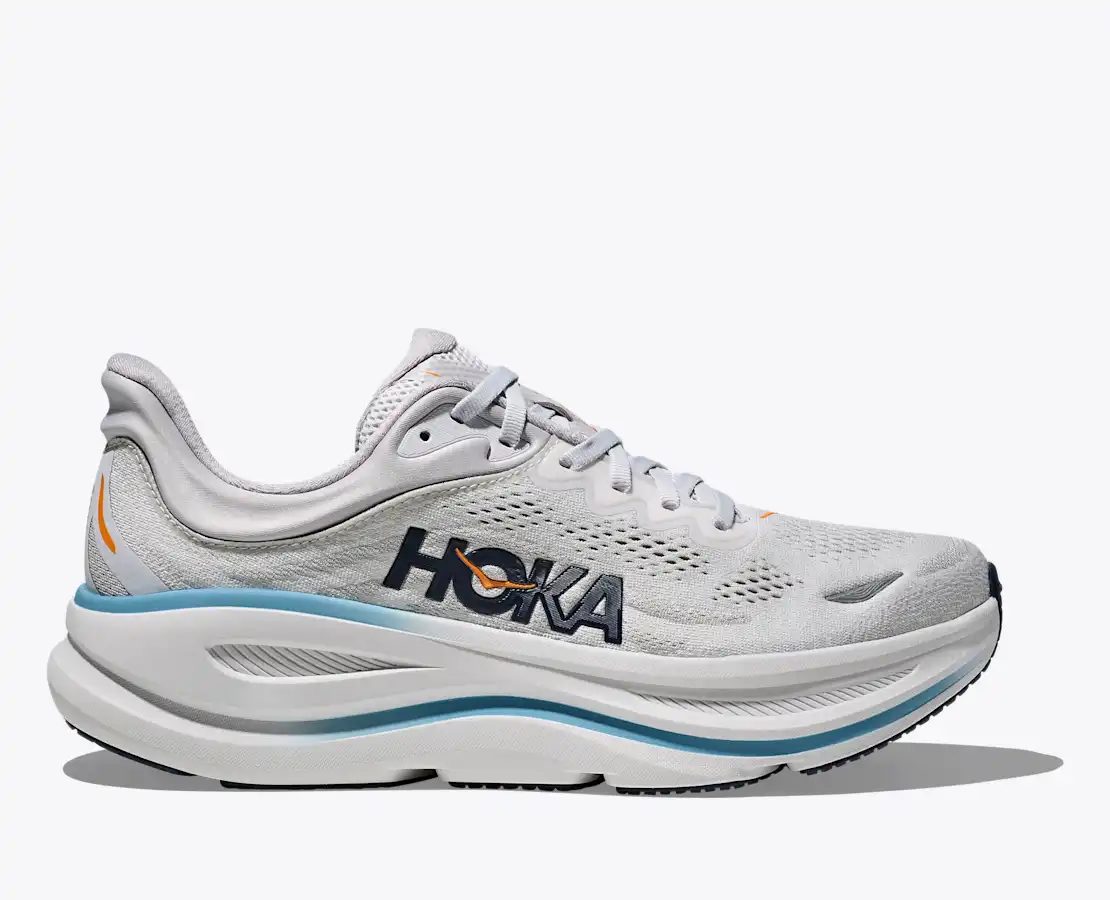
HOKA Bondi 9
Maximum 41mm stack height absorbs the amplified heel impact from pregnancy weight gain. Meta-Rocker geometry reduces plantar fascia strain - critical during the second and third trimester when relaxin-induced arch flattening peaks. Available in wide widths for swelling accommodation. APMA accepted.
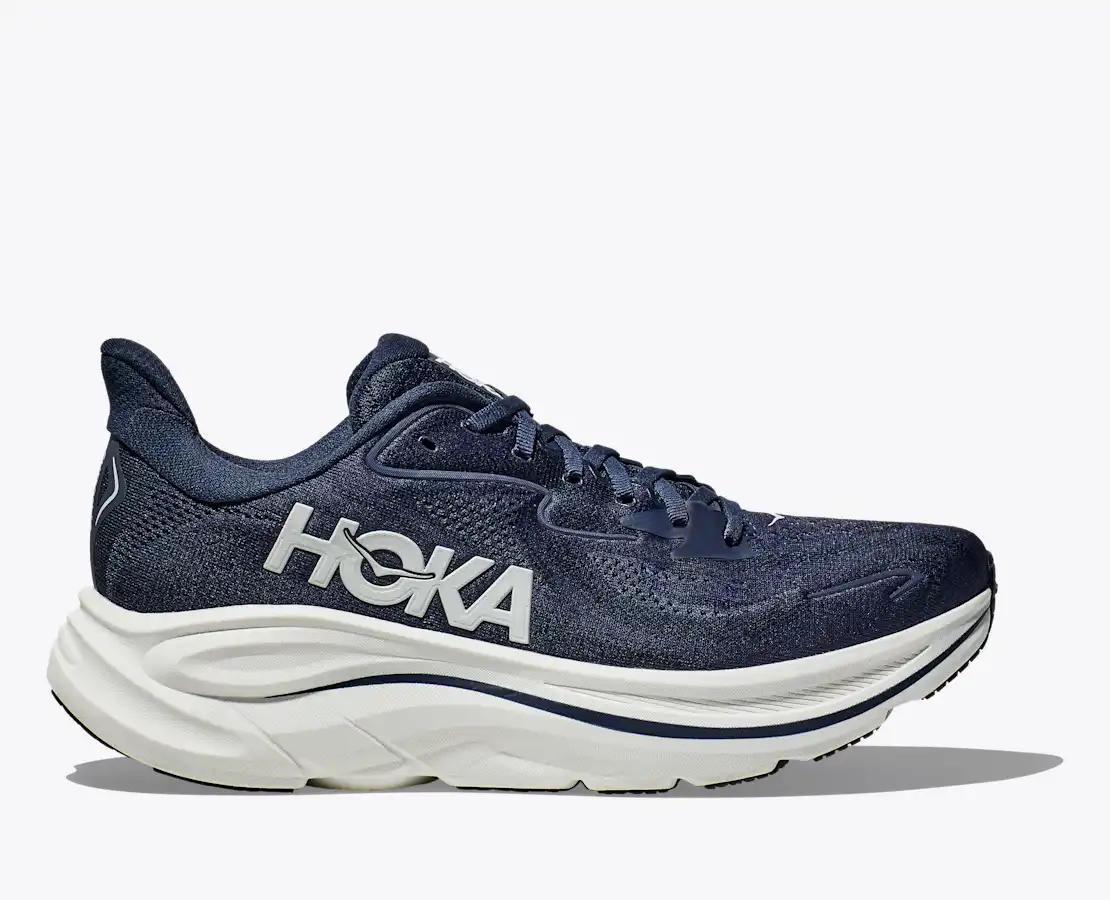
HOKA Clifton 10
Lighter than the Bondi with the same Meta-Rocker geometry - ideal for pregnant women who need rocker-sole plantar fascia relief without the Bondi's weight. Increased toe box volume accommodates pregnancy swelling. Dr. Rebecca Burmeister DPM at Michigan Medicine recommends HOKA for pregnancy foot changes. APMA accepted.

Brooks Adrenaline GTS 25
GuideRails stability system directly addresses relaxin-induced overpronation - the most common mechanical consequence of pregnancy arch flattening. PDAC A5500 diabetic certified. Available in five widths from AA to 4E for precise fit as feet widen during pregnancy. APMA accepted.
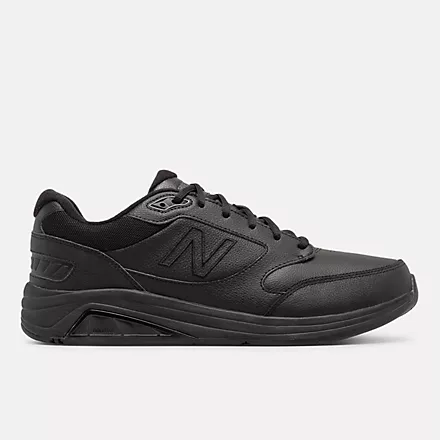
New Balance 928v3 Lace-Up Walking Shoe
ROLLBAR motion control specifically engineered for severe overpronation - the condition that develops as relaxin loosens arch ligaments during pregnancy. Extra-wide widths up to 4E accommodate significant pregnancy edema. Straight last designed for flat feet. APMA accepted.
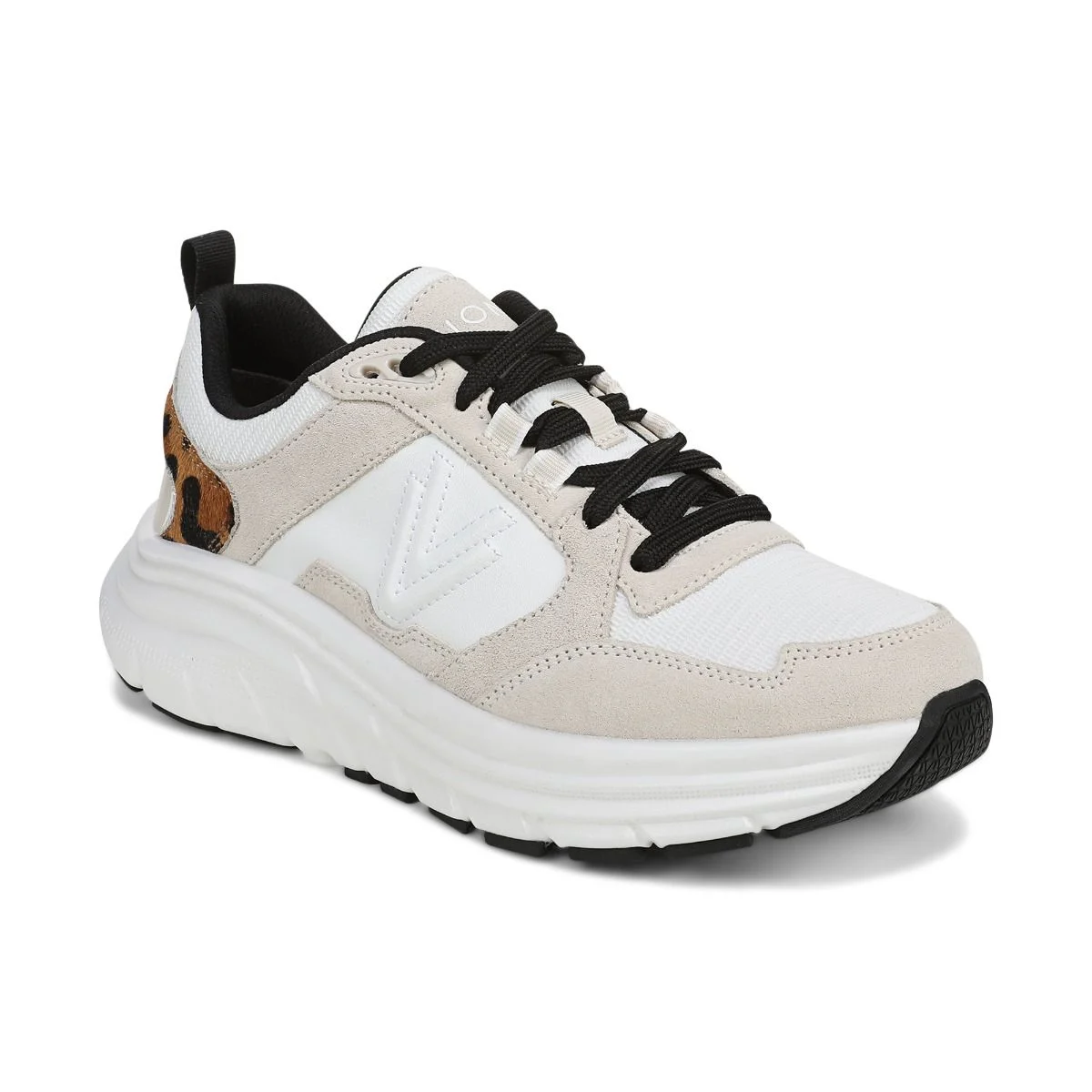
Vionic Walk Max Skyline Sneaker
VioMotion biomechanical footbed with deep heel cup supports the arch directly - countering the relaxin-induced arch flattening of pregnancy with podiatrist-designed correction built into the shoe. Removable footbed accommodates custom orthotics. APMA accepted.
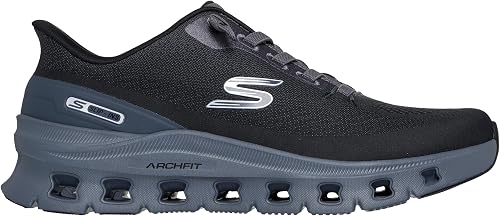
Skechers Arch Fit Slip-In
Hands-free Slip-In design with Heel Pillow technology - eliminates bending to put on shoes, which becomes progressively more difficult in the second and third trimester. Full Arch Fit insole with podiatrist-certified support. APMA accepted. The most practical pregnancy shoe on this list.
Sizing During Pregnancy
How to Size Shoes at Every Trimester
Dr. Steven Gershman DPM recommends checking fit while standing - there should be a thumb's width of space between your longest toe and the end of the shoe. Do not rely on your pre-pregnancy shoe size as sizes vary by brand and your foot has likely changed.
Prioritize width over length when sizing. Going up in length to get width creates a shoe that is too long - a tripping hazard that is especially dangerous as balance changes with a growing abdomen. Look for brands that offer genuine width options: New Balance, Brooks, HOKA, and Vionic all offer multiple width options in the shoes recommended in this guide.
The Thumb Test - Check at Every Trimester
Stand in the shoe with full weight on it. Press your thumb against the front of the shoe above your longest toe. If there is less than a thumb's width of space - the shoe is too small. If there is more than a thumb and a half - the shoe is too long and a tripping risk. Check this test at the beginning of each trimester and again in the third trimester when edema typically peaks in the afternoon.
What to Avoid During Pregnancy
Flat flip-flops and sandals with no arch support - they accelerate the overpronation that relaxin already causes
High heels of any height - they shift the center of gravity forward onto an already-stressed forefoot
Shoes that felt perfect pre-pregnancy - feet change and last trimester shoes must accommodate that change
Shoes you have to break in - never break in shoes during pregnancy as tight footwear causes ingrown toenails and circulation issues
Narrow toe boxes that restrict swollen toes - forefoot compression worsens bunion pain and nerve compression
Memory foam only shoes with no structural support - they bottom out quickly under the increased load of pregnancy weight
Frequently Asked Questions
What shoes do podiatrists recommend during pregnancy?
Podiatrists recommend shoes with wide toe boxes, adjustable closures, firm arch support for relaxin-induced flattening, and maximum cushioning for the amplified impact forces of pregnancy weight. HOKA Bondi 9, Brooks Adrenaline GTS 25, New Balance 928v3, and Vionic Walk Max are top recommendations. Most pregnant women need to go up at least half a size and one width during the second and third trimester.
Why do feet swell and flatten during pregnancy?
Two separate mechanisms cause pregnancy foot changes. Relaxin - a hormone that loosens ligaments to prepare the pelvis for delivery - also acts on foot arch ligaments, causing measurable arch flattening and foot lengthening. Separately, fluid retention causes edema that can temporarily swell the foot by a full shoe size. The flattening from relaxin often persists permanently after delivery - the swelling from edema resolves postpartum.
When should I start wearing wider shoes during pregnancy?
Most podiatrists recommend transitioning to wider footwear at the beginning of the second trimester - around week 13 to 14 - before significant edema develops. This proactive approach prevents the forefoot compression that causes nerve pain and bunion flares. Do not wait until shoes feel tight - by then compression-related damage has already begun. Check your size again at the start of the third trimester as further changes often occur.
Is it safe to wear heels during pregnancy?
Podiatrists universally advise against heels during pregnancy. Heels shift the center of gravity forward onto the forefoot at the same time pregnancy weight is doing the same - compounding forefoot load significantly. They also increase fall risk as balance changes with a shifting center of gravity. Austin Foot and Ankle Specialists specifically recommend avoiding high heels during pregnancy and prioritizing shoes with supportive arch and stable base.
What is the best recovery shoe after giving birth?
OOFOS recovery slides and sandals are specifically recommended by podiatrists for postpartum recovery. Their OOFoam technology absorbs 37% more impact than traditional foam and the biomechanical footbed limits range of motion to reduce plantar fascia strain. APMA accepted. Postpartum feet are still under relaxin influence for weeks after delivery - the same wide, supportive, cushioned principles that apply during pregnancy apply in the immediate postpartum period.
More Shoe Guides
MySoleMatch provides shoe recommendations based on podiatric research. We are not a medical platform and do not provide medical advice. Foot health during pregnancy should be monitored by a licensed podiatrist or obstetrician. If you experience severe foot pain, numbness, or sudden significant swelling during pregnancy, consult your healthcare provider promptly. Affiliate disclosure: we may earn a commission if you purchase through links on this page at no additional cost to you.
Have a Specific Foot Condition?
If you have plantar fasciitis, flat feet, or another condition, our guided quiz matches you to the right shoe for your specific diagnosis.