Disclosure: We may earn a small commission if you purchase through links on this page. No additional cost to you. We just want to be transparent about how we fund this site.
New Balance 928v3 vs Orthofeet Edgewater for Bunions and Wide Feet
A motion control walking shoe versus a purpose-built orthopedic shoe. Here is how to choose.
We don't just recommend shoes. We explain why they work for your feet.
What You Need to Know First
Bunions combined with wide feet create a specific footwear challenge. The bunion widens the forefoot medially while wide feet demand more total volume across the entire shoe. Standard wide width shoes address width but often retain a tapering toe box that still compresses the bunion prominence. The right shoe for this combination needs a genuinely wide, non-tapering toe box with adequate medial volume at the first MTP joint, a soft or stretch upper that does not press against the bunion, sufficient depth to accommodate swelling or custom orthotics, and enough stability to prevent the overpronation that accelerates hallux valgus progression. Both the 928v3 and Edgewater meet these requirements. The distinction is whether motion control performance or orthopedic accommodation is the primary clinical need.
Bunions and wide feet present one of the most difficult footwear challenges in podiatric practice. Most mainstream shoes are built on narrow lasts that compress the bunion prominence, accelerate hallux valgus progression, and cause pain with every step. The New Balance 928v3 and Orthofeet Edgewater both solve this problem, but from fundamentally different directions. The 928v3 is a frequently recommended walking shoe for bunions in the mainstream athletic category. Its ROLLBAR motion control technology, wide SL2 last, and ABZORB cushioning make it the strongest clinical choice for active walkers who need a shoe that works for both daily wear and structured walking. The Orthofeet Edgewater is purpose-built from the ground up for bunions, hammertoes, and wide feet. Its stretch upper eliminates pressure on the bunion prominence entirely, its extra-depth design accommodates custom orthotics, and its PDAC A5500 diabetic certification makes it the stronger clinical choice for patients with multiple foot conditions. The Edgewater also carries the APMA Seal of Acceptance. The choice depends on whether you need a high-performance walking shoe or a clinically comprehensive orthopedic solution.
Specs Compared
Factual specs only. No brand is favored. You decide what matters most for your feet.
Which One Is Right for You?
Both are excellent. Here is the honest case for each based on your specific situation.
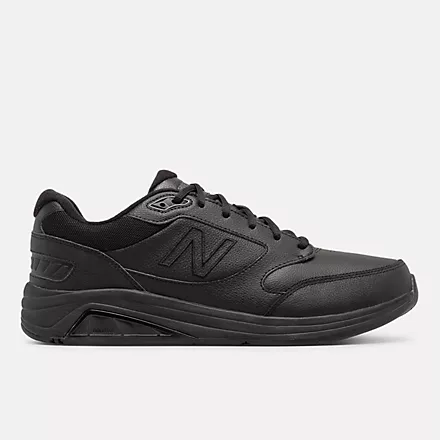
New Balance 928v3 Lace-Up Walking Shoe
$134-$145
Choose this when
You are an active walker who needs a shoe that performs well across distances and daily wear without feeling like a clinical device. The 928v3 carries ROLLBAR motion control technology that controls the overpronation driving bunion progression, paired with ABZORB cushioning that holds up through long walking days. It comes in four widths including 4E and its wide SL2 last provides genuine forefoot volume without a tapering toe box. It is the stronger choice for walkers under 65 who maintain an active lifestyle, patients who want a shoe that looks and feels like a traditional athletic walker, and anyone whose primary concern is controlling bunion progression through gait correction rather than purely accommodating an existing deformity.
ROLLBAR motion control technology and Clinical-Grade Support: The signature ROLLBAR® motion control system minimizes rear-foot movement, keeping your stride aligned and reducing stress on the plantar fascia.
Reduces morning heel pain and keeps you moving comfortably all day, whether you're on your feet for work or walking for fitness.
Maximum Shock Absorption: Engineered with ABZORB® cushioning in the midfoot to absorb harsh impacts, protecting your heels from painful concrete and hard floors.
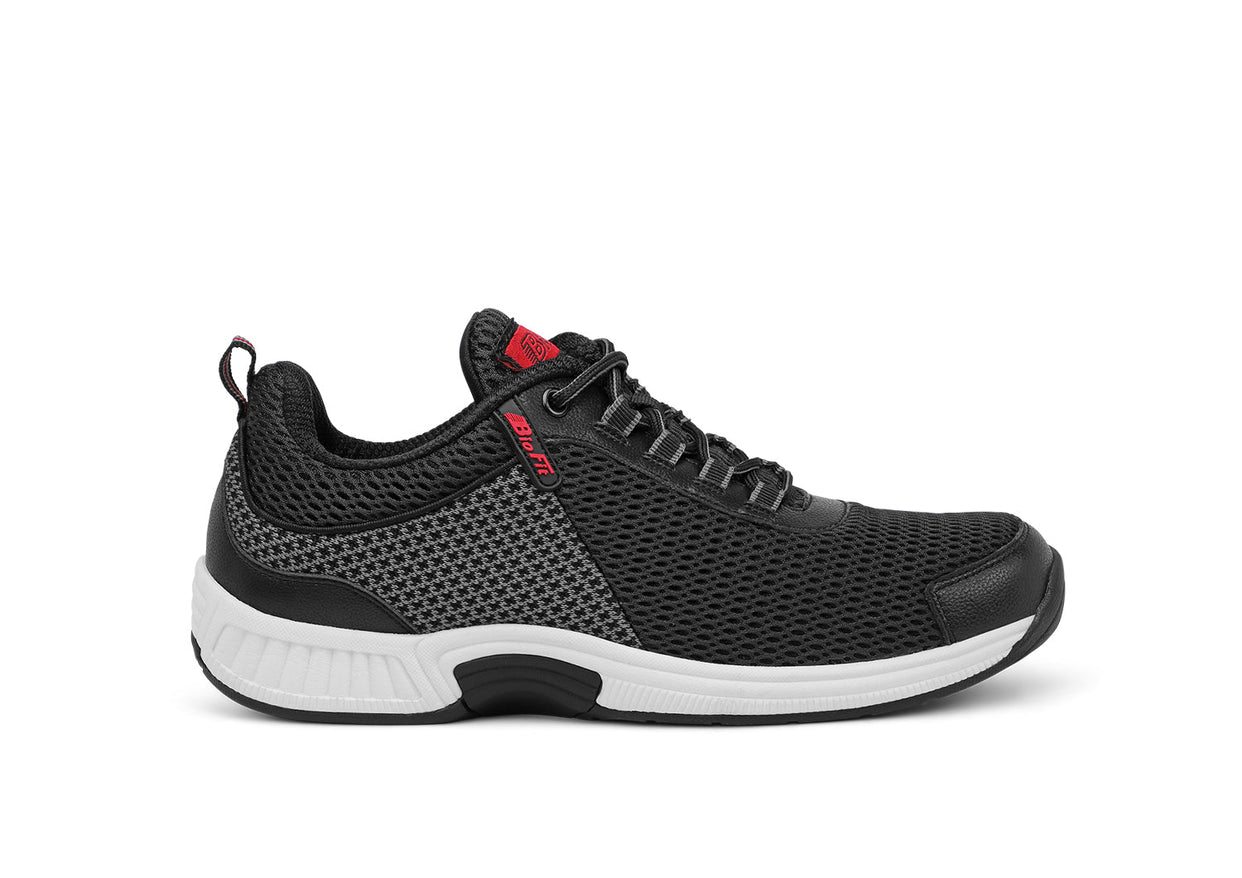
Orthofeet Edgewater
$129-$145
Choose this when
Your bunions are moderate to severe, accompanied by hammertoes, swelling, neuropathy, or diabetes, or have not responded adequately to standard wide width athletic shoes. The Edgewater's stretch upper is a clinically significant design feature. It eliminates the rigid pressure that any structured upper creates against the bunion prominence, regardless of width. Its extra-depth construction provides room that standard athletic shoes cannot match, accommodating custom orthotics without cramping the toes. The PDAC A5500 diabetic certification means it has been clinically reviewed for diabetic foot safety. For patients with complex foot presentations involving multiple conditions, the Edgewater is the more comprehensive orthopedic solution.
Biomedical-engineered extra-depth design accommodates custom orthotics
Stretch upper eliminates pressure on bunions, hammertoes, and swollen feet
Ergonomic Stride outsole with mild rocker reduces plantar fascia strain
The Honest Verdict
Both shoes are clinically appropriate for bunions with wide feet. The New Balance 928v3 is the stronger choice for active walkers who need motion control performance alongside bunion accommodation. The Orthofeet Edgewater is the stronger choice for patients with moderate to severe bunions, multiple co-existing foot conditions, or anyone whose feet require the clinical depth of a purpose-built orthopedic shoe, and it carries the APMA Seal of Acceptance. If you are unsure which category applies, a podiatrist can assess your bunion severity and gait mechanics to make the recommendation definitive.
Answer These. Then Decide
Four quick questions that point you toward the right shoe for your specific situation.
Do you have moderate to severe bunions accompanied by hammertoes, swelling, or neuropathy?
Do you need PDAC A5500 diabetic shoe certification alongside bunion accommodation?
Are you an active walker who needs performance motion control alongside bunion relief?
Do you use custom orthotics that require extra-depth shoe construction?
Has a standard wide width athletic shoe failed to adequately accommodate your bunion?
Frequently Asked
Is New Balance 928v3 good for bunions?
Yes. The New Balance 928v3 is a frequently recommended walking shoe for bunions. Its wide SL2 last provides genuine forefoot volume at the first MTP joint, its four width options including 4E accommodate significantly widened forefeet, and its ROLLBAR motion control technology addresses the overpronation that drives hallux valgus progression. It is most appropriate for active walkers with mild to moderate bunions who do not also have neuropathy or severe deformity.
Is the Orthofeet Edgewater good for bunions?
Yes, particularly for moderate to severe bunions or bunions accompanied by additional conditions. The Edgewater's stretch upper is the defining clinical feature. It accommodates the bunion prominence without any rigid pressure regardless of how the bunion protrudes. Combined with extra-depth construction, PDAC A5500 diabetic certification, and an ergonomic stride outsole that reduces plantar fascia strain, it provides a more comprehensive orthopedic solution than standard wide athletic shoes.
What is the difference between extra-depth shoes and standard wide width shoes for bunions?
Standard wide width shoes increase the horizontal volume of the shoe across the forefoot. Extra-depth shoes increase both the horizontal and vertical volume, providing additional room for orthotics, toe deformities like hammertoes that often accompany bunions, and swelling that standard wide shoes cannot accommodate. For patients with complex bunion presentations involving multiple deformities, extra-depth construction is clinically superior to simply choosing a wider standard shoe.
Can bunion shoes be covered by insurance or Medicare?
Potentially. The Orthofeet Edgewater carries PDAC A5500 diabetic shoe certification, which is the standard required for Medicare therapeutic footwear coverage. Patients with diabetes who qualify under Medicare Part B may be eligible for coverage of diabetic shoes including the Edgewater through their podiatrist or physician. The New Balance 928v3 does not carry PDAC certification and is not typically covered under Medicare therapeutic footwear benefits.
Related Comparisons
Still Not Sure Which Is Right for You?
Take our guided quiz and get a personalized recommendation based on your specific foot condition, activity level, and concerns. We explain exactly why each shoe fits your feet.