MySoleMatch Journal.
Research, observations, and systems thinking on foot health, supportive footwear, and the people whose daily lives depend on both. Not marketing. Not hype. Editorial.
All Articles
Research and observations
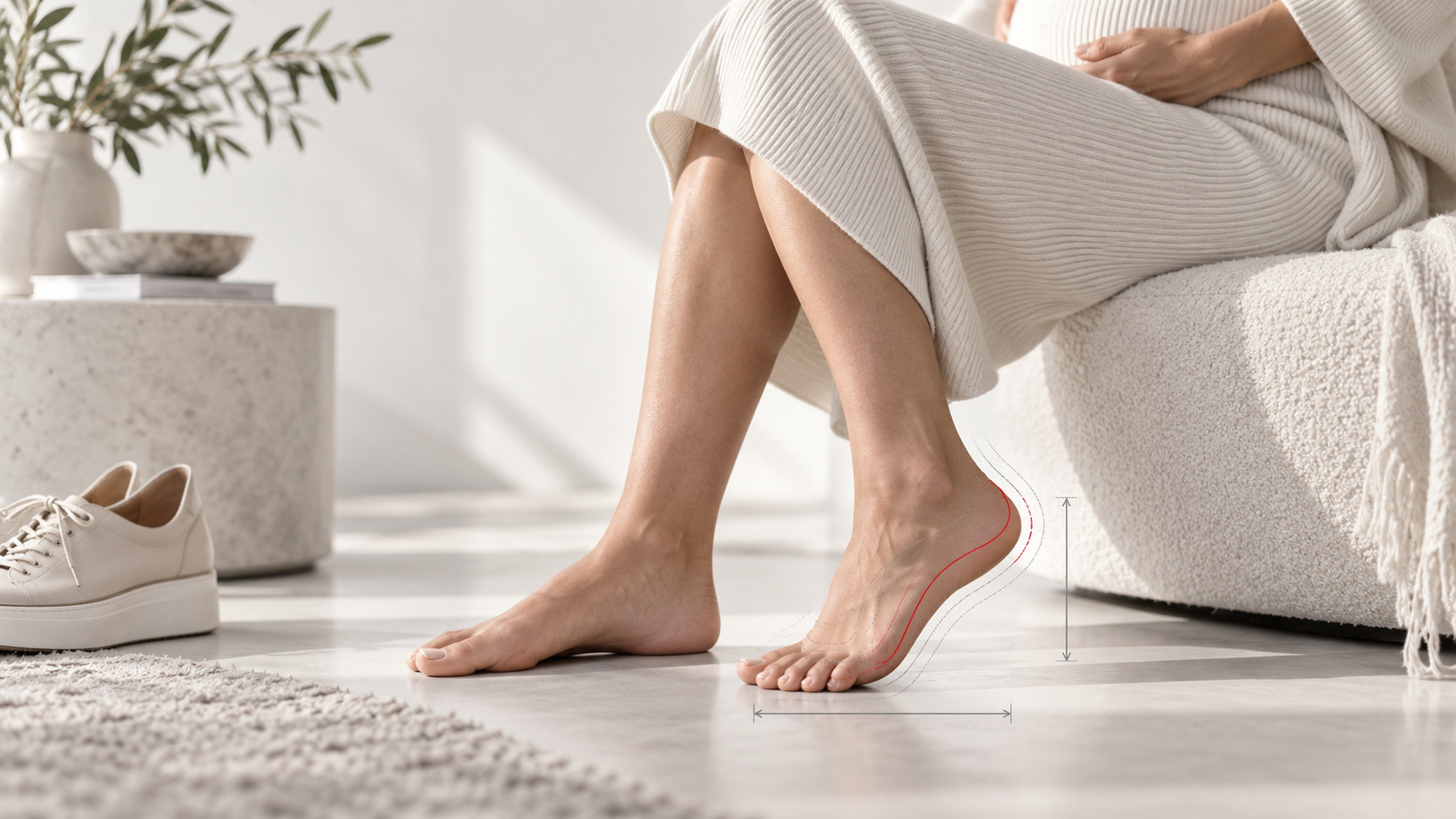
What Pregnancy Actually Does to Your Feet: Size, Width, Arches, Swelling, and What Actually Reverses
Pregnancy doesn't just cause swelling that goes away after birth. New 2026 research shows exactly how the foot changes shape, which changes reverse, and which ones don't.
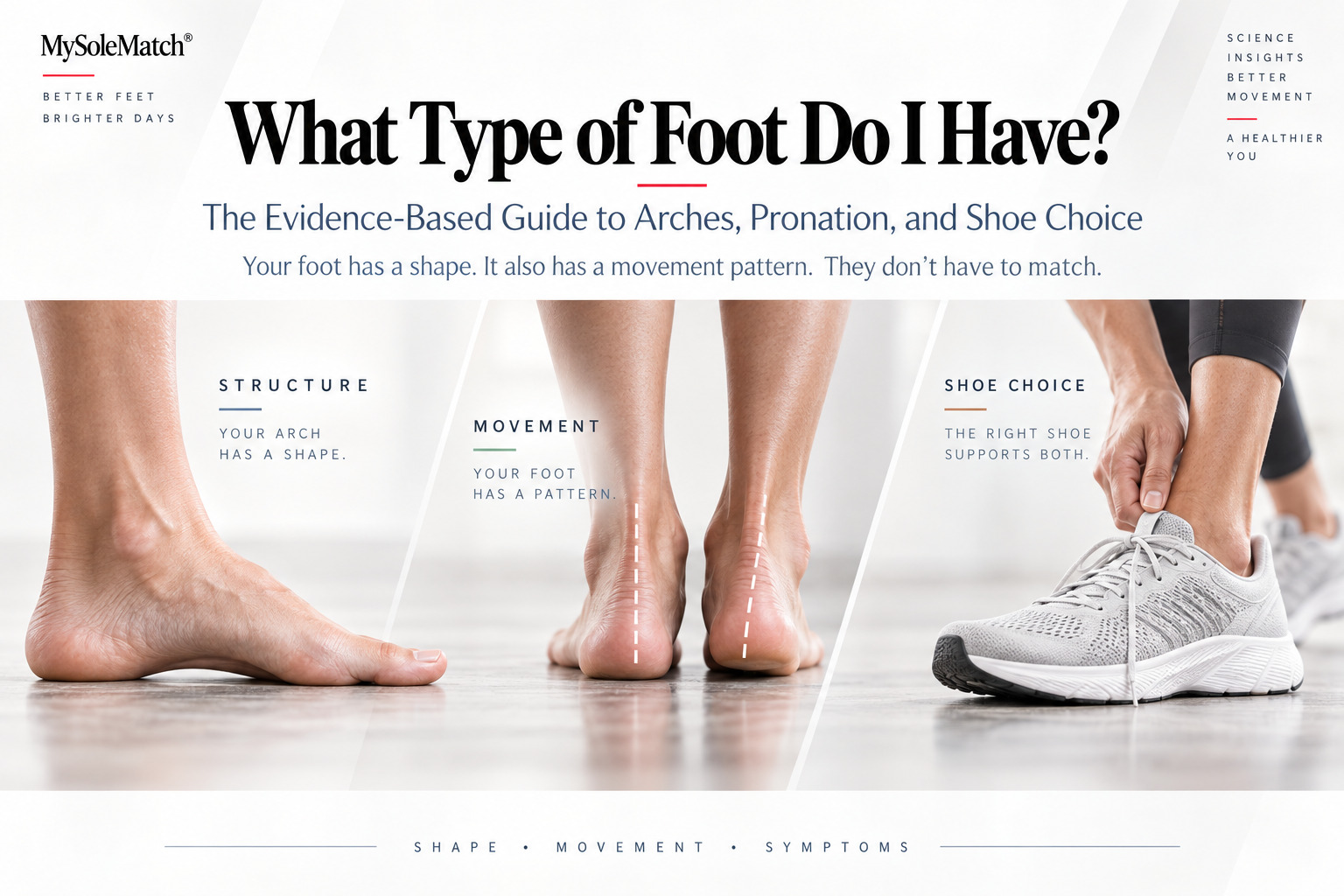
What Type of Foot Do I Have? The Evidence-Based Guide to Arches, Pronation, and Shoe Choice
Your foot has a shape. It also has a movement pattern. They don't have to match. A closer, evidence-based look at what arch height, pronation, and symptoms actually mean for shoe choice, backed by real research, not marketing shorthand.
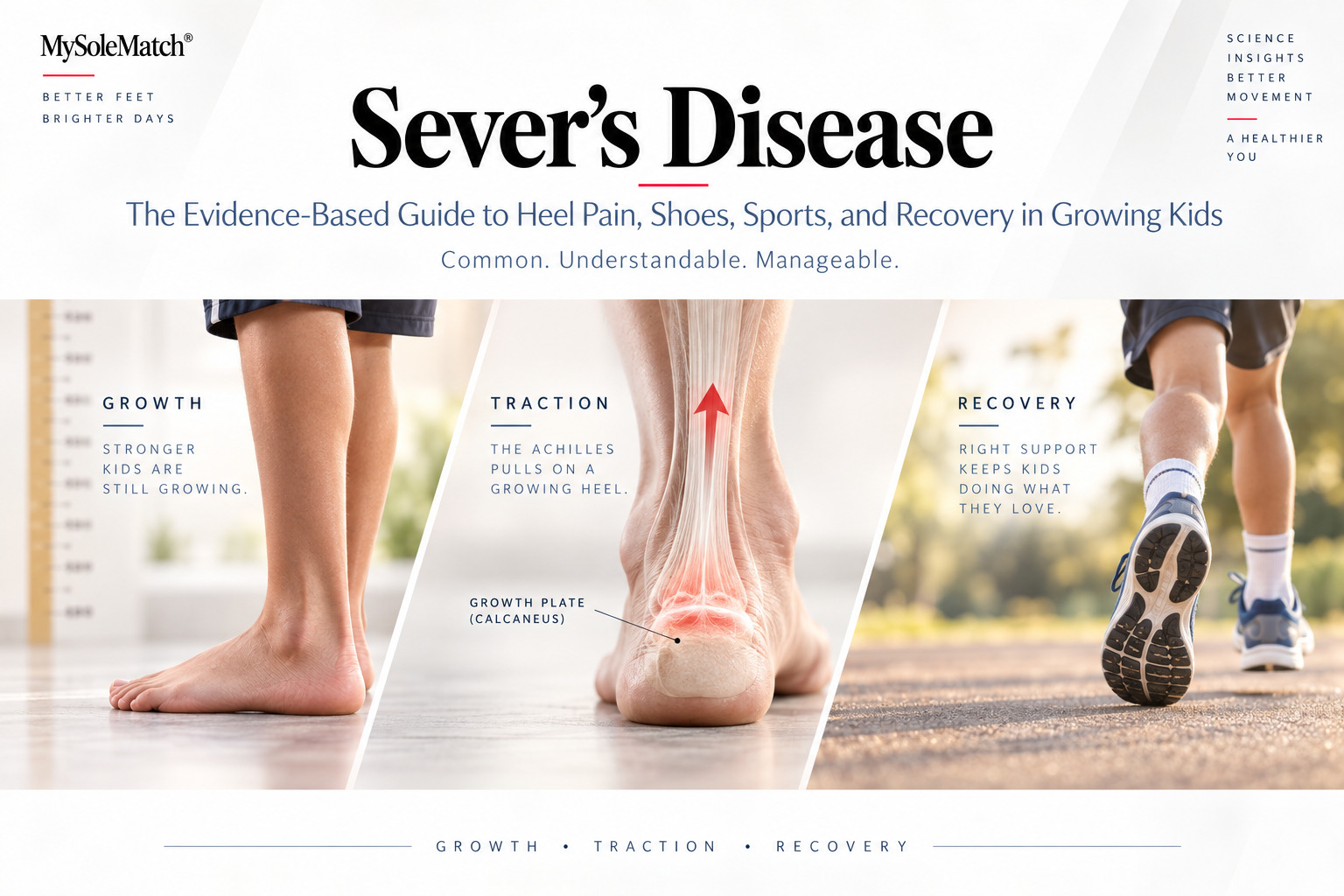
Sever's Disease: The Evidence-Based Guide to Heel Pain, Shoes, Sports, and Recovery in Growing Kids
Calcaneal apophysitis, explained for parents and young athletes. What actually causes Sever's disease, why the 'typical age' range is misleading, what the evidence says about treatment, and when to see a professional, sourced to peer-reviewed research, not guesswork.
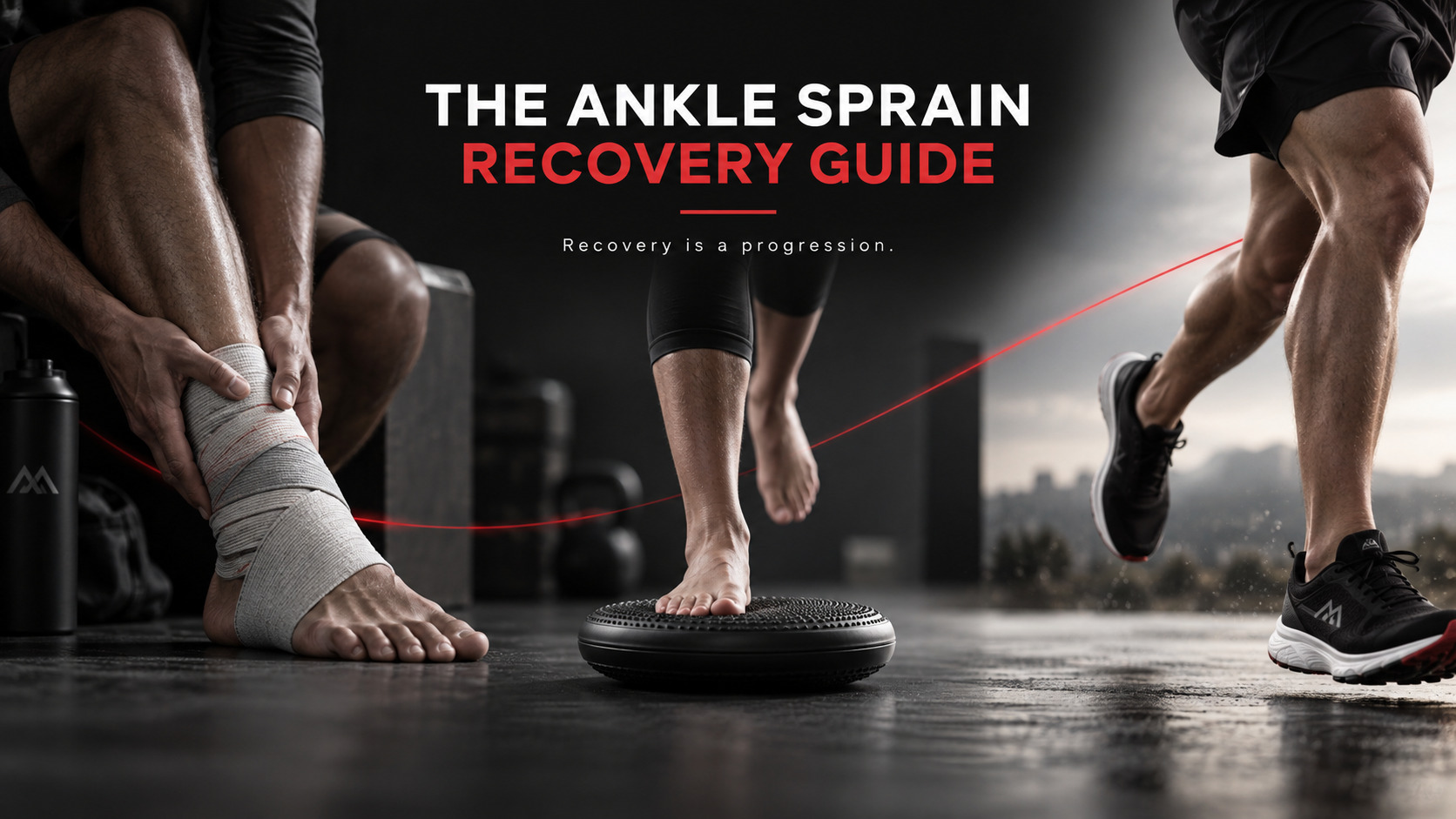
The Ankle Sprain Recovery Guide: Healing, Stability, Return to Activity, and Why Some Ankles Keep Giving Way
An ankle sprain isn't finished when the swelling goes down. What the evidence actually says about recovery milestones, the PAASS return-to-activity framework, chronic ankle instability, and whether any shoe really prevents or speeds recovery from a sprain.
Does the Right Shoe Actually Prevent Injury? What the Research Really Shows
A 2022 Cochrane review pooled data from over 11,000 runners to test whether matching shoe type to foot posture prevents injury. Here is what the highest tier of medical evidence actually found, and what it means for how you should choose running shoes.
The Wrong Shoes Can Increase Fall Risk. But the Softest or Most Supportive Shoe Is Not Always the Safest.
More cushioning feels like more protection. The research on falls in older adults tells a more specific, less intuitive story about what actually keeps people steady on their feet - and what does not.
When Foot Pain Is Actually a Circulation Warning: The Signs Shoes Cannot Fix
Foot and leg pain gets blamed on footwear more than almost anything else, and usually that is correct. But some of the same symptoms point to peripheral artery disease, a circulation problem no shoe can solve. Here is how to tell the difference.

Your Shoes Have an Expiration Date. Here Is How to Find It.
The 300 to 500 mile rule everyone quotes traces back to a single 1996 review. Here is what more recent research actually shows about midsole compression, why you probably cannot feel it happening, and better ways to tell a shoe is done.
Your Knee, Hip, or Back Pain Might Start in Your Feet. Here Is What the Evidence Actually Shows.
The idea that foot mechanics affect the knee, hip, and back is often stated as fact and rarely examined closely. Here is what peer reviewed research actually supports, where the evidence is strong, where it is thin, and what that means for how you should think about footwear.
The Foot and Blood Sugar Connection: What Changes Before Diabetes Is Ever Diagnosed
More than 115 million American adults have prediabetes and most do not know it. Research shows nerve changes in the feet can begin before a diabetes diagnosis is ever made. Here is what the research actually shows, and what it means for the shoes you wear today.
High Arches Are Not the Opposite of Flat Feet. They Are a Different Problem Entirely.
Most people with high arches buy the wrong shoe category entirely. The clinical case for why high arches require maximum cushioning neutral shoes. Not arch support, not stability, not motion control.

When to See a Podiatrist: The Signals That Have Moved Beyond Footwear
Most people wait too long to see a podiatrist. Here is the clinical signal framework that tells you exactly when foot pain has moved beyond what footwear can address and what a podiatrist can do that a shoe cannot.
New Shoe Pain: What Is Normal, What Is a Warning Sign, and What Means Return It Today
The footwear industry normalizes pain in new shoes as a break-in phase. Podiatric guidance says the opposite. Here is the clinical framework for reading exactly what your new shoe pain is telling you.
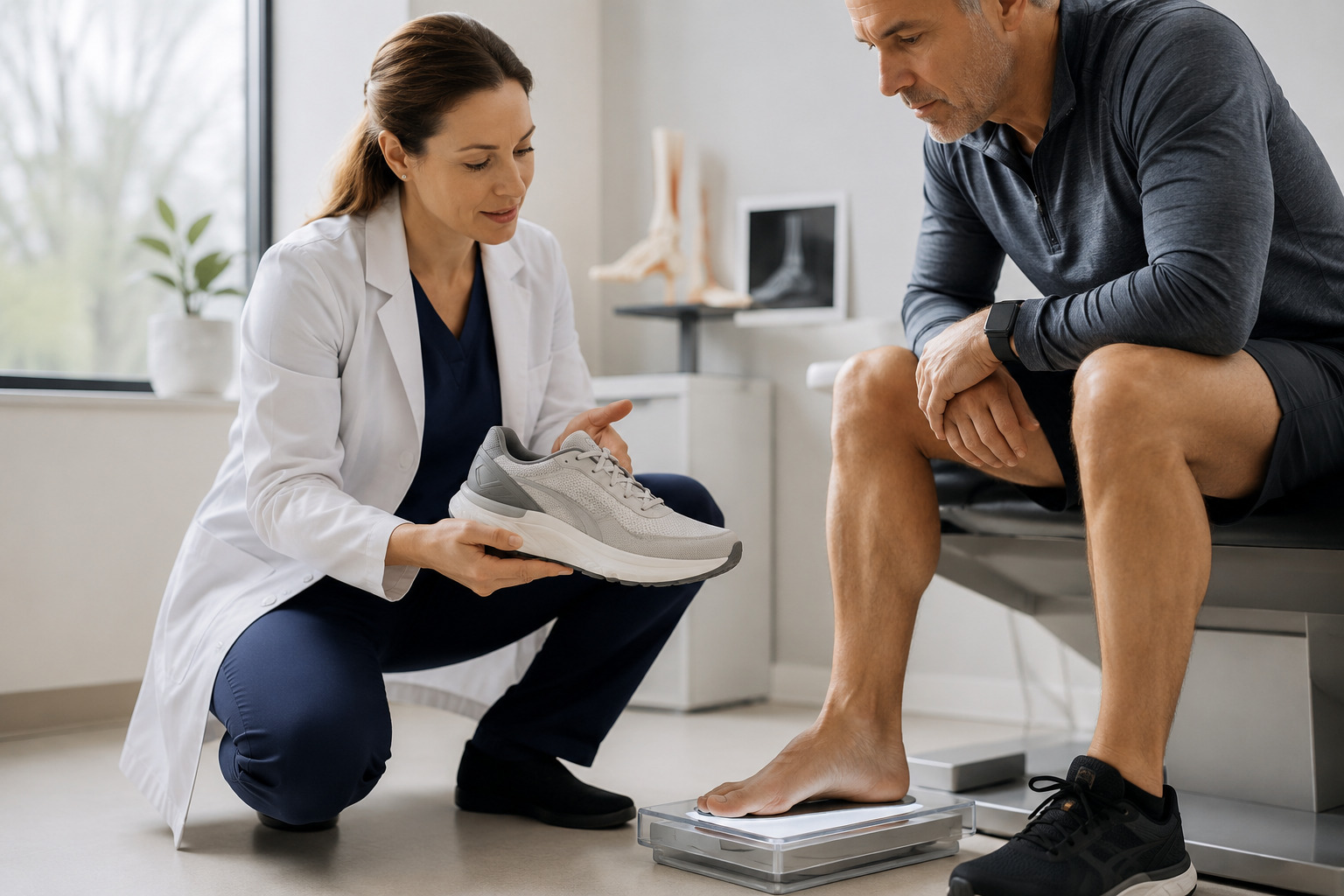
Condition-Specific Footwear. How to Actually Decide.
Most people with a diagnosed foot condition shop the wrong way. Here is the decision framework that actually works. What each condition mechanically requires from a shoe, what disqualifies a shoe regardless of its reputation, and how to filter to the right answer without brand bias.
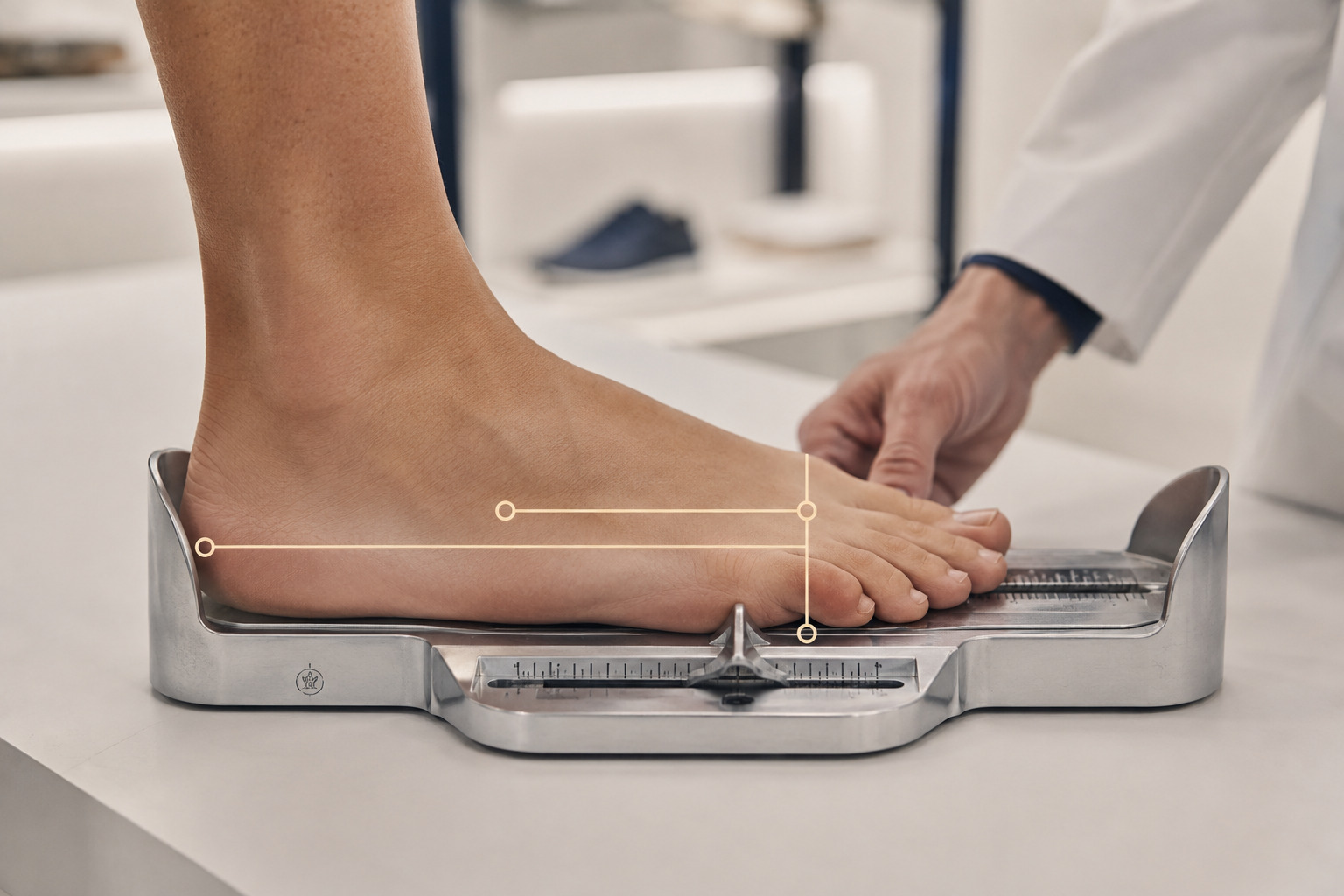
Shoe Width Is Not One Thing. It Is Three. Here Is Why Getting It Wrong Ruins the Fit.
Most people think shoe width means one number on a label. It does not. Width is actually three separate dimensions, and getting any one of them wrong is enough to cause pain, injury, and progressive foot deformity. Here is how the system actually works.

You Bought the Right Shoes. So Why Do Your Feet Still Hurt by 2pm?
You spent real money on supportive shoes. You did the research. Your feet still ache by mid-shift. The problem is rarely the shoe itself. Here is what is actually happening and what footwear can and cannot solve.
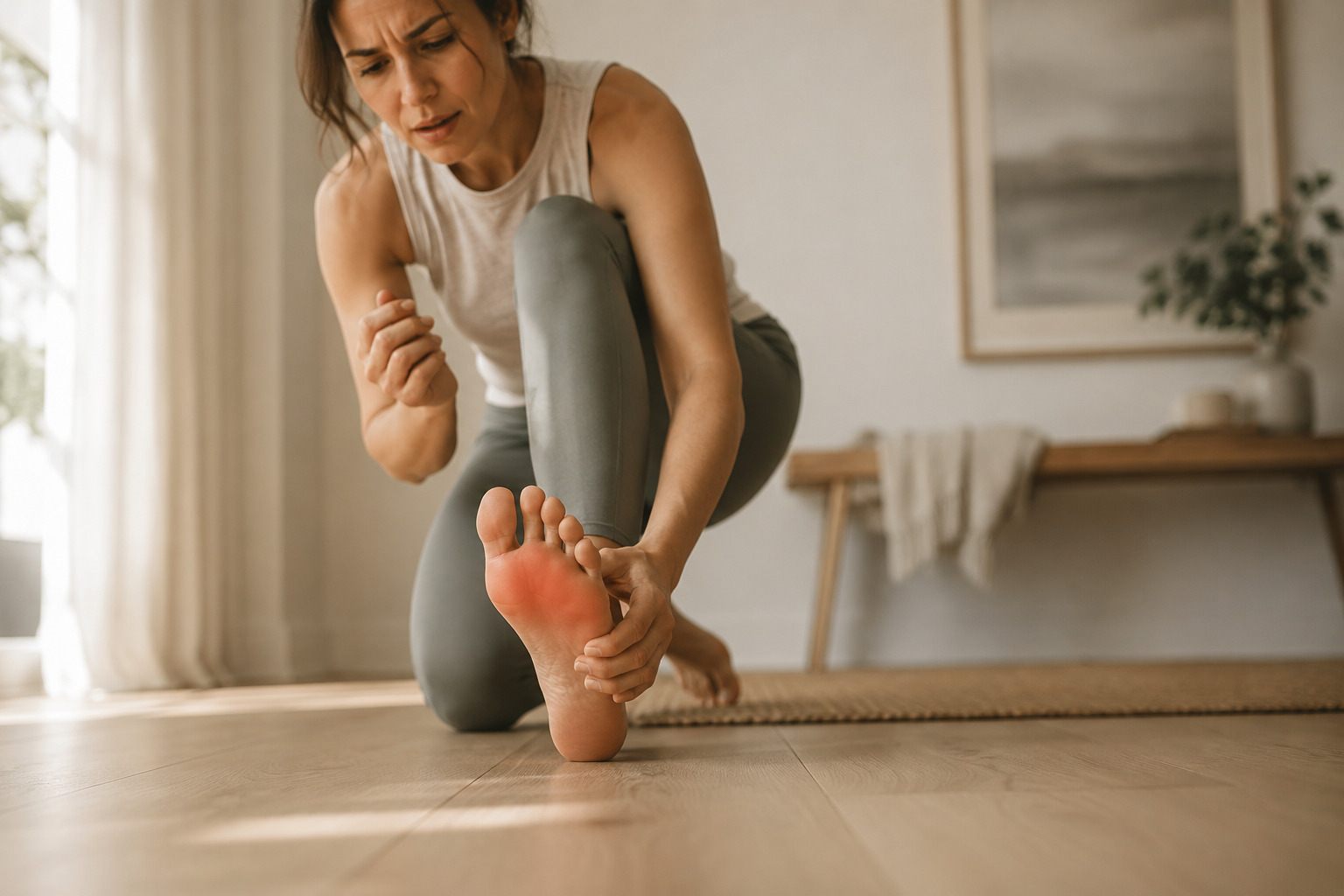
Why Does the Ball of My Foot Feel Like I Am Walking on a Pebble?
That burning, aching sensation under the ball of the foot is one of the most common forefoot complaints in podiatric medicine. Here is what is actually happening inside the foot, what conditions produce that feeling, and what footwear can and cannot do about it.
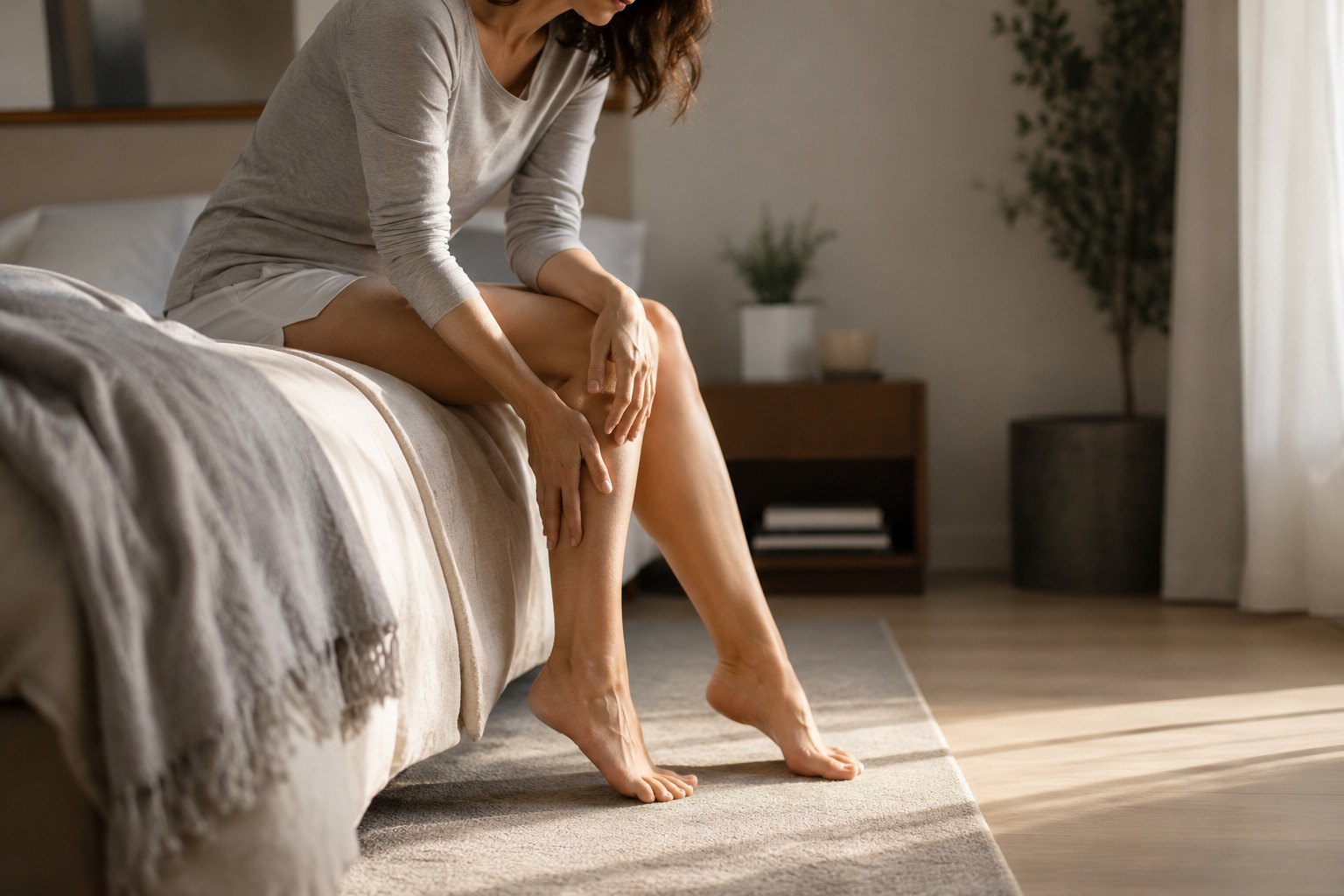
Why Do My Feet Hurt the Moment I Get Out of Bed?
Morning foot pain that eases after a few minutes of walking is one of the most recognizable patterns in podiatric medicine. Here is what each type of morning pain actually means, which condition it points to, and what to do about it.
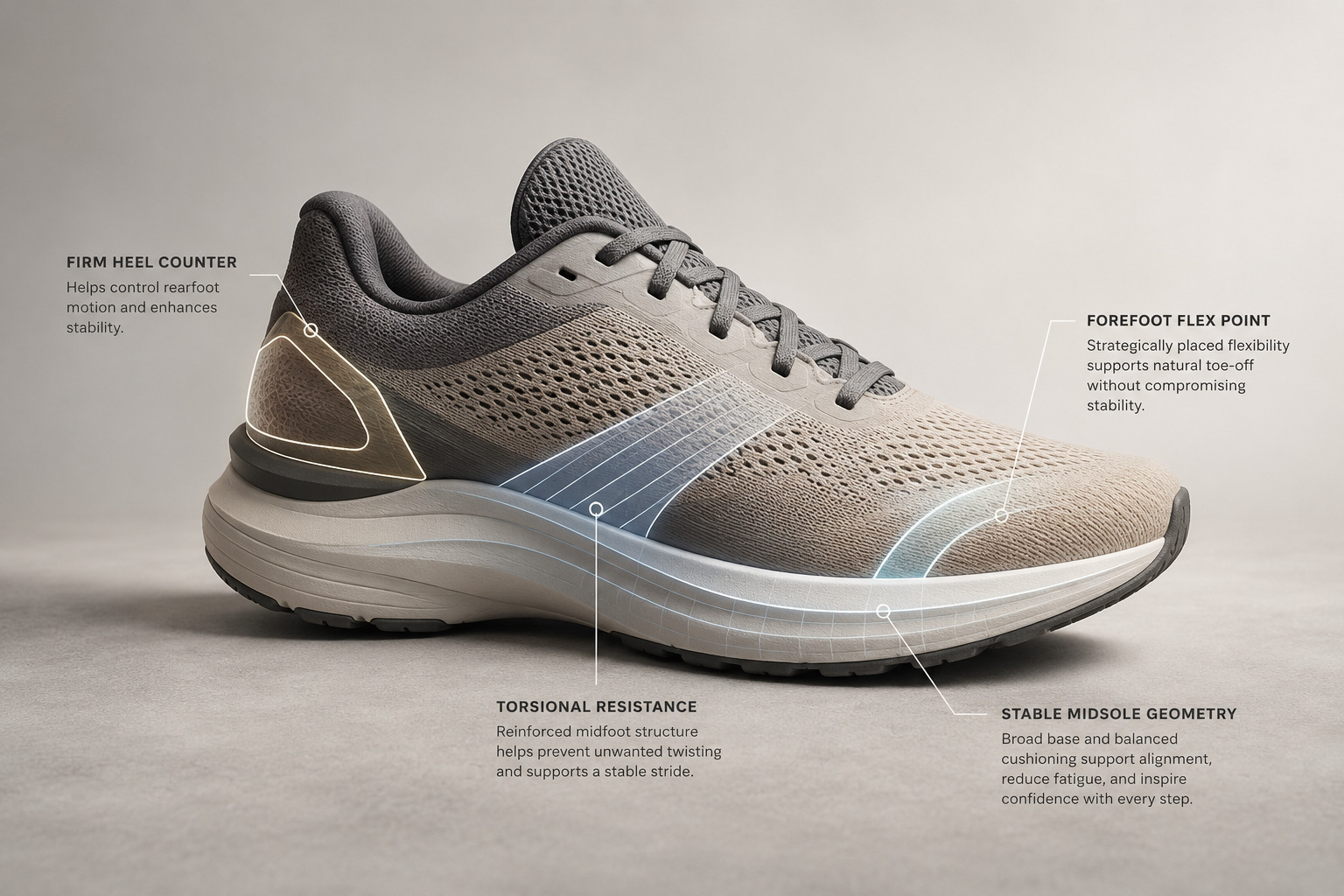
What "Supportive Shoes" Actually Means and Why It Depends on Your Feet
The word supportive has been repeated so many times it has lost its clinical meaning. Two shoes both labelled supportive can have opposite effects on the same foot. Here is what support actually means and why it only matters in the context of your specific condition.
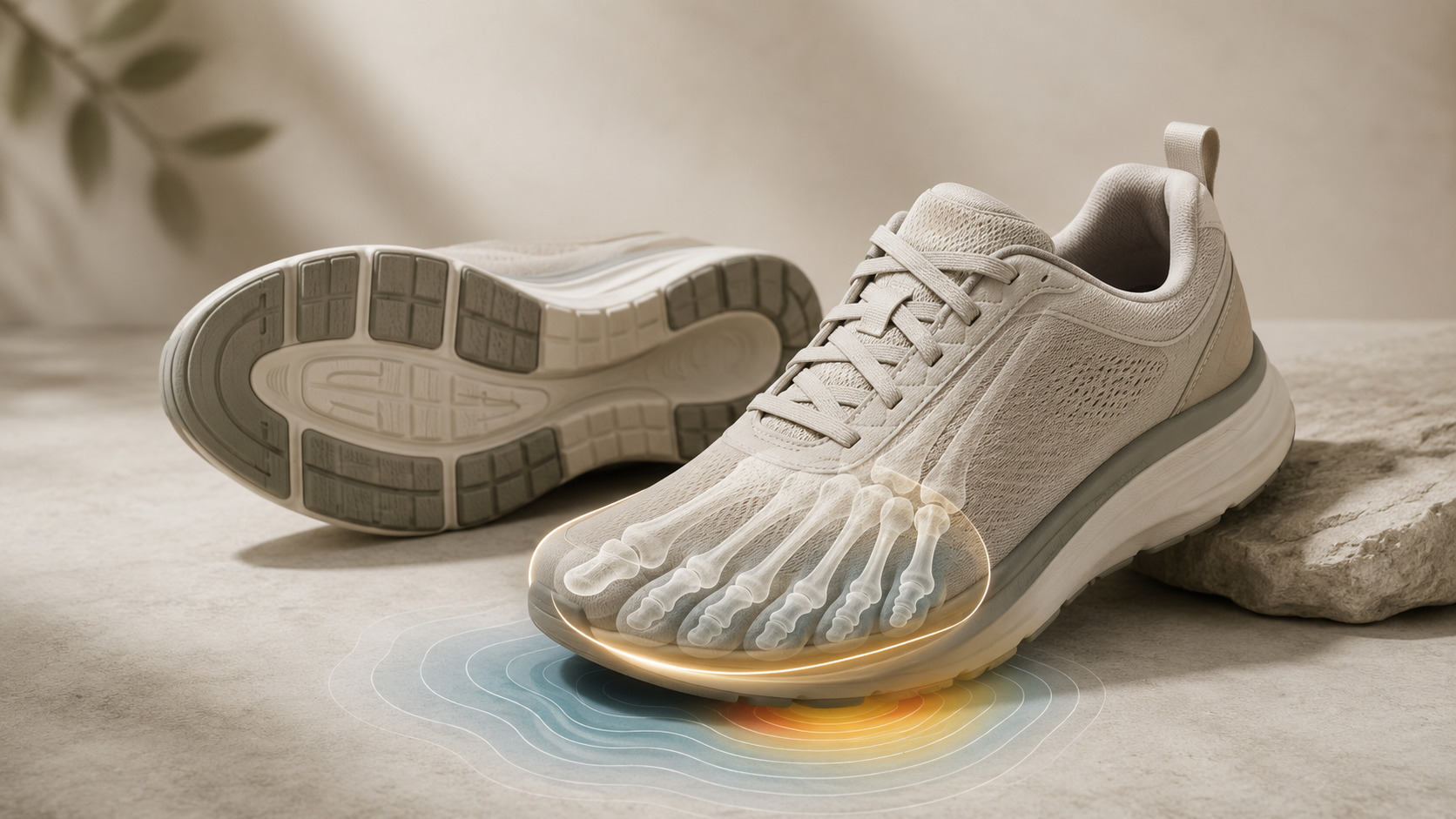
Wide Toe Box Shoes. Who Actually Needs Them and Why
Wide toe box has become a trend. But not everyone who wears them needs them, and not everyone who needs them knows it. Here is the honest breakdown of who genuinely benefits, which conditions require it, and what wide toe box actually means versus wide fit.
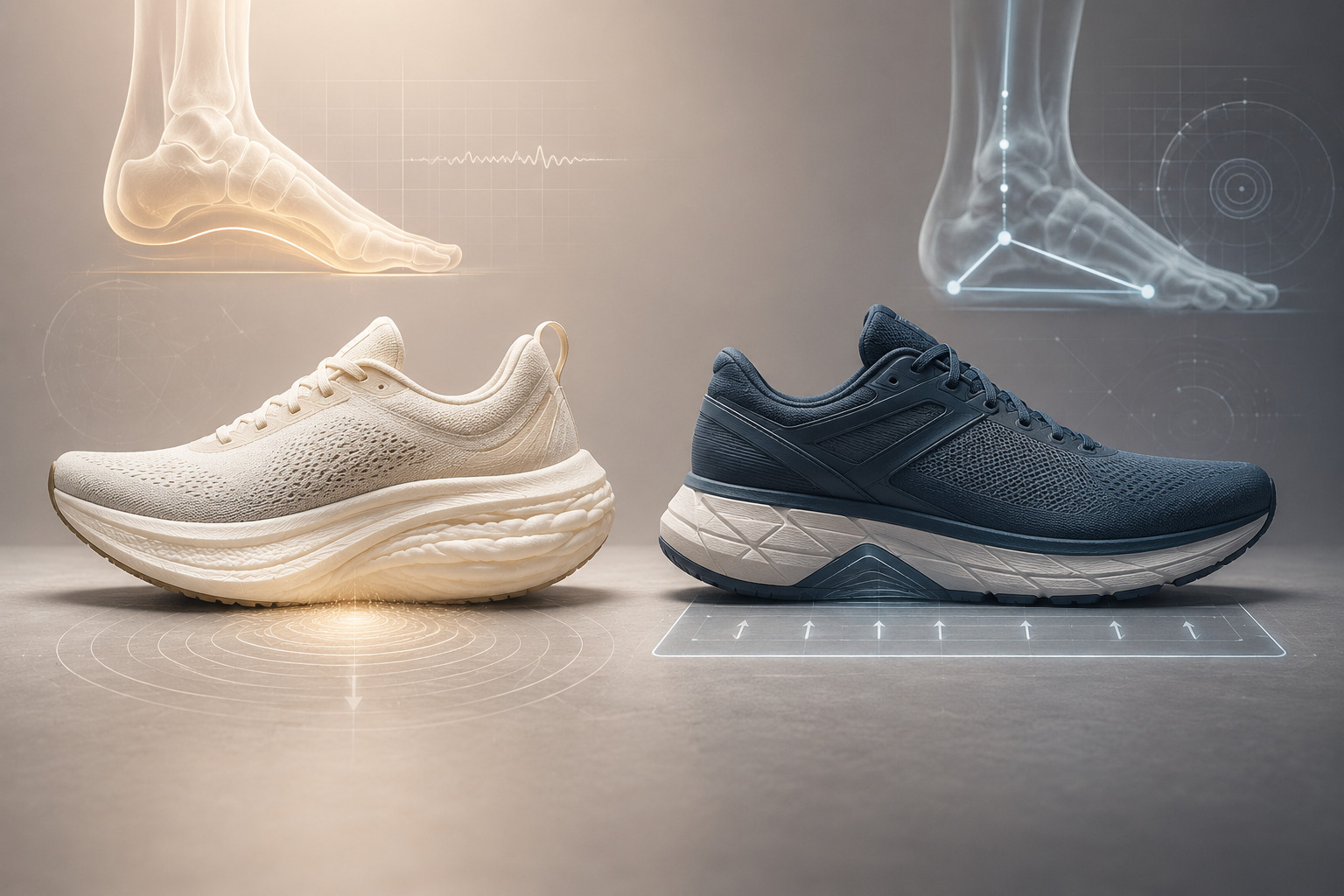
Softness vs Stability. Why They Are Not the Same Thing
The instinct when feet hurt is to reach for the softest shoe available. That instinct is understandable and frequently wrong. Softness and stability are different things and confusing them is one of the most common mistakes in supportive footwear.
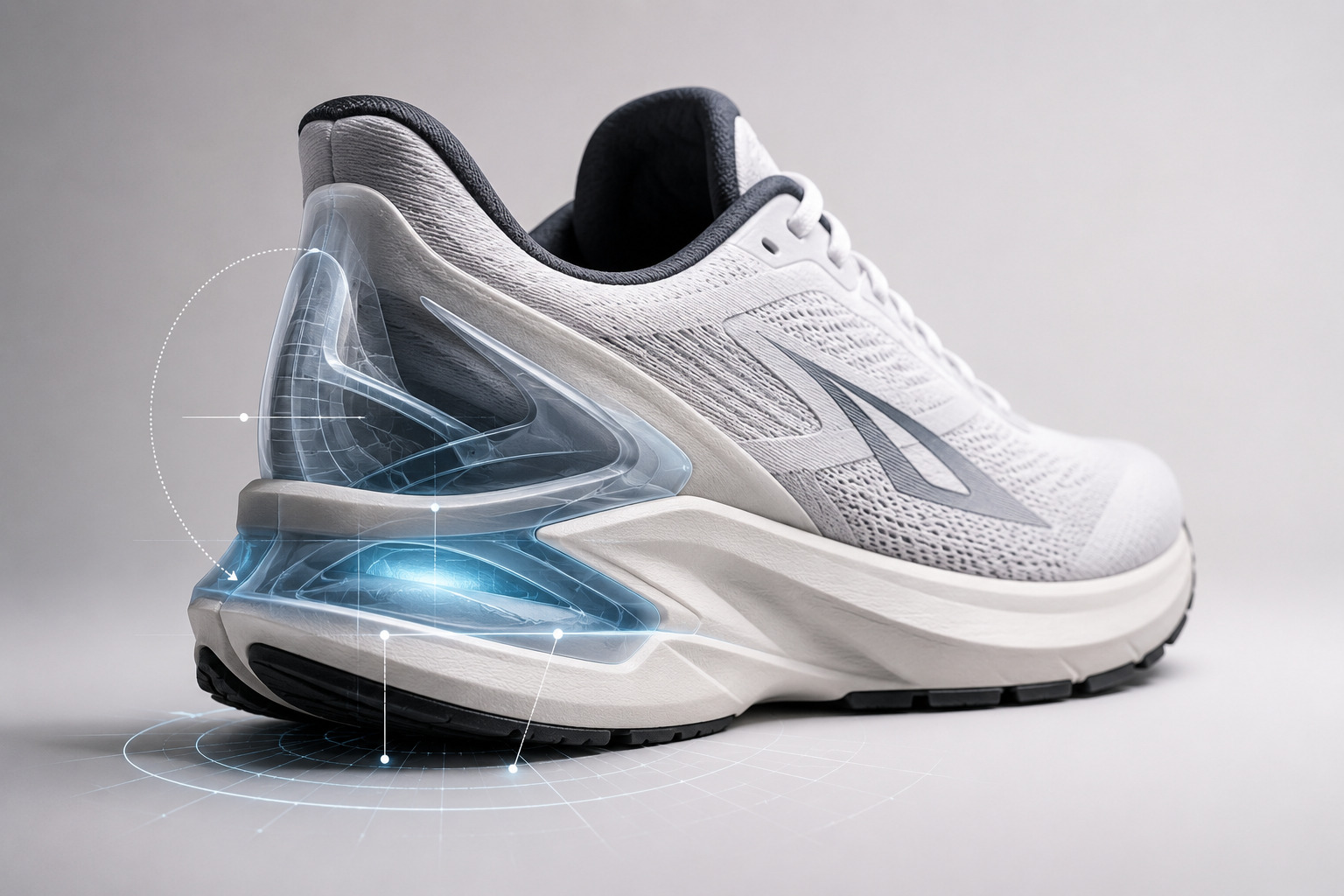
Ankle Support Is More Complicated Than Most People Think
More ankle support is not always better. Stack height, heel counter design, motion control, and stability features interact in ways that help some people and create instability for others. The conversation around ankle support needs more nuance than it typically gets.
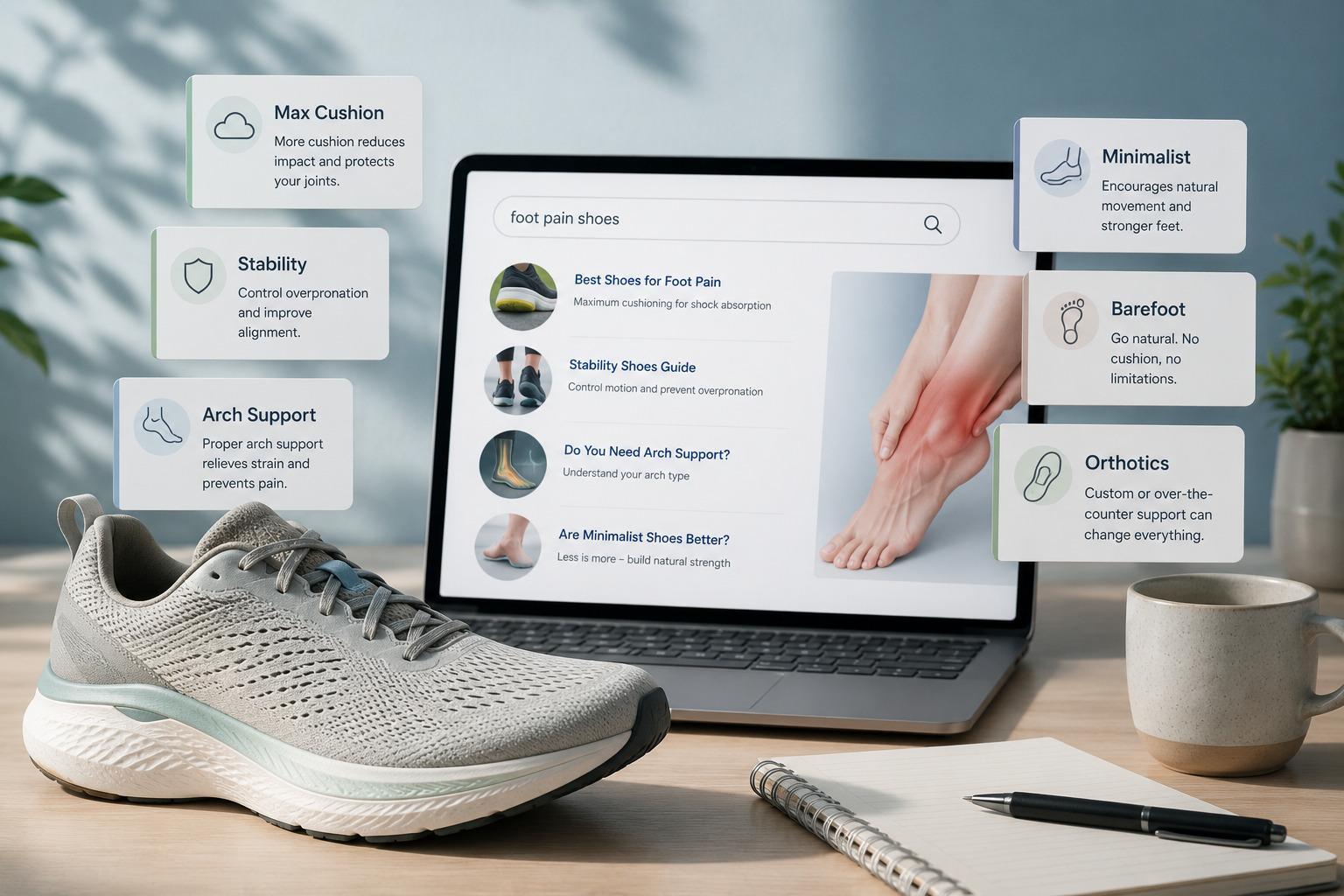
Why Foot Pain Recommendations Online Feel So Contradictory
One article says maximum cushioning. Another says firm support. One podiatrist recommends stability shoes. Another recommends neutral. The contradictions are real and there is a specific reason they exist.

ASICS Just Changed What Stability Means: GEL-Kayano 33 FluidSupport Explained
For 33 years the Kayano was built around mechanical correction. The Kayano 33 replaces all of that with a single new system called FluidSupport. Here is what actually changed, why it matters, and what it means for runners and foot pain sufferers.
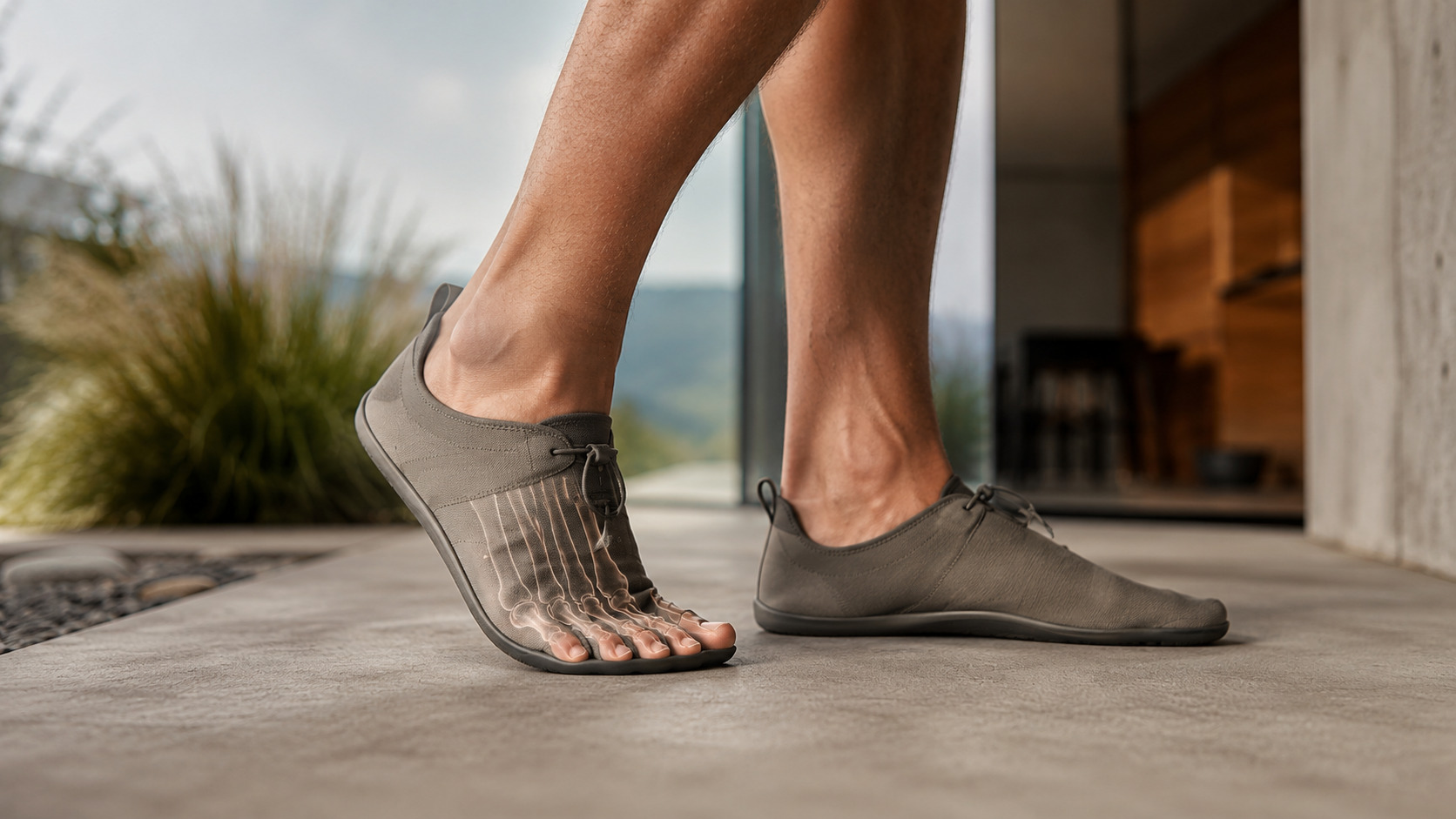
Are Barefoot Shoes Actually Better For Your Feet?
The trend is real. The research behind it is legitimate. And neither of those things tells you anything about your feet specifically. The honest, condition-aware answer to the question everyone is searching right now.

Why So Many Nurses End Up in HOKAs
Walk into almost any hospital unit and you will see HOKA shoes. It did not happen by accident. There is a specific biomechanical reason healthcare workers converge on the same brand after years of trying everything else.
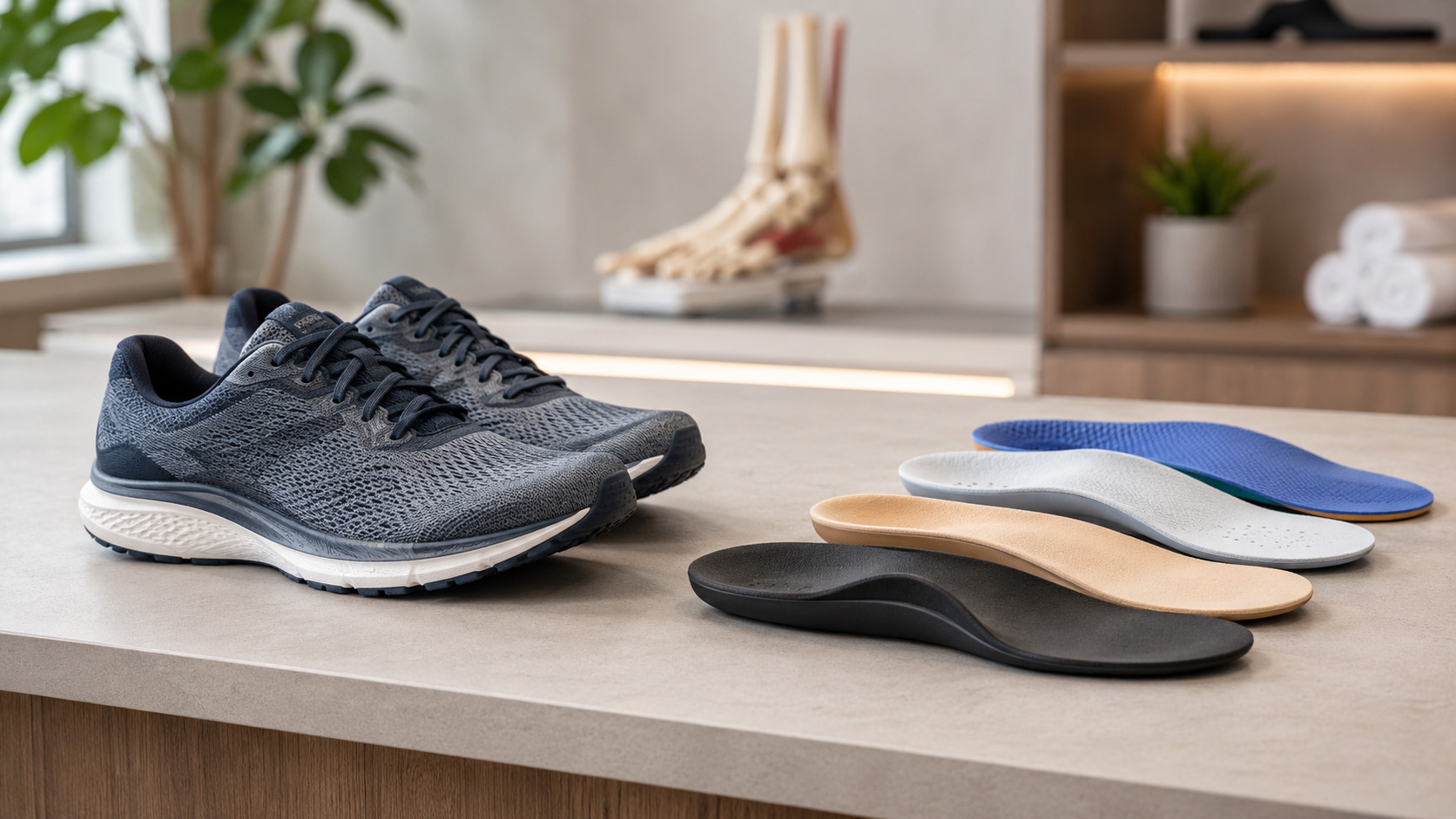
Orthotics or Better Shoes: How to Actually Decide
Most people with foot pain face the same fork in the road: spend $400 on custom orthotics or find a shoe that does the same job. The answer depends on your specific condition. Here is the honest framework for making that decision.
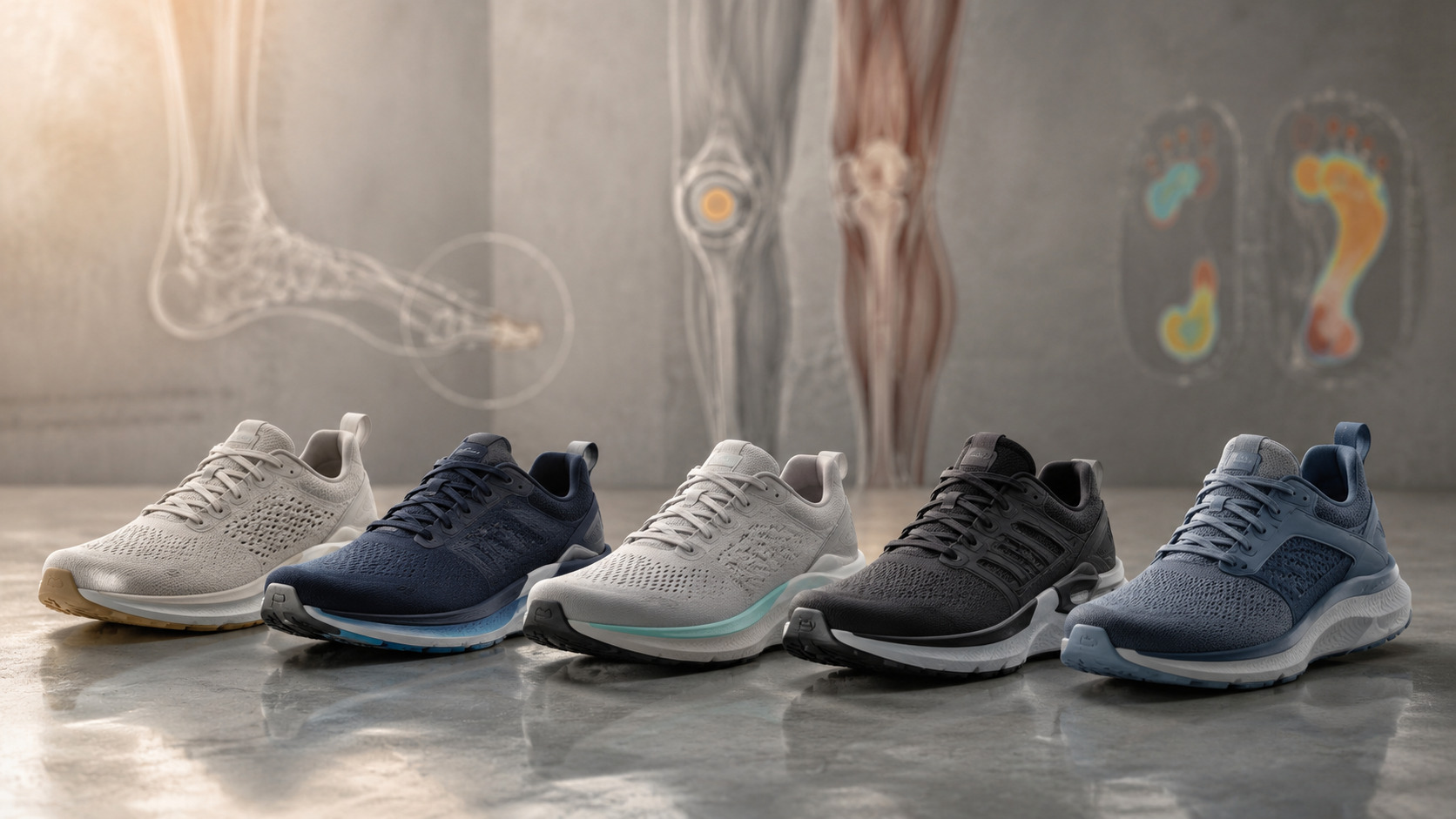
Why Your Shoes Might Be Making Your Foot Pain Worse. Even When They're Good Shoes
You bought the recommended shoes. You spent real money. Your feet still hurt. The problem is not always the shoe. It is the mismatch between the shoe and the specific condition. Here is what that mismatch looks like and why it happens so often.

Why Finding the Right Shoe for Plantar Fasciitis Is So Confusing
Search for the best shoe for plantar fasciitis and you will find hundreds of conflicting recommendations. Here is why that happens and what actually matters when the condition is real and the pain is not going away.

What Standing All Day Actually Does to Your Feet
Standing all day is not rest for your feet. It is a different kind of work. Here is the actual biology of what happens inside the foot during a long shift: muscle fatigue, circulation changes, plantar fascia strain, heel fat pad load, and why the shoe you wore at 7am may not fit the same foot at 3pm.

Most People Don't Realize Their Job Is Destroying Their Feet
For nurses, teachers, retail workers, and warehouse staff, foot pain is not random. It is the result of repeated exposure to hard floors, long shifts, and footwear that was never chosen for the work the feet are actually doing.

Why More Support Is Not Always Better
Supportive footwear is far more dependent on compatibility, movement, and context than most people realize. More cushioning and more structure do not automatically mean more comfort.

Why Shoe Reviews Rarely Help People With Foot Pain
Most shoe reviews are built around performance, popularity, and style. People with foot pain are trying to solve a completely different problem.

What I Learned Researching 90+ APMA-Accepted Shoes
After reviewing over 90 APMA-accepted shoes across 13 brands, a clear pattern emerged. The shoes most consistently recommended for foot pain were rarely the loudest in marketing.
Foot health research, published here first.
Original articles on foot health, supportive footwear, and the conditions that affect daily life. No marketing. No hype. Editorial.