Disclosure: We may earn a small commission if you purchase through links on this page. No additional cost to you. We just want to be transparent about how we fund this site.
New Balance vs HOKA for Preventing Plantar Fasciitis
You don't have it yet. Here is how to make sure you never do.
We don't just recommend shoes. We explain why they work for your feet.
What You Need to Know First
Plantar fasciitis develops when repetitive stress on the plantar fascia exceeds the tissue's ability to recover. Risk factors include sudden increases in activity, prolonged standing on hard surfaces, worn-out footwear, and biomechanical issues like overpronation or high arches. Prevention requires shoes that absorb cumulative impact before it reaches the fascia, maintain arch support throughout the life of the shoe, and do not compress out under daily use. Replacing shoes before they reach 400-500 miles is equally important - worn-out cushioning is one of the leading preventable causes of plantar fasciitis.
Most people only think about foot health after something goes wrong. But plantar fasciitis does not appear overnight - it builds gradually through weeks or months of cumulative stress on the plantar fascia. Runners increasing their mileage, professionals spending more time on hard floors, and anyone wearing unsupportive footwear daily are all accumulating that stress right now. The good news is that the right shoe can prevent plantar fasciitis from developing in the first place - and that is a fundamentally different calculation than treating it after it has already inflamed. New Balance and HOKA both make excellent prevention-focused daily trainers. The Fresh Foam X 880v15 and Clifton 10 are two of the most recommended preventive options by podiatrists for active adults under 55. Here is how to choose between them before foot pain ever becomes an issue.
Specs Compared
Factual specs only. No brand is favored. You decide what matters most for your feet.
Which One Is Right for You?
Both are excellent. Here is the honest case for each based on your specific situation.

New Balance Fresh Foam X 880v15
$145-$155
Choose this when
You want a versatile all-rounder that works equally well for running, walking, and everyday wear with no compromise. The 880v15's Fresh Foam X midsole delivers a balanced cushioned ride that is neither too soft nor too firm - the ideal profile for long-term prevention because it maintains consistent support without the instability that can come from excessively soft maximalist foam. It is also the stronger prevention choice if you have mild overpronation, prefer a more grounded natural feel, or want a shoe that transitions seamlessly from runs to everyday wear.
Fresh Foam X midsole with approximately 3% bio-based content for cushioned ride
Structured yet breathable engineered mesh upper
Structured, breathable engineered mesh upper, per New Balance
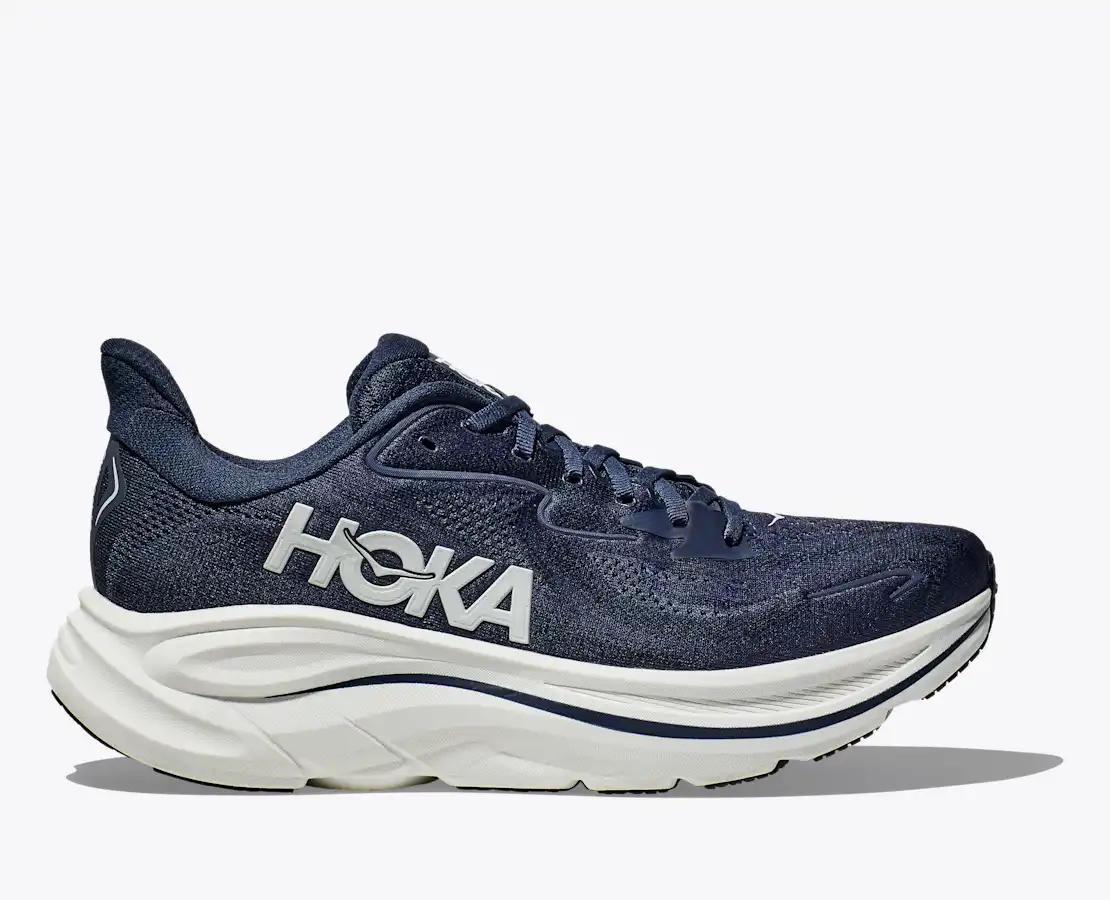
HOKA Clifton 10
$145-$160
Choose this when
Your prevention priority is maximum impact absorption - particularly if you are a runner logging high weekly mileage, spend long hours on hard floors, or have a history of heel sensitivity even without diagnosed plantar fasciitis. The Clifton 10's CM EVA midsole and 8mm heel drop reduce the cumulative load on the plantar fascia more aggressively than a standard cushioned trainer. Its APMA acceptance and increased toe box volume for natural toe splay also make it an excellent all-day shoe for active professionals.
CM EVA midsole for plush responsive cushioning
8mm heel drop reduces Achilles and calf strain
APMA Seal of Acceptance pid=9032 - lightweight daily trainer verified directly from APMA Seal Database May 2026
The Honest Verdict
Both are APMA accepted and among the most recommended preventive daily trainers available. The New Balance 880v15 is the better all-rounder for runners and everyday wearers who want balanced cushioning and mild stability. The HOKA Clifton 10 is the better choice for high-mileage runners and professionals who want maximum impact absorption as a primary prevention strategy. Either shoe worn consistently and replaced at 400-500 miles will significantly reduce your plantar fasciitis risk.
Answer These. Then Decide
Four quick questions that point you toward the right shoe for your specific situation.
Are you logging high weekly running mileage?
Do you want a shoe that works equally well for running and everyday wear?
Do you have a history of heel sensitivity or previous foot pain?
Do you prefer a more grounded natural feel underfoot?
Frequently Asked
Can the right shoes actually prevent plantar fasciitis?
Yes - and this is one of the most clinically supported areas of preventive podiatric care. Supportive footwear that absorbs cumulative impact, maintains arch support, and controls biomechanical stress directly reduces the load on the plantar fascia before inflammation develops. Studies consistently show that people who wear supportive footwear and replace it regularly have significantly lower rates of plantar fasciitis than those who wear worn-out or unsupportive shoes.
How often should I replace my shoes to prevent plantar fasciitis?
Most podiatrists recommend replacing running and daily wear shoes every 300 to 500 miles or every 6 to 12 months for everyday wear. The midsole foam - which provides the critical cushioning - compresses and loses its protective properties well before the outsole rubber shows visible wear. A good rule of thumb is that if you press your thumb into the midsole and it feels firm with little give, the cushioning has worn out even if the shoe looks fine.
I am 28 and active - do I really need to worry about plantar fasciitis?
Yes. Recent 2025 data shows that over 55 percent of people aged 20 to 35 report acute foot pain, with plantar fasciitis being one of the most common causes. High-impact fitness culture, long hours on hard floors, and wearing fashion footwear for daily use have all contributed to a significant rise in plantar fasciitis among younger adults. Prevention is far easier than treatment - establishing good footwear habits now is one of the highest-return health investments you can make.
What else can I do to prevent plantar fasciitis beyond wearing good shoes?
Stretching the plantar fascia and calf muscles daily, increasing activity intensity gradually rather than suddenly, maintaining a healthy weight to reduce mechanical load, and avoiding prolonged barefoot walking on hard floors are all evidence-based prevention strategies. Wearing supportive footwear is the single most impactful intervention but combining it with regular stretching and sensible training progression provides the strongest protection.
Related Comparisons
Still Not Sure Which Is Right for You?
Take our guided quiz and get a personalized recommendation based on your specific foot condition, activity level, and concerns. We explain exactly why each shoe fits your feet.