Disclosure: We may earn a small commission if you purchase through links on this page. No additional cost to you, and we only recommend products we trust. This helps us keep MySoleMatch free and ad-free. Thank you for your support!
Bunions
Bunions are one of the most common foot deformities, affecting nearly 1 in 4 adults. They develop when the big toe pushes inward against the second toe, causing the joint at the base to protrude outward. While genetics play a major role, footwear choice significantly affects how quickly bunions progress and how much pain they cause. Wide toe box shoes are essential.
Signs You May Have Bunions
Visible bony bump at the base of the big toe
Swelling, redness, or soreness around the joint
Persistent or intermittent pain
Big toe angling toward the second toe
Difficulty fitting into standard shoes
Corns or calluses where toes overlap
Walk Into Your Appointment With Answers
Before Your Next Appointment
Take Your Results to Your Podiatrist
Answer a few quick questions. Takes under 2 minutes. Get personalized shoe recommendations.
Best Shoes for Bunions | MySoleMatch
A wide or extra-wide toe box is non-negotiable. Look for soft, flexible uppers that do not press against the bunion joint. Avoid pointed or narrow toe boxes entirely.

New Balance Fresh Foam X 860v15
$145-$155
Why this shoe
Wide toe box with soft engineered mesh upper reduces lateral pressure on the bunion joint.
Fresh Foam X midsole with Stability Plane technology
Engineered mesh upper for breathability
Described by New Balance as a stability shoe

Brooks Ghost 17
$140-$155
Why this shoe
Available in five widths including extra wide - roomy toe box reduces bunion pressure while soft DNA Loft v3 upper accommodates foot deformities.
DNA Loft v3 nitrogen-infused foam for soft responsive cushioning
APMA Seal of Acceptance pid=9077 - PDAC A5500 diabetic shoe certified - verified directly from APMA Seal Database May 2026
Segmented crash pad for smooth heel-to-toe transitions

New Balance Fresh Foam X 880v15
$145-$155
Why this shoe
Men's sizing comes in widths up to 4E, which may give the forefoot more room. New Balance describes a structured, breathable mesh upper and does not describe the toe box shape, so check the fit across the bunion joint before buying.
Fresh Foam X midsole with approximately 3% bio-based content for cushioned ride
Structured yet breathable engineered mesh upper
Structured, breathable engineered mesh upper, per New Balance
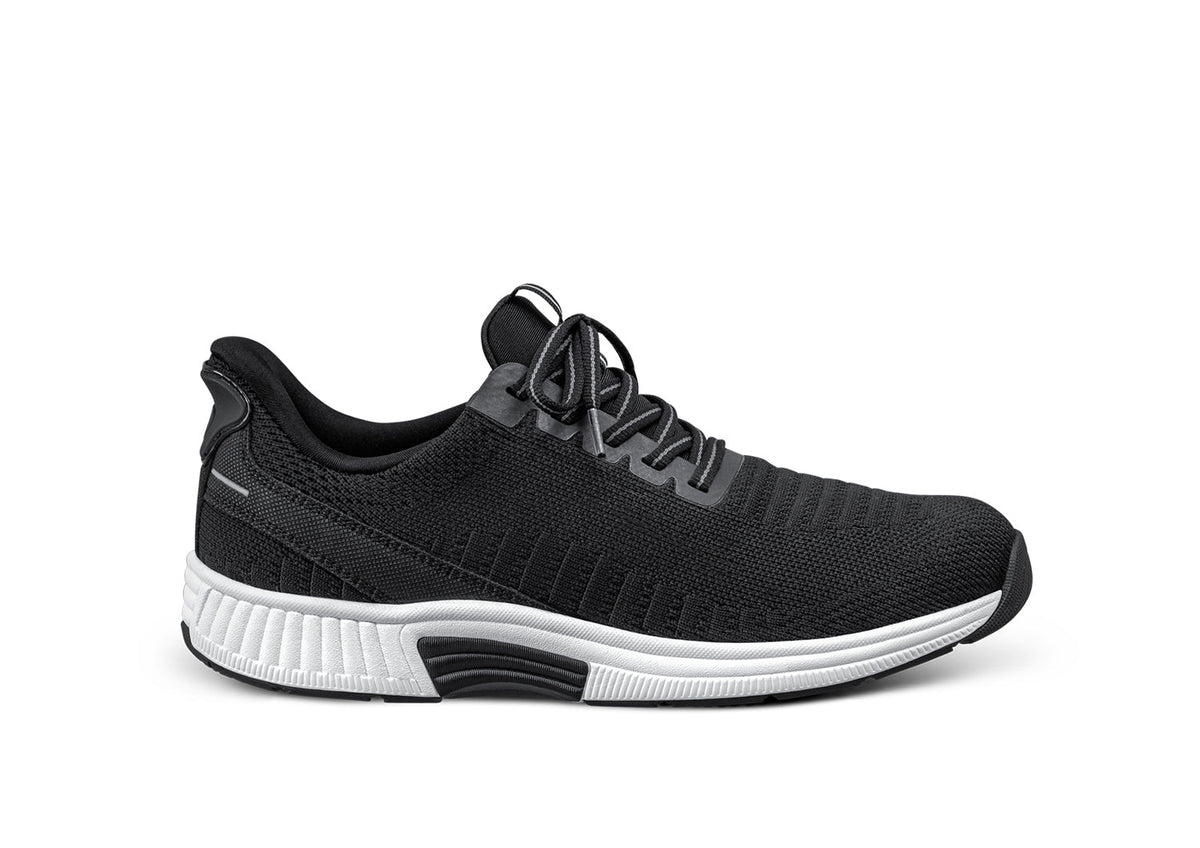
Orthofeet Kita
$130-$160
Why this shoe
Wide toe box and stretchable knit upper flex around bunion deformities rather than compressing them, reducing pressure at the first metatarsophalangeal joint through the full gait cycle.
APMA Seal of Acceptance pid=9248 - Orthofeet Kita - verified directly from APMA Seal Database September 2026
Hands-Free Easy On/Off heel spring allows entry without bending or using hands
Multi-Layer Ortho-Cushion system with ergonomic sole and mild rocker for reduced impact
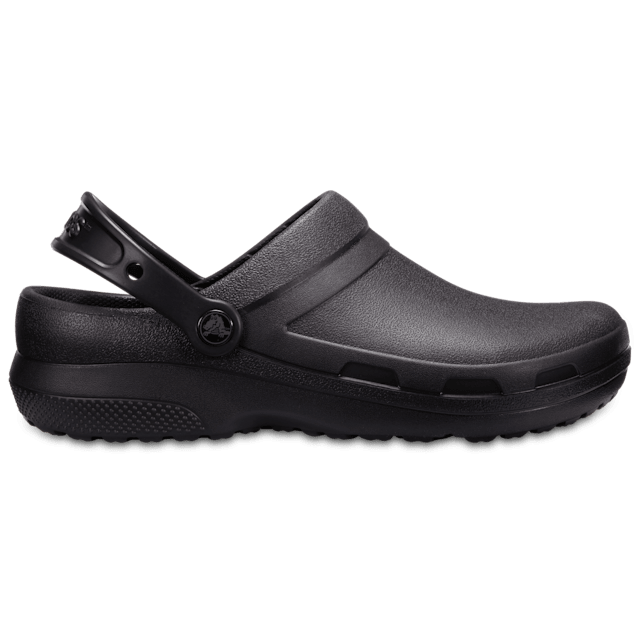
Crocs Specialist II Work Clog
$30-$45
Why this shoe
Roomy Croslite construction and enclosed-but-flexible toe box accommodate bunion pressure points better than a rigid leather work shoe. Feature-based match, not APMA-verified.
Tested and certified to ASTM F2913-24, ASTM F3445-24, and EN ISO 20347:2012 OB SRC slip-resistance standards for wet, oily, and greasy surfaces
Thicker construction at the toe and metatarsal areas offers real protection against dropped equipment and spills
Taller heel height built to meet workplace safety standards, beyond the casual Bistro clog

New Balance 990v6
$185-$200
Why this shoe
Multiple width options and ample forefoot space reduce bunion pressure during longer wear.
ENCAP® Structural Support: Built with a durable polyurethane rim that cradles the heel and arch, preventing the over-pronation that actively strains and inflames the plantar fascia ligament.
High-Rebound FuelCell Core: Infused with New Balance's premier performance foam to absorb heavy heel shock and deliver a responsive, bouncy feel that takes the pressure off your feet.
Dual-density foam for lasting comfort and support
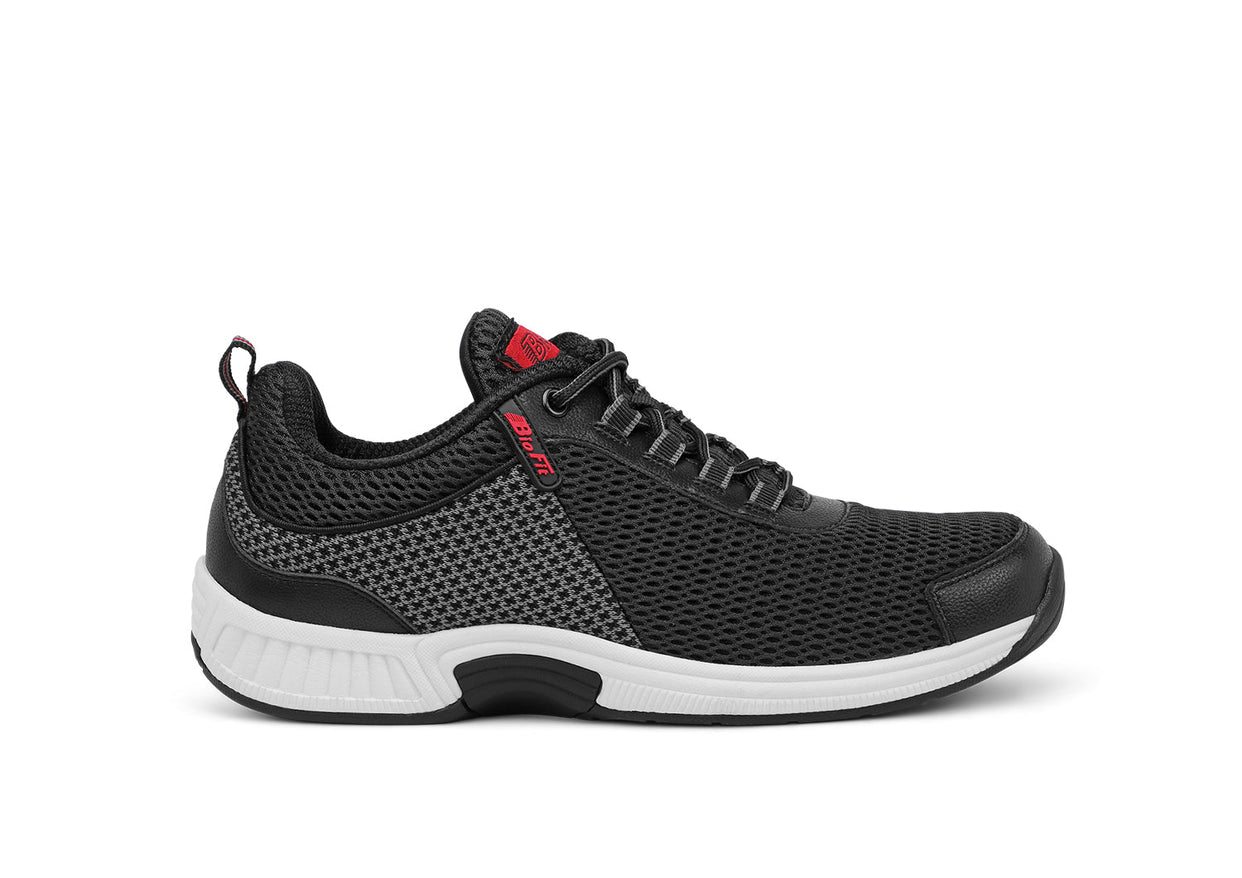
Orthofeet Edgewater
$129-$145
Why this shoe
Stretch upper is specifically engineered to eliminate pressure on bunion joints - extra-depth toe box gives the bunion deformity complete room without any rubbing or compression.
Biomedical-engineered extra-depth design accommodates custom orthotics
Stretch upper eliminates pressure on bunions, hammertoes, and swollen feet
Ergonomic Stride outsole with mild rocker reduces plantar fascia strain
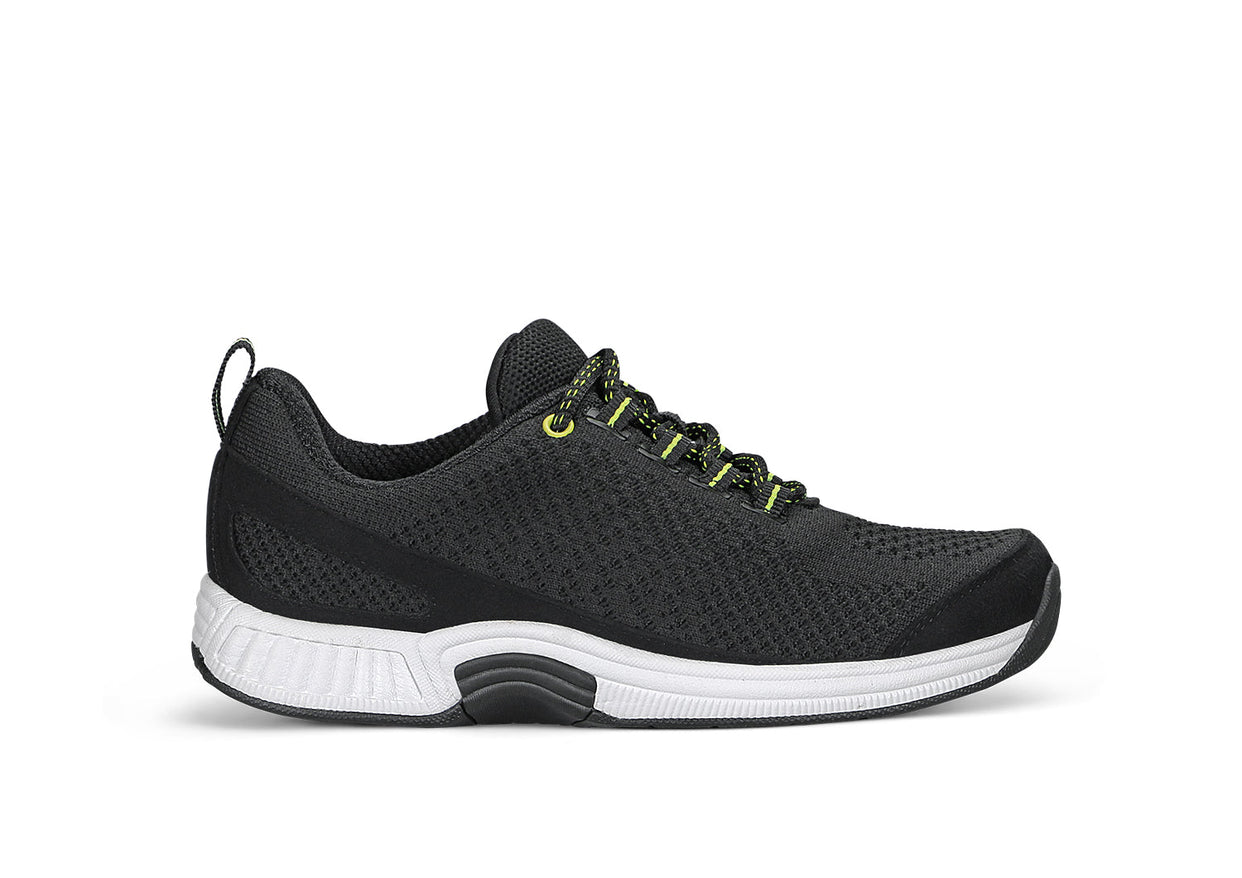
Orthofeet Coral
$129-$145
Why this shoe
Women's stretch knit upper conforms to bunion deformity without creating pressure points -extra-depth forefoot accommodates bunion width in all four widths.
Women's equivalent of the Edgewater - biomedical-engineered extra-depth design
Stretch knit upper relieves pressure on bunions, hammertoes, and swollen feet
Deep heel cup with gel cushioning for plantar fasciitis and heel pain relief

Vionic 23Walk 2.0
$120-$140
Why this shoe
Wide toe box reduces lateral forefoot pressure on the bunion joint - VioMotion footbed corrects the overpronation that accelerates bunion progression. Built specifically for walking gait mechanics.
Engineered specifically for walking gait with EVA midsole and built-in heel elevation
VioMotion biomechanical footbed with deep heel cup controls overpronation and flat feet
Not independently APMA-verified as the '2.0' version - the only PID on record (7216) belongs to the original 23Walk Classic Sneaker, which Vionic's own site confirms is discontinued; construction claims below are feature-based, not APMA-supported
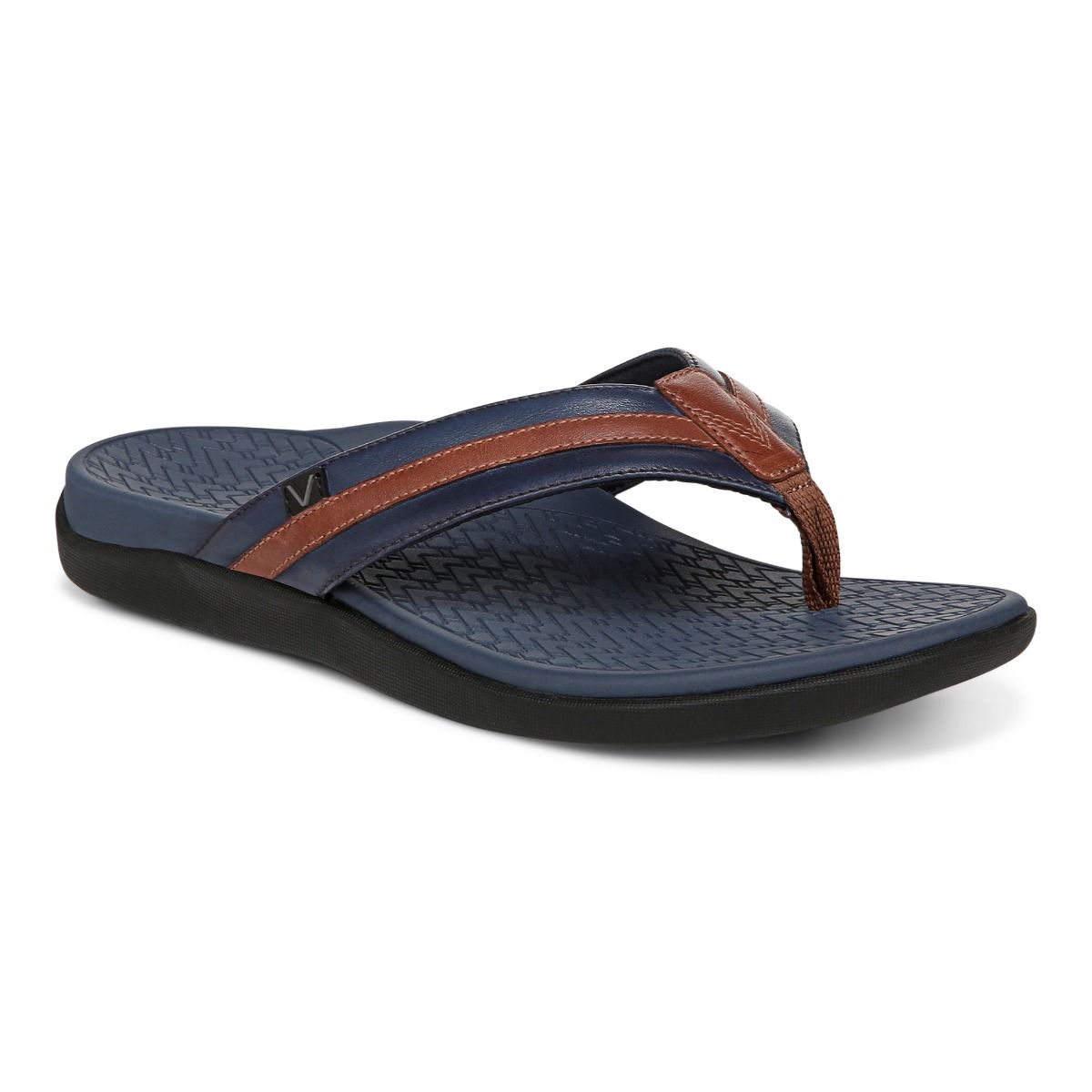
Vionic Tide II Sandal
$85-$100
Why this shoe
Wide toe post design reduces pressure directly on the bunion joint - the only APMA accepted flip-flop with a biomechanical footbed, making it the best warm weather option for bunion sufferers.
The only APMA accepted flip-flop - podiatrist recommended for warm climate everyday wear
VioMotion biomechanical footbed provides genuine arch support unlike flat sandals
Deep heel cup stabilizes the calcaneus and reduces plantar fascia strain
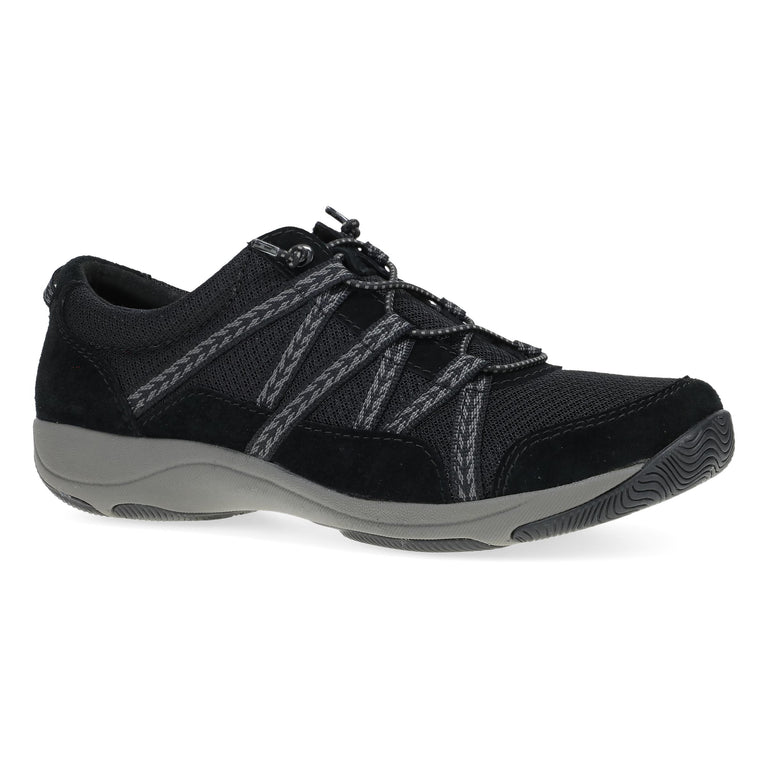
Dansko Harlyn
$120-$140
Why this shoe
Wide toe box reduces lateral forefoot pressure on the bunion joint - soft upper accommodates bunion deformity without compression points during walking.
APMA Seal of Acceptance - Dansko verified APMA partner - specific collection PID not confirmed in APMA Seal Database May 2026
More flexible upper than the Henriette with adjustable bungee closure for easy on and off
Removable contoured footbed accommodates custom orthotics

Apex Performance Athletic Sneaker Women's
$115-$135
Why this shoe
Three width options provide a precise, pressure-free fit that eliminates lateral compression on the bunion joint.
Doctor-recommended for diabetic neuropathy, plantar fasciitis, bunions, and arthritis
Breathable mesh upper reduces moisture buildup - key for diabetic foot health
Slip-on stretchable upper accommodates swelling and foot deformities throughout the day
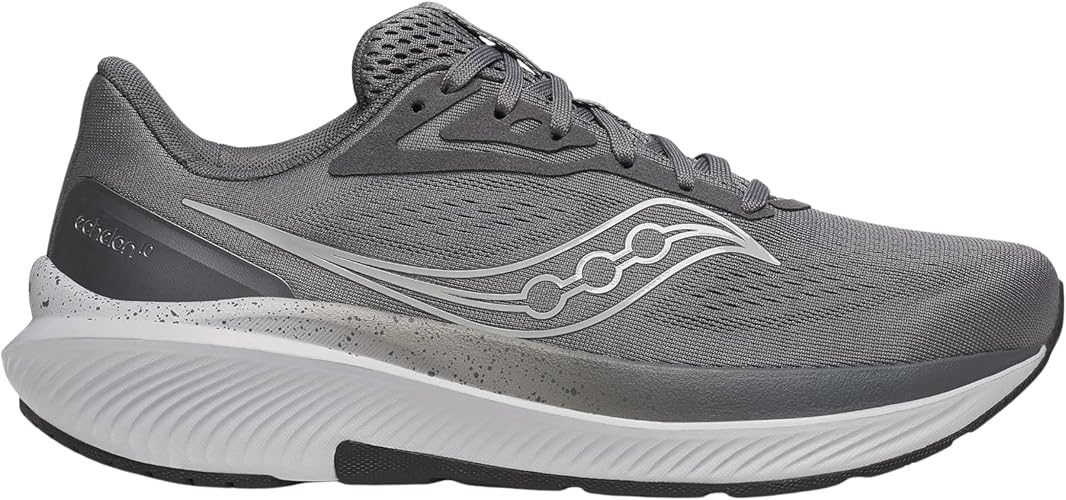
Saucony Echelon 10
$130-$150
Why this shoe
High-volume extra-wide last eliminates pressure on the bunion joint while the roomy toe box allows natural toe splay without compression.
High-volume fit with straighter last specifically engineered for custom orthotic users
Extra depth and roomy toe box accommodates bunions, hammertoes, and wide feet comfortably
PWRRUN cushioning provides reliable impact protection for orthotic-wearing runners and walkers
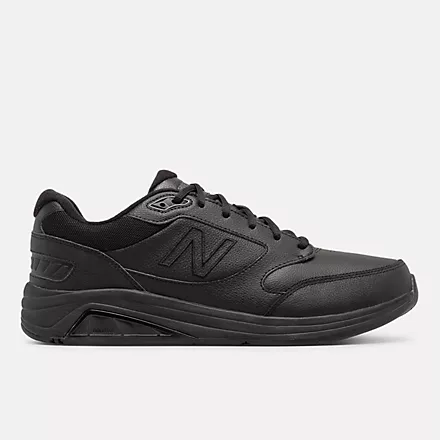
New Balance 928v3 Lace-Up Walking Shoe
$134-$145
Why this shoe
Updated wide toe box and extra-wide options eliminate bunion joint pressure while ROLLBAR stability controls the overpronation that commonly worsens bunion pain.
ROLLBAR motion control technology and Clinical-Grade Support: The signature ROLLBAR® motion control system minimizes rear-foot movement, keeping your stride aligned and reducing stress on the plantar fascia.
Reduces morning heel pain and keeps you moving comfortably all day, whether you're on your feet for work or walking for fitness.
Maximum Shock Absorption: Engineered with ABZORB® cushioning in the midfoot to absorb harsh impacts, protecting your heels from painful concrete and hard floors.

New Balance Fresh Foam X 840v1
$109-$120
Why this shoe
High-volume roomy toe box eliminates bunion pressure at an accessible price point - orthotic-ready depth for additional bunion correction support.
Fresh Foam X cushioning
Spacious toe box
Supportive design for diabetic foot care
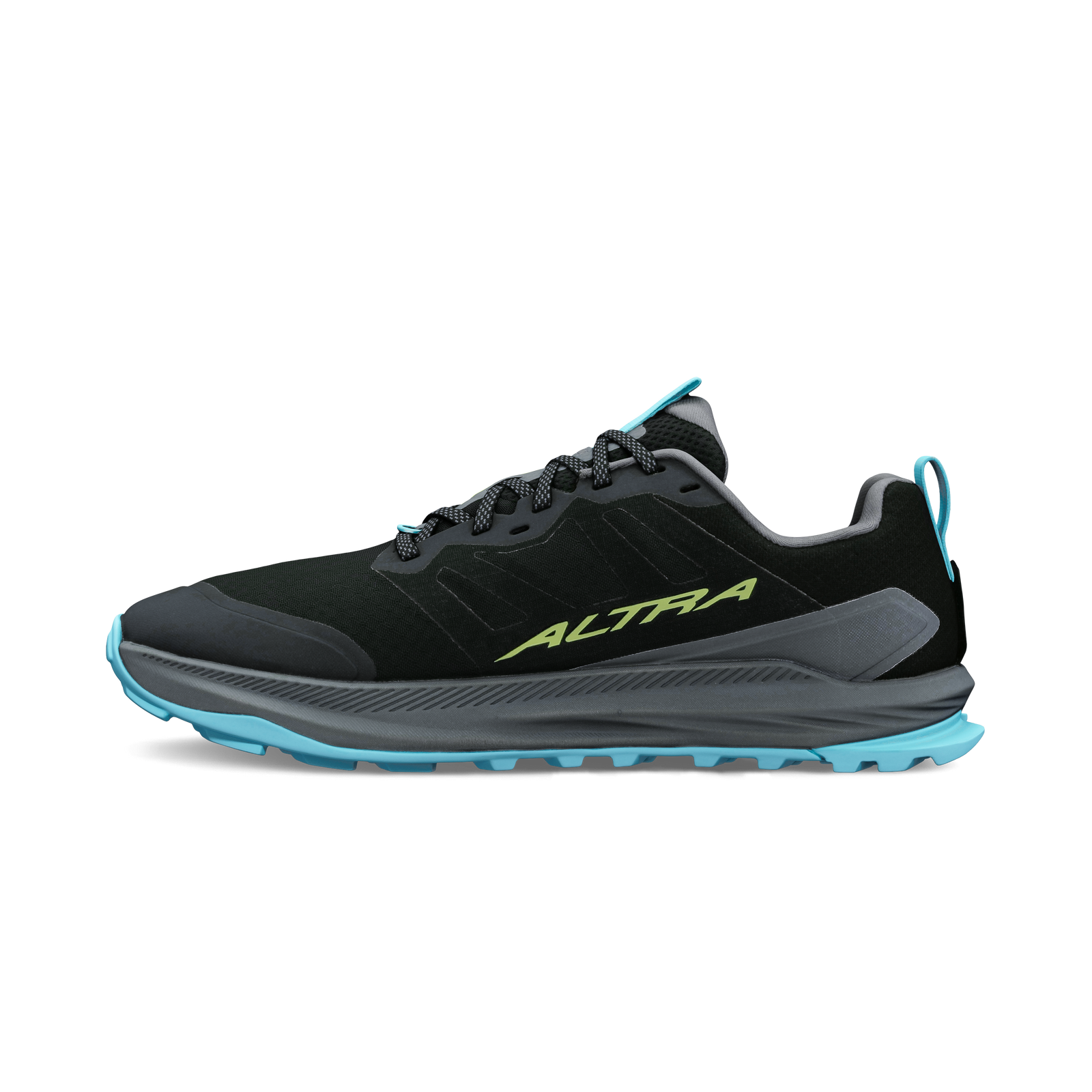
Altra Lone Peak 9
$140-$150
Why this shoe
The 104mm wide FootShape toe box is one of the widest in trail running - eliminates lateral compression on the bunion joint entirely.
FootShape toe box provides full natural toe splay on uneven trail terrain - eliminating the forefoot compression that causes blisters and black toenails on long hikes
Zero-drop platform keeps the foot in a natural position on varied terrain - reducing Achilles and calf overload from elevated heel trail shoes
Vibram Megagrip outsole provides exceptional traction on wet rock, mud, and loose gravel - one of the most trusted trail outsoles available
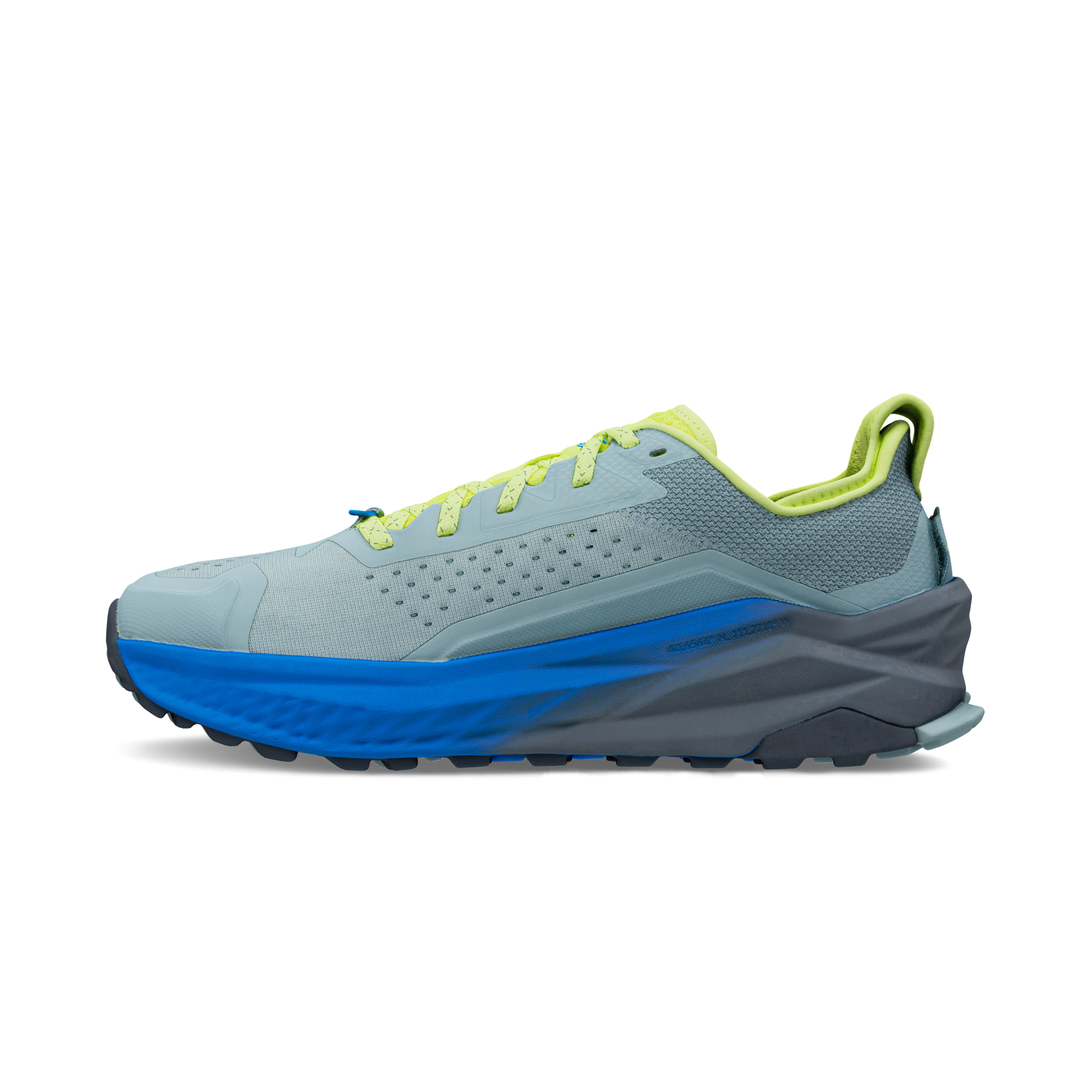
Altra Olympus 6
$170-$185
Why this shoe
FootShape toe box with maximum trail cushioning - eliminates bunion compression while absorbing trail impact forces.
Maximum cushion trail shoe with 33mm stack height and FootShape toe box - the highest stack zero-drop trail shoe in the catalog combining maximum impact protection with natural foot mechanics
Vibram Megagrip outsole for exceptional wet and dry trail traction - reliable on technical terrain where foot placement is critical for patients managing metatarsalgia or nerve conditions
Zero-drop with maximum cushioning - uniquely addresses metatarsalgia and forefoot pain on trail by absorbing impact without shifting weight forward onto the metatarsal heads
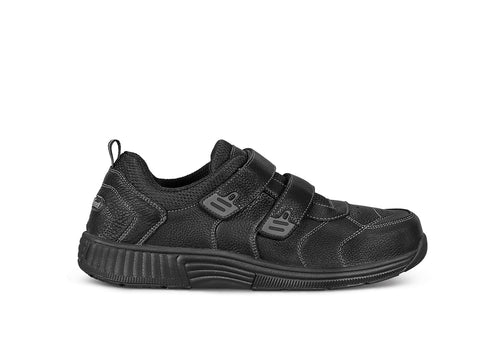
Orthofeet Alamo
$130-$145
Why this shoe
Wide 4E toe box with non-binding upper eliminates lateral compression on the bunion joint entirely.
Two-strap velcro closure system - ideal for patients with arthritis, limited hand dexterity, or swelling who cannot manage laces
Extra-depth construction with multi-layer removable insoles accommodates custom orthotics of any thickness
APMA Seal of Acceptance pid=7081 - verified directly from APMA Seal Database May 2026
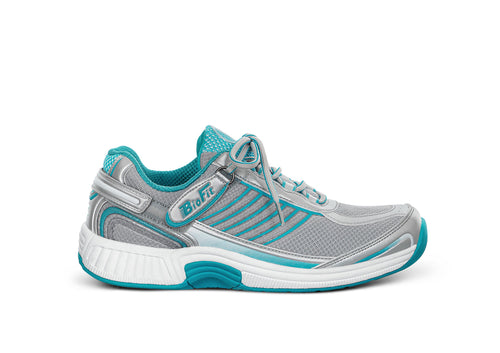
Orthofeet Verve
$130-$155
Why this shoe
Extra-wide toe box with non-binding upper eliminates bunion pressure. Tie-less design avoids any forefoot tightening.
Ingenious tie-less closure with openable tabs on either side - laced look with zero tying required
Adjustable heel strap secures custom fit - ideal for women with foot swelling or arthritis
APMA Seal of Acceptance pid=7101 - verified directly from APMA Seal Database May 2026
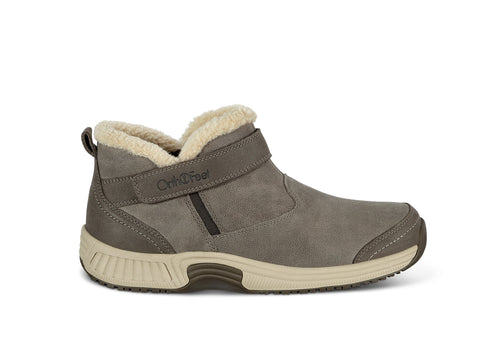
Orthofeet Siena
$140-$160
Why this shoe
Wide toe box dress shoe eliminates bunion compression in professional settings where other dress shoes cause pain.
Professional dress shoe silhouette with full orthopedic construction - looks formal, performs therapeutically
Premium leather upper with seam-free interior for diabetic foot safety and all-day comfort in professional settings
APMA Seal of Acceptance pid=7125 - verified directly from APMA Seal Database May 2026

Apex Lace Walker Men's
$125-$145
Why this shoe
High and wide toe box up to 6E, the widest in the Apex line, eliminates pressure on the bunion joint entirely.
X-Last construction designed for superior motion control and rearfoot stability
High and wide toe box eliminates pressure on bunions, hammertoes, and diabetic feet
5/16 inch removable depth in two layers for maximum orthotic fitting flexibility

Apex Lace Walker X-Last Women's
$125-$145
Why this shoe
High and wide toe box in up to 4E protects bunions and post-surgical feet from lateral compression.
X-Last construction provides superior motion control and midfoot stability for women
High and wide toe box protects bunions, hammertoes, and post-surgical feet
5/16 inch removable depth in two layers accommodates custom orthotics and AFOs
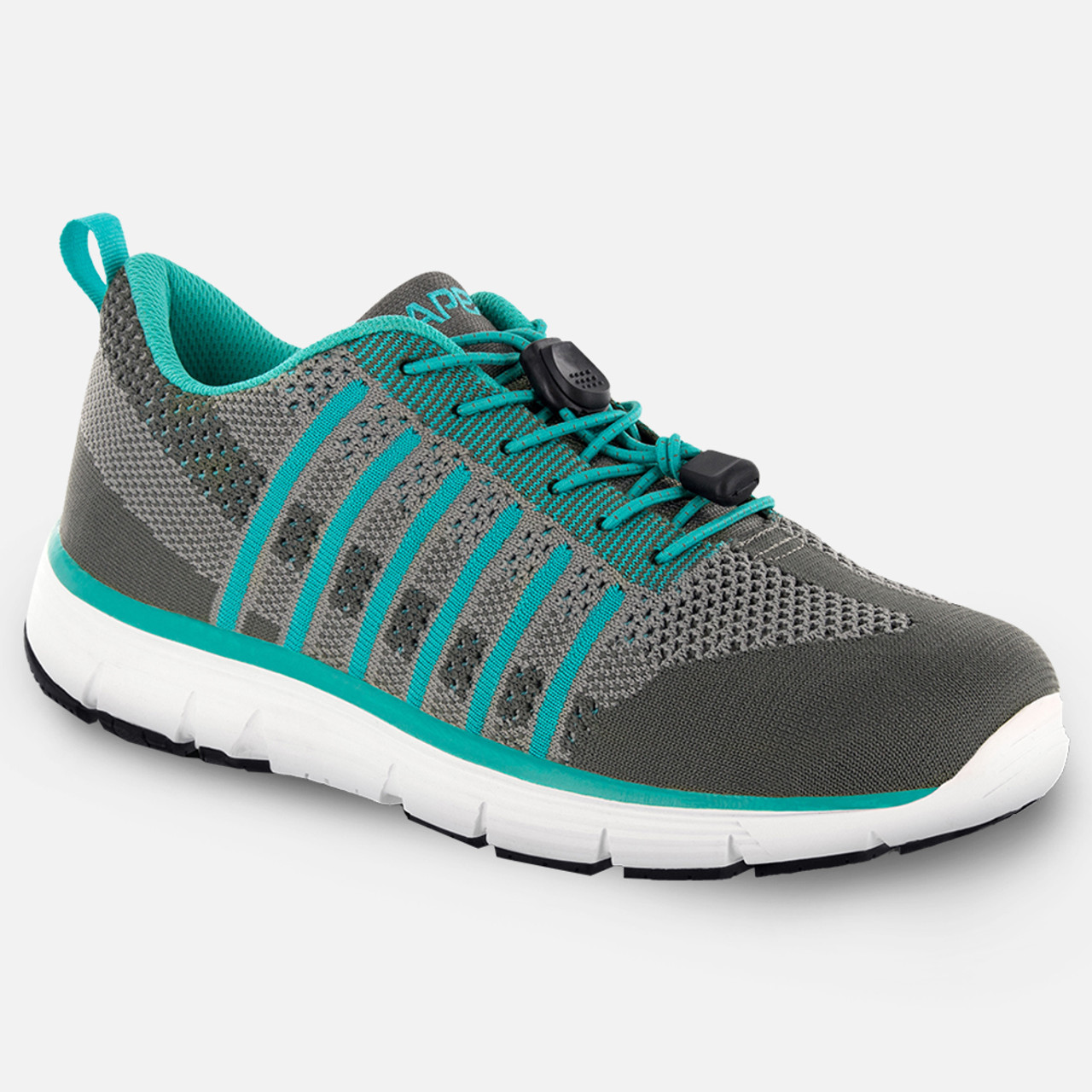
Apex Breeze Women's
$110-$140
Why this shoe
Extra-depth design reduces pressure directly on the bunion joint while the stretchable upper accommodates deformity.
Women's diabetic athletic sneaker with breathable open mesh upper for airflow and moisture control
PDAC A5500 diabetic shoe certified - may qualify for Medicare insurance reimbursement
Biomechanical footbed with contoured EVA provides arch support and cushioning

Apex Classic Moc Dress Shoe Biomechanical Men's
$130-$160
Why this shoe
High and wide toe box with an Ambulator Biomechanical design limits stress at pain-prone areas like the bunion joint, in a dress-appropriate silhouette.
Ambulator Biomechanical design limits stress at the foot's most pain-prone areas
Half inch removable depth in 3 layers accommodates custom orthotics and AFOs
Firm heel counter provides optimal rearfoot stabilization on every step

Apex Cap Toe Oxford Lexington Men's
$130-$155
Why this shoe
Full diabetic orthopedic engineering in a dress silhouette provides bunion accommodation without sacrificing a professional look.
Professional cap toe oxford with full diabetic orthopedic engineering in a dress silhouette
Advanced EVA performance insole for maximum comfort and shock absorption
Luxurious full-grain leather upper with removable insole for orthotic accommodation
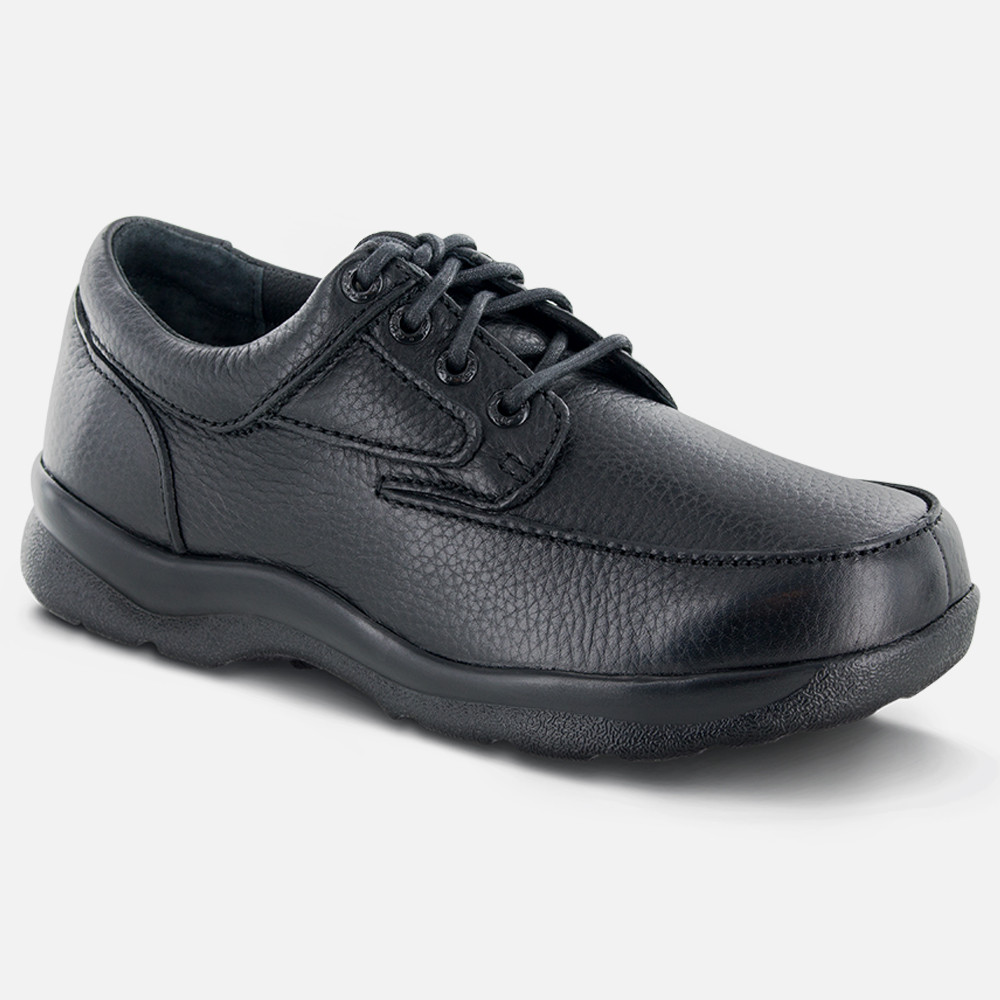
Apex Ariya Moc Toe Dress Shoe Men's
$130-$155
Why this shoe
Higher and wider toe box prevents bunion irritation in a full-grain leather dress shoe silhouette.
Full-grain leather dress shoe designed by doctors and pedorthists for diabetic and arthritic feet
Reinforced shank provides rearfoot stability - higher and wider toe box prevents diabetic irritation
Soft moisture-wicking lining with non-exposed seams protects neuropathic feet from friction

Apex Strap Loafer Lexington Men's
$125-$150
Why this shoe
Removable insole depth accommodates bunion deformity in a professional leather loafer silhouette.
Adjustable strap loafer with full diabetic orthopedic construction for easy on-off wear
Ideal for patients with limited hand dexterity, edema, or post-surgical swelling
Advanced EVA performance insole for cushioning and shock absorption throughout the day

Apex Double Strap Active Walker Biomechanical Men's
$130-$160
Why this shoe
Ambulator Biomechanical design with removable depth in three layers accommodates significant bunion deformity.
Dual adjustable straps provide a fully customizable fit for swollen or deformed feet
Ambulator Biomechanical design with half inch removable depth in 3 layers for orthotics
Firm heel counter and reinforced shank provide rearfoot and midfoot stability
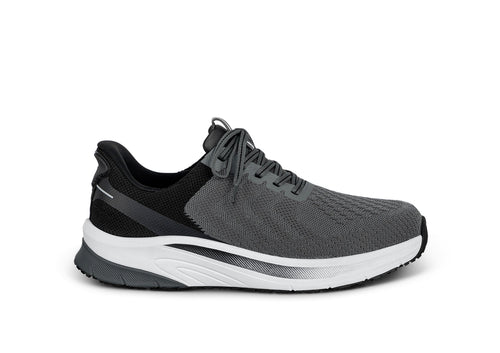
Orthofeet Tilos Men's Hands-Free
$150-$165
Why this shoe
Water-repellent stretch upper conforms directly to bunions and foot deformities without creating pressure points. APMA accepted.
Patented hands-free slip-on technology - no bending or lace tying required
Water-repellent stretch upper conforms to bunions and foot deformities
Ortho-Cushion System with customizable arch support

Skechers Go Recover Refresh
$45-$65
Why this shoe
Wide toe box accommodates bunions and post-surgical swelling without compression, in a machine-washable recovery slide. APMA accepted.
APMA Seal of Acceptance pid=8165 - Go Recover Refresh - verified directly from APMA Seal Database May 2026
Ultra-responsive foam footbed with arch-contoured base - budget alternative to OOFOS at roughly half the price for the same recovery function
Zero heel-to-toe drop promotes natural foot alignment and reduces plantar fascia tension during post-activity recovery
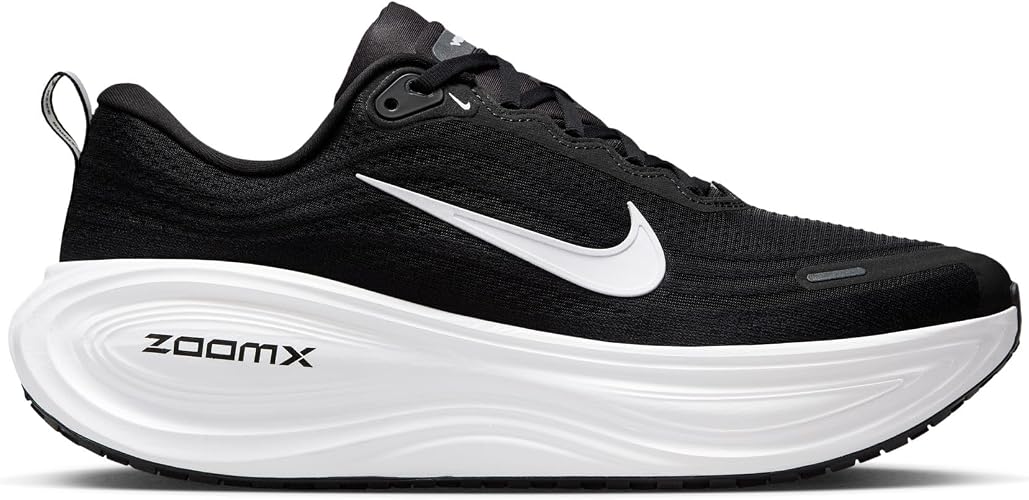
Nike Vomero Plus
$170-$190
Why this shoe
Roomy last with an expanded forefoot platform provides a pressure-free fit specifically for bunions, addressing what the standard Vomero 18 cannot accommodate. APMA accepted.
APMA Seal of Acceptance pid=9110 - Nike Vomero Plus - verified directly from APMA Seal Database May 2026
Wider, plusher variant of the Vomero 18 - built for runners and walkers who need more volume in the toe box and forefoot for bunions, wide feet, or orthotic use
Full-length ZoomX foam with expanded forefoot platform absorbs maximum impact while accommodating wider foot shapes without compression
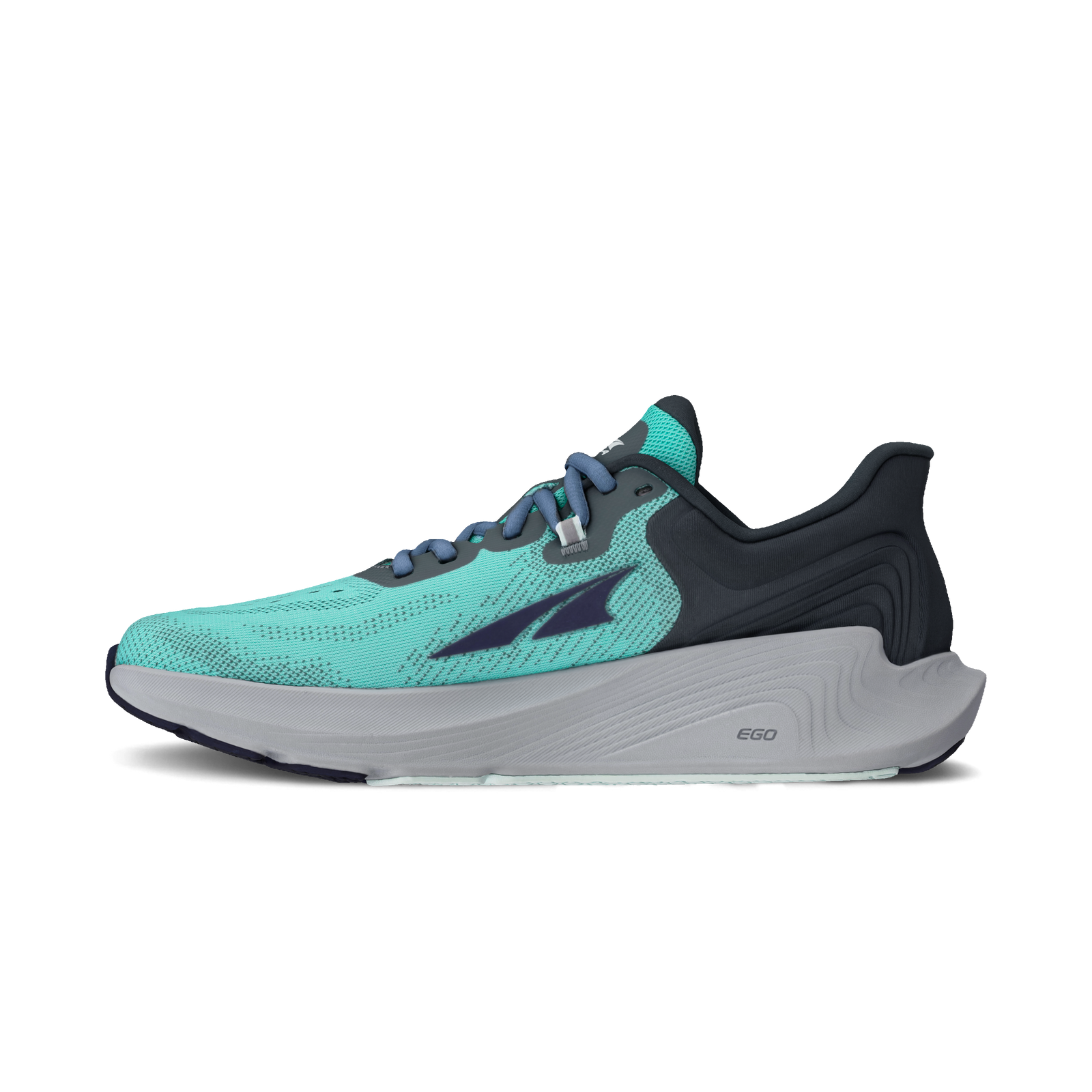
Altra Provision 8
$130-$140
Why this shoe
FootShape toe box allows natural toe splay, a clinical advantage that separates Altra from other stability shoes in the catalog for bunion accommodation. APMA accepted.
FootShape toe box allows natural toe splay - the clinical advantage that separates Altra from every other stability shoe in the catalog
GuideRails stability guides foot from heel to toe-off reducing overpronation without stopping natural foot motion
Zero-drop platform with EGO midsole - stability correction at equal heel and forefoot height maintaining natural Achilles and calf function
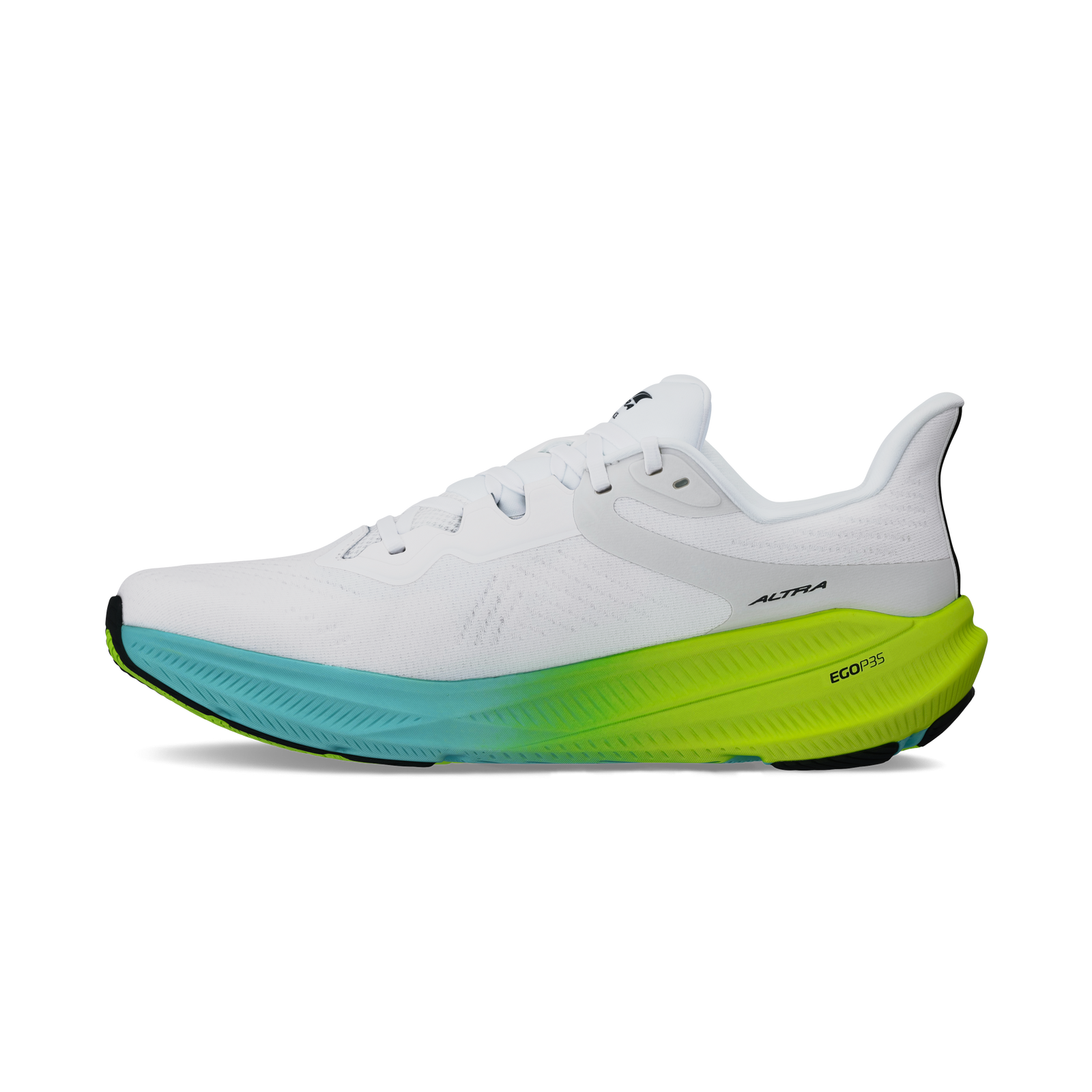
Altra Experience Flow 2
$140-$150
Why this shoe
FootShape toe box allows natural toe splay without sacrificing the 68.1% forefoot energy return that makes this Altra's most responsive road shoe. APMA accepted.
RunRepeat top-rated Altra road shoe with 68.1% forefoot energy return - the most responsive Altra in the catalog and significantly lighter than the Torin 8 at 8.3oz
4mm drop rather than zero-drop - the most accessible Altra for runners transitioning from traditional heel-elevated shoes without going fully zero-drop immediately
FootShape toe box allows natural toe splay while the low drop encourages midfoot and forefoot striking that reduces heel impact - ideal for plantar fasciitis transition
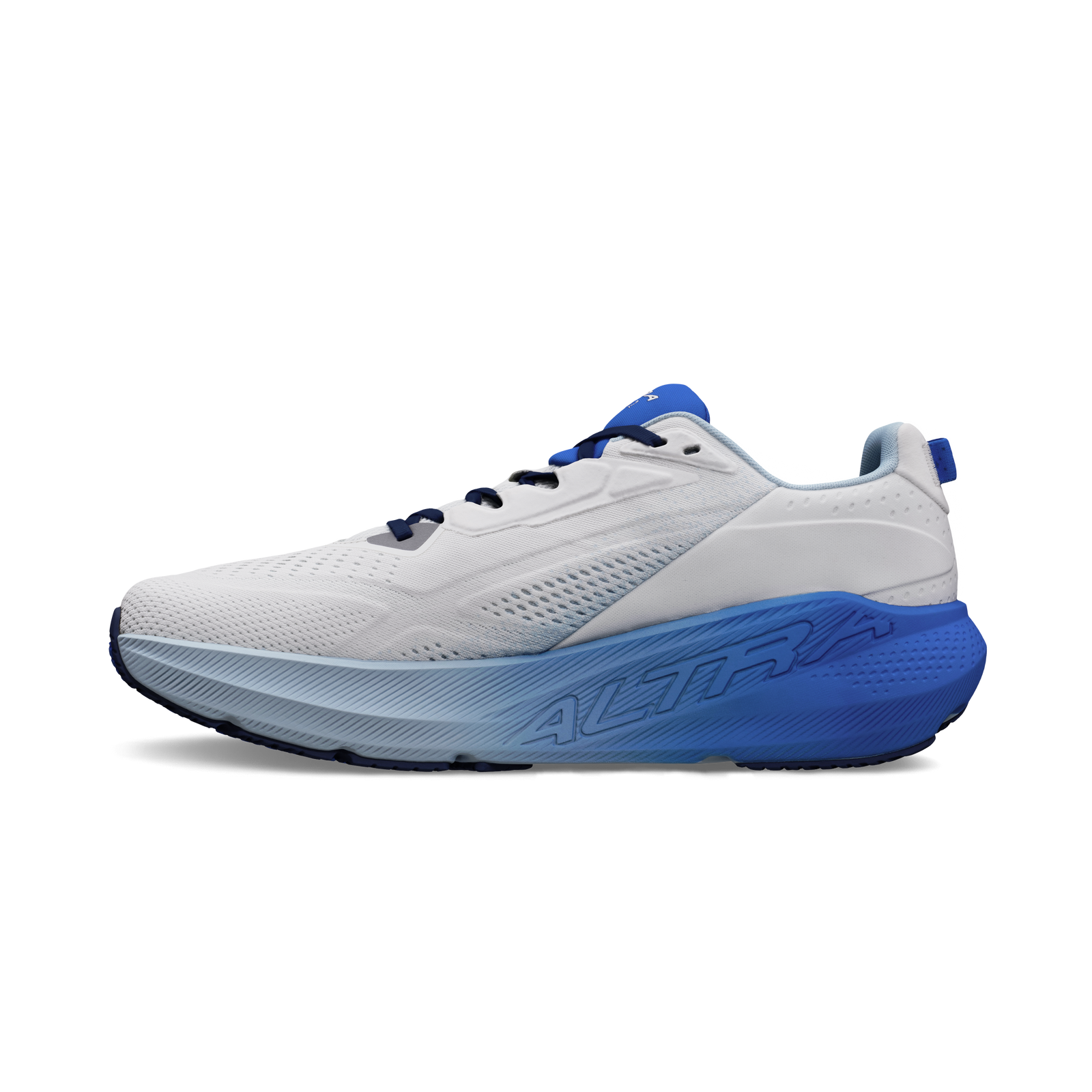
Altra FWD Via 2
$165
Why this shoe
Original FootShape toe box is the widest in the Altra lineup, eliminating lateral compression on the bunion joint entirely. APMA accepted.
APMA Seal of Acceptance pid=8828 - Altra FWD Via - verified directly from APMA Seal Database May 2026 (FWD Via 2 listed under original FWD Via entry)
Altra EGO P35 midsole - 19% softer and 15% more responsive than original FWD Via
4mm heel drop with rocker geometry for smooth natural toe-off
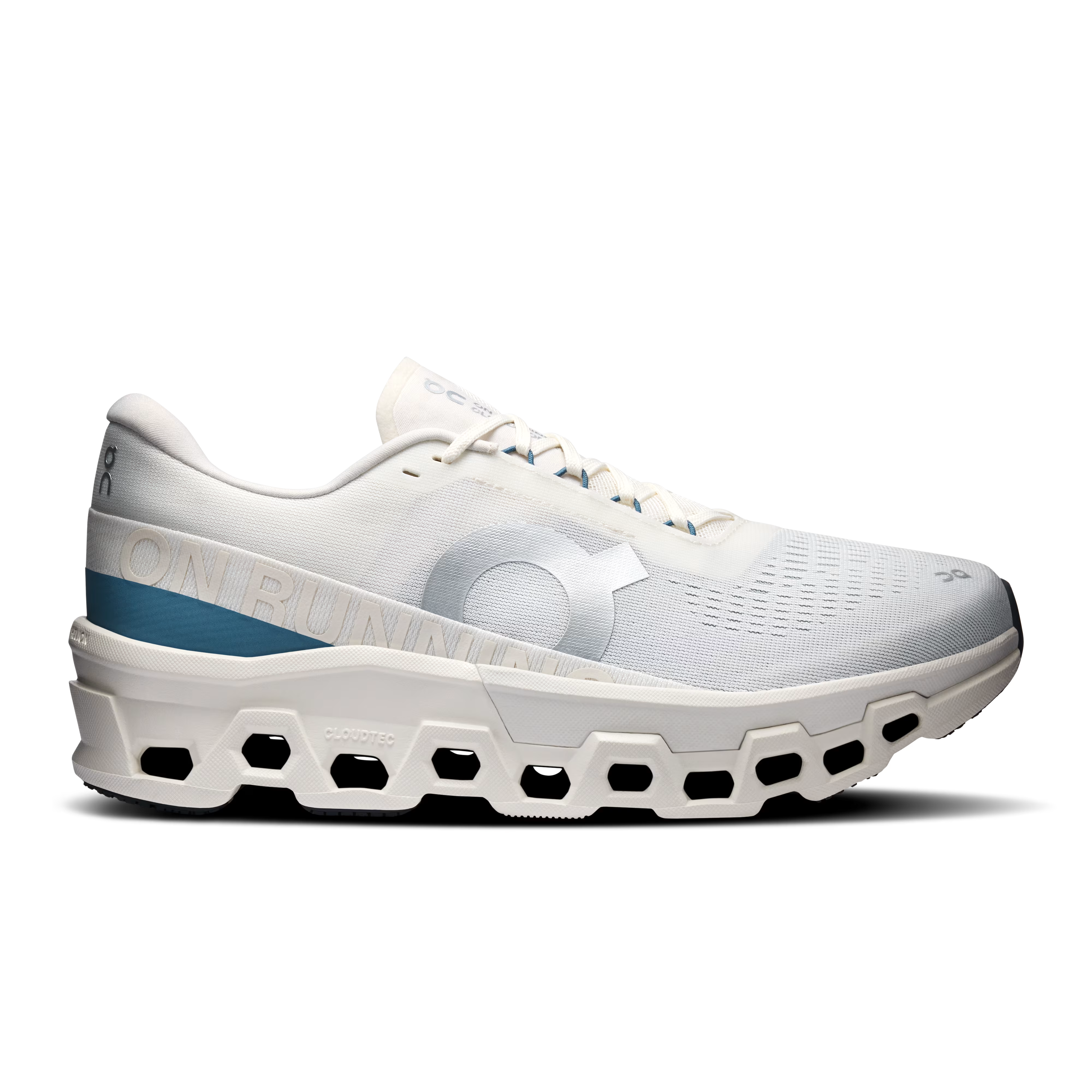
On Cloudmonster 2
$170-$180
Why this shoe
Expanded forefoot width allows natural toe splay, reducing lateral compression on the bunion joint.
Dual-density Helion foam with CloudTec pods delivers a cushioned yet firm and stable ride
6mm heel drop with rocker geometry for smooth heel-to-toe transition
Speedboard nylon plate provides structured forward propulsion through the gait cycle

On Cloudmonster 3
$185-$195
Why this shoe
Wider forefoot and available wide-width option reduce lateral compression on the bunion joint compared to the previous generation.
Triple-layer CloudTec cushioning with dual-density Helion foam for cushioned yet firm ride
Rebuilt aggressive rocker geometry for smooth heel-to-toe transition and forward propulsion
Speedboard nylon plate stores and returns energy at toe-off
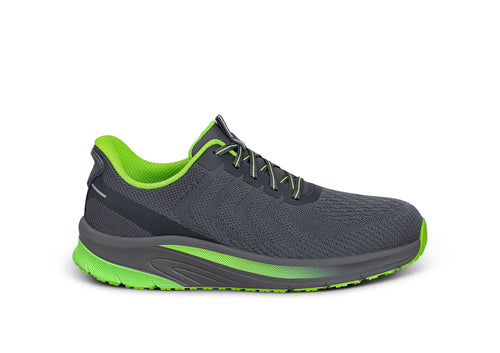
Orthofeet Men's Orthopedic Shoes Collection
$100-$185
Why this shoe
Extra-depth construction accommodates custom orthotics and bunion deformity across the entire collection, with up to five width options per style.
Full collection of podiatrist-designed men's orthopedic shoes in sneakers, sandals, boots, casuals, dress, and work styles
Every style features the Ortho-Cushion System with anatomical arch support and rocker sole
Extra-depth construction accommodates custom orthotics across the entire line
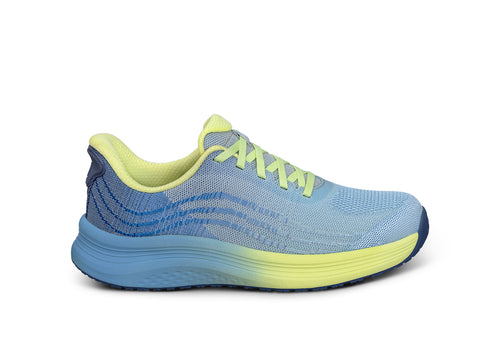
Orthofeet Women's Orthopedic Shoes Collection
$100-$175
Why this shoe
Extra-depth construction accommodates custom orthotics and bunion deformity across the entire collection, with up to five width options per style.
Full collection of podiatrist-designed women's orthopedic shoes in sneakers, sandals, boots, casuals, and dress styles
Every style features the Ortho-Cushion System with anatomical arch support and rocker sole
Extra-depth construction accommodates custom orthotics across the entire line
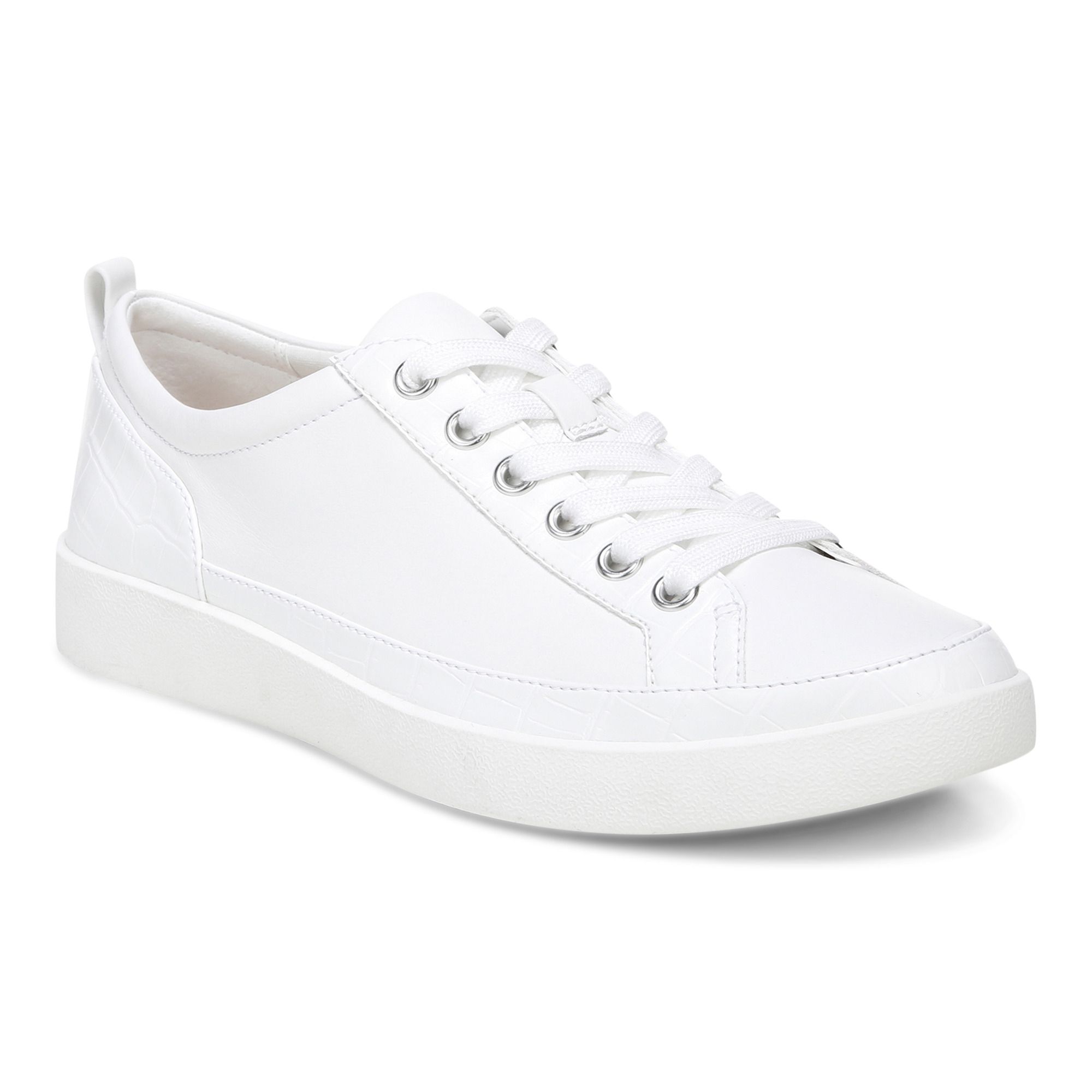
Vionic Winny Sneaker
$110-$130
Why this shoe
Wide toe box directly reduces pressure on bunions and forefoot deformities, available in medium and wide widths for an accommodating fit. APMA accepted.
Classic lace-up casual sneaker with podiatrist-designed VioMotion biomechanical footbed
APMA Seal of Acceptance pid=9313 - Vionic Winny Perf - verified directly from APMA Seal Database May 2026
Leather or knit upper options - versatile everyday style that transitions from errands to work
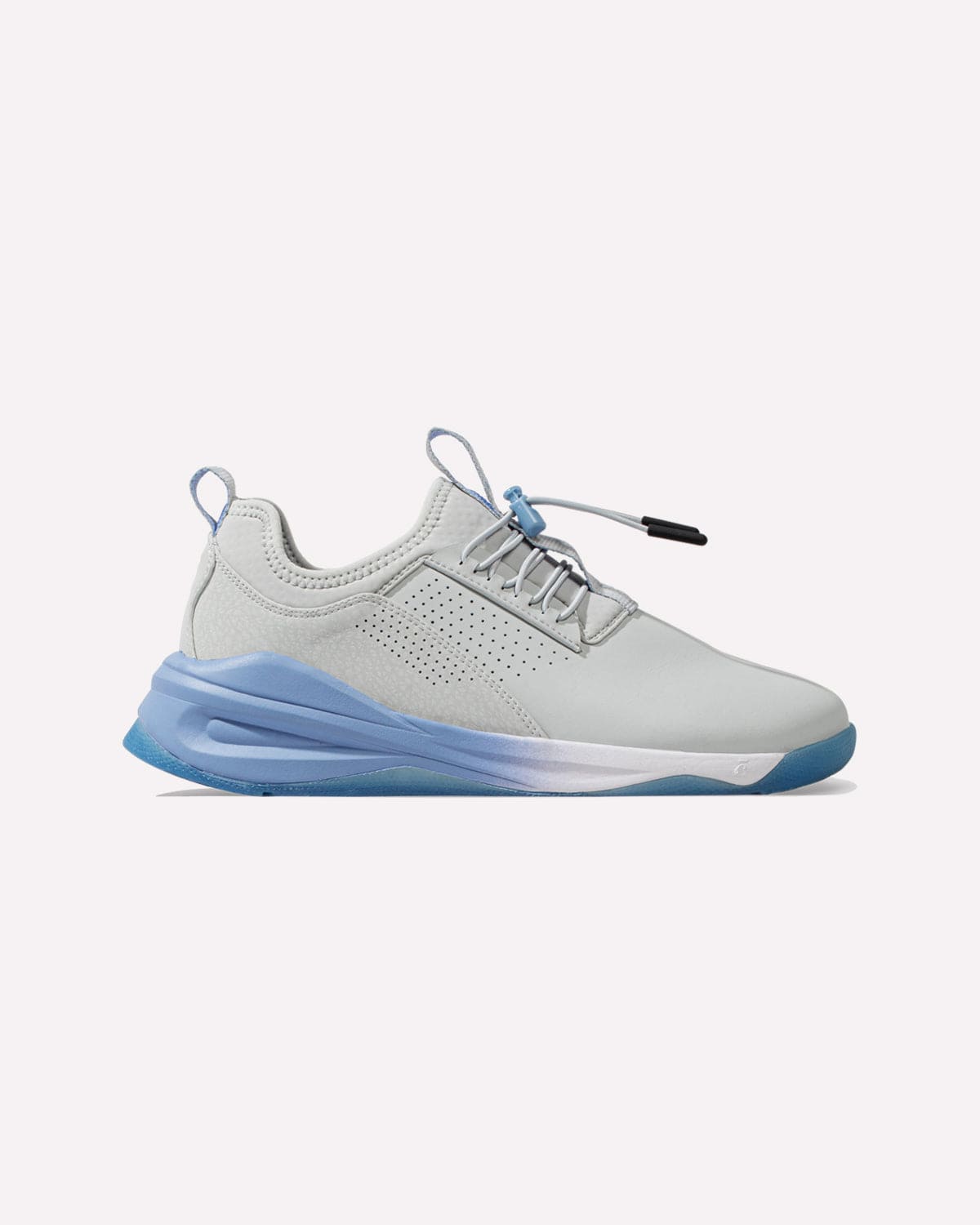
Clove Classic - Men
$139-$160
Why this shoe
Generous toe box directly reduces forefoot pressure and bunion irritation during long standing shifts. APMA accepted.
APMA Seal of Acceptance pid=8096 - Clove Classic Shoe - verified directly from APMA Seal Database July 2026
Fluid-repellent Clarino vegan leather upper wipes clean after every shift
Dual-density midsole provides cushioning and support through 12-hour shifts
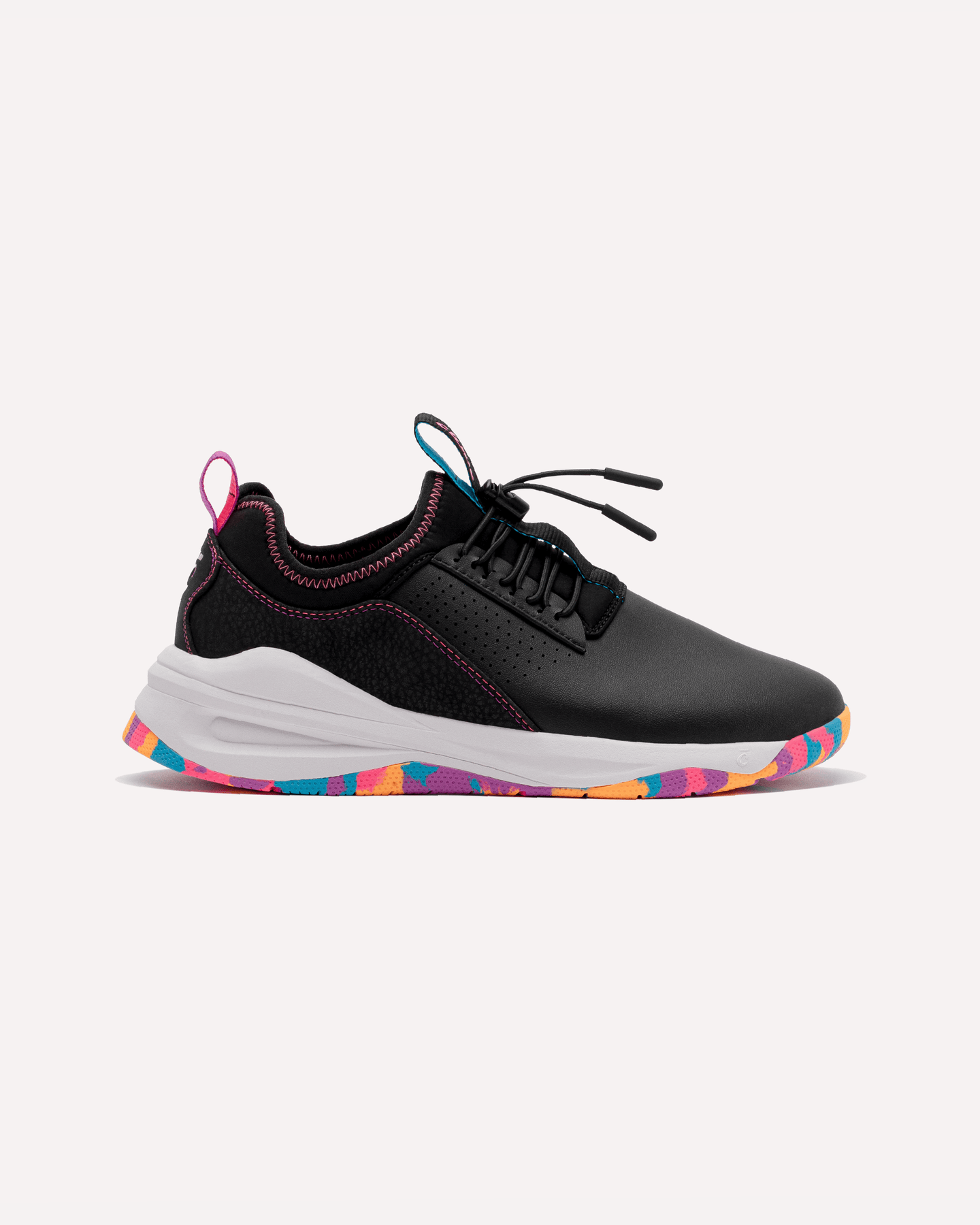
Clove Classic - Women
$139-$160
Why this shoe
Generous toe box directly reduces forefoot pressure and bunion irritation during long standing shifts. APMA accepted.
APMA Seal of Acceptance pid=8096 - Clove Classic Shoe - verified directly from APMA Seal Database July 2026
Fluid-repellent Clarino vegan leather upper wipes clean after every shift
Dual-density midsole provides cushioning and support through 12-hour shifts

VIVAIA Margot Mary Jane
$109-$149
Why this shoe
Square-toe design and adjustable instep strap accommodate a wider forefoot without requiring a separate wide-width purchase. This is a fit-accommodation match based on shape and adjustability, not a clinical claim of bunion treatment.
APMA Seal of Acceptance pid=9295 - VIVAIA Margot Mary Jane - verified directly from APMA Seal Database September 2026
Square toe design accommodates bunions and wider forefeet without a formal wide-width upcharge
Adjustable instep strap for a secure, customizable fit
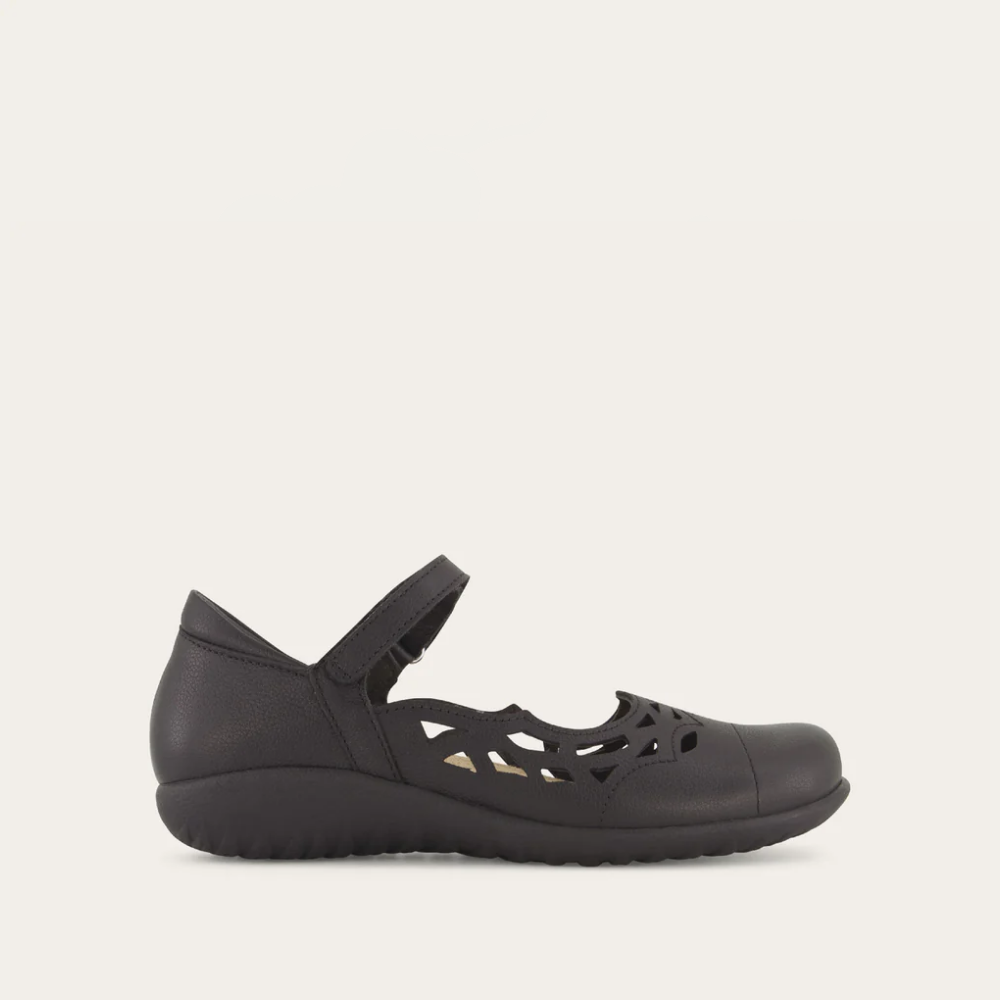
Naot Agathis
$180-$220
Why this shoe
Adjustable hook-and-loop strap improves fit retention and accommodation. This is a weaker, conditional fit-accommodation match: Agathis is confirmed Medium width only, not genuinely wide, so it should not be presented as a strong bunion-specific recommendation.
APMA Seal of Acceptance pid=6649 - Naot Agathis - verified directly from APMA Seal Database July 2026
Part of Naot's Koru Collection, sharing the same zero-drop, 1-inch polyurethane sole construction as Kata and Arataki
Removable anatomic cork and latex footbed accommodates custom orthotics

Naot Martinos
$190-$210
Why this shoe
Genuinely Wide width, confirmed directly on the manufacturer's own product page ('thoughtfully crafted in a wide width for extra space'), paired with a removable orthotic-friendly footbed. A reasonable fit-based candidate given confirmed width, though not a substitute for a clinical bunion-specific recommendation.
APMA Seal of Acceptance - Naot Martinos - confirmed directly on Naot's current product page with the APMA Accepted logo displayed, no PID currently located, re-verified September 2026
Genuinely Wide width construction - confirmed directly on manufacturer product page, thoughtfully crafted for extra space
1.25-inch heel height with slip-resistant polyurethane sole - exact heel-to-toe drop not stated by manufacturer, verify before publishing if precise drop is needed
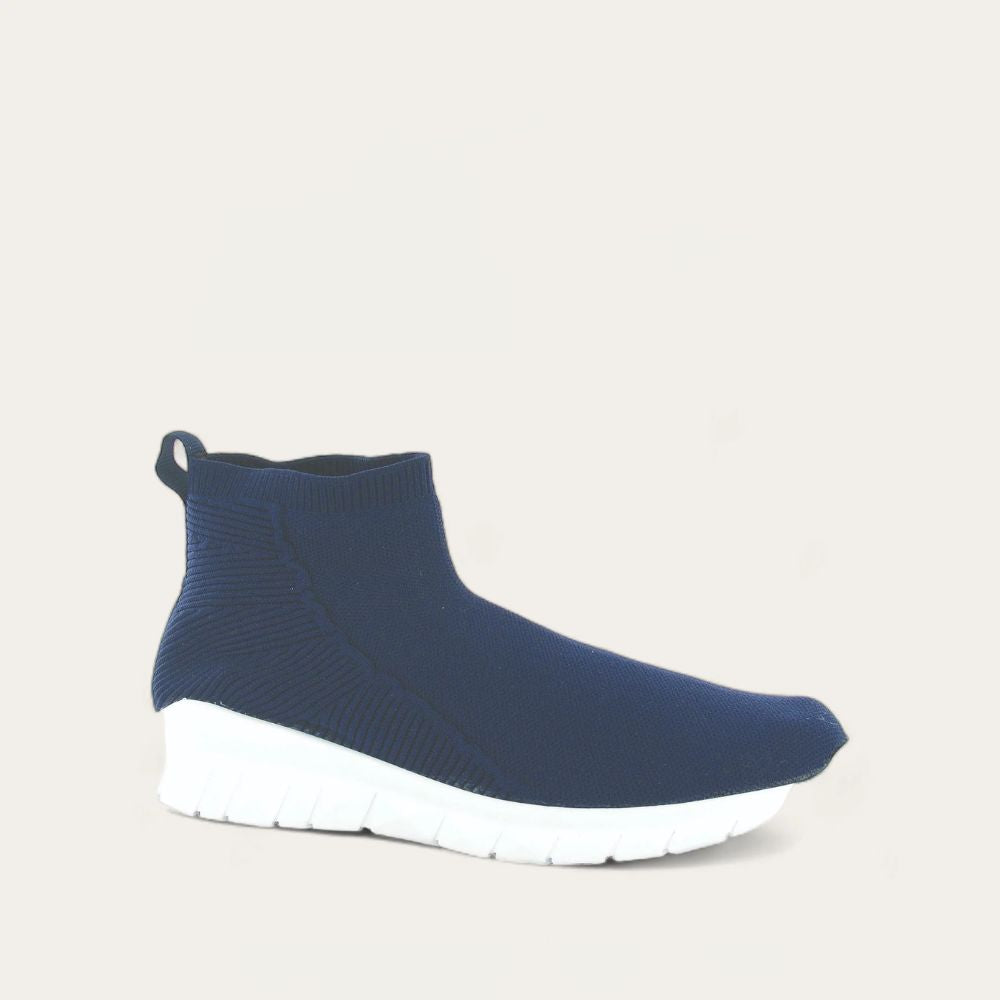
Naot Callisto
$124-$155
Why this shoe
Gore panel accommodates a wider or swollen forefoot without a separate wide-width purchase. Naot's own site labels this APMA Accepted, but the shoe does not appear in the actual APMA Seal Database, so no APMA claim is made. Fit-accommodation match only.
Naot's own site tags this as APMA Accepted, but it does not appear in the actual APMA Seal Database - not asserted here as apma_accepted
Removable cork and latex footbed
1.5-inch slip-resistant sole
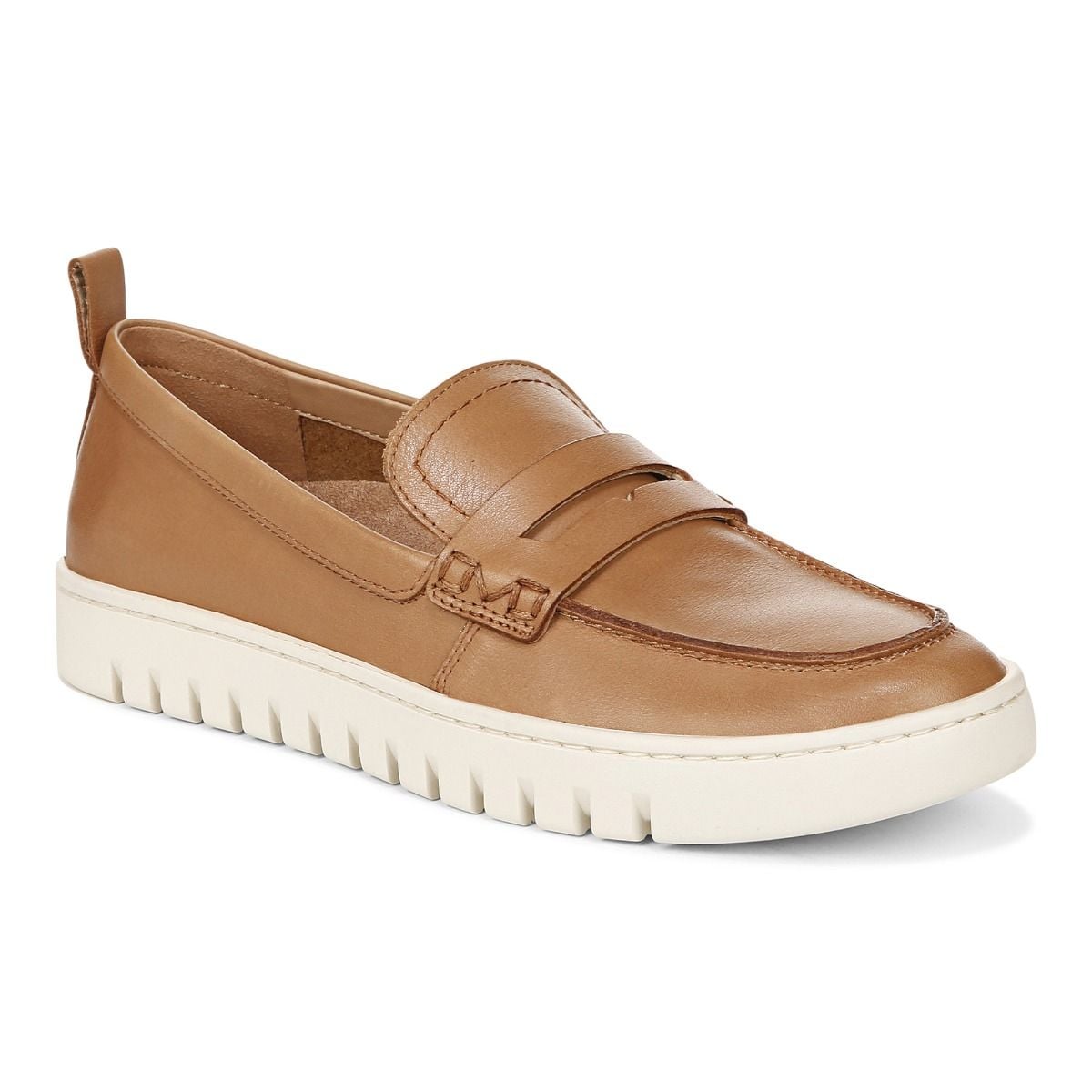
Vionic Uptown Loafer
$100-$130
Why this shoe
Available in Medium and Wide widths with a removable footbed for custom orthotic accommodation, reducing lateral pressure without requiring a separate wide-width purchase. Fit-accommodation match, not a clinical claim for bunion treatment.
APMA Seal of Acceptance pid=8581 - Vionic Uptown Loafer - verified directly from APMA Seal Database August 2026
Removable EVA footbed accommodates custom orthotics
Contoured VIO MOTION arch support built into every pair

Naturalizer Pacey Loafer
$89-$99
Why this shoe
A round toe shape and confirmed Wide width option avoid pressing on the bunion joint, meeting the non-restrictive toe box bunions require without sacrificing an office-appropriate look.
Not APMA-accepted, but specifically named in a current podiatrist-authored roundup (Real Simple, 2026) for arch and heel support suitable for all-day wear - MySoleMatch Podiatrist Recommended tier
Confirmed 1.25-inch heel with 0.625-inch platform (approximately 16mm effective drop), verified across Amazon, Target, and QVC listings
Contour+ Comfort technology for premium fit and all-day comfort
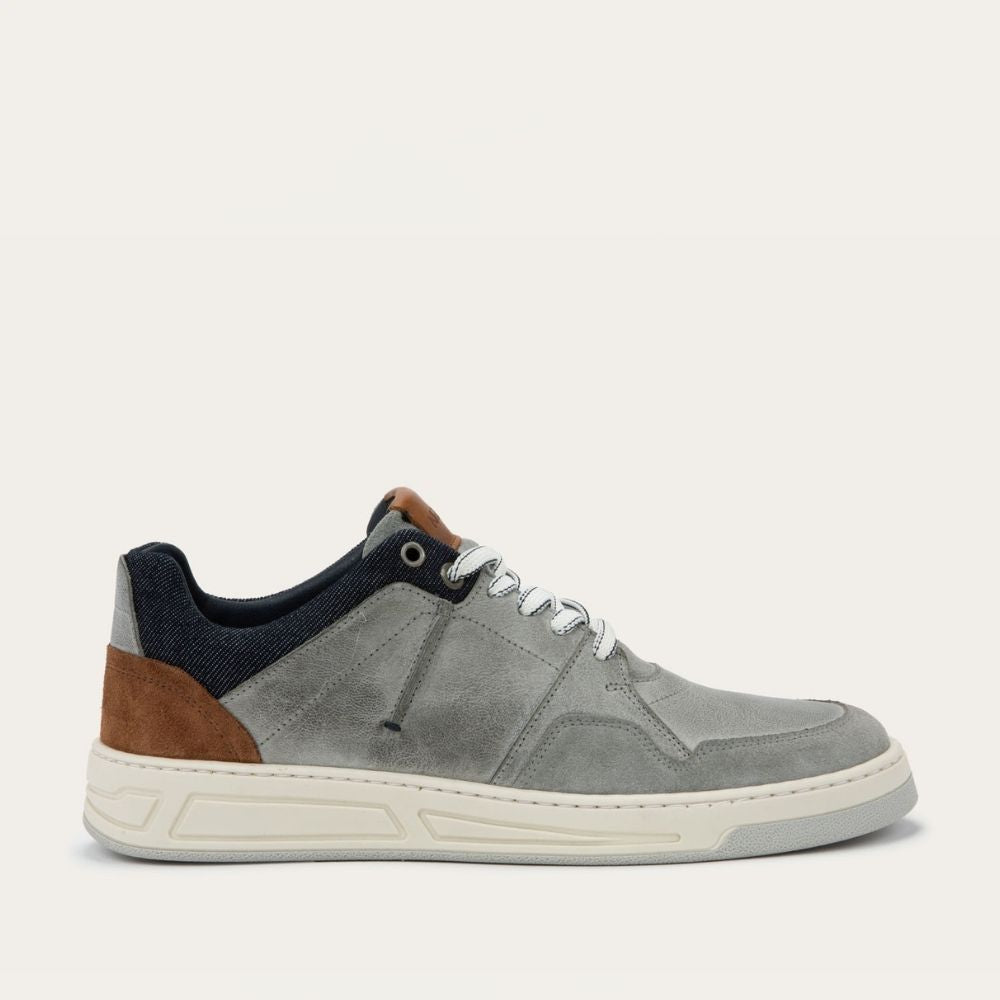
Naot Speed
$200
Why this shoe
Medium-to-Wide width availability is a real differentiator among Naot's largely medium-only lineup, giving the bunion joint the room it needs without sacrificing the removable orthotic-friendly footbed Naot is known for.
Removable footbed, confirmed orthotic-friendly on manufacturer spec sheet
1.5-inch TPR sole, slip-resistant
Available in medium-to-wide width

Vionic Uptown Ballet
$70-$100
Why this shoe
Available in both Medium and Wide, this ballet flat gives the bunion joint room a narrower silhouette wouldn't, and real customer reviews back genuine relief for standing professionals even if the rating is solid rather than exceptional.
APMA Seal of Acceptance pid=9348 - Vionic Uptown Ballet - verified directly against manufacturer's confirmed APMA PID list, July 2026
Contoured VIO MOTION arch support with cushioned EVA insole
Available in Medium and Wide widths
What to Look for in a Shoe
Evidence-based footwear criteria specific to this condition.
Heel Drop
Recommended: 0-8mm
Low to moderate heel drop is preferred for bunions. High heel drop concentrates body weight onto the forefoot and big toe joint, accelerating lateral pressure on the bunion. Research in the Journal of Foot and Ankle Surgery consistently identifies elevated heel geometry as a driver of hallux valgus progression.
Cushioning
moderate
Moderate cushioning with a focus on forefoot padding reduces impact at the first metatarsophalangeal joint with every step. Excessive rigidity in the midsole can increase joint stress during toe-off.
Avoid: rigid-soled, zero-cushion dress shoes
Stability vs. Neutral
neutral
Bunions do not inherently require stability features. A neutral shoe with a wide toe box is the primary requirement. Overpronation that co-exists with bunions may warrant a mild stability feature, but the toe box width is the non-negotiable priority.
Exception: Patients with flat feet and bunions simultaneously may benefit from mild medial support to reduce the inward rotation that accelerates hallux valgus drift. A podiatrist assessment is recommended when both conditions are present.
Width
Recommended: 2E, 4E
Wide and extra-wide toe boxes are the single most important footwear feature for bunions. The toe box must accommodate the bunion prominence without pressing against the joint. A toe box that is too narrow compresses the first metatarsophalangeal joint laterally, accelerating angular drift and causing pain.
Insoles and Orthotics
Bunion pads and custom orthotics that offload pressure from the first metatarsophalangeal joint are among the most effective conservative interventions. Shoes with removable insoles allow orthotics to be used without compromising interior depth. A podiatrist can prescribe orthotics that correct the biomechanical loading patterns that accelerate bunion progression.
Sources: APMA Clinical Practice Guidelines; Journal of Foot and Ankle Surgery
Recommended Accessories for Bunions
Insoles, heel cups, compression socks, and braces that complement your shoe recommendation and provide additional targeted relief.
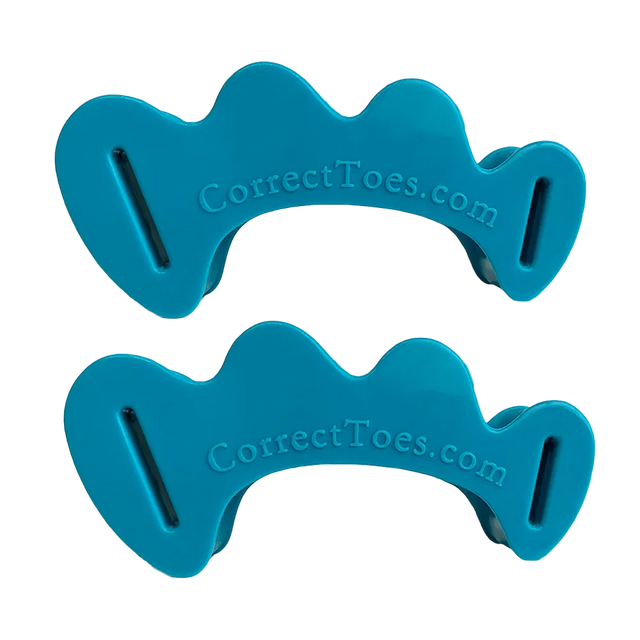
Correct Toes Toe Spacers
Correct Toes
$25-$75
Why this accessory
Only spacer worn inside shoes for continuous toe realignment
Podiatrist-designed silicone spacers separate all five toes simultaneously
Wearable inside wide toe box shoes for continuous correction during activity
Gradually realigns the big toe toward its natural position over time

PediFix Visco-GEL Bunion Guard
PediFix
$10-$18
Why this accessory
Gel cushion reduces shoe pressure on the bunion joint
Gel shield cushions the bunion joint against shoe pressure
Slim profile fits inside most shoes without adding bulk
Soft medical-grade gel reduces friction and prevents blister formation
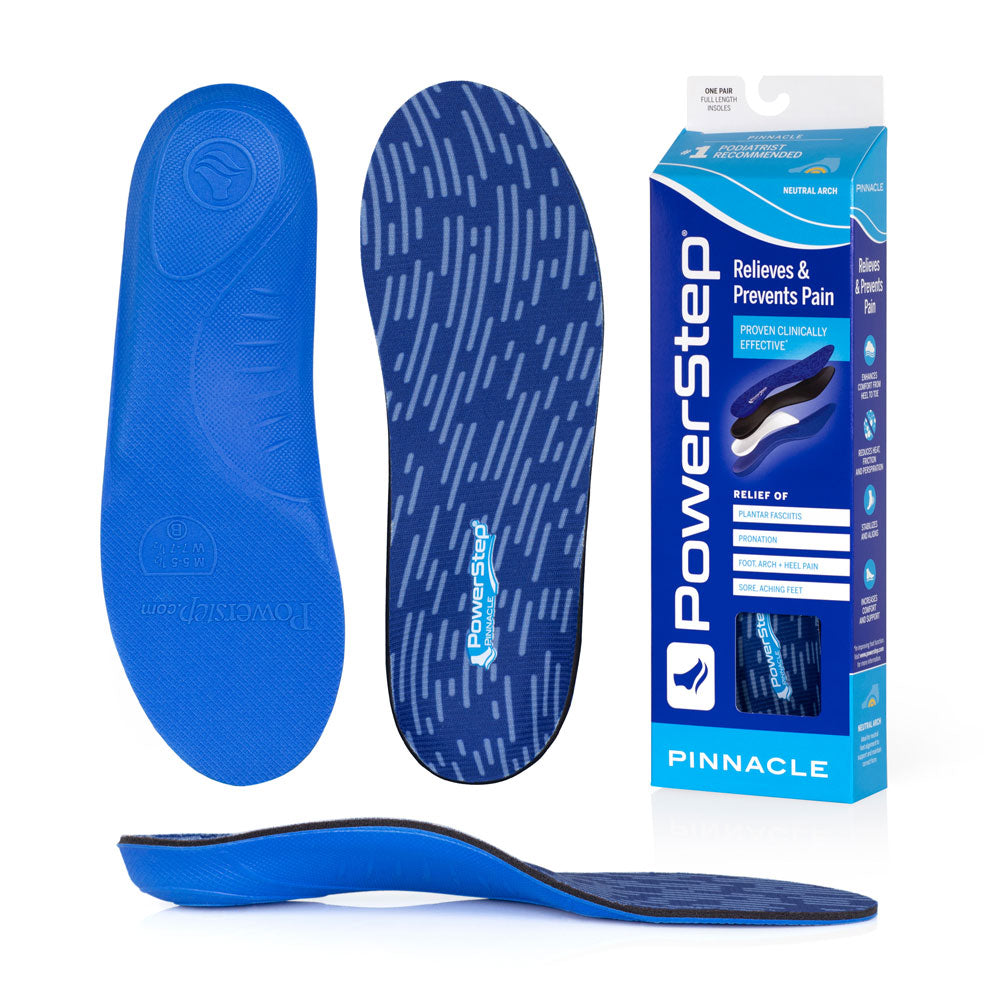
Powerstep Pinnacle Maxx Support Insoles
Powerstep
$45-$55
Why this accessory
Arch support reduces the overpronation that accelerates bunion progression
Number one podiatrist recommended OTC insole in the USA
Double-layer cushioning with semi-rigid arch support controls overpronation
Deep heel cradle stabilizes and cushions the calcaneus on every step
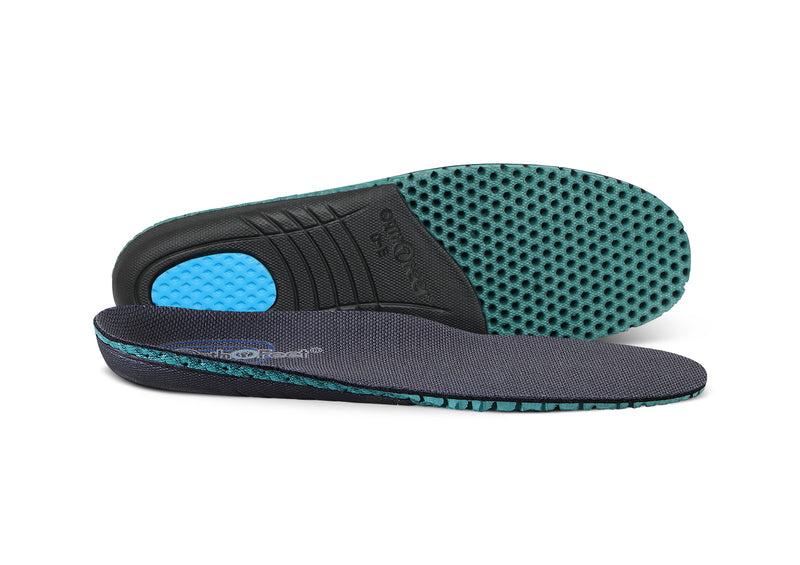
Orthofeet OFG Men's Orthotic Insoles
Orthofeet
$45-$55
Why this accessory
Arch support reduces the overpronation that accelerates bunion progression
Anatomical arch support controls overpronation and improves foot and leg alignment from heel to hip and back
Adjustable Arch Booster system allows additional support to be added under the insole for custom-level correction
Contoured heel seat with advanced cushioning foam alleviates plantar fasciitis and heel spur pain
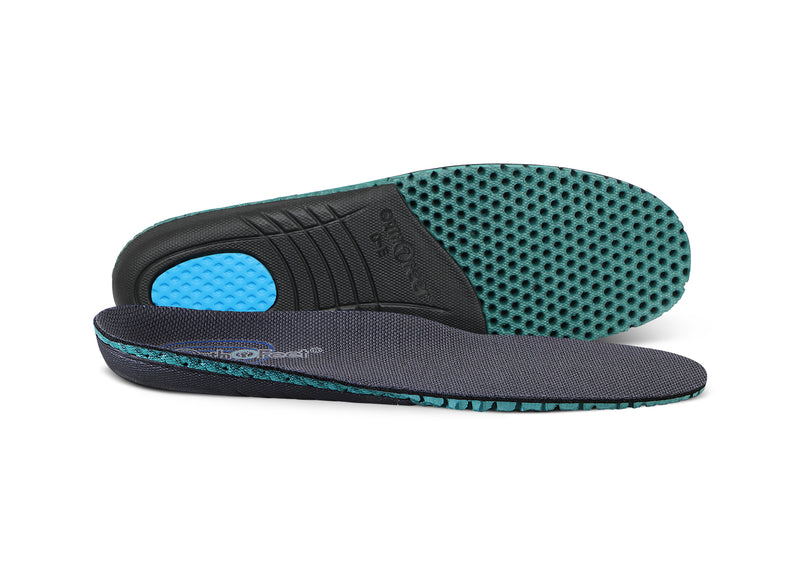
Orthofeet OFG Women's Orthotic Insoles
Orthofeet
$45-$55
Why this accessory
Women's arch support reduces overpronation that worsens bunion deformity
Anatomical arch support controls overpronation and improves foot and leg alignment from heel to hip and back
Adjustable Arch Booster system allows additional support to be added under the insole for custom-level correction
Contoured heel seat with advanced cushioning foam alleviates plantar fasciitis and heel spur pain
What Is Happening in Your Foot
A bunion, medically known as hallux valgus, is a bony prominence that forms at the base of the big toe when the big toe begins to angle toward the second toe. This angular drift forces the first metatarsal bone outward, creating the visible bump. Bunions are primarily structural and have a strong genetic component, but footwear choice significantly controls how quickly the condition progresses and how much pain it causes day to day.
Biomechanics
The first metatarsophalangeal joint is the primary weight-bearing joint during the push-off phase of walking. When the big toe drifts inward due to hallux valgus, the joint mechanics are disrupted - the sesamoid bones shift out of position, the flexor tendons bow outward, and the joint surface no longer articulates correctly. Every step in a narrow shoe accelerates this process by applying lateral compressive force to the already-drifting joint. Wide toe box footwear allows the toes to splay naturally, reducing this compressive loading with every step.
Why Symptoms Behave the Way They Do
Bunion pain that is worse in the morning typically reflects overnight joint inflammation from the previous day's activity. Unlike plantar fasciitis which tightens overnight, bunion morning stiffness is primarily inflammatory in nature. Footwear that reduces joint compression during the day reduces overnight inflammatory response.
What Makes It Worse
Narrow or pointed toe boxes that compress the forefoot laterally
High heels that shift body weight onto the forefoot and increase joint loading
Prolonged standing or walking in unsupportive footwear
Shoes with stiff uppers that press directly against the bunion prominence
Going barefoot on hard floors, which removes all lateral forefoot support
Footwear that is too short, causing the toes to compress against the toe box
What Helps
Wide or extra-wide toe box shoes that eliminate lateral pressure on the joint
Bunion pads or silicone spacers that cushion the prominence and separate the first and second toes
Custom orthotics that redistribute weight away from the first metatarsophalangeal joint
Ice application to the joint for 10 minutes after prolonged activity
Toe stretching and strengthening exercises to slow the rate of angular drift
Night splints that passively hold the big toe in a more neutral position during sleep
Common Misconceptions
Myth: Tight shoes cause bunions.
Tight shoes accelerate the progression of bunions and increase pain, but they do not cause the underlying deformity. Bunions are primarily driven by genetics and foot structure. Research suggests that populations who never wear shoes still develop bunions at meaningful rates, though shoe-wearing populations show higher prevalence.
Myth: Surgery is the only way to fix a bunion.
Surgery is the only way to correct the structural deformity, but many people manage bunion pain effectively for years or decades without surgery through proper footwear, orthotics, and padding. Surgery is typically reserved for cases where conservative management no longer controls pain or significantly limits function.
Myth: Bunion splints worn during the day will correct the deformity.
Research does not support daytime splinting as a corrective intervention. Splints cannot overcome the mechanical forces of walking and weight-bearing. Night splints may slow progression by maintaining a more neutral position during sleep, but they do not reverse existing deformity.
Sources: Journal of Foot and Ankle Surgery, Vol. 55, 2016; Foot and Ankle International, Vol. 38, 2017; APMA; Journal of Orthopaedic Research, Vol. 33, 2015
Bunions by Occupation
How this condition presents differently depending on how you spend your day.
nurses
Nurses with bunions face a compounding challenge - mandatory footwear policies often prioritize slip resistance over toe box width.
Hospital-grade slip-resistant shoes frequently have narrow or moderately wide toe boxes that press against the bunion prominence over a 12-hour shift. Sustained pressure across a full shift causes significant end-of-day joint inflammation. Finding slip-resistant shoes with adequate width is the primary footwear challenge for nurses with bunions.
Shoe Priority
Slip-resistant outsole with a wide or extra-wide toe box and soft upper material that does not press against the bunion prominence. APMA-accepted options in wide widths are the target.
office professionals
Dress code requirements make bunion management uniquely difficult for office workers and professionals.
Professional environments often require dress shoes, which are disproportionately constructed with narrow toe boxes and elevated heels - the two footwear features most harmful to bunions. Many professionals report that bunion pain is worst on days requiring formal footwear.
Shoe Priority
APMA-accepted dress shoes or professional-looking footwear with wide toe boxes. Several brands now produce dress-appropriate wide toe box options that do not sacrifice appearance for comfort.
seniors
Bunion prevalence rises sharply with age - affecting an estimated 36 percent of adults over 65 - making it one of the most common foot conditions in older populations.
Aging joints have less cartilage cushioning, making bunion pain more acute with activity. Many older adults have difficulty bending to tie laces, making shoe entry and closure an important secondary consideration. Bunions also alter balance and gait mechanics, increasing fall risk in seniors.
Shoe Priority
Extra-wide toe box with soft, flexible uppers, slip-on or easy-entry design, and a stable sole that does not compromise balance. Velcro or elastic closures eliminate the need to bend for lacing.
standing workers
Retail, warehouse, and factory workers with bunions accumulate significant joint stress across every shift.
Work shoes in these environments are often chosen for durability and safety rather than toe box width. Steel-toed safety boots in particular are notoriously narrow in the forefoot and are a major source of bunion aggravation for industrial workers.
Shoe Priority
Wide or extra-wide toe box work shoe. For safety-required environments, composite toe options often provide more forefoot room than traditional steel toe boots and meet the same safety standards.
travelers
Travel days combine prolonged walking, unfamiliar terrain, and limited footwear options - a difficult combination for bunion sufferers.
City sightseeing involves far more walking than most travelers anticipate, often in footwear chosen for appearance rather than foot health. Swelling from long flights also increases forefoot volume, making bunion pressure worse upon landing. Packing only one or two pairs of shoes eliminates the ability to rotate footwear.
Shoe Priority
Versatile wide toe box walking shoe that transitions from sightseeing to casual dining without requiring a dress shoe change. Prioritize shoes with a soft upper that accommodates foot swelling.
pregnant women
Pregnancy significantly increases bunion risk and accelerates progression in women who already have the condition.
The hormone relaxin, which loosens ligaments to prepare for childbirth, also loosens the ligaments that stabilize the forefoot, allowing hallux valgus drift to accelerate. Foot swelling in the third trimester increases forefoot volume and pressure on any existing bunion. Many women develop or worsen bunions during pregnancy and retain the change postpartum.
Shoe Priority
Wide toe box with accommodating soft uppers that expand with foot swelling. Easy entry is important as pregnancy progresses and bending becomes difficult. Avoid any footwear with elevated heels.
Frequently Asked Questions
Local Foot Health
Bunions by City
Environmental factors, terrain, and climate affect how common this condition is across different cities. Find local podiatrist resources near you.
Related Guides and Resources
Shoe Guides
From the MySoleMatch Journal
Walk Into Your Appointment With Answers
Before Your Next Appointment
Take Your Results to Your Podiatrist
Answer a few quick questions. Takes under 2 minutes. Get personalized shoe recommendations.
Not Sure Which Shoe Is Right?
Take our guided quiz and get a personalized recommendation based on your specific foot condition and lifestyle.
Start the Quiz