Best Shoes for Restaurant Workers
Waiters, servers, line cooks, and bartenders spend just 1.4% of their workday sitting - the highest standing occupation group in the entire BLS Occupational Requirements Survey. Hard tile and concrete kitchen floors, wet and greasy surfaces, and 10-plus hour shifts create the most demanding foot health environment of any occupation.
The right shoe is not a luxury. It is a clinical necessity. Every shoe in this guide carries the APMA Seal of Acceptance or is specifically engineered for food service environments - and every recommendation is grounded in podiatric research, not marketing.
98.6%
Of shift spent standing or walking
10+
Hours per shift on hard floors
6.8M+
Food service workers in the US
BLS 2026
Occupational Requirements Survey
The Clinical Reality
Why Restaurant Work Is the Hardest Job for Feet
No occupation in the BLS database comes close to restaurant work for standing time. The January 2026 Occupational Requirements Survey confirmed waiters and waitresses spend 1.4% of the workday sitting - meaning 98.6% is spent standing or walking on hard floors. Kitchen staff face the same demands with the added hazards of wet floors, dropped equipment, and extreme heat.
The cumulative mechanical consequence is significant. The plantar fascia - the thick band of tissue running along the bottom of the foot - absorbs the impact of every step on hard surfaces. Over a 10-hour shift, that tissue endures thousands of compression cycles. Without adequate cushioning and arch support, chronic inflammation develops that does not resolve between shifts. Plantar fasciitis, metatarsalgia, and Achilles tendinitis are occupational conditions in food service, not coincidences.
The slip hazard compounds the foot health problem. Kitchen floors coated with grease, water, and cleaning chemicals create fall risk that standard rubber outsoles cannot address. Slip-resistant certification specifically for oily surfaces is the minimum standard for kitchen footwear - and it narrows the field of appropriate shoes significantly.
What Restaurant Workers Need in a Shoe
Slip-resistant outsole rated for grease
Kitchen floors are coated with grease, water, and cleaning chemicals. A standard rubber outsole is not enough - look for slip-resistant certification specifically for wet and oily surfaces. The HOKA Bondi SR and Dansko clogs meet this standard.
Maximum cushioning that lasts a full shift
Restaurant workers stand 98% of their shift on hard tile and concrete. Cheap EVA foam compresses within hours. Look for premium midsole foam - HOKA's supercritical EVA or Brooks' DNA Loft - that maintains shock absorption through a 10-hour service.
Rocker bottom or Meta-Rocker geometry
A rocker sole reduces the load on the forefoot and plantar fascia by rolling the foot forward without requiring full toe extension. Dansko and HOKA both use rocker geometry specifically for standing professionals.
Wide toe box for shift-end swelling
Feet swell significantly during long standing shifts. A narrow toe box causes metatarsalgia, bunions, and Morton's neuroma over years of food service work. Your toes need room to splay - look for wide width options.
Reinforced toe box for kitchen safety
Kitchens involve dropped equipment, rolling carts, and heavy stock. A reinforced or protected toe box is a safety feature as much as a comfort feature for kitchen staff.
Easy to clean upper
Restaurant footwear gets exposed to food, grease, and cleaning chemicals daily. Leather, synthetic leather, and treated mesh uppers that wipe clean are strongly preferred over porous fabric uppers that absorb spills.
Best Shoes for Restaurant Workers
Slip-resistant, cushioned, and built for long shifts. APMA verified where applicable. Curated for food service professionals.

HOKA Bondi SR
The only HOKA built specifically for workplace environments. Slip-resistant outsole rated for wet and oily surfaces, maximum Bondi cushioning stack for 10-hour shifts, and APMA accepted. The top podiatrist recommendation for food service professionals.
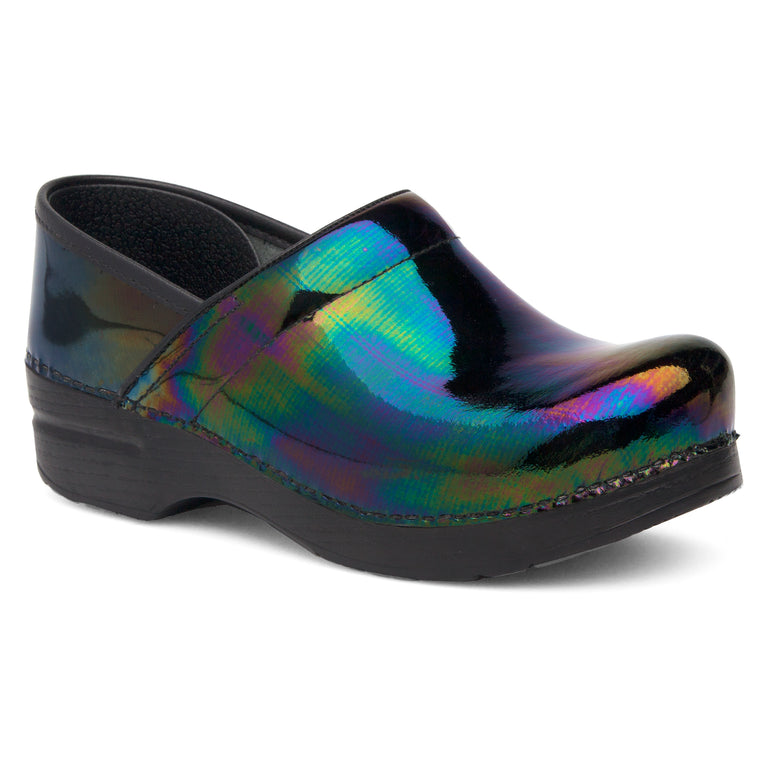
Dansko Professional Clog
The most podiatrist-prescribed clog for kitchen and dining room professionals. Rocker bottom reduces forefoot fatigue during long standing shifts, reinforced toe box provides protection in kitchen environments, and slip-resistant outsole is rated for wet and polished floors. APMA accepted.
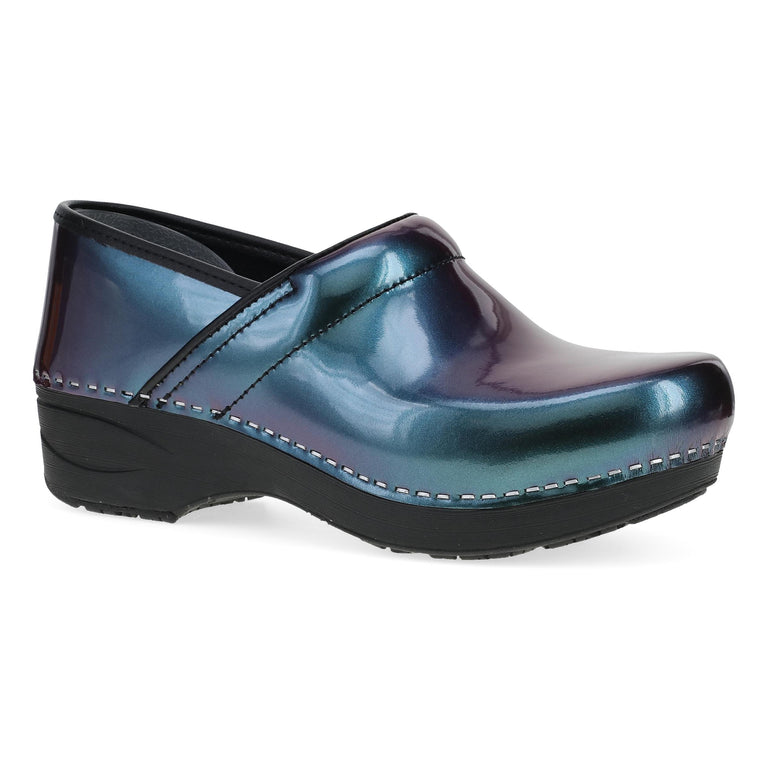
Dansko XP 2.0
Lighter and more flexible than the Professional Clog with the same rocker geometry and slip-resistant outsole. Memory foam footbed for all-day standing comfort. The preferred Dansko for servers who walk more than they stand. APMA accepted.
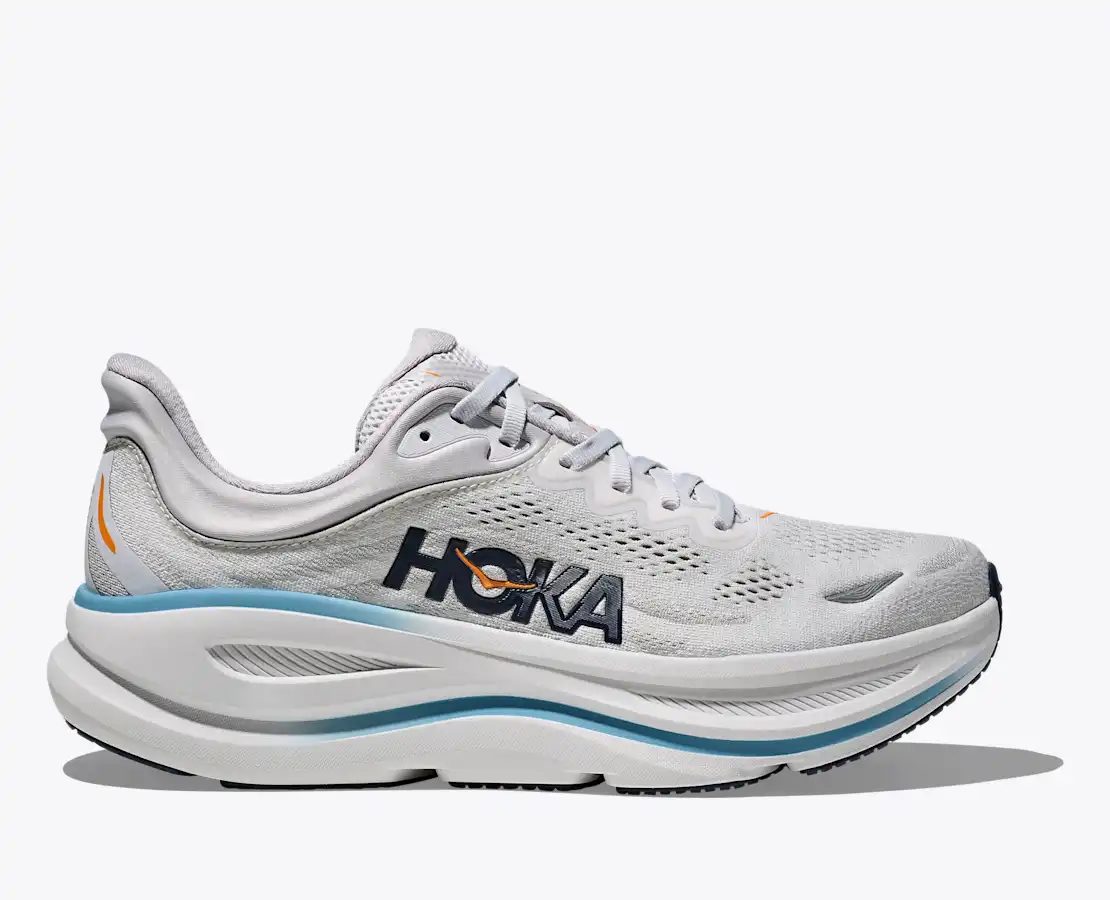
HOKA Bondi 9
Maximum cushioning stack at 41mm with Meta-Rocker geometry that reduces plantar fascia and heel load with every step. APMA accepted. Best for restaurant workers who need maximum protection on hard kitchen and dining room floors.

Brooks Ghost 17
Available in five widths to accommodate foot swelling during long shifts. APMA accepted and PDAC diabetic certified. Consistently recommended by podiatrists for standing professionals who need a reliable all-day shoe.

Skechers Arch Fit
The most accessible APMA-accepted stability shoe at $80-100. Podiatrist-certified Arch Fit insole with 40mm heel stack provides clinical-grade support at a budget price point accessible to tipped workers. Wide widths available.
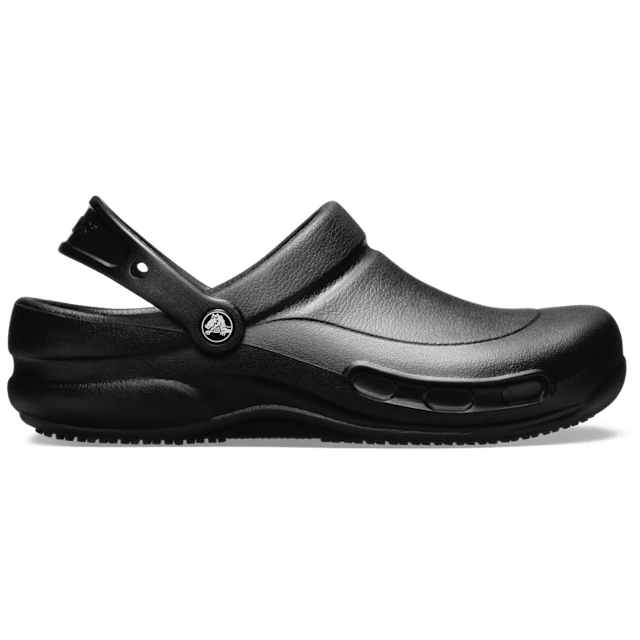
Crocs Bistro
ASTM F2913-24 tested and ASTM F3445-24 certified for wet, oily, and greasy surfaces. Contoured orthotic-style footbed and Croslite construction at a genuinely budget-friendly price point. Not APMA accepted.
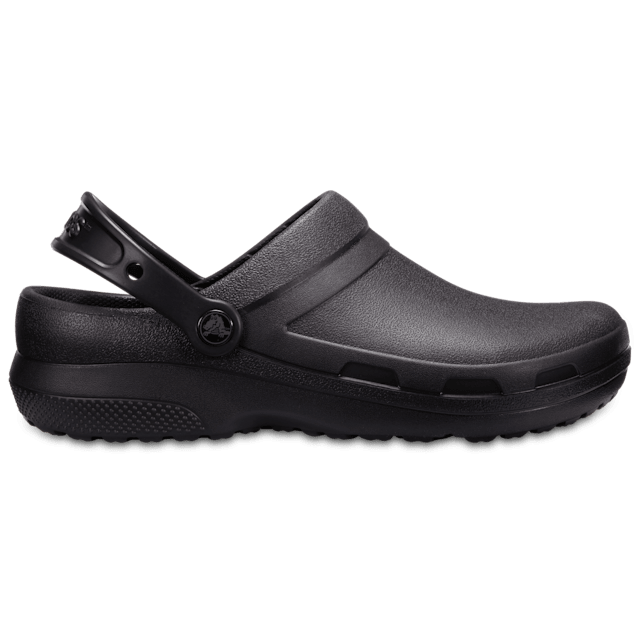
Crocs Specialist II Work Clog
The occupational-grade Crocs, built with a thicker toe and metatarsal guard and a taller heel meeting workplace safety standards, beyond the casual Bistro clog. Same ASTM F2913-24 and F3445-24 slip certification. Not APMA accepted.
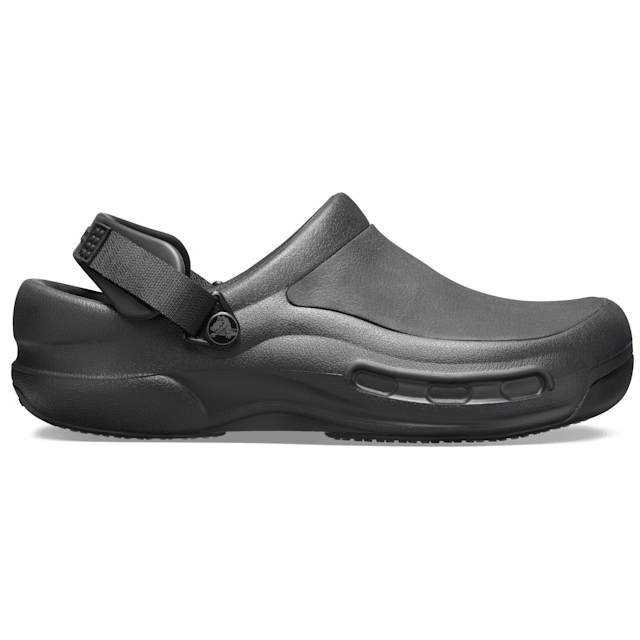
Crocs Bistro Pro LiteRide Work Clog
Bistro Pro with an upgraded LiteRide foam insole, softer and more resilient than standard Croslite, for the longest kitchen shifts. Same ASTM F3445-24 wet, oily, and greasy surface certification. Not APMA accepted.

Clove Forte
APMA accepted. ASTM F3445 certified slip-resistant outsole with the Brungraber Mark II test. SuperCush dual-density foam core and elastic no-tie laces for fast, hands-free on and off between rushes.
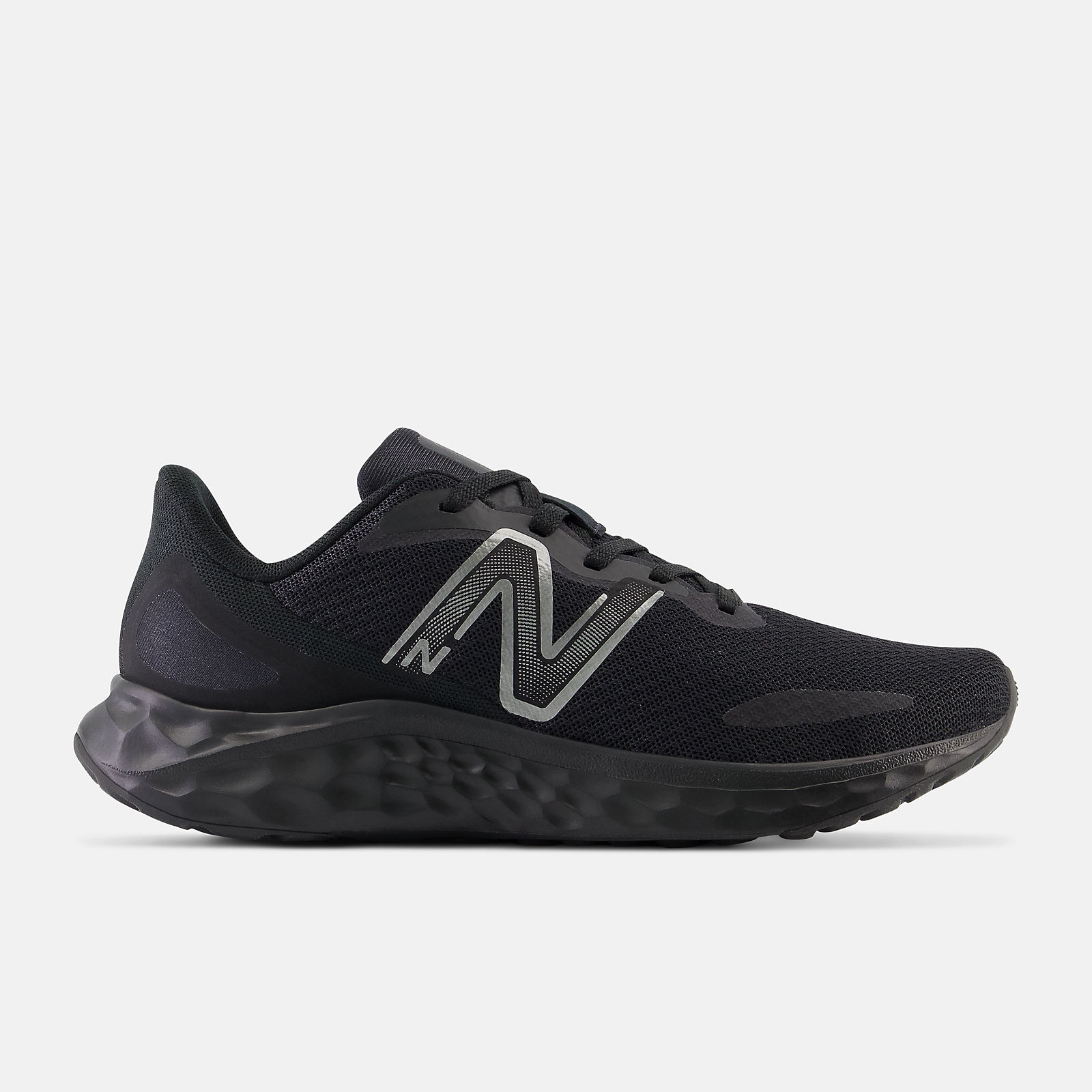
New Balance Women's Fresh Foam Arishi v4 Slip Resistant
Fresh Foam midsole cushioning with a slip-resistant outsole tested to ASTM F2913 and oil-resistant to ASTM D471-16a. A lighter, more athletic option for front-of-house and lower-spill-risk roles. Not APMA accepted.

New Balance Men's Fresh Foam Arishi v4 Slip Resistant
Fresh Foam midsole cushioning with a slip-resistant outsole tested to ASTM F2913 and oil-resistant to ASTM D471-16a. A lighter, more athletic option for front-of-house and lower-spill-risk roles. Not APMA accepted.
What Restaurant Workers Should Avoid
Open-toe shoes or sandals - a safety and hygiene hazard in any food service environment
Non-slip-resistant outsoles - standard rubber is not rated for grease and cleaning fluid
Narrow toe boxes that compress the forefoot during 10-hour shifts
Worn-out shoes - replace every 4 to 6 months regardless of visible outsole wear
Lightweight fashion sneakers with minimal midsole - they bottom out in hours on hard kitchen floors
White or light-colored uppers that show kitchen floor contamination immediately
Frequently Asked Questions
What shoes do podiatrists recommend for restaurant workers?
Podiatrists recommend slip-resistant shoes with maximum cushioning, wide toe boxes, and firm arch support. HOKA Bondi SR, Dansko Professional Clog, and Brooks Ghost 17 are among the most recommended for food service professionals. The HOKA Bondi SR is specifically engineered for workplace slip resistance on wet and oily surfaces - making it the most clinically appropriate choice for kitchen environments.
Why do restaurant workers need special shoes?
BLS Occupational Requirements Survey data published January 2026 confirms waiters and waitresses spend just 1.4% of the workday sitting - the highest standing occupation group measured. Standing on hard kitchen and dining room floors for 10 or more hours creates cumulative mechanical stress that causes plantar fasciitis, metatarsalgia, and heel spurs. The right shoe is not optional - it is a clinical necessity for long-term foot health in food service.
Are Dansko clogs good for restaurant work?
Yes - Dansko clogs are among the most podiatrist-recommended shoes for restaurant and kitchen workers. The Professional Clog and XP 2.0 both carry the APMA Seal of Acceptance, feature rocker bottom geometry that reduces forefoot pressure during long standing shifts, and have slip-resistant outsoles rated for wet and polished floors. The XP 2.0 is lighter and more flexible for servers who walk more than they stand.
How often should restaurant workers replace their shoes?
Every 4 to 6 months of full-time use regardless of visible outsole wear. The midsole foam loses shock-absorbing properties well before the rubber shows wear. Press your thumb firmly into the heel foam - if it does not spring back immediately, the cushioning is compromised and the shoe needs replacement. Worn shoes are the leading preventable cause of plantar fasciitis in restaurant workers.
Is it worth spending more on restaurant shoes?
Yes. A restaurant worker standing 10 hours per shift will go through 300 to 400 miles of shoe life in roughly 4 to 5 months. A $160 premium shoe that lasts 5 months and prevents plantar fasciitis is far less expensive than the lost shifts, podiatry visits, and orthotics that inadequate footwear causes. Many restaurant workers spend significantly less on shoes than the cost of a single medical visit for foot pain.
More Shoe Guides
MySoleMatch provides shoe recommendations based on podiatric research. We are not a medical platform and do not provide medical advice. If you are experiencing foot pain that affects your ability to work, consult a licensed podiatrist. Affiliate disclosure: we may earn a commission if you purchase through links on this page at no additional cost to you.
Have a Specific Foot Condition?
If you have plantar fasciitis, flat feet, or another condition, our guided quiz matches you to the right shoe for your specific diagnosis.