Disclosure: We may earn a small commission if you purchase through links on this page. No additional cost to you. We just want to be transparent about how we fund this site.
Nike Pegasus 41 vs HOKA Clifton 10 for Plantar Fasciitis
Nike just earned APMA acceptance. HOKA has owned podiatrist recommendations for years. We put both to the test.
We don't just recommend shoes. We explain why they work for your feet.
What You Need to Know First
Plantar fasciitis management in daily trainers requires two things that often conflict: enough cushioning to absorb impact and enough geometry to reduce fascial load during the toe-off phase. HOKA's Meta-Rocker addresses the toe-off phase directly by rolling the foot forward without requiring the big toe joint to extend fully - reducing the windlass mechanism tension that aggravates plantar fasciitis. Nike's ReactX foam addresses the impact phase directly with superior energy return at heel strike. Both approaches are clinically valid and both shoes are APMA accepted for promoting foot health.
The Nike Pegasus 41 earned its APMA Seal of Acceptance in 2025 - making it the first Pegasus in the 41-year history of the franchise to carry podiatric certification. The HOKA Clifton has carried APMA acceptance for years and has become one of the most recommended daily trainers by podiatrists worldwide. Both are neutral shoes. Both are APMA accepted. Both target runners and everyday wearers with plantar fasciitis. But they are built on completely different philosophies. The Pegasus 41 is a performance-first shoe with ReactX foam and dual Air Zoom units that prioritize energy return alongside cushioning. The Clifton 10 is a comfort-first shoe with CM EVA foam and HOKA's distinctive Meta-Rocker that prioritizes plantar fascia offloading alongside cushioning. For plantar fasciitis specifically, that distinction matters.
Specs Compared
Factual specs only. No brand is favored. You decide what matters most for your feet.
Which One Is Right for You?
Both are excellent. Here is the honest case for each based on your specific situation.

Nike Pegasus 41
$130-$145
Choose this when
You are a performance-focused runner who wants APMA-accepted protection for plantar fasciitis without sacrificing the responsive feel and energy return of a true running shoe. The Pegasus 41's ReactX foam delivers 13% more energy return than previous React foam - a meaningful performance advantage that the more comfort-focused Clifton 10 does not prioritize. It is also the stronger choice for runners under 45 with mild to moderate plantar fasciitis who want a shoe that transitions naturally from training runs to race day.
ReactX foam midsole delivers 13% more energy return than previous React foam - responsive cushioning that holds up over high mileage
Dual Air Zoom units in heel and forefoot provide targeted impact absorption for runners and walkers with heel pain
APMA Seal of Acceptance pid=9106 - Nike Pegasus 41 - verified directly from APMA Seal Database May 2026
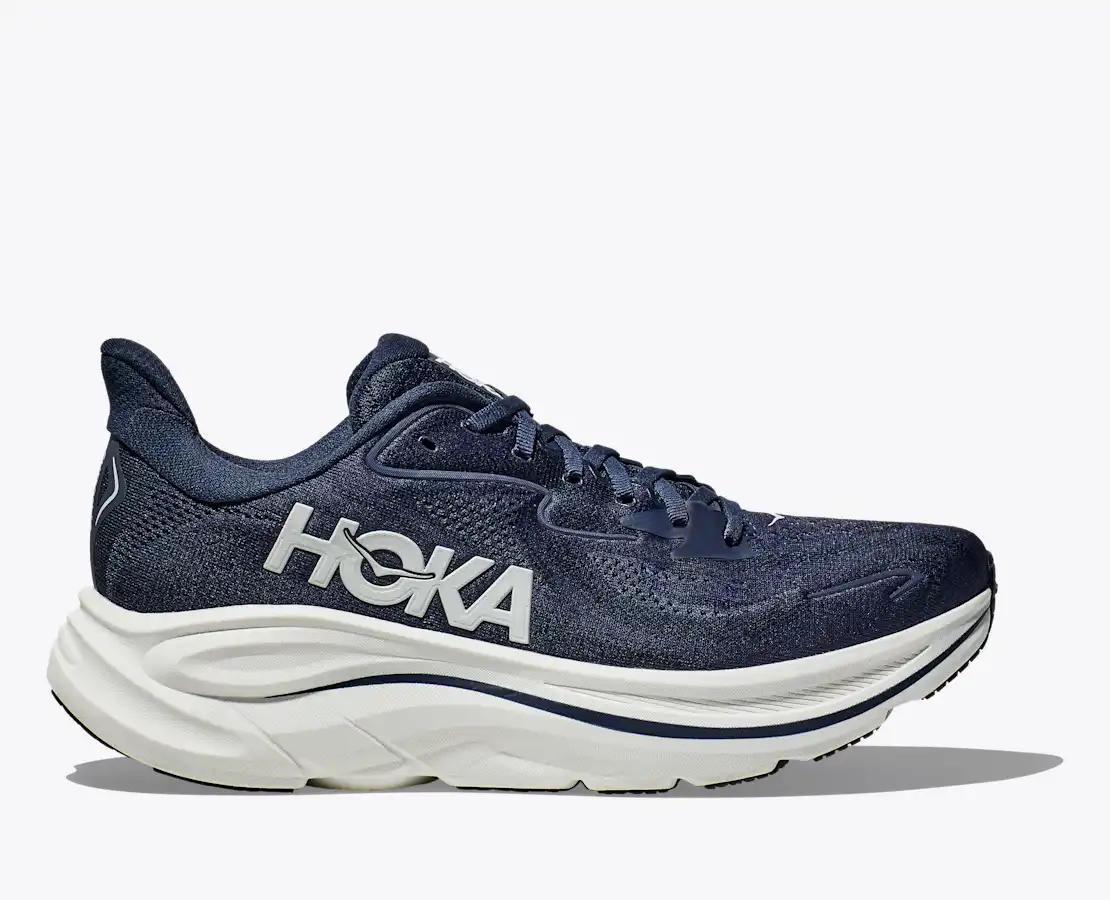
HOKA Clifton 10
$145-$160
Choose this when
Your priority is maximum plantar fascia offloading rather than performance metrics. The Clifton 10's Meta-Rocker geometry is a clinically purposeful design feature that reduces fascial load during toe-off - a phase of gait that the Pegasus 41's more traditional platform does not address as directly. It is also the stronger choice for everyday wearers who want the shoe to function as a walking shoe as well as a running shoe, older runners who prioritize protection over performance, and anyone whose plantar fasciitis is moderate to severe.
CM EVA midsole for plush responsive cushioning
8mm heel drop reduces Achilles and calf strain
APMA Seal of Acceptance pid=9032 - lightweight daily trainer verified directly from APMA Seal Database May 2026
The Honest Verdict
Both are APMA accepted and appropriate for plantar fasciitis in neutral-gaited runners and walkers. The Nike Pegasus 41 is the better choice for performance-focused runners who want podiatric credentials without sacrificing energy return and race capability. The HOKA Clifton 10 is the better choice for runners who prioritize plantar fascia offloading and all-day comfort over performance metrics. Neither will disappoint - the distinction is performance versus comfort priority.
Answer These. Then Decide
Four quick questions that point you toward the right shoe for your specific situation.
Do you prioritize performance and energy return in your daily trainer?
Is plantar fascia offloading during toe-off your primary concern?
Do you want the shoe to function as both a running and everyday walking shoe?
Are you under 45 with mild to moderate plantar fasciitis managing active training?
Frequently Asked
Is the Nike Pegasus 41 good for plantar fasciitis?
Yes - the Nike Pegasus 41 carries the APMA Seal of Acceptance and is appropriate for plantar fasciitis in neutral-gaited runners with mild to moderate symptoms. Its ReactX foam provides cushioning that absorbs heel impact effectively. For severe plantar fasciitis or patients who need active rocker geometry to offload the fascia during toe-off, the HOKA Clifton 10 or HOKA Bondi 9 are stronger clinical choices.
How does the Nike Pegasus 41 compare to HOKA for plantar fasciitis?
The Pegasus 41 prioritizes performance and energy return alongside cushioning. HOKA's Clifton 10 prioritizes plantar fascia offloading through Meta-Rocker geometry alongside cushioning. Both are APMA accepted - the distinction is whether your plantar fasciitis management priority is performance capability or maximum fascial protection. Most podiatrists would recommend the Clifton 10 for moderate to severe plantar fasciitis and the Pegasus 41 for mild plantar fasciitis in performance-focused runners.
When did Nike Pegasus 41 get APMA acceptance?
The Nike Pegasus 41 received the APMA Seal of Acceptance in 2025, verified in the APMA Seal Database at product ID 9106. This makes it one of the first Nike running shoes to receive APMA podiatric recognition - a significant development given the Pegasus franchise's 41-year history as one of the best-selling running shoes in the world.
Which shoe is cheaper - Nike Pegasus 41 or HOKA Clifton 10?
The Nike Pegasus 41 retails at $130 to $145, making it $15 to $20 less expensive than the HOKA Clifton 10 at $145 to $160. Both are available on Amazon. For plantar fasciitis patients choosing based on value, the Pegasus 41 offers APMA-accepted protection at a lower price point - though the Clifton 10's rocker geometry provides clinically meaningful additional benefit for most plantar fasciitis presentations.
Related Comparisons
Still Not Sure Which Is Right for You?
Take our guided quiz and get a personalized recommendation based on your specific foot condition, activity level, and concerns. We explain exactly why each shoe fits your feet.