Disclosure: We may earn a small commission if you purchase through links on this page. No additional cost to you, and we only recommend products we trust. This helps us keep MySoleMatch free and ad-free. Thank you for your support!
Hammertoes
Hammertoes develop when an imbalance in the muscles, tendons, or ligaments that hold the toe straight causes the toe to bend at the middle joint. The condition often worsens over time and can cause significant pain, corns, and difficulty finding comfortable footwear. Shoes with deep, roomy toe boxes and soft uppers are essential.
Signs You May Have Hammertoes
Toe bent downward at the middle joint
Pain when moving the affected toe
Corns or calluses on top of the toe joint
Difficulty fitting into standard shoes
Inflammation or ulceration in severe cases
Walk Into Your Appointment With Answers
Before Your Next Appointment
Take Your Results to Your Podiatrist
Answer a few quick questions. Takes under 2 minutes. Get personalized shoe recommendations.
Best Shoes for Hammertoes | MySoleMatch
Deep toe boxes that allow the bent toe to sit without rubbing are critical. Look for soft, flexible uppers and extra depth. Avoid shoes with low toe boxes entirely.

New Balance Fresh Foam X 880v15
$145-$155
Why this shoe
Men's sizing comes in widths up to 4E, which may leave more room for bent toes. New Balance describes a structured, breathable mesh upper and does not describe the toe box shape, so try it on and check the toe area for rubbing.
Fresh Foam X midsole with approximately 3% bio-based content for cushioned ride
Structured yet breathable engineered mesh upper
Structured, breathable engineered mesh upper, per New Balance

New Balance FuelCell SuperComp Trainer v2
$179-$199
Why this shoe
Soft upper material reduces pressure on hammertoes during performance training.
FuelCell foam for responsive cushioning
Carbon fiber plate for energy return
Soft upper reduces toe pressure
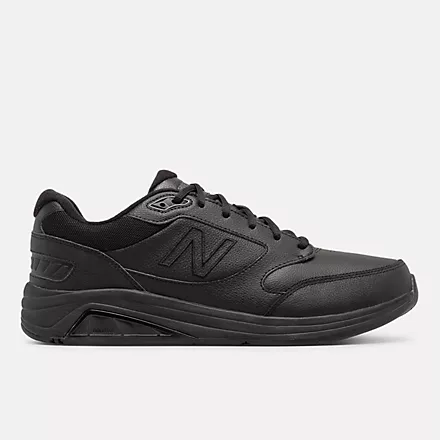
New Balance 928v3 Lace-Up Walking Shoe
$134-$145
Why this shoe
Roomy toe area in extra-wide widths prevents hammertoe irritation during walking.
ROLLBAR motion control technology and Clinical-Grade Support: The signature ROLLBAR® motion control system minimizes rear-foot movement, keeping your stride aligned and reducing stress on the plantar fascia.
Reduces morning heel pain and keeps you moving comfortably all day, whether you're on your feet for work or walking for fitness.
Maximum Shock Absorption: Engineered with ABZORB® cushioning in the midfoot to absorb harsh impacts, protecting your heels from painful concrete and hard floors.
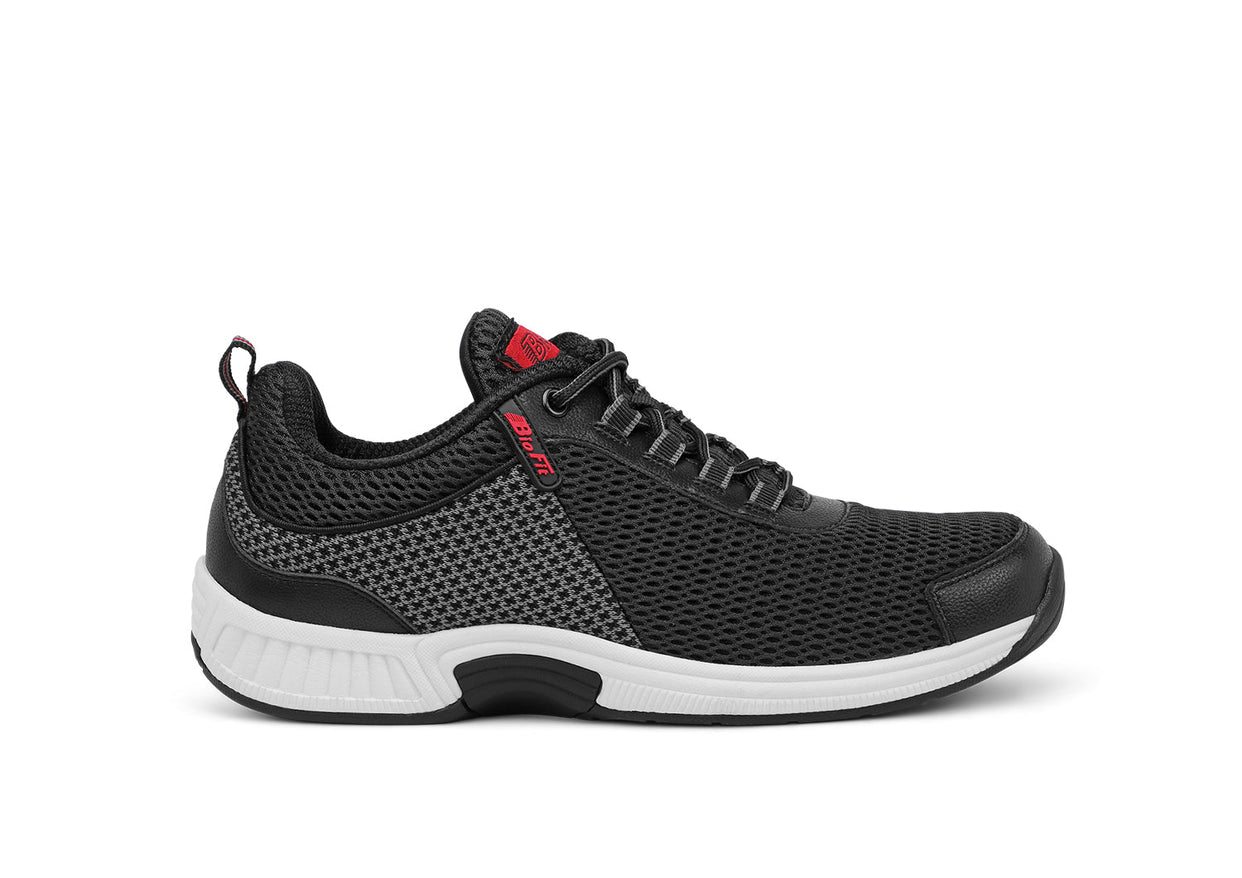
Orthofeet Edgewater
$129-$145
Why this shoe
Stretch upper specifically engineered to conform around hammertoe deformities without creating pressure points - extra-depth toe box gives contracted toes full vertical clearance.
Biomedical-engineered extra-depth design accommodates custom orthotics
Stretch upper eliminates pressure on bunions, hammertoes, and swollen feet
Ergonomic Stride outsole with mild rocker reduces plantar fascia strain
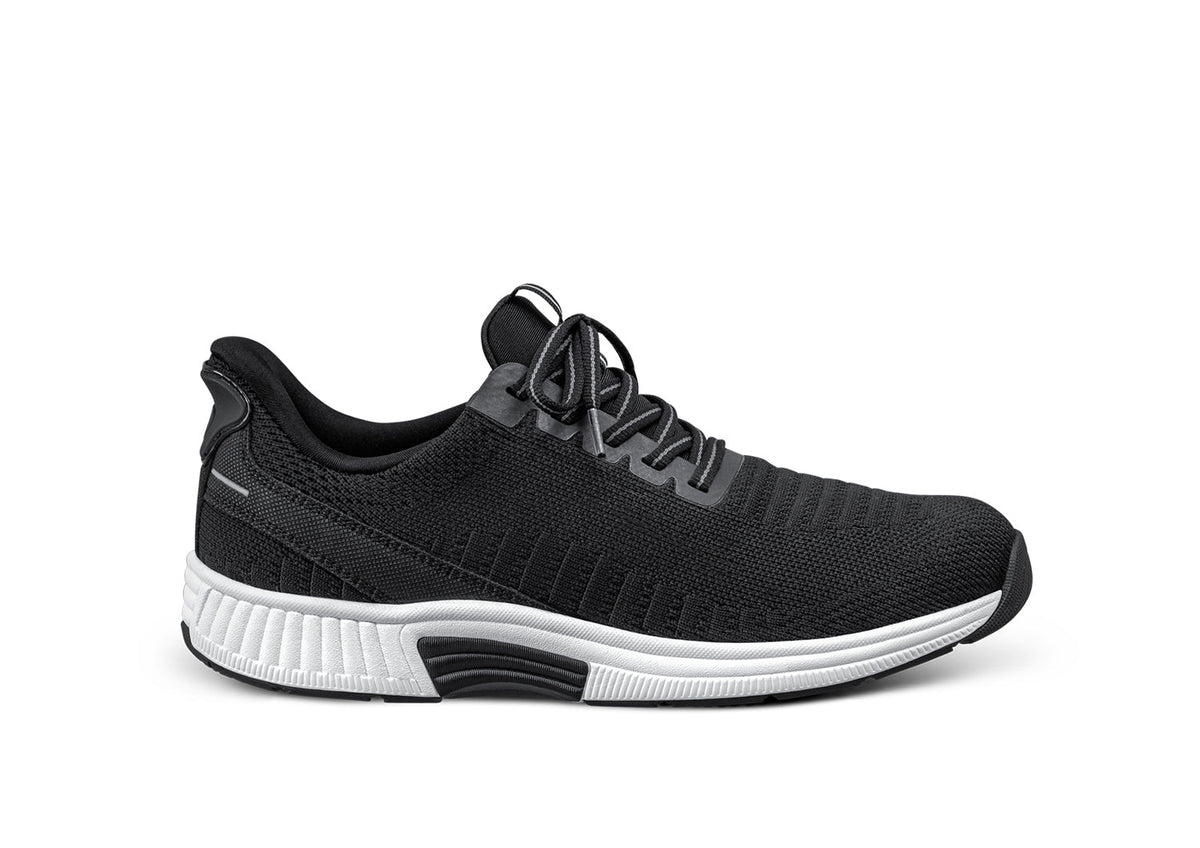
Orthofeet Kita
$130-$160
Why this shoe
Extra depth and a soft, seam-free interior give curled or contracted toes room to sit naturally without rubbing against a rigid toe box.
APMA Seal of Acceptance pid=9248 - Orthofeet Kita - verified directly from APMA Seal Database September 2026
Hands-Free Easy On/Off heel spring allows entry without bending or using hands
Multi-Layer Ortho-Cushion system with ergonomic sole and mild rocker for reduced impact
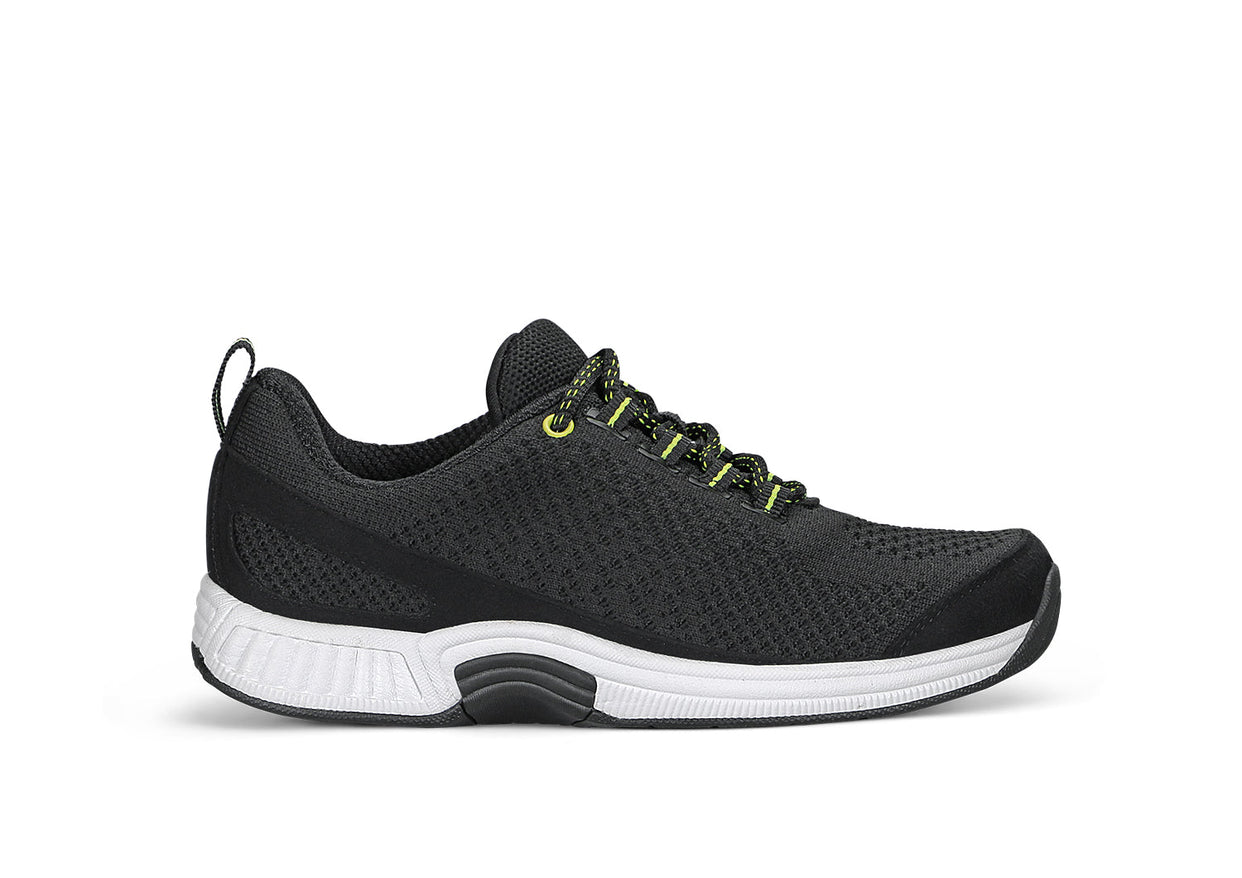
Orthofeet Coral
$129-$145
Why this shoe
Women's stretch knit upper adapts to hammertoe deformities without friction - seam-free padded interior eliminates the rubbing and irritation that worsens hammertoe pain.
Women's equivalent of the Edgewater - biomedical-engineered extra-depth design
Stretch knit upper relieves pressure on bunions, hammertoes, and swollen feet
Deep heel cup with gel cushioning for plantar fasciitis and heel pain relief
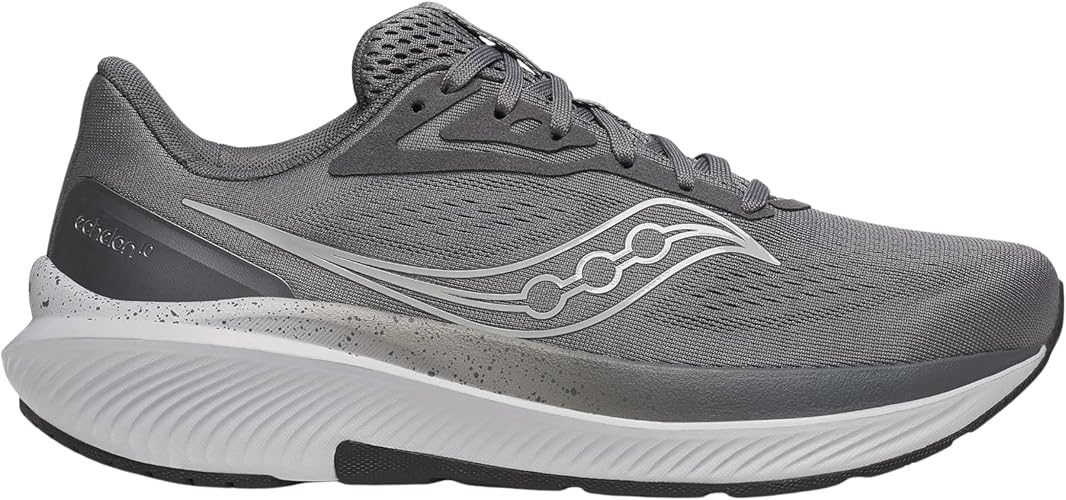
Saucony Echelon 10
$130-$150
Why this shoe
High-volume extra-depth design provides space for contracted hammertoes without friction or pressure from the upper - orthotic-ready for additional correction.
High-volume fit with straighter last specifically engineered for custom orthotic users
Extra depth and roomy toe box accommodates bunions, hammertoes, and wide feet comfortably
PWRRUN cushioning provides reliable impact protection for orthotic-wearing runners and walkers

Apex Lace Walker Men's
$125-$145
Why this shoe
High and wide toe box prevents hammertoe irritation, with two removable depth layers for additional vertical clearance.
X-Last construction designed for superior motion control and rearfoot stability
High and wide toe box eliminates pressure on bunions, hammertoes, and diabetic feet
5/16 inch removable depth in two layers for maximum orthotic fitting flexibility
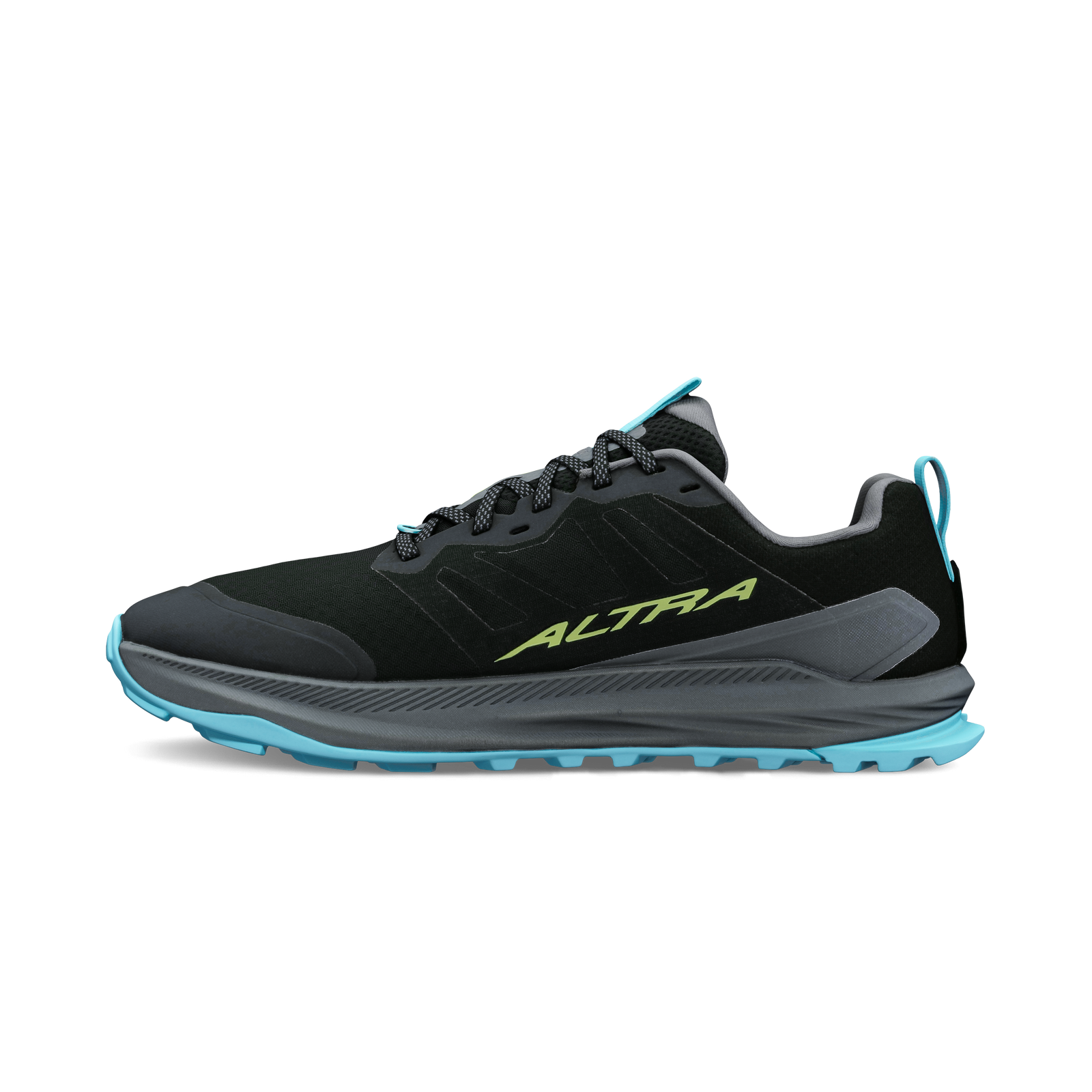
Altra Lone Peak 9
$140-$150
Why this shoe
Roomy FootShape toe box with ample vertical height prevents toe box compression that aggravates hammertoe deformities on trail descents.
FootShape toe box provides full natural toe splay on uneven trail terrain - eliminating the forefoot compression that causes blisters and black toenails on long hikes
Zero-drop platform keeps the foot in a natural position on varied terrain - reducing Achilles and calf overload from elevated heel trail shoes
Vibram Megagrip outsole provides exceptional traction on wet rock, mud, and loose gravel - one of the most trusted trail outsoles available
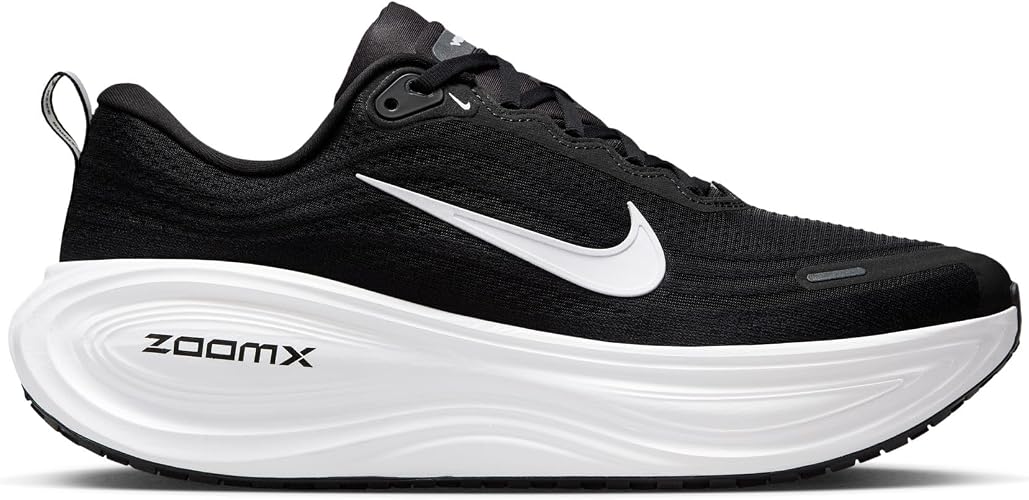
Nike Vomero Plus
$170-$190
Why this shoe
Expanded forefoot platform and roomy last accommodate hammertoe deformity without compression, filling the same catalog role as the Saucony Echelon 10. APMA accepted.
APMA Seal of Acceptance pid=9110 - Nike Vomero Plus - verified directly from APMA Seal Database May 2026
Wider, plusher variant of the Vomero 18 - built for runners and walkers who need more volume in the toe box and forefoot for bunions, wide feet, or orthotic use
Full-length ZoomX foam with expanded forefoot platform absorbs maximum impact while accommodating wider foot shapes without compression
What to Look for in a Shoe
Evidence-based footwear criteria specific to this condition.
Heel Drop
Recommended: 4-10mm
Moderate heel drop is appropriate for hammertoes. The primary footwear consideration is toe box depth and upper softness rather than heel geometry. A moderate heel drop reduces some forefoot loading during push-off, which can reduce the pressure placed on hammertoe corns during the toe-off phase of gait.
Cushioning
moderate
Moderate overall cushioning with a focus on a compliant, soft upper that does not press against the dorsally prominent toe joint is the priority. The hammertoe creates a bony prominence on the dorsal surface of the toe that rubs against the shoe upper with every step. A soft, flexible upper material over a cushioned midsole reduces both the friction at the corn site and the forefoot impact loading.
Avoid: rigid uppers, stiff leather, low toe box designs
Stability vs. Neutral
neutral
Hammertoes do not inherently require stability features. A neutral shoe with adequate toe box depth and soft uppers addresses the core footwear needs. Stability features are relevant only when co-existing flat feet or overpronation are contributing to the muscle imbalances that drive hammertoe progression.
Exception: Patients with hammertoes secondary to flat feet or bunion-related muscle imbalance may benefit from mild stability features that address the underlying biomechanical driver. A podiatrist assessment is recommended when hammertoes appear alongside significant overpronation or bunion deformity.
Width
Recommended: 2E, 4E
Extra depth is the most critical dimension for hammertoes - the shoe must accommodate the dorsal prominence of the bent toe without the upper pressing against it. Extra-wide toe boxes provide lateral room that prevents the hammertoe from being squeezed against adjacent toes. Both extra depth and extra width together provide the most accommodation for significant hammertoe deformity.
Insoles and Orthotics
Toe sleeves and gel caps that pad the dorsal surface of the hammertoe reduce friction against the shoe upper and prevent corn formation. These are used in addition to appropriate footwear rather than as a substitute for proper toe box depth. Custom orthotics that address any underlying biomechanical drivers - such as metatarsal pads for associated metatarsalgia or arch support for contributing flat feet - are beneficial for patients with complex presentations.
Sources: APMA Clinical Practice Guidelines; Journal of Foot and Ankle Surgery
Recommended Accessories for Hammertoes
Insoles, heel cups, compression socks, and braces that complement your shoe recommendation and provide additional targeted relief.

Pedag Stop Leather Heel Grips
Pedag
$8-$15
Why this accessory
APMA accepted heel lock stops the toe clawing that drives hammertoe progression
APMA accepted under Pedag USA - vegetable-tanned suede leather vetted for skin safety
Self-adhesive backing anchors firmly inside the heel counter without damaging the shoe
Prevents heel slippage that causes toe clawing - a direct contributor to hammertoe and tendon strain
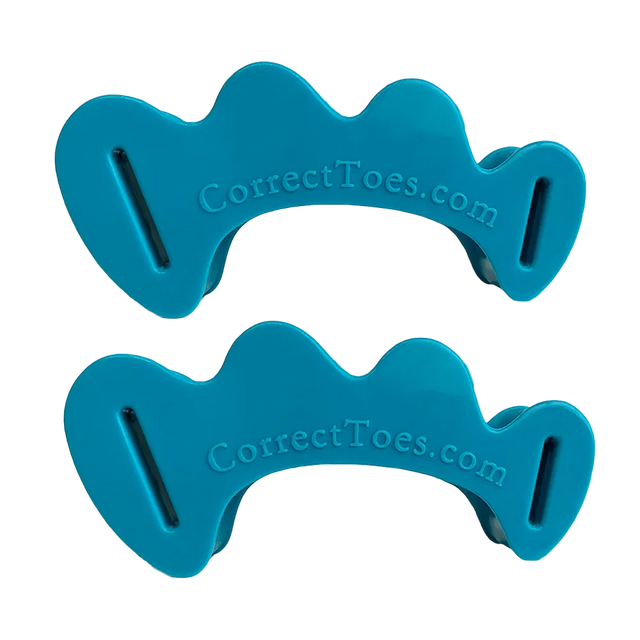
Correct Toes Toe Spacers
Correct Toes
$25-$75
Why this accessory
Gradually realigns contracted toes toward natural position
Podiatrist-designed silicone spacers separate all five toes simultaneously
Wearable inside wide toe box shoes for continuous correction during activity
Gradually realigns the big toe toward its natural position over time

PediFix Visco-GEL Bunion Guard
PediFix
$10-$18
Why this accessory
Gel protection reduces friction on deformed toe joints
Gel shield cushions the bunion joint against shoe pressure
Slim profile fits inside most shoes without adding bulk
Soft medical-grade gel reduces friction and prevents blister formation
What Is Happening in Your Foot
A hammertoe is a deformity of the proximal interphalangeal joint - the middle joint of a toe - in which the joint becomes bent downward, causing the toe to take on a hammer-like shape. The deformity begins as flexible, meaning the toe can still be manually straightened, but without intervention it typically progresses to rigid, meaning the joint becomes fixed in the bent position and cannot be straightened without surgery. The second toe is most commonly affected, though any of the lesser toes can develop hammertoe deformity. The visible consequence is a dorsal prominence at the middle joint that rubs against shoe uppers, causing corns, pain, and difficulty finding footwear.
Biomechanics
Hammertoe deformity results from an imbalance between the intrinsic foot muscles - which flex the metatarsophalangeal joint and extend the interphalangeal joints - and the extrinsic muscles, which extend the metatarsophalangeal joint and flex the interphalangeal joints. When the metatarsophalangeal joint is held in extension - as it is in high-heeled shoes or in the presence of a bunion that pushes the second toe upward - the extrinsic flexors are placed at a mechanical advantage at the interphalangeal joint and the toe bends downward. Over time, the joint capsule and tendons on the dorsal side of the bent joint contract, making the deformity permanent. Footwear with adequate toe height prevents the shoe from forcing the metatarsophalangeal joint into extension, reducing the mechanical driver of progressive deformity.
Why Symptoms Behave the Way They Do
Hammertoe pain does not typically follow a morning-worsening pattern. Pain is characteristically activity-related and worst after prolonged walking or standing in shoes that press against the dorsal prominence. Morning stiffness may occur in rigid hammertoes with associated joint inflammation, but the dominant pain pattern is friction-driven rather than inflammatory.
What Makes It Worse
Shoes with low toe boxes that press against the dorsal prominence of the bent joint, causing corn formation and pain
High heels that hold the metatarsophalangeal joint in extension and mechanically drive progressive hammertoe deformity
Narrow toe boxes that squeeze the hammertoe against adjacent toes, creating inter-toe corns and pressure sores
Shoes that are too short, forcing all toes into a compressed position that accelerates deformity progression
Continuing to wear shoes that have caused visible callus or corn formation on the toe - the callus is evidence of sustained harmful pressure
What Helps
Extra-depth shoes with soft, flexible uppers that do not press against the dorsal toe prominence
Toe sleeves or gel caps that pad the bent joint and reduce friction against the shoe upper
Toe separators that prevent the hammertoe from pressing against adjacent toes
Toe stretching and flexion exercises performed while the deformity remains flexible - these can slow progression and maintain joint mobility
Podiatrist-performed corn removal from the dorsal prominence to eliminate the immediate pain source
Custom orthotics that address any metatarsalgia or forefoot loading abnormalities contributing to the condition
Common Misconceptions
Myth: Hammertoes are caused solely by tight shoes.
Tight shoes accelerate hammertoe progression and cause the pain associated with the deformity, but they are rarely the sole cause. Hammertoes develop from muscle imbalances that are often driven by genetic foot structure, bunion deformity pushing the second toe out of alignment, or neurological conditions affecting intrinsic foot muscle function. Tight shoes apply a deforming force to a toe that is already mechanically predisposed to the condition.
Myth: Once a hammertoe becomes rigid, only surgery can help.
While surgery is the only way to structurally correct a rigid hammertoe, appropriate footwear significantly reduces pain and prevents further deterioration even in rigid deformity. Extra-depth shoes with soft uppers and toe padding manage the symptoms of rigid hammertoes effectively for many patients without surgical intervention. Surgery is indicated when conservative management no longer controls pain or when the deformity is causing skin breakdown.
Myth: Hammertoe exercises can straighten a hammertoe that has already become rigid.
Toe exercises are effective for flexible hammertoes where the joint can still be manually straightened. Research does not support exercises as a structural correction for rigid hammertoes where the joint capsule has contracted. Exercises remain valuable for maintaining the strength of adjacent structures and slowing any further progression, but they cannot reverse established rigid deformity.
Sources: Journal of Foot and Ankle Surgery, Vol. 50, 2011; Foot and Ankle International, Vol. 35, 2014; APMA
Hammertoes by Occupation
How this condition presents differently depending on how you spend your day.
seniors
Hammertoe prevalence increases sharply with age, making it one of the most common foot complaints in older adults.
Decades of footwear compression combined with age-related intrinsic muscle weakening accelerates hammertoe progression in older adults. Many seniors have rigid hammertoes that have developed over years of wearing inadequate footwear. Finding dress-appropriate shoes with adequate toe box depth is a persistent challenge. Hammertoes also contribute to balance instability in seniors by altering the normal toe-ground contact pattern during walking.
Shoe Priority
Extra-depth shoe with soft flexible uppers and easy entry design. Velcro or elastic closures eliminate the need to bend to tie laces - important for seniors with reduced flexibility. Toe sleeves inside the shoe pad the dorsal prominence without requiring footwear replacement.
office professionals
Dress code requirements create a particularly difficult footwear environment for professionals with hammertoes.
Professional footwear - particularly women's dress shoes - typically has low toe boxes that directly press against hammertoe prominences. Many professionals report that work shoes cause the majority of their hammertoe pain, while casual or athletic footwear is tolerable. The conflict between professional appearance requirements and foot health needs is most acute for this group.
Shoe Priority
APMA-accepted professional footwear with adequate toe height. Extra-depth dress shoes exist in both men's and women's styles and are worth specifically seeking. A toe sleeve inside any dress shoe immediately reduces friction at the prominent joint.
nurses
Nurses with hammertoes accumulate significant dorsal toe friction across 12-hour shifts in closed footwear.
Closed-toe slip-resistant shoes required in clinical environments press against hammertoe prominences throughout a full shift. The combination of required footwear type and shift duration means nurses with hammertoes experience more hours of dorsal toe friction per week than almost any other occupational group. Corn formation and toe pain are common complaints among nurses with this condition.
Shoe Priority
Slip-resistant shoe with the deepest available toe box in the required footwear category. A toe sleeve or gel cap worn over the prominent joint inside the shoe significantly reduces friction during long shifts.
standing workers
Workers who stand for extended periods in work boots or safety shoes face significant hammertoe aggravation from low toe box designs.
Work boots and safety shoes frequently have reinforced, low-profile toe boxes that provide insufficient vertical clearance for hammertoe deformity. Workers who cannot remove footwear during shifts have no opportunity to relieve the sustained pressure on the prominent toe joint. Steel-toe boots are particularly problematic as the steel cap limits both vertical and lateral toe space.
Shoe Priority
Work shoe with the highest available toe box in the safety-compliant category. Composite toe options often provide more interior toe space than steel toe designs and meet equivalent safety standards. A toe sleeve inside the work shoe is a practical daily protection measure.
Frequently Asked Questions
Related Guides and Resources
Walk Into Your Appointment With Answers
Before Your Next Appointment
Take Your Results to Your Podiatrist
Answer a few quick questions. Takes under 2 minutes. Get personalized shoe recommendations.
Not Sure Which Shoe Is Right?
Take our guided quiz and get a personalized recommendation based on your specific foot condition and lifestyle.
Start the Quiz