Best Shoes for Walking
Walking is the most popular form of exercise in the United States, with more than 145 million Americans walking regularly for fitness. Yet most shoe guides treat walkers as an afterthought to runners.
Walking and running have different biomechanics, different injury profiles, and different footwear requirements. This guide is built specifically for walkers - not repurposed from a running shoe review.
Walking Is Not One Audience
Footwear needs vary by how much you walk, why you walk, and what foot conditions you are managing.
Step-count builders
People following physician advice or fitness tracker goals to reach 7,000 to 10,000 daily steps. The most common trigger for walking-related foot injuries is increasing step count too rapidly - more than 10 percent per week. Appropriate footwear reduces but does not eliminate this risk.
Fitness walkers
Adults who walk 3 to 5 times per week as their primary form of exercise. This group logs the most walking miles and accumulates the most midsole wear. Shoe replacement on schedule - every 300 to 500 miles - is particularly important for regular fitness walkers.
Older adults
Walking is the most recommended exercise for adults over 60 because it provides cardiovascular benefit with manageable joint loading. Older adults need walking shoes that additionally address age-related foot changes - thinning fat pads, widening feet, reduced ankle stability, and fall prevention.
Cardiac and orthopedic rehab
Patients prescribed walking programs as part of cardiac rehabilitation or post-orthopedic recovery need footwear that supports safe, sustainable walking without aggravating the conditions that prompted the program. Medical team guidance on footwear selection is appropriate for this group.
Why Walking Needs Different Shoes Than Running
The mechanical differences between walking and running gait directly determine footwear requirements.
No flight phase
Walkers always have at least one foot on the ground. Runners are briefly airborne between strides. This means walking impact forces are lower per step but sustained across a longer contact phase - requiring durability and all-day comfort over peak impact attenuation.
Heel-to-toe roll
Walking gait involves a pronounced heel strike followed by a smooth roll through the midfoot to toe-off. A flexible forefoot that accommodates this rolling motion is more important for walkers than the stiff energy-return forefronts common in performance running shoes.
Lower but prolonged loading
Walking generates approximately 1.2 times body weight per step - lower than running's 2.5 to 3 times. But regular walkers accumulate 7,000 to 10,000 steps daily compared to a runner's training miles. Midsole durability and all-day cushioning matter more than peak shock absorption.
Different injury profile
Walkers are more susceptible to plantar fasciitis, stress fractures from sudden mileage increases, and metatarsalgia from forefoot loading. Runners are more susceptible to IT band syndrome and Achilles tendinopathy. Footwear optimized for walking addresses the walker-specific injury pattern.
What Walkers Need in a Shoe
Features ranked by importance for sustained walking activity.
Flexible forefoot
The forefoot must bend naturally with the heel-to-toe rolling motion of walking gait. A stiff forefoot disrupts this natural roll and increases forefoot loading at push-off.
Heel cushioning
Walkers strike heel-first on nearly every step. Adequate heel cushioning absorbs the repetitive heel impact across thousands of daily steps without bottoming out.
Arch support matched to foot type
Flat-footed walkers need stability or motion control features. High-arched walkers need cushioning. Neutral walkers have the most options. Getting this wrong is the most common walking shoe mistake.
Secure fit without sliding
Foot slide inside the shoe during walking generates blisters and nail trauma. A correctly fitted shoe - snug at the heel, with a thumb's width at the toe - prevents the forward slide that accumulates across high step-count days.
Breathable upper
Walkers generate significant foot heat and moisture across prolonged activity. A breathable mesh or knit upper maintains a drier foot environment, reducing blister and fungal infection risk.
Durable midsole
Walking midsoles must maintain cushioning properties across 300 to 500 miles of use. Softer racing foams that provide excellent cushioning when new can compress rapidly under sustained daily walking loads.
Best Walking Shoes
Flexible forefoot, sustained cushioning, and walking-specific support - selected for fitness walkers and daily step-count builders.
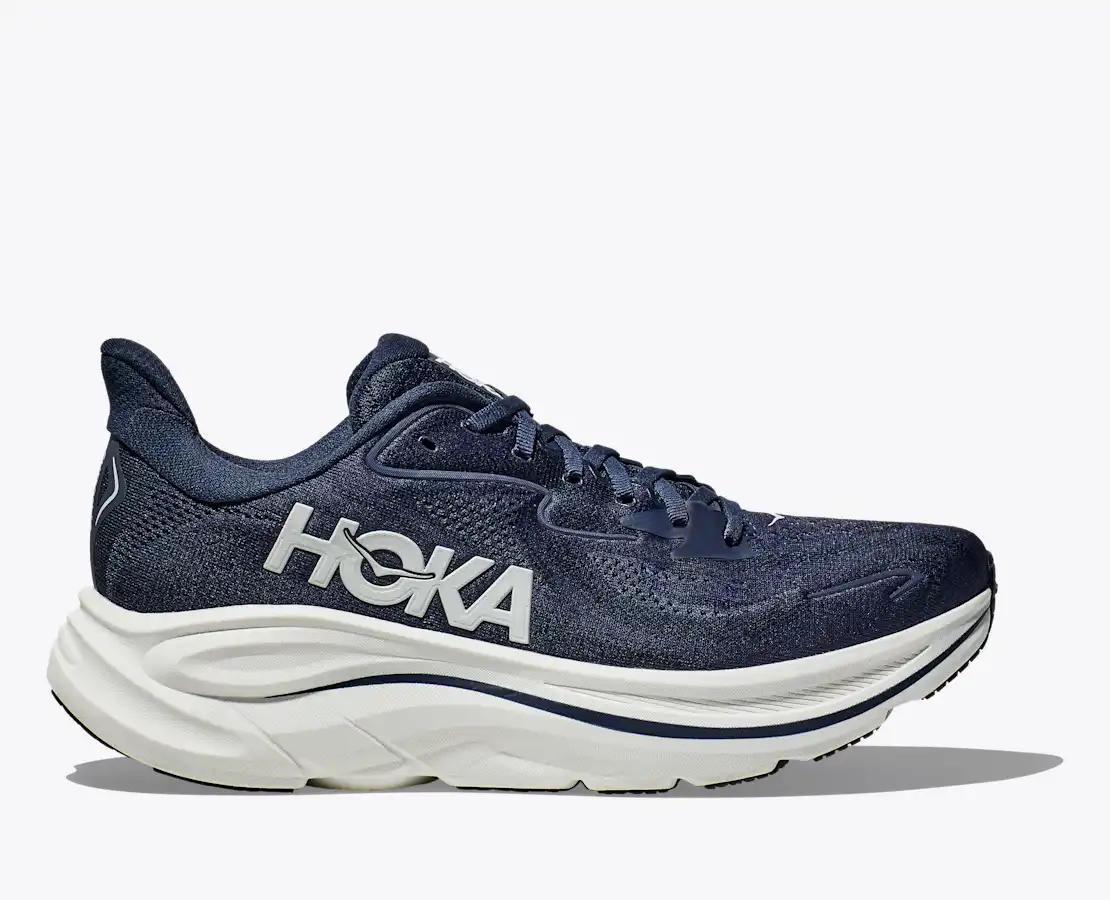
HOKA Clifton 10
hoka
$145-$160
Why for walkers
Consistently cited by podiatrists as the benchmark walking shoe. The meta-rocker geometry promotes the natural heel-to-toe roll of walking gait. Maximum cushioning absorbs sustained repetitive impact across high step-count days. Wide widths available. APMA accepted.
CM EVA midsole for plush responsive cushioning
8mm heel drop reduces Achilles and calf strain
APMA Seal of Acceptance pid=9032 - lightweight daily trainer verified directly from APMA Seal Database May 2026

Brooks Ghost 17
brooks
$140-$155
Why for walkers
Available in five widths from AA to 4E - accommodates the full range of foot widths among walkers. Smooth, predictable ride that does not require breaking in. DNA Loft v3 cushioning maintains its properties across high daily step counts. APMA accepted.
DNA Loft v3 nitrogen-infused foam for soft responsive cushioning
APMA Seal of Acceptance pid=9077 - PDAC A5500 diabetic shoe certified - verified directly from APMA Seal Database May 2026
Segmented crash pad for smooth heel-to-toe transitions
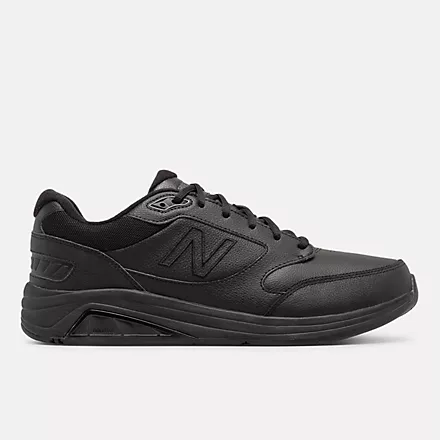
New Balance 928v3 Lace-Up Walking Shoe
new balance
$134-$145
Why for walkers
Purpose-built walking shoe with motion control support - the highest stability rating for walkers with flat feet or significant overpronation. Extra-depth design accepts custom orthotics. Wide and extra-wide options. APMA accepted.
ROLLBAR motion control technology and Clinical-Grade Support: The signature ROLLBAR® motion control system minimizes rear-foot movement, keeping your stride aligned and reducing stress on the plantar fascia.
Reduces morning heel pain and keeps you moving comfortably all day, whether you're on your feet for work or walking for fitness.
Maximum Shock Absorption: Engineered with ABZORB® cushioning in the midfoot to absorb harsh impacts, protecting your heels from painful concrete and hard floors.
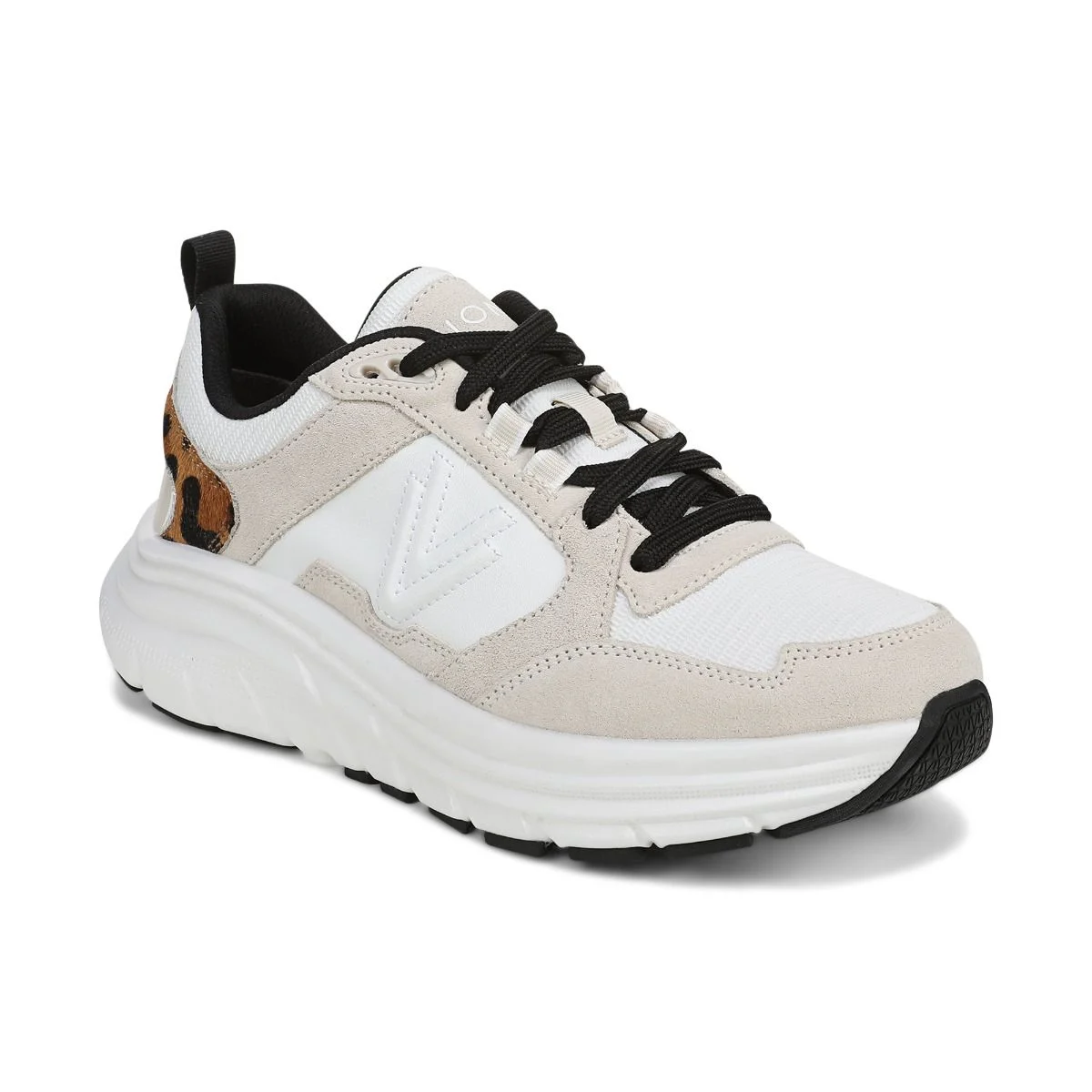
Vionic Walk Max Skyline Sneaker
vionic
$130-$150
Why for walkers
Built-in Vio-Motion arch support technology - a podiatrist-designed orthotic integrated into the shoe that controls overpronation without a separate insole. Ideal for walkers who need arch support but prefer not to manage insoles. APMA accepted.
Vionic's flagship walking sneaker - featured as part of the Vitals collection engineered for walking
VioMotion biomechanical footbed with deep heel cup reduces plantar fascia strain
APMA Seal of Acceptance pid=9100 - Vionic Walk Max Skyline - verified directly from APMA Seal Database May 2026

New Balance Fresh Foam X 840v1
new balance
$109-$120
Why for walkers
Walking-specific design with a roomy toe box and wide widths that accommodate forefoot spread during sustained walking. Flexible forefoot allows natural toe-off. Soft upper is particularly suited to walkers with bunions or hammertoes.
Fresh Foam X cushioning
Spacious toe box
Supportive design for diabetic foot care

Brooks Adrenaline GTS 25
brooks
$150-$160
Why for walkers
GuideRails support system provides stability without the rigidity of a traditional medial post - natural-feeling support for overpronating walkers. Available in four widths. Trusted by podiatrists for flat-footed walkers and those with knee pain. APMA accepted.
GuideRails holistic support system controls excess movement without overcorrecting
DNA Loft v3 nitrogen-infused cushioning for lightweight plush comfort
APMA Seal of Acceptance pid=9201 - PDAC A5500 diabetic shoe certified - verified directly from APMA Seal Database May 2026
What Walkers Should Avoid
Worn-out shoes with compressed midsoles - the most common cause of walking-related foot pain
Racing flats or minimalist shoes - designed for short-duration high-intensity use, not sustained walking
Fashion footwear for long walks - inadequate cushioning and support regardless of appearance
Increasing step count by more than 10 percent per week - footwear alone cannot prevent overuse injury from excessive load increases
The same size as 5 to 10 years ago - feet change with age and many walkers are in the wrong size
Breaking in new shoes on a high-step day - start new walking shoes on shorter days before full use
Frequently Asked Questions
What are the best walking shoes for foot health?
The best walking shoes for foot health have a flexible forefoot, adequate heel cushioning, arch support matched to your foot type, and a secure fit. HOKA Clifton 10, Brooks Ghost 17, New Balance 928v3, and Vionic Walk Max are consistently recommended by podiatrists for fitness walkers.
Can I use running shoes for walking?
Running shoes can be used for walking, but they are not optimized for it. Running shoes are built for higher impact forces and often have stiffer forefronts that do not flex with the natural heel-to-toe roll of walking gait. Dedicated walking shoes or versatile cushioned trainers with flexible forefronts better suit the biomechanics of sustained walking.
How do I know if I need stability or neutral walking shoes?
Flat-footed walkers who overpronate need stability or motion control shoes with medial arch support. High-arched walkers who supinate need maximum cushioning in a neutral shoe. Walkers with neutral gait have the most options. Look at the wear pattern on your current shoes - wear on the inner heel and forefoot suggests overpronation; wear on the outer edges suggests supination.
How many steps per day is safe to start with?
If you are building a walking habit from a low baseline, starting at 3,000 to 5,000 steps per day and increasing no more than 10 percent per week allows your feet, tendons, and bones to adapt without developing overuse injuries. Many walking-related foot injuries - plantar fasciitis, stress fractures - occur when step counts increase too rapidly regardless of footwear quality.
When should I replace my walking shoes?
Every 300 to 500 miles or every 6 to 12 months for regular walkers. Midsole foam compresses invisibly - the outsole may look fine while the cushioning capacity is gone. Signs that shoes need replacing include increased foot fatigue after walks, new foot pain, and visible midsole compression or creasing.
Condition Pages
More Shoe Guides
MySoleMatch provides shoe recommendations based on podiatric research. We are not a medical platform and do not provide medical advice. If you are experiencing foot pain that affects your walking or daily activity, consult a licensed podiatrist.
Have a Specific Foot Condition?
Our guided quiz matches you to the right shoe based on your specific foot condition, lifestyle, and concerns.