Best Running Shoesfor Foot Conditions
Running is the most demanding activity the foot endures. Every mile generates 1,500 foot strikes at 2-3x body weight. For runners with plantar fasciitis, Achilles tendinitis, stress fractures, or flat feet, the wrong shoe doesn't just cause discomfort - it prolongs injury and ends training cycles.
Every shoe on this page is selected based on podiatric research for runners managing specific foot conditions - not general comfort ratings or sponsorship deals.
Best Running Shoes for Foot Conditions
Ranked by clinical performance for runners managing foot conditions - not by popularity or sponsorship.
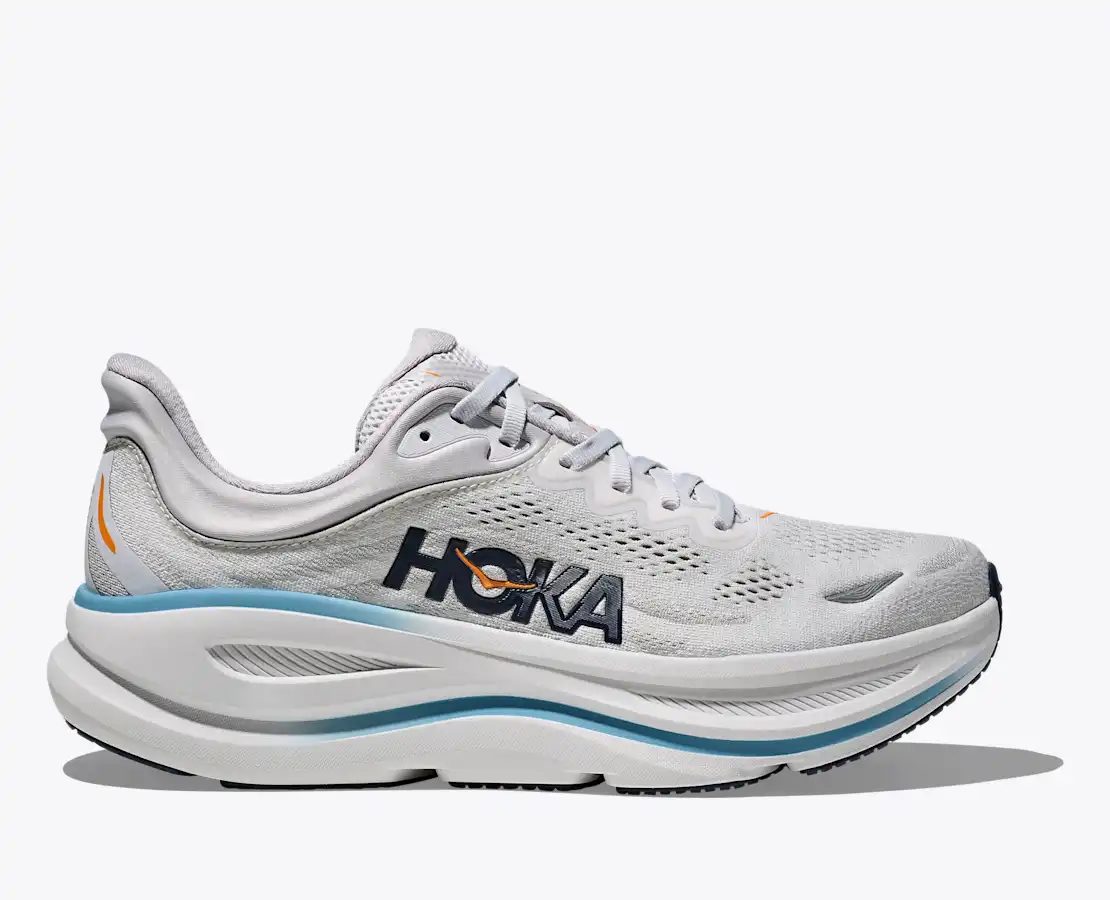
HOKA Bondi 9
hoka
$165-$180
Why for runners
Maximum stack height and Meta-Rocker geometry reduce plantar fascia and heel strike impact with every stride. APMA accepted. The benchmark daily trainer for runners managing heel pain or recovering from overuse injuries.
Supercritical EVA foam for maximum plush cushioning
Meta-Rocker geometry reduces plantar fascia stress
APMA Seal of Acceptance pid=9031 - podiatrist top recommendation for heel pain - verified directly from APMA Seal Database May 2026

New Balance 1080v15
new balance
$165-$175
Why for runners
Infinion midsole delivers maximum cushioning with energy return - rare combination for runners who need protection without a dead feel. Ideal for high-mileage training weeks with plantar fasciitis or stress fracture history.
Neutral support, a 6mm drop, and a weight of 261 grams (9.2 oz) for the men's version, per New Balance
Perforated mesh upper that New Balance describes as lightweight and breathable
Ultra Heel design for secure fit

Brooks Ghost 17
brooks
$140-$155
Why for runners
Available in five widths including extra wide - critical for runners whose feet swell over long runs. DNA Loft v3 foam maintains cushioning integrity through marathon training distances. APMA accepted.
DNA Loft v3 nitrogen-infused foam for soft responsive cushioning
APMA Seal of Acceptance pid=9077 - PDAC A5500 diabetic shoe certified - verified directly from APMA Seal Database May 2026
Segmented crash pad for smooth heel-to-toe transitions

ASICS GEL-Kayano 32
asics
$160-$170
Why for runners
4D Guidance System provides medial support without harsh posting - ideal for runners with flat feet or overpronation-driven plantar fasciitis. GEL cushioning in heel and forefoot absorbs peak impact forces. APMA accepted.
4D Guidance System provides adaptive stability for overpronation control
FF Blast Plus foam midsole with higher stack height for balanced cushioning
PureGEL technology in heel for softer landings and shock absorption

Brooks Adrenaline GTS 25
brooks
$150-$160
Why for runners
GuideRails technology guides the foot through its natural motion path without overcorrecting, reducing the knee, shin, and plantar fascia strain caused by excessive pronation during high-mileage training.
GuideRails holistic support system controls excess movement without overcorrecting
DNA Loft v3 nitrogen-infused cushioning for lightweight plush comfort
APMA Seal of Acceptance pid=9201 - PDAC A5500 diabetic shoe certified - verified directly from APMA Seal Database May 2026
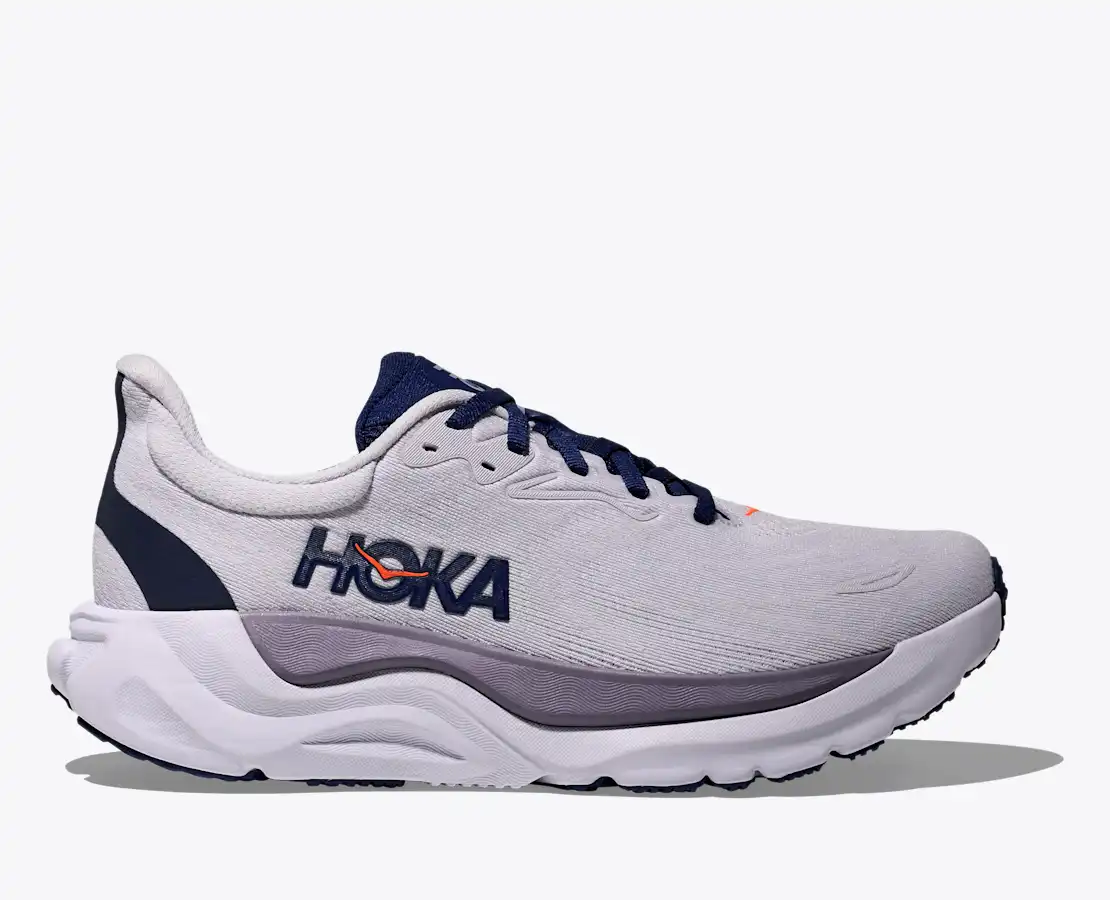
HOKA Arahi 8
hoka
$140-$155
Why for runners
Lightweight stability shoe - rare combination. The J-Frame structure provides medial support without the bulk of traditional motion control shoes. Strong choice for runners needing overpronation control without sacrificing pace.
H-Frame technology controls overpronation without overcorrecting
Lightweight stability at only 9 oz
Ideal for flat feet and overpronation
Saucony Triumph 23
saucony
$165-$175
Why for runners
PWRRUN+ foam offers one of the most cushioned yet responsive rides in this guide. Strong choice for runners transitioning back from stress fractures who need protection without a completely dead underfoot feel.
Full-length PWRRUN PB superfoam midsole - first training shoe with all-superfoam construction
42mm heel stack height for maximum impact protection
Rocker geometry for effortless heel-to-toe transitions

New Balance Fresh Foam X 860v15
new balance
$145-$155
Why for runners
Dual-density foam and structured heel counter provide stability for overpronators at an accessible price point. Strong everyday training shoe for runners with flat feet managing plantar fasciitis or shin splints.
Fresh Foam X midsole with Stability Plane technology
Engineered mesh upper for breathability
Described by New Balance as a stability shoe
What to Look For in a Running Shoe
The six specifications that matter most for runners managing foot conditions.
Heel-to-toe drop of 8-10mm
A higher heel drop reduces the load on the plantar fascia and Achilles tendon on first steps and during long runs. Runners recovering from plantar fasciitis or Achilles issues should prioritize this specification above almost everything else.
Rocker or curved forefoot geometry
A rocker sole reduces the demand on the big toe joint during toe-off, decreasing stress on the plantar fascia and metatarsals. This is why HOKA models are so frequently recommended - their Meta-Rocker is purpose-built for this.
Cushioning that maintains integrity at mile 10
Many shoes feel great on a 3-mile test run and collapse under marathon training loads. Premium foams like HOKA's ProFly+, Brooks' DNA Loft, and New Balance's Infinion maintain cushioning integrity through high mileage weeks.
Wide toe box
Feet swell significantly during long runs - up to half a size. A narrow toe box causes Morton's neuroma, bunion aggravation, and blistering. Always fit running shoes with a thumb's width of space at the toe and a wide forefoot.
Correct stability category for your gait
Neutral runners in stability shoes and overpronators in neutral shoes both develop injuries. Match stability category to foot type - a podiatrist or running store gait analysis is the most reliable way to confirm.
Removable insole
A removable footbed allows custom orthotics to replace the stock insole - essential for runners with specific foot conditions requiring prescription support.
Common Running Shoe Mistakes
What runners with foot conditions most commonly get wrong.
Carbon plate racing shoes as daily trainers when managing a foot condition
Minimalist or zero-drop shoes during active injury recovery
Buying based on look or brand loyalty rather than foot type match
Running through localized bone pain - potential stress fracture
Ignoring the 10% weekly mileage rule when returning from injury
Shoes over 500 miles old regardless of how they look on the outside
Running Shoe Questions Answered
The most common questions from runners managing foot conditions.
What running shoes do podiatrists recommend for plantar fasciitis?
Podiatrists recommend running shoes with maximum cushioning, a higher heel drop (8-10mm), and rocker geometry that eases toe-off. HOKA Bondi 9, Brooks Ghost 17, and New Balance Fresh Foam X 1080v15 are among the most frequently recommended for runners with plantar fasciitis.
Should runners with flat feet wear stability or neutral shoes?
Runners with flat feet or overpronation typically benefit from stability shoes. The Brooks Adrenaline GTS 25, HOKA Arahi 8, and ASICS GEL-Kayano 32 are strong choices. A podiatrist or running store gait analysis is the most reliable way to confirm your stability needs.
How often should runners replace their shoes?
Replace running shoes every 300-500 miles. In hot climates, replace closer to 300 miles as heat accelerates midsole breakdown. If foot pain is returning before the mileage threshold, your shoes have likely lost their cushioning integrity.
Can running shoes help prevent stress fractures?
Yes. Adequate cushioning and proper fit reduce the repetitive impact that causes stress fractures. However, training load management - the 10% weekly mileage rule - is equally important. Localized bone pain during runs warrants immediate evaluation by a podiatrist.
Are carbon plate shoes safe for runners with foot conditions?
Generally not recommended as daily trainers when managing an active foot condition. Carbon plate shoes are designed for race pace, not recovery training. Use a cushioned daily trainer for most runs and reserve carbon plate shoes for race day only if cleared by your podiatrist.
From the MySoleMatch Journal
Not Sure Which Shoe
Take the Quiz
Answer a few quick questions about your foot condition and get a personalized recommendation in under 2 minutes.