Disclosure: We may earn a small commission if you purchase through links on this page. No additional cost to you, and we only recommend products we trust. This helps us keep MySoleMatch free and ad-free. Thank you for your support!
Heel Spurs
Heel spurs are bony growths that develop on the underside of the heel bone, often as a result of long-term plantar fasciitis. While the spur itself may not always cause pain, the surrounding tissue inflammation typically does. Maximum cushioning shoes that absorb heel impact are the most effective footwear intervention.
Signs You May Have Heel Spurs
Sharp pain in the heel, especially in the morning
Pain that feels like a knife or pin in the heel
Inflammation at the front of the heel
Limping or altered gait to avoid heel pressure
Pain radiating to the arch or ankle
Walk Into Your Appointment With Answers
Before Your Next Appointment
Take Your Results to Your Podiatrist
Answer a few quick questions. Takes under 2 minutes. Get personalized shoe recommendations.
Best Shoes for Heel Spurs | MySoleMatch
Maximum cushioning in the heel is the priority. Look for thick, shock-absorbing midsoles and deep heel cups that cradle and protect the heel.

New Balance Fresh Foam X More v6
$159-$175
Why this shoe
Maximum Fresh Foam X cushioning with rocker sole geometry is the highest impact absorption available - directly reduces heel spur pain.
Maximum Fresh Foam X cushioning with rocker sole geometry
Maximalist stack height for superior shock absorption
Ultra-plush ride ideal for fat pad atrophy and arthritis
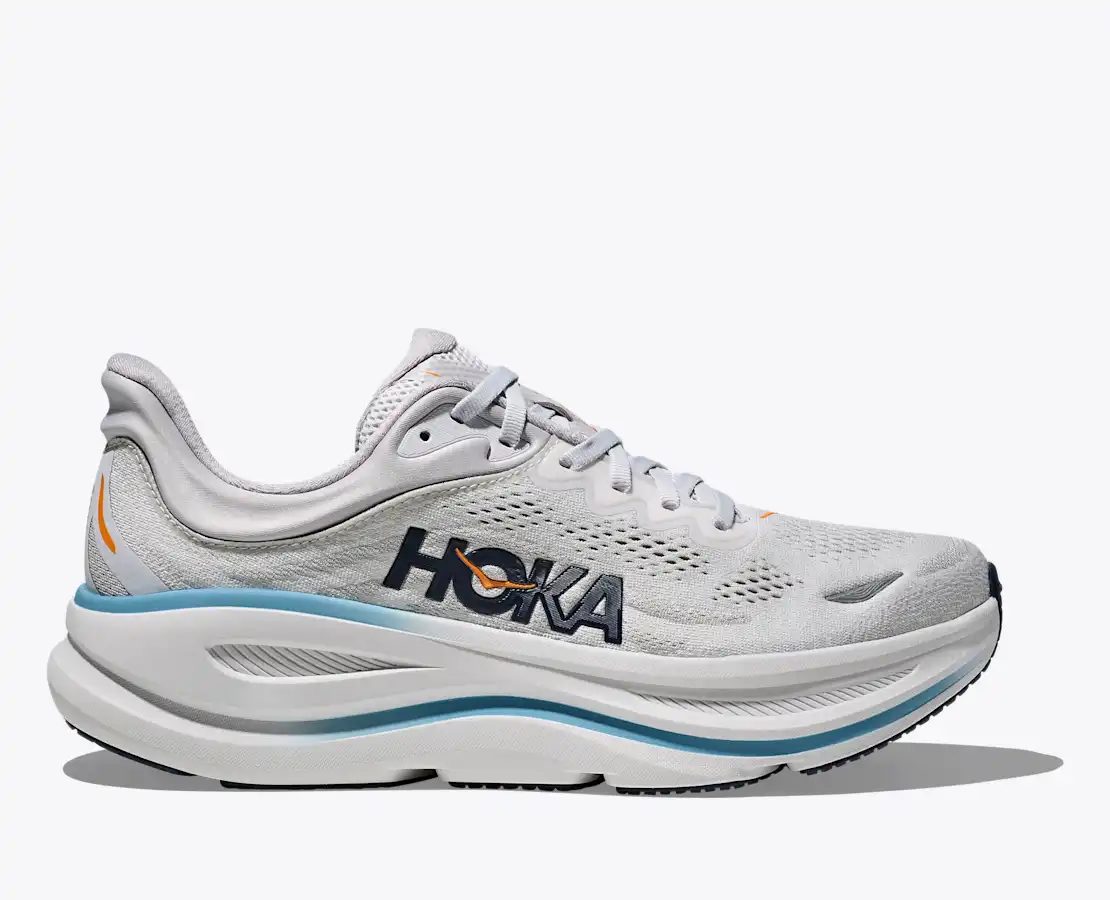
HOKA Bondi 9
$165-$180
Why this shoe
Maximum stack height of 41mm absorbs heel spur impact better than any other shoe in our catalogue - podiatrists consistently cite the Bondi 9 as their top heel spur recommendation.
Supercritical EVA foam for maximum plush cushioning
Meta-Rocker geometry reduces plantar fascia stress
APMA Seal of Acceptance pid=9031 - podiatrist top recommendation for heel pain - verified directly from APMA Seal Database May 2026
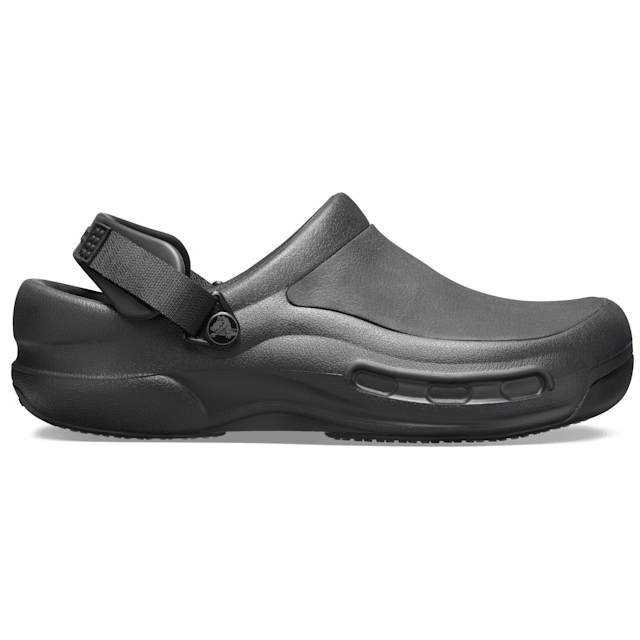
Crocs Bistro Pro LiteRide Work Clog
$60-$90
Why this shoe
LiteRide foam insole is specifically softer and more resilient than standard Croslite, giving meaningfully better heel-impact absorption through the longest shifts. Feature-based match, not APMA-verified.
LiteRide foam insole is softer, lighter, and more resilient than standard Croslite, built for the longest shifts
Crocs Lock tread pattern, ASTM F2913-24 tested and ASTM F3445-24 certified for slip resistance on wet, oily, and greasy surfaces
Enclosed toe design and thicker metatarsal area help protect the foot from spills

New Balance Men's Fresh Foam Arishi v4 Slip Resistant
$50-$118
Why this shoe
Fresh Foam midsole cushions heel impact through repeated standing and walking, reducing direct pressure on the heel spur area. Feature-based match, not APMA-verified.
Slip-resistant outsole tested according to ASTM F2913 for traction under various surface conditions
Oil-resistant outsole tested to ASTM D471-16a for resistance to certain oil-based liquids
Fresh Foam midsole cushioning delivers a lightweight, cushioned ride for long shifts

New Balance Fresh Foam X 840v1
$109-$120
Why this shoe
Fresh Foam X cushioning in a roomy, supportive design reduces heel impact for everyday activity.
Fresh Foam X cushioning
Spacious toe box
Supportive design for diabetic foot care

Brooks Ghost Max 4
$165
Why this shoe
Increased 40mm heel stack directly attenuates impact at the calcaneus, continuing the same protective cushioning that made prior Ghost Max generations effective for heel spur pain.
40mm heel / 34mm forefoot stack of nitrogen-infused DNA Loft v3 foam, 1mm taller than the prior Ghost Max 3
GlideRoll rocker geometry smooths the heel-to-toe transition on long, easy-paced runs and all-day standing
Reworked outsole with generous forefoot and heel rubber coverage and added flex grooves for wet-surface traction
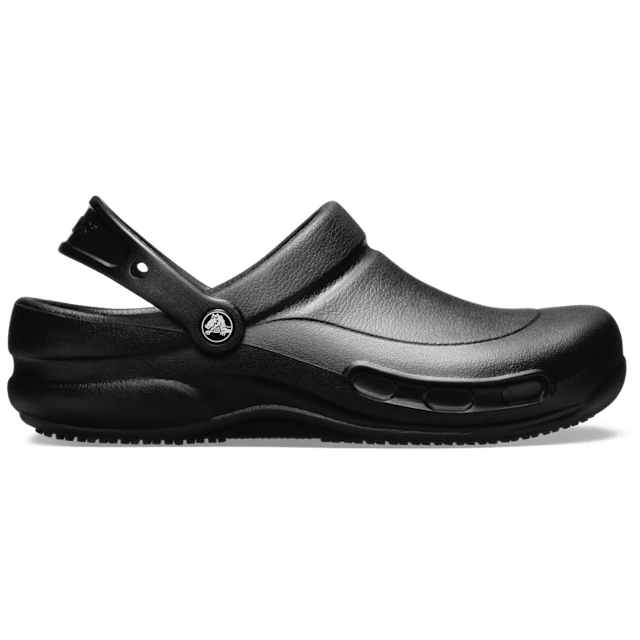
Crocs Bistro
$40-$60
Why this shoe
Fully molded Croslite material cushions heel impact through repeated standing and walking, reducing direct pressure on the heel spur area. Feature-based match, not APMA-verified.
Fully molded Croslite material provides lightweight cushioning, durability, and all-day comfort
Crocs Lock tread pattern, ASTM F2913-24 tested and ASTM F3445-24 certified for slip resistance on wet, oily, and greasy surfaces
Contoured, orthotic-style footbed supports the arch through long standing shifts

Brooks Ghost 17
$140-$155
Why this shoe
DNA Loft v3 cushioning provides excellent heel shock absorption - segmented crash pad smooths heel strike reducing spur impact pain.
DNA Loft v3 nitrogen-infused foam for soft responsive cushioning
APMA Seal of Acceptance pid=9077 - PDAC A5500 diabetic shoe certified - verified directly from APMA Seal Database May 2026
Segmented crash pad for smooth heel-to-toe transitions
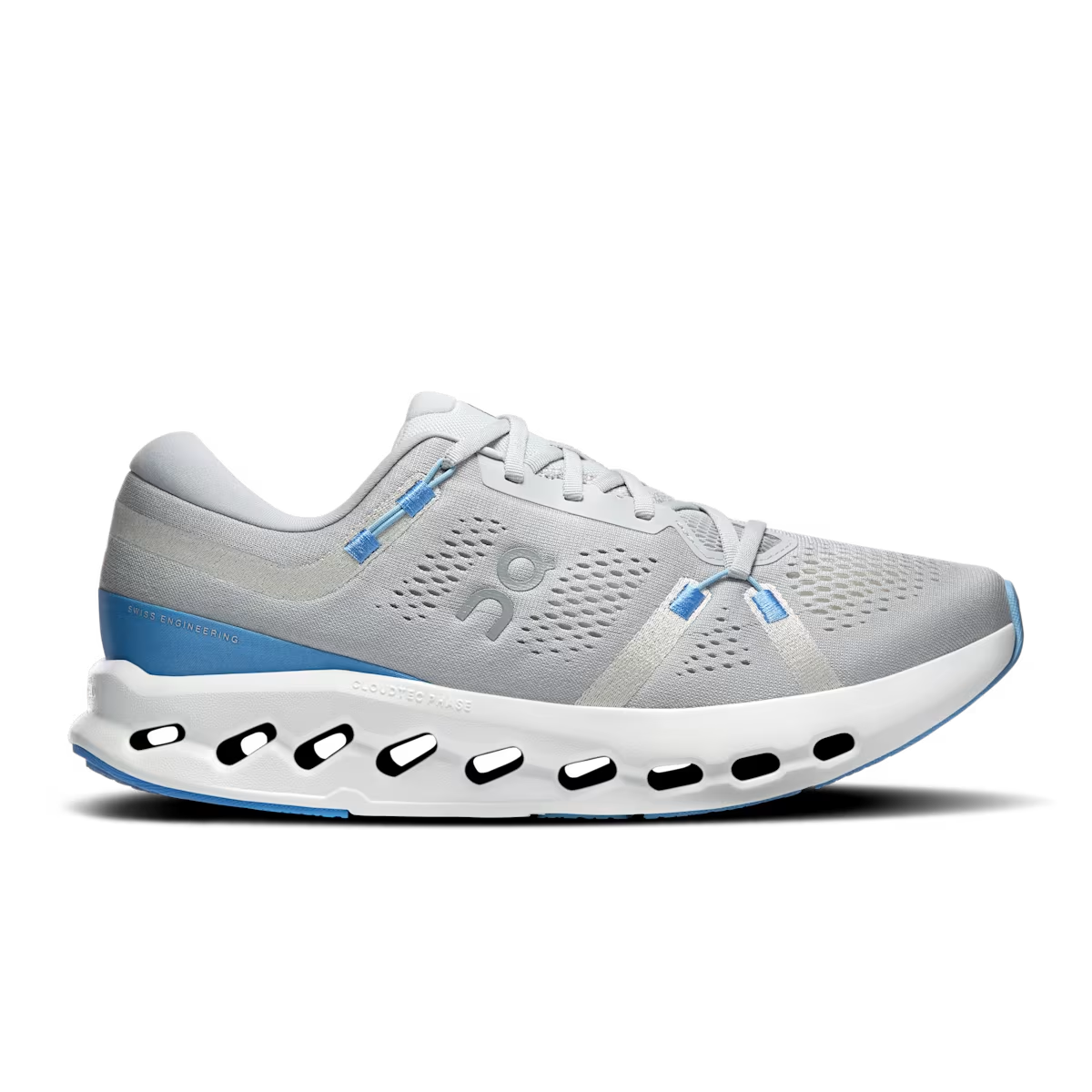
On Cloudsurfer 2
$160
Why this shoe
37mm heel stack combined with a 9mm drop shifts weight forward and attenuates impact directly at the calcaneus, reducing the load driving heel spur pain.
CloudTec Phase midsole with soft Helion superfoam delivers a smooth, cushioned ride for daily miles
9mm heel-to-toe drop suits heel-strike-dominant runners looking for cushioned impact absorption
Subtle rocker geometry supports an efficient, effortless heel-to-toe transition
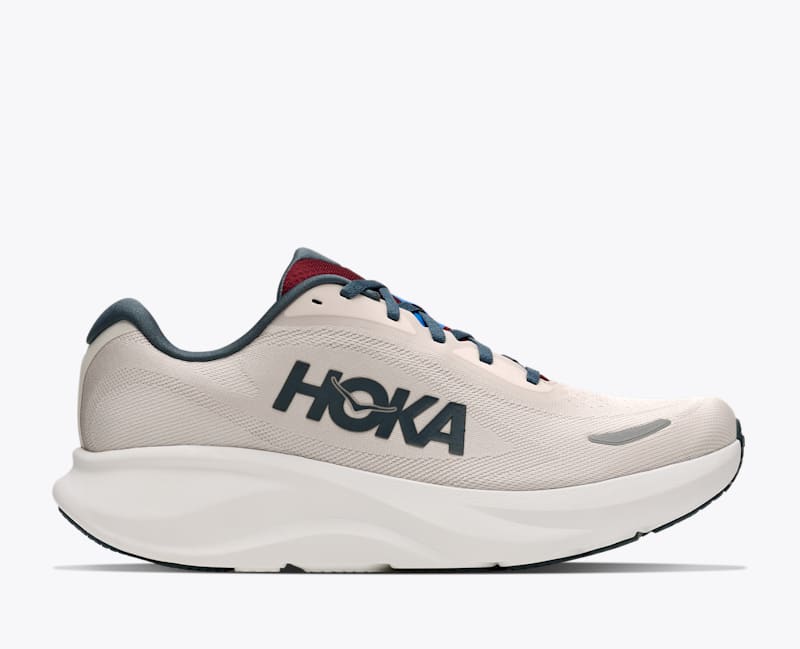
HOKA Rincon 5
$125
Why this shoe
Increased stack height and elevated drop reduce direct impact at the calcaneus, addressing the mechanical driver of heel spur pain during daily miles.
Updated midsole foam with increased stack height delivers a more built-up, guided ride than prior Rincon generations
Heel-to-toe drop increased from 5mm to 8mm, shifting the shoe toward a more supported, forgiving ride for daily miles
Smooth HOKA MetaRocker geometry promotes efficient heel-to-toe transitions

Brooks Defyance Max
$120
Why this shoe
High stack height reduces heel impact at an entry-level price, suitable for heel spur pain management without the cost of Brooks' premium max-cushion models.
39mm heel / 33mm forefoot stack of DNA Loft v2 foam, the same firmer, more balanced midsole used in the original Ghost Max
GlideRoll rocker geometry smooths the heel-to-toe transition for easy runs and all-day walking
Gentle GuideRails-style side support adds mild stability without the structured correction of Brooks' full GTS line

Clove Forte
$140-$175
Why this shoe
Dual-density foam core cushions heel impact through repeated standing and walking, reducing direct pressure on the heel spur area. APMA accepted.
APMA Seal of Acceptance pid=8295 - Clove Forte - verified directly from APMA Seal Database September 2026
Certified ASTM F3445 slip-resistant, siped rubber outsole grips smooth, wet surfaces including kitchen and hospital floors
SuperCush Comfort System with dual-density foam core reduces fatigue through 12+ hour standing shifts

ASICS GEL-Nimbus 28
$165-$175
Why this shoe
PureGEL heel technology is 65% softer than standard GEL - maximum heel cushioning directly absorbs spur impact on every heel strike.
FF Blast Plus cushioning with PureGEL technology for maximum soft landings
25g lighter than previous version - exceptional cushioning without weight penalty
Engineered knit upper wraps foot for comfort and breathability
Saucony Triumph 23
$165-$175
Why this shoe
42mm PWRRUN PB stack provides maximum heel cushioning - superfoam absorbs spur impact on every heel strike better than standard EVA foam.
Full-length PWRRUN PB superfoam midsole - first training shoe with all-superfoam construction
42mm heel stack height for maximum impact protection
Rocker geometry for effortless heel-to-toe transitions
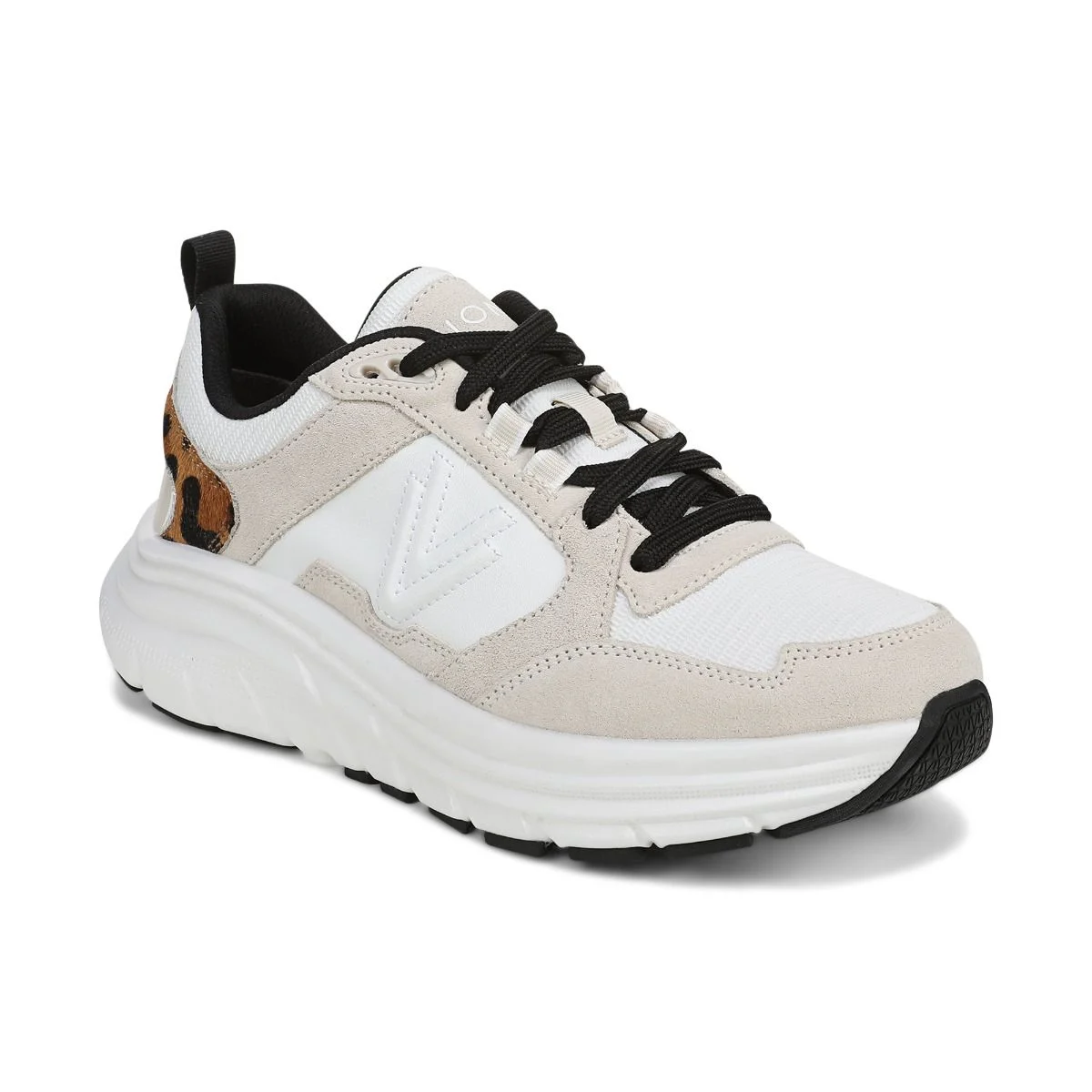
Vionic Walk Max Skyline Sneaker
$130-$150
Why this shoe
Podiatrist-designed deep heel cup cradles the calcaneus and disperses ground pressure away from the spur - dual-density midsole absorbs heel strike impact that aggravates spur pain on every step.
Vionic's flagship walking sneaker - featured as part of the Vitals collection engineered for walking
VioMotion biomechanical footbed with deep heel cup reduces plantar fascia strain
APMA Seal of Acceptance pid=9100 - Vionic Walk Max Skyline - verified directly from APMA Seal Database May 2026
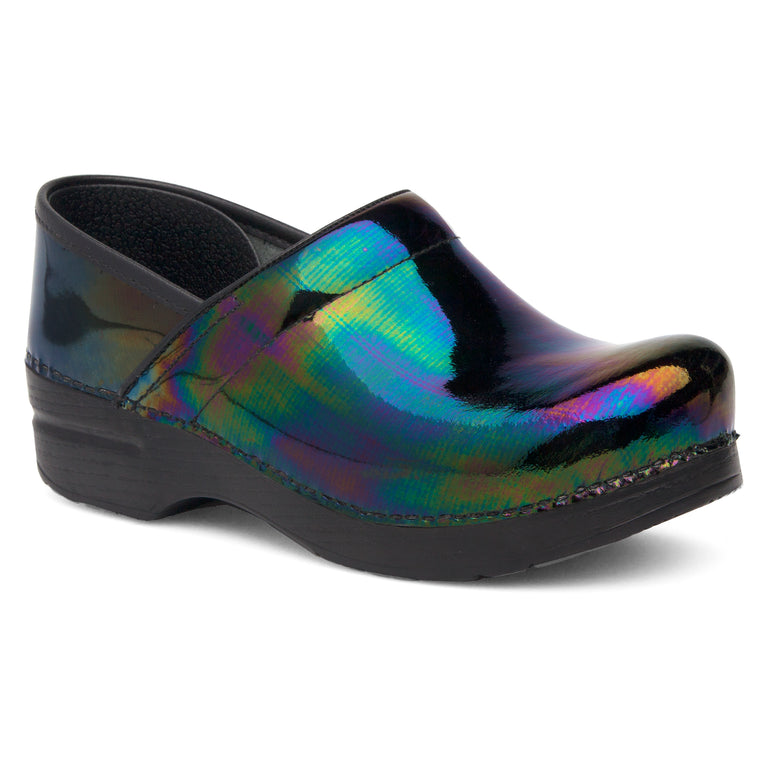
Dansko Professional Clog
$130-$150
Why this shoe
Rocker bottom geometry absorbs heel strike impact and reduces the ground reaction forces that aggravate heel spur pain during long standing shifts.
APMA Seal of Acceptance pid=4442 - Dansko Stapled Clog Collection (Professional Clog) - verified directly from APMA Seal Database May 2026
Rocker bottom reduces forefoot pressure and fatigue during long standing shifts
Reinforced toe box protects feet in clinical and kitchen environments

Brooks Ghost 18
$140-$160
Why this shoe
DNA LOFT v3 cushioning absorbs heel strike impact that aggravates heel spur inflammation during running and extended walking.
DNA LOFT v3 cushioning delivers a soft, smooth ride for daily running and walking
Flat-knit tongue and two-colored air-mesh upper provide superior breathability and comfort
Balanced cushioning platform works for neutral arches and all foot types

Brooks Glycerin 23
$160-$180
Why this shoe
Maximum nitrogen-infused cushioning provides the highest level of heel impact absorption available in the Brooks lineup - ideal for severe heel spur pain during activity.
Nitrogen-infused DNA LOFT v3 foam provides a plush floating sensation with every step
Brooks' premium flagship neutral shoe with maximum cushioning for long distances
Engineered mesh upper wraps the foot in breathable structure for all-day comfort

HOKA Bondi SR
$165-$185
Why this shoe
Maximum Bondi cushioning stack absorbs heel strike impact that aggravates heel spur inflammation during long workplace shifts on hard floors.
Slip-resistant outsole rated for wet, oily, and polished floors - certified for workplace environments
Maximum Bondi cushioning stack protects joints and reduces fatigue during 12-hour shifts
Meta-Rocker geometry reduces plantar fascia and forefoot stress with every step
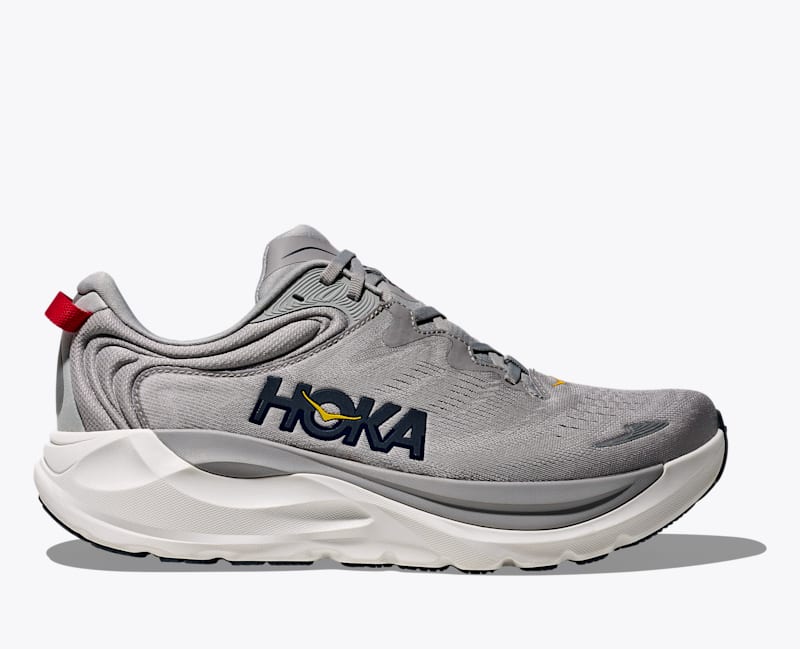
HOKA Gaviota 6
$175-$195
Why this shoe
Maximum cushioning with H-Frame stability absorbs heel impact while controlling the overpronation that commonly worsens heel spur pain.
H-Frame stability base provides maximum motion control with premium HOKA cushioning
More cushioning than the Arahi 8, ideal for overpronators who need maximum protection
Meta-Rocker geometry reduces forefoot and plantar fascia load during long runs and walks
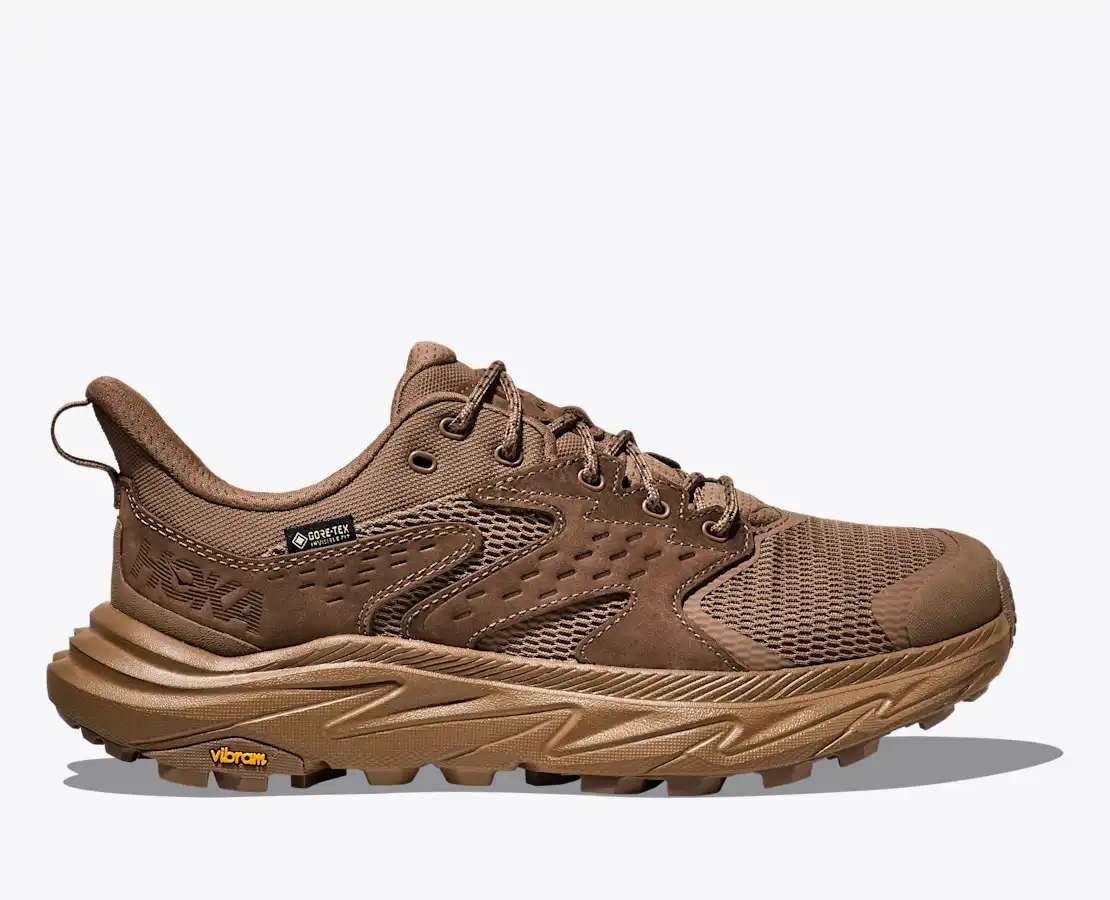
HOKA Anacapa 2 Low GTX
$180-$200
Why this shoe
Extended Hubble heel and late-stage Meta-Rocker minimize heel strike force on uneven surfaces - directly reduces heel spur impact pain on trail.
Gore-Tex Invisible Fit waterproof lining keeps feet dry in rain, stream crossings, and wet trail conditions without sacrificing breathability
Vibram Megagrip outsole with 5mm lugs provides superior traction on technical terrain - wet rock, loose scree, muddy switchbacks
APMA Seal of Acceptance pid=7811 - verified directly from APMA Seal Database May 2026

Brooks Ghost Max 3
$150-$160
Why this shoe
DNA LOFT v3 high-stack midsole with 39mm heel cushioning absorbs heel strike impact that directly aggravates heel spur inflammation. GlideRoll Rocker reduces repetitive heel loading during each stride. APMA accepted.
Nitrogen-infused DNA LOFT v3 high-stack midsole delivers maximum cushioning with 39mm heel and 33mm forefoot stack height
GlideRoll Rocker geometry actively assists heel-to-toe transitions for effortless forward momentum
Broad stable base provides inherent stability without a restrictive feel for neutral runners

Skechers Arch Fit
$80-$100
Why this shoe
40mm heel stack with a 130 SA shock absorption score, comparable to premium running shoes, directly reduces impact at the calcaneus. APMA accepted.
Podiatrist-certified Arch Fit insole developed from 120,000 foot scans - the most clinically credible OTC insole Skechers makes
40mm heel stack with 130 SA shock absorption score - comparable to premium running shoes at half the price
Removable insole accommodates custom orthotics for patients requiring prescription support
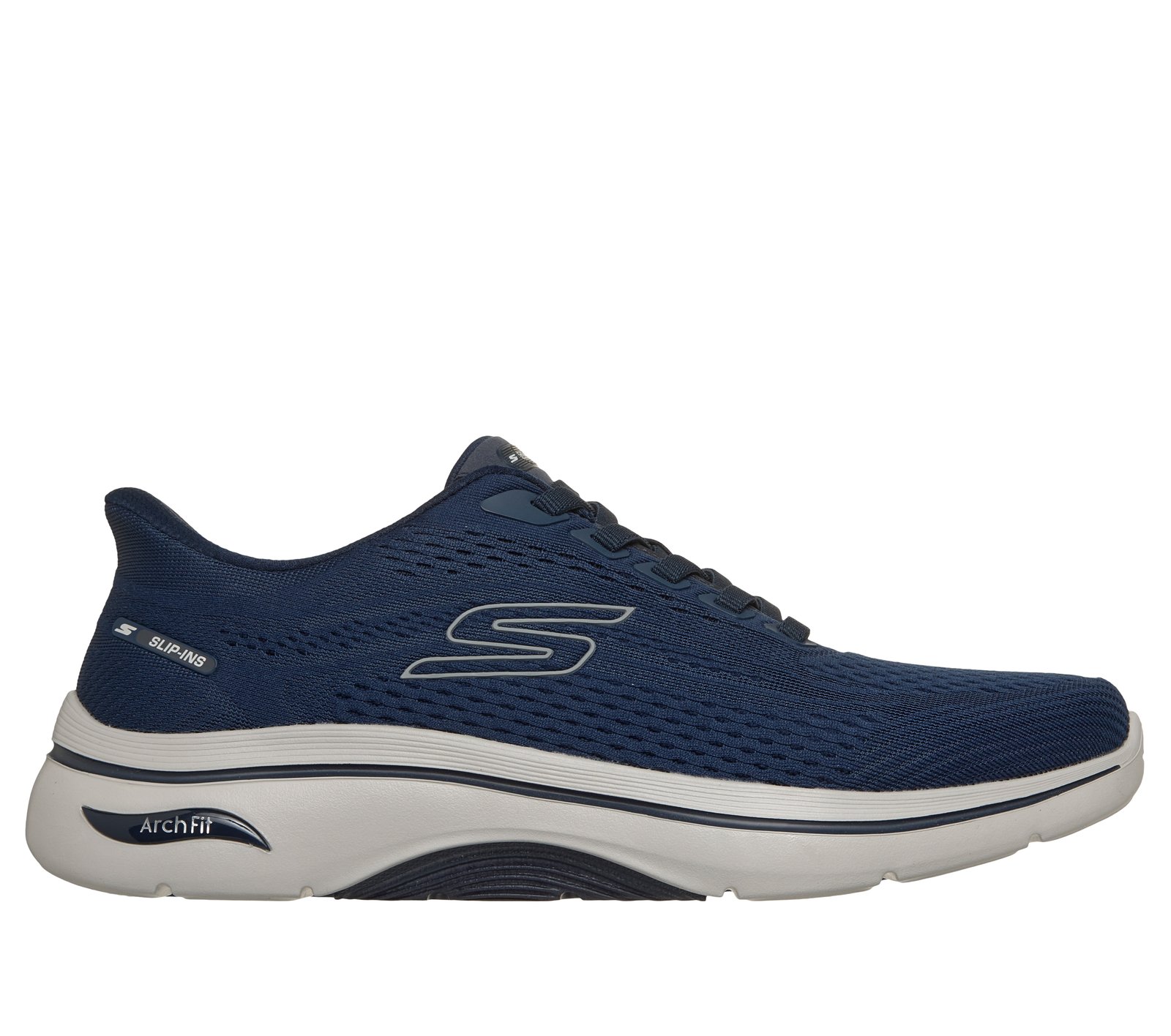
Skechers Arch Fit 2.0
$85-$105
Why this shoe
39.2mm heel stack with a 134 SA shock absorption score, the highest rated in independent lab testing at this price point. APMA accepted.
Updated Arch Fit 2.0 insole with 134 SA shock absorption - highest rated walking shoe in lab testing at this price point
39.2mm heel stack with firmer 50.1 AC midsole foam - provides stability without the marshmallow feel that worsens overpronation
Lighter than original Arch Fit with improved energy return for all-day wear

Skechers Max Cushioning Arch Fit
$90-$110
Why this shoe
36mm heel stack combined with a 139 SA shock absorption score, among the highest of any walking shoe tested, directly reduces heel spur impact pain. APMA accepted.
Combines Arch Fit insole with Max Cushioning technology - rated best overall Skechers walking shoe in independent lab testing
36mm heel and 27.4mm forefoot stack with Goga Mat cooling technology for temperature regulation during long days
139 SA shock absorption score - among the highest of any walking shoe tested at any price point

Skechers Arch Fit SR
$70-$100
Why this shoe
40mm heel stack combined with a slip-resistant outsole rated for hard, contaminated workplace floors reduces cumulative heel impact during long shifts. APMA accepted.
APMA Seal of Acceptance pid=8917 - Arch Fit SR Collection - verified directly from APMA Seal Database May 2026
ASTM F2913 slip-resistant outsole rated for wet, oily, and contaminated surfaces - the industry standard for healthcare and foodservice environments
Podiatrist-certified Arch Fit insole provides biomechanical support during 8-12 hour shifts on hard floors

Nike Pegasus 42
$135-$150
Why this shoe
Dual Air Zoom units provide targeted heel impact absorption, with improved cushioning integrity over the previous generation for long-mileage heel spur management. APMA accepted.
Current generation Pegasus - updated ReactX foam platform with improved cushioning integrity over long distances
APMA Seal of Acceptance pid=9689 - Nike Pegasus 42 - verified directly from APMA Seal Database May 2026
Dual Air Zoom units provide targeted cushioning for heel and forefoot impact zones

Nike Vomero 18
$160-$180
Why this shoe
Full-length ZoomX foam at Nike's highest stack height directly absorbs the heel-strike impact that aggravates heel spur pain, explicitly positioned as Nike's answer to HOKA Bondi 9. APMA accepted.
Nike's maximum cushion flagship - full-length ZoomX foam delivers the highest stack height in the Nike running lineup
APMA Seal of Acceptance pid=9108 - Nike Vomero 18 - verified directly from APMA Seal Database May 2026
Triple-density foam construction absorbs peak impact forces for heel pain, metatarsalgia, and joint protection
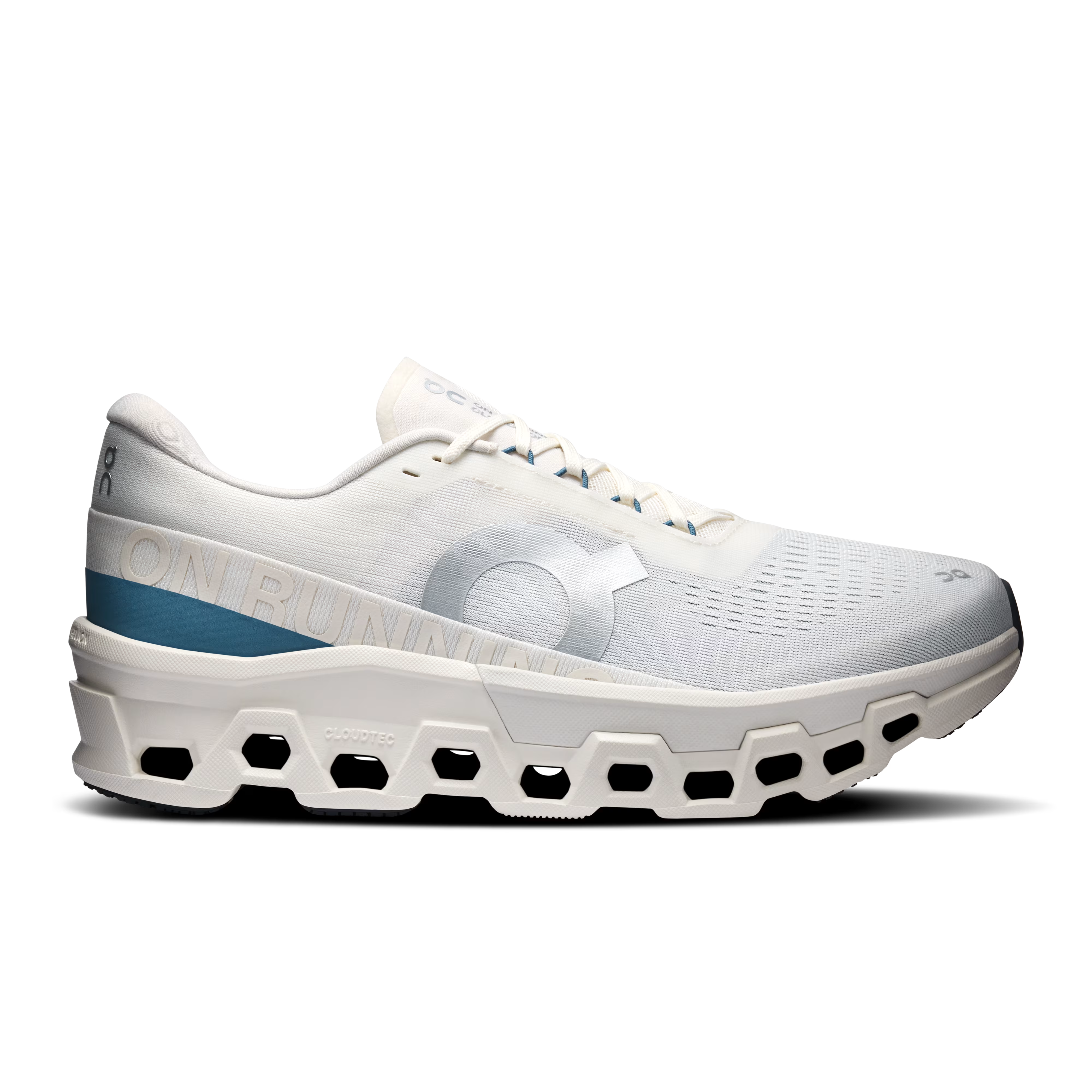
On Cloudmonster 2
$170-$180
Why this shoe
35mm heel stack of dual-density Helion foam absorbs heel-strike impact that aggravates heel spur pain.
Dual-density Helion foam with CloudTec pods delivers a cushioned yet firm and stable ride
6mm heel drop with rocker geometry for smooth heel-to-toe transition
Speedboard nylon plate provides structured forward propulsion through the gait cycle

On Cloudmonster 3
$185-$195
Why this shoe
Triple-layer CloudTec cushioning with a 35mm heel stack absorbs heel-strike impact that aggravates heel spur pain.
Triple-layer CloudTec cushioning with dual-density Helion foam for cushioned yet firm ride
Rebuilt aggressive rocker geometry for smooth heel-to-toe transition and forward propulsion
Speedboard nylon plate stores and returns energy at toe-off
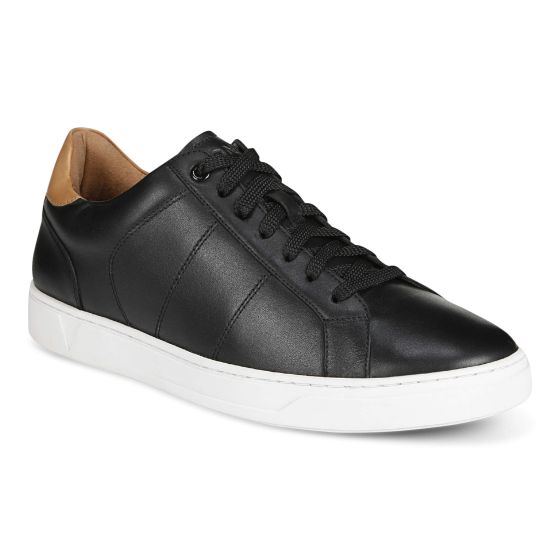
Vionic Lucas Sneaker
$110-$130
Why this shoe
Deep heel cup cradles the calcaneus and disperses ground pressure away from the spur, with a removable footbed for patients who need custom orthotics. APMA accepted.
APMA Seal of Acceptance pid=4985 - Vionic Lucas - verified directly from APMA Seal Database May 2026
Vionic's flagship mens sneaker - the longest-running and most podiatrist-recognized mens shoe in the Vionic lineup
VioMotion biomechanical footbed with deep heel cup provides the same clinical arch support as the womens Walk Max in a mens lace-up silhouette

Vionic Restore Slide and Thongs
$70-$90
Why this shoe
Deep heel cup cradles the calcaneus and disperses ground pressure directly away from the spur during recovery periods. APMA accepted.
APMA Seal of Acceptance pid=9423 - Vionic Restore III - verified directly from APMA Seal Database May 2026
The only APMA-accepted recovery slide in the catalog with genuine built-in arch support - VioMotion footbed provides plantar fascia offloading that flat recovery slides like OOFOS cannot match
Deep heel cup cradles the calcaneus and reduces morning plantar fascia tension - the critical window when plantar fasciitis pain is highest
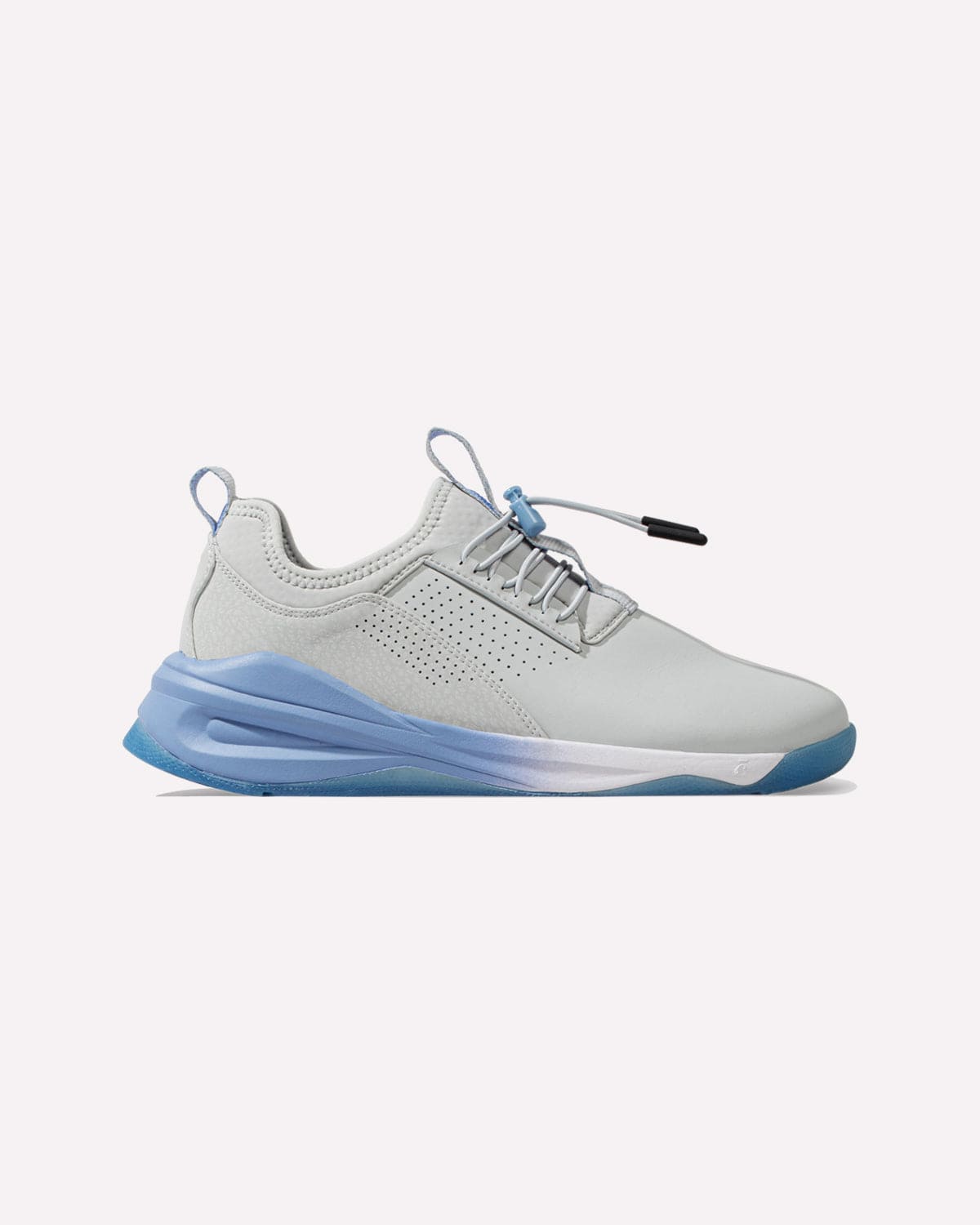
Clove Classic - Men
$139-$160
Why this shoe
Dual-density midsole absorbs heel-strike impact through extended 12-hour standing shifts on hard hospital and clinic floors. APMA accepted.
APMA Seal of Acceptance pid=8096 - Clove Classic Shoe - verified directly from APMA Seal Database July 2026
Fluid-repellent Clarino vegan leather upper wipes clean after every shift
Dual-density midsole provides cushioning and support through 12-hour shifts
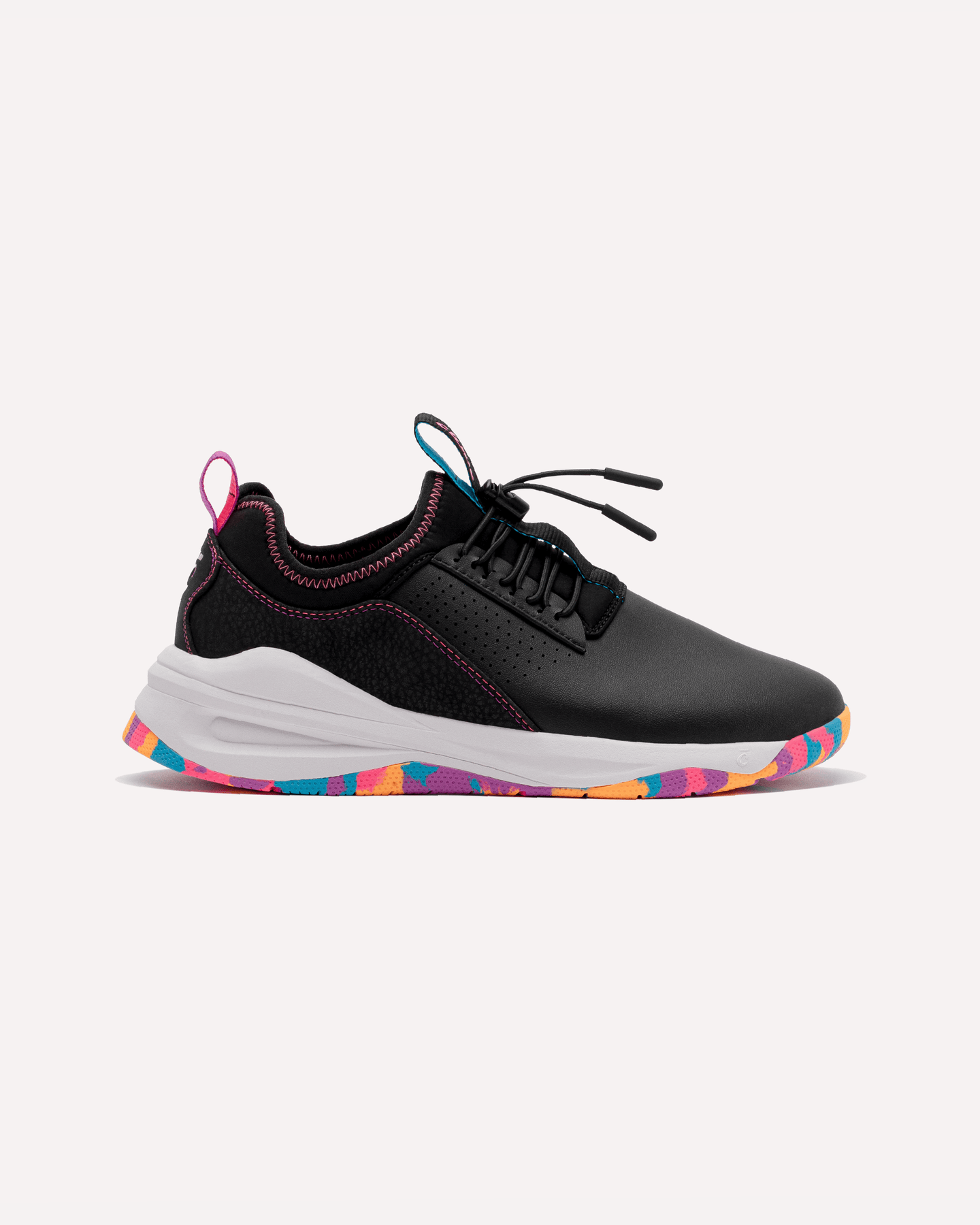
Clove Classic - Women
$139-$160
Why this shoe
Dual-density midsole absorbs heel-strike impact through extended 12-hour standing shifts on hard hospital and clinic floors. APMA accepted.
APMA Seal of Acceptance pid=8096 - Clove Classic Shoe - verified directly from APMA Seal Database July 2026
Fluid-repellent Clarino vegan leather upper wipes clean after every shift
Dual-density midsole provides cushioning and support through 12-hour shifts
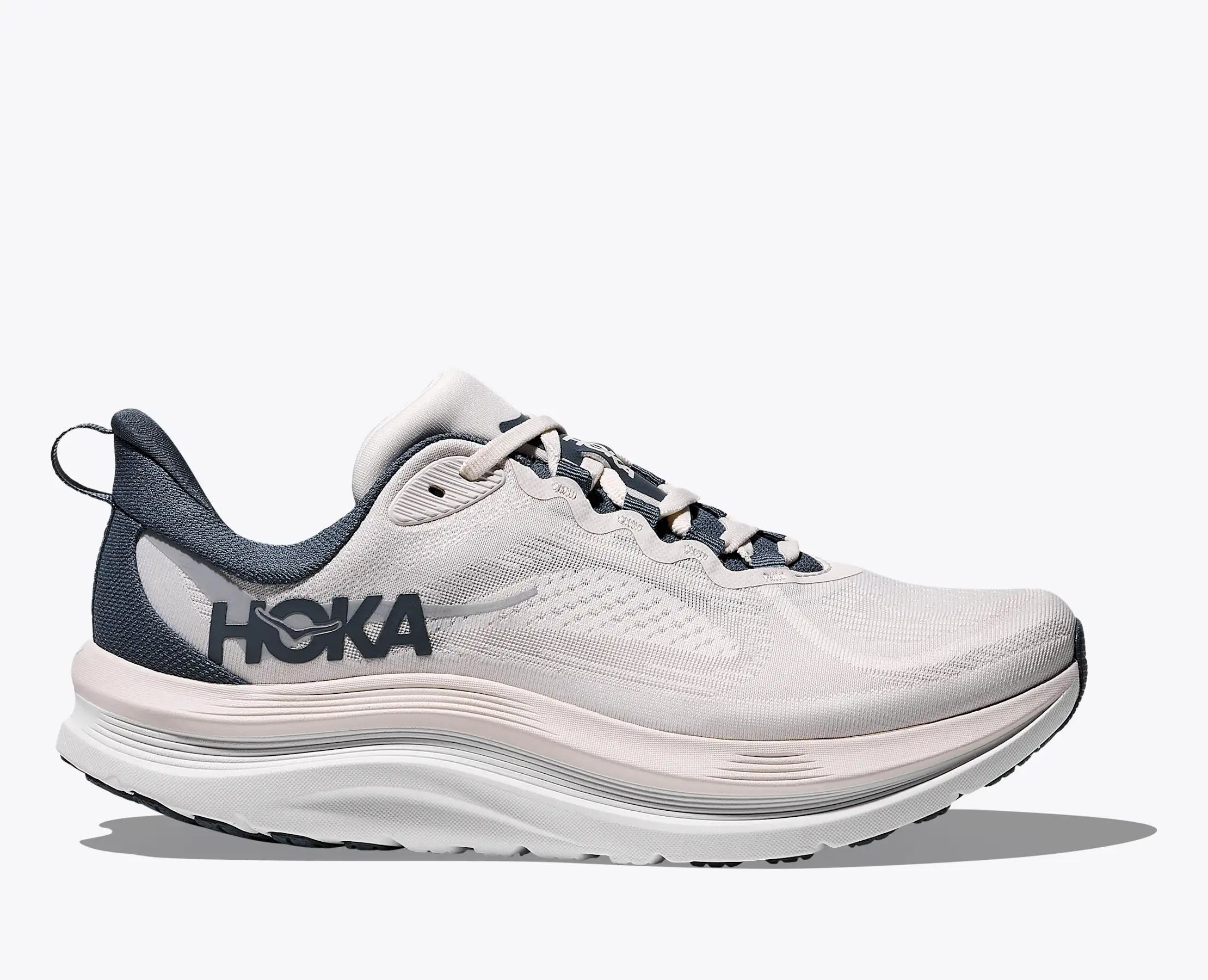
HOKA Kawana 3
$140
Why this shoe
Broader, flatter SwallowTail heel surface directly reduces heel strike impact, positioned between the Clifton and Bondi in cushioning for standing professionals.
SwallowTail extended heel geometry creates a broader, flatter heel surface for smoother landings - reduces heel strike impact on hard hospital floors
CMEVA foam sits between Clifton and Bondi in cushioning - softer than the Arahi and Gaviota, firmer and more responsive than the Bondi
MetaRocker geometry guides the foot from heel to toe with less muscular effort - the same core technology that makes HOKAs effective for long shifts
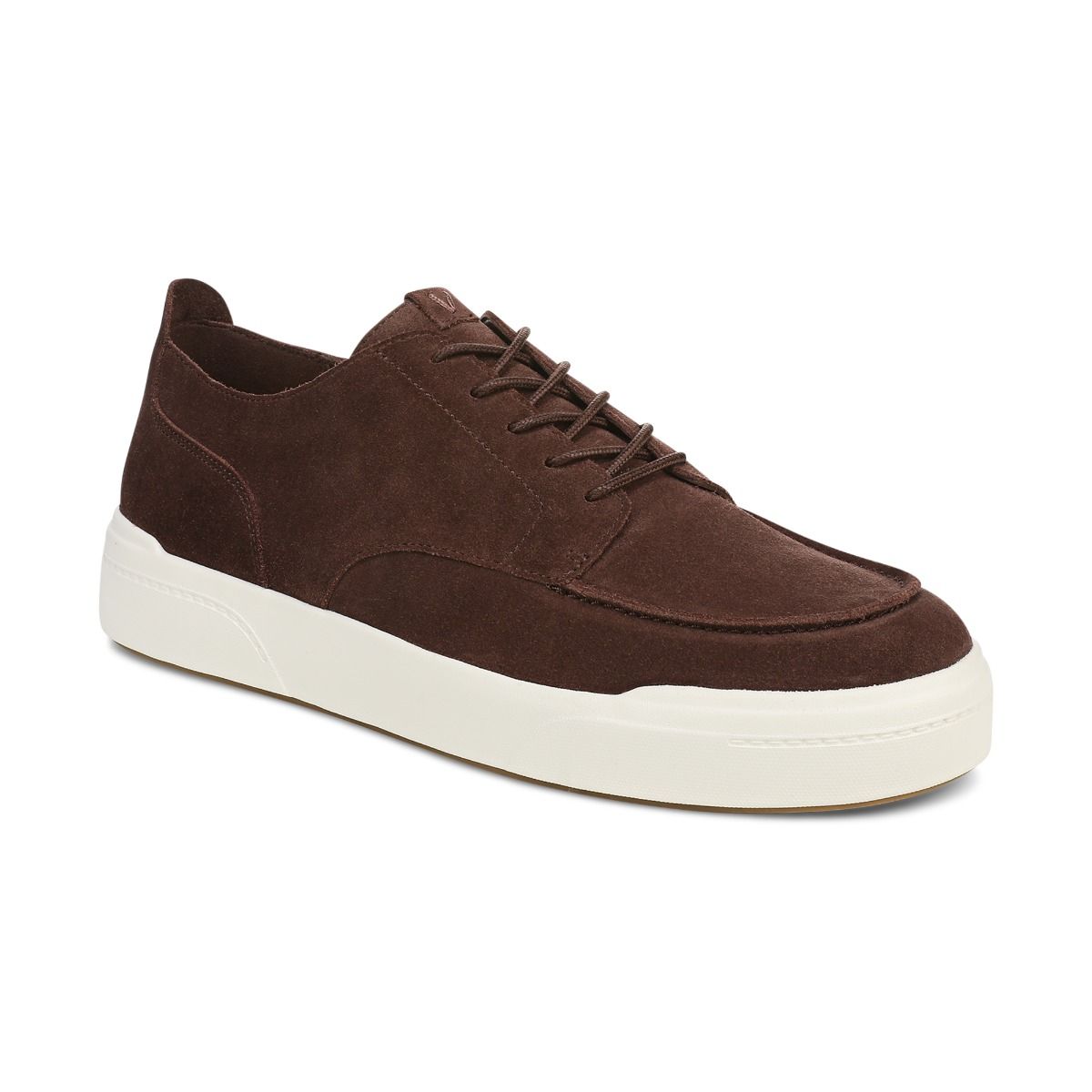
Vionic Carter Oxford Lace Up Sneaker
$170-$190
Why this shoe
The deep heel cup built into the VIO MOTION footbed cradles and protects the heel exactly where heel spur pain concentrates, while the confirmed Wide width option keeps the oxford's dress silhouette from adding extra pressure.
APMA Seal of Acceptance pid=9370 - Vionic Carter Oxford - verified directly from APMA Seal Database August 2026
Heel Height 1.5 inches, Platform Height 1.13 inches (calculated drop approximately 9mm), confirmed by manufacturer
Available in both Medium and Wide widths, sizes 7-14 - genuine width range confirmed on manufacturer page
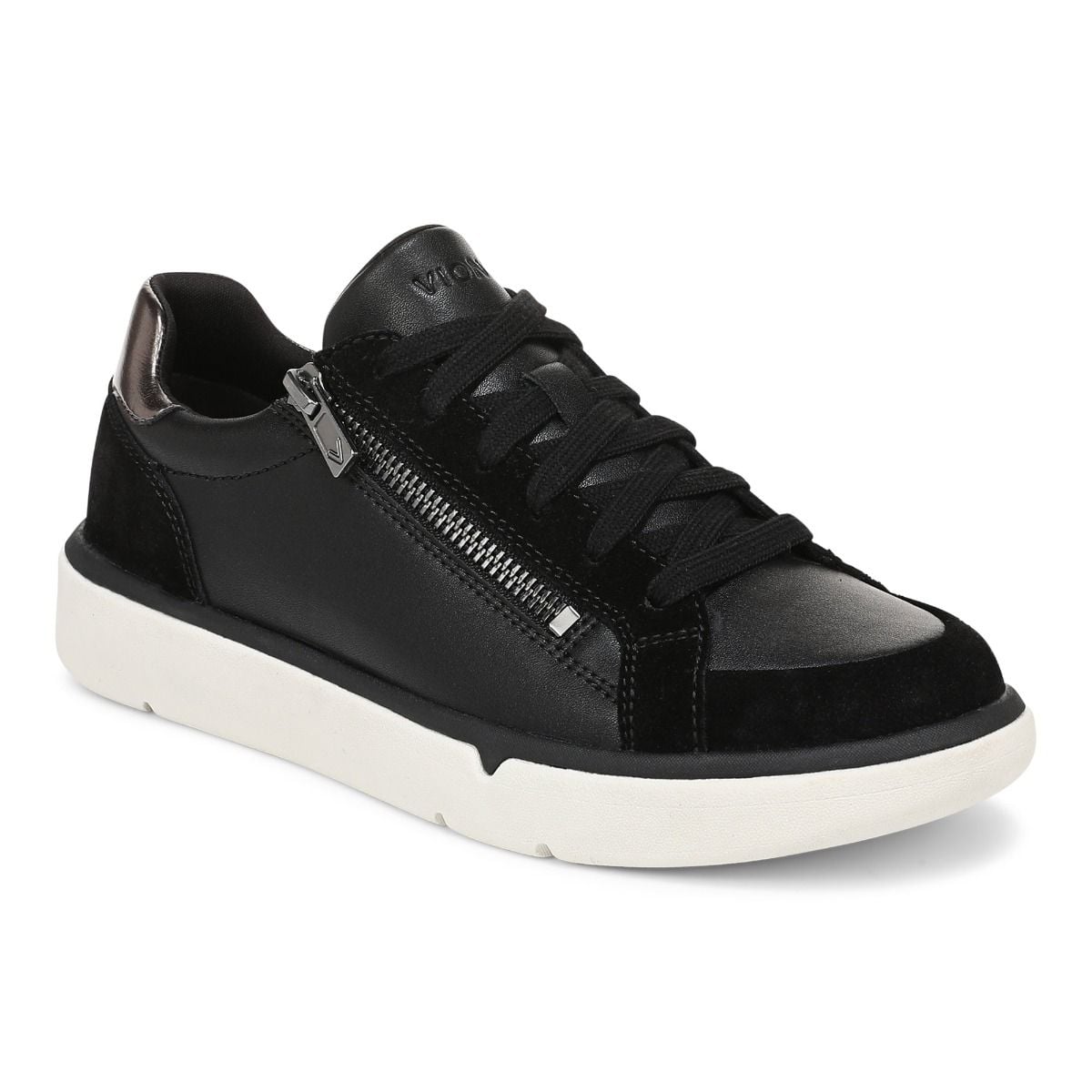
Vionic City Walk AXS
$130-$150
Why this shoe
1st Ray Technology in the outsole targets arch stability while the deep heel cup absorbs the impact that concentrates directly over a heel spur, backed by APMA acceptance.
APMA Seal of Acceptance pid=9710 - Vionic City Walk AXS - verified directly from APMA Seal Database August 2026
Dual-layer midsole with full-length EVA cushioning
TR outsole with flex grooves and 1st Ray Technology for arch stability
What to Look for in a Shoe
Evidence-based footwear criteria specific to this condition.
Heel Drop
Recommended: 8-12mm
A moderate to high heel drop shifts body weight forward and away from the heel, directly reducing the compressive and tensile forces on the calcaneus where the spur forms. This is the most mechanically direct footwear intervention for heel spur pain. Research consistently supports elevated heel geometry as a first-line footwear recommendation for calcaneal spur syndrome.
Avoid below 4mm
Cushioning
maximum
Maximum heel cushioning attenuates the ground reaction force transmitted to the calcaneus with every footstrike. The heel is the first point of contact in heel-strike gait - a thick, shock-absorbing heel counter and midsole reduces the repetitive impact that both caused the spur and continues to inflame the surrounding tissue.
Avoid: minimal, barefoot-style, zero-drop, thin-soled
Stability vs. Neutral
stability
Many heel spur patients also have flat feet or overpronation, which increases the tensile load on the plantar fascia at its calcaneal insertion - the same area affected by the spur. Stability shoes reduce this overpronation and the associated fascial tension, addressing a root mechanical contributor alongside the spur itself.
Exception: Patients with confirmed neutral gait and no overpronation may do equally well in a well-cushioned neutral shoe, provided heel cushioning is maximum. The heel cushioning priority supersedes the stability question for heel spurs.
Width
Recommended: D, 2E
Standard or wide fit is appropriate for most heel spur patients. The primary width consideration is ensuring the heel counter fits snugly to prevent the foot from sliding and creating friction at the back of the shoe, which can aggravate the heel tissue.
Insoles and Orthotics
Heel cups and cushioned insoles that specifically offload the central heel are highly effective for heel spur pain management. A well-fitted heel cup cradles the fat pad directly beneath the calcaneus, preventing it from spreading laterally under load and maintaining its shock-absorbing function. Shoes with removable insoles allow heel cups or custom orthotics to be used inside the shoe.
Sources: APMA Clinical Practice Guidelines; Journal of the American Podiatric Medical Association
Recommended Accessories for Heel Spurs
Insoles, heel cups, compression socks, and braces that complement your shoe recommendation and provide additional targeted relief.

Tuli's Classic Heel Cup
Tuli's
$15-$25
Why this accessory
Most prescribed heel cup for spur impact absorption
Waffle-pattern design compresses on impact and springs back to absorb shock
Most podiatrist-prescribed heel cup for heel spur pain relief
Fits inside most shoe types without modification

Tuli's Heavy Duty Heel Cups, Shock-Absorbing Cushion Insert
Tuli's
$20-$30
Why this accessory
Extra firm absorption for heavier users or severe pain
Extra firm waffle pattern for heavier users or those with severe heel pain
Greater shock absorption than the Classic for more demanding conditions
Deeper heel cup cradles and stabilizes the calcaneus
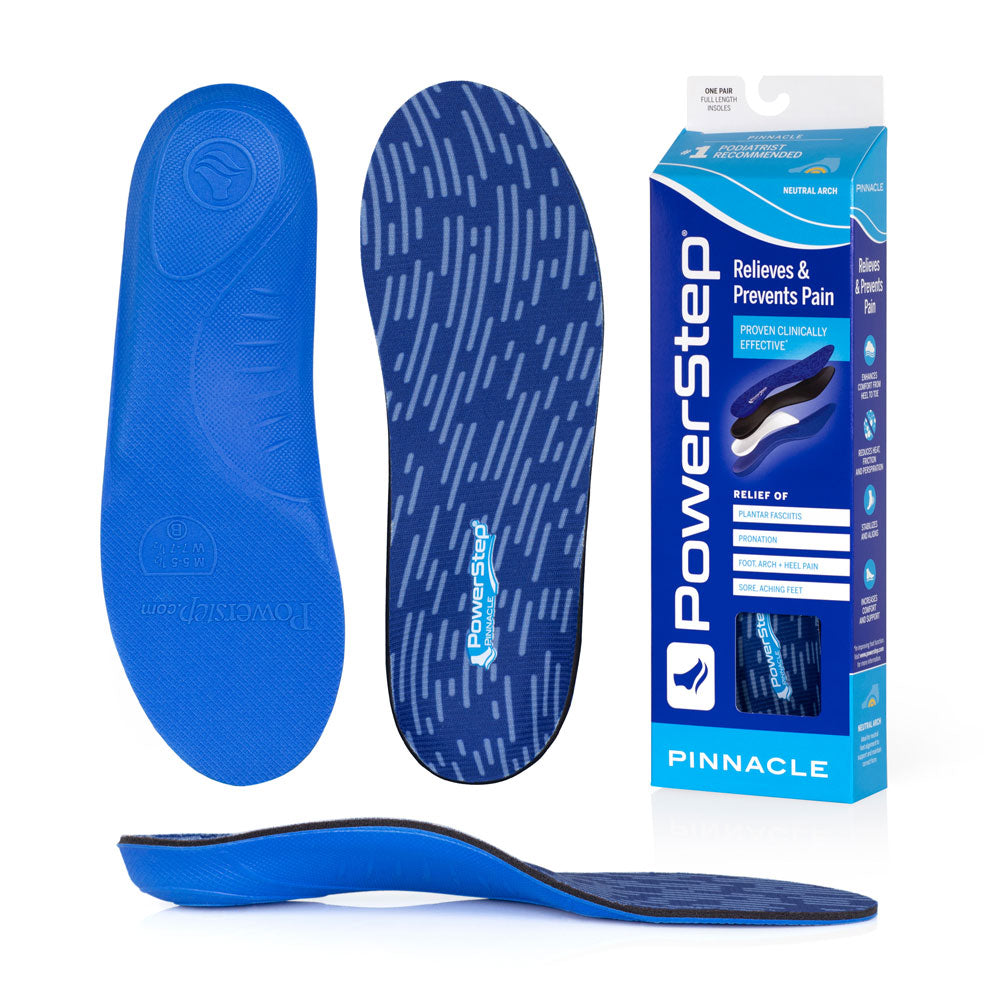
Powerstep Pinnacle Maxx Support Insoles
Powerstep
$45-$55
Why this accessory
Deep heel cradle cushions spur site on every step
Number one podiatrist recommended OTC insole in the USA
Double-layer cushioning with semi-rigid arch support controls overpronation
Deep heel cradle stabilizes and cushions the calcaneus on every step
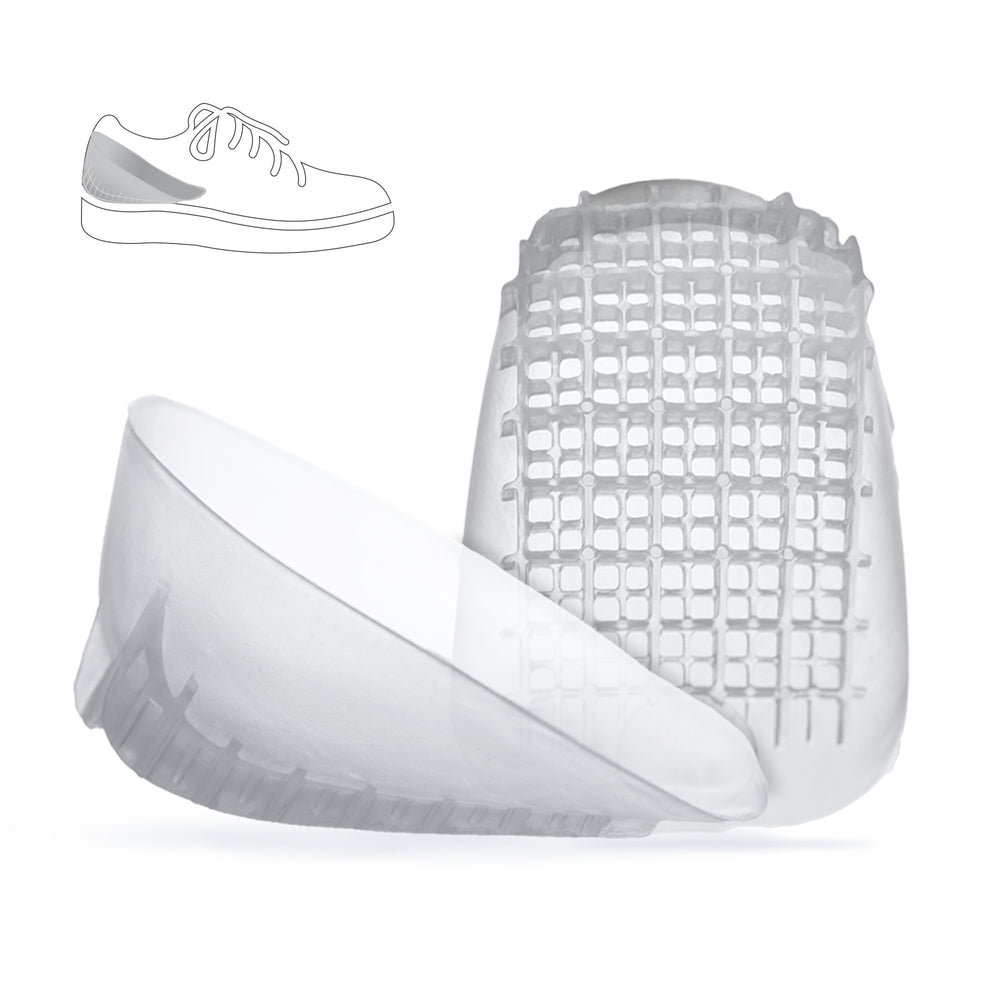
Medi-Dyne Plantar Fasciitis Heel Cups by Tuli's
Medi-Dyne
$14-$30
Why this accessory
Dual-density design absorbs impact and reduces fascia tension
Dual-density construction - firm outer shell with soft gel center
Slight heel elevation reduces Achilles tendon and plantar fascia tension
Anatomical design cradles the heel bone for maximum stability
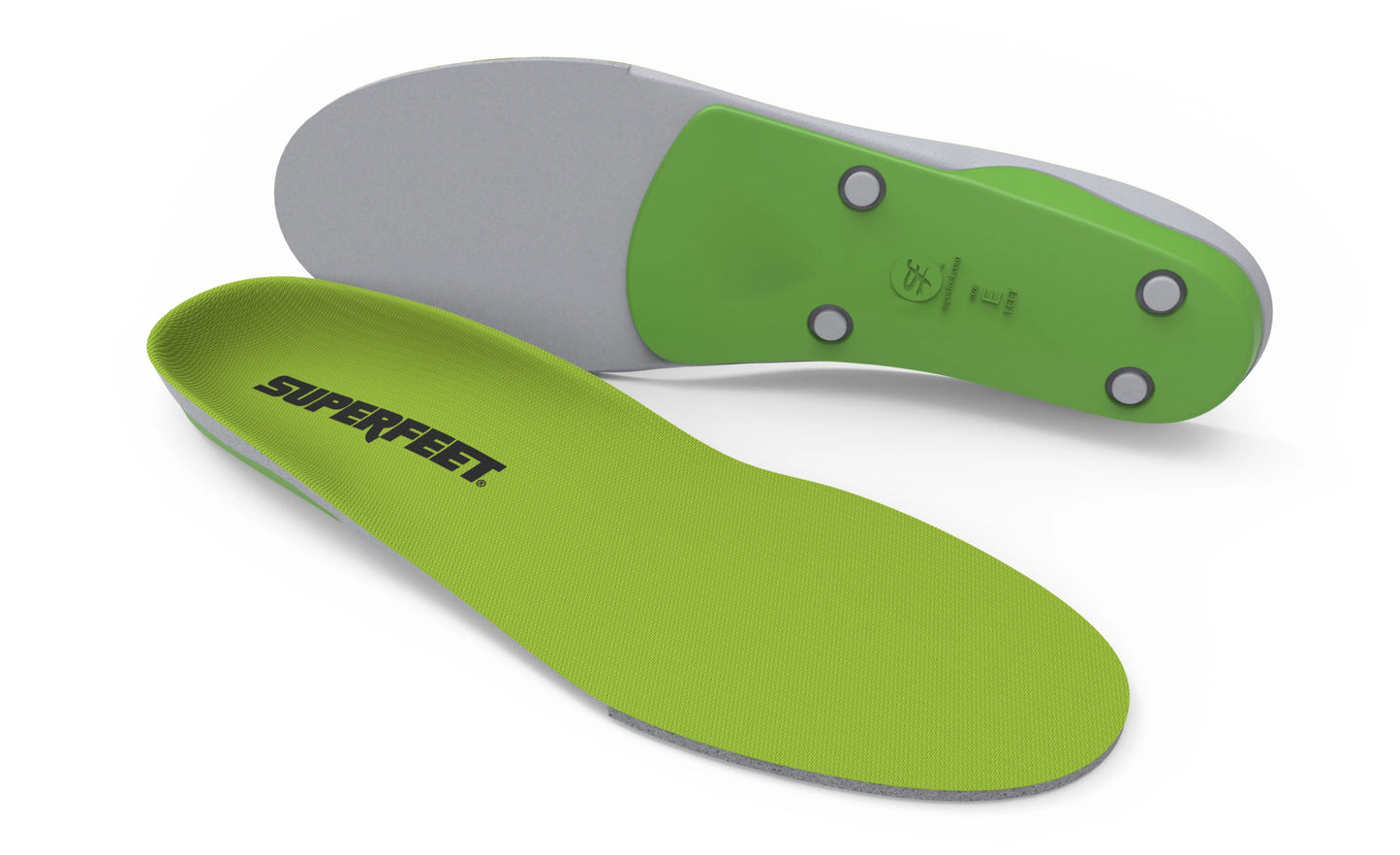
Superfeet GREEN High Arch Support Insoles
Superfeet
$50-$60
Why this accessory
Stabilizer cap and heel cup reduce ground reaction force
High-profile arch shape provides maximum support for high arches
Stabilizer cap biomechanically shapes and supports the rear foot
Deep heel cup for natural shock absorption on every step
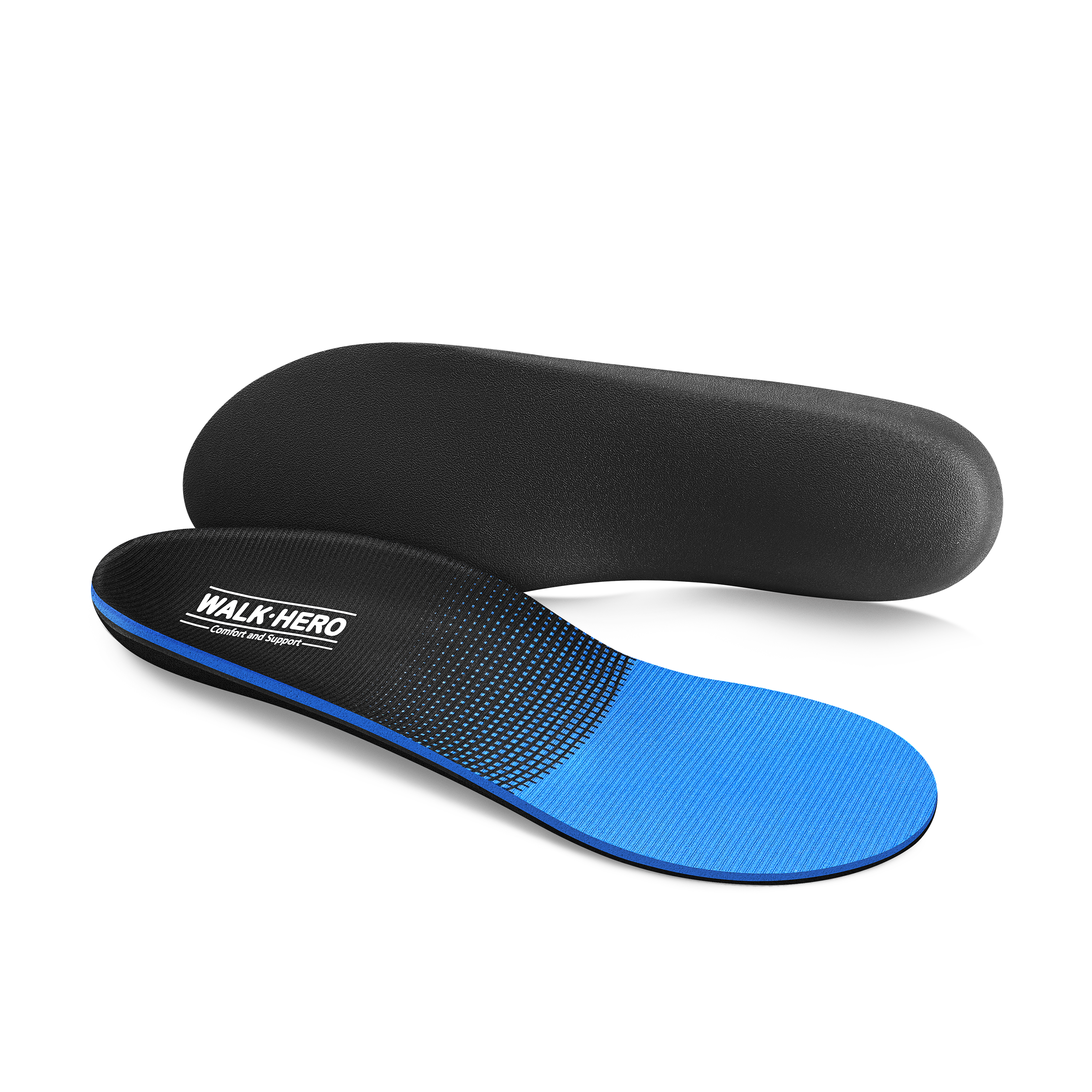
Walk Hero Arch Support Insoles
Walk Hero
$20-$40
Why this accessory
Heel cradle and arch support reduce spur impact on every step
Patented deep heel cup maintains proper positioning for motion control and lateral stability
Clinically cited to reduce plantar fascia strain with anatomical arch support
EVA foam base provides lightweight shock absorption from heel to toe
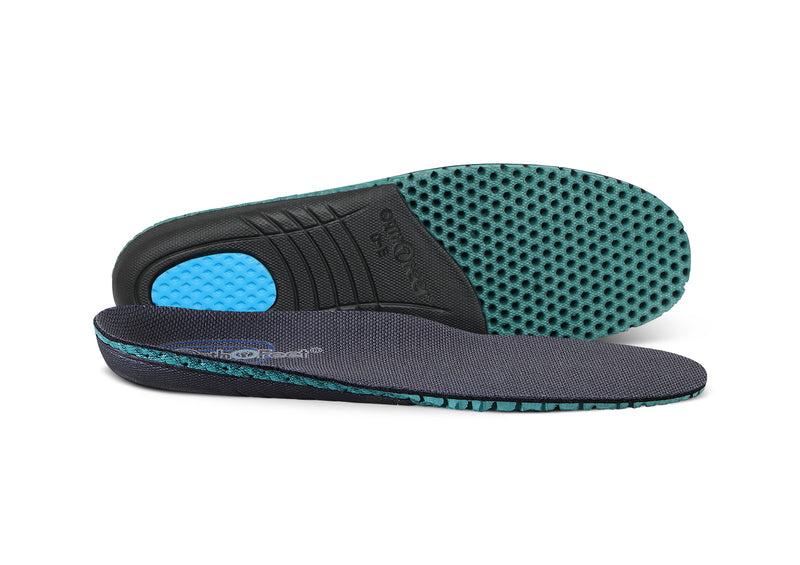
Orthofeet OFG Men's Orthotic Insoles
Orthofeet
$45-$55
Why this accessory
Contoured heel seat cushions spur site and reduces fascia tension
Anatomical arch support controls overpronation and improves foot and leg alignment from heel to hip and back
Adjustable Arch Booster system allows additional support to be added under the insole for custom-level correction
Contoured heel seat with advanced cushioning foam alleviates plantar fasciitis and heel spur pain
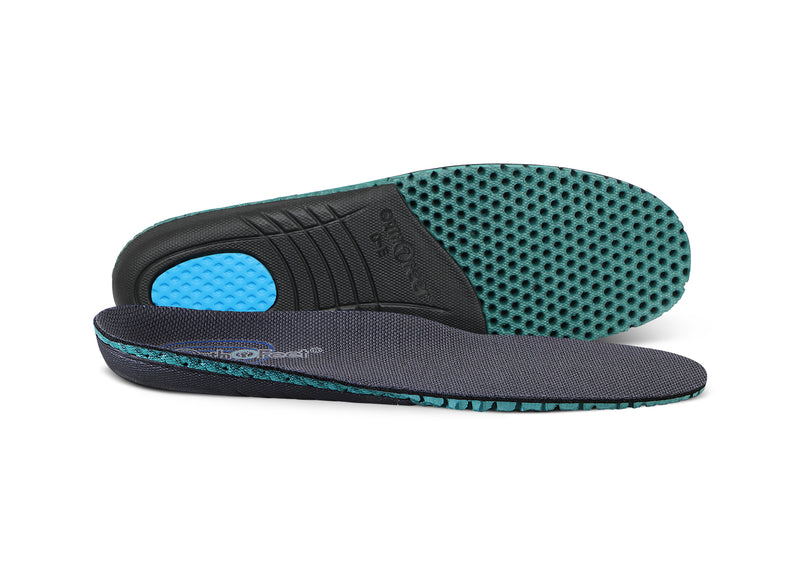
Orthofeet OFG Women's Orthotic Insoles
Orthofeet
$45-$55
Why this accessory
Women's contoured heel seat cushions spur site and reduces fascia tension
Anatomical arch support controls overpronation and improves foot and leg alignment from heel to hip and back
Adjustable Arch Booster system allows additional support to be added under the insole for custom-level correction
Contoured heel seat with advanced cushioning foam alleviates plantar fasciitis and heel spur pain

Apex A-Wave Orthotic Support Insole Unisex
Apex
$35-$45
Why this accessory
Three-tier support redistributes pressure away from the heel spur
Three support levels - Flex for high arches, Firm for all arch types, X-Firm for low to medium arches
Proprietary blend of thermoplastic resins, performance memory foam, and supportive gels
Supports the arch biomechanically so the foot moves in the most efficient and pain-free way possible
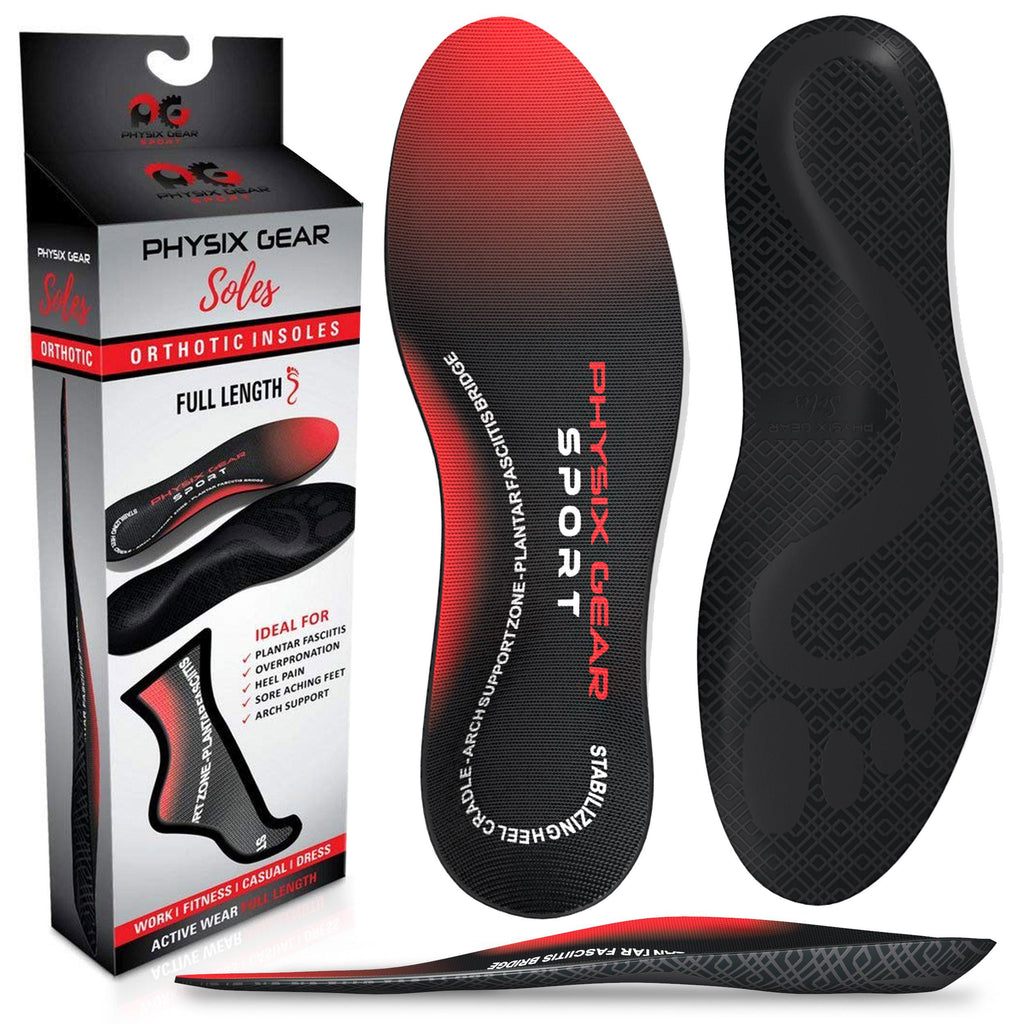
Physix Gear Sport Orthotic Insoles
Physix Gear
$15-$20
Why this accessory
Shock-absorbing heel cushion reduces spur pain at an accessible price
Plantar arch support designed to align the foot and reduce strain from heel through hip and back
Non-slip base keeps the insole firmly positioned inside any shoe type throughout the day
Trimmable design fits most shoe sizes without compromising structure or arch support
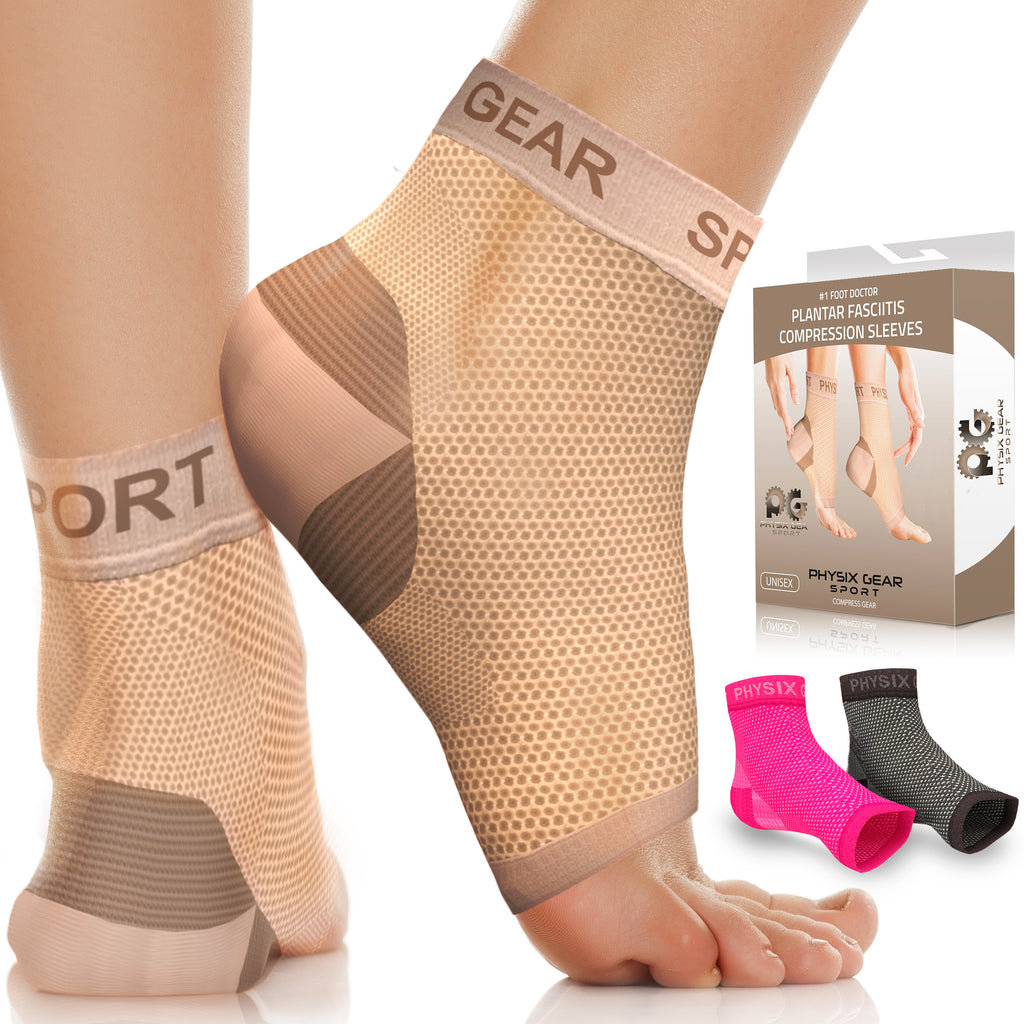
Physix Gear Sport Plantar Fasciitis Socks
Physix Gear
$12-$18
Why this accessory
Heel compression reduces spur irritation during daily activity
Targeted compression zones apply graduated pressure to the plantar fascia and arch for immediate pain relief
Ankle and arch banding stabilizes the foot and reduces morning heel pain on first steps
Moisture-wicking breathable fabric keeps feet dry and comfortable during all-day wear
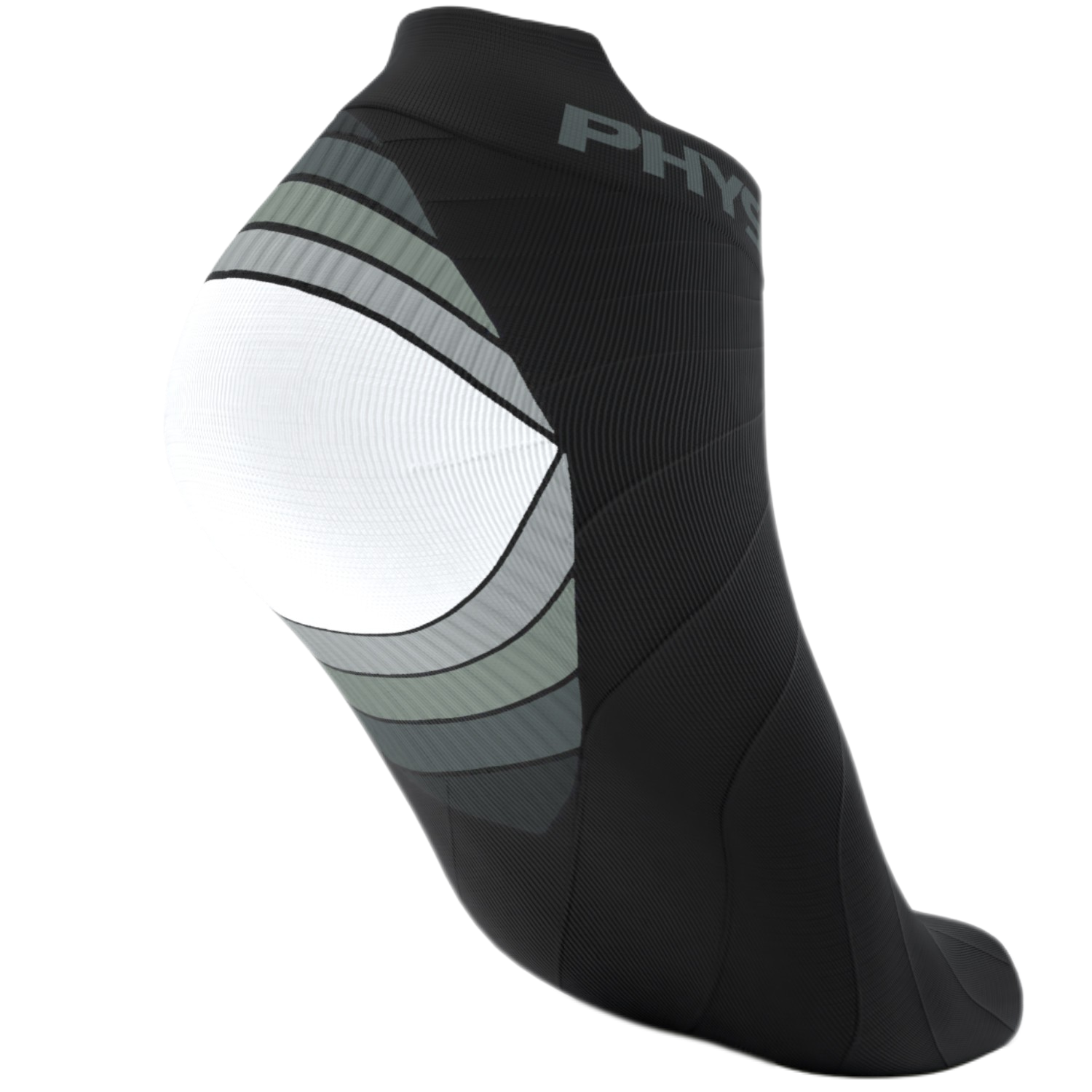
Physix Gear Sport Low Cut Compression Socks
Physix Gear
$11-$14
Why this accessory
Low-cut heel compression reduces spur pain in everyday footwear
Low-cut ankle design provides arch and heel compression while remaining hidden in any shoe
Graduated compression improves blood flow and reduces foot swelling during prolonged activity
Anti-blister reinforced toe and heel zones protect high-friction areas during running and walking
What Is Happening in Your Foot
A heel spur is a calcium deposit that forms on the underside of the heel bone, or calcaneus, as a response to chronic mechanical stress. The body lays down calcium at points of repeated tension or micro-trauma - in the case of heel spurs, this is typically at the attachment point of the plantar fascia or the Achilles tendon. The spur itself is a bony protrusion that can be seen on X-ray, but it is frequently not the direct source of pain. The inflammation in the surrounding soft tissue - the plantar fascia, the fat pad, and the bursa - is what most patients actually feel.
Biomechanics
The calcaneus absorbs the initial impact of every heel strike in normal walking gait. In a healthy foot, the plantar fat pad beneath the heel disperses this force over a broad area. When the plantar fascia is chronically tight due to overpronation, poor footwear, or prolonged standing, it places sustained tensile pull on its attachment at the calcaneus. The body responds to this chronic tensile stress by depositing calcium at the attachment point - forming the spur. The spur then becomes a point of concentrated stress in an already-inflamed area. Footwear that reduces heel impact and plantar fascial tension addresses both the symptom and the mechanical driver.
Why Symptoms Behave the Way They Do
Heel spur pain follows the same morning pattern as plantar fasciitis because the two conditions share the same anatomical driver. During sleep, the plantar fascia shortens in the plantarflexed foot position. The first steps of the morning abruptly load the calcaneal attachment of this shortened fascia, directly stressing the inflamed tissue around the spur. Supportive footwear worn immediately upon rising - rather than walking barefoot to the bathroom - makes a measurable difference in morning pain severity.
What Makes It Worse
Walking barefoot on hard floors, especially in the morning when the fascia is shortest
Prolonged standing on concrete or tile in unsupportive footwear
Running or high-impact exercise without adequate heel cushioning
Worn-out shoes with degraded heel cushioning that no longer absorb impact effectively
Obesity, which increases the compressive load on the calcaneus with every footstrike
Sudden increases in activity after periods of rest, which stress already-inflamed tissue
What Helps
Maximum heel cushioning shoes that absorb ground reaction force before it reaches the calcaneus
Heel cups that maintain the plantar fat pad in its natural load-distributing position
Plantar fascia stretching before the first steps of the morning to pre-load the attachment point gradually
Ice application to the heel for 10 to 15 minutes after prolonged activity
Custom orthotics that offload the calcaneal attachment and address any underlying overpronation
Anti-inflammatory management under physician guidance for acute flare-ups
Common Misconceptions
Myth: The heel spur itself is what causes the pain.
Research consistently shows that the bony spur is not the primary pain generator. Many people with large heel spurs visible on X-ray have no pain at all, while others with significant heel pain have no spur on imaging. The pain originates from inflammation in the surrounding soft tissue - particularly the plantar fascia and the calcaneal fat pad - not from the spur pressing into the ground.
Myth: Heel spurs must be surgically removed to resolve pain.
Research suggests that conservative treatment resolves heel spur pain in approximately 90 percent of patients without surgery. Proper footwear, heel cups, orthotics, stretching, and activity modification are effective for the vast majority of cases. Surgery to remove the spur is rarely indicated and does not always resolve pain, since the spur itself is typically not the pain source.
Myth: Heel spurs and plantar fasciitis are the same condition.
They are related but distinct. Plantar fasciitis is inflammation of the plantar fascia. Heel spurs are calcium deposits that often form as a consequence of chronic plantar fasciitis. Many patients have both simultaneously, which is why they are frequently discussed together, but a patient can have significant plantar fasciitis with no spur, or a large spur with no fasciitis symptoms.
Sources: Journal of the American Podiatric Medical Association, Vol. 104, 2014; Foot and Ankle International, Vol. 32, 2011; APMA
Heel Spurs by Occupation
How this condition presents differently depending on how you spend your day.
standing workers
Retail, warehouse, and factory workers are among the highest-risk groups for developing heel spurs due to sustained hard-floor standing.
Concrete and tile floors transmit maximum impact to the calcaneus with every step and provide zero shock absorption during static standing. Workers who stand in one position for extended periods create sustained tensile load on the plantar fascia at its calcaneal attachment - the exact mechanism that drives spur formation. Work footwear is frequently chosen for safety compliance rather than heel cushioning.
Shoe Priority
Maximum heel cushioning work shoe with a deep heel cup and a heel drop of 8mm or higher. Anti-fatigue insoles with heel-specific cushioning are a high-value addition for workers whose shoes lack adequate heel padding.
nurses
Nurses develop heel spurs at elevated rates due to the combination of hard hospital floors, long shifts, and footwear chosen for slip resistance over cushioning.
Hospital-grade slip-resistant shoes frequently sacrifice heel cushioning for outsole grip. A nurse walking 10,000 or more steps per shift on hard floors in under-cushioned footwear accumulates significant calcaneal impact stress across a career. Heel spur formation is a well-documented occupational risk in healthcare workers.
Shoe Priority
Slip-resistant shoe with maximum heel cushioning - these requirements are not mutually exclusive. Several APMA-accepted shoes combine grip outsoles with thick, shock-absorbing midsoles. A heel drop of 8mm or higher is the additional priority.
runners
Runners develop heel spurs as a downstream consequence of plantar fasciitis, which is the most common running injury.
The repetitive heel strike of running creates the sustained calcaneal impact and plantar fascial tension that drives spur formation over time. Runners who train through plantar fasciitis symptoms rather than addressing them with appropriate footwear and rest are most at risk. Transitioning to low heel drop or minimalist shoes too quickly is a well-documented trigger.
Shoe Priority
Maximum cushioning running shoe with a heel drop of 8mm or higher. Recovery footwear between training sessions - supportive sandals or slides rather than barefoot - is equally important for runners managing heel spur pain.
seniors
Heel spur prevalence increases with age as the plantar fat pad thins and the calcaneus loses its natural cushioning.
The plantar fat pad beneath the heel thins progressively with age, reducing the foot's natural shock absorption capacity. This makes the calcaneus more vulnerable to impact stress and heel spur formation even in older adults who are not highly active. Many seniors wear unsupportive slippers or flat footwear at home, compounding the impact on an already-thinned fat pad.
Shoe Priority
Maximum heel cushioning with a deep heel cup that maintains the fat pad in position. Easy entry design and slip-resistant outsole are important secondary requirements for seniors managing heel spur pain.
restaurant workers
Kitchen and restaurant workers stand on hard tile for 8 to 12 hour shifts in footwear often chosen for slip resistance alone.
Commercial kitchen floors are typically hard tile or concrete with no matting. Slip-resistant footwear requirements can narrow the available options, and many kitchen workers prioritize price over cushioning when selecting work shoes. The combination of hard floors, long shifts, and inadequate heel cushioning creates significant calcaneal impact accumulation.
Shoe Priority
Slip-resistant shoe with the thickest heel cushioning available in that category. Heel cups inserted into work shoes are a cost-effective way to increase heel protection when the shoe itself lacks adequate padding.
Frequently Asked Questions
Local Foot Health
Heel Spurs by City
Environmental factors, terrain, and climate affect how common this condition is across different cities. Find local podiatrist resources near you.
Related Guides and Resources
Shoe Guides
Walk Into Your Appointment With Answers
Before Your Next Appointment
Take Your Results to Your Podiatrist
Answer a few quick questions. Takes under 2 minutes. Get personalized shoe recommendations.
Not Sure Which Shoe Is Right?
Take our guided quiz and get a personalized recommendation based on your specific foot condition and lifestyle.
Start the Quiz