Best Shoes for Nurses
Nurses walk 4-6 miles per shift on hard hospital floors - concrete, linoleum, tile - often for 10-12 hours straight. The wrong shoe doesn't just cause discomfort. It causes plantar fasciitis, stress fractures, and Achilles tendinopathy that can end careers.
Every shoe on this page is selected based on podiatric research for the specific demands of nursing - not comfort ratings from non-clinical sources.
What Nurses Need in a Shoe
Based on podiatric research and the specific biomechanical demands of 12-hour clinical shifts.
Cushioning that lasts all shift
Cheap EVA foam compresses 30-40% after a few hours. Look for premium foams like HOKA's ProFly+ or Brooks' DNA Loft that maintain cushioning through 12 hours.
Rocker sole geometry
A rocker or forward-pitched sole reduces strain on the plantar fascia and Achilles by shifting propulsion forward, reducing cumulative stress with every step.
Wide toe box
Feet swell during long shifts. A narrow toe box causes bunions, hammertoes, and neuromas over years of shift work. Your toes need room to splay naturally.
Firm arch support
Squishy 'cloud' shoes feel great at hour one and cause plantar fasciitis by month six. Look for structural arch support that maintains integrity under prolonged load.
Slip-resistant outsole
Hospital floors are often wet, waxy, or polished. A slip-resistant outsole rated for clinical environments is a safety feature, not just a comfort feature.
Removable insole
A removable footbed allows you to add custom orthotics or compression insoles, which is essential for nurses with specific foot conditions.
Best Shoes for Nurses
Curated for 12-hour shifts - maximum cushioning, arch support, and APMA acceptance.
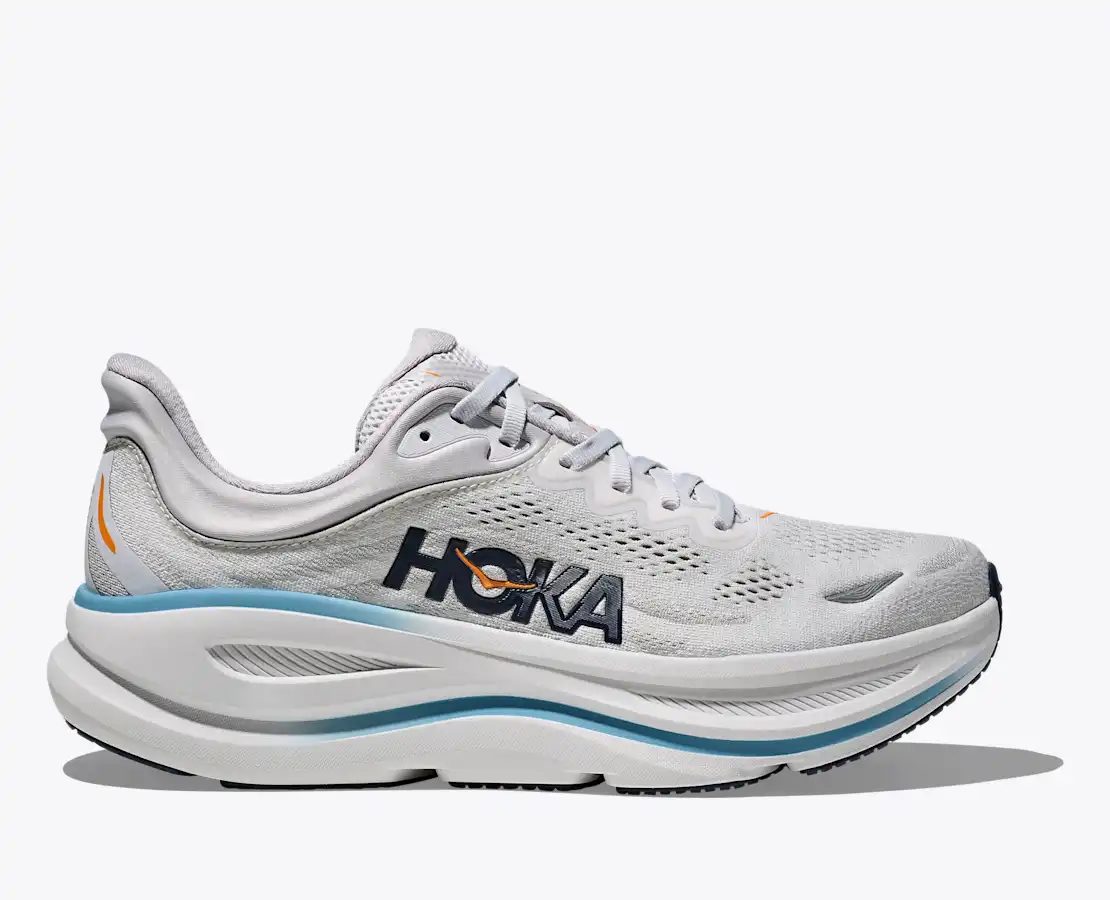
HOKA Bondi 9
hoka
$165-$180
Why for nurses
Maximum stack height and rocker geometry distribute weight across the entire foot, reducing plantar fascia and heel strain during 12-hour shifts. APMA accepted.
Supercritical EVA foam for maximum plush cushioning
Meta-Rocker geometry reduces plantar fascia stress
APMA Seal of Acceptance pid=9031 - podiatrist top recommendation for heel pain - verified directly from APMA Seal Database May 2026

New Balance 1540v4
new balance
$195-$205
Why for nurses
Motion control with extra-depth design for nurses with flat feet or overpronation. Orthotic-ready and diabetic-friendly with the highest stability rating in our catalogue. APMA accepted.
Extra depth design accommodates custom orthotics
ROLLBAR motion control technology for severe overpronation
ABZORB cushioning for impact absorption
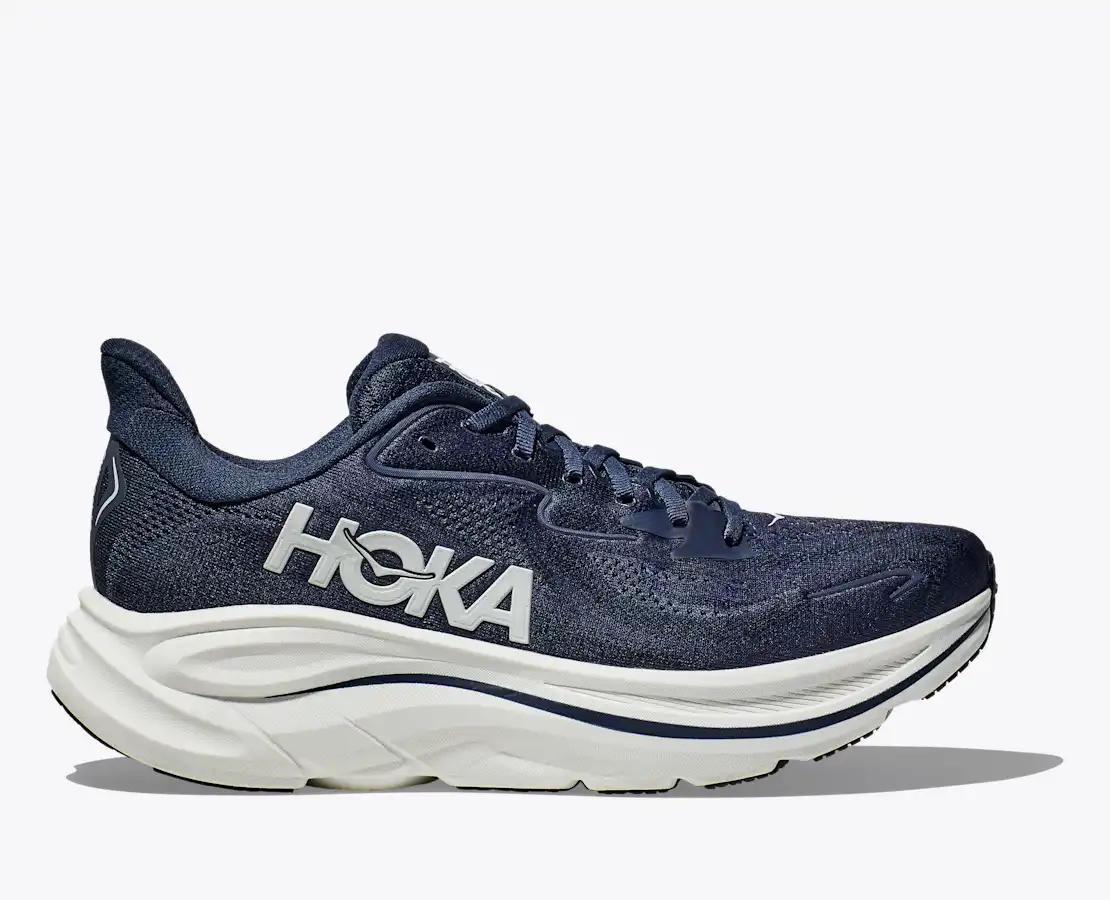
HOKA Clifton 10
hoka
$145-$160
Why for nurses
2 oz lighter than the Bondi, meaningful over a full shift. High cushioning stack with rocker geometry reduces cumulative fatigue. APMA accepted.
CM EVA midsole for plush responsive cushioning
8mm heel drop reduces Achilles and calf strain
APMA Seal of Acceptance pid=9032 - lightweight daily trainer verified directly from APMA Seal Database May 2026

Brooks Ghost 17
brooks
$140-$155
Why for nurses
Available in five widths including extra wide which accommodates foot swelling that occurs during long shifts. Consistently recommended by podiatrists for healthcare workers. APMA accepted.
DNA Loft v3 nitrogen-infused foam for soft responsive cushioning
APMA Seal of Acceptance pid=9077 - PDAC A5500 diabetic shoe certified - verified directly from APMA Seal Database May 2026
Segmented crash pad for smooth heel-to-toe transitions
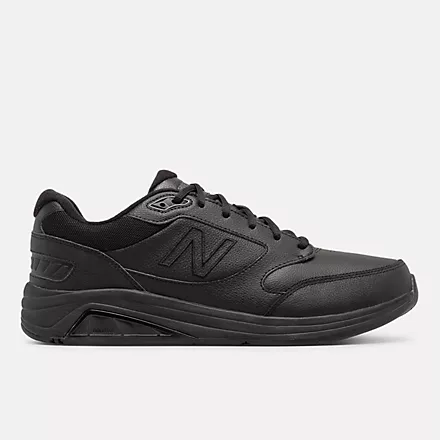
New Balance 928v3 Lace-Up Walking Shoe
new balance
$134-$145
Why for nurses
Purpose-built walking and standing shoe with motion control support. Wide and extra-wide options for nurses whose feet swell during shifts.
ROLLBAR motion control technology and Clinical-Grade Support: The signature ROLLBAR® motion control system minimizes rear-foot movement, keeping your stride aligned and reducing stress on the plantar fascia.
Reduces morning heel pain and keeps you moving comfortably all day, whether you're on your feet for work or walking for fitness.
Maximum Shock Absorption: Engineered with ABZORB® cushioning in the midfoot to absorb harsh impacts, protecting your heels from painful concrete and hard floors.

Brooks Adrenaline GTS 25
brooks
$150-$160
Why for nurses
GuideRails technology controls excess movement without overcorrecting. Ideal for nurses who overpronate from hours of standing on hard floors. APMA accepted.
GuideRails holistic support system controls excess movement without overcorrecting
DNA Loft v3 nitrogen-infused cushioning for lightweight plush comfort
APMA Seal of Acceptance pid=9201 - PDAC A5500 diabetic shoe certified - verified directly from APMA Seal Database May 2026
What Nurses Should Avoid
Maximally cushioned 'cloud' shoes with no structural support
Narrow toe boxes that compress the forefoot
Shoes without slip-resistant outsoles
Worn-out shoes - replace every 300-500 miles regardless of visible wear
Buying based on appearance alone, clinical performance must come first
Frequently Asked Questions
What shoes do podiatrists recommend for nurses?
Podiatrists recommend shoes with maximum cushioning that holds up for 12+ hours, strong arch support, a wide toe box, and slip-resistant outsoles. HOKA Bondi, New Balance 1540v4, and Brooks Ghost are frequently recommended for nursing professionals. All three carry the APMA Seal of Acceptance.
How often should nurses replace their shoes?
Nurses walking 10,000+ steps per shift should replace shoes every 300-500 miles. Typically every 6 months of full-time use. The midsole loses 40-50% of shock absorption before visible wear appears on the outsole. If your feet hurt more at the end of a shift than they used to, your shoes have likely bottomed out.
Are HOKA shoes good for nurses?
Yes. HOKA's Bondi and Clifton lines are among the most recommended shoes for nurses by podiatrists. Their extra stack height, rocker geometry, and wide platform distribute weight across the entire foot rather than concentrating stress at the heel or ball, ideal for 12-hour shifts.
Should nurses wear stability or neutral shoes?
It depends on your foot type. Nurses with flat feet or overpronation benefit from stability shoes like the Brooks Adrenaline GTS or New Balance 860v15. Nurses with neutral arches or high arches do better with cushioned neutral shoes like the HOKA Bondi or Brooks Ghost. If you are unsure, a podiatrist can assess your gait and foot type.
Is it worth spending more on nursing shoes?
Yes. A nurse walking 10,000 steps per 8-hour shift will go through 300-500 miles of shoe life in roughly 6 months. A $160 premium shoe that lasts 6 months and keeps your feet pain-free is far cheaper than treating plantar fasciitis, stress fractures, or Achilles tendinopathy from inadequate footwear.
More Shoe Guides
From the MySoleMatch Journal
MySoleMatch provides shoe recommendations based on podiatric research. We are not a medical platform and do not provide medical advice. If you are experiencing foot pain that affects your ability to work, consult a licensed podiatrist.
Have a Specific Foot Condition?
If you have plantar fasciitis, flat feet, or another condition, our guided quiz matches you to the right shoe for your specific diagnosis.