Disclosure: We may earn a small commission if you purchase through links on this page. No additional cost to you, and we only recommend products we trust. This helps us keep MySoleMatch free and ad-free. Thank you for your support!
Metatarsalgia
Metatarsalgia refers to pain and inflammation in the ball of the foot - the area just behind the toes. It is a common complaint among runners, athletes, and anyone who spends long hours on their feet. A cushioned midsole that absorbs impact in the forefoot is the most important footwear feature for metatarsalgia relief.
Signs You May Have Metatarsalgia
Sharp, aching, or burning pain in the ball of the foot
Pain that worsens with standing, running, or walking
Foot feels warm or tender to touch
Pain may radiate to the toes
Sensation of a pebble in the shoe
Walk Into Your Appointment With Answers
Before Your Next Appointment
Take Your Results to Your Podiatrist
Answer a few quick questions. Takes under 2 minutes. Get personalized shoe recommendations.
Best Shoes for Metatarsalgia | MySoleMatch
Generous forefoot cushioning is the priority. Look for shoes with cushioned midsoles, metatarsal pads, and a wide forefoot. Avoid thin-soled or minimalist shoes.

New Balance 1080v15
$165-$175
Why this shoe
Infinion maximum cushioning absorbs forefoot impact - the primary pain driver in metatarsalgia.
Neutral support, a 6mm drop, and a weight of 261 grams (9.2 oz) for the men's version, per New Balance
Perforated mesh upper that New Balance describes as lightweight and breathable
Ultra Heel design for secure fit
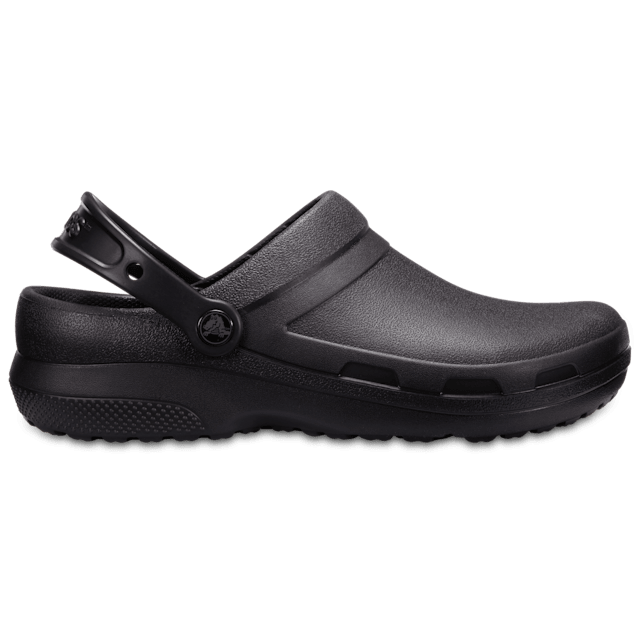
Crocs Specialist II Work Clog
$30-$45
Why this shoe
Thicker construction specifically at the metatarsal area, a deliberate design choice for this occupational model, directly cushions the forefoot region most affected by metatarsalgia. Feature-based match, not APMA-verified.
Tested and certified to ASTM F2913-24, ASTM F3445-24, and EN ISO 20347:2012 OB SRC slip-resistance standards for wet, oily, and greasy surfaces
Thicker construction at the toe and metatarsal areas offers real protection against dropped equipment and spills
Taller heel height built to meet workplace safety standards, beyond the casual Bistro clog

New Balance 990v6
$185-$200
Why this shoe
ENCAP cushioning distributes forefoot pressure evenly across the metatarsal heads.
ENCAP® Structural Support: Built with a durable polyurethane rim that cradles the heel and arch, preventing the over-pronation that actively strains and inflames the plantar fascia ligament.
High-Rebound FuelCell Core: Infused with New Balance's premier performance foam to absorb heavy heel shock and deliver a responsive, bouncy feel that takes the pressure off your feet.
Dual-density foam for lasting comfort and support
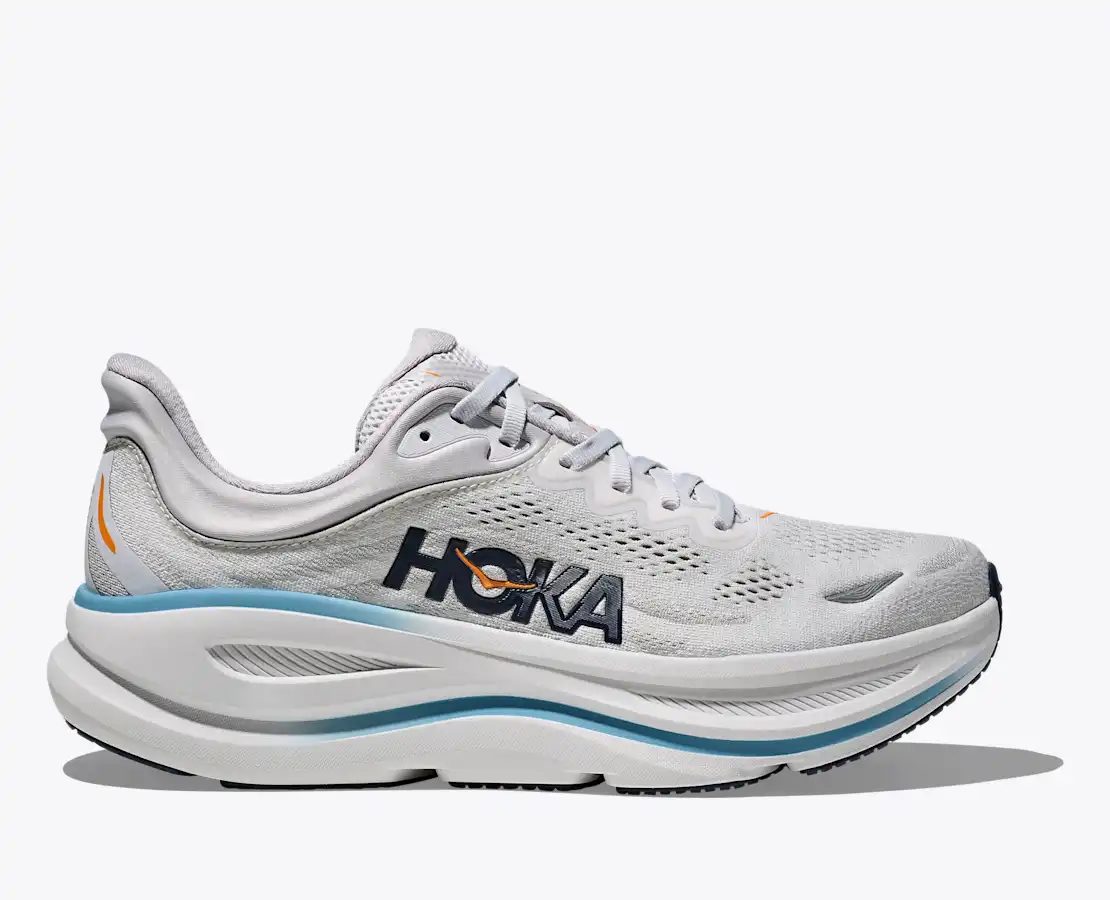
HOKA Bondi 9
$165-$180
Why this shoe
Maximum forefoot cushioning with wide base distributes pressure across the metatarsal heads reducing forefoot pain significantly.
Supercritical EVA foam for maximum plush cushioning
Meta-Rocker geometry reduces plantar fascia stress
APMA Seal of Acceptance pid=9031 - podiatrist top recommendation for heel pain - verified directly from APMA Seal Database May 2026

Brooks Ghost Max 4
$165
Why this shoe
34mm forefoot stack provides substantial cushioning under the metatarsal heads, carrying forward the same forefoot protection proven in earlier Ghost Max generations.
40mm heel / 34mm forefoot stack of nitrogen-infused DNA Loft v3 foam, 1mm taller than the prior Ghost Max 3
GlideRoll rocker geometry smooths the heel-to-toe transition on long, easy-paced runs and all-day standing
Reworked outsole with generous forefoot and heel rubber coverage and added flex grooves for wet-surface traction
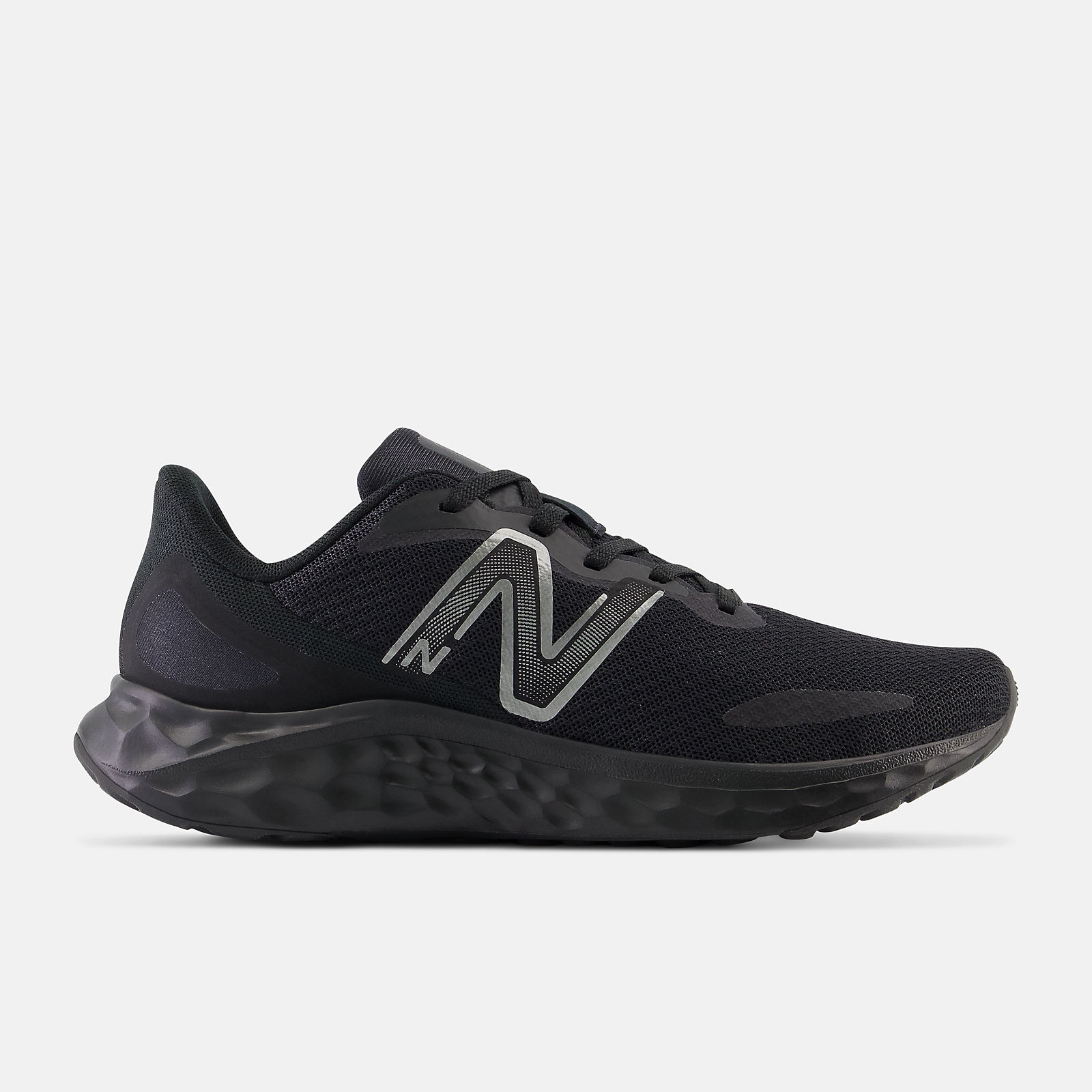
New Balance Women's Fresh Foam Arishi v4 Slip Resistant
$50-$118
Why this shoe
Lightweight Fresh Foam cushioning distributes forefoot pressure more evenly than a firmer midsole, relevant to metatarsalgia. Feature-based match, not APMA-verified.
Slip-resistant outsole tested according to ASTM F2913 for traction under various surface conditions
Oil-resistant outsole tested to ASTM D471-16a for resistance to certain oil-based liquids
Fresh Foam midsole cushioning delivers a lightweight, cushioned ride for long shifts

New Balance Fresh Foam X More Trail v3
$139-$150
Why this shoe
Maximum cushioning platform absorbs forefoot impact on varied terrain.
Maximum Fresh Foam X cushioning for trail use
Stable forefoot limits excessive toe dorsiflexion
Vibram outsole for traction

ASICS GEL-Nimbus 28
$165-$175
Why this shoe
Maximum FF Blast Plus cushioning with 43mm heel stack absorbs forefoot impact - PureGEL technology specifically reduces metatarsal head pressure with every step.
FF Blast Plus cushioning with PureGEL technology for maximum soft landings
25g lighter than previous version - exceptional cushioning without weight penalty
Engineered knit upper wraps foot for comfort and breathability
Saucony Triumph 23
$165-$175
Why this shoe
Full-length PWRRUN PB superfoam with 42mm stack absorbs forefoot impact - rocker geometry reduces metatarsal head pressure during toe-off.
Full-length PWRRUN PB superfoam midsole - first training shoe with all-superfoam construction
42mm heel stack height for maximum impact protection
Rocker geometry for effortless heel-to-toe transitions
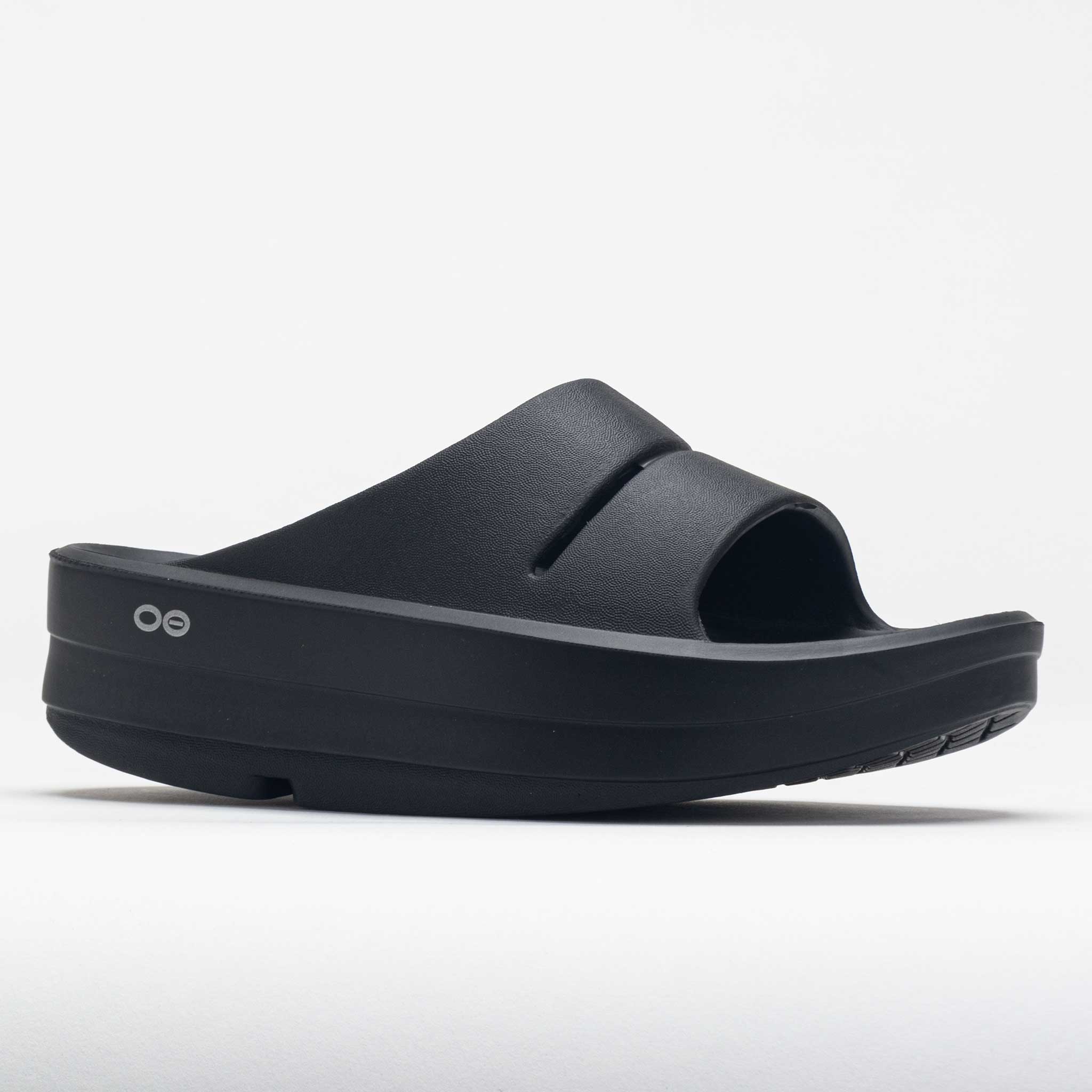
OOFOS OOmega OOahh Slide
$60-$75
Why this shoe
OOFoam absorbs 37% more impact than standard foam - biomechanical footbed offloads metatarsal head pressure during recovery and rest, giving inflamed forefoot tissue time to decompress between activity sessions.
OOFoam technology absorbs 37% more impact than traditional footwear foam
APMA Seal of Acceptance pid=8716 - verified directly from APMA Seal Database May 2026
Closed toe design with biomechanical footbed reduces plantar fascia strain

Skechers Go Recover Refresh
$45-$65
Why this shoe
Arch-contoured recovery footbed offloads metatarsal head pressure during rest periods, giving inflamed forefoot tissue time to decompress. APMA accepted.
APMA Seal of Acceptance pid=8165 - Go Recover Refresh - verified directly from APMA Seal Database May 2026
Ultra-responsive foam footbed with arch-contoured base - budget alternative to OOFOS at roughly half the price for the same recovery function
Zero heel-to-toe drop promotes natural foot alignment and reduces plantar fascia tension during post-activity recovery

HOKA Bondi SR
$165-$185
Why this shoe
Meta-Rocker geometry reduces forefoot pressure during toe-off - maximum cushioning absorbs metatarsal impact during extended standing on hard workplace floors.
Slip-resistant outsole rated for wet, oily, and polished floors - certified for workplace environments
Maximum Bondi cushioning stack protects joints and reduces fatigue during 12-hour shifts
Meta-Rocker geometry reduces plantar fascia and forefoot stress with every step

HOKA Ora Recovery Slide 3
$55-$75
Why this shoe
Rocker-bottom geometry and thick OrthoLite footbed reduce forefoot pressure and allow metatarsal inflammation to resolve during post-activity recovery.
Thick OrthoLite foam footbed provides arch support and pressure relief after intense activity
Rocker-bottom geometry reduces forefoot and plantar fascia stress during post-workout recovery
Lightweight single-strap design for easy on and off after long shifts or workouts

Saucony Integrity Walker 3
$90-$110
Why this shoe
WALKTEK smooth heel-to-toe transition reduces forefoot pressure during extended walking - non-slip outsole provides safe footing on hard surfaces for those with forefoot pain.
Dedicated walking shoe with non-slip outsole rated for wet and polished surfaces
Supportive leather and mesh upper provides durability and breathability for all-day walking
WALKTEK technology promotes smooth heel-to-toe transitions during extended walking
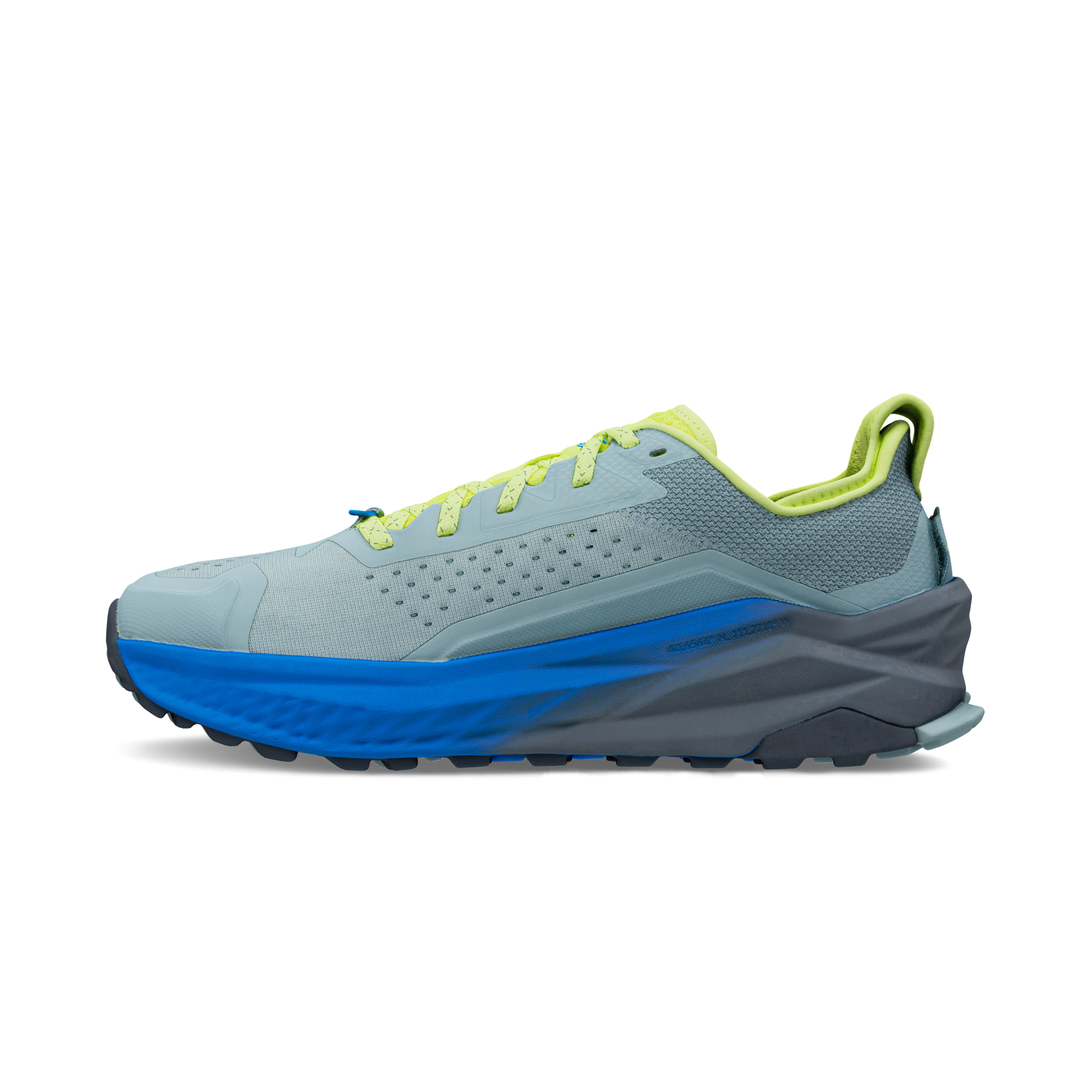
Altra Olympus 6
$170-$185
Why this shoe
Maximum stack height distributes forefoot pressure across a wider platform - significantly reduces metatarsal impact on rocky and variable trail surfaces.
Maximum cushion trail shoe with 33mm stack height and FootShape toe box - the highest stack zero-drop trail shoe in the catalog combining maximum impact protection with natural foot mechanics
Vibram Megagrip outsole for exceptional wet and dry trail traction - reliable on technical terrain where foot placement is critical for patients managing metatarsalgia or nerve conditions
Zero-drop with maximum cushioning - uniquely addresses metatarsalgia and forefoot pain on trail by absorbing impact without shifting weight forward onto the metatarsal heads

Brooks Ghost Max 3
$150-$160
Why this shoe
33mm forefoot stack of nitrogen-infused DNA LOFT v3 foam distributes metatarsal pressure across a broad base and significantly reduces forefoot impact loading during running and walking. GlideRoll Rocker reduces toe-off stress on the metatarsal heads. APMA accepted.
Nitrogen-infused DNA LOFT v3 high-stack midsole delivers maximum cushioning with 39mm heel and 33mm forefoot stack height
GlideRoll Rocker geometry actively assists heel-to-toe transitions for effortless forward momentum
Broad stable base provides inherent stability without a restrictive feel for neutral runners

Brooks Glycerin Max 2
$190-$200
Why this shoe
41mm forefoot stack of dual-cell DNA Tuned foam is the deepest forefoot cushioning in the Brooks catalog. Reduces metatarsal head pressure during long runs and extended standing. GlideRoll Rocker reduces forefoot loading at toe-off. APMA status unconfirmed as of June 2026. Available in medium width only.
Dual-cell DNA Tuned midsole features 47mm heel and 41mm forefoot stack with larger cells for soft landings and smaller cells for energetic toe-offs
GlideRoll Rocker with sculpted bevel and toe spring geometry delivers effortless heel-to-toe transitions
Broad stable base with high midsole sidewalls provides inherent stability without a restrictive feel for neutral runners

Skechers Max Cushioning Arch Fit
$90-$110
Why this shoe
27.4mm forefoot stack with Max Cushioning technology distributes forefoot pressure across the metatarsal heads during long standing days. APMA accepted.
Combines Arch Fit insole with Max Cushioning technology - rated best overall Skechers walking shoe in independent lab testing
36mm heel and 27.4mm forefoot stack with Goga Mat cooling technology for temperature regulation during long days
139 SA shock absorption score - among the highest of any walking shoe tested at any price point

Nike Vomero 18
$160-$180
Why this shoe
Triple-density foam construction absorbs peak forefoot impact forces, explicitly named by Nike as a benefit for metatarsalgia management. APMA accepted.
Nike's maximum cushion flagship - full-length ZoomX foam delivers the highest stack height in the Nike running lineup
APMA Seal of Acceptance pid=9108 - Nike Vomero 18 - verified directly from APMA Seal Database May 2026
Triple-density foam construction absorbs peak impact forces for heel pain, metatarsalgia, and joint protection
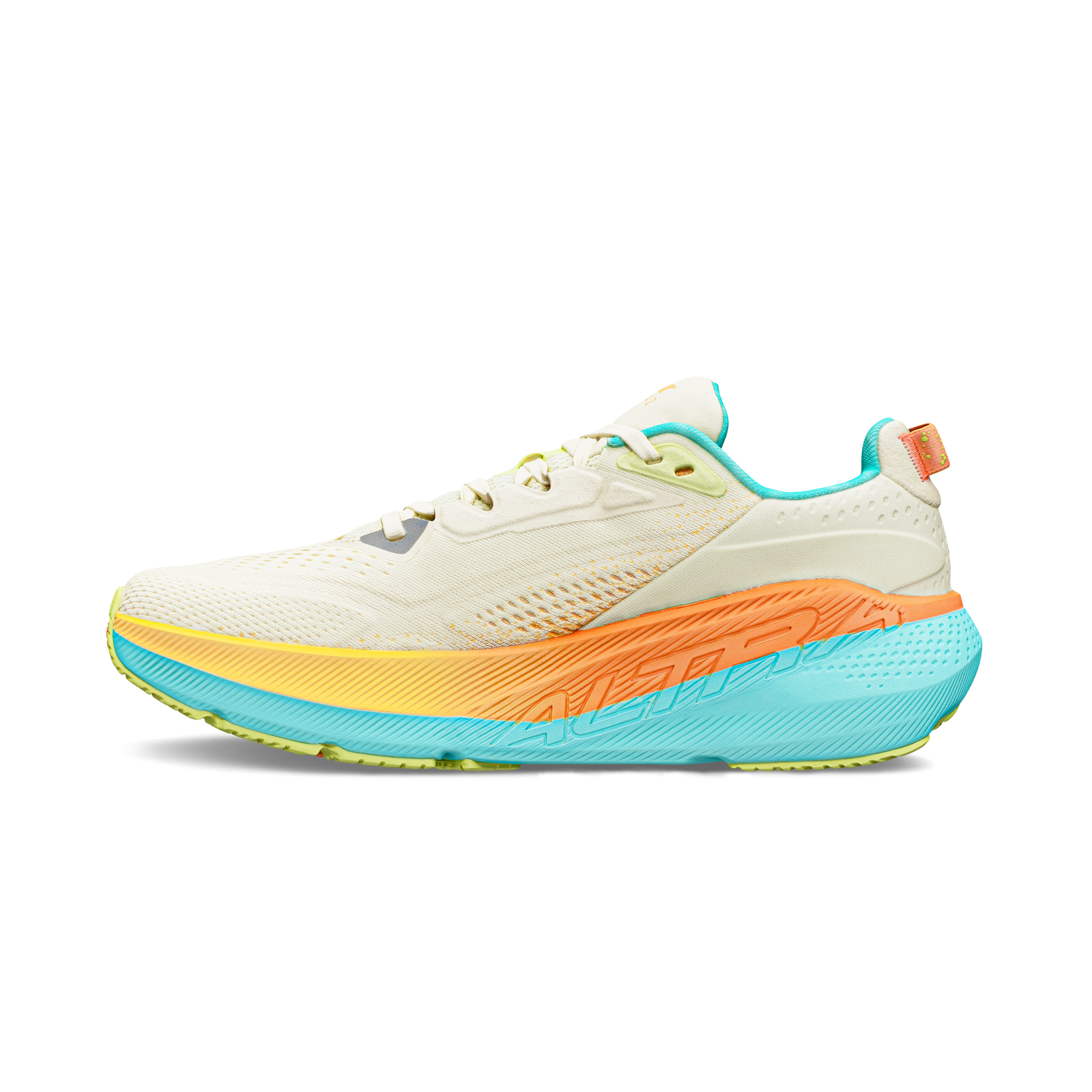
Altra Via Olympus 2
$160-$175
Why this shoe
Rocker sole geometry reduces forefoot load during toe-off, directly named by Altra as most relevant for metatarsalgia sufferers on hard standing surfaces. APMA accepted.
Maximum cushion road shoe with rocker construction and 33mm stack height - Altra's answer to HOKA Bondi 9 for runners and standing professionals who want natural foot shape alongside maximum protection
FootShape toe box with rocker sole geometry reduces forefoot load during toe-off - the combination most relevant for metatarsalgia and plantar fasciitis sufferers on hard surfaces
Zero-drop rocker platform is uniquely suited to standing professionals who want maximum cushioning without the Achilles shortening of elevated-heel maximum cushion shoes
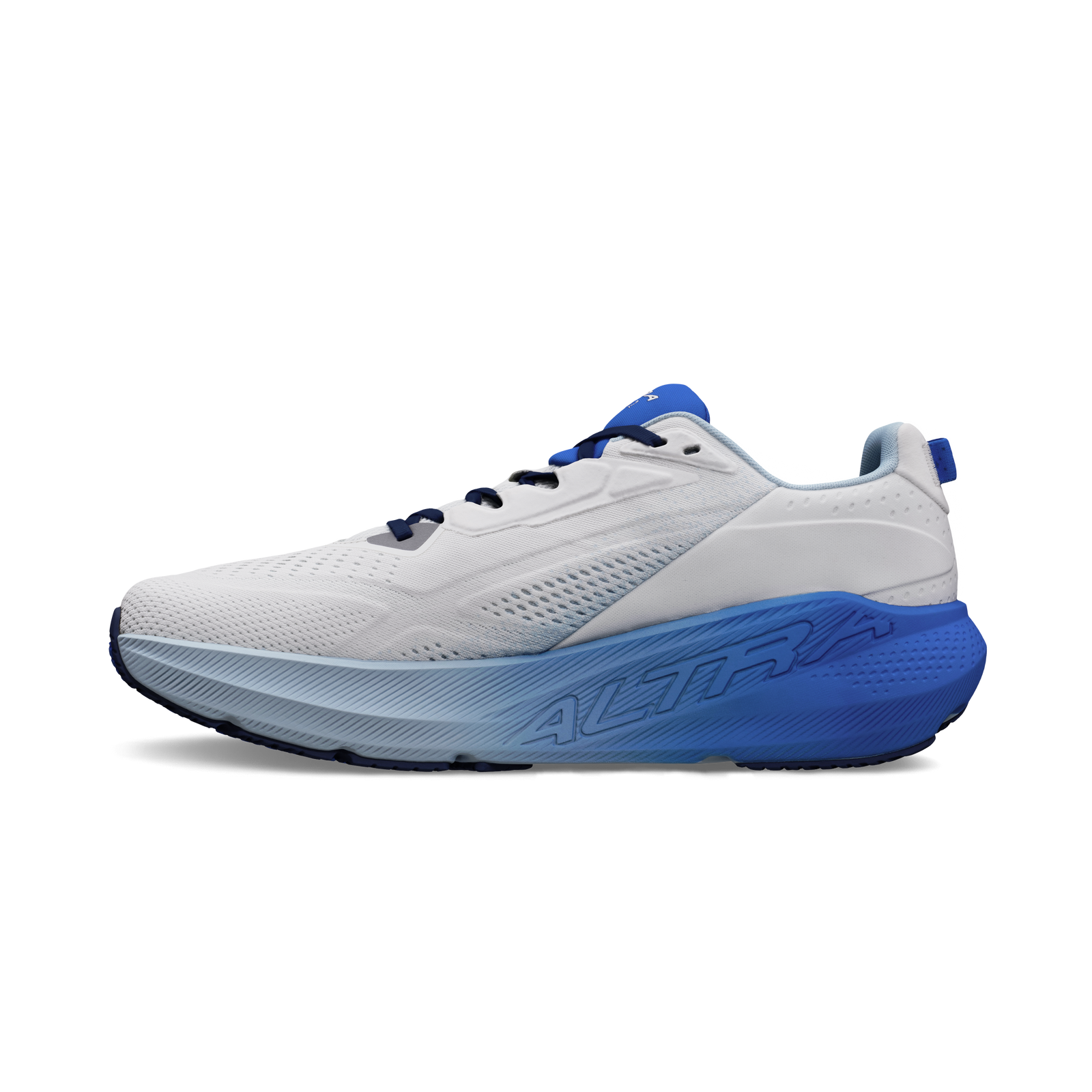
Altra FWD Via 2
$165
Why this shoe
Rocker geometry with INNERFLEX outsole reduces forefoot loading during toe-off, easing pressure on the metatarsal heads during standing and daily training. APMA accepted.
APMA Seal of Acceptance pid=8828 - Altra FWD Via - verified directly from APMA Seal Database May 2026 (FWD Via 2 listed under original FWD Via entry)
Altra EGO P35 midsole - 19% softer and 15% more responsive than original FWD Via
4mm heel drop with rocker geometry for smooth natural toe-off
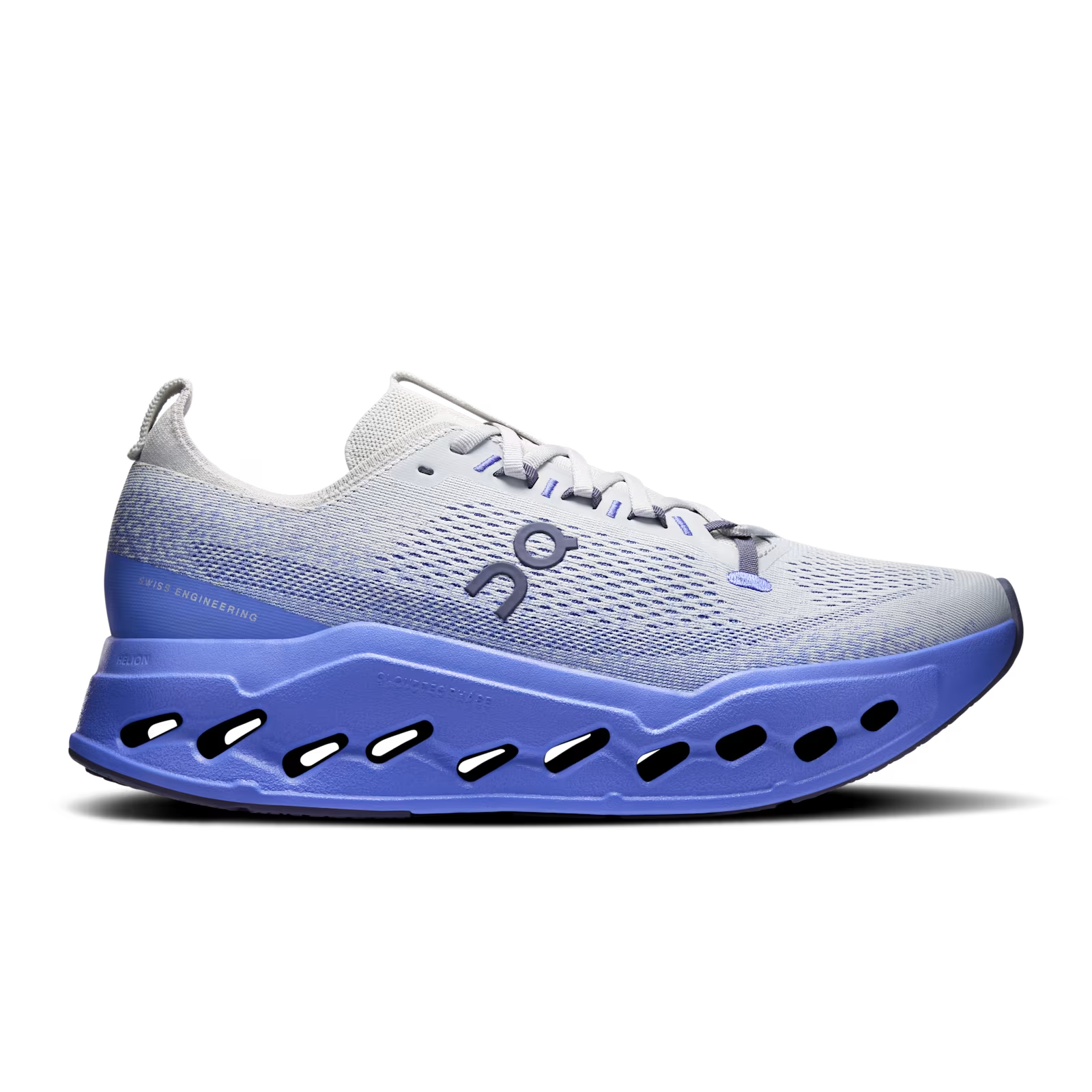
On Cloudsurfer Max
$175-$185
Why this shoe
37mm heel stack provides high-level impact absorption explicitly positioned for metatarsalgia and forefoot joint protection.
Double-layer CloudTec Phase cushioning compresses sequentially for smooth heel-to-toe transitions
6mm heel drop with moderate rocker geometry reduces forefoot loading during long runs and extended standing
No Speedboard plate delivers a softer more natural feel than other Cloudmonster models

OOFOS OOriginal Sandal
$55-$65
Why this shoe
OOfoam absorbs 37% more impact than traditional foam, offloading metatarsal head pressure during rest and recovery periods. APMA accepted.
OOFOS classic thong sandal - the original recovery flip-flop trusted by podiatrists worldwide
OOfoam technology absorbs 37% more impact than traditional footwear foam on every step
APMA Seal of Acceptance pid=8700 - verified directly from APMA Seal Database May 2026

FitFlop Rally X Leather Sneakers - Men
$110-$130
Why this shoe
Flex grooves cut across the outsole allow natural foot movement and directly reduce forefoot strain during extended walking and standing.
APMA Seal of Acceptance - confirmed via FitFlop's own product copy and consistent across multiple independent retailers; Anatomicush midsole technology is covered under APMA pid=7830 (Anatomicush Collection), whose product photo is consistent with this style, but the collection listing does not itself name individual covered styles, so no style-specific PID is confirmed; verified September 2026
Note: current FitFlop men's catalog may list this style as "Rally II" rather than "Rally" - naming needs confirmation against live catalog before treating as fully resolved
Ultralight Anatomicush midsole diffuses pressure evenly across the entire footbed
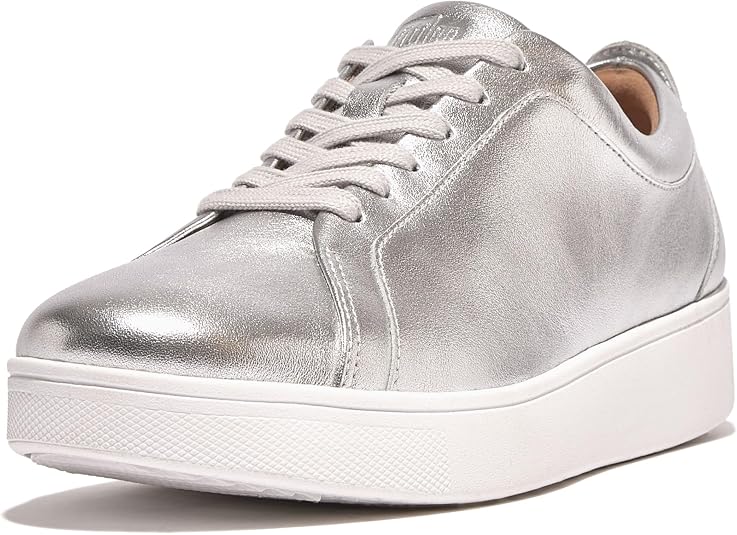
FitFlop Rally Leather Sneakers - Women
$110-$130
Why this shoe
Flex grooves cut across the outsole allow natural foot movement and directly reduce forefoot strain during extended walking and standing.
APMA Seal of Acceptance - confirmed via FitFlop's own product copy and consistent across multiple independent retailers; Anatomicush midsole technology is covered under APMA pid=7830 (Anatomicush Collection), whose product photo is consistent with this style, but the collection listing does not itself name individual covered styles, so no style-specific PID is confirmed; verified September 2026
Ultralight Anatomicush midsole diffuses pressure evenly across the entire footbed
Flex grooves cut across the outsole allow natural foot movement and reduce forefoot strain

Topo Athletic Atmos 2
$150-$165
Why this shoe
Roomy toe box reduces nerve compression while a 33mm forefoot ZipFoam stack absorbs the impact that drives metatarsalgia pain. APMA accepted.
Anatomical toe box allows toes to spread naturally
APMA Seal of Acceptance pid=9512 - Topo Athletic Atmos 2 - verified directly from APMA Seal Database August 2026
Maximum cushioning with 38mm heel and 33mm forefoot ZipFoam stack
Saucony Triumph 24
$165-$175
Why this shoe
Highest cushion-to-weight ratio in Triumph history with a spacious toe box reduces forefoot impact, though APMA status is pending for this new release.
IncrediLUX supercritical ATPU foam delivers the highest cushion-to-weight ratio in Triumph history
43mm heel stack with 10mm drop for maximum passive reduction of plantar fascia stretch length
Rocker geometry for smooth heel-to-toe transitions alongside maximum impact absorption

ABEO Boulevard Loafer
$100-$130
Why this shoe
Optional built-in Metatarsal footbed variant designed specifically to relieve forefoot pressure and pain, the primary mechanism relevant to metatarsalgia. Deep heel cup and Active Biosystem orthotic support the broader fit. Feature-based match, not APMA-verified or podiatrist-sourced for this specific style.
Not APMA-verified - ABEO does not currently appear in the live APMA Seal Database company list, and no APMA claim appears on any ABEO Boulevard product listing. Feature-based match only, no podiatrist source identified for this specific style.
Built-in Active Biosystem orthotic footbed, not removable, engineered directly into the shoe
Optional Metatarsal footbed variant available with built-in metatarsal pad for forefoot pressure relief
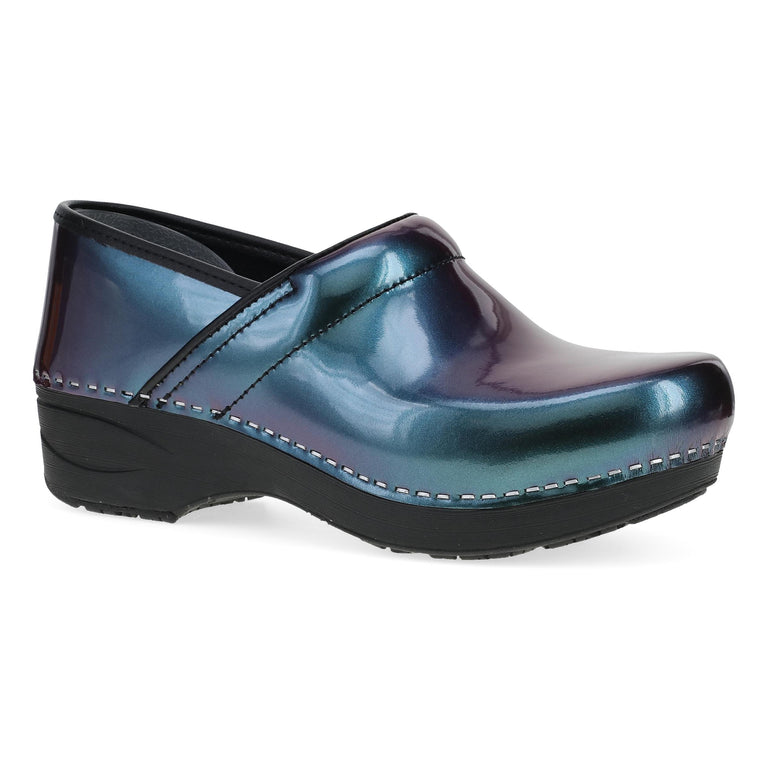
Dansko XP 2.0
$135-$155
Why this shoe
The rocker bottom geometry shifts pressure away from the metatarsal heads with every step, directly reducing forefoot load during long standing or walking shifts, while the memory foam footbed adds the cushioning metatarsalgia needs underfoot.
APMA Seal of Acceptance pid=5670 - Dansko XP 2.0 Collection - verified directly from APMA Seal Database May 2026
Padded instep collar and memory foam footbed for all-day standing comfort
Rocker bottom geometry reduces forefoot load and foot fatigue over long shifts
What to Look for in a Shoe
Evidence-based footwear criteria specific to this condition.
Heel Drop
Recommended: 4-10mm
A moderate heel drop reduces forefoot loading by shifting some body weight posteriorly toward the heel and midfoot. Excessively high heel drop concentrates weight on the forefoot, while zero drop places maximum load on the metatarsal heads. A moderate range balances impact distribution across the entire foot.
Avoid below 0mm
Cushioning
maximum
Maximum forefoot cushioning is the primary footwear requirement for metatarsalgia. The metatarsal heads are the primary load-bearing structures during the push-off phase of gait, and a thick compliant forefoot midsole attenuates the repetitive impact forces that cause metatarsal head inflammation. Shoes with a rocker sole profile additionally reduce the range of metatarsophalangeal joint motion required during push-off, further reducing forefoot stress.
Avoid: minimal, thin-soled, barefoot-style, rigid-soled
Stability vs. Neutral
neutral
Metatarsalgia does not inherently require stability features. The primary footwear goals are forefoot cushioning and a wide toe box. Stability features are only indicated when the patient also has flat feet or significant overpronation that is altering forefoot loading patterns.
Exception: Patients with flat feet and metatarsalgia often benefit from mild medial support to correct the forefoot loading pattern that overpronation creates. A podiatrist evaluation is recommended when both conditions are present to determine whether stability features or custom orthotics with metatarsal support are the more appropriate intervention.
Width
Recommended: D, 2E, 4E
A wide forefoot that allows the metatarsals to splay naturally during push-off reduces inter-metatarsal pressure and prevents the lateral compression that aggravates metatarsal head inflammation. Standard to wide fit is appropriate depending on the patient's foot width.
Insoles and Orthotics
Metatarsal pads placed just proximal to the metatarsal heads offload direct pressure from the inflamed metatarsal heads during push-off. This is distinct from Morton's neuroma where the pad is placed to splay the metatarsals - for metatarsalgia the goal is to shift load proximally off the metatarsal heads. Full-length cushioned insoles with forefoot padding provide additional impact attenuation. Custom orthotics with metatarsal support are appropriate for chronic or severe cases.
Sources: APMA Clinical Practice Guidelines; Foot and Ankle International
Recommended Accessories for Metatarsalgia
Insoles, heel cups, compression socks, and braces that complement your shoe recommendation and provide additional targeted relief.
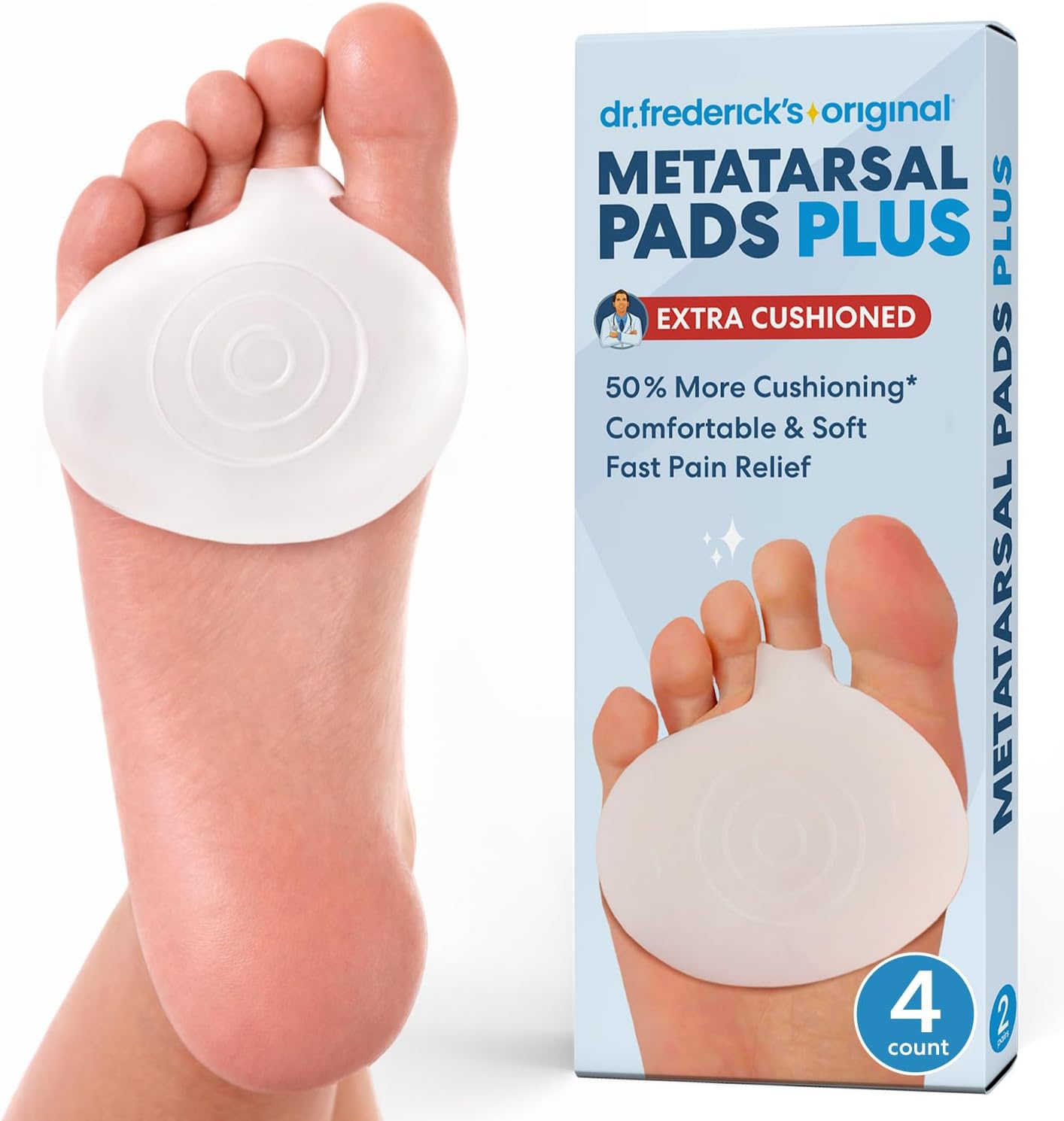
Dr. Frederick's Metatarsal Pads Plus
Dr. Frederick's
$12-$20
Why this accessory
Directly offloads inflamed metatarsal heads on every step
Gel pad positioned just behind the ball of the foot offloads metatarsal head pressure
Adhesive backing keeps the pad in the correct anatomical position
Reduces the nerve compression that causes Morton's neuroma pain
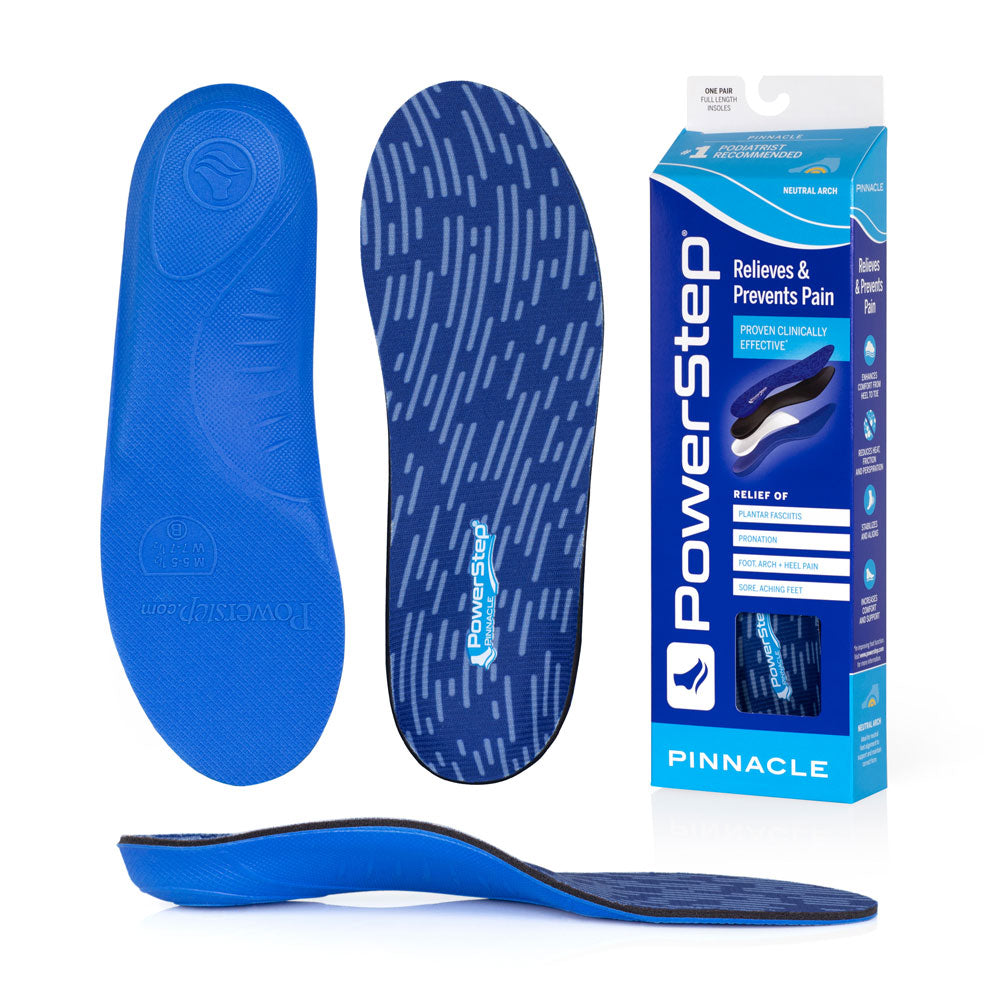
Powerstep Pinnacle Maxx Support Insoles
Powerstep
$45-$55
Why this accessory
Full arch support redistributes forefoot pressure evenly
Number one podiatrist recommended OTC insole in the USA
Double-layer cushioning with semi-rigid arch support controls overpronation
Deep heel cradle stabilizes and cushions the calcaneus on every step
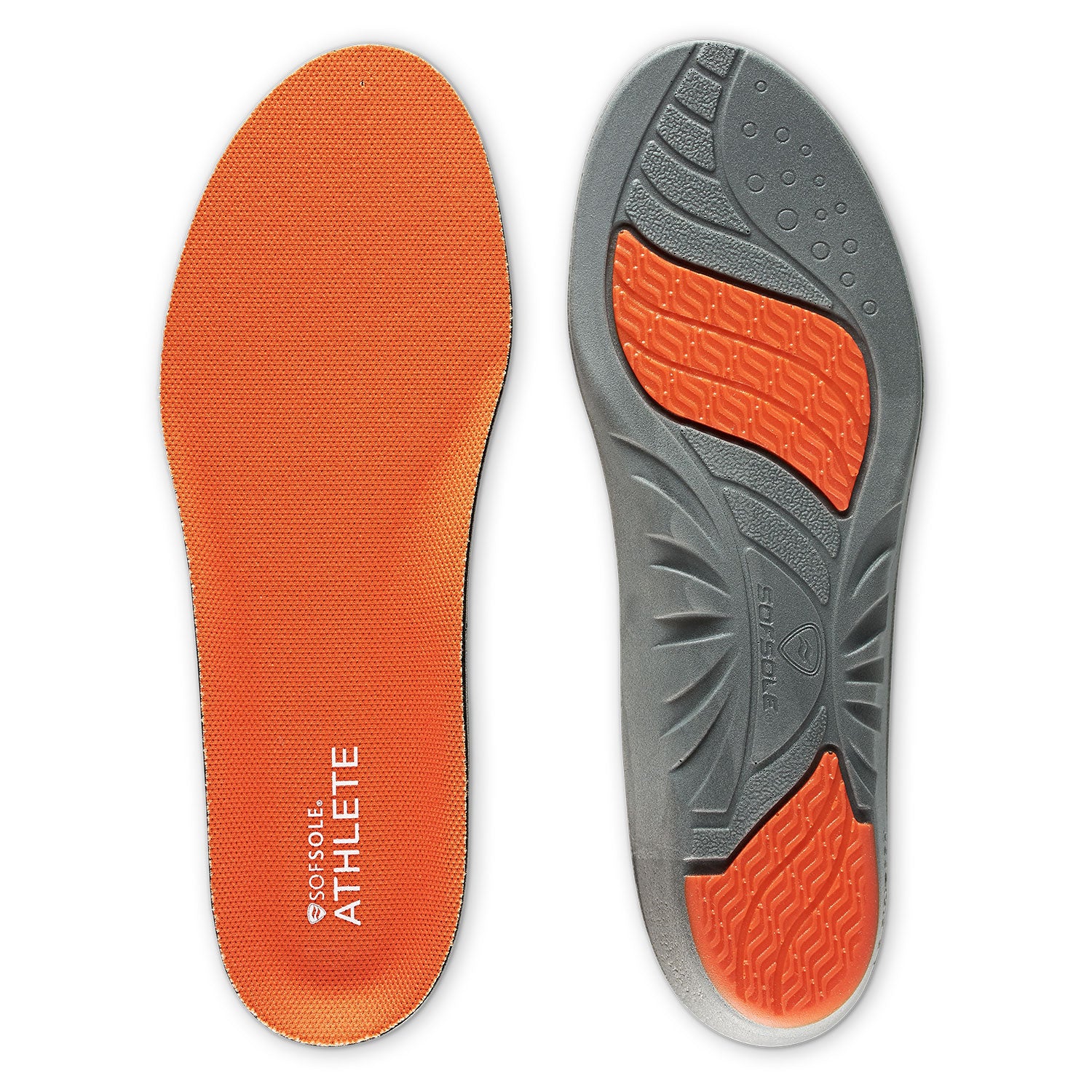
Sof Sole Athlete Performance Insoles
Sof Sole
$20-$45
Why this accessory
Gel forefoot pad absorbs impact at the ball of the foot
Gel heel and forefoot pads absorb impact during high activity
Arch support channel reduces plantar fascia strain during running
Moisture wicking lining keeps feet dry during activity
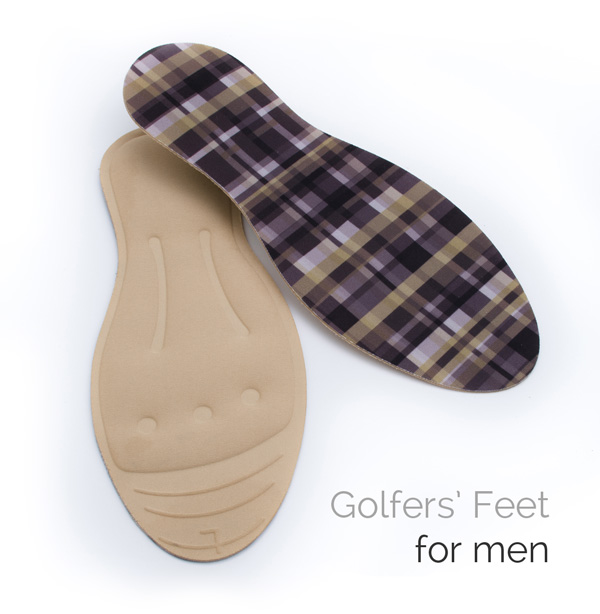
HappyFeet Golfers' Feet Massaging Liquid Insoles
HappyFeet
$45-$55
Why this accessory
Liquid cushioning dynamically offloads forefoot pressure on every step
Medical-grade dynamic fluid technology distributes weight evenly across the entire foot in real time
Food-grade glycerin filling provides a massaging effect with every step for active circulation
Clinically shown to increase blood circulation in the feet by up to 115%
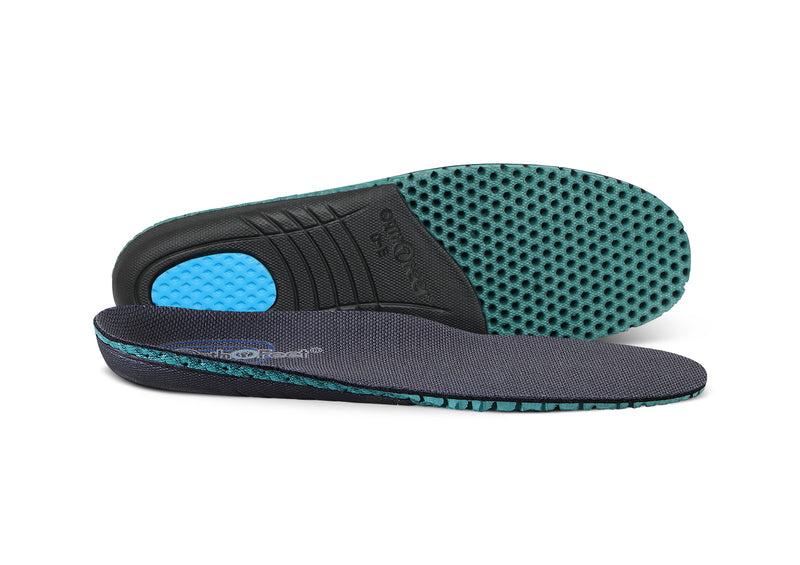
Orthofeet OFG Men's Orthotic Insoles
Orthofeet
$45-$55
Why this accessory
Multi-layer cushioning redistributes ball-of-foot pressure
Anatomical arch support controls overpronation and improves foot and leg alignment from heel to hip and back
Adjustable Arch Booster system allows additional support to be added under the insole for custom-level correction
Contoured heel seat with advanced cushioning foam alleviates plantar fasciitis and heel spur pain
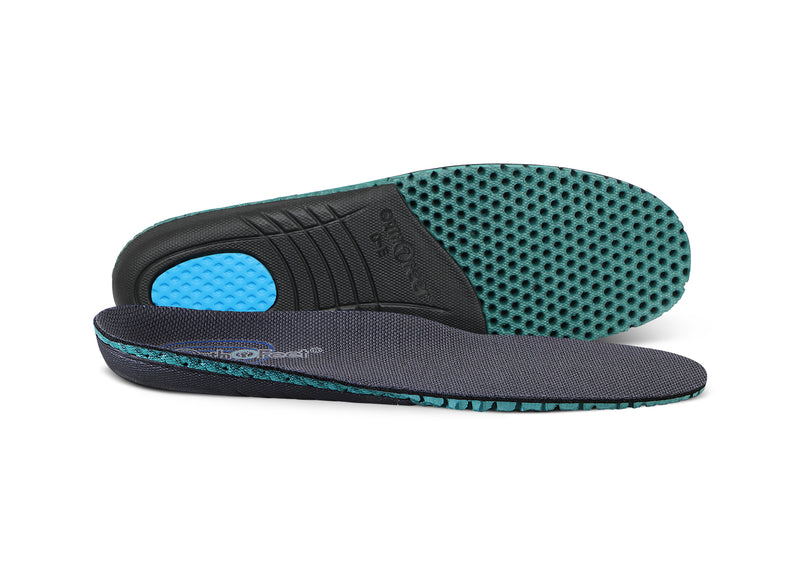
Orthofeet OFG Women's Orthotic Insoles
Orthofeet
$45-$55
Why this accessory
Women's multi-layer cushioning redistributes ball-of-foot pressure
Anatomical arch support controls overpronation and improves foot and leg alignment from heel to hip and back
Adjustable Arch Booster system allows additional support to be added under the insole for custom-level correction
Contoured heel seat with advanced cushioning foam alleviates plantar fasciitis and heel spur pain

Apex A-Wave Orthotic Support Insole Unisex
Apex
$35-$45
Why this accessory
Three-tier support offloads metatarsal head pressure progressively
Three support levels - Flex for high arches, Firm for all arch types, X-Firm for low to medium arches
Proprietary blend of thermoplastic resins, performance memory foam, and supportive gels
Supports the arch biomechanically so the foot moves in the most efficient and pain-free way possible
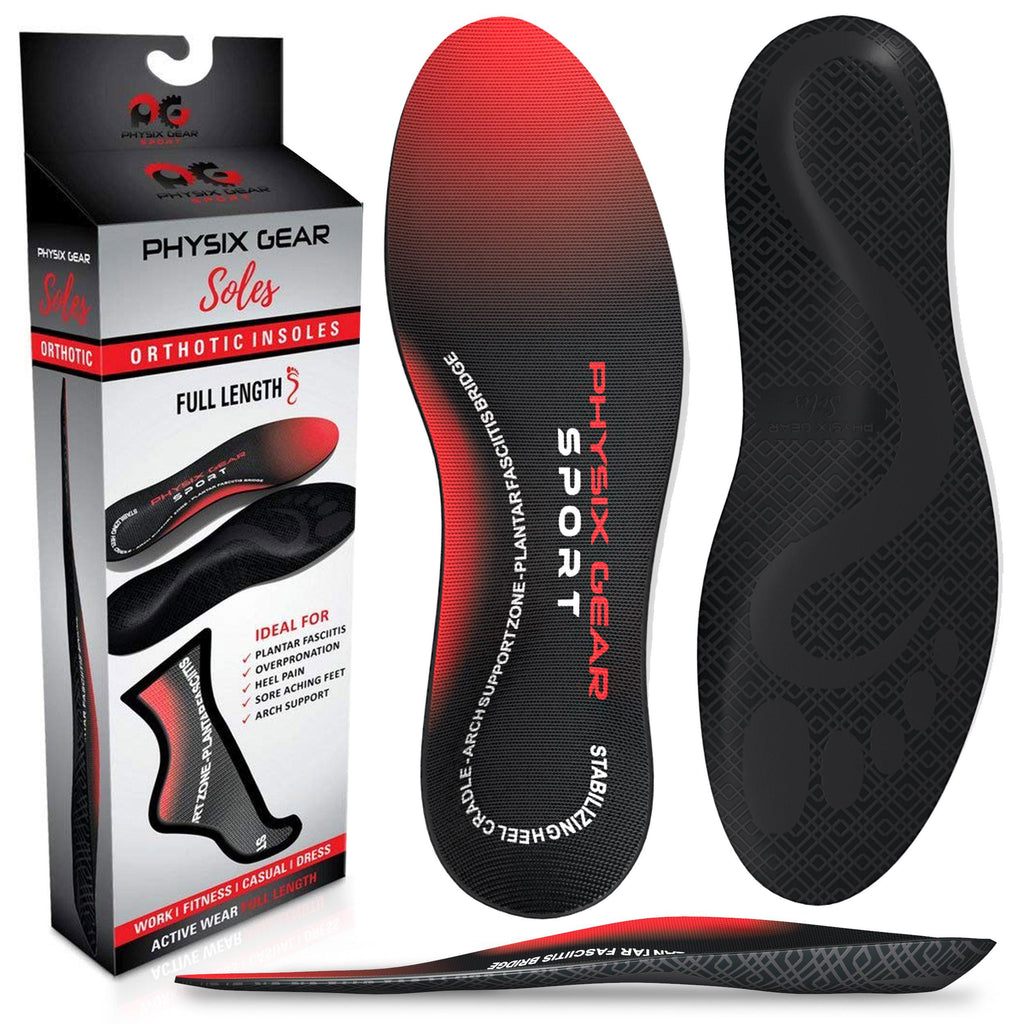
Physix Gear Sport Orthotic Insoles
Physix Gear
$15-$20
Why this accessory
Forefoot cushioning absorbs ball-of-foot impact during activity
Plantar arch support designed to align the foot and reduce strain from heel through hip and back
Non-slip base keeps the insole firmly positioned inside any shoe type throughout the day
Trimmable design fits most shoe sizes without compromising structure or arch support
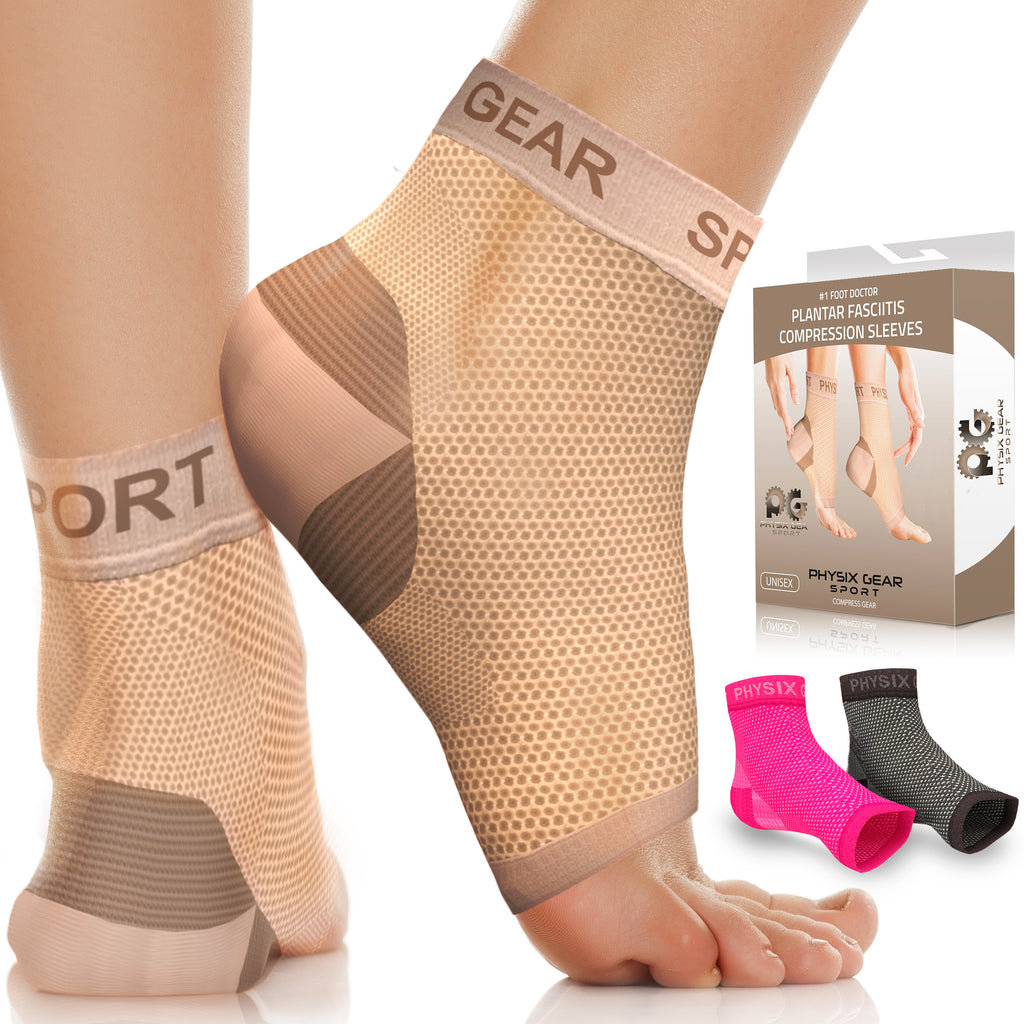
Physix Gear Sport Plantar Fasciitis Socks
Physix Gear
$12-$18
Why this accessory
Forefoot compression reduces metatarsal swelling during activity
Targeted compression zones apply graduated pressure to the plantar fascia and arch for immediate pain relief
Ankle and arch banding stabilizes the foot and reduces morning heel pain on first steps
Moisture-wicking breathable fabric keeps feet dry and comfortable during all-day wear
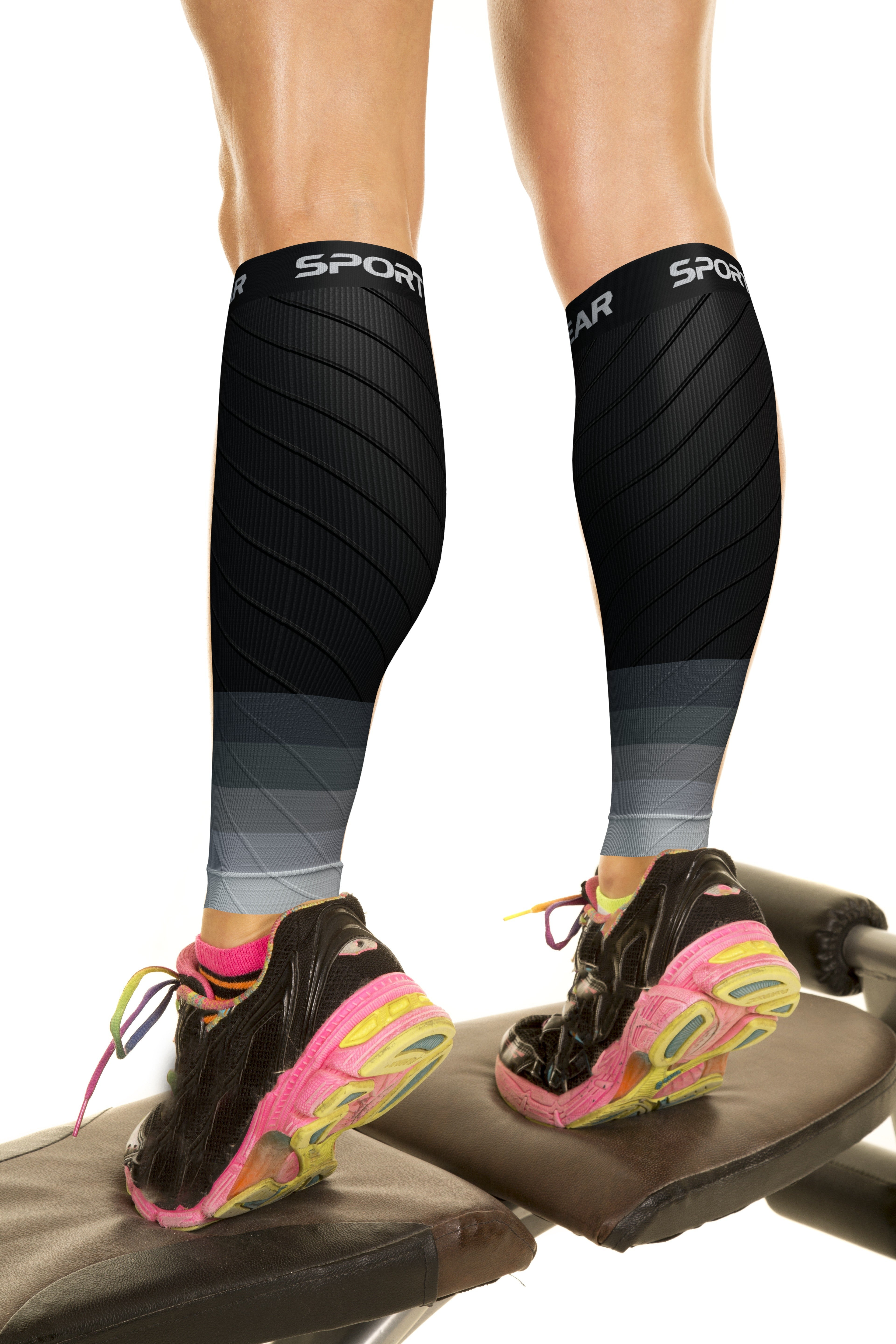
Physix Gear Sport Calf Compression Sleeves
Physix Gear
$12-$15
Why this accessory
Calf compression reduces lower limb swelling that aggravates forefoot pain
Graduated compression from ankle to knee improves circulation and reduces calf muscle fatigue
Open-toe and open-heel design fits any shoe and allows the sleeve to be worn day or night
Moisture-wicking breathable knit prevents overheating and skin irritation during extended wear
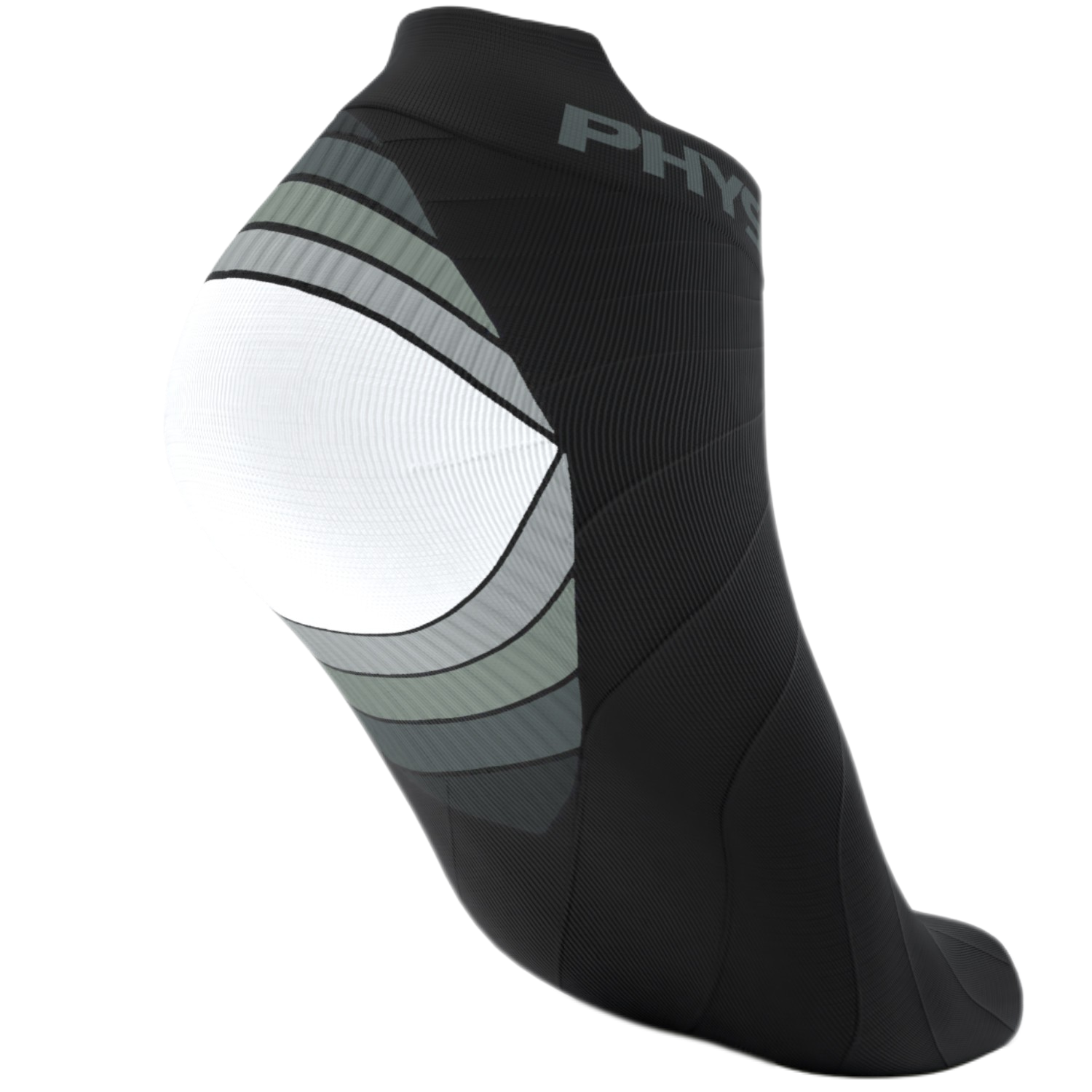
Physix Gear Sport Low Cut Compression Socks
Physix Gear
$11-$14
Why this accessory
Low-cut arch compression reduces forefoot impact in everyday footwear
Low-cut ankle design provides arch and heel compression while remaining hidden in any shoe
Graduated compression improves blood flow and reduces foot swelling during prolonged activity
Anti-blister reinforced toe and heel zones protect high-friction areas during running and walking
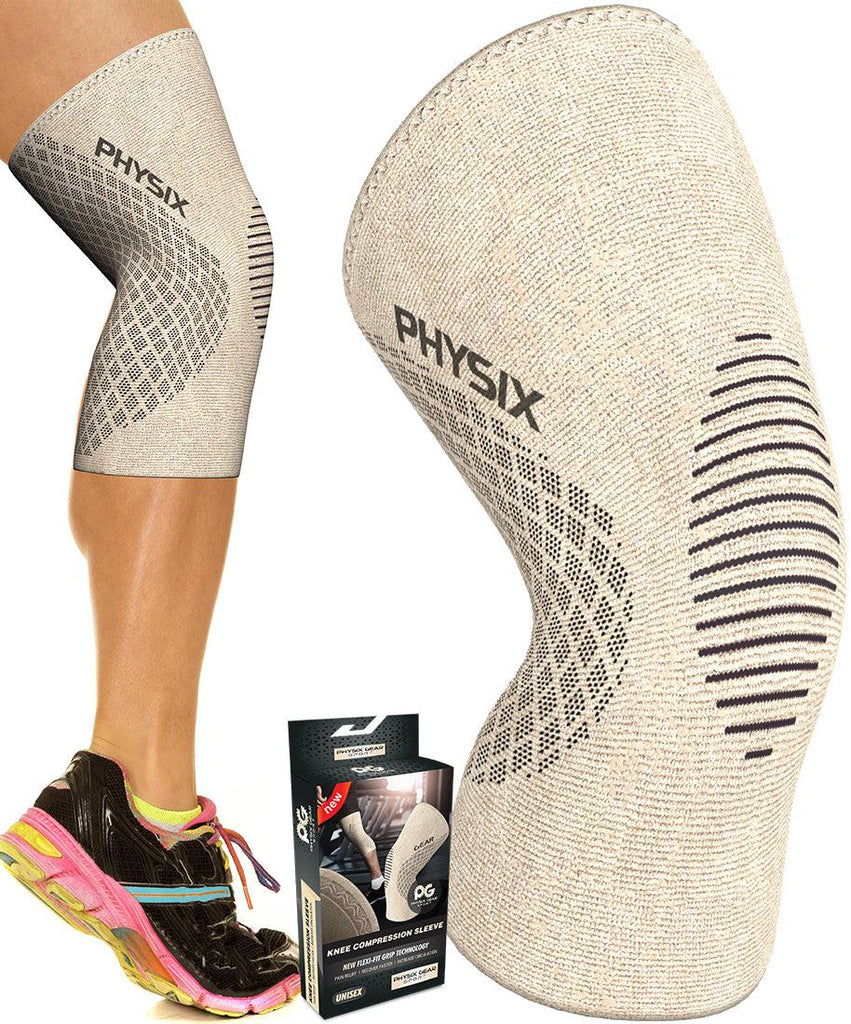
Physix Gear Sport Knee Sleeves
Physix Gear
$15-$20
Why this accessory
Knee compression reduces lower limb load that transfers to the forefoot
Non-slip grip gel lining keeps the sleeve firmly in place during movement without rolling or bunching
4-way stretch knitting conforms to the knee for a secure fit across all activity levels
Targeted compression reduces swelling and soreness while promoting muscle and joint recovery
What Is Happening in Your Foot
Metatarsalgia is a descriptive term for pain and inflammation at the ball of the foot - specifically at the heads of the metatarsal bones, which are the five long bones running from the midfoot to the base of the toes. It is not a single diagnosis but rather a symptom complex with multiple potential causes including repetitive impact, excess body weight, foot structure abnormalities, and poorly fitted footwear. The metatarsal heads bear the full weight of the body during the push-off phase of every step, making them vulnerable to cumulative stress when load distribution is uneven or footwear cushioning is inadequate.
Biomechanics
During the push-off phase of walking and running, body weight transfers forward onto the metatarsal heads and toes as the heel lifts. In a biomechanically normal foot, this load is distributed relatively evenly across all five metatarsal heads. When load distribution is disrupted - by high arches that concentrate pressure on the central metatarsals, by a longer second metatarsal, by tight calf muscles that increase forefoot loading, or by inadequate footwear cushioning - specific metatarsal heads bear disproportionate load and become inflamed. Shoes with forefoot cushioning and a slight rocker profile reduce both the peak load on the metatarsal heads and the range of metatarsophalangeal joint motion required at push-off, addressing the mechanical driver directly.
Why Symptoms Behave the Way They Do
Metatarsalgia pain does not follow a consistent morning pattern. It typically worsens progressively with activity - accumulating across a day of walking or standing - and is often at its peak in the late afternoon or evening after sustained forefoot loading. Morning stiffness may occur if the inflammation is significant, but the characteristic pattern is activity-dependent worsening rather than rest-induced stiffness.
What Makes It Worse
Running or high-impact activity in shoes with inadequate forefoot cushioning
Prolonged standing on hard floors, particularly in thin-soled footwear
High heels that shift body weight entirely onto the forefoot for the full stance phase
High-arched feet that concentrate plantar pressure on the central metatarsal heads
Obesity, which increases the load transmitted through the metatarsal heads with every step
Tight calf muscles and limited ankle dorsiflexion, which increase forefoot loading during push-off
What Helps
Maximum forefoot cushioning shoes that attenuate metatarsal head impact forces
Metatarsal pads positioned just behind the metatarsal heads to redistribute plantar pressure proximally
Rocker sole footwear that reduces the range of metatarsophalangeal joint motion required during push-off
Rest from high-impact activity to allow acute inflammation to subside
Calf stretching and ankle dorsiflexion work to reduce the forefoot loading that tight calves create
Weight management to reduce the compressive load through the metatarsal heads with every step
Common Misconceptions
Myth: Metatarsalgia and Morton's neuroma are the same condition.
They share a location - the ball of the foot - but are distinct conditions. Metatarsalgia is inflammation of the metatarsal head bones and surrounding tissue from mechanical overload. Morton's neuroma is thickening of the fibrous sheath around an interdigital nerve from lateral compression. Both benefit from wide toe box footwear and forefoot cushioning, but their precise mechanisms differ and their treatments are not identical.
Myth: Metatarsalgia only affects runners.
While runners are a high-risk group due to the repetitive forefoot impact of running, metatarsalgia is equally common in people who stand for long hours on hard floors, people with high arches regardless of activity level, and older adults whose forefoot fat pads have thinned with age. The condition is not exclusively athletic.
Myth: Custom orthotics are the only effective treatment for metatarsalgia.
Custom orthotics with metatarsal support are effective for chronic or structurally-driven metatarsalgia, but simpler interventions resolve many cases. Over-the-counter metatarsal pads, forefoot-cushioned shoes, and activity modification resolve metatarsalgia symptoms in a significant proportion of patients without the cost or timeline of custom orthotic fabrication. Custom orthotics are most appropriate when simple measures have failed or when significant structural abnormalities are driving the condition.
Sources: Foot and Ankle International, Vol. 29, 2008; Journal of Biomechanics, Vol. 46, 2013; APMA
Metatarsalgia by Occupation
How this condition presents differently depending on how you spend your day.
nurses
Nurses accumulate among the highest forefoot loads of any occupational group due to continuous hard-floor walking across 12-hour shifts.
Healthcare workers average 10,000 or more steps per shift on hospital floors with minimal cushioning underfoot. Metatarsalgia is one of the most common foot complaints in nursing, alongside plantar fasciitis. Slip-resistant work shoes frequently sacrifice forefoot cushioning for grip, and nurses often prioritize shoe durability over cushioning when making footwear decisions.
Shoe Priority
Slip-resistant shoe with maximum forefoot cushioning and a wide forefoot. A metatarsal pad positioned just behind the metatarsal heads inside the shoe provides meaningful additional relief across long shifts.
teachers
Teachers spend significant portions of the school day on their feet on hard classroom and corridor floors, accumulating forefoot stress that drives metatarsalgia.
School floors are predominantly hard tile or concrete with no cushioning. Teachers move between standing instruction, walking to boards or student desks, and corridor supervision throughout the day without sustained recovery periods. Professional dress requirements in some schools limit footwear choices and may push teachers toward less cushioned options.
Shoe Priority
Professionally appropriate shoe with maximum forefoot cushioning and adequate toe box width. A metatarsal pad is a discreet addition to any professional shoe that meaningfully reduces metatarsal head loading throughout the school day.
standing workers
Retail, warehouse, and restaurant workers who stand on hard floors for full shifts are among the highest-risk groups for metatarsalgia.
Workers who stand in one position for extended periods create sustained static metatarsal head loading - which is more fatiguing and potentially more damaging than the rhythmic loading of walking. Work footwear in these environments is frequently chosen for safety compliance or price rather than forefoot cushioning quality.
Shoe Priority
Work shoe with maximum forefoot cushioning, wide toe box, and a slight rocker profile if available. Anti-fatigue mats at standing workstations reduce forefoot load during static standing but do not eliminate the need for cushioned footwear.
runners
Runners with metatarsalgia face a particular challenge because running multiplies the forefoot forces that drive metatarsal head inflammation.
Forefoot loading during running reaches three to four times body weight at the metatarsal heads. Runners with high arches, a long second metatarsal, or tight calf muscles are structurally predisposed to metatarsalgia. Transitioning to forefoot or midfoot strike patterns without adequate footwear cushioning is a well-documented trigger for metatarsalgia onset.
Shoe Priority
Maximum forefoot cushioning running shoe with a wide toe box. A metatarsal pad in the running shoe positions load proximal to the metatarsal heads during footstrike. Rocker sole running shoes reduce metatarsophalangeal joint extension demands during push-off.
seniors
Metatarsalgia becomes increasingly common with age as the forefoot fat pad thins and natural forefoot cushioning is lost.
The plantar fat pad at the forefoot thins progressively from middle age onward, reducing the foot's natural shock absorption at the metatarsal heads. Older adults lose this natural cushioning precisely when their activity tolerance decreases their ability to rest and recover. Many seniors wear flat or unsupportive footwear at home, compounding forefoot impact.
Shoe Priority
Maximum forefoot cushioning with a wide toe box and a rocker sole profile where available. Footwear with a removable insole allows a metatarsal pad to be added without sacrificing interior depth.
Frequently Asked Questions
Local Foot Health
Metatarsalgia by City
Environmental factors, terrain, and climate affect how common this condition is across different cities. Find local podiatrist resources near you.
Related Guides and Resources
Walk Into Your Appointment With Answers
Before Your Next Appointment
Take Your Results to Your Podiatrist
Answer a few quick questions. Takes under 2 minutes. Get personalized shoe recommendations.
Not Sure Which Shoe Is Right?
Take our guided quiz and get a personalized recommendation based on your specific foot condition and lifestyle.
Start the Quiz