Best Shoes for Arthritis
Not all arthritis is the same - and neither are the footwear requirements. Osteoarthritis, rheumatoid arthritis, gout, and hallux rigidus each have distinct evidence-based footwear priorities that generic shoe guides miss entirely.
Every recommendation on this page is sourced to APMA guidelines and peer-reviewed podiatric research. If you are managing arthritis in your feet, the right footwear is one of the most clinically meaningful interventions available without surgery.
Arthritis Type Determines Footwear Priority
Research identifies distinct footwear requirements for each type. Knowing which applies to you is the starting point.
ICD-10: M19.07
Foot Osteoarthritis
Degenerative cartilage loss in the foot joints, most commonly the first metatarsophalangeal joint (hallux rigidus), midfoot, and ankle. Causes deep aching pain with morning stiffness that eases after 15 to 30 minutes of movement.
Primary footwear feature: Rocker sole
Eliminates joint flexion demands during push-off, reducing pain at the arthritic joint surface. Research shows up to 85 percent of grade 1 to 2 hallux rigidus patients achieve adequate pain control with rocker sole shoes alone.
Source: Arthritis Care and Research, Vol. 68, 2016; Journal of Foot and Ankle Research, Vol. 9, 2016
Read the condition pageICD-10: M06.9
Rheumatoid Arthritis
Systemic inflammatory arthritis that disproportionately affects the forefoot, particularly the metatarsophalangeal joints. Causes joint swelling, deformity, and forefoot widening that changes week to week with disease activity.
Primary footwear feature: Wide toe box and cushioning
A wide toe box accommodates forefoot swelling and deformity. Maximum cushioning reduces metatarsal head pressure. Research identifies these two features as the primary footwear priorities for rheumatoid arthritis.
Source: Foot (Edinb), Vol. 17, 2007; Arthritis Care and Research, Vol. 65, 2013
Read the condition pageICD-10: M10.9
Gout
Inflammatory arthritis from uric acid crystal deposits, most commonly in the first metatarsophalangeal joint. Produces sudden, intensely painful flares with extreme joint tenderness, warmth, and swelling.
Primary footwear feature: Soft upper and cushioning
During a gout flare, the first MTP joint is so acutely inflamed that even minimal pressure from a shoe upper causes intense pain. A soft, roomy upper combined with maximum cushioning is the only footwear tolerable at moderate flare intensity.
Source: American College of Rheumatology Gout Management Guidelines, 2020; Arthritis Care and Research
Read the condition pageICD-10: M20.2
Hallux Rigidus
Progressive stiffening of the first metatarsophalangeal joint from osteoarthritis, causing pain and limited range of motion during push-off. Often called stiff big toe. The most common arthritic condition of the foot.
Primary footwear feature: Rigid rocker sole
A stiff rocker sole prevents the shoe from flexing at the first MTP joint during toe-off. The rocker geometry rolls through push-off on the curved outsole without requiring any toe dorsiflexion at the arthritic joint. This is the most evidence-supported non-surgical intervention for hallux rigidus.
Source: Arthritis Care Res (Hoboken), 2016; BMC Musculoskelet Disord, 2017; APMA
Read the condition pageWhat Arthritic Feet Need in a Shoe
Features shared across all arthritis types - apply these universally, then add type-specific requirements above.
Maximum cushioning
Arthritic joints have lost cartilage - their natural cushioning. A thick, compliant midsole compensates for this lost joint cushioning by absorbing ground reaction forces before they reach damaged joint surfaces.
Rocker sole geometry
Rocker soles roll the foot through the gait cycle without requiring joint flexion at arthritic joints. Research supports rocker soles as the most effective non-surgical footwear intervention for first MTP joint osteoarthritis.
Wide toe box
Arthritic joints develop bony enlargements and fluctuating swelling. A wide to extra-wide toe box accommodates these changes without applying compressive force to inflamed joint margins.
Removable insole
Custom orthotics for arthritic feet can redistribute joint loading with precision that off-the-shelf footwear cannot achieve. Shoes with removable insoles and adequate interior depth are essential for orthotic use.
Soft, flexible upper
A soft upper that does not press against bony prominences or inflamed joint margins is critical. Stiff leather or synthetic uppers create pressure points against arthritic joints that worsen pain.
Stability and wide base
Arthritic joints reduce proprioception and alter gait mechanics. A stable shoe with a wide platform base maintains consistent joint alignment and reduces the torsional forces that accelerate cartilage wear.
Best Shoes for Arthritic Feet
Maximum cushioning, rocker geometry, and wide toe boxes - selected for arthritic foot management across all types.
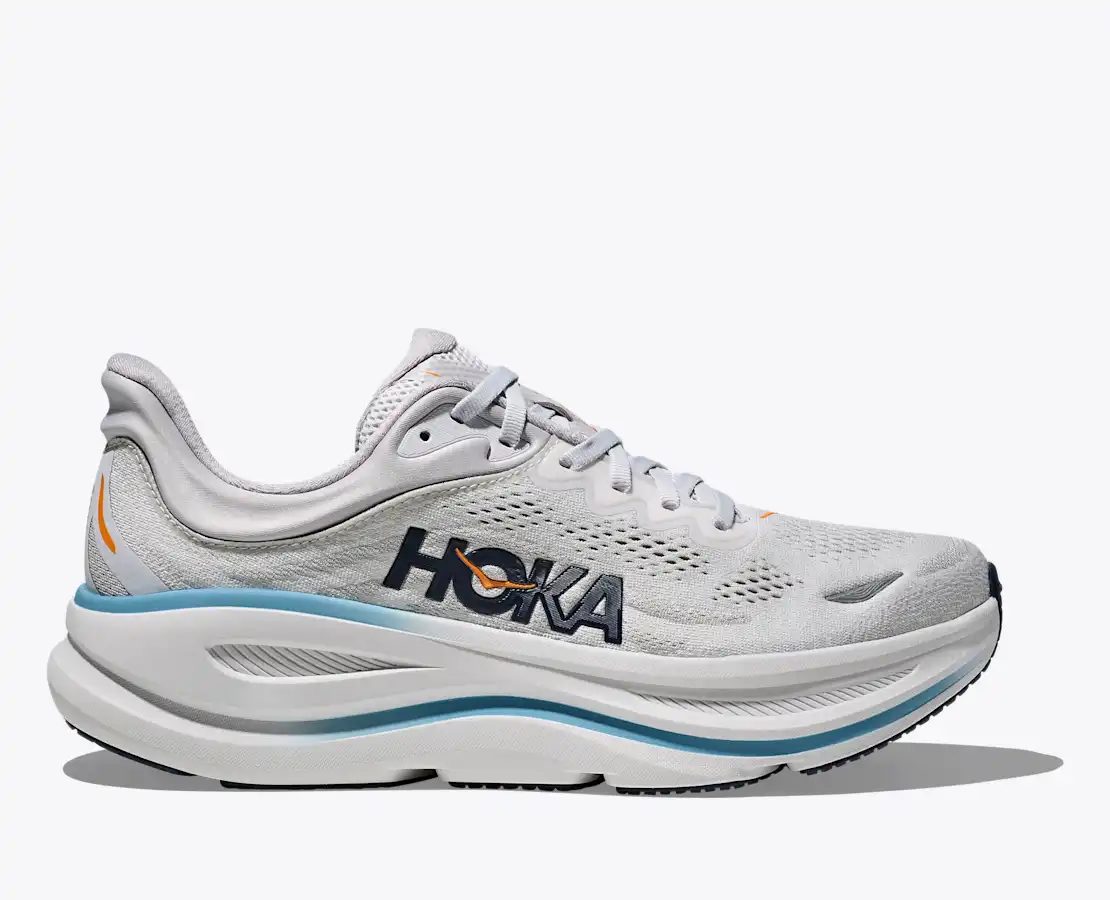
HOKA Bondi 9
hoka
$165-$180
Why for arthritis
Maximum cushioning absorbs joint impact forces before they reach arthritic joint surfaces. The meta-rocker geometry reduces first MTP joint flexion demands during push-off - the most effective non-surgical intervention for hallux rigidus. APMA accepted.
Supercritical EVA foam for maximum plush cushioning
Meta-Rocker geometry reduces plantar fascia stress
APMA Seal of Acceptance pid=9031 - podiatrist top recommendation for heel pain - verified directly from APMA Seal Database May 2026

Brooks Glycerin 22
brooks
$160-$175
Why for arthritis
Maximum cushioning with a nitrogen-infused DNA LOFT v3 midsole that does not compress under sustained arthritic foot loading. Accommodates the forefoot swelling that accompanies arthritic flares. Available in wide widths. APMA accepted.
DNA Tuned dual-density midsole for maximum plush cushioning
Premium luxury neutral trainer with highest stack height in Brooks lineup
APMA Seal of Acceptance pid=8887 - ideal for high arches and stress fracture recovery - verified directly from APMA Seal Database May 2026
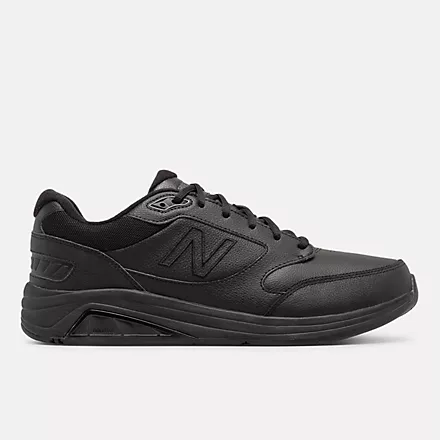
New Balance 928v3 Lace-Up Walking Shoe
new balance
$134-$145
Why for arthritis
Purpose-built walking shoe with motion control support and extra depth for orthotics. Wide platform base accommodates joint swelling. Ideal for midfoot and ankle osteoarthritis where stability is the primary requirement.
ROLLBAR motion control technology and Clinical-Grade Support: The signature ROLLBAR® motion control system minimizes rear-foot movement, keeping your stride aligned and reducing stress on the plantar fascia.
Reduces morning heel pain and keeps you moving comfortably all day, whether you're on your feet for work or walking for fitness.
Maximum Shock Absorption: Engineered with ABZORB® cushioning in the midfoot to absorb harsh impacts, protecting your heels from painful concrete and hard floors.
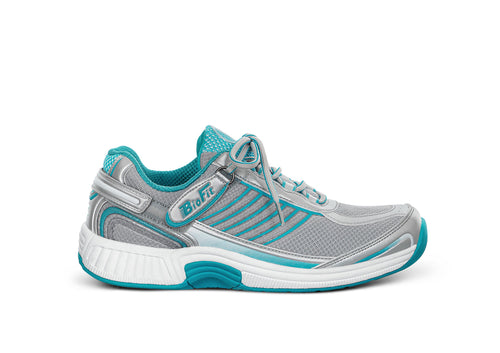
Orthofeet Verve
orthofeet
$130-$155
Why for arthritis
Extra-depth design with ergonomic sole that reduces forefoot pressure - critical for rheumatoid arthritis patients with metatarsal head involvement. Seamless interior eliminates friction against inflamed joint margins. APMA accepted.
Ingenious tie-less closure with openable tabs on either side - laced look with zero tying required
Adjustable heel strap secures custom fit - ideal for women with foot swelling or arthritis
APMA Seal of Acceptance pid=7101 - verified directly from APMA Seal Database May 2026

ASICS GEL-Nimbus 28
asics
$165-$175
Why for arthritis
FF Blast+ Eco foam delivers maximum cushioning across the full foot length. Fluidfit upper adapts to the changing forefoot width of arthritic feet across a day of activity. Wide options available. APMA accepted.
FF Blast Plus cushioning with PureGEL technology for maximum soft landings
25g lighter than previous version - exceptional cushioning without weight penalty
Engineered knit upper wraps foot for comfort and breathability

New Balance 1080v15
new balance
$165-$175
Why for arthritis
Fresh Foam X midsole provides maximum cushioning with a wide, stable base. The roomy toe box accommodates forefoot deformity common in long-standing rheumatoid arthritis and gout. Extra-wide widths available. APMA accepted.
Neutral support, a 6mm drop, and a weight of 261 grams (9.2 oz) for the men's version, per New Balance
Perforated mesh upper that New Balance describes as lightweight and breathable
Ultra Heel design for secure fit
Footwear That Worsens Arthritis
Rigid, thin-soled dress shoes - transmit joint impact directly without attenuation
High heels - shift body weight onto forefoot joints already compromised by arthritis
Narrow toe boxes - compress arthritic forefoot joints and increase pain
Minimalist or barefoot-style shoes - eliminate the cushioning arthritic joints require
Worn-out shoes with degraded midsoles - lost cushioning transfers impact directly to arthritic joints
Shoes without removable insoles - cannot accommodate custom orthotics
Frequently Asked Questions
What shoes are best for arthritis in the feet?
The best shoes for foot arthritis provide maximum cushioning to absorb joint impact, a wide toe box to accommodate joint swelling and deformity, and a rocker sole design that reduces joint motion during walking. HOKA Bondi 9, Brooks Glycerin 22, New Balance 928v3, and Orthofeet models are consistently recommended by podiatrists for arthritic feet.
Do rocker sole shoes really help foot arthritis?
Yes - for hallux rigidus and first MTP joint osteoarthritis specifically. Research published in Arthritis Care and Research found that rocker sole footwear significantly reduces pain and improves function in patients with first MTP joint osteoarthritis. The rocker geometry allows the shoe to roll through push-off without requiring the arthritic joint to flex.
Are custom orthotics better than supportive shoes for arthritis?
Custom orthotics and supportive shoes work best together. Custom orthotics prescribed by a podiatrist redistribute joint loading based on the specific joints affected and your individual pressure distribution. They achieve outcomes that off-the-shelf footwear cannot replicate. Pair them with a maximum-cushion shoe that has a removable insole and adequate interior depth.
Can I wear the same shoes for all types of foot arthritis?
Not ideally. Research identifies distinct footwear priorities by arthritis type. Rheumatoid arthritis needs a wide toe box and cushioning primarily. Hallux rigidus needs a rigid rocker sole. Gout needs a soft upper and maximum cushioning during flares. A podiatrist can identify your specific arthritis type and the footwear features that address it most effectively.
How often should I replace shoes if I have foot arthritis?
Every 6 months or 300 to 500 miles - whichever comes first. Arthritic feet are more sensitive to midsole degradation than healthy feet because they lack natural joint cushioning. A worn-out midsole that a healthy person might tolerate can cause significant pain in arthritic feet. Replace shoes before the midsole shows visible compression.
Condition Pages
More Shoe Guides
MySoleMatch provides shoe recommendations based on podiatric research and clinical guidelines. We are not a medical platform and do not provide medical advice. Arthritis management requires individualized clinical assessment. If you are experiencing foot pain that affects your mobility or daily life, consult a licensed podiatrist or rheumatologist.
Not Sure Which Shoe Is Right?
Our guided quiz matches you to the right shoe based on your specific foot condition, lifestyle, and concerns.