Disclosure: We may earn a small commission if you purchase through links on this page. No additional cost to you, and we only recommend products we trust. This helps us keep MySoleMatch free and ad-free. Thank you for your support!
Flat Feet
Flat feet, which are also called fallen arches or pes planus, affect up to 30% of the population. While many people with flat feet experience no symptoms, others deal with chronic arch pain, foot fatigue, and downstream issues in the ankles, knees, and lower back. Motion control and stability shoes with strong arch support are the foundation of flat foot management.
Signs You May Have Flat Feet
Feet tire easily during standing or walking
Pain in the arch, heel, or ankle
Swelling along the inner ankle
Overpronation causing uneven shoe wear
Knee, hip, or lower back pain from altered gait
Walk Into Your Appointment With Answers
Before Your Next Appointment
Take Your Results to Your Podiatrist
Answer a few quick questions. Takes under 2 minutes. Get personalized shoe recommendations.
Best Shoes for Flat Feet | MySoleMatch
Motion control or stability shoes with firm medial post support are ideal. Look for structured arch support, a wide base, and firm heel counter. Avoid neutral or minimal shoes.

New Balance Fresh Foam X 860v15
$145-$155
Why this shoe
Stability Plane technology controls overpronation - the primary biomechanical issue with flat feet.
Fresh Foam X midsole with Stability Plane technology
Engineered mesh upper for breathability
Described by New Balance as a stability shoe

Brooks Beast GTS 26
$170
Why this shoe
Brooks' highest level of motion control, built specifically for severe overpronation and flat arches, with a wide, stable base for extra-firm guidance through the gait cycle.
First Beast generation built on nitrogen-infused DNA Loft v3 foam, replacing the firmer BioMoGo DNA used in the GTS 24
GuideRails support system reworked with a higher medial flare for runners with moderate to severe overpronation
38mm heel / 28mm forefoot stack with a 12mm drop, positioning it among Brooks' most cushioned stability shoes

Brooks Ariel GTS 26
$170
Why this shoe
Brooks' highest level of motion control, built specifically for severe overpronation and flat arches, with a wide, stable base for extra-firm guidance through the gait cycle.
First Ariel generation built on nitrogen-infused DNA Loft v3 foam, replacing the firmer BioMoGo DNA used in the GTS 24
GuideRails support system reworked with a higher medial flare for runners with moderate to severe overpronation
38mm heel / 28mm forefoot stack with a 12mm drop, positioning it among Brooks' most cushioned stability shoes
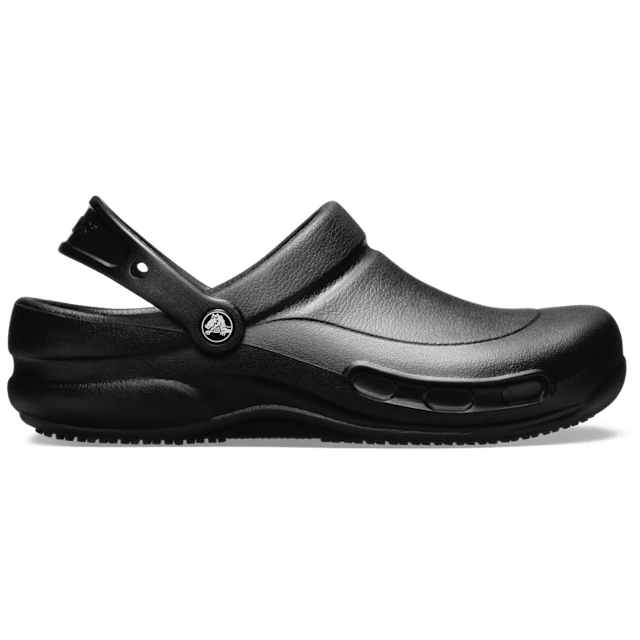
Crocs Bistro
$40-$60
Why this shoe
Contoured, orthotic-style footbed provides built-in arch support without needing a separate insert, useful for flat feet during long standing shifts. Feature-based match, not APMA-verified for this specific style.
Fully molded Croslite material provides lightweight cushioning, durability, and all-day comfort
Crocs Lock tread pattern, ASTM F2913-24 tested and ASTM F3445-24 certified for slip resistance on wet, oily, and greasy surfaces
Contoured, orthotic-style footbed supports the arch through long standing shifts

Brooks Adrenaline GTS 25
$150-$160
Why this shoe
GuideRails technology is the clinical gold standard for flat feet - guides the foot through its natural motion path without forcing it into an unnatural position.
GuideRails holistic support system controls excess movement without overcorrecting
DNA Loft v3 nitrogen-infused cushioning for lightweight plush comfort
APMA Seal of Acceptance pid=9201 - PDAC A5500 diabetic shoe certified - verified directly from APMA Seal Database May 2026

ASICS GEL-Kayano 33
$170
Why this shoe
FLUIDSUPPORT is ASICS' most advanced overpronation correction to date - dual-layer cushioning with sculpted geometry provides adaptive guided stability from heel to toe. Replaces 4D Guidance with a less intrusive, more natural feel. APMA accepted.
FLUIDSUPPORT technology replaces 4D Guidance - dual-layer foam geometry guides the foot from heel strike to toe-off without a rigid plastic post
FF Blast Max foam top layer delivers soft cushioning and energetic rebound - a first for the Kayano line
FF Blast Plus foam base layer adds structural stability underfoot - providing a stable platform without intrusive correction
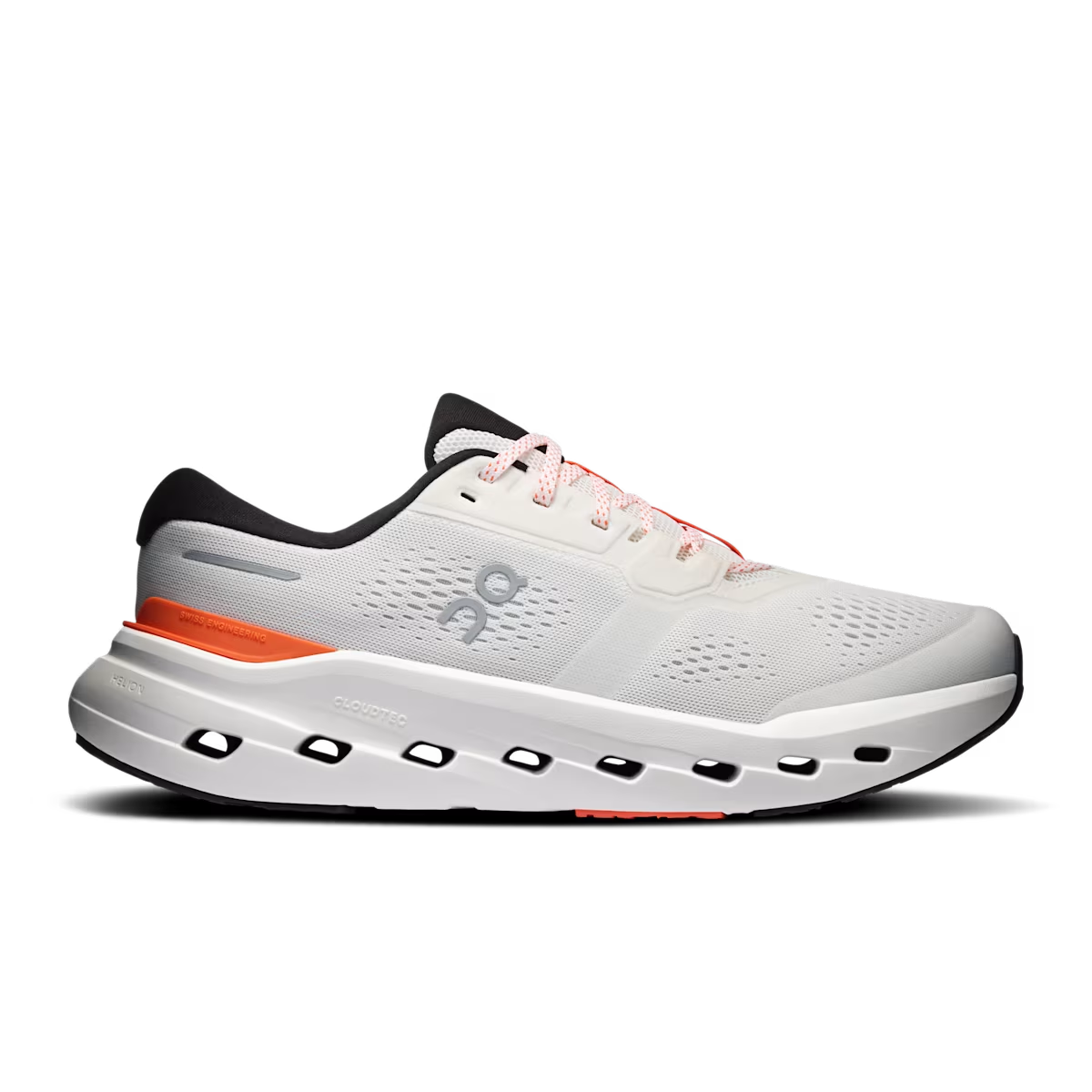
On Cloudrunner 3
$160
Why this shoe
Wider base and asymmetrical heel clip directly resist the inward roll associated with flat feet, comparable in function to Brooks Adrenaline GTS or HOKA Arahi.
Asymmetrical heel clip and taller sidewalls provide mild-to-moderate overpronation support without heavy correction
Helion Superfoam midsole runs firm and stable, prioritizing consistency over plush softness
Decoupled heel design allows more natural foot movement through the stability platform

Brooks Addiction Walker V-Strap 2
$130
Why this shoe
Extended PDRB delivers maximum motion control for severe overpronation, matching the therapeutic-grade support of the laced Addiction Walker 2.
Extended Progressive Diagonal Rollbar (PDRB) provides maximum motion control for significant overpronation
Dual hook-and-loop V-Strap closure eliminates laces entirely for easy on/off, no bending or tying required
Certified PDAC A5500 diabetic shoe, confirmed directly on Brooks' own product page
Saucony Guide 19
$150
Why this shoe
CenterPath guidance system was specifically designed for runners with flat feet, with a wide platform and high sidewalls that keep the foot centered without overcorrecting. PWRRUN foam with medial support targets mild overpronation and flat foot mechanics, and the shoe carries an APMA Seal of Acceptance confirming foot health benefits.
CenterPath technology uses a wide base platform, high sidewalls approximately 8mm tall, and uniform foam density to guide foot positioning without any medial post or dual-density insert. Geometry-based stability that feels invisible underfoot
Softer compression-molded PWRRUN EVA midsole delivers a more cushioned ride than the Guide 18 while maintaining the stable platform runners and walkers with overpronation need
6mm drop confirmed at exactly 6mm in independent RunRepeat lab testing, matching the official Saucony specification precisely. A rare result that validates the spec
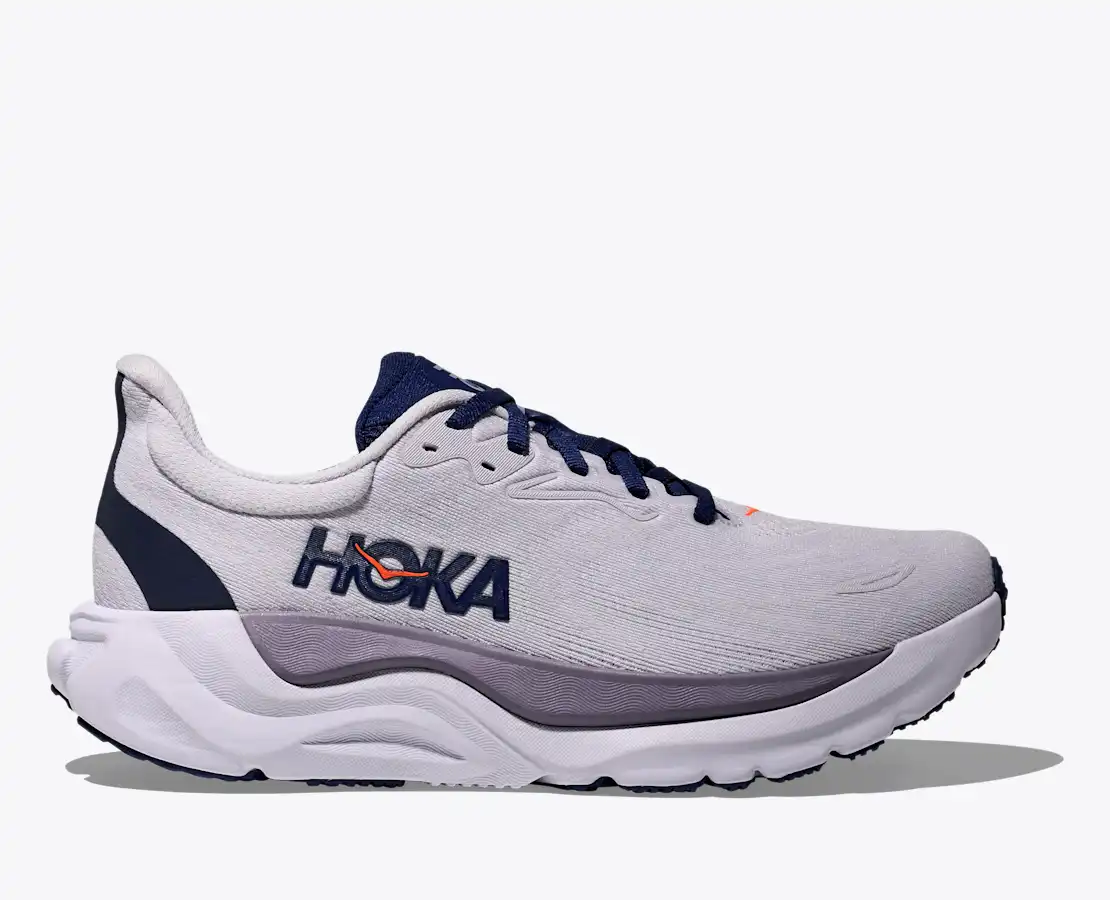
HOKA Arahi 8
$140-$155
Why this shoe
J-Frame technology controls overpronation - the primary biomechanical issue with flat feet - while maintaining HOKA's signature plush cushioning.
H-Frame technology controls overpronation without overcorrecting
Lightweight stability at only 9 oz
Ideal for flat feet and overpronation

New Balance 1540v4
$195-$205
Why this shoe
Maximum motion control with ROLLBAR technology for severe flat feet requiring clinical-grade support.
Extra depth design accommodates custom orthotics
ROLLBAR motion control technology for severe overpronation
ABZORB cushioning for impact absorption

ASICS GEL-Kayano 32
$160-$170
Why this shoe
4D Guidance System provides adaptive stability specifically designed for overpronation - the primary biomechanical issue with flat feet - while maintaining plush cushioning.
4D Guidance System provides adaptive stability for overpronation control
FF Blast Plus foam midsole with higher stack height for balanced cushioning
PureGEL technology in heel for softer landings and shock absorption
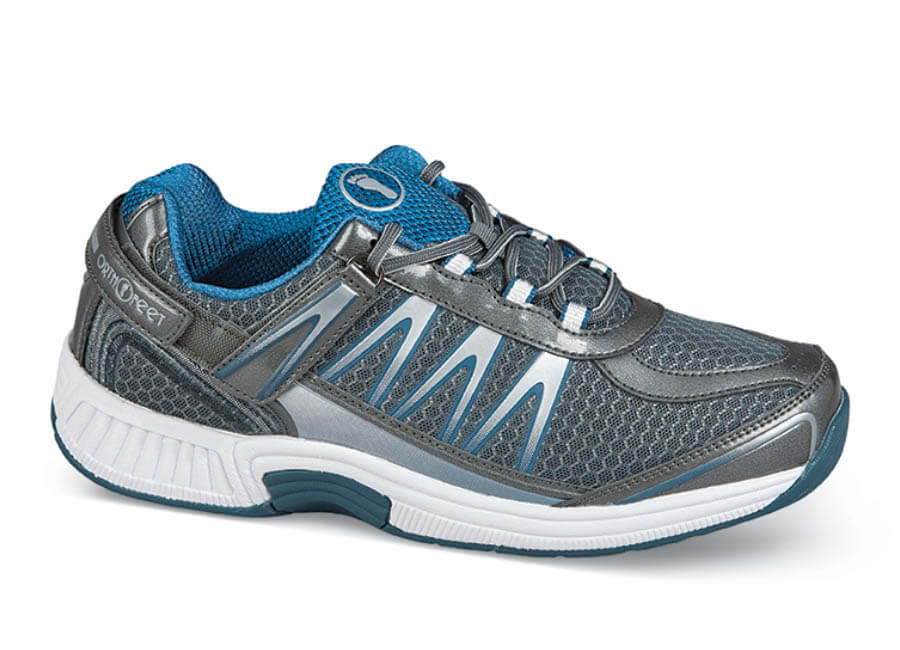
Orthofeet Sprint
$119-$135
Why this shoe
Built-in anatomical arch support compensates for the absent natural arch in flat feet - extra-depth toe box and stability outsole control overpronation during everyday walking.
Athletic sneaker silhouette with full orthopedic engineering underneath
Built-in anatomical arch support and deep heel cup for plantar fasciitis relief
Extra-depth toe box accommodates orthotics and reduces flat feet strain
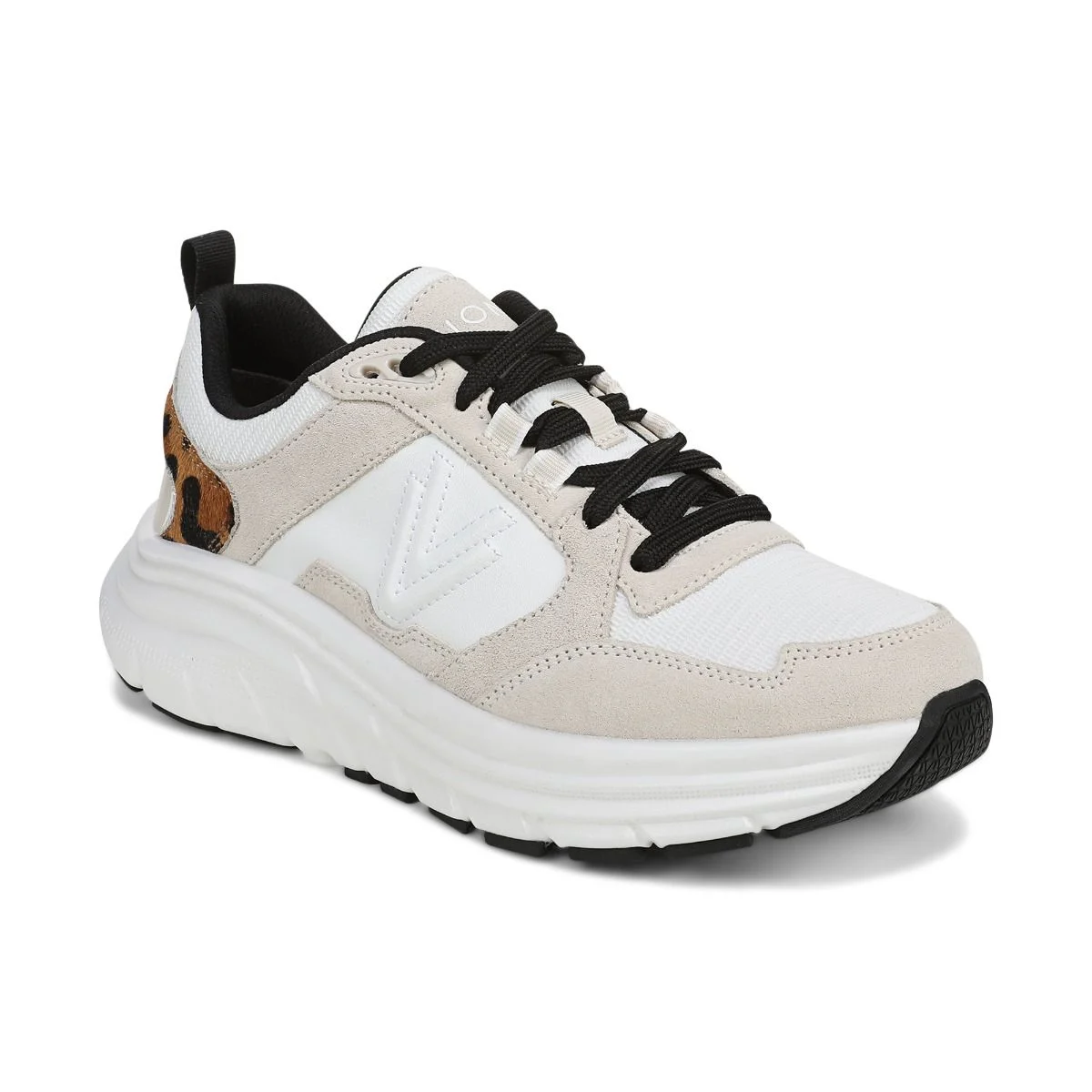
Vionic Walk Max Skyline Sneaker
$130-$150
Why this shoe
VioMotion biomechanical footbed provides podiatrist-designed arch support that directly compensates for flat foot mechanics - dual-density midsole controls the overpronation caused by absent arches.
Vionic's flagship walking sneaker - featured as part of the Vitals collection engineered for walking
VioMotion biomechanical footbed with deep heel cup reduces plantar fascia strain
APMA Seal of Acceptance pid=9100 - Vionic Walk Max Skyline - verified directly from APMA Seal Database May 2026
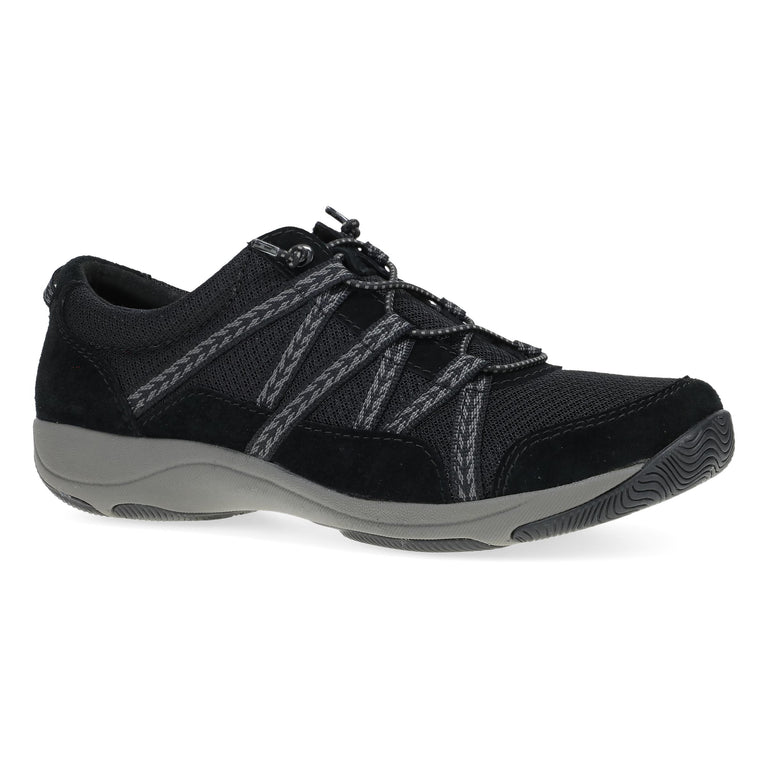
Dansko Harlyn
$120-$140
Why this shoe
Contoured footbed with built-in arch support compensates for absent natural arch - removable footbed accommodates custom orthotics for more severe flat feet cases.
APMA Seal of Acceptance - Dansko verified APMA partner - specific collection PID not confirmed in APMA Seal Database May 2026
More flexible upper than the Henriette with adjustable bungee closure for easy on and off
Removable contoured footbed accommodates custom orthotics

Brooks Addiction Walker 2
$130-$160
Why this shoe
Maximum motion control construction with Extended Progressive Diagonal Rollbar prevents arch collapse and controls overpronation in flat-footed walkers.
Extended Progressive Diagonal Rollbar provides maximum motion control for severe overpronators
Full-grain leather upper offers durability and weather resistance for all-day wear
DNA midsole cushioning adapts to your stride for personalized comfort on hard surfaces

Brooks Addiction GTS 15
$130-$150
Why this shoe
GuideRails technology prevents inward rolling caused by flat arches without overcorrecting - ideal for flat-footed runners and standing workers.
GuideRails holistic support system reduces excess movement and keeps the entire body aligned
BioMoGo DNA full-length midsole adapts to your stride, weight, and speed for personalized cushioning
Roomy toe box accommodates orthotics or feet that need extra volume

Brooks Glycerin GTS 23
$170-$190
Why this shoe
GuideRails technology prevents arch collapse and inward rolling in flat-footed runners and walkers while maximum DNA LOFT v3 cushioning protects joints during extended activity.
Combines Glycerin's premium maximum cushioning with GuideRails stability support
GuideRails technology controls excess movement for overpronators without overcorrecting
Nitrogen-infused DNA LOFT v3 foam delivers plush cushioning with structural integrity

Brooks Ghost 18
$140-$160
Why this shoe
Balanced DNA LOFT v3 cushioning and stable platform provide reliable support for mild flat feet during daily running and walking without overcorrecting gait.
DNA LOFT v3 cushioning delivers a soft, smooth ride for daily running and walking
Flat-knit tongue and two-colored air-mesh upper provide superior breathability and comfort
Balanced cushioning platform works for neutral arches and all foot types
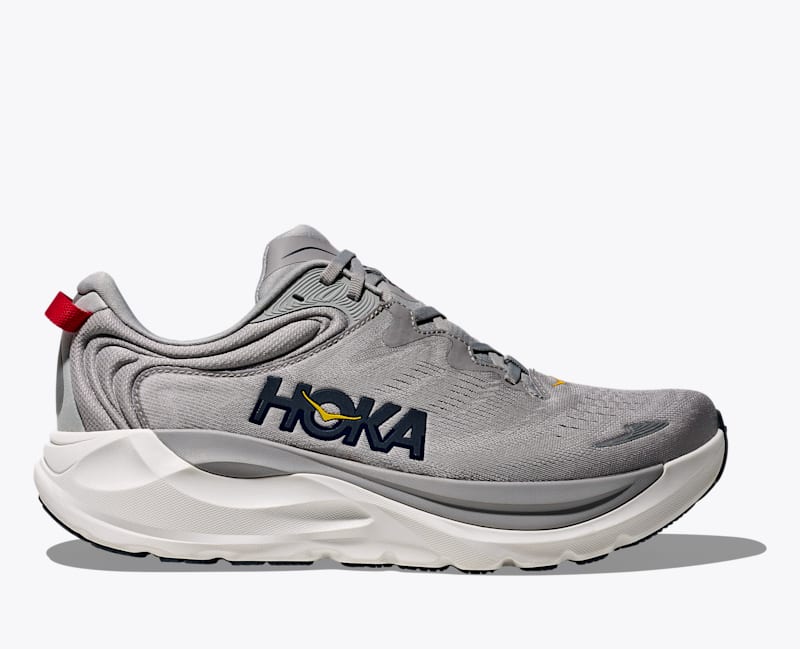
HOKA Gaviota 6
$175-$195
Why this shoe
H-Frame stability base prevents arch collapse and controls severe overpronation in flat-footed runners and walkers with maximum cushioning protection.
H-Frame stability base provides maximum motion control with premium HOKA cushioning
More cushioning than the Arahi 8, ideal for overpronators who need maximum protection
Meta-Rocker geometry reduces forefoot and plantar fascia load during long runs and walks

ASICS GT-4000 4
$130-$150
Why this shoe
Maximum motion control construction with reinforced medial post prevents arch collapse and controls severe overpronation in flat-footed runners requiring the highest support level.
Maximum support construction built for severe overpronators requiring the highest level of motion control
Reinforced medial post and structured midsole prevent arch collapse during high-impact activity
GEL technology cushioning absorbs shock while the stable base controls excessive inward rolling

ASICS GT-1000 14
$80-$100
Why this shoe
Entry-level 3D Guidance System provides reliable support for mild flat feet and casual walkers at an accessible price point.
Entry-level stability at an accessible price point - ideal for mild overpronators and casual walkers
Rearfoot GEL technology cushioning absorbs impact during daily running and walking
3D Guidance System provides reliable support for mild to moderate overpronation
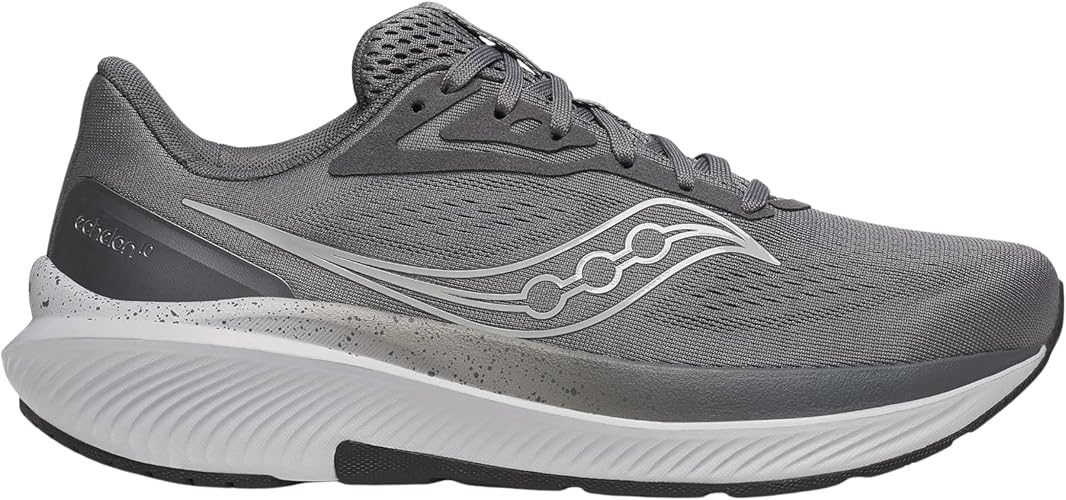
Saucony Echelon 10
$130-$150
Why this shoe
High-volume orthotic-ready last with straighter construction accommodates custom orthotics that correct flat foot mechanics during running and walking.
High-volume fit with straighter last specifically engineered for custom orthotic users
Extra depth and roomy toe box accommodates bunions, hammertoes, and wide feet comfortably
PWRRUN cushioning provides reliable impact protection for orthotic-wearing runners and walkers

Saucony Hurricane 25
$150-$170
Why this shoe
CenterPath technology guides flat-footed runners through their gait cycle using higher sidewalls and broader base rather than rigid posts - maximum cushioning protects joints.
Maximum PWRRUN+ cushioning combined with stability support for overpronating runners
CenterPath technology uses higher sidewalls and broader base instead of rigid plastic posts
Plush max-cushion ride with structural guidance for those who overpronate and need protection

New Balance 990v6
$185-$200
Why this shoe
Updated ENCAP midsole with six-width options provides premium stability and personalized fit for flat-footed runners and walkers requiring consistent arch support.
ENCAP® Structural Support: Built with a durable polyurethane rim that cradles the heel and arch, preventing the over-pronation that actively strains and inflames the plantar fascia ligament.
High-Rebound FuelCell Core: Infused with New Balance's premier performance foam to absorb heavy heel shock and deliver a responsive, bouncy feel that takes the pressure off your feet.
Dual-density foam for lasting comfort and support
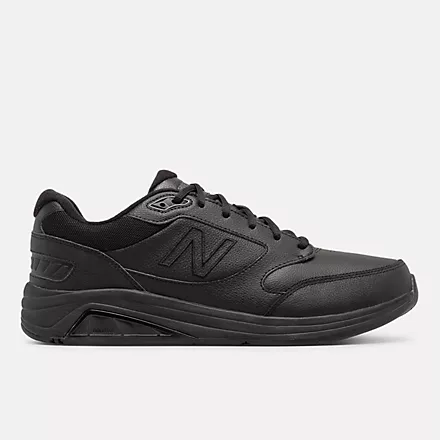
New Balance 928v3 Lace-Up Walking Shoe
$134-$145
Why this shoe
Updated ROLLBAR motion control prevents arch collapse and controls severe overpronation in flat-footed walkers requiring maximum structural support.
ROLLBAR motion control technology and Clinical-Grade Support: The signature ROLLBAR® motion control system minimizes rear-foot movement, keeping your stride aligned and reducing stress on the plantar fascia.
Reduces morning heel pain and keeps you moving comfortably all day, whether you're on your feet for work or walking for fitness.
Maximum Shock Absorption: Engineered with ABZORB® cushioning in the midfoot to absorb harsh impacts, protecting your heels from painful concrete and hard floors.

New Balance Fresh Foam X Vongo v6
$134-$145
Why this shoe
Gradient density foam provides smooth natural stability for flat-footed runners transitioning from neutral to stability without harsh medial posting.
Fresh Foam X midsole with supportive medial zone - stability without a hard post
Contoured footbed for arch support
Engineered mesh upper
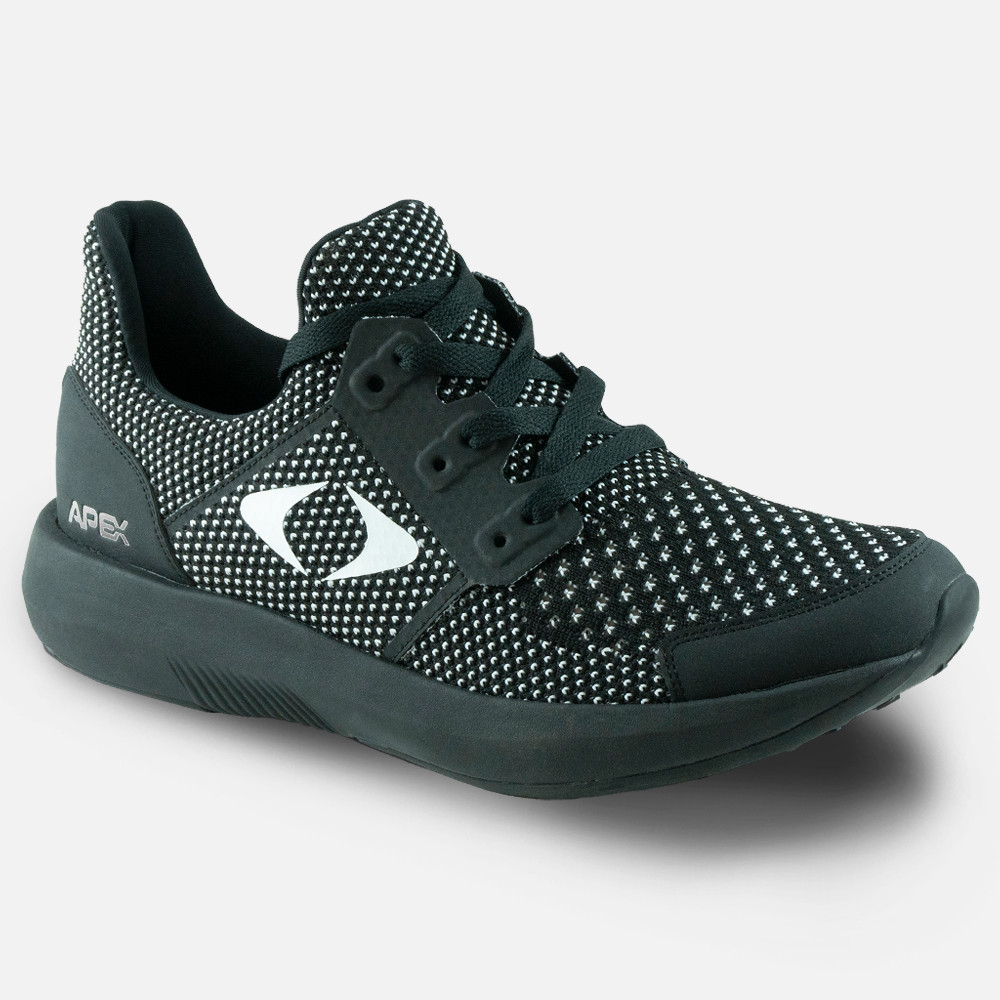
Apex Performance Athletic Sneaker Men's
$115-$165
Why this shoe
Rigid heel counter and multi-density biomechanical EVA footbed provide dedicated motion control for overpronation.
Recommended by thousands of medical professionals for diabetic and orthopedic foot care
Breathable open mesh upper with rigid heel counter for rearfoot stability
Slip-on construction with stretchable upper accommodates swelling and foot deformities
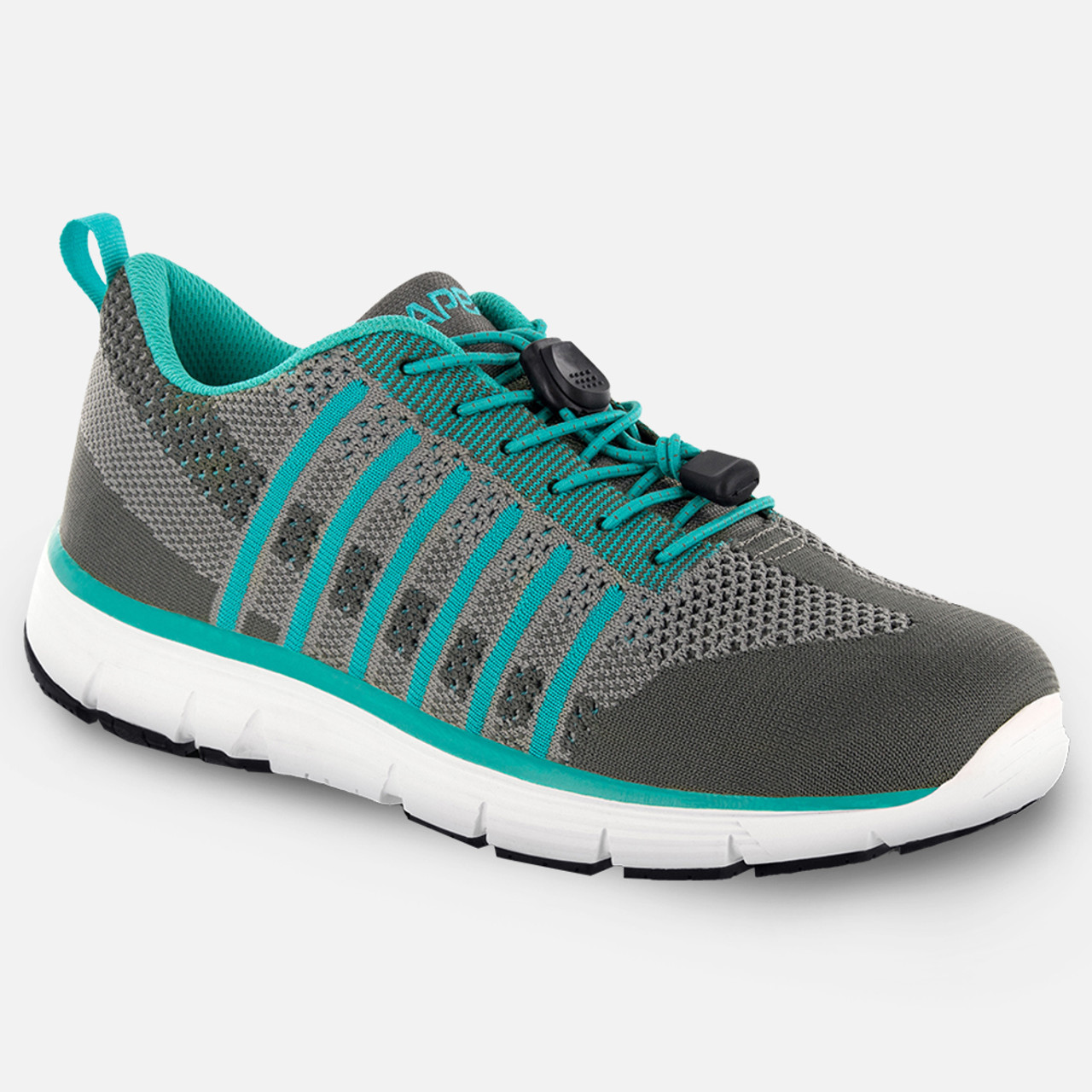
Apex Breeze Women's
$110-$140
Why this shoe
Biomechanical footbed with contoured EVA provides arch support that compensates for a collapsed or absent arch.
Women's diabetic athletic sneaker with breathable open mesh upper for airflow and moisture control
PDAC A5500 diabetic shoe certified - may qualify for Medicare insurance reimbursement
Biomechanical footbed with contoured EVA provides arch support and cushioning
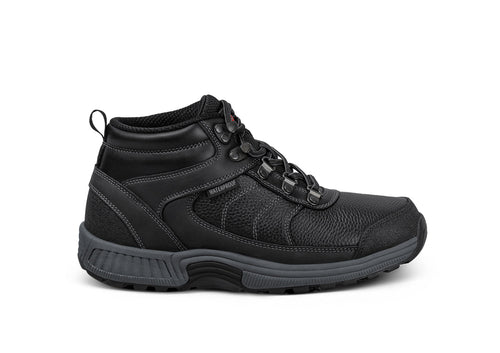
Orthofeet Delta
$125-$145
Why this shoe
Maximum arch support with extra-depth construction corrects flat foot alignment. Rocker sole compensates for collapsed arch during walking.
Extra-depth athletic sneaker with maximum orthopedic support - designed for severe overpronation and diabetic foot conditions
Ortho-Cushion System with anatomical arch support and cushioning heel pads reduce plantar fascia and joint stress
APMA Seal of Acceptance pid=7126 - verified directly from APMA Seal Database May 2026

Apex Stealth Runner Men's
$140-$165
Why this shoe
V-Last design provides motion control and rearfoot stability suited to active patients with flat feet and overpronation.
Active running and walking shoe with full diabetic orthopedic construction
V-Last design provides superior motion control and rearfoot stability for active diabetic patients
PDAC A5500 diabetic shoe certified - may qualify for Medicare insurance reimbursement
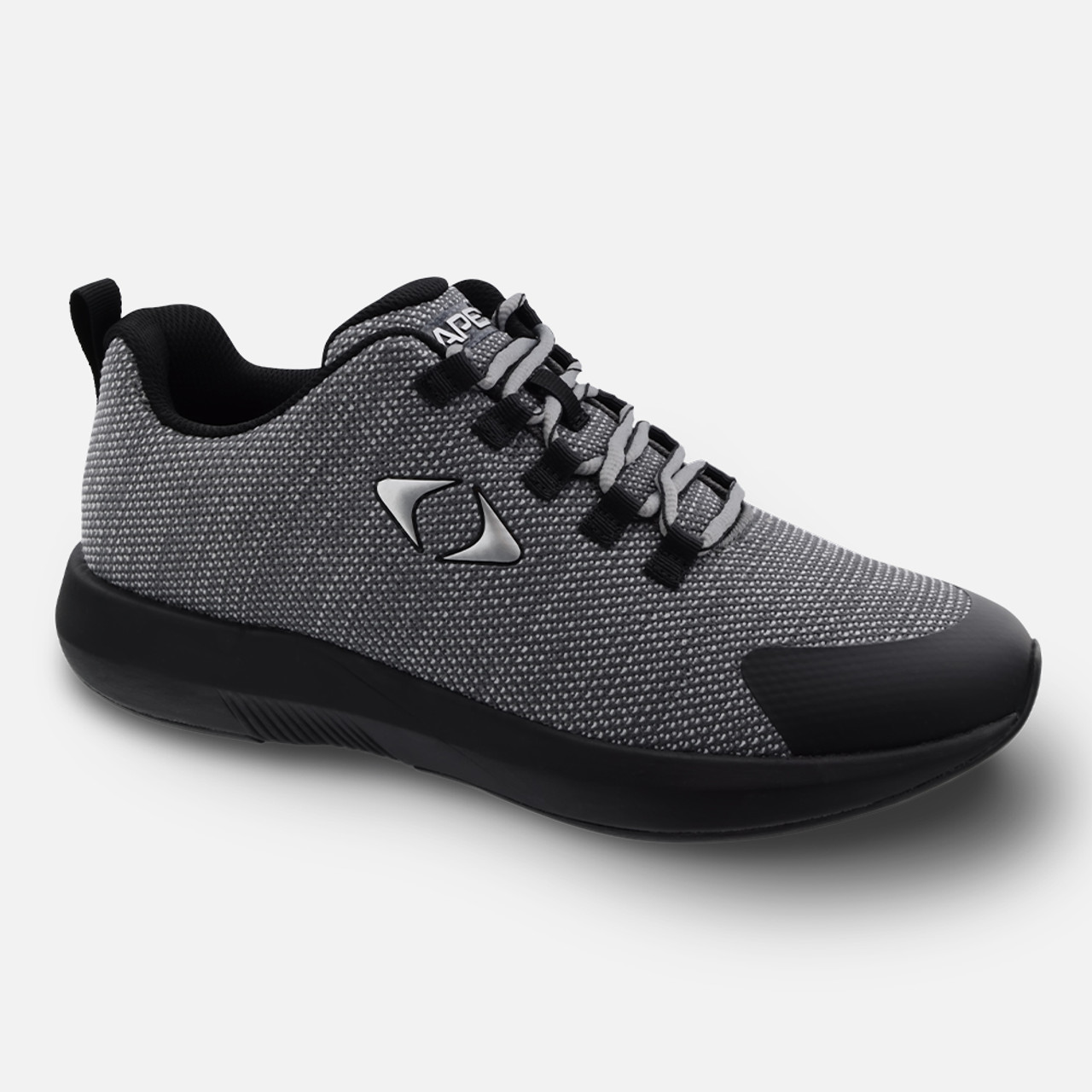
Apex Performance Athletic Sneaker V-Last Men's
$130-$165
Why this shoe
V-Last construction provides superior motion control and rearfoot stability for active patients managing flat feet.
V-Last construction provides superior motion control and rearfoot stability for active diabetic patients
Breathable open mesh upper with rigid heel counter for rearfoot support during daily activity
PDAC A5500 diabetic shoe certified - may qualify for Medicare insurance reimbursement

Skechers Arch Fit
$80-$100
Why this shoe
Semi-rigid heel counter provides rearfoot stability directly targeting the overpronation associated with flat feet. APMA accepted.
Podiatrist-certified Arch Fit insole developed from 120,000 foot scans - the most clinically credible OTC insole Skechers makes
40mm heel stack with 130 SA shock absorption score - comparable to premium running shoes at half the price
Removable insole accommodates custom orthotics for patients requiring prescription support
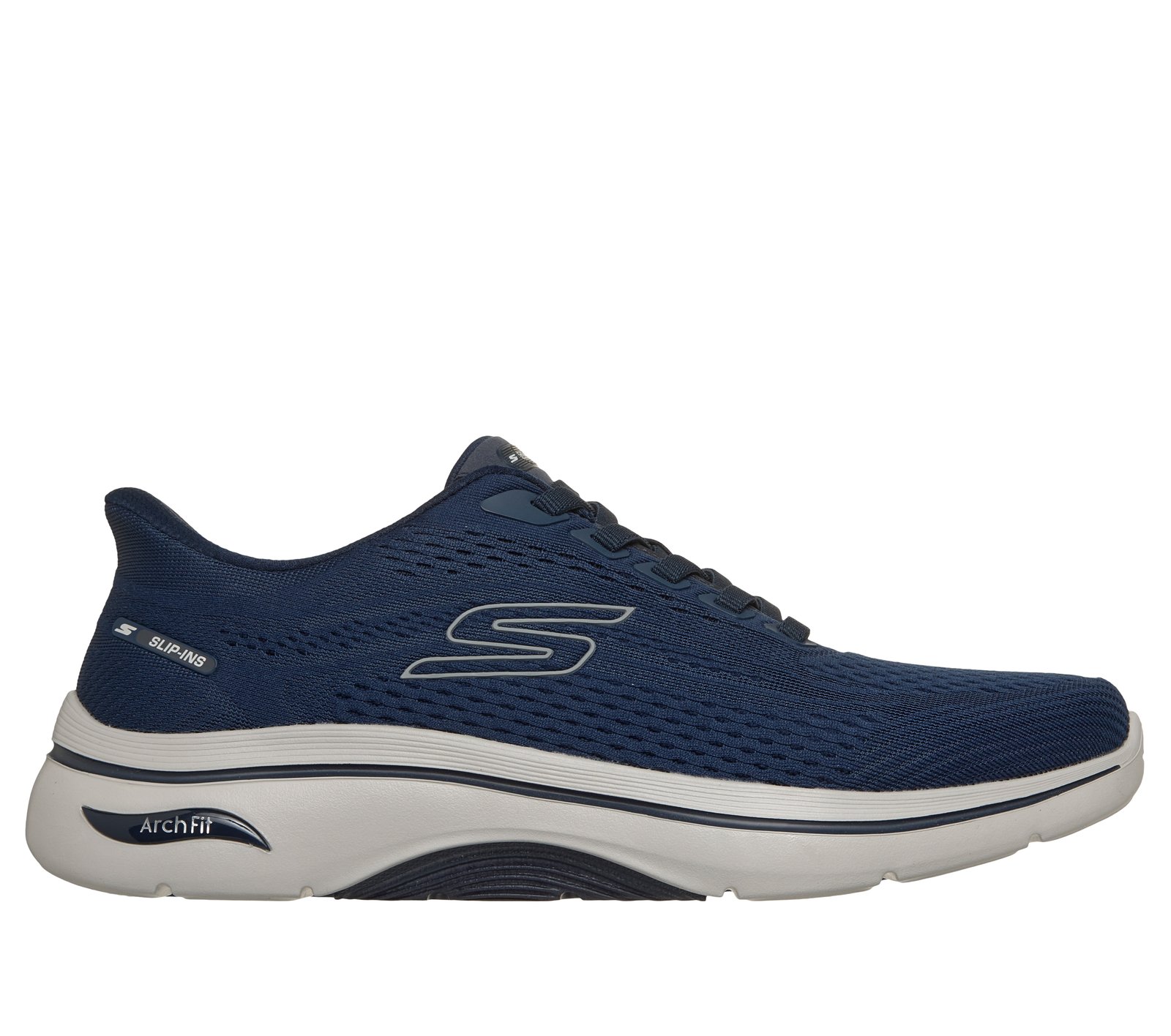
Skechers Arch Fit 2.0
$85-$105
Why this shoe
Firmer 50.1 AC midsole foam provides stability without the soft collapse that worsens overpronation in flat feet. APMA accepted.
Updated Arch Fit 2.0 insole with 134 SA shock absorption - highest rated walking shoe in lab testing at this price point
39.2mm heel stack with firmer 50.1 AC midsole foam - provides stability without the marshmallow feel that worsens overpronation
Lighter than original Arch Fit with improved energy return for all-day wear
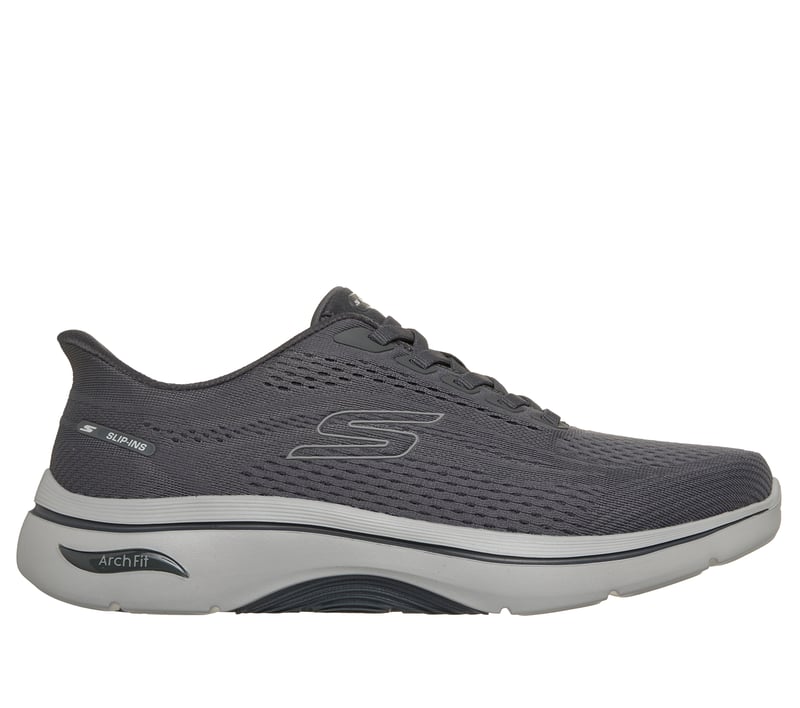
Skechers Go Walk Arch Fit Outdoor
$75-$100
Why this shoe
Stability-oriented construction carries the Arch Fit line's overpronation support onto multi-directional traction outsoles for uneven terrain. APMA accepted.
APMA Seal of Acceptance pid=7936 - Go Walk Arch Fit Outdoor - verified directly from APMA Seal Database May 2026
Multi-directional traction lug outsole grips gravel, grass, and packed trail surfaces without the bulk of a dedicated hiking boot
Podiatrist-certified Arch Fit insole transfers biomechanical support from the Arch Fit walking line to outdoor terrain

Nike Structure 26
$120-$135
Why this shoe
Midfoot support system wraps the arch and heel to control overpronation without a rigid plastic post, explicitly positioned as Nike's answer to Brooks Adrenaline GTS. APMA accepted.
Full-length ReactX foam with midfoot support system wrapping the arch and heel for a firm stable base
APMA Seal of Acceptance pid=9107 - Nike Structure 26 - verified directly from APMA Seal Database May 2026
Reliable midfoot support system controls overpronation without the rigid plastic post of older stability shoes

Nike Structure Plus
$130-$145
Why this shoe
Enhanced midfoot support system with firmer medial posting is engineered for severe flat feet and overpronators who have exhausted standard stability options. APMA accepted.
APMA Seal of Acceptance pid=9280 - Nike Structure Plus - verified directly from APMA Seal Database May 2026
Maximum stability tier above the Structure 26 - engineered for severe overpronators who need more medial support than a standard stability shoe provides
Enhanced midfoot support system with firmer medial posting controls arch collapse during high-impact running and extended standing
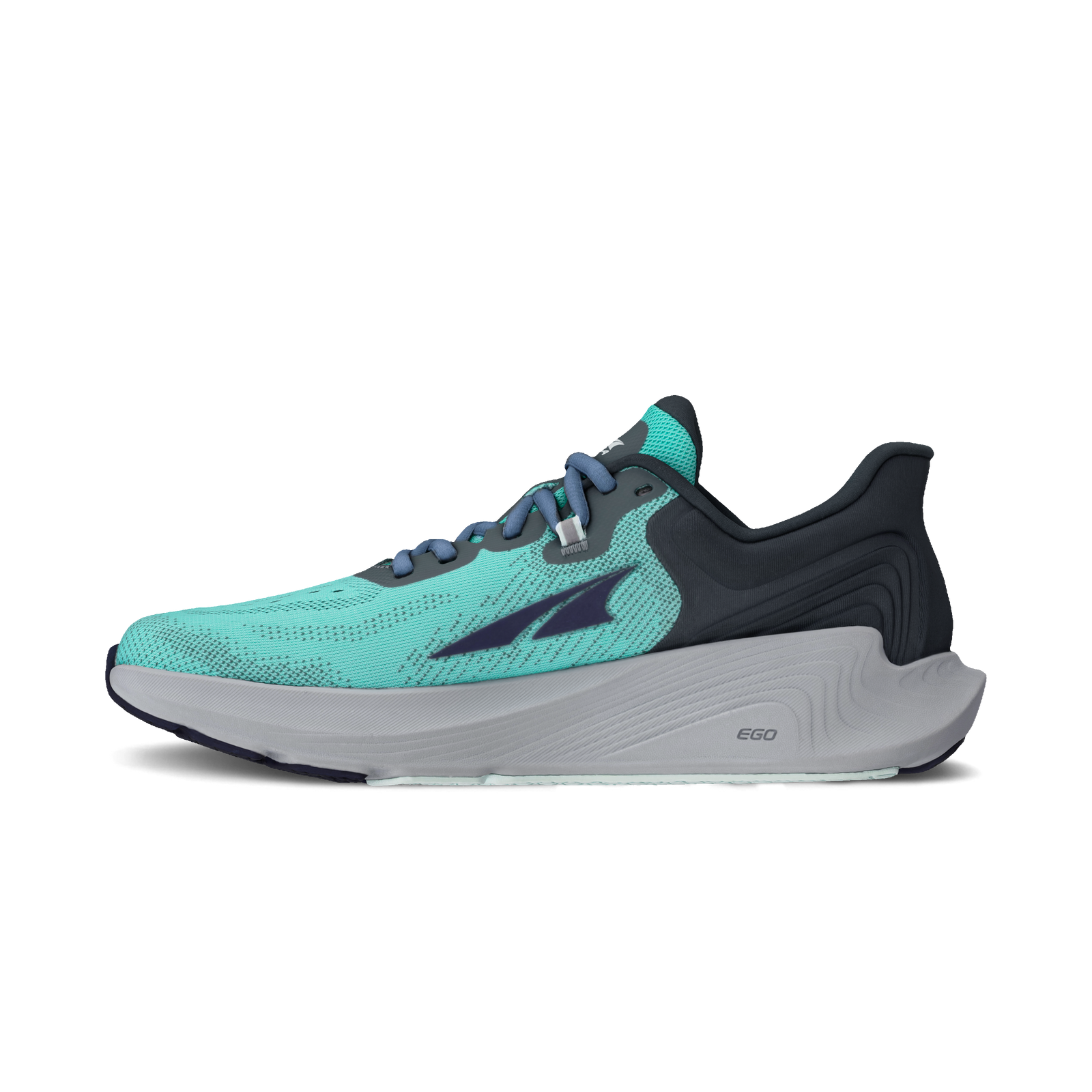
Altra Provision 8
$130-$140
Why this shoe
GuideRails stability guides the foot from heel to toe-off, reducing overpronation without stopping natural foot motion, at the most affordable entry point for zero-drop stability. APMA accepted.
FootShape toe box allows natural toe splay - the clinical advantage that separates Altra from every other stability shoe in the catalog
GuideRails stability guides foot from heel to toe-off reducing overpronation without stopping natural foot motion
Zero-drop platform with EGO midsole - stability correction at equal heel and forefoot height maintaining natural Achilles and calf function
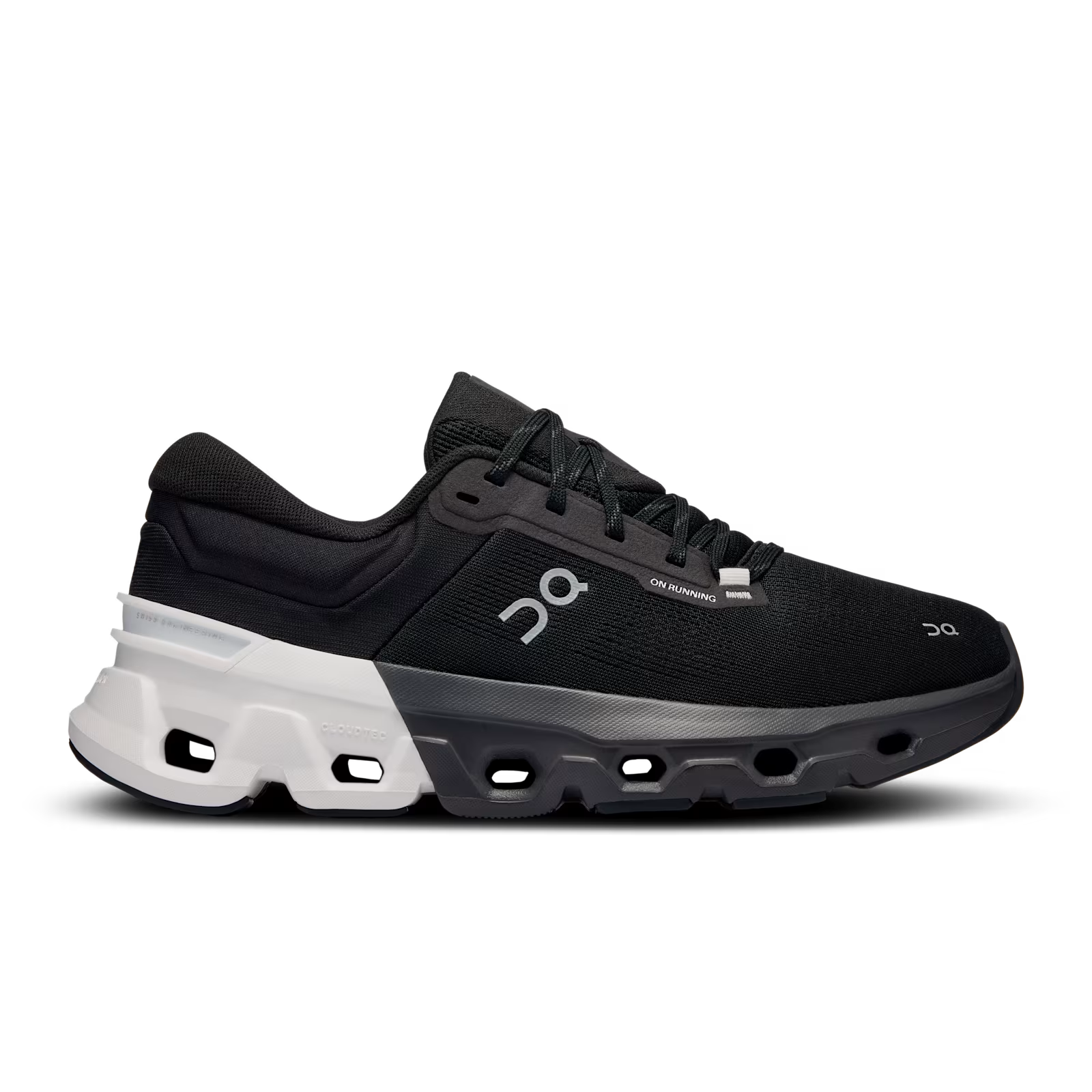
On Cloudflyer 5
$165-$175
Why this shoe
J-shaped firmer medial section resists inward rolling for overpronation control, with an extra-wide base platform keeping the foot centered.
Dual-density Helion foam with J-shaped firmer medial section resists inward rolling for overpronation control
10mm heel drop reduces Achilles and plantar fascia strain while supporting heel strikers
Extra-wide base platform with sole flare keeps the foot centered during walking and running
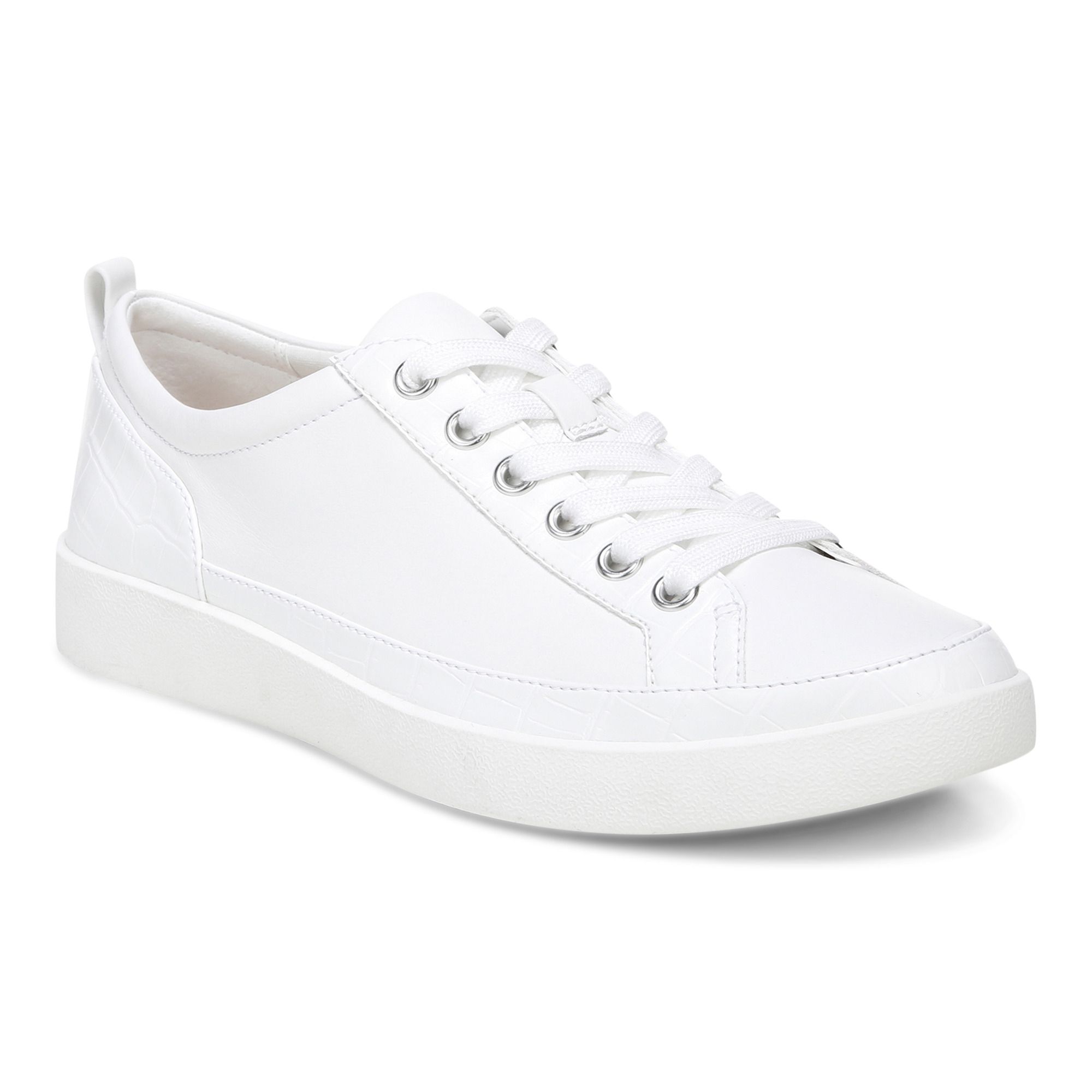
Vionic Winny Sneaker
$110-$130
Why this shoe
Podiatrist-designed VioMotion biomechanical footbed provides arch support that compensates for flat foot mechanics in a versatile everyday sneaker. APMA accepted.
Classic lace-up casual sneaker with podiatrist-designed VioMotion biomechanical footbed
APMA Seal of Acceptance pid=9313 - Vionic Winny Perf - verified directly from APMA Seal Database May 2026
Leather or knit upper options - versatile everyday style that transitions from errands to work
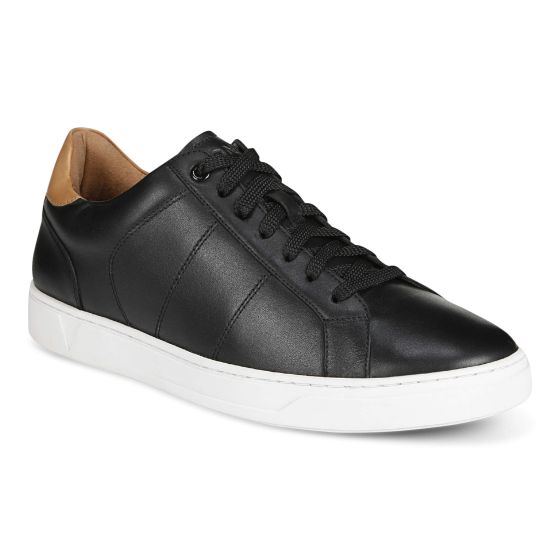
Vionic Lucas Sneaker
$110-$130
Why this shoe
VioMotion biomechanical footbed provides clinical arch support for flat foot mechanics in Vionic's longest-running, most podiatrist-recognized men's shoe. APMA accepted.
APMA Seal of Acceptance pid=4985 - Vionic Lucas - verified directly from APMA Seal Database May 2026
Vionic's flagship mens sneaker - the longest-running and most podiatrist-recognized mens shoe in the Vionic lineup
VioMotion biomechanical footbed with deep heel cup provides the same clinical arch support as the womens Walk Max in a mens lace-up silhouette
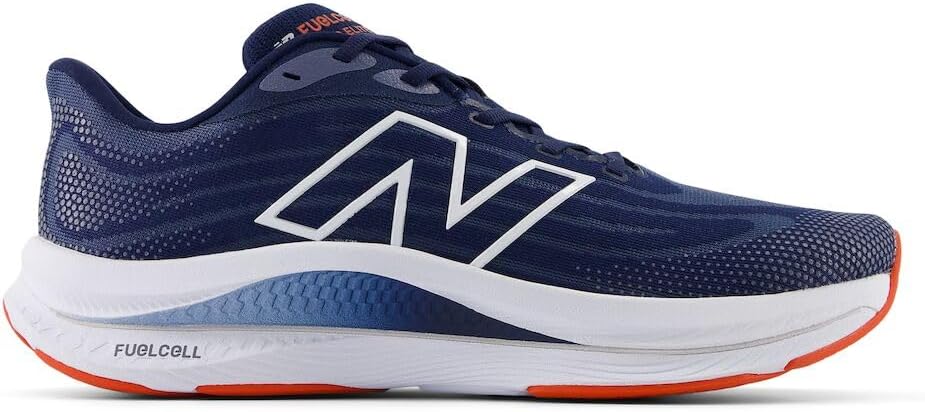
New Balance FuelCell Walker Elite
$130-$145
Why this shoe
Stability Plane provides lateral stability specifically to control overpronation without compromising cushioning, purpose-built for walking gait mechanics. APMA accepted.
FuelCell foam delivers responsive energy return and propulsive feel purpose-built for walking
Walking Strike Path outsole technology guides foot through entire walking gait cycle
Stability Plane provides lateral stability without compromising cushioning
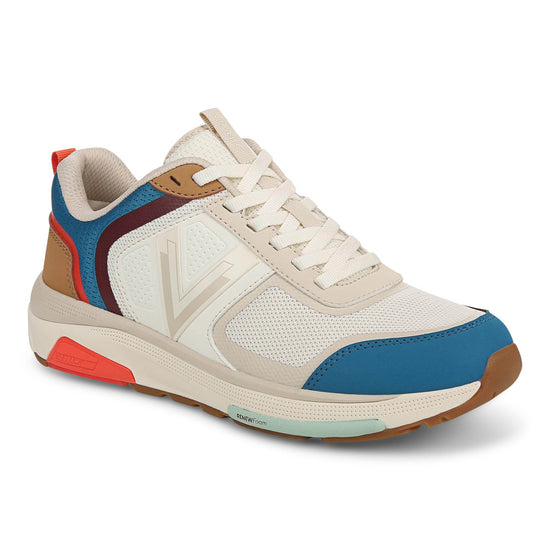
Vionic Walk Strider
$150-$170
Why this shoe
Stability-classified construction, per manufacturer description intended to help align feet and ankles and reduce overpronation, a mechanism directly relevant to flat feet. Feature-based match, not an independent clinical claim.
APMA Seal of Acceptance pid=9397 - Vionic Walk Strider - verified directly from APMA Seal Database August 2026
Soft, breathable knit upper paired with a biomechanically designed footbed
Built-in VIO MOTION arch support with shock-absorbing cushioning

Puma ForeverRun Nitro 2
$140-$150
Why this shoe
Podiatrist recommended: Dr. Daughtry, Foot and Ankle Specialists of the Mid-Atlantic, specifically recommends this shoe for runners who overpronate or need more structure, citing its broad midfoot and snug heel for control and stability. Dual-density NITROFOAM midsole with a firmer rim, RUNGUIDE System with heel clip for stability at foot strike, and a wide geometry base. Not APMA-verified - this is a podiatrist-endorsement and construction-based match.
Podiatrist recommended: Dr. Daughtry, Foot and Ankle Specialists of the Mid-Atlantic, specifically recommends the ForeverRun Nitro 2 for runners who overpronate or need more structure, citing its broad midfoot and snug heel for control and stability - source: footandankle-usa.com, October 2025
This is a construction-based and podiatrist-endorsed match, not an APMA-verified entry - Puma does not currently carry APMA Seal of Acceptance status for this model per the live APMA Seal Database
Dual-density NITROFOAM midsole with a firmer rim and softer core for guided stability
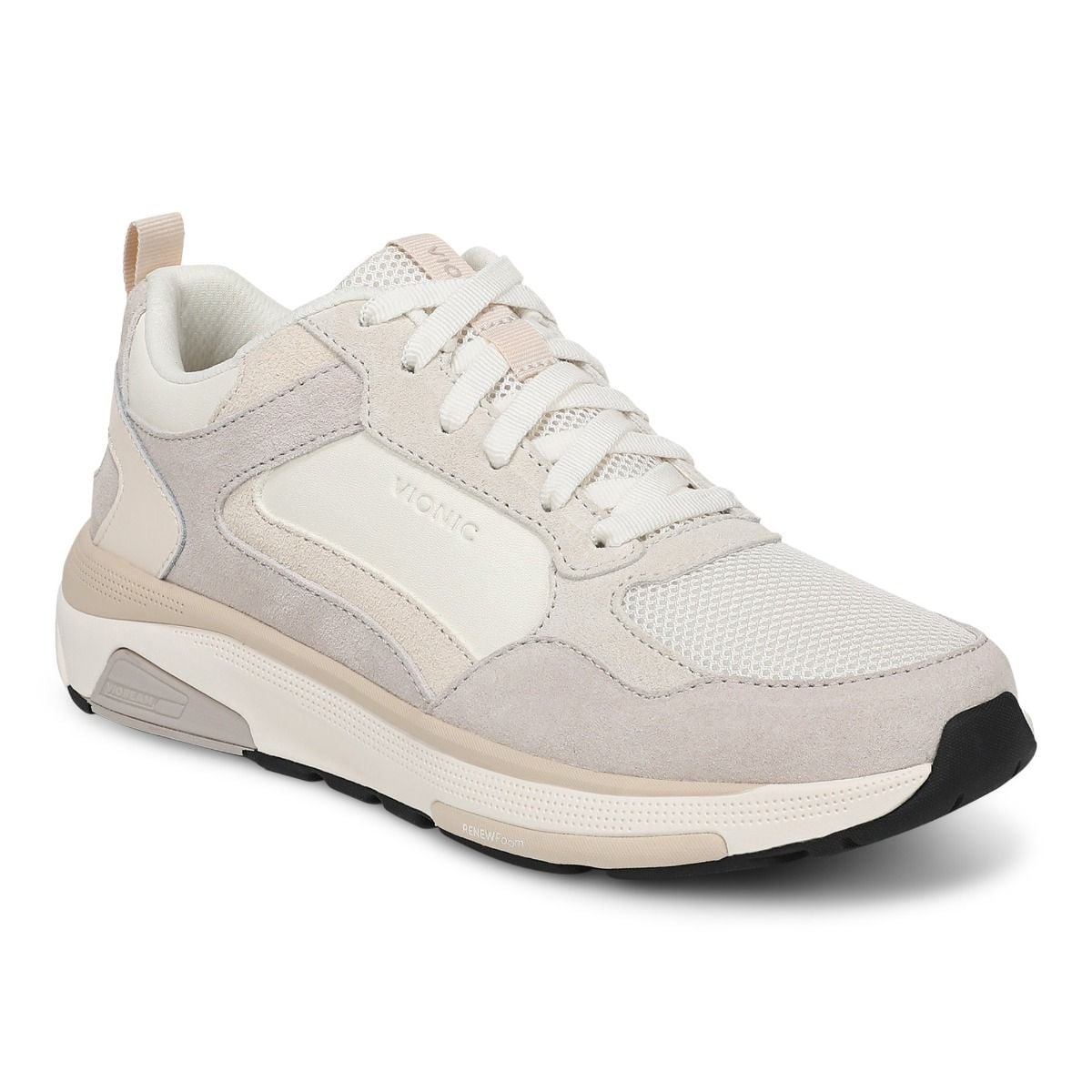
Vionic Walk Strider Weekender
$150-$175
Why this shoe
Vio-Beam anti-roll and lateral stability technology, dual-density midsole, deep heel cup. Feature-based match targeting overpronation-related instability, not an independent clinical claim.
APMA Seal of Acceptance pid=9762 - Vionic Walk Strider Weekender - verified directly from APMA Seal Database August 2026
Leather, suede and mesh upper with adjustable lace-up closure
Dual-density EVA midsole with 1st Ray Technology for added forefoot flexibility and stability
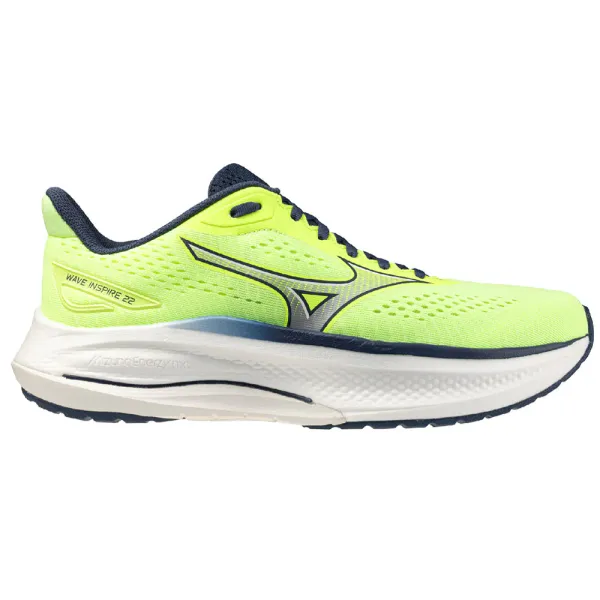
Mizuno Wave Inspire 22
$140-$150
Why this shoe
Podiatrist recommended: Dr. Tom Biernacki, DPM, FACFAS, board-certified podiatric surgeon at Balance Foot & Ankle, recommends the Wave Inspire to overpronating patients who found traditional medial-post stability shoes too corrective-feeling, citing the Wave plate's distribution of support across the entire midsole rather than a rigid medial wedge. Manufacturer confirms the same mechanism: the Wave plate is designed to prevent arch collapse while enabling smooth weight transfer. Not APMA-verified - this is a podiatrist-endorsement and construction-based match.
Podiatrist recommended: Dr. Tom Biernacki, DPM, FACFAS, board-certified podiatric foot and ankle surgeon at Balance Foot & Ankle (Howell & Bloomfield Hills, MI), recommends the Wave Inspire to overpronating patients who found traditional medial-post stability shoes too corrective-feeling - source: michiganfootdoctors.com, June 2026
Not APMA-verified - Mizuno does not currently appear in the live APMA Seal Database. This is a construction-based and podiatrist-endorsed match, not an APMA-verified entry
Manufacturer confirms the intended mechanism directly: 'Designed for runners with overpronation, the updated supportive MIZUNO WAVE plate enhances stability by preventing arch collapse while enabling smooth weight transfer'
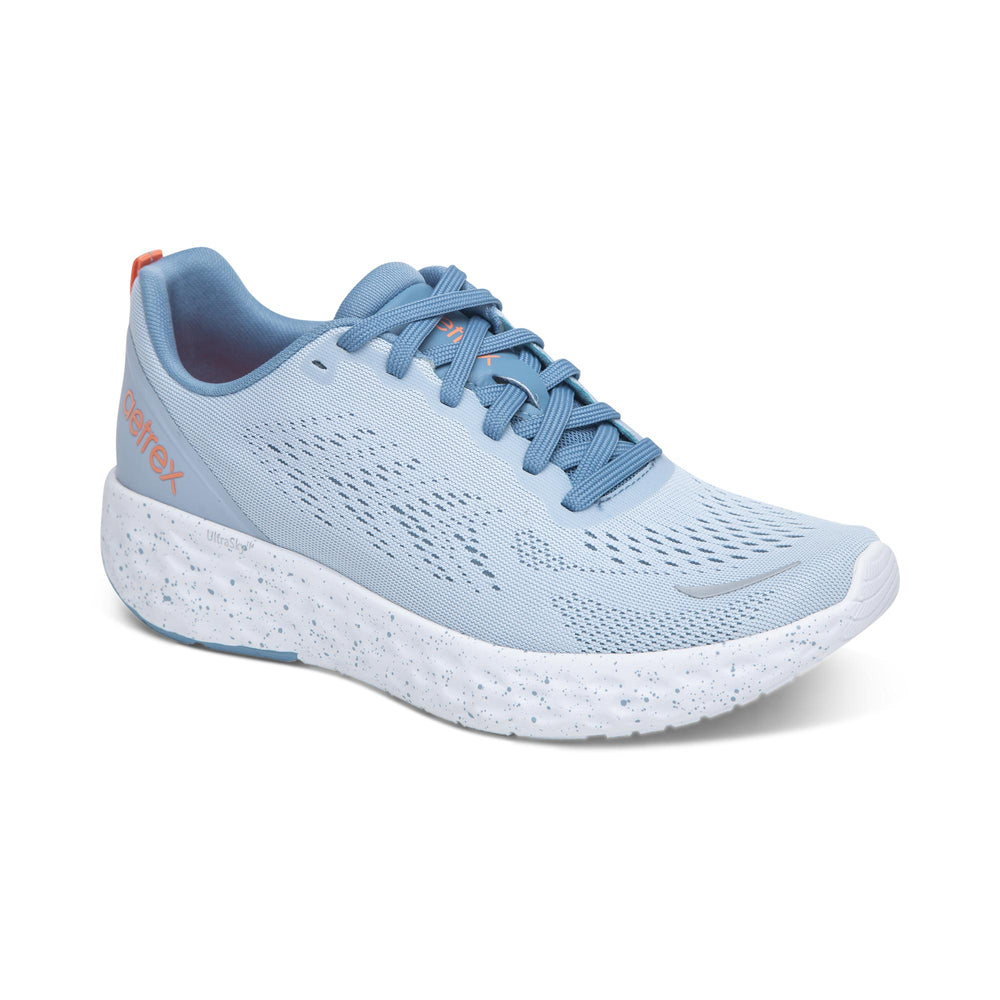
Aetrex Danika
$100-$130
Why this shoe
The Aetrex Orthotic System is built around structured arch support rather than soft cushioning alone, giving overpronating flat feet the firm medial support and stability platform the condition calls for, with a removable insole that stays compatible with custom orthotics.
APMA Seal of Acceptance pid=7289 - Aetrex Danika - verified directly from APMA Seal Database August 2026 (product-level, not a brand-level assumption)
Aetrex Orthotic System with structured arch support, not soft cushioning alone, per manufacturer's own engineering description
Extra-thick UltraSKY EVA cushioning that absorbs impact without softening the arch profile

Vionic Walk Max Wanderer
$150-$180
Why this shoe
Dual-density support and built-in VIO MOTION arch support give overpronating flat feet real medial structure in a walking sandal, filling a warm-weather gap most flat feet recommendations don't cover.
APMA Seal of Acceptance pid=8594 - Vionic Walk Max Wanderer - verified directly from APMA Seal Database August 2026; also explicitly stated as 'Received APMA Seal of Acceptance' on Vionic's own product page
This is a performance walking sandal, not a closed-toe sneaker - adjustable hook-and-loop straps for personalized fit
Dual-density support in both footbed and midsole
What to Look for in a Shoe
Evidence-based footwear criteria specific to this condition.
Heel Drop
Recommended: 6-12mm
Moderate heel drop helps reduce strain on the Achilles tendon and posterior tibial tendon, both of which are placed under increased load by the overpronation pattern associated with flat feet. A moderate drop supports a more neutral ankle position during the stance phase of gait.
Avoid below 4mm
Cushioning
moderate
Moderate cushioning paired with a firm midsole provides the impact absorption flat feet need without sacrificing the ground-contact feedback necessary for proprioception and balance. Excessively soft midsoles can allow further arch collapse under body weight.
Avoid: ultra-soft, minimal, barefoot-style
Stability vs. Neutral
stability
Stability and motion control shoes are the primary footwear intervention for flat feet. Their medial post or guide rail technology resists excessive inward roll at the subtalar joint, reducing the overpronation that places cumulative stress on the arch, ankle, knee, and hip with every step. Neutral shoes provide no medial resistance and allow the flat foot to collapse inward unchecked.
Exception: A small subset of flat-footed individuals are biomechanically efficient overpronators who have adapted well and experience no symptoms. For these individuals, a neutral cushioned shoe may be appropriate. Gait analysis by a podiatrist or certified running specialist is the only reliable way to confirm this.
Width
Recommended: D, 2E, 4E
Flat feet tend to spread wider than average because the arch is not lifting the midfoot off the ground. A standard or wide fit ensures the shoe accommodates the full width of the foot without compressing the forefoot or causing the foot to spill over the midsole edge.
Insoles and Orthotics
Custom orthotics are among the most evidence-supported interventions for symptomatic flat feet. They provide individualized arch support that over-the-counter insoles cannot replicate. Shoes with removable insoles and adequate interior depth are essential for orthotic use. A podiatrist assessment should precede custom orthotic prescription to confirm the type and degree of arch support required.
Sources: APMA Clinical Practice Guidelines; Journal of Foot and Ankle Research, Vol. 9, 2016
Recommended Accessories for Flat Feet
Insoles, heel cups, compression socks, and braces that complement your shoe recommendation and provide additional targeted relief.
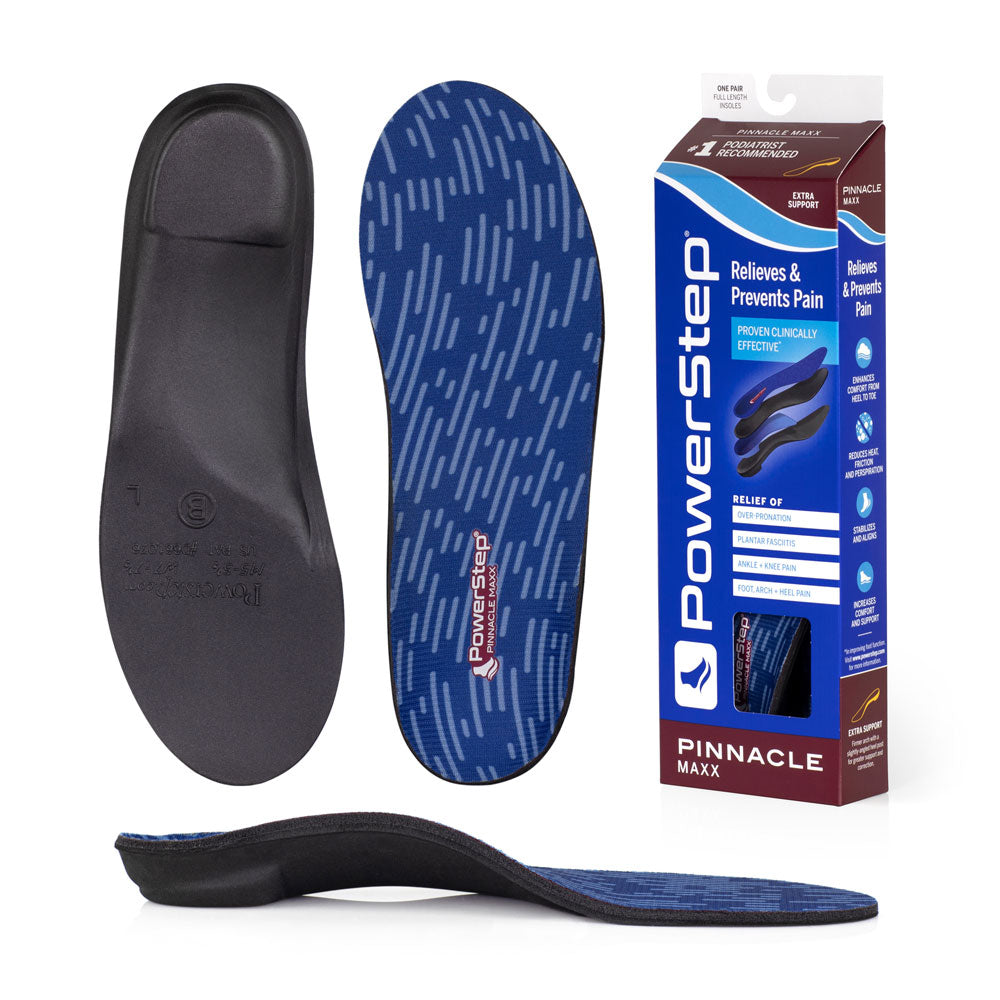
Powerstep Pinnacle Maxx Motion Control Insoles
Powerstep
$50-$60
Why this accessory
Maximum motion control for severe flat foot mechanics
Maximum motion control for severe overpronation and flat feet
Firm medial post prevents inward rolling more aggressively than standard Pinnacle
Deep heel cup with extra cushioning for heel pain relief
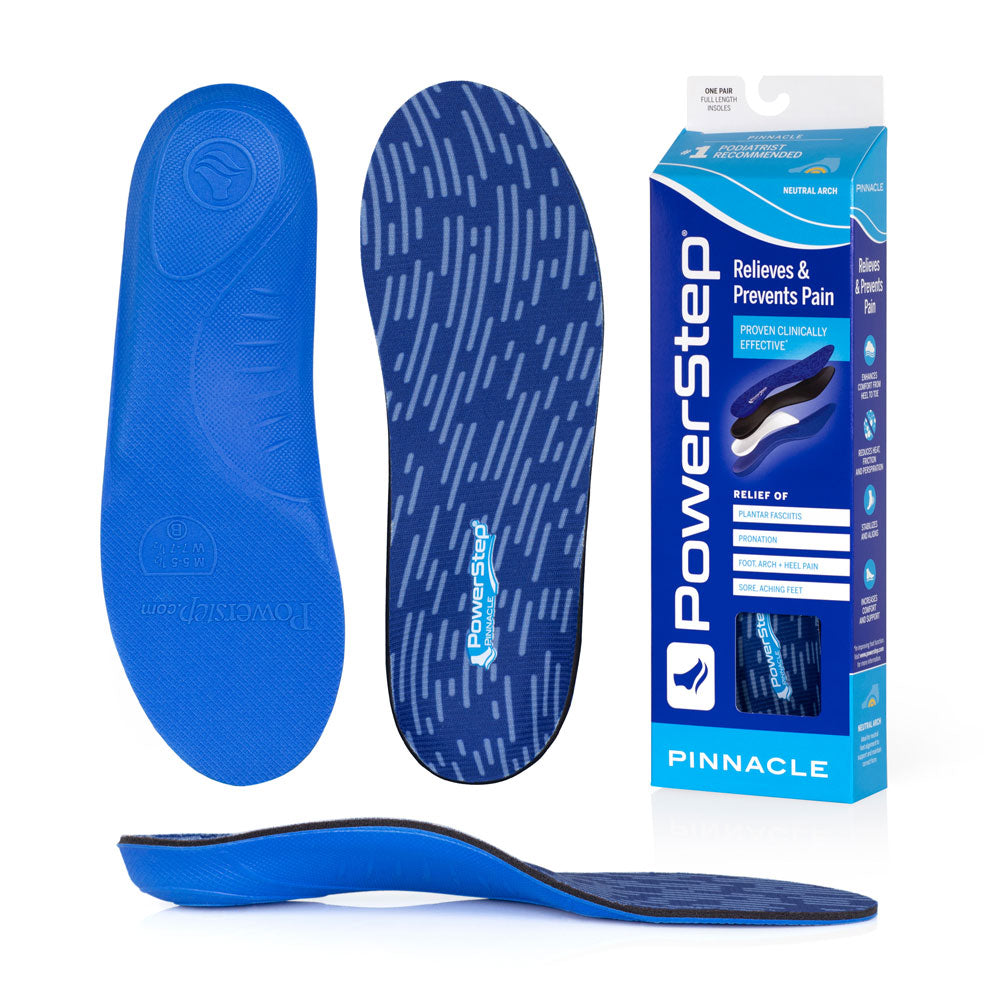
Powerstep Pinnacle Maxx Support Insoles
Powerstep
$45-$55
Why this accessory
Semi-rigid arch support controls overpronation
Number one podiatrist recommended OTC insole in the USA
Double-layer cushioning with semi-rigid arch support controls overpronation
Deep heel cradle stabilizes and cushions the calcaneus on every step
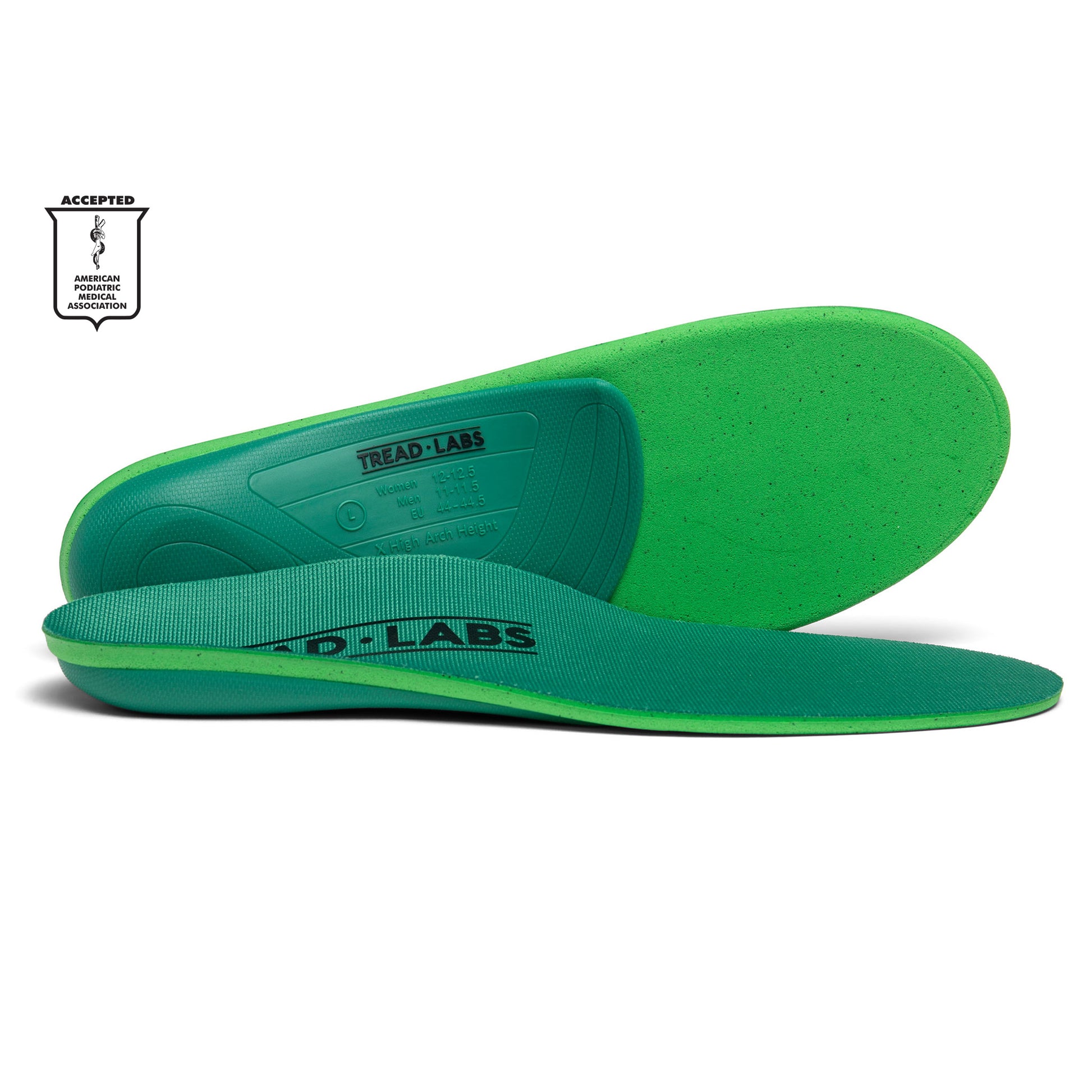
Tread Labs Ramble Insole - Everyday Walking
Tread Labs
$75-$85
Why this accessory
Lifetime arch support in a walking-friendly profile
Semi-flexible arch support for a more natural feel during walking
Available in four arch heights for personalized correction
Lifetime guaranteed arch support shell - never loses shape
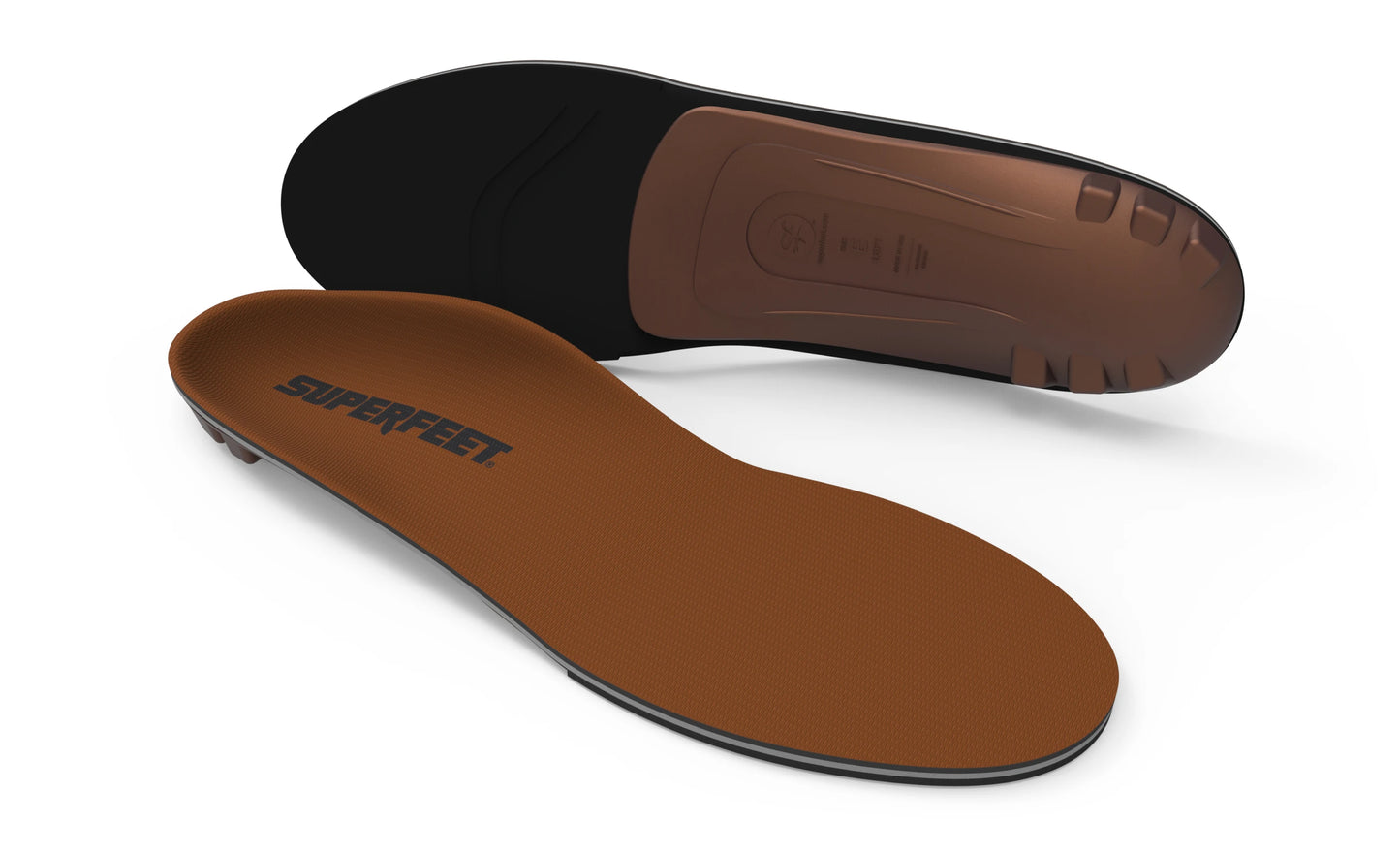
Superfeet COPPER Cushioned Support Insoles
Superfeet
$55-$65
Why this accessory
Moderate arch support with memory foam comfort layer
Memory foam comfort layer molds to the shape of your foot over time
Moderate arch support suitable for a wider range of arch heights
Deep heel cup with extra cushioning for all-day standing comfort
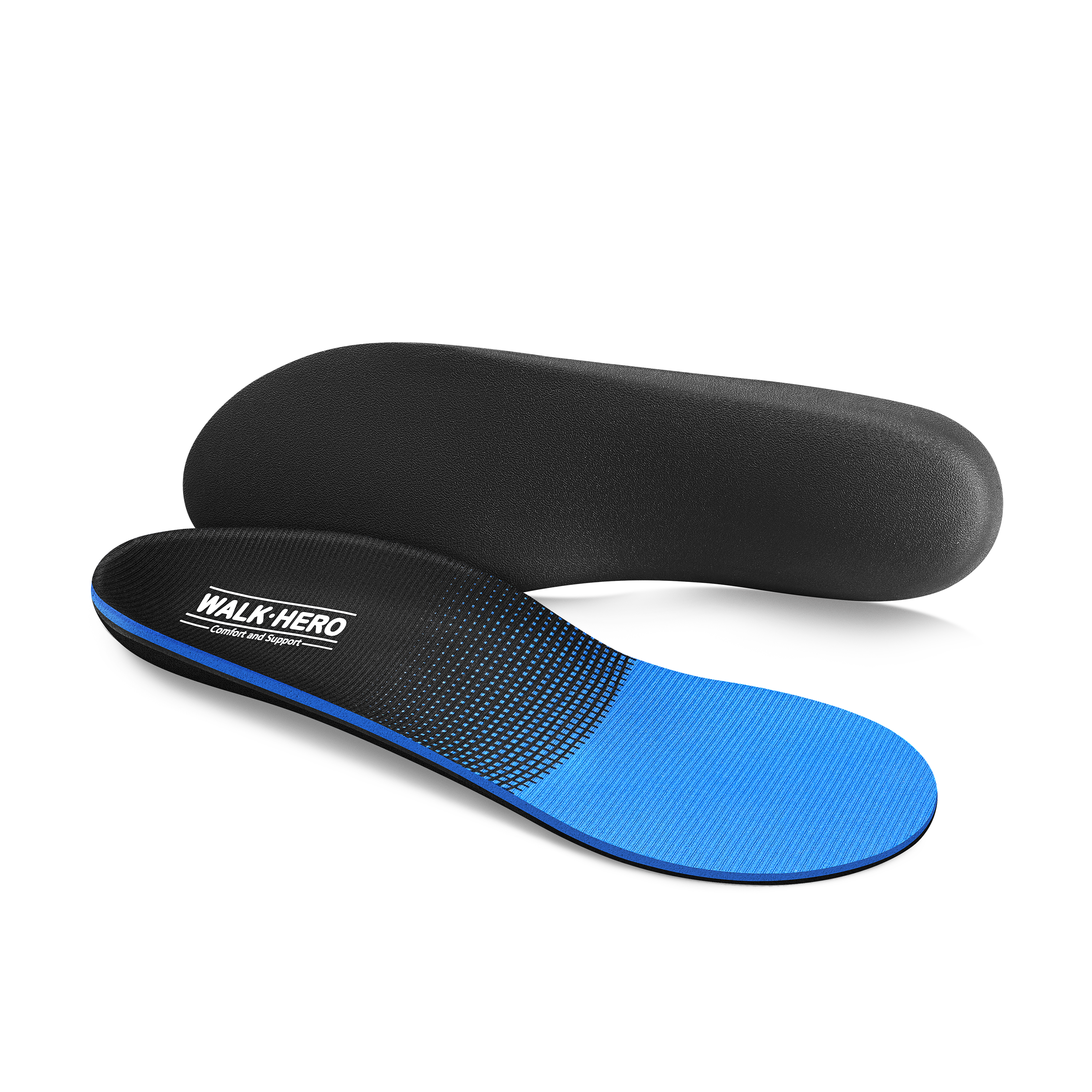
Walk Hero Arch Support Insoles
Walk Hero
$20-$40
Why this accessory
Patented arch cradle corrects flat foot mechanics during walking
Patented deep heel cup maintains proper positioning for motion control and lateral stability
Clinically cited to reduce plantar fascia strain with anatomical arch support
EVA foam base provides lightweight shock absorption from heel to toe
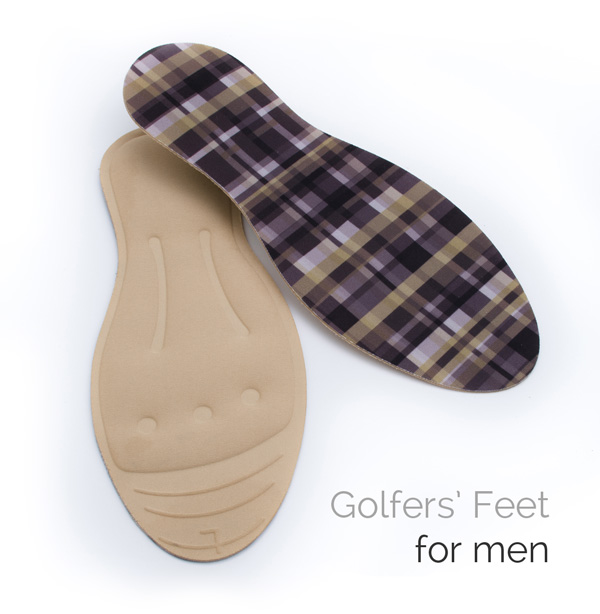
HappyFeet Golfers' Feet Massaging Liquid Insoles
HappyFeet
$45-$55
Why this accessory
Dynamic liquid support adapts to flat foot pressure patterns
Medical-grade dynamic fluid technology distributes weight evenly across the entire foot in real time
Food-grade glycerin filling provides a massaging effect with every step for active circulation
Clinically shown to increase blood circulation in the feet by up to 115%
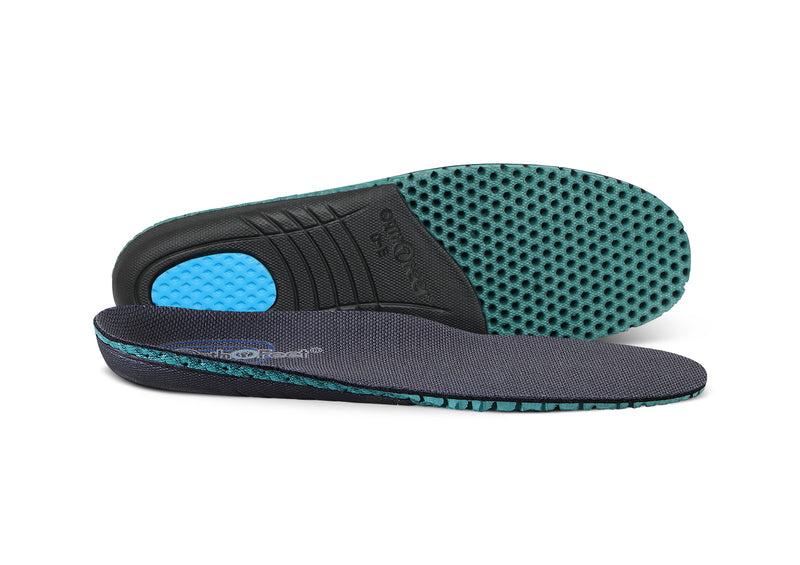
Orthofeet OFG Men's Orthotic Insoles
Orthofeet
$45-$55
Why this accessory
Anatomical arch support corrects flat foot alignment and reduces fatigue
Anatomical arch support controls overpronation and improves foot and leg alignment from heel to hip and back
Adjustable Arch Booster system allows additional support to be added under the insole for custom-level correction
Contoured heel seat with advanced cushioning foam alleviates plantar fasciitis and heel spur pain
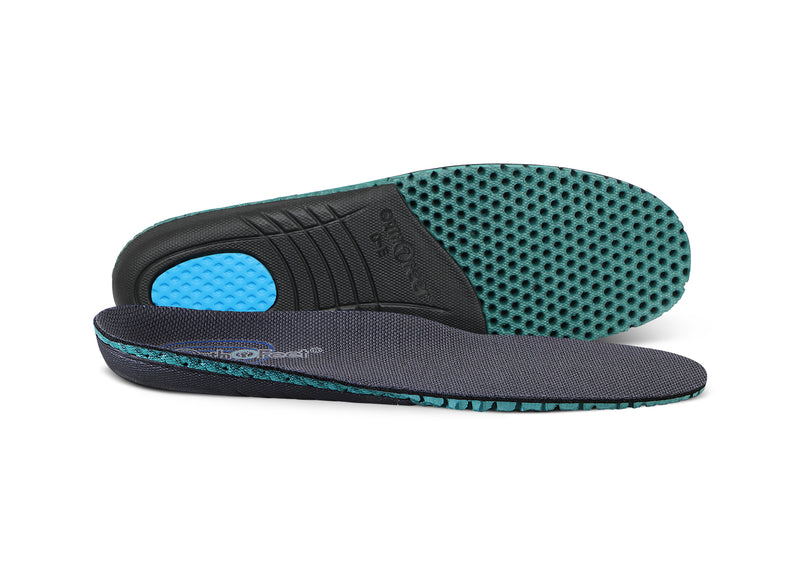
Orthofeet OFG Women's Orthotic Insoles
Orthofeet
$45-$55
Why this accessory
Women's anatomical arch support corrects flat foot alignment
Anatomical arch support controls overpronation and improves foot and leg alignment from heel to hip and back
Adjustable Arch Booster system allows additional support to be added under the insole for custom-level correction
Contoured heel seat with advanced cushioning foam alleviates plantar fasciitis and heel spur pain

Apex A-Wave Orthotic Support Insole Unisex
Apex
$35-$45
Why this accessory
Three-tier arch system provides progressive flat foot correction
Three support levels - Flex for high arches, Firm for all arch types, X-Firm for low to medium arches
Proprietary blend of thermoplastic resins, performance memory foam, and supportive gels
Supports the arch biomechanically so the foot moves in the most efficient and pain-free way possible
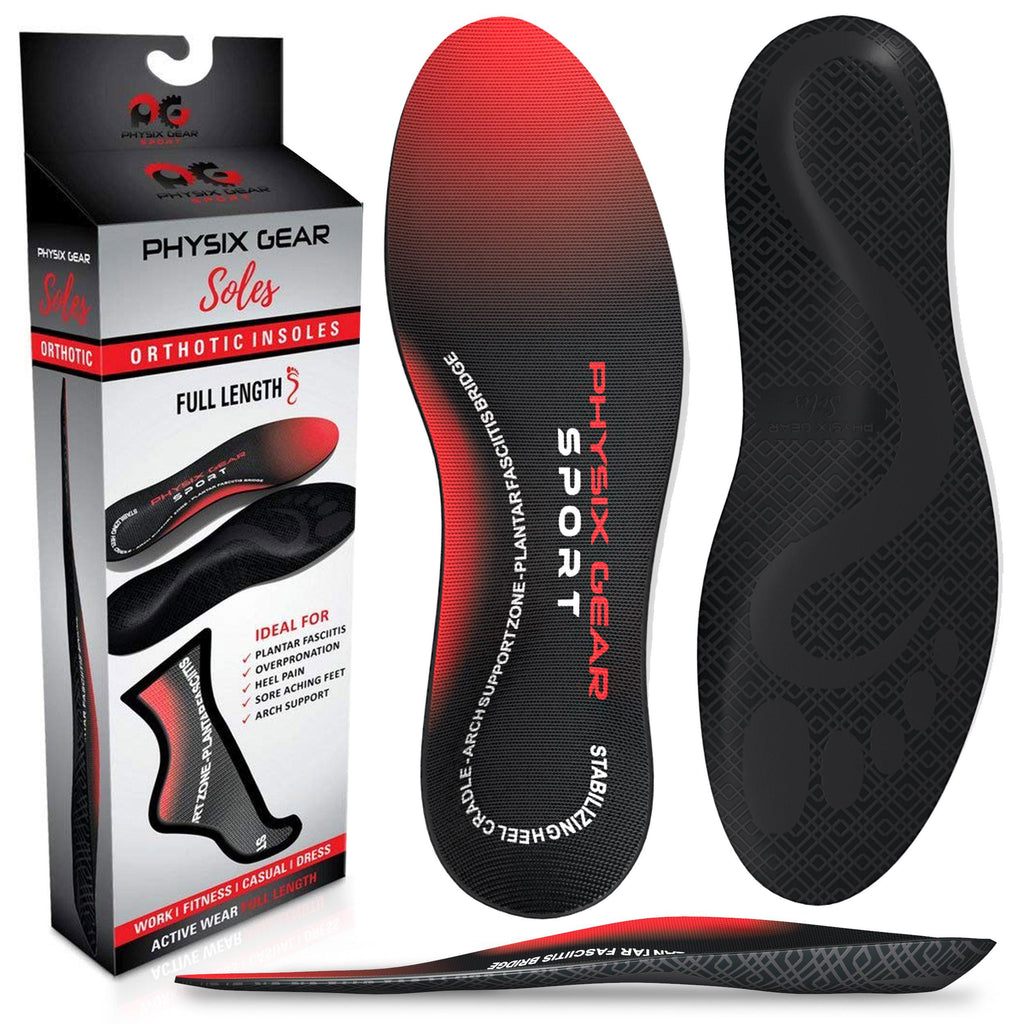
Physix Gear Sport Orthotic Insoles
Physix Gear
$15-$20
Why this accessory
Budget arch support reduces flat foot fatigue during activity
Plantar arch support designed to align the foot and reduce strain from heel through hip and back
Non-slip base keeps the insole firmly positioned inside any shoe type throughout the day
Trimmable design fits most shoe sizes without compromising structure or arch support
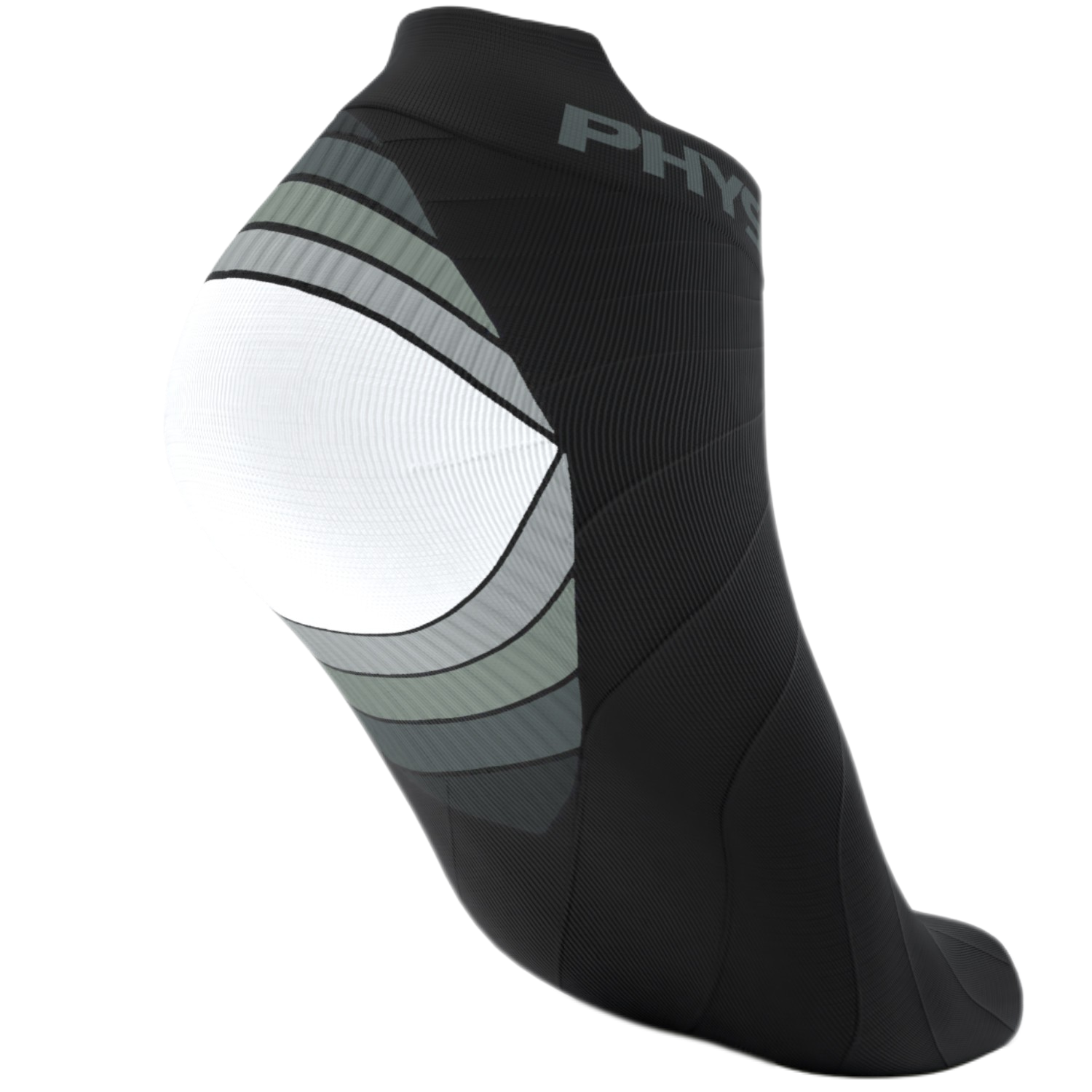
Physix Gear Sport Low Cut Compression Socks
Physix Gear
$11-$14
Why this accessory
Low-cut arch compression supports flat feet in everyday footwear
Low-cut ankle design provides arch and heel compression while remaining hidden in any shoe
Graduated compression improves blood flow and reduces foot swelling during prolonged activity
Anti-blister reinforced toe and heel zones protect high-friction areas during running and walking

Aetrex L2200 Memory Foam Orthotics - Men
Aetrex
$40-$50
Why this accessory
APMA accepted arch support corrects flat foot alignment from the ground up
APMA accepted - reviewed and approved by the American Podiatric Medical Association
AeroCell PU base provides high energy return with lasting cushioning
IQ150 memory foam forepart molds to the exact shape of your foot over time
What Is Happening in Your Foot
Flat feet, medically known as pes planus, occur when the medial longitudinal arch of the foot is reduced or absent, causing the entire sole to make contact with the ground during standing and walking. The arch functions as a shock absorber and a rigid lever for propulsion. When it collapses, both functions are compromised - impact forces travel further up the kinetic chain, and the foot loses mechanical efficiency during push-off. This produces not just foot fatigue and pain, but downstream stress on the ankles, knees, hips, and lower back.
Biomechanics
During normal gait, the arch flattens slightly at midstance to absorb impact, then re-stiffens at push-off via the windlass mechanism to provide a rigid lever for forward propulsion. In flat feet, the arch remains collapsed throughout the gait cycle, preventing this stiffening. The result is overpronation - an excessive inward rolling of the ankle - which causes internal rotation of the tibia and compensatory stress at the knee and hip. Stability shoes with medial post support recreate some of this stiffness mechanically, reducing the biomechanical consequences of the absent arch.
Why Symptoms Behave the Way They Do
Flat foot pain that is worse after rest reflects the posterior tibial tendon and plantar fascia having shortened during inactivity. The posterior tibial tendon is the primary dynamic support structure of the arch, and in flat-footed individuals it is chronically under load. Morning stiffness eases as the tendon warms up with movement, but supportive footwear worn immediately on rising reduces the tensile load during this vulnerable period.
What Makes It Worse
Prolonged standing or walking without arch support, which fatigues the posterior tibial tendon
Running or high-impact exercise without stability or motion control footwear
Walking barefoot on hard flat surfaces, which provides no arch support and maximum collapse opportunity
Obesity, which increases the compressive load on the already-collapsed arch with every step
Pregnancy, during which relaxin loosens ligaments and can cause previously mild flat feet to become symptomatic or worsen
Worn-out shoes with collapsed midsoles that no longer provide medial support
What Helps
Stability or motion control shoes with firm medial post support worn consistently throughout the day
Custom orthotics prescribed by a podiatrist that provide individualized arch support
Posterior tibial tendon strengthening exercises such as single-leg heel raises
Arch stretching and calf flexibility work to reduce downstream tendon tension
Avoiding barefoot walking on hard floors, particularly for extended periods
Replacing athletic footwear on schedule - every 300 to 500 miles - before midsole support degrades
Common Misconceptions
Myth: Flat feet always cause pain.
Research suggests that a significant proportion of people with flat feet are entirely asymptomatic throughout their lives. The presence of a low arch does not automatically produce symptoms. Pain typically arises when the flat foot is placed under sustained load without adequate support, or when secondary conditions such as posterior tibial tendon dysfunction develop.
Myth: Children with flat feet need corrective shoes to fix the arch.
Most children have flat feet until age 6 or later as the arch develops naturally. Research does not support corrective shoes or insoles in asymptomatic children with flat feet. The arch typically forms on its own and intervention is only warranted when symptoms are present or when a podiatrist identifies a specific structural concern.
Myth: Flat feet cannot be improved with exercise.
Research suggests that intrinsic foot muscle strengthening exercises, particularly those targeting the flexor hallucis and posterior tibial tendon, can increase arch height and reduce overpronation in some individuals. These exercises do not structurally correct flat feet in adults but can meaningfully reduce symptoms and improve biomechanical function.
Sources: Journal of Orthopaedic and Sports Physical Therapy, Vol. 44, 2014; Journal of Foot and Ankle Research, Vol. 9, 2016; British Journal of Sports Medicine, Vol. 47, 2013; APMA
Flat Feet by Occupation
How this condition presents differently depending on how you spend your day.
nurses
Nurses with flat feet face one of the highest-risk occupational combinations - sustained hard-floor standing combined with a foot structure that lacks natural shock absorption.
Twelve-hour shifts on hospital floors place the posterior tibial tendon under continuous load in flat-footed nurses, accelerating fatigue and increasing the risk of posterior tibial tendon dysfunction over time. Hospital footwear policies may limit options, making it critical that approved footwear includes stability features.
Shoe Priority
Stability or motion control shoe with a firm medial post, slip-resistant outsole, and removable insole for custom orthotics. Arch support is the non-negotiable feature.
teachers
Teachers with flat feet accumulate significant posterior tibial tendon stress across a full school day on hard floors.
School environments rarely have anti-fatigue matting and teachers move constantly between standing instruction, walking corridors, and yard supervision. The variety of surfaces combined with the duration of standing creates sustained arch fatigue in flat-footed educators.
Shoe Priority
Stability shoe with professional appearance acceptable in a school environment, firm arch support, and cushioned midsole rated for all-day wear.
standing workers
Flat-footed retail, warehouse, and factory workers are at elevated risk for arch fatigue, knee pain, and lower back pain from prolonged overpronation on hard floors.
Concrete and tile floors provide no arch support whatsoever. Workers who stand in place rather than walking continuously experience static arch loading, which is more fatiguing than dynamic walking for flat-footed individuals. Work shoes in these environments are frequently chosen for safety compliance rather than biomechanical support.
Shoe Priority
Motion control or stability work shoe with a firm medial post and wide base. Anti-fatigue insoles that provide arch support are a useful addition when the work shoe itself lacks adequate structure.
runners
Flat-footed runners are among the highest-risk groups for overpronation-related injuries including shin splints, runner's knee, and plantar fasciitis.
Each footstrike in an unsupported flat foot generates excessive inward ankle roll that is transmitted up the kinetic chain. At running pace, this occurs hundreds of times per mile. Many flat-footed runners are unaware of their overpronation until injury occurs. Transitioning to minimalist or zero-drop shoes without adequate arch support is a common injury trigger.
Shoe Priority
Stability or motion control running shoe with a structured medial post. Gait analysis is strongly recommended for flat-footed runners to identify the degree of support required before selecting footwear.
seniors
Arch collapse tends to worsen with age as the posterior tibial tendon weakens, making flat feet increasingly symptomatic in older adults.
Adults over 60 experience progressive posterior tibial tendon weakening regardless of baseline arch height, meaning previously asymptomatic flat feet can become painful in later decades. Balance is also affected by overpronation, as inward ankle roll destabilizes the base of support and increases fall risk.
Shoe Priority
Stability shoe with firm medial support, wide base for balance, slip-resistant outsole, and easy entry design. Arch support and fall prevention are dual priorities.
pregnant women
Pregnancy is one of the most common triggers for flat foot onset or worsening in women.
Relaxin loosens the ligaments supporting the arch during pregnancy, and the added body weight increases compressive load on the arch simultaneously. Research suggests that arch height reduction during pregnancy is often permanent, with many women retaining a flatter arch postpartum. Early adoption of supportive footwear during pregnancy may slow this change.
Shoe Priority
Stability or motion control shoe with arch support, wide toe box to accommodate swelling, and easy entry as pregnancy progresses. Custom orthotics may be warranted for women with significant flat feet before or during pregnancy.
diabetics
Flat feet in diabetic patients create additional pressure distribution challenges that increase ulceration risk.
The collapsed arch in flat feet redistributes plantar pressure toward the midfoot and forefoot, creating new pressure points that can develop into ulcers in patients with diabetic neuropathy. Custom orthotics that redistribute pressure are especially important for diabetic patients with flat feet.
Shoe Priority
Extra-depth stability shoe with seamless interior, removable insole for custom orthotics, and wide toe box. Diabetic patients with flat feet should have footwear assessed by a podiatrist annually.
Frequently Asked Questions
Local Foot Health
Flat Feet by City
Environmental factors, terrain, and climate affect how common this condition is across different cities. Find local podiatrist resources near you.
Related Guides and Resources
Shoe Guides
From the MySoleMatch Journal
Walk Into Your Appointment With Answers
Before Your Next Appointment
Take Your Results to Your Podiatrist
Answer a few quick questions. Takes under 2 minutes. Get personalized shoe recommendations.
Not Sure Which Shoe Is Right?
Take our guided quiz and get a personalized recommendation based on your specific foot condition and lifestyle.
Start the Quiz