Best Shoes for Diabetics
For people with diabetes, footwear is not a comfort choice. It is a medical necessity. Diabetic neuropathy reduces sensation in the feet, meaning pressure points, blisters, and injuries can develop undetected. An ill-fitting shoe can lead to ulceration and serious complications.
Every shoe on this page is selected for its extra depth, wide toe box, protective cushioning, and suitability for diabetic foot care, based on podiatric criteria, not comfort ratings.
Important: Always consult your podiatrist or physician before changing footwear if you have diabetes. This guide is informational and does not replace professional medical advice.
Diabetes and Foot Health
Diabetes affects the nerves and blood vessels throughout the body, including the feet. Peripheral neuropathy, which affects up to 50% of people with diabetes, reduces sensation in the feet. This means that pressure points, blisters, and minor injuries that would normally cause pain go unnoticed.
Combined with reduced circulation, which slows healing, even a small skin break can develop into a serious ulcer. Diabetic foot ulcers are a leading cause of hospitalization and amputation in people with diabetes.
Proper footwear is one of the most effective preventive measures available. Shoes designed for diabetic foot care eliminate the pressure points that initiate this chain of complications.
What People with Diabetes Need in a Shoe
Based on podiatric standards for diabetic foot protection and ulcer prevention.
Extra depth construction
Extra-depth shoes provide room for diabetic socks, swollen feet, and custom orthotics without creating pressure points. This is the most important feature for diabetic footwear.
Wide and roomy toe box
A wide toe box eliminates forefoot pressure that causes blisters and ulcers in feet with reduced sensation. Never wear shoes that squeeze the toes.
Seamless or minimal-seam interior
Internal seams that are harmless to healthy feet can cause serious abrasions on neuropathic skin. Look for smooth, seamless linings that reduce friction.
Protective cushioning
Maximum cushioning distributes pressure across the entire plantar surface, reducing peak pressure at any single point - the primary cause of diabetic foot ulcers.
Adjustable closure
Diabetic feet often swell during the day. Lace-up shoes with multiple eyelets allow you to adjust fit as your foot changes, preventing tight spots that cause injury.
Breathable upper
Moisture promotes fungal infection and skin breakdown. Breathable mesh or engineered knit uppers reduce moisture buildup that creates conditions for infection.
Best Shoes for Diabetics
Extra depth, wide widths, and protective cushioning, selected for diabetic foot care.

New Balance 1540v4
new balance
$195-$205
Why for diabetics
Extra-depth construction accommodates diabetic socks and custom orthotics. Motion control support and wide widths reduce pressure points. APMA accepted and diabetic-friendly.
Extra depth design accommodates custom orthotics
ROLLBAR motion control technology for severe overpronation
ABZORB cushioning for impact absorption
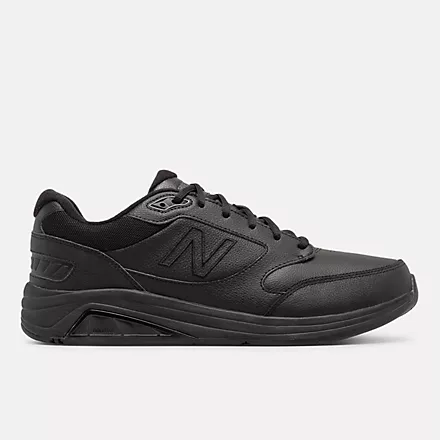
New Balance 928v3 Lace-Up Walking Shoe
new balance
$134-$145
Why for diabetics
Deep toe box and wide widths eliminate forefoot pressure that causes ulceration. Motion control prevents excessive pronation that stresses diabetic feet.
ROLLBAR motion control technology and Clinical-Grade Support: The signature ROLLBAR® motion control system minimizes rear-foot movement, keeping your stride aligned and reducing stress on the plantar fascia.
Reduces morning heel pain and keeps you moving comfortably all day, whether you're on your feet for work or walking for fitness.
Maximum Shock Absorption: Engineered with ABZORB® cushioning in the midfoot to absorb harsh impacts, protecting your heels from painful concrete and hard floors.

New Balance Fresh Foam X 840v1
new balance
$109-$120
Why for diabetics
Diabetic-friendly designation with a roomy toe box and wide widths. Seamless-friendly interior reduces friction points on neuropathic skin.
Fresh Foam X cushioning
Spacious toe box
Supportive design for diabetic foot care

Brooks Ghost 17
brooks
$140-$155
Why for diabetics
Five width options from AA to 4E for a pressure-free fit across every foot shape. Smooth interior reduces irritation on skin with reduced sensation. APMA accepted.
DNA Loft v3 nitrogen-infused foam for soft responsive cushioning
APMA Seal of Acceptance pid=9077 - PDAC A5500 diabetic shoe certified - verified directly from APMA Seal Database May 2026
Segmented crash pad for smooth heel-to-toe transitions

Brooks Adrenaline GTS 25
brooks
$150-$160
Why for diabetics
GuideRails stability system prevents excess motion without overcorrecting, reducing shear forces on the sole of the foot. Wide widths available. APMA accepted.
GuideRails holistic support system controls excess movement without overcorrecting
DNA Loft v3 nitrogen-infused cushioning for lightweight plush comfort
APMA Seal of Acceptance pid=9201 - PDAC A5500 diabetic shoe certified - verified directly from APMA Seal Database May 2026
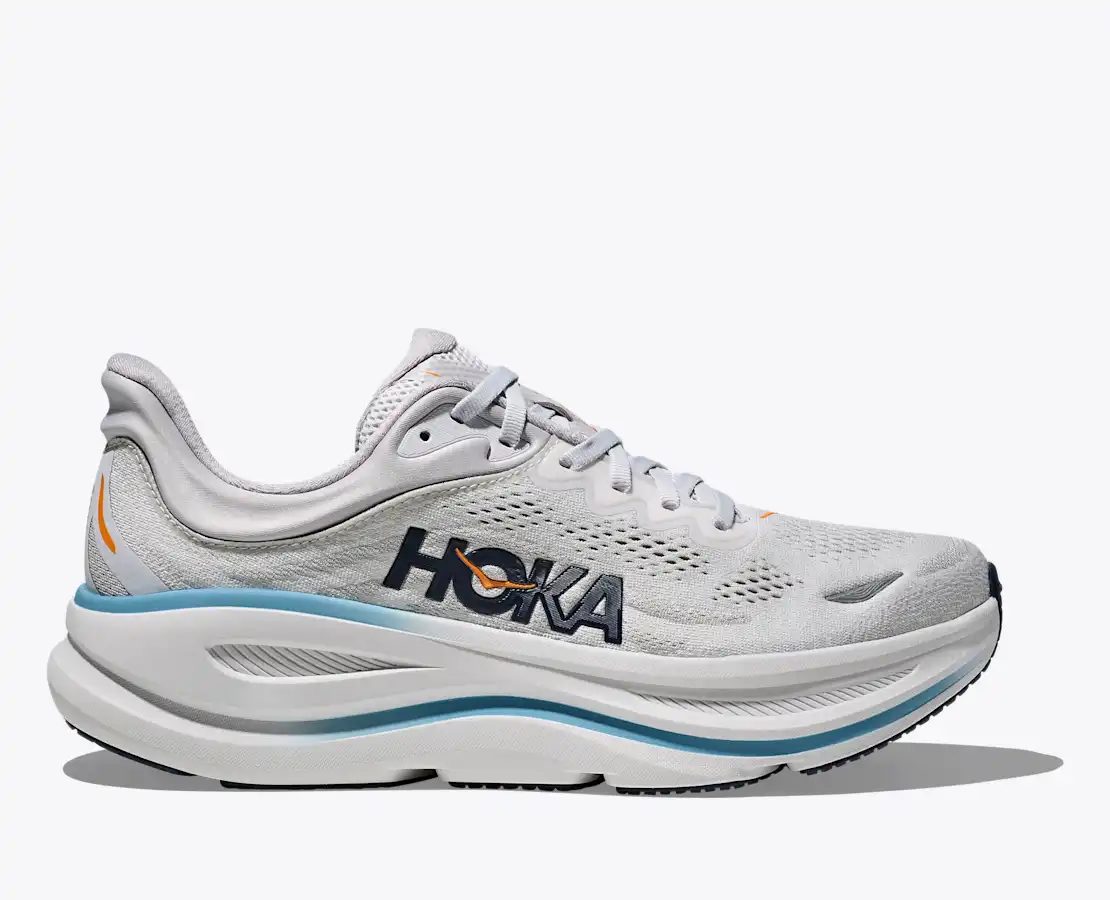
HOKA Bondi 9
hoka
$165-$180
Why for diabetics
Maximum cushioning distributes pressure across the entire plantar surface, reducing peak pressure at any single point. Wide platform and APMA accepted.
Supercritical EVA foam for maximum plush cushioning
Meta-Rocker geometry reduces plantar fascia stress
APMA Seal of Acceptance pid=9031 - podiatrist top recommendation for heel pain - verified directly from APMA Seal Database May 2026
Footwear Risks for People with Diabetes
Tight or narrow toe boxes, can cause blisters and ulcers without you feeling them
Internal seams or rough linings, cause abrasions on skin with reduced sensation
Slip-on styles without adjustable closure, cannot accommodate swelling
Thin-soled shoes, provide no protection against ground pressure
Going barefoot, even indoors, is a leading cause of diabetic foot injury
Diabetic Neuropathy
See our full condition page for diabetic neuropathy - symptoms, footwear principles, and condition-specific shoe recommendations.
Frequently Asked Questions
Why do people with diabetes need special shoes?
Diabetes affects nerve function and circulation in the feet. People with diabetic neuropathy may not feel pressure points, blisters, or injuries. A small pressure point from an ill-fitting shoe can develop into a serious ulcer. Diabetic footwear eliminates pressure points through extra depth, wide toe boxes, seamless interiors, and protective cushioning.
What should I look for in shoes for diabetes?
Look for extra depth to accommodate diabetic socks and orthotics, a wide and roomy toe box with no internal seams, cushioned insoles to protect against pressure points, adjustable closures for swollen feet, and breathable uppers. The APMA Seal of Acceptance is a useful indicator of foot health suitability.
Are New Balance shoes good for diabetics?
Yes. New Balance makes several shoes well-suited to diabetic foot care, particularly the 1540v4 and 928v3, which feature extra depth, motion control, wide width options, and removable insoles that accommodate custom diabetic orthotics. The 1540v4 carries the APMA Seal of Acceptance.
Should people with diabetes see a podiatrist about footwear?
Always. A podiatrist can assess your specific neuropathy and circulation status, prescribe custom orthotics, and recommend footwear appropriate to your risk level. For people with active ulcers, Charcot foot, or severe neuropathy, specialized therapeutic footwear may be required beyond standard athletic shoes.
How often should people with diabetes replace their shoes?
People with diabetes should replace shoes every 3–6 months or at the first sign of wear, sooner than the general 300–500 mile guideline. Worn midsoles create uneven pressure distribution that increases ulceration risk. Your podiatrist may recommend a specific replacement schedule based on your activity level and risk profile.
More Shoe Guides
MySoleMatch provides shoe recommendations based on podiatric research. We are not a medical platform and do not provide medical advice. People with diabetes should always consult a licensed podiatrist or physician regarding footwear. This guide is not a substitute for professional diabetic foot care.
Get a Personalized Recommendation
Our guided quiz matches you to the right shoe based on your specific foot condition, lifestyle, and concerns.