Dress Shoes That Do Not Wreck Your Feet
Narrow toe boxes and high heels are clinically linked with bunions, hammertoes, Morton's neuroma, calluses, and plantar fasciitis. Most dress shoes are engineered for appearance first - foot health is an afterthought, if it is considered at all. Years of wearing the wrong professional footwear causes conditions that are painful, expensive to treat, and in the case of bunions, largely irreversible without surgery.
Every shoe in this guide carries the APMA Seal of Acceptance and provides a professional appearance appropriate for office, clinical, and formal environments. Style and foot health are not mutually exclusive - but finding the intersection requires knowing what to look for.
76%
Forefoot pressure increase from 2-inch heels
Bunions
Primary cause - narrow dress shoe toe boxes
100%
APMA accepted shoes in this guide
Every shoe
Has removable insole for orthotics
The Clinical Reality
What Professional Footwear Is Doing to Your Feet
The Wikipedia article on toe boxes - citing peer-reviewed medical literature - confirms that narrow toe boxes and high heels are linked with bunions, hammertoes, neuromas, calluses, and foot pain. This is not a new finding. Podiatrists have documented the relationship between professional footwear and foot conditions for decades. What is new is that APMA-accepted alternatives now exist in professional silhouettes that do not require choosing between career appearance and foot health.
Heels above 2 inches shift body weight forward onto the metatarsal heads - the long bones that run across the top of the foot. This forefoot overloading compresses the nerves between the metatarsals causing Morton's neuroma, inflames the metatarsal heads causing metatarsalgia, and forces the toes into a perpetually dorsiflexed position that drives hammertoe formation. The forefoot load from a 2-inch heel is approximately 76% higher than a flat shoe - that amplification accumulates with every step of every professional day.
Narrow toe boxes are equally damaging over time. The first metatarsophalangeal joint - the big toe joint - requires space for the big toe to track straight during the toe-off phase of gait. A narrow toe box that pushes the big toe medially with every step progressively deforms this joint in the direction of bunion formation. This is a slow process measured in years - which is why many professionals are surprised when a bunion becomes symptomatic despite having worn the same style of shoes their entire career.
What to Look for in a Dress Shoe for Foot Pain
Wide toe box - the non-negotiable
Narrow toe boxes are the primary cause of bunions, hammertoes, Morton's neuroma, and metatarsalgia in professional footwear. A dress shoe that compresses the forefoot in the morning causes measurable joint damage over years of daily wear. The toe box must be wide enough for toes to splay naturally - not just wide enough to fit at purchase.
Built-in arch support - not an insole afterthought
Most standard dress shoes have a flat insole with no structural arch support. After hours of standing on hard office and court floors, the plantar fascia absorbs this load without assistance. Look for shoes with a contoured footbed built into the shoe itself - not a flat insole you plan to replace with an OTC insert.
Rocker bottom or moderate heel elevation
A rocker sole reduces the energy required at toe-off and decreases forefoot pressure - both meaningful for dress shoe wearers who stand in meetings, at reception desks, or in courtrooms for hours. Alternatively, a 1 to 1.5 inch heel reduces plantar fascia tension without the forefoot load of higher heels.
Removable insole for custom orthotics
If you use custom orthotics - and many people with serious foot conditions do - the dress shoe must have a removable insole and sufficient depth to accommodate the device without crowding the forefoot. Standard dress shoes do not have this. The Apex dress shoe line specifically engineers extra depth for orthotic accommodation.
Firm midsole that holds up all day
Soft cushioning that feels great at 9am becomes compression that offers no protection by 3pm. A dress shoe for foot pain must have a firm structural midsole - not just a cushioned top cover - that maintains its properties through a full professional day on hard floors.
Slip-resistant outsole for polished floors
Office lobbies, courtrooms, and hospital corridors are typically polished hard floors. Standard dress shoe leather soles have minimal slip resistance. Look for rubber or TPU outsoles rated for polished and wet surfaces - both Dansko and Apex use slip-resistant rubber outsoles appropriate for professional environments.
Best Dress Shoes for Foot Pain
Every shoe in this guide carries the APMA Seal of Acceptance and a removable insole for orthotics.
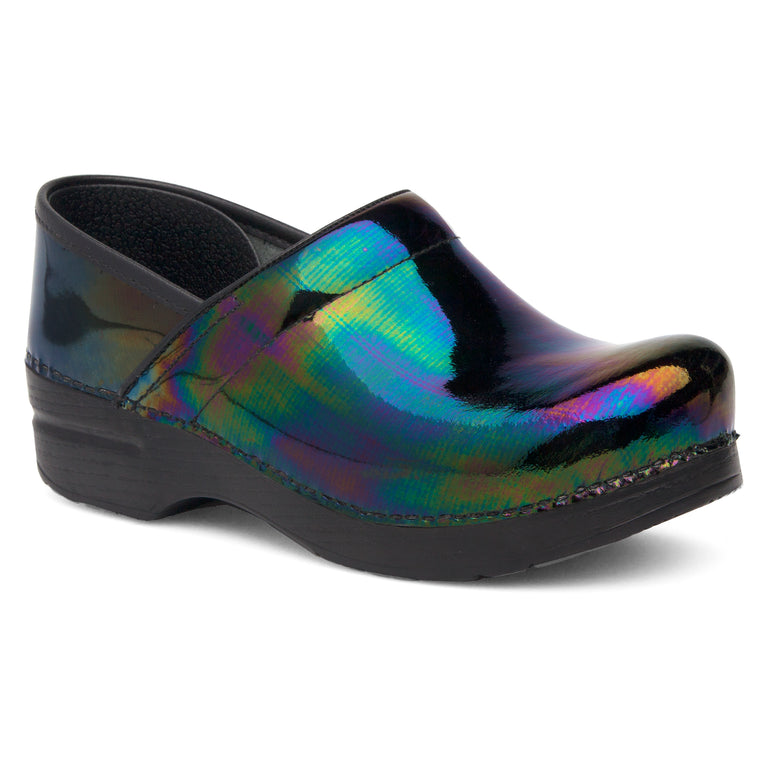
Dansko Professional Clog
The most podiatrist-prescribed professional shoe in the world. Rocker bottom reduces forefoot pressure during long standing shifts. APMA accepted. Reinforced toe box protects feet in clinical and office environments. The clinical gold standard for healthcare and standing professionals who need professional appearance.
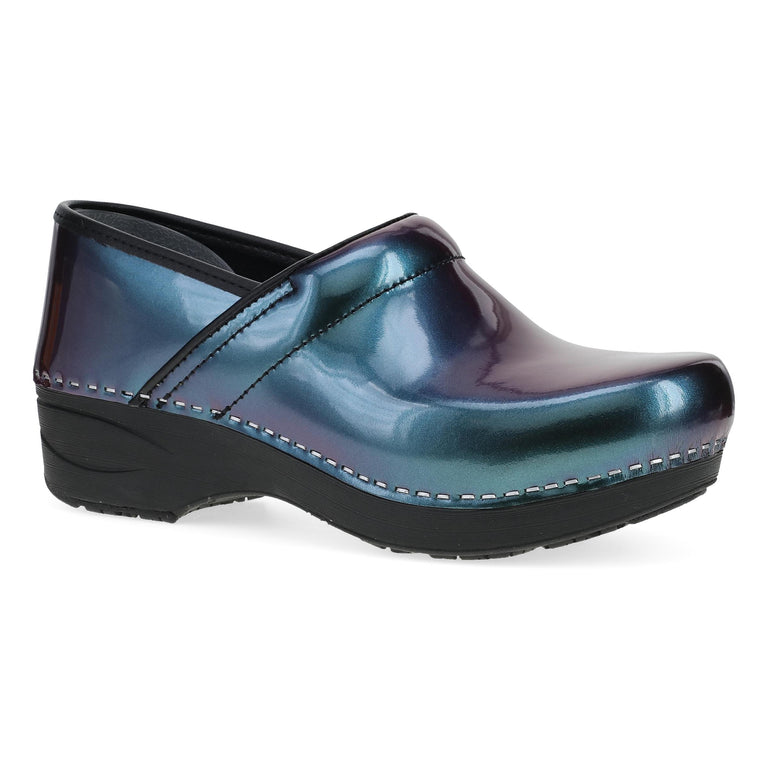
Dansko XP 2.0
Lighter and more flexible evolution of the Professional Clog with the same rocker geometry and slip-resistant outsole. Memory foam footbed for all-day standing comfort. APMA accepted. The preferred Dansko for professionals who walk more than they stand and need a less bulky professional silhouette.

Apex Classic Moc Dress Shoe Biomechanical Men's
Ambulator Biomechanical design limits stress at the foot's most pain-prone areas. Half inch removable depth in 3 layers accommodates custom orthotics and AFOs. High and wide toe box protects bunions and diabetic feet. APMA accepted. The most clinically advanced dress shoe for men with serious foot conditions.

Apex Cap Toe Oxford Lexington Men's
Professional cap toe Oxford with full diabetic orthopedic engineering in a dress silhouette. Full-grain leather upper with removable insole for orthotic accommodation. APMA accepted. The only APMA-accepted Oxford in the catalog - appropriate for formal business, court, and professional environments.
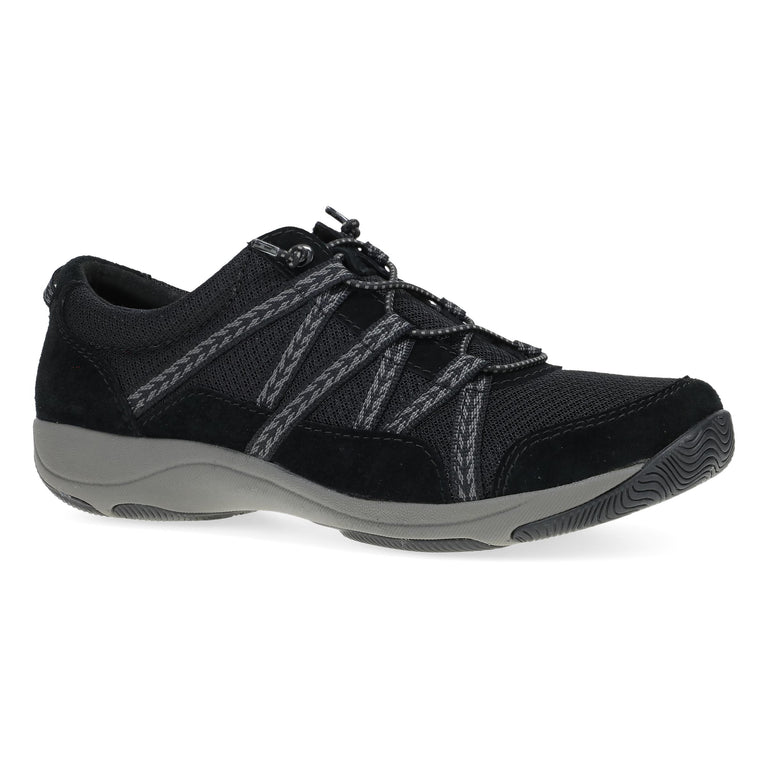
Dansko Harlyn
APMA accepted sneaker-style shoe with Natural Arch technology and adjustable bungee closure for easy on and off. Removable contoured footbed accommodates custom orthotics. Wide toe box for bunions and hammertoes. Women's. The most versatile dress-adjacent option for female professionals.
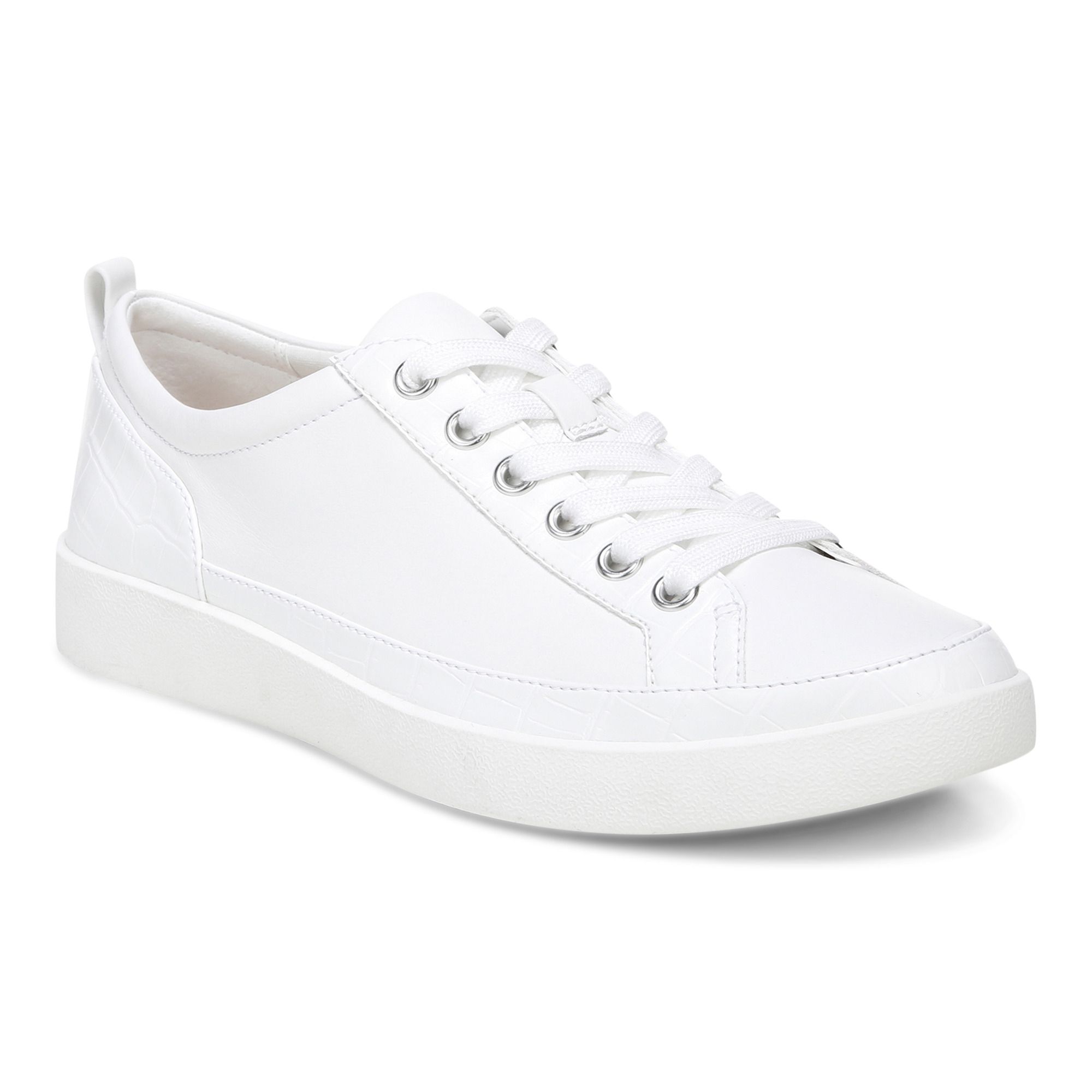
Vionic Winny Sneaker
Classic lace-up sneaker silhouette with podiatrist-designed VioMotion biomechanical footbed and APMA acceptance. Transitions from casual professional to weekend wear. Wide toe box reduces bunion pressure. Available in leather and knit upper options. Women's. The most lifestyle-appropriate option in this guide.
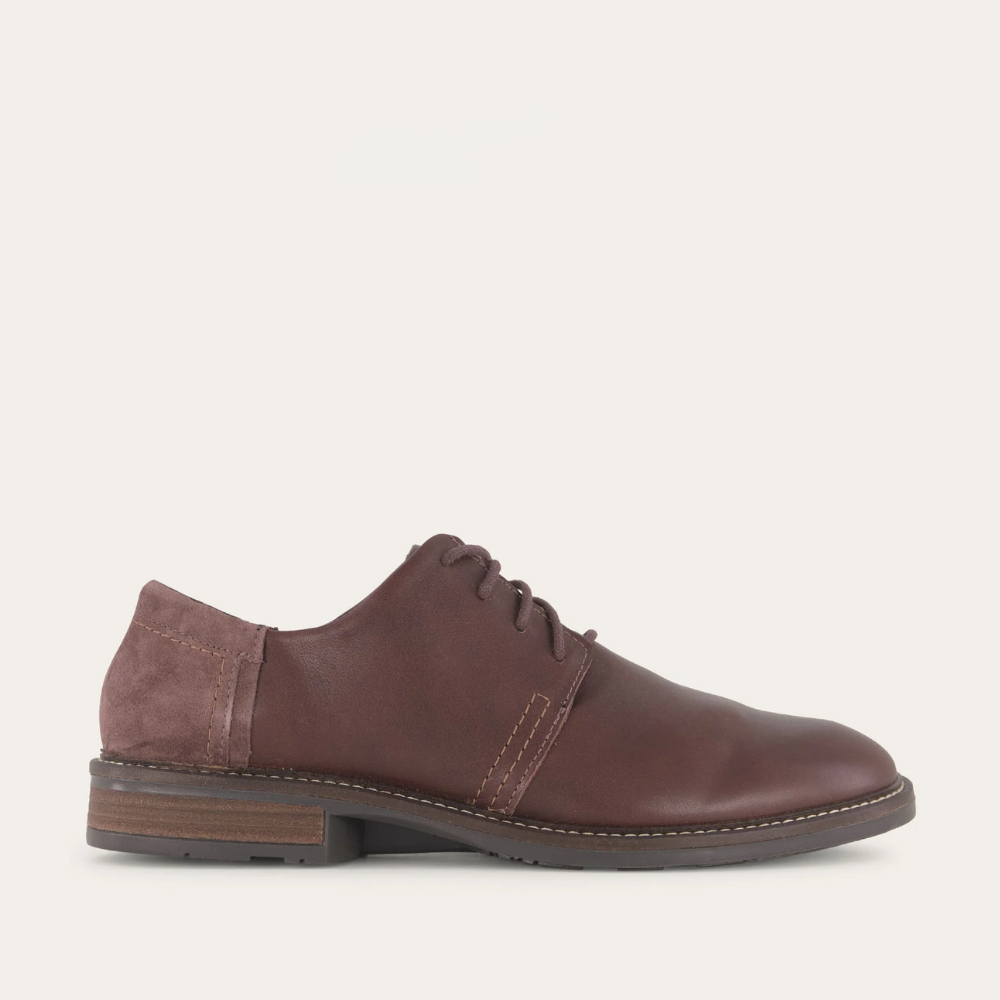
Naot Chief
One of the few genuine lace-up dress oxfords carrying an APMA Seal of Acceptance, verified directly against the seal database (pid=8285). Removable cork and latex footbed accommodates custom orthotics. A true formal option for men, not a casual substitute dressed up as one.
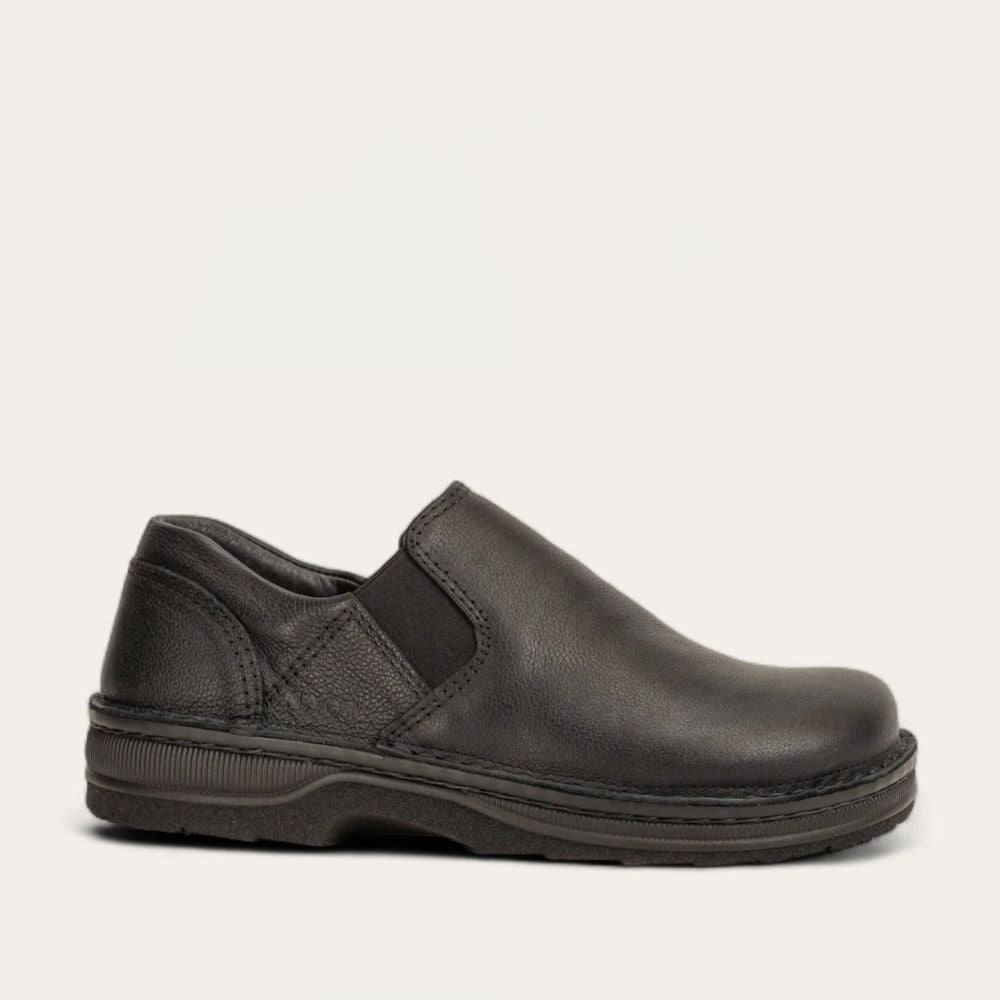
Naot Eiger
APMA Seal of Acceptance confirmed (pid=6689). Slip-on construction with a confirmed 0.5-inch heel-to-toe drop and removable orthotic-friendly footbed, a rare combination of verified moderate drop and dress-appropriate styling in one shoe.
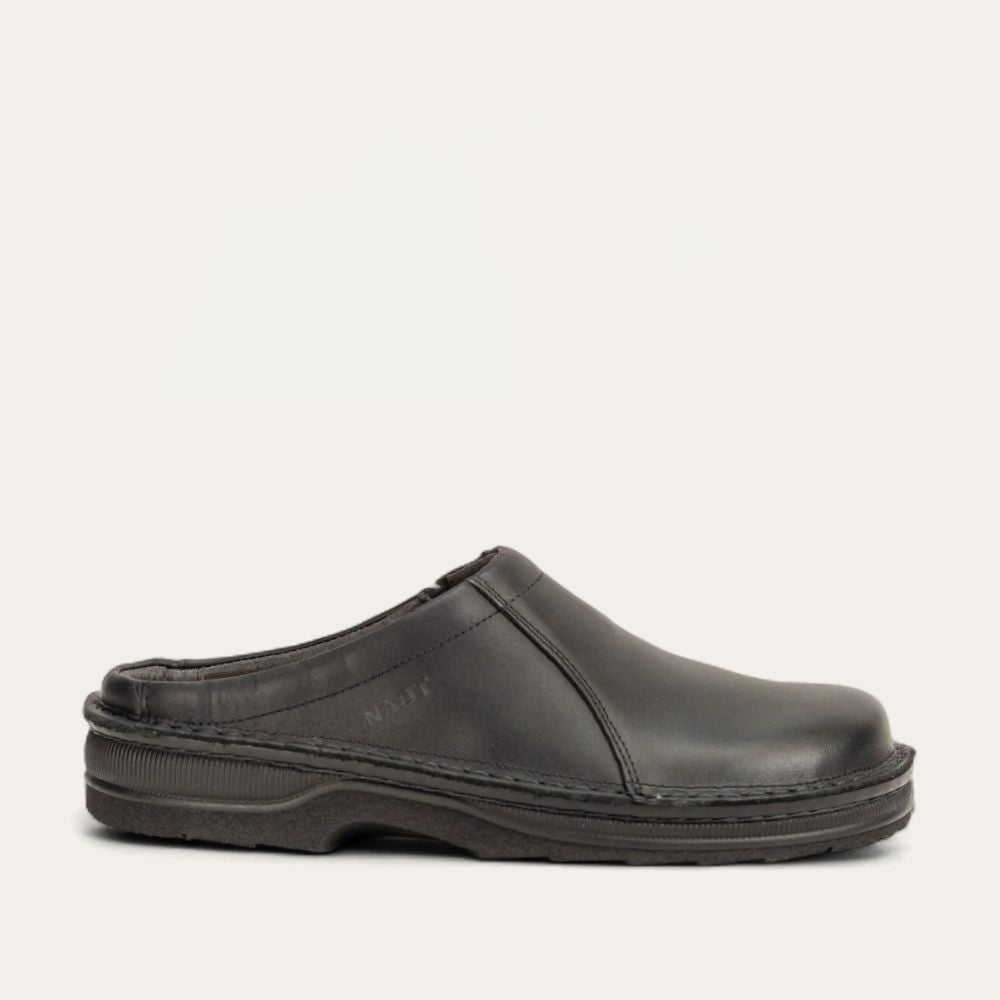
Naot Bjorn
APMA Seal of Acceptance confirmed (pid=6688). The only genuinely Wide-width option in the men's dress-casual lineup, confirmed directly on the manufacturer's own page, with hallux support and a deep heel indentation built into an open-back clog silhouette.
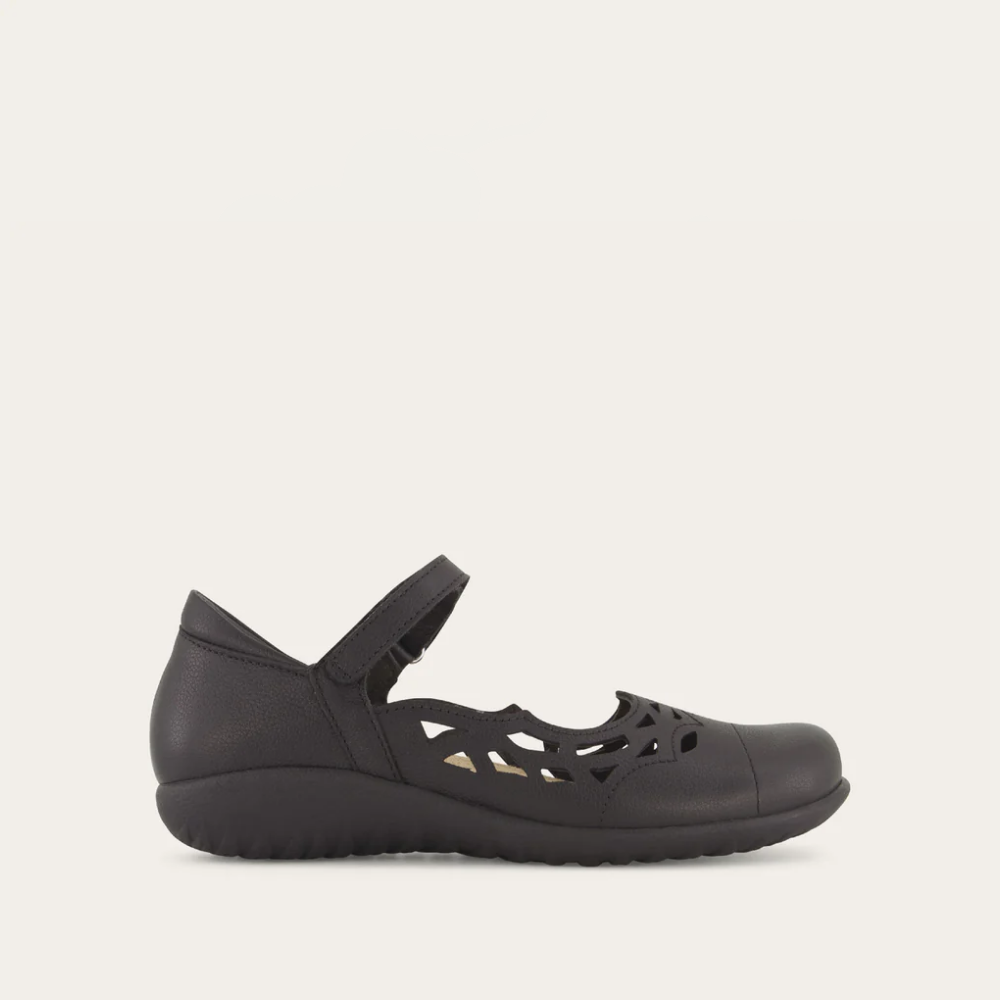
Naot Agathis
APMA Seal of Acceptance confirmed directly against the seal database (pid=6649). Part of Naot's Koru Collection, sharing the same zero-drop, 1-inch sole construction as Kata. Adjustable hook-and-loop strap for a secure, customizable fit.

Naot Matai
Genuine zero-drop Mary Jane, confirmed on the manufacturer's own product page, with both Medium and Wide width availability. Removable cork and latex footbed accommodates custom orthotics for those who need a flatter, more neutral platform.

Naot Martinos
The only genuinely Wide-width Mary Jane in this guide, confirmed directly on the manufacturer's page ('thoughtfully crafted in a wide width for extra space'). Removable footbed and secure hook-and-loop strap for all-day standing.

Naot Kata
Zero-drop, lace-up, closed-toe design confirmed dress-appropriate by real customer reviews ('can even wear it for more dressy occasions'). Removable suede-covered cork and latex footbed for shock absorption.
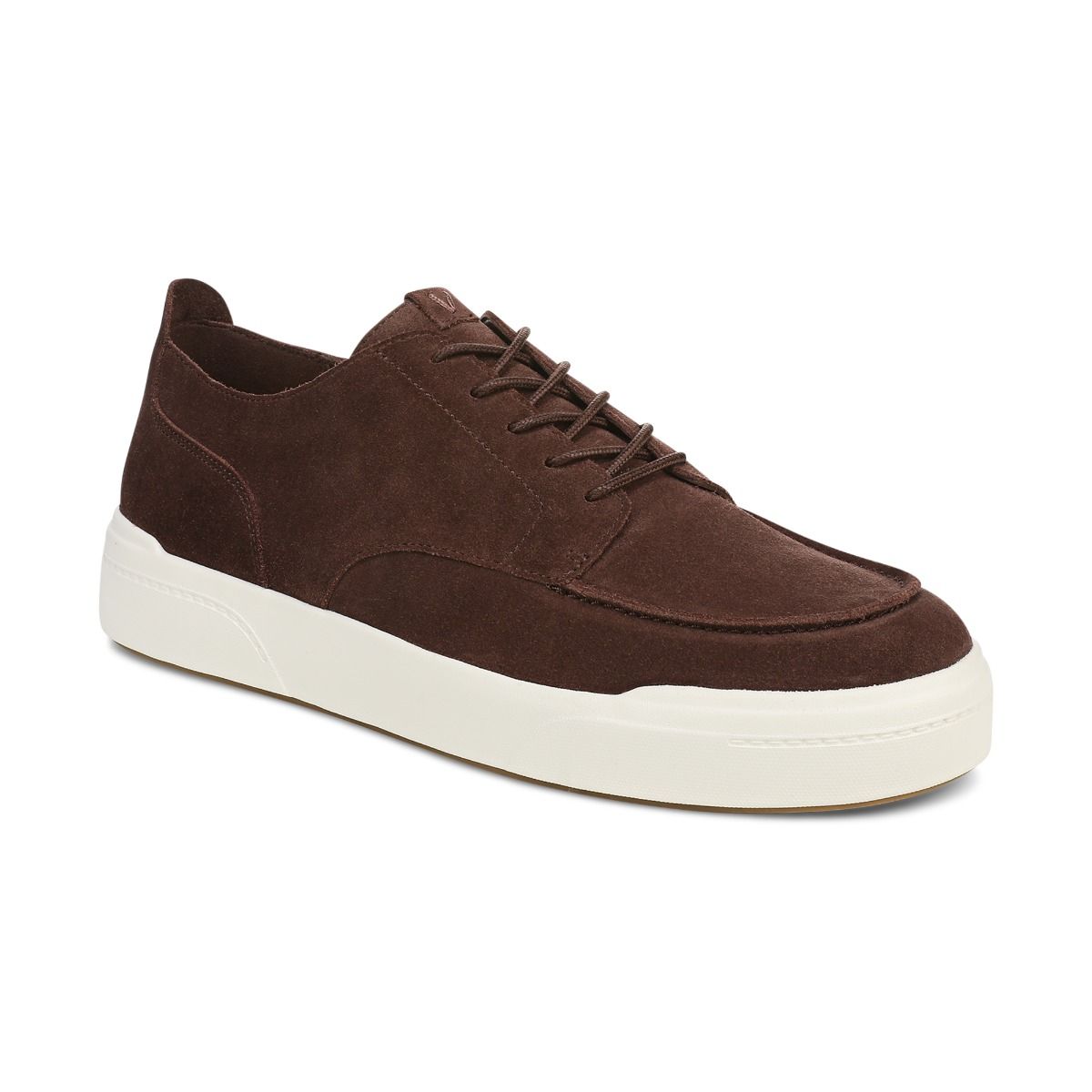
Vionic Carter Oxford Lace Up Sneaker
APMA Seal of Acceptance confirmed directly on the manufacturer's live product page. Available in both Medium and Wide widths, a genuine hybrid between an oxford and a sneaker that bridges office polish with all-day wearability.

VIVAIA Margot Mary Jane
APMA Accepted, confirmed independently across the manufacturer's own site and CNN Underscored's product testing coverage. Square-toe design accommodates a wider forefoot without a separate wide-width purchase, and a confirmed 1cm heel keeps forefoot pressure low.

Vionic Willa 2.0
APMA Seal of Acceptance confirmed against the manufacturer's own verified PID list. Removable footbed, contoured arch support, and a deep heel cup make this one of the strongest feature-based matches for plantar fasciitis in the entire guide.
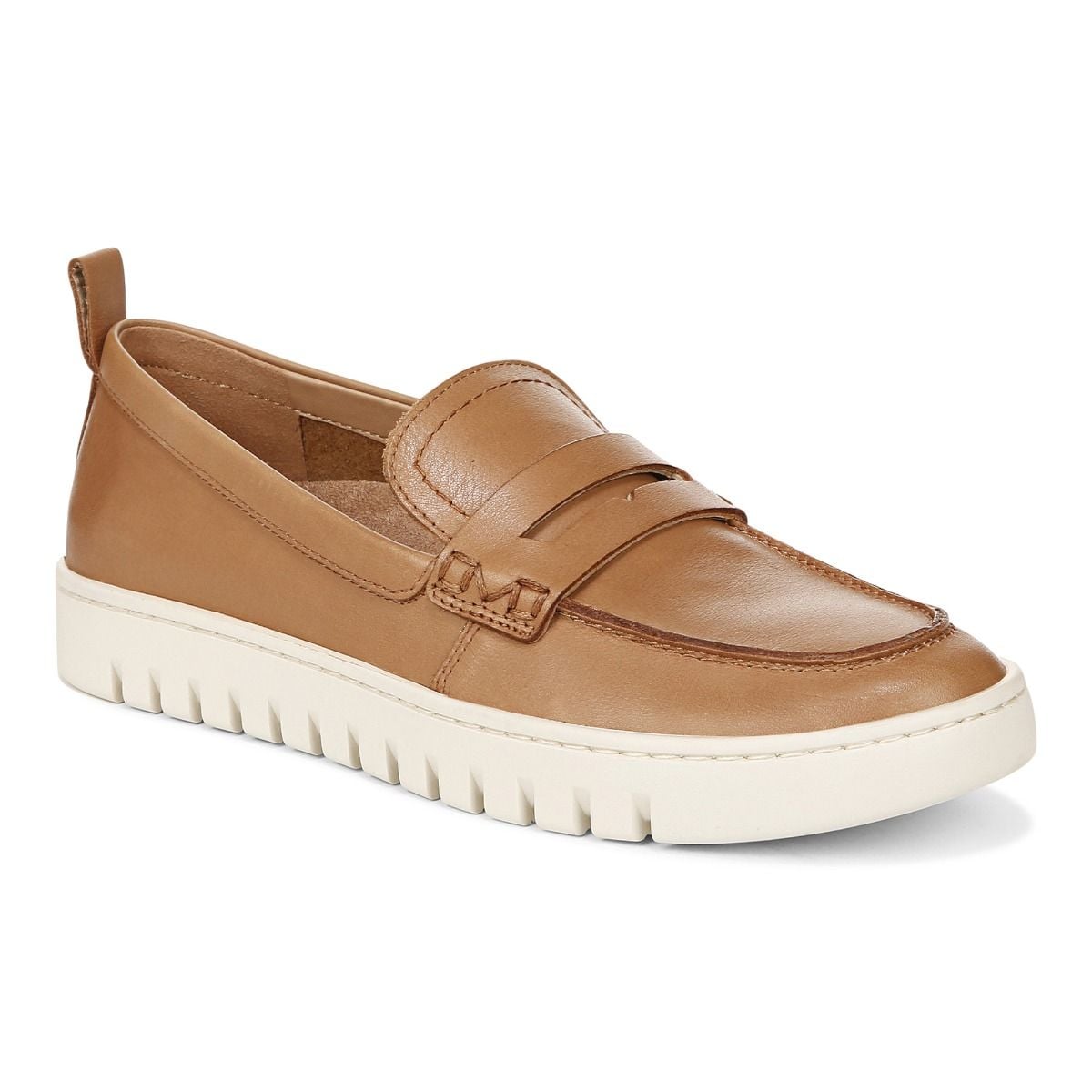
Vionic Uptown Loafer
APMA Seal of Acceptance confirmed directly on the manufacturer's live page. Real customer reviews report the arch support is strong enough to replace personal orthotic insoles entirely, in a silhouette dressy enough for the office.
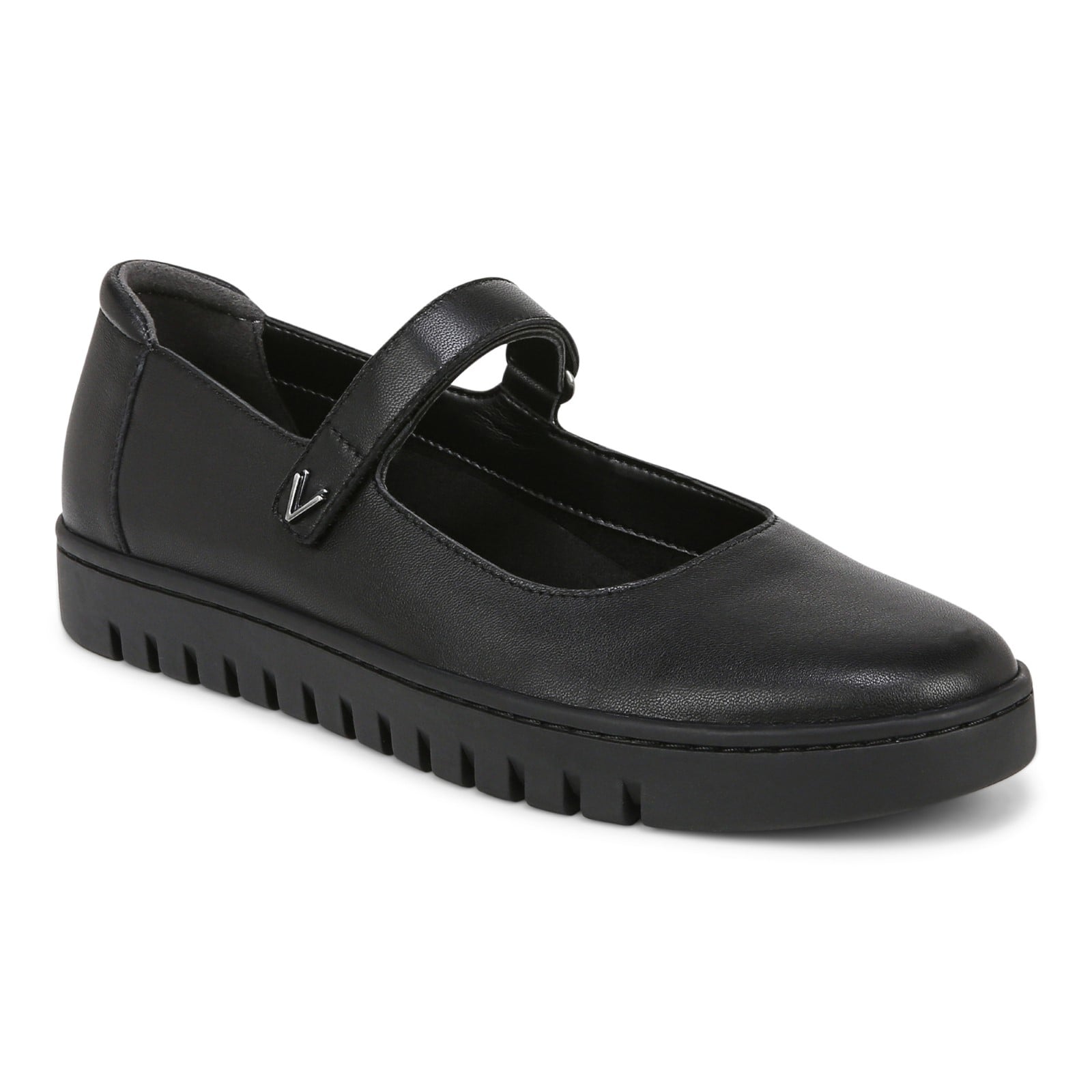
Vionic Uptown MaryJane
APMA Seal of Acceptance confirmed directly against the manufacturer's verified PID list. Removable EVA footbed and hook-and-loop closure, independently verified rather than assumed from its sibling Loafer.
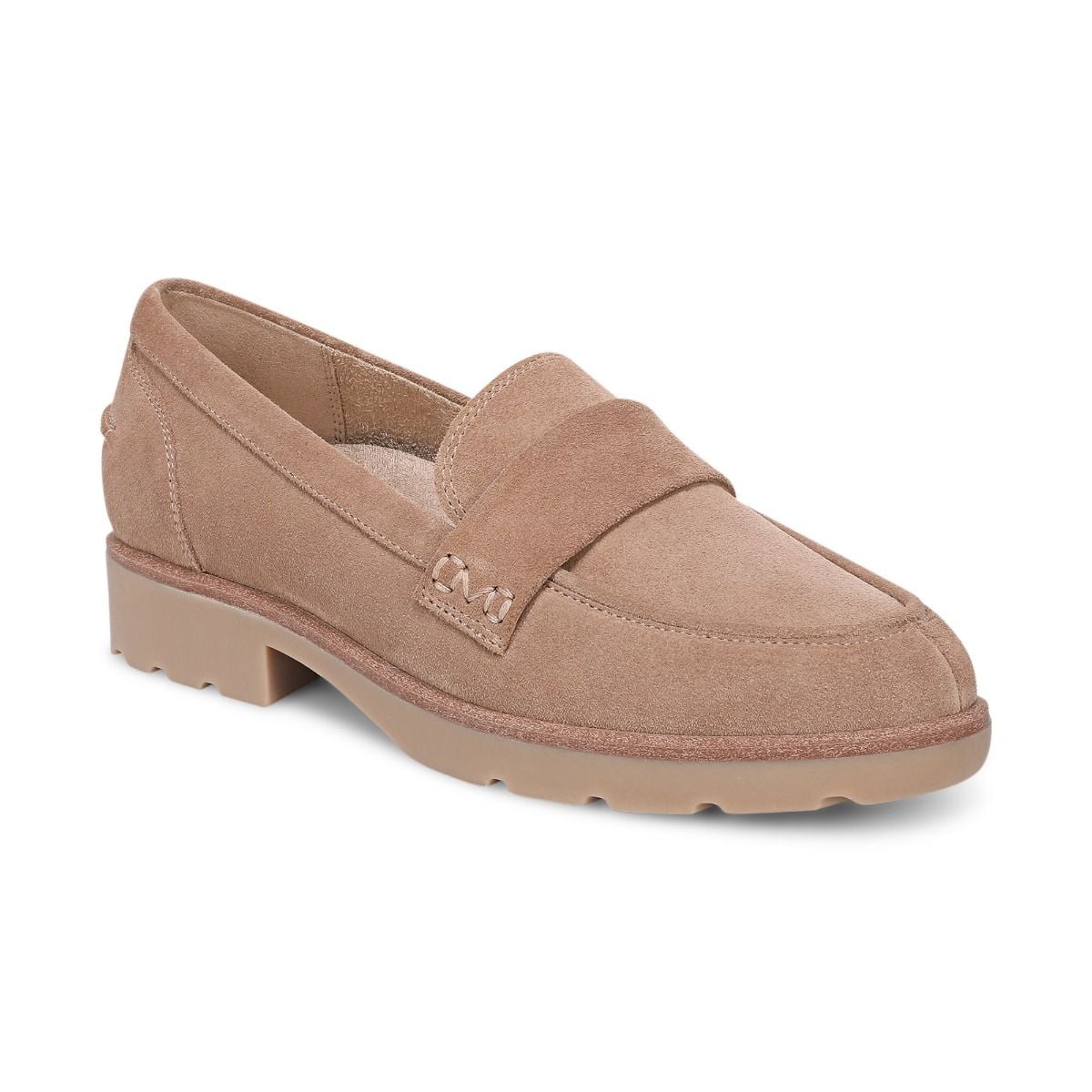
Vionic Cleo Loafer
APMA Seal of Acceptance confirmed against the manufacturer's own verified PID list. Note: several independent retailer review sections report a recurring squeaking issue and sizing inconsistency, worth trying in person before committing to a pair for daily office wear.

Vionic Uptown Ballet
APMA Seal of Acceptance confirmed against the manufacturer's verified PID list. A packable, deconstructed ballet flat with genuine Wide-width availability, real reviews report meaningful relief for teachers and other standing professionals.

Naturalizer Pacey Loafer
Not APMA-accepted, but specifically named in a current podiatrist-authored roundup for its arch and heel support. Confirmed 1.25-inch heel with a 0.625-inch platform, available in Medium and Wide widths, a classic penny loafer silhouette for the office.
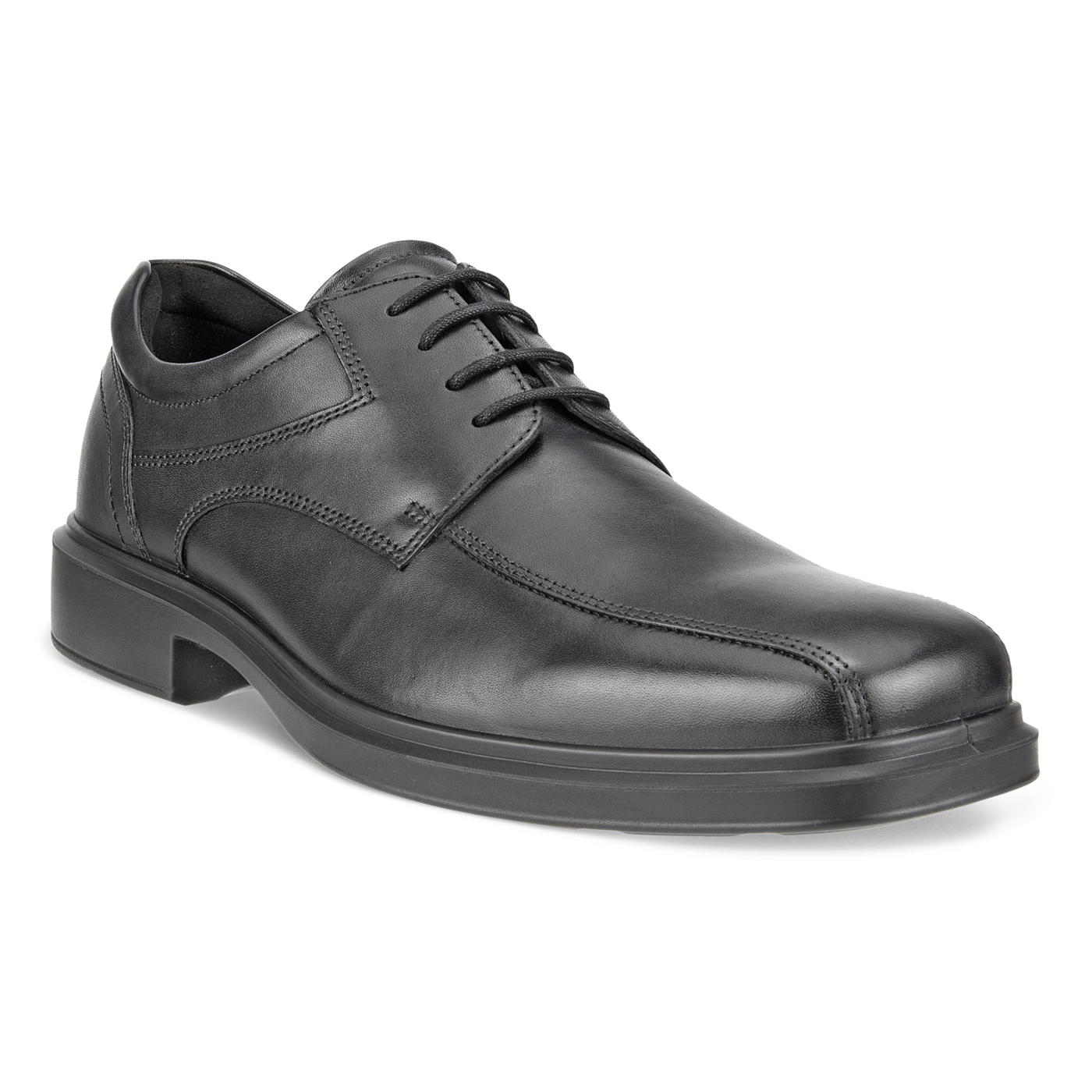
ECCO Helsinki 2 Derby Shoe
Not APMA-accepted, but named directly by a board-certified podiatric surgeon as the most consistently podiatrist-recommended men's dress shoe for plantar fasciitis. Removable dual-fit insoles genuinely widen the fit and roomier toe area when needed for orthotics.
Heel Height Guide
The Clinical Reality of Heel Height
0 - 0.5 inch
Not always the best
Completely flat shoes can actually increase plantar fascia tension in some foot types. Patients with plantar fasciitis often benefit from a slight heel elevation of 1 inch. Completely flat dress shoes with no arch support are among the most damaging for standing professionals.
1 - 1.5 inch
Podiatrist recommended
The 1 to 1.5 inch range reduces plantar fascia tension while keeping the Achilles tendon at an appropriate length. Most podiatrists recommend this range for patients who require professional footwear. The Dansko clog line sits in this range with the added benefit of rocker geometry.
2+ inches
Avoid for foot health
Heels above 2 inches increase forefoot pressure by up to 76% - compressing the metatarsal heads and driving Morton's neuroma, metatarsalgia, and bunion formation. The longer you wear them, the greater the cumulative damage. If professional requirements demand higher heels, limit daily wear time and alternate with supportive flats.
What to Avoid in Professional Footwear
Pointed toe boxes - they compress the forefoot and drive bunion progression with every step
Heels above 2 inches - they shift body weight onto the metatarsal heads increasing forefoot pressure by up to 76%
Leather sole dress shoes - they have near-zero slip resistance on polished office and courthouse floors
Fashion dress shoes without removable insoles - they cannot accommodate custom orthotics
Breaking in painful dress shoes - if a shoe causes pain when new it will cause more pain after hours of wear
Buying dress shoes in the morning - feet swell throughout the day and a shoe that fits at 9am is tight by 4pm
Frequently Asked Questions
Can dress shoes cause permanent foot damage?
Yes over time. Narrow toe boxes compress the first metatarsophalangeal joint daily, accelerating bunion formation that is largely irreversible without surgery. High heels redistribute body weight onto the metatarsal heads causing Morton's neuroma - a painful nerve enlargement between the toes that may require treatment. Years of inadequate arch support in flat dress shoes causes plantar fasciitis and posterior tibial tendon dysfunction. The right dress shoe prevents these conditions from developing rather than treating them after the fact.
What dress shoes do podiatrists recommend for bunions?
Podiatrists recommend dress shoes with wide and deep toe boxes that do not compress the first metatarsophalangeal joint. The Dansko Professional Clog, Apex Classic Moc Dress Shoe, and Vionic Winny Sneaker all carry APMA acceptance and feature wide toe boxes that accommodate bunion deformity without compression. A shoe that touches the bunion bump at any point during the gait cycle is too narrow - there must be clearance throughout the entire stride.
How do I find dress shoes that fit my orthotics?
You need a shoe with a removable insole and extra depth - remove the factory insole, place your orthotic inside, and check that your foot fits without crowding the toe box or heel. The Apex dress shoe line is specifically engineered for orthotic accommodation with extra depth in multiple removable layers. Dansko clogs have removable footbeds that work with most OTC and custom orthotic devices. Avoid standard dress shoes that have fixed insoles - they cannot accommodate any orthotic device.
Is the Dansko clog appropriate for office environments?
Yes - the Dansko Professional Clog and XP 2.0 are standard footwear in hospitals, clinics, restaurants, and many office environments. Both carry the APMA Seal of Acceptance and have been the podiatrist recommendation for healthcare professionals for decades. The rocker bottom provides meaningful clinical benefit for plantar fasciitis and forefoot pain. In more formal office environments, the Apex Cap Toe Oxford or Dansko Harlyn provide a more traditional professional silhouette.
Should I wear arch support insoles in my dress shoes?
A quality OTC arch support insole in a dress shoe that has space for it can provide meaningful additional support. Superfeet Green or Powerstep Pinnacle are frequently recommended by podiatrists for dress shoe use. However - the shoe itself must have a removable insole and adequate depth for this to work. Trying to add an insole to a dress shoe with a fixed insole simply crowds the forefoot and makes the fit worse. The shoes in this guide all have removable insoles designed to accommodate OTC insoles and custom orthotics.
More Shoe Guides
MySoleMatch provides shoe recommendations based on podiatric research. We are not a medical platform and do not provide medical advice. If you are experiencing foot pain that affects your daily life or work, consult a licensed podiatrist. Affiliate disclosure: we may earn a commission if you purchase through links on this page at no additional cost to you.
Have a Specific Foot Condition?
If you have bunions, plantar fasciitis, or another condition, our guided quiz matches you to the right shoe for your specific diagnosis.