Disclosure: We may earn a small commission if you purchase through links on this page. No additional cost to you, and we only recommend products we trust. This helps us keep MySoleMatch free and ad-free. Thank you for your support!
Sever's Disease
Sever's disease, also called calcaneal apophysitis, is the most common cause of heel pain in children and adolescents. Despite the name, it is not a true disease but rather an overuse injury affecting the growth plate at the back of the heel bone during periods of rapid skeletal growth. As the heel bone grows, the Achilles tendon and plantar fascia can temporarily become too tight relative to the lengthening bone, creating traction stress at the growth plate insertion point. The result is heel pain that is worst during and after physical activity, particularly in young athletes in running and jumping sports. The right footwear reduces Achilles tension, absorbs impact forces, and provides the heel cushioning that inflamed growth plates need during recovery.
Signs You May Have Sever's Disease
Heel pain during and after physical activity, particularly running and jumping
Pain at the back of the heel that worsens when the sides of the heel are squeezed
Limping or walking on tiptoes to avoid heel contact
Stiffness and tenderness at the back of the heel in the morning
Pain that improves with rest and worsens with return to activity
Walk Into Your Appointment With Answers
Before Your Next Appointment
Take Your Results to Your Podiatrist
Answer a few quick questions. Takes under 2 minutes. Get personalized shoe recommendations.
Best Shoes for Sever's Disease | MySoleMatch
Footwear for Sever's disease should reduce Achilles tendon tension through a moderate heel lift, absorb impact forces before they reach the inflamed growth plate, and provide adequate cushioning under the heel without requiring a rigid heel counter that could press on the posterosuperior calcaneus. Heel cups and heel lifts can offer meaningful symptom relief as part of a broader approach, evidence suggests custom or more tailored options tend to outperform basic off-the-shelf inserts, and footwear works best alongside stretching and activity modification, not as a standalone fix.
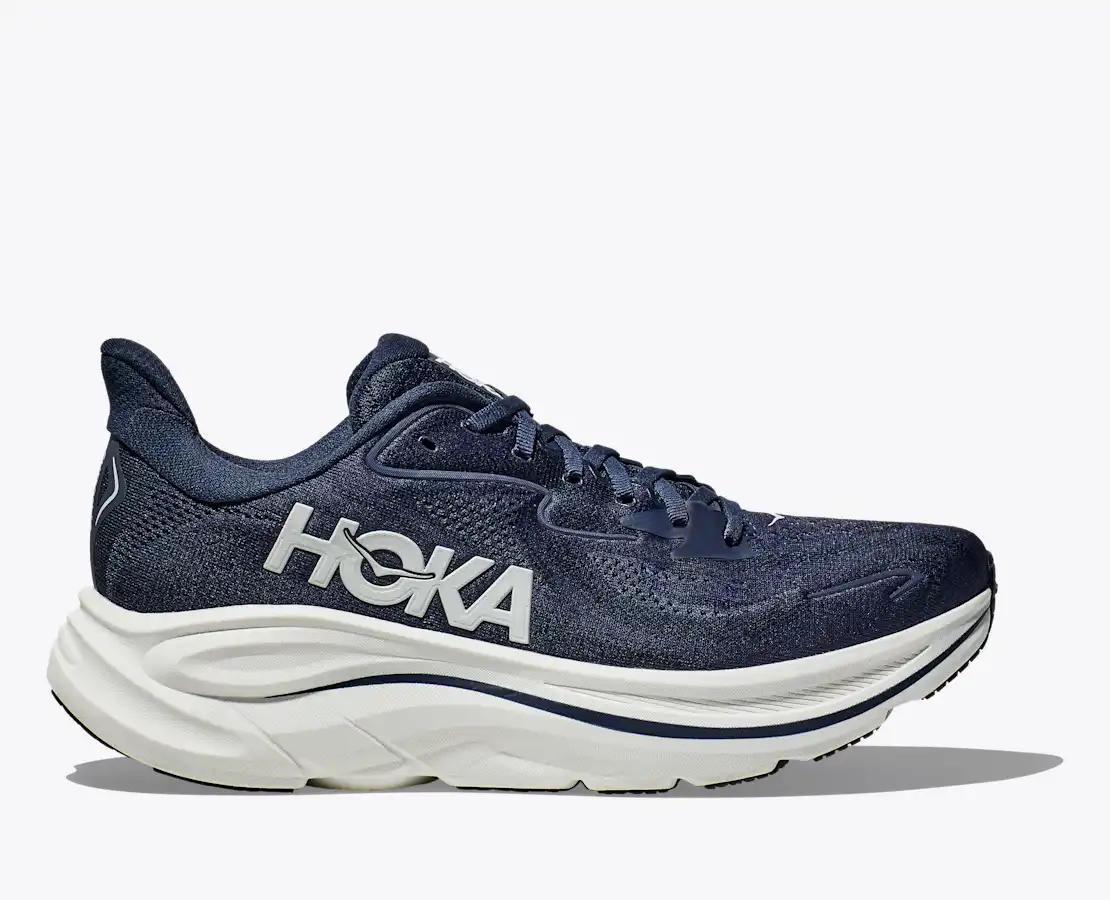
HOKA Clifton 10
$145-$160
Why this shoe
For adolescents who fit adult sizing (typically ages 13 to 14 and above), the Clifton 10's high cushioning stack, 8mm drop, and soft heel collar construction directly address the two primary Sever's disease footwear requirements: maximum impact absorption before forces reach the growth plate, and reduced Achilles tendon tension through heel elevation. The soft heel collar avoids additional posterosuperior pressure. APMA accepted. Note: for children under 13, consult HOKA's youth sizing directly.
CM EVA midsole for plush responsive cushioning
8mm heel drop reduces Achilles and calf strain
APMA Seal of Acceptance pid=9032 - lightweight daily trainer verified directly from APMA Seal Database May 2026

Brooks Ghost 17
$140-$155
Why this shoe
For adolescents in adult sizing, the Ghost 17's 10mm drop is among the highest in the catalog and most directly reduces Achilles tendon tension at the growth plate insertion. DNA Loft v3 nitrogen-infused foam provides reliable heel cushioning across high-impact youth sport activity. Heel collar flares away from the Achilles to avoid posterosuperior contact. APMA accepted.
DNA Loft v3 nitrogen-infused foam for soft responsive cushioning
APMA Seal of Acceptance pid=9077 - PDAC A5500 diabetic shoe certified - verified directly from APMA Seal Database May 2026
Segmented crash pad for smooth heel-to-toe transitions
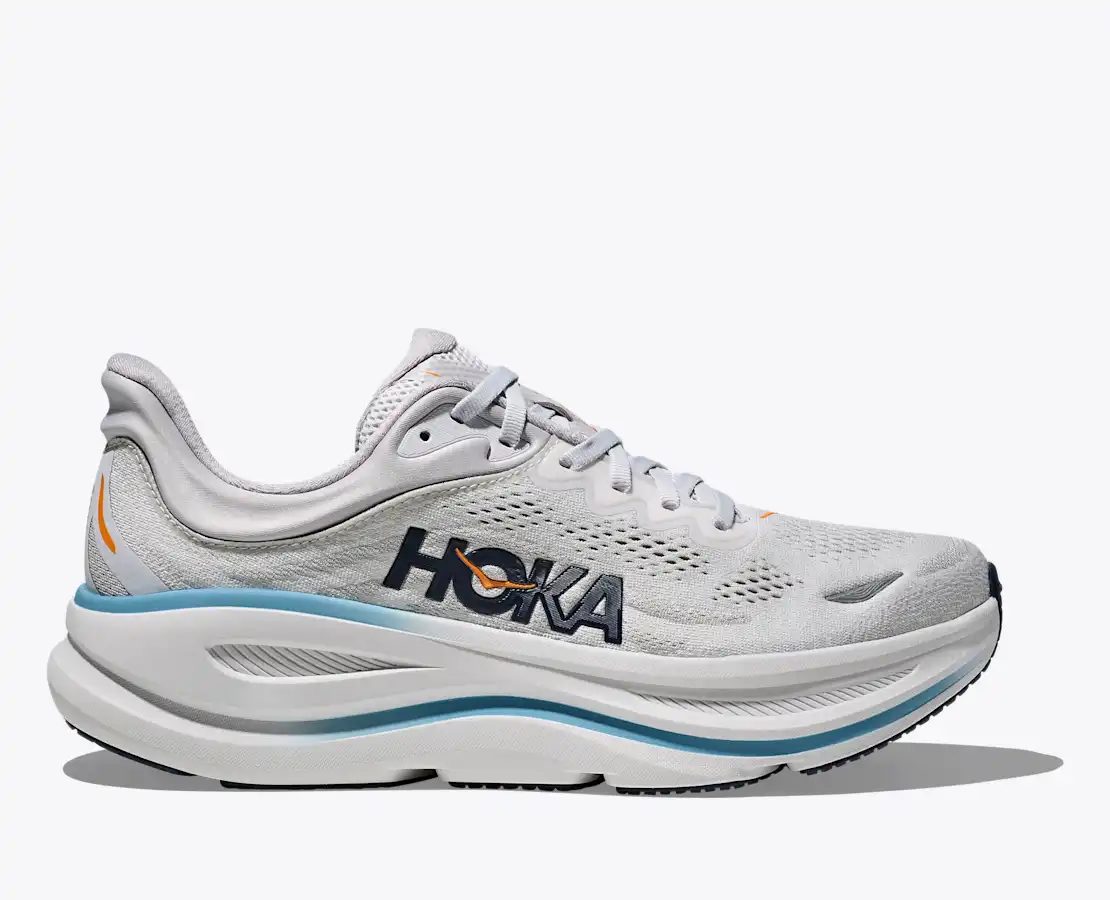
HOKA Bondi 9
$165-$180
Why this shoe
For adolescents in adult sizing, the Bondi 9's maximum 41mm cushioning stack provides the highest impact absorption in the catalog for youth athletes on hard surfaces. The Meta-Rocker reduces forefoot loading and toe-off stress. The 5mm drop is lower than ideal for Achilles tension reduction alone but the Meta-Rocker geometry compensates by reducing push-off demand. Pair with heel cup insert for optimal growth plate protection. APMA accepted.
Supercritical EVA foam for maximum plush cushioning
Meta-Rocker geometry reduces plantar fascia stress
APMA Seal of Acceptance pid=9031 - podiatrist top recommendation for heel pain - verified directly from APMA Seal Database May 2026

New Balance Fresh Foam X 880v15
$145-$155
Why this shoe
For adolescents in adult sizing, the 880v15's Fresh Foam X midsole provides reliable daily cushioning with a 6mm drop for moderate Achilles tension reduction. A versatile option for youth athletes who need a shoe that transitions between sport and everyday wear. APMA accepted. Pair with a heel cup insert for additional growth plate cushioning.
Fresh Foam X midsole with approximately 3% bio-based content for cushioned ride
Structured yet breathable engineered mesh upper
Structured, breathable engineered mesh upper, per New Balance
What to Look for in a Shoe
Evidence-based footwear criteria specific to this condition.
Heel Drop
Recommended: 8-12mm
A moderate to high heel drop reduces Achilles tendon tension by placing the heel in a slightly elevated position relative to the forefoot, decreasing the traction force applied to the growth plate insertion point during activity.
Avoid below 4mm
Cushioning
maximum
Maximum cushioning attenuates impact forces before they reach the inflamed calcaneal growth plate. Youth athletes generate significant impact forces during running and jumping that are amplified by hard playing surfaces.
Avoid: minimal, barefoot-style, zero-drop
Stability vs. Neutral
neutral_to_stability
Children with flat feet or overpronation accompanying Sever's disease benefit from stability features that reduce compensatory loading patterns on the heel. Children with neutral gait are well served by neutral cushioned shoes with heel lift inserts.
Exception: Gait assessment by a podiatrist is recommended when both flat feet and Sever's disease are present to determine the appropriate stability level.
Width
Recommended: D, 2E
Standard to wide fit appropriate for most youth athletes. Width is not the primary variable for Sever's management. Cushioning and heel drop are the decisive factors.
Insoles and Orthotics
Heel cups are the most commonly recommended conservative insert for Sever's disease. They provide targeted heel cushioning and a mild heel lift effect that reduces growth plate tension. They can be placed inside any well-cushioned athletic shoe without requiring custom orthotic fabrication in most cases.
Sources: Journal of Pediatric Orthopaedics; APMA; pediatric sports medicine consensus
What Is Happening in Your Foot
During periods of rapid growth, the heel bone grows faster than the Achilles tendon and plantar fascia can keep pace. This creates a situation where the soft tissues pulling on the back of the heel bone are temporarily under higher tension than normal. The point where the Achilles tendon attaches to the heel bone is still a growth plate in children, not yet the solid bone attachment it becomes in adults. Repetitive tension and impact stress on this growth plate causes inflammation and pain.
Biomechanics
The calcaneal growth plate, or apophysis, is located on the posteroinferior aspect of the heel bone and serves as the Achilles tendon attachment point during childhood and adolescence. Every footstrike places compressive force on the heel, and every push-off places tensile force on the growth plate through the Achilles tendon. In a child with a tight Achilles relative to the growing heel bone, both forces are amplified. Footwear that absorbs impact before it reaches the heel and reduces Achilles tension through a heel lift addresses both mechanisms simultaneously.
What Makes It Worse
High-impact sports including soccer, basketball, gymnastics, and distance running
Rapid growth spurts that increase Achilles tendon relative tightness
Hard artificial turf or concrete playing surfaces
Athletic shoes with worn or inadequate heel cushioning
Cleated footwear that locks the heel into ground contact during deceleration
Sudden increases in training volume or intensity
What Helps
Heel cups placed inside athletic footwear
Well-cushioned athletic shoes with adequate heel drop
Achilles tendon and calf stretching before and after activity
Ice applied to the heel after activity
Temporary activity reduction during flares
Avoidance of barefoot activity on hard surfaces during symptomatic periods
Common Misconceptions
Myth: Sever's disease means my child has a serious bone disease.
Sever's disease is not a true disease and does not involve actual bone damage. It is an overuse inflammation of the growth plate that resolves completely once the growth plate closes. The name is historical and somewhat misleading.
Myth: Children with Sever's disease must stop all sports immediately.
Most children can continue sports participation with appropriate footwear, heel cups, stretching, and activity modification. Complete rest is rarely necessary and difficult to enforce in active children. Symptom management that allows continued participation is the clinical goal for most cases.
Sources: Journal of Pediatric Orthopaedics; British Journal of Sports Medicine; APMA; American Academy of Pediatrics
Sever's Disease by Occupation
How this condition presents differently depending on how you spend your day.
youth athletes
Young athletes in running and jumping sports are the primary population affected by Sever's disease.
Youth sports seasons often peak during growth spurts, creating perfect timing for Sever's disease onset. Coaches and parents may not recognize the condition, and children may continue playing through significant pain. Cleated footwear used in soccer and football provides minimal heel cushioning and is a significant aggravating factor.
Shoe Priority
Maximum cushion youth athletic shoe with heel cup insert. Replace cleated footwear with better-cushioned alternatives for training sessions when the sport surface permits. Heel cups inside cleats provide meaningful symptom reduction during competitive play.
Frequently Asked Questions
Related Guides and Resources
Shoe Guides
From the MySoleMatch Journal
MySoleMatch Picks
Top APMA Verified Shoes for Sever's Disease
Every shoe below carries the APMA Seal of Acceptance. Reviewed by licensed podiatrists and confirmed to promote good foot health. Picks are matched specifically to Sever's Disease based on clinical alignment strength.
HOKA Clifton 10
hoka
$145-$160
Why it works for Sever's Disease
For adolescents who fit adult sizing (typically ages 13 to 14 and above), the Clifton 10's high cushioning stack, 8mm drop, and soft heel collar construction directly address the two primary Sever's disease footwear requirements: maximum impact absorption before forces reach the growth plate, and reduced Achilles tendon tension through heel elevation. The soft heel collar avoids additional posterosuperior pressure. APMA accepted. Note: for children under 13, consult HOKA's youth sizing directly.
8mm
Heel Drop
high
Cushion
3
Widths
Brooks Ghost 17
brooks
$140-$155
Why it works for Sever's Disease
For adolescents in adult sizing, the Ghost 17's 10mm drop is among the highest in the catalog and most directly reduces Achilles tendon tension at the growth plate insertion. DNA Loft v3 nitrogen-infused foam provides reliable heel cushioning across high-impact youth sport activity. Heel collar flares away from the Achilles to avoid posterosuperior contact. APMA accepted.
10mm
Heel Drop
high
Cushion
5
Widths
HOKA Bondi 9
hoka
$165-$180
Why it works for Sever's Disease
For adolescents in adult sizing, the Bondi 9's maximum 41mm cushioning stack provides the highest impact absorption in the catalog for youth athletes on hard surfaces. The Meta-Rocker reduces forefoot loading and toe-off stress. The 5mm drop is lower than ideal for Achilles tension reduction alone but the Meta-Rocker geometry compensates by reducing push-off demand. Pair with heel cup insert for optimal growth plate protection. APMA accepted.
5mm
Heel Drop
maximum
Cushion
3
Widths
MySoleMatch is an independent platform. We are not affiliated with any shoe brand or the APMA. Shoe links are affiliate links through Amazon, HOKA, Brooks, and other partner programs. We may earn a small commission if you purchase through our links at no additional cost to you. These picks are editorially selected based on APMA acceptance and clinical alignment to Sever's Disease. Not commission rates. Always consult a podiatrist for persistent foot pain.
Walk Into Your Appointment With Answers
Before Your Next Appointment
Take Your Results to Your Podiatrist
Answer a few quick questions. Takes under 2 minutes. Get personalized shoe recommendations.
Not Sure Which Shoe Is Right?
Take our guided quiz and get a personalized recommendation based on your specific foot condition and lifestyle.
Start the Quiz