Disclosure: We may earn a small commission if you purchase through links on this page. No additional cost to you, and we only recommend products we trust. This helps us keep MySoleMatch free and ad-free. Thank you for your support!
Rheumatoid Arthritis of the Foot
Rheumatoid arthritis of the foot is one of the most significant foot health challenges in clinical podiatric practice. Unlike osteoarthritis, which results from wear and tear over time, rheumatoid arthritis is an autoimmune disease in which the body's immune system mistakenly attacks the joints, beginning with the synovial lining that cushions them. In the foot, this most commonly affects the metatarsophalangeal joints at the ball of the foot, causing swelling, pain, and progressive deformity including forefoot widening, hammer toe formation, and toe drift. The right footwear reduces joint loading, accommodates deformities without pressure, and provides the cushioning and stability that inflamed joints require.
Signs You May Have Rheumatoid Arthritis of the Foot
Swelling, warmth, and tenderness across multiple joints in the foot simultaneously
Pain at the ball of the foot that is worse in the morning and improves with movement
Progressive widening of the forefoot as joints become inflamed
Development of hammer toes or claw toes from tendon and joint involvement
Toe drift where toes shift laterally away from midline
Rheumatoid nodules forming under the skin at pressure points
Significant fatigue and systemic symptoms accompanying foot pain
Walk Into Your Appointment With Answers
Before Your Next Appointment
Take Your Results to Your Podiatrist
Answer a few quick questions. Takes under 2 minutes. Get personalized shoe recommendations.
Best Shoes for Rheumatoid Arthritis of the Foot | MySoleMatch
Footwear for rheumatoid arthritis of the foot must accomplish three things simultaneously: eliminate pressure on inflamed and deformed joints, provide maximum cushioning to attenuate ground reaction forces through inflamed joint surfaces, and accommodate the progressive forefoot widening and toe deformities that develop over time. Extra-depth shoes with soft non-binding uppers, wide to extra-wide lasts, and removable insoles for custom orthotic accommodation are the clinical standard.
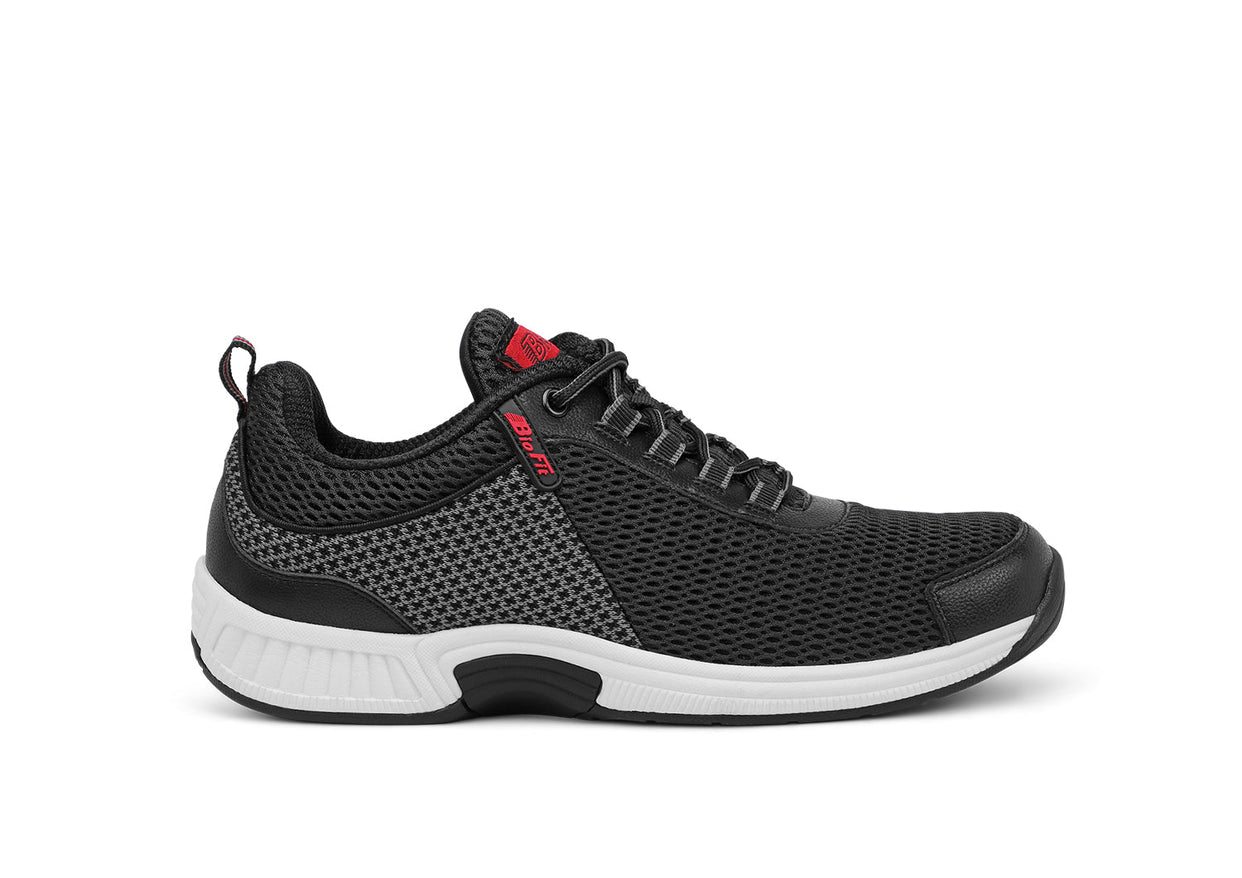
Orthofeet Edgewater
$129-$145
Why this shoe
Biomedical-engineered extra-depth design with stretch upper is the clinical gold standard for rheumatoid arthritis foot management. The stretch upper accommodates progressive forefoot widening and toe deformities without compression. Seam-free padded interior protects inflamed joints. PDAC A5500 and APMA accepted.
Biomedical-engineered extra-depth design accommodates custom orthotics
Stretch upper eliminates pressure on bunions, hammertoes, and swollen feet
Ergonomic Stride outsole with mild rocker reduces plantar fascia strain
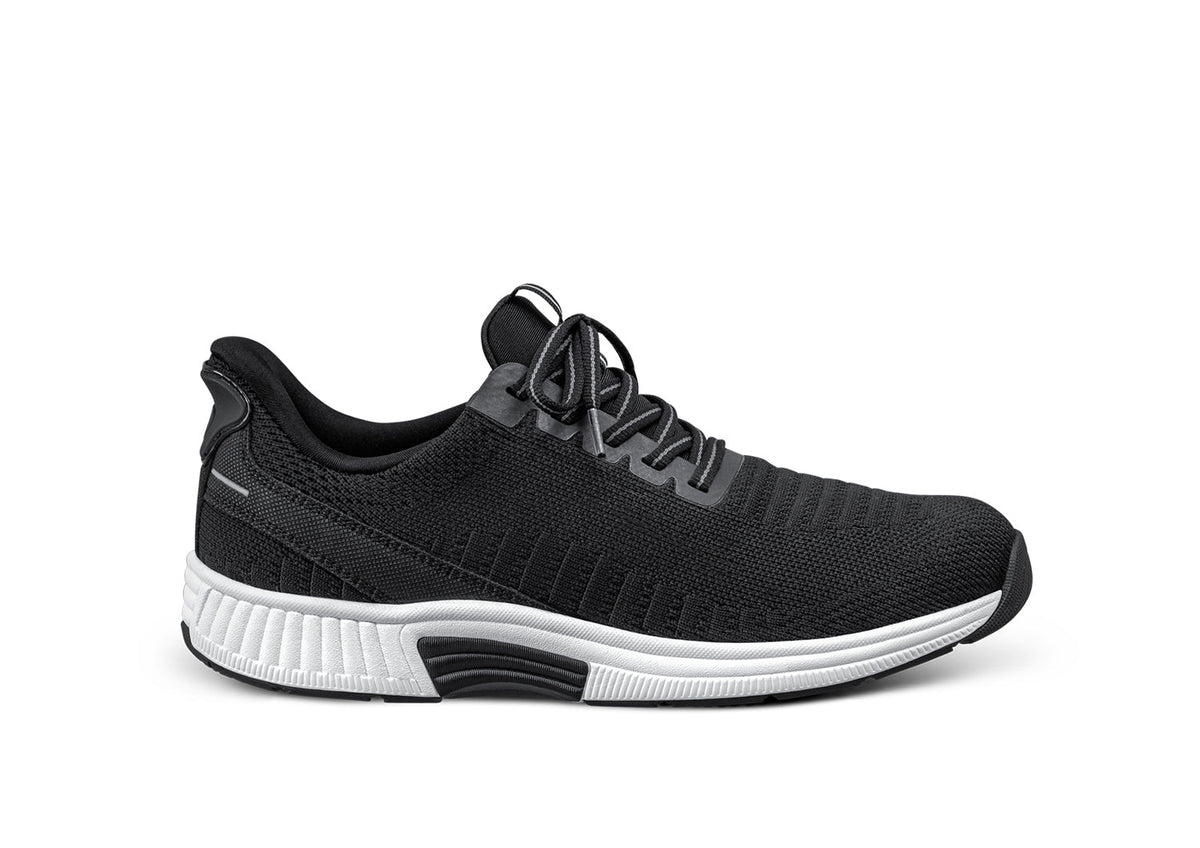
Orthofeet Kita
$130-$160
Why this shoe
Hands-free heel-spring entry eliminates the bending and grip strength required to tie laces, directly addressing RA-driven hand and finger involvement. Water-repellent stretch upper and seam-free interior accommodate forefoot widening and inflamed synovial tissue without compression. APMA accepted.
APMA Seal of Acceptance pid=9248 - Orthofeet Kita - verified directly from APMA Seal Database September 2026
Hands-Free Easy On/Off heel spring allows entry without bending or using hands
Multi-Layer Ortho-Cushion system with ergonomic sole and mild rocker for reduced impact
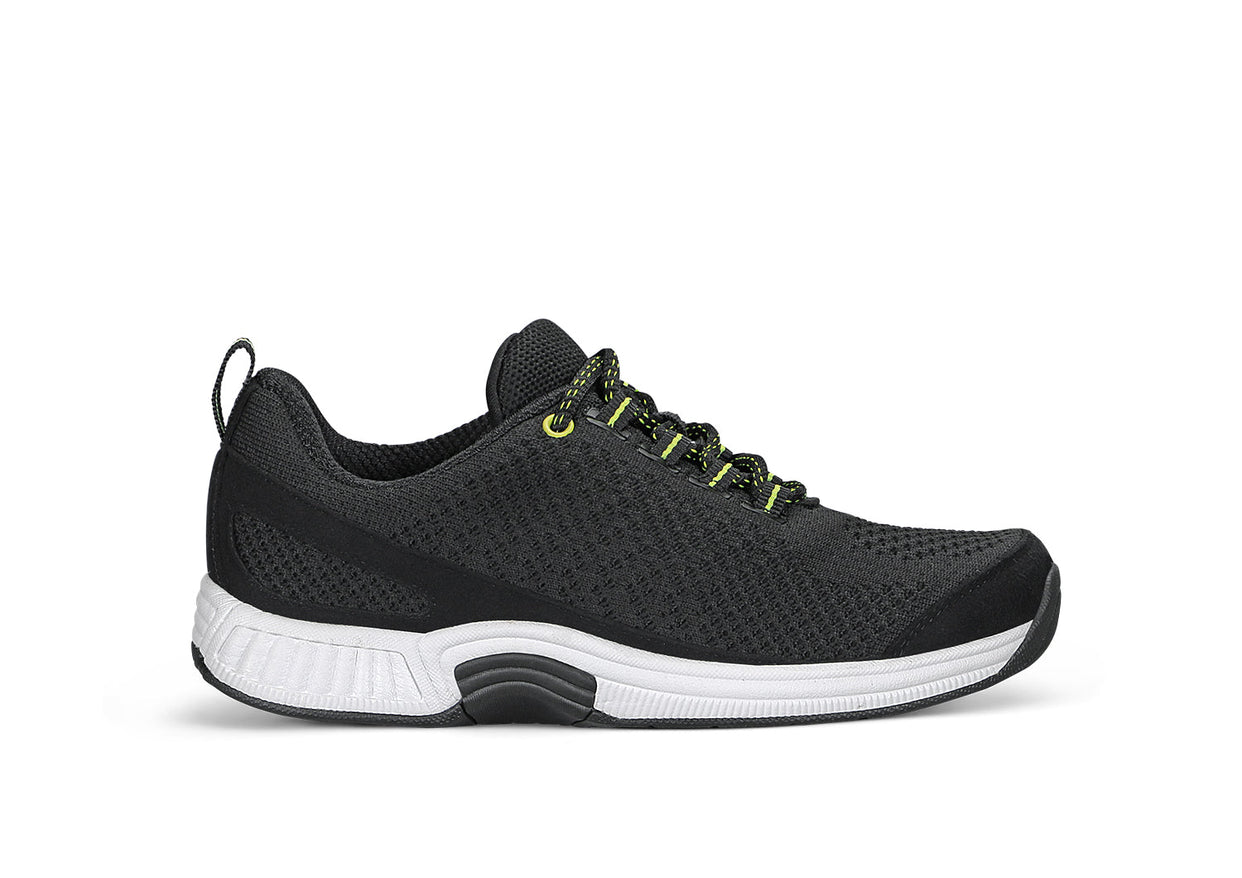
Orthofeet Coral
$129-$145
Why this shoe
Women's extra-depth design with stretch knit upper accommodates RA-driven forefoot widening, hammer toe development, and lateral toe drift without applying compression. Seam-free interior is critical for inflamed synovial tissue. APMA accepted.
Women's equivalent of the Edgewater - biomedical-engineered extra-depth design
Stretch knit upper relieves pressure on bunions, hammertoes, and swollen feet
Deep heel cup with gel cushioning for plantar fasciitis and heel pain relief
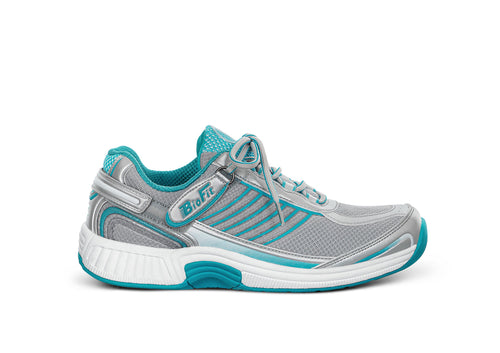
Orthofeet Verve
$130-$155
Why this shoe
Tie-less closure system is particularly valuable for RA patients with hand and wrist joint involvement that makes traditional lacing painful. Extra-depth with removable insoles accommodates custom orthotics. Wide toe box relieves forefoot joint compression. APMA accepted.
Ingenious tie-less closure with openable tabs on either side - laced look with zero tying required
Adjustable heel strap secures custom fit - ideal for women with foot swelling or arthritis
APMA Seal of Acceptance pid=7101 - verified directly from APMA Seal Database May 2026

Brooks Beast GTS 26
$170
Why this shoe
Extra-wide availability and a roomy upper accommodate forefoot widening and joint deformities common as RA progresses, though extra-depth construction specifically built for RA is not confirmed for this model.
First Beast generation built on nitrogen-infused DNA Loft v3 foam, replacing the firmer BioMoGo DNA used in the GTS 24
GuideRails support system reworked with a higher medial flare for runners with moderate to severe overpronation
38mm heel / 28mm forefoot stack with a 12mm drop, positioning it among Brooks' most cushioned stability shoes

Brooks Ariel GTS 26
$170
Why this shoe
Extra-wide availability and a roomy upper accommodate forefoot widening and joint deformities common as RA progresses, though extra-depth construction specifically built for RA is not confirmed for this model.
First Ariel generation built on nitrogen-infused DNA Loft v3 foam, replacing the firmer BioMoGo DNA used in the GTS 24
GuideRails support system reworked with a higher medial flare for runners with moderate to severe overpronation
38mm heel / 28mm forefoot stack with a 12mm drop, positioning it among Brooks' most cushioned stability shoes
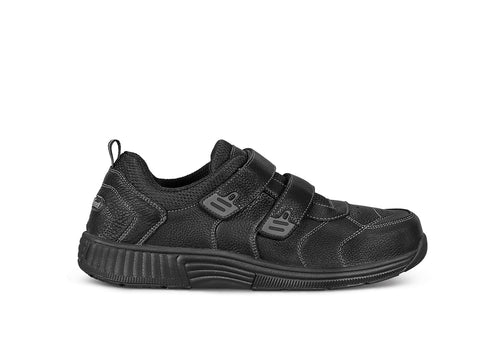
Orthofeet Alamo
$130-$145
Why this shoe
Two-strap velcro closure accommodates RA patients with limited hand dexterity or wrist involvement who cannot manage laces. Wide toe box and extra-depth construction for orthotic accommodation and deformity relief. APMA accepted.
Two-strap velcro closure system - ideal for patients with arthritis, limited hand dexterity, or swelling who cannot manage laces
Extra-depth construction with multi-layer removable insoles accommodates custom orthotics of any thickness
APMA Seal of Acceptance pid=7081 - verified directly from APMA Seal Database May 2026
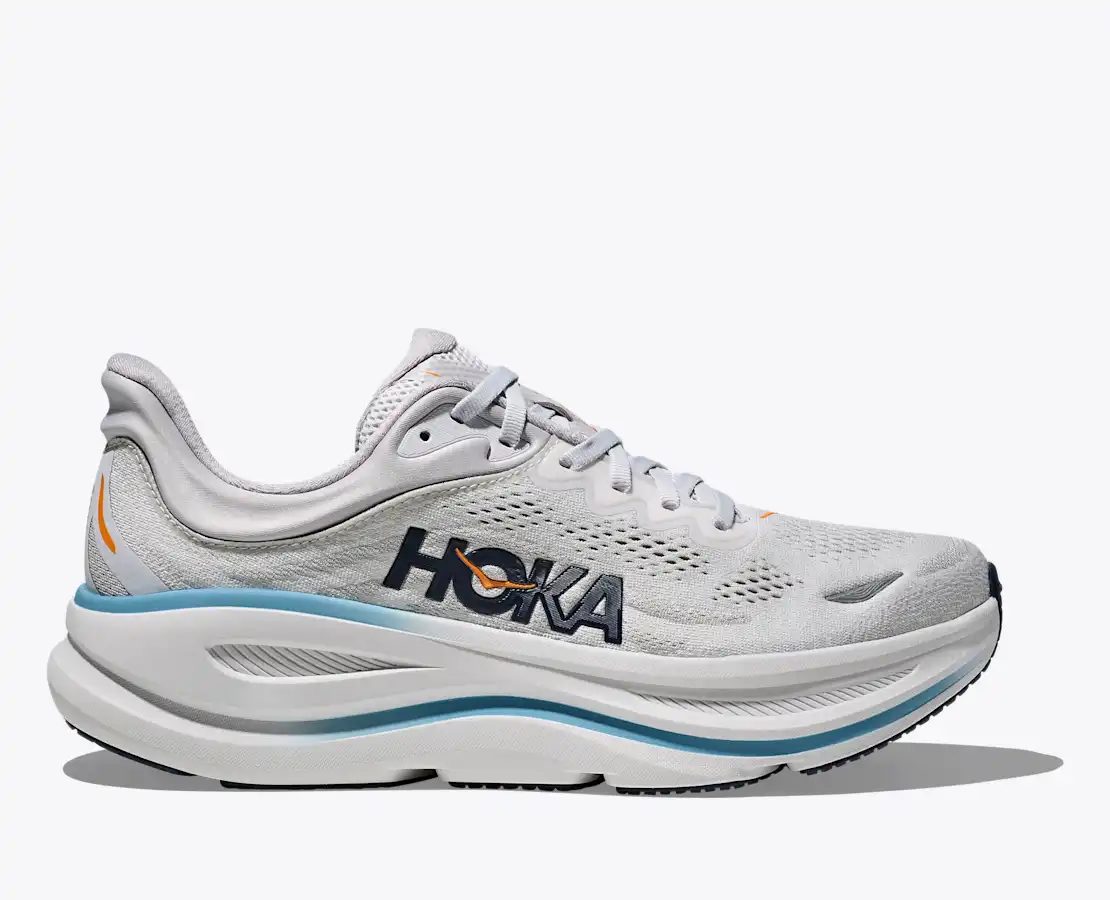
HOKA Bondi 9
$165-$180
Why this shoe
Maximum 41mm stack height with Meta-Rocker geometry reduces forefoot loading during toe-off. The phase most painful for RA patients with inflamed metatarsophalangeal joints. Active Foot Frame cradles the foot without compressing inflamed tissue. APMA accepted.
Supercritical EVA foam for maximum plush cushioning
Meta-Rocker geometry reduces plantar fascia stress
APMA Seal of Acceptance pid=9031 - podiatrist top recommendation for heel pain - verified directly from APMA Seal Database May 2026
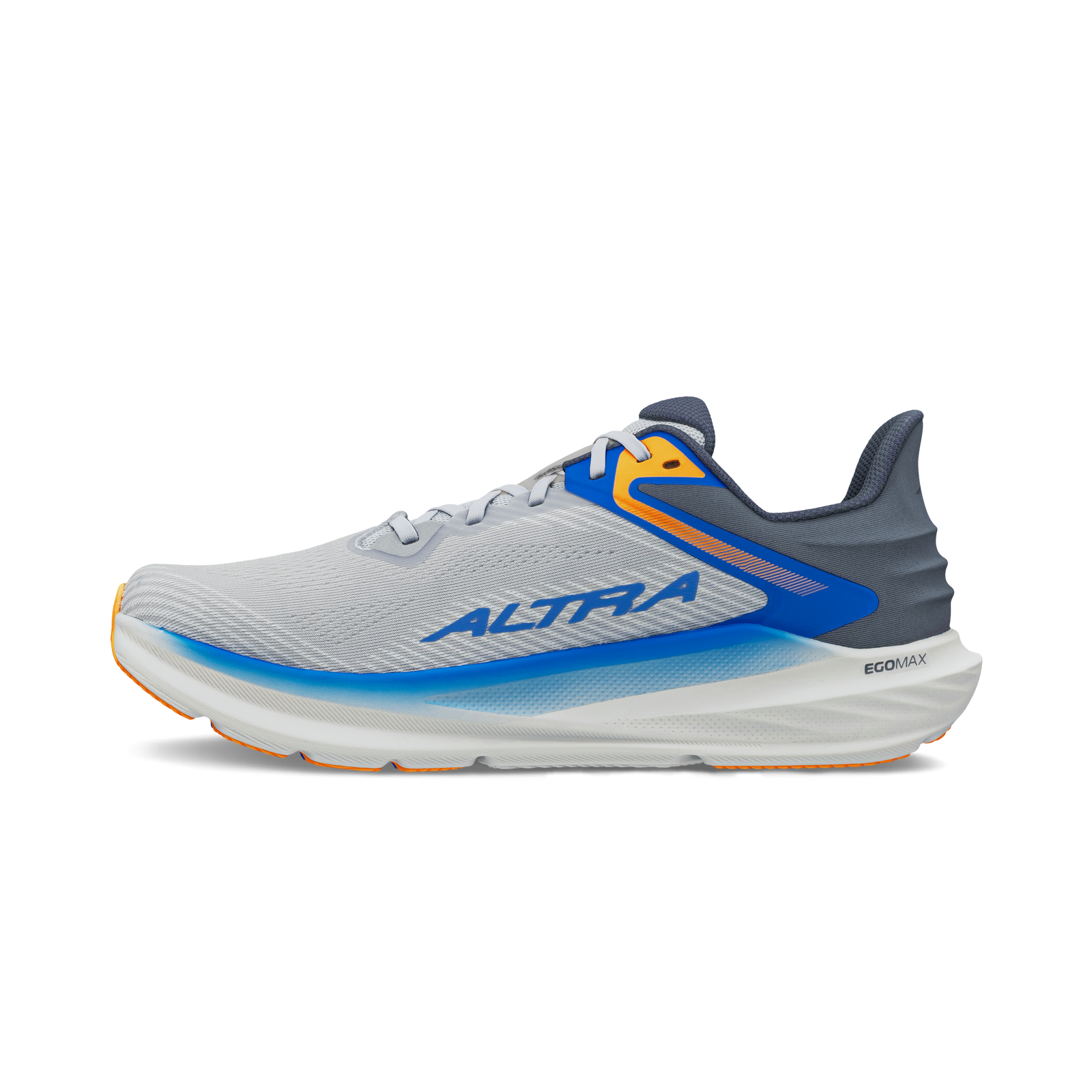
Altra Torin 8
$140-$150
Why this shoe
FootShape toe box with 104mm width at the ball of the foot accommodates RA-driven forefoot widening and toe deformities without lateral compression. Zero-drop maintains natural foot alignment. APMA accepted. Note: no extra-depth construction. Best for early to moderate RA before severe deformities develop.
FootShape toe box with 104mm width at the ball of the foot - the widest toe box in the catalog, allowing full natural toe splay on every step
Zero-drop platform keeps heel and forefoot at equal height - promoting natural foot mechanics and reducing Achilles strain from elevated heels
APMA Seal of Acceptance pid=8835 - verified directly from APMA Seal Database May 2026
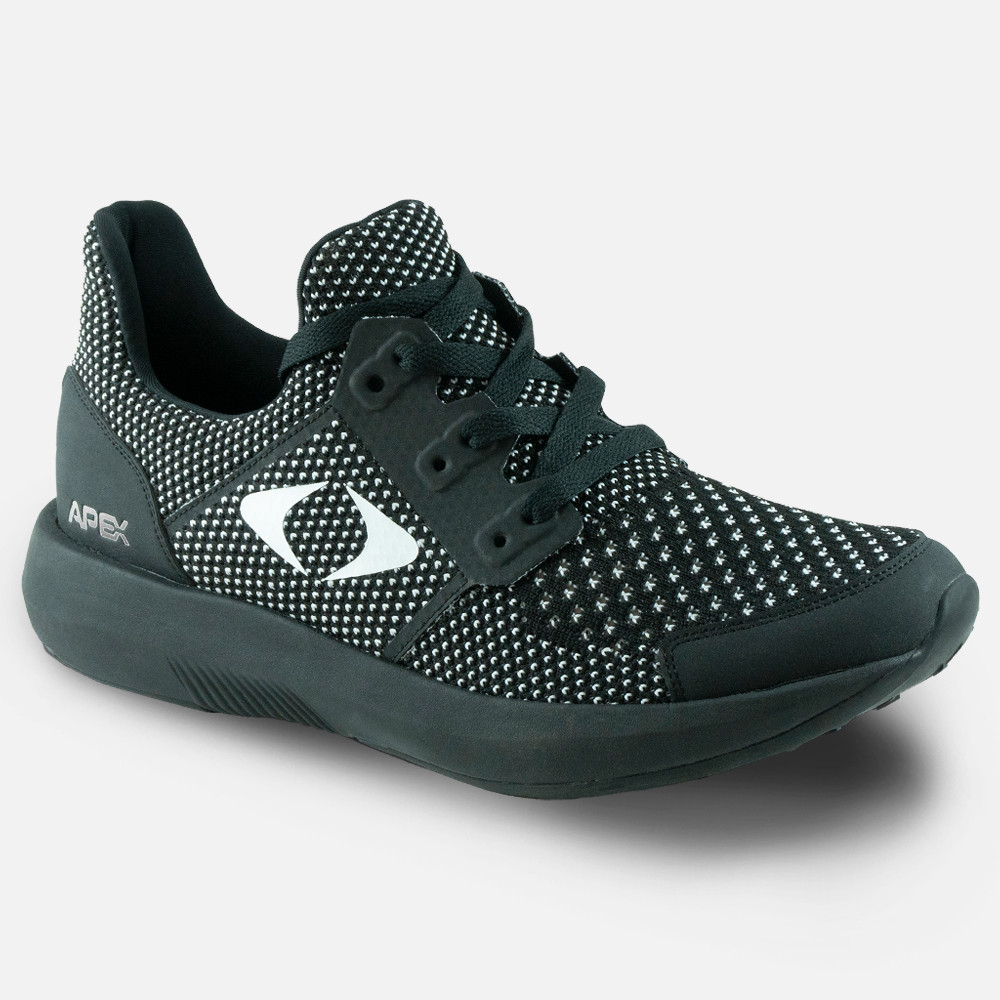
Apex Performance Athletic Sneaker Men's
$115-$165
Why this shoe
Slip-on stretchable upper accommodates joint swelling and deformity without requiring lace adjustment, and three width options fit progressive forefoot changes.
Recommended by thousands of medical professionals for diabetic and orthopedic foot care
Breathable open mesh upper with rigid heel counter for rearfoot stability
Slip-on construction with stretchable upper accommodates swelling and foot deformities
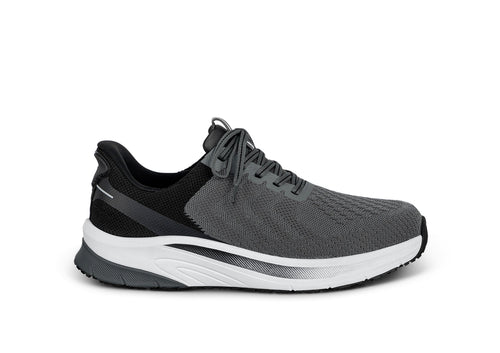
Orthofeet Tilos Men's Hands-Free
$150-$165
Why this shoe
Patented hands-free slip-on technology requires no bending or lace tying, a top pick for mobility-impaired users and those in post-surgical recovery. APMA accepted.
Patented hands-free slip-on technology - no bending or lace tying required
Water-repellent stretch upper conforms to bunions and foot deformities
Ortho-Cushion System with customizable arch support
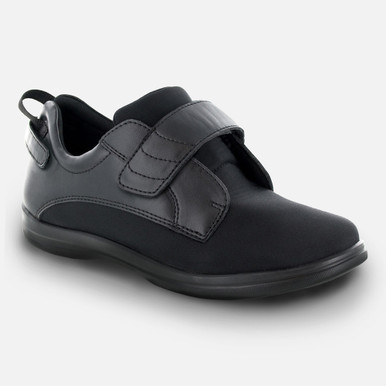
Apex Balance Shoe
$115-$135
Why this shoe
Extra-depth design with removable insole accommodates custom orthotics and AFOs needed as RA-related deformities progress.
Specifically engineered to reduce fall risk - ideal for elderly and neuropathic patients
Biomechanical footbed with contoured EVA provides arch support and shock absorption
Extra-depth design with 5/16 inch removable insole accommodates custom orthotics and AFOs

Apex Strap Loafer Lexington Men's
$125-$150
Why this shoe
Ideal for patients with limited hand dexterity from RA joint involvement, with an adjustable strap replacing laces entirely.
Adjustable strap loafer with full diabetic orthopedic construction for easy on-off wear
Ideal for patients with limited hand dexterity, edema, or post-surgical swelling
Advanced EVA performance insole for cushioning and shock absorption throughout the day
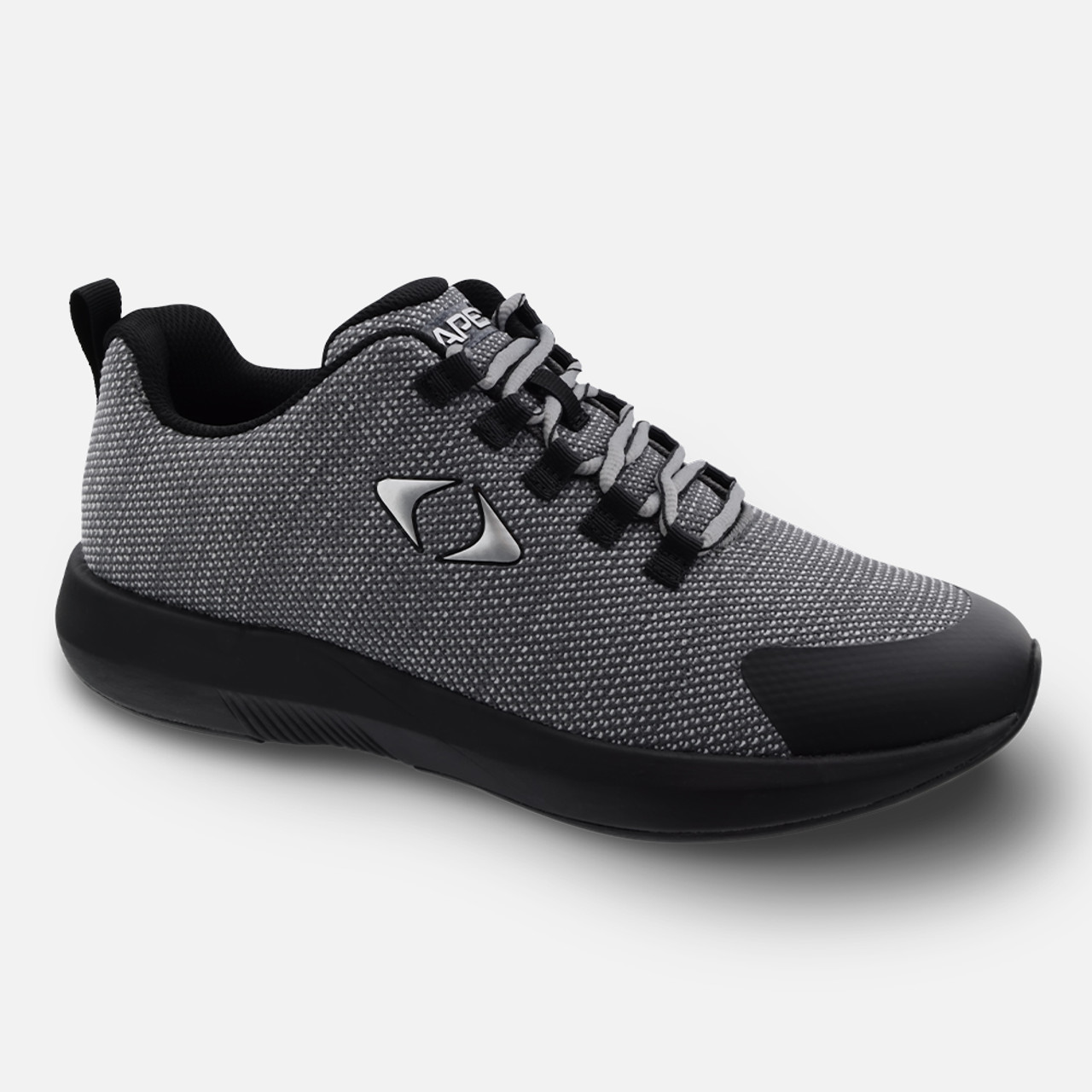
Apex Performance Athletic Sneaker V-Last Men's
$130-$165
Why this shoe
Slip-on stretchable upper accommodates swelling and joint deformity common as RA progresses, without requiring lace adjustment.
V-Last construction provides superior motion control and rearfoot stability for active diabetic patients
Breathable open mesh upper with rigid heel counter for rearfoot support during daily activity
PDAC A5500 diabetic shoe certified - may qualify for Medicare insurance reimbursement

Apex Double Strap Active Walker Biomechanical Men's
$130-$160
Why this shoe
Dual adjustable straps provide a fully customizable fit for swollen or deformed feet, avoiding the fine motor demands of lacing.
Dual adjustable straps provide a fully customizable fit for swollen or deformed feet
Ambulator Biomechanical design with half inch removable depth in 3 layers for orthotics
Firm heel counter and reinforced shank provide rearfoot and midfoot stability

Skechers Go Walk Arch Fit
$75-$95
Why this shoe
Lightweight slip-on entry eliminates the fine motor demands of lacing, directly relevant for RA patients with hand joint involvement. APMA accepted.
APMA Seal of Acceptance pid=8010 - Skechers Go Walk Arch Fit - verified directly from APMA Seal Database May 2026
Lightweight slip-on entry with secure fit - ideal for seniors, diabetics, and patients with limited mobility
Ultra Go cushioning with high-rebound Comfort Pillar technology for fatigue-free walking

OOFOS OOcoozie Sport Mule
$100-$120
Why this shoe
Slip-on mule design allows easy on-off without bending or gripping, explicitly positioned by OOFOS for post-surgery recovery and long standing shifts. APMA accepted.
Closed-toe recovery mule - full OOfoam protection for cold weather and indoor recovery
APMA Seal of Acceptance pid=8154 - verified directly from APMA Seal Database May 2026
OOfoam absorbs 37% more impact than traditional foam with full toe coverage
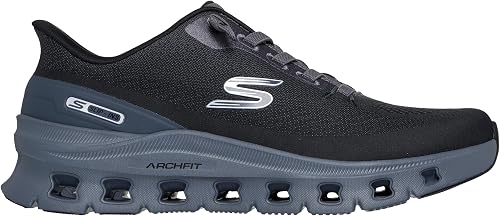
Skechers Arch Fit Slip-In
$85-$100
Why this shoe
No bending or touching required for donning, directly addressing the hand and grip limitations common in RA, while retaining full Arch Fit insole support.
Hands-free Slip-In design with Heel Pillow technology - no bending or touching required for donning
Full Arch Fit insole maintained in slip-on format - does not sacrifice clinical support for convenience
Firm heel counter prevents heel slippage during walking - critical for seniors and mobility-limited patients
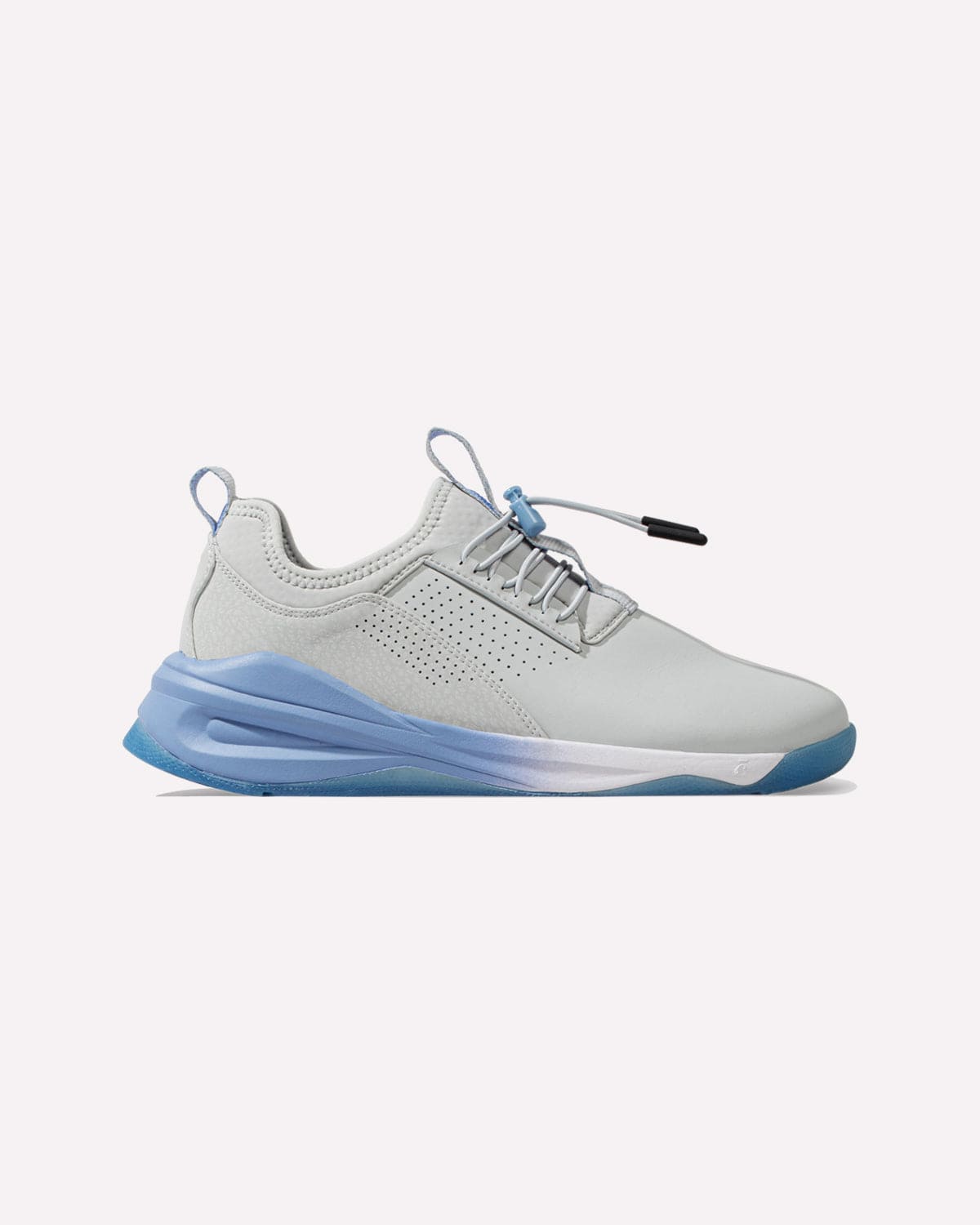
Clove Classic - Men
$139-$160
Why this shoe
Elastic no-tie laces allow quick on and off between patient rooms without the fine motor demands of traditional lacing.
APMA Seal of Acceptance pid=8096 - Clove Classic Shoe - verified directly from APMA Seal Database July 2026
Fluid-repellent Clarino vegan leather upper wipes clean after every shift
Dual-density midsole provides cushioning and support through 12-hour shifts
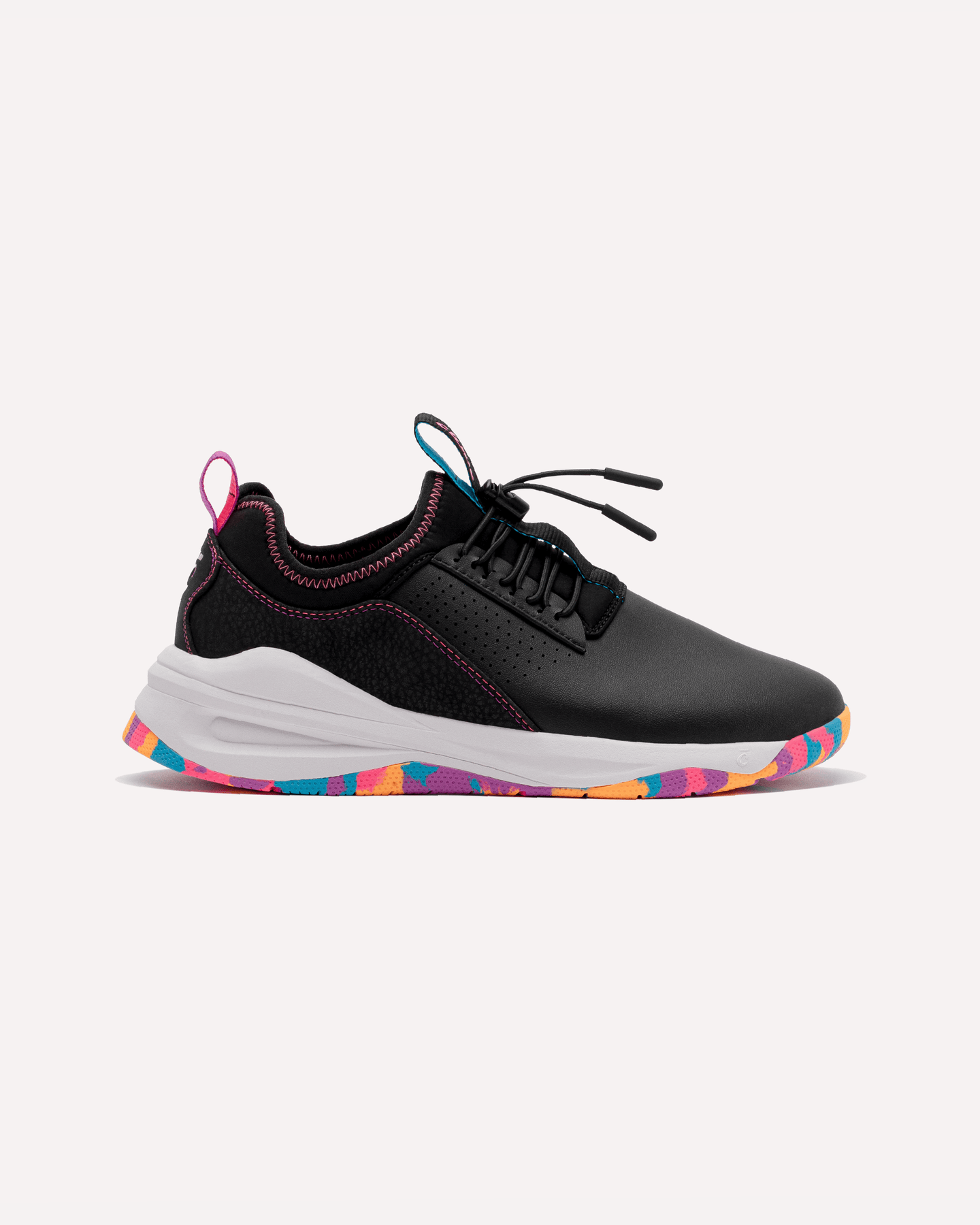
Clove Classic - Women
$139-$160
Why this shoe
Elastic no-tie laces allow quick on and off between patient rooms without the fine motor demands of traditional lacing.
APMA Seal of Acceptance pid=8096 - Clove Classic Shoe - verified directly from APMA Seal Database July 2026
Fluid-repellent Clarino vegan leather upper wipes clean after every shift
Dual-density midsole provides cushioning and support through 12-hour shifts
What to Look for in a Shoe
Evidence-based footwear criteria specific to this condition.
Heel Drop
Recommended: 8-12mm
Moderate to high heel drop reduces forefoot loading during the push-off phase of gait, which is the phase most painful for patients with inflamed metatarsophalangeal joints. Reducing toe dorsiflexion demand during push-off directly decreases joint stress.
Avoid below 4mm
Cushioning
maximum
Inflamed joint surfaces have reduced shock-absorbing capacity. Maximum cushioning attenuates ground reaction forces before they reach compromised joint cartilage and synovium.
Avoid: minimal, barefoot-style, firm-soled
Stability vs. Neutral
neutral_to_stability
Custom orthotics typically provide the stability and offloading needed for RA foot management. The shoe platform should be neutral to stability with adequate extra depth to accommodate prescription orthotic devices without compressing the upper against deformed joints.
Exception: Patients without custom orthotics benefit from shoes with built-in arch support and metatarsal pad features.
Width
Recommended: 2E, 4E
Forefoot widening is a hallmark of RA progression. Wide and extra-wide widths are essential to prevent the upper from compressing inflamed and widened forefoot joints. As disease progresses, stretch uppers may be required in addition to wide widths.
Insoles and Orthotics
Custom orthotics with metatarsal pad support and forefoot offloading are the clinical standard for RA foot management. Shoes must have removable insoles and sufficient extra depth to accommodate these devices. Extra-depth construction adding at least half an inch over standard shoe depth is strongly preferred.
Sources: APMA; Journal of Rheumatology; podiatric clinical practice consensus
What Is Happening in Your Foot
In rheumatoid arthritis, the immune system produces antibodies that attack the synovial membrane lining the joints. In the foot, this inflammation most commonly begins in the metatarsophalangeal joints at the ball of the foot, causing the characteristic morning stiffness, swelling, and warmth that RA patients recognize. Over time, the synovial inflammation erodes cartilage and bone, and the tendons that control toe alignment lose their balance, resulting in the deformities including hammer toes, claw toes, and lateral toe drift that make footwear fitting increasingly challenging.
Biomechanics
RA joints have reduced load-bearing capacity because inflammation thins the cartilage and erodes subchondral bone. Every footstrike places compressive and shear forces across already-compromised joint surfaces. Footwear that reduces forefoot peak pressure through rocker sole geometry, metatarsal pad support, and maximum midsole cushioning directly reduces the mechanical stress placed on inflamed joints with every step.
What Makes It Worse
Narrow or pointed footwear that compresses inflamed forefoot joints
High heels that shift body weight onto the inflamed metatarsophalangeal joints
Hard floor surfaces without adequate footwear cushioning
Extended standing or walking during disease flares
Footwear without adequate depth for the progressive toe deformities
What Helps
Extra-depth wide-toe-box footwear that eliminates joint compression
Custom orthotics with metatarsal pad support prescribed by a podiatrist
Maximum cushioning midsoles that attenuate ground reaction forces
Rocker sole geometry that reduces forefoot loading during push-off
Anti-inflammatory medical management from a rheumatologist
Common Misconceptions
Myth: Rheumatoid arthritis and osteoarthritis in the foot require the same footwear solutions.
While both benefit from cushioning and wide toe boxes, RA foot management has additional requirements including accommodation for progressive deformities, extra-depth construction for orthotic devices, and stretch uppers for unpredictable swelling. The systemic inflammatory component of RA also means flares can alter footwear needs acutely in ways that osteoarthritis does not.
Myth: Once foot deformities develop from RA, footwear cannot help.
Appropriate footwear remains the most impactful daily intervention for RA foot management at every stage of the disease. Even severe deformities can be accommodated in extra-depth, custom-modified footwear that eliminates pressure on bony prominences and reduces joint loading.
Sources: Journal of Rheumatology; Arthritis Foundation; APMA; American College of Rheumatology
You Might Also Have
Rheumatoid Arthritis of the Foot by Occupation
How this condition presents differently depending on how you spend your day.
standing workers
Standing professionals with RA face compounded joint stress from prolonged weight-bearing on inflamed forefoot joints.
Sustained standing concentrates compressive forces across metatarsophalangeal joints throughout a shift. Dress code requirements for formal footwear conflict directly with the extra-depth, wide-toe-box clinical requirements for RA management.
Shoe Priority
Extra-depth dress or professional shoe with wide or extra-wide last. Orthofeet Siena and Apex dress lines are the only catalog options meeting this combination of requirements.
seniors
Older adults with long-standing RA often present with complex foot deformities requiring specialist footwear fitting.
Decades of RA progression create severe forefoot deformities that standard wide-width shoes cannot accommodate. Custom footwear or pedorthist fitting may be required beyond what standard catalog options provide.
Shoe Priority
Extra-depth, extra-wide construction with stretch upper capability. Orthofeet and Apex extra-depth lines with fitting spacers are the first clinical option. Custom footwear referral if standard extra-depth is insufficient.
Frequently Asked Questions
Related Guides and Resources
Walk Into Your Appointment With Answers
Before Your Next Appointment
Take Your Results to Your Podiatrist
Answer a few quick questions. Takes under 2 minutes. Get personalized shoe recommendations.
Not Sure Which Shoe Is Right?
Take our guided quiz and get a personalized recommendation based on your specific foot condition and lifestyle.
Start the Quiz