Disclosure: We may earn a small commission if you purchase through links on this page. No additional cost to you, and we only recommend products we trust. This helps us keep MySoleMatch free and ad-free. Thank you for your support!
Foot Osteoarthritis
Foot and ankle osteoarthritis is one of the most common causes of chronic foot pain in adults over 50. As cartilage in the foot joints wears down over time, bones begin to rub together, causing pain, stiffness, and reduced mobility. Cushioned, supportive footwear that absorbs joint impact and reduces mechanical stress is foundational to managing this condition.
Signs You May Have Foot Osteoarthritis
Deep aching pain in the foot or ankle joints
Stiffness that is worst in the morning
Swelling around affected joints
Reduced range of motion
Pain that worsens with prolonged activity
Bony bumps forming around joints
Walk Into Your Appointment With Answers
Before Your Next Appointment
Take Your Results to Your Podiatrist
Answer a few quick questions. Takes under 2 minutes. Get personalized shoe recommendations.
Best Shoes for Foot Osteoarthritis | MySoleMatch
Maximum cushioning to absorb joint impact, rocker sole designs that reduce joint flexion stress, and wide toe boxes to accommodate joint swelling are all ideal. Rigid or minimalist shoes worsen symptoms.

New Balance 990v6
$185-$200
Why this shoe
ENCAP dual-density cushioning absorbs joint impact while multiple widths accommodate arthritic joint swelling.
ENCAP® Structural Support: Built with a durable polyurethane rim that cradles the heel and arch, preventing the over-pronation that actively strains and inflames the plantar fascia ligament.
High-Rebound FuelCell Core: Infused with New Balance's premier performance foam to absorb heavy heel shock and deliver a responsive, bouncy feel that takes the pressure off your feet.
Dual-density foam for lasting comfort and support
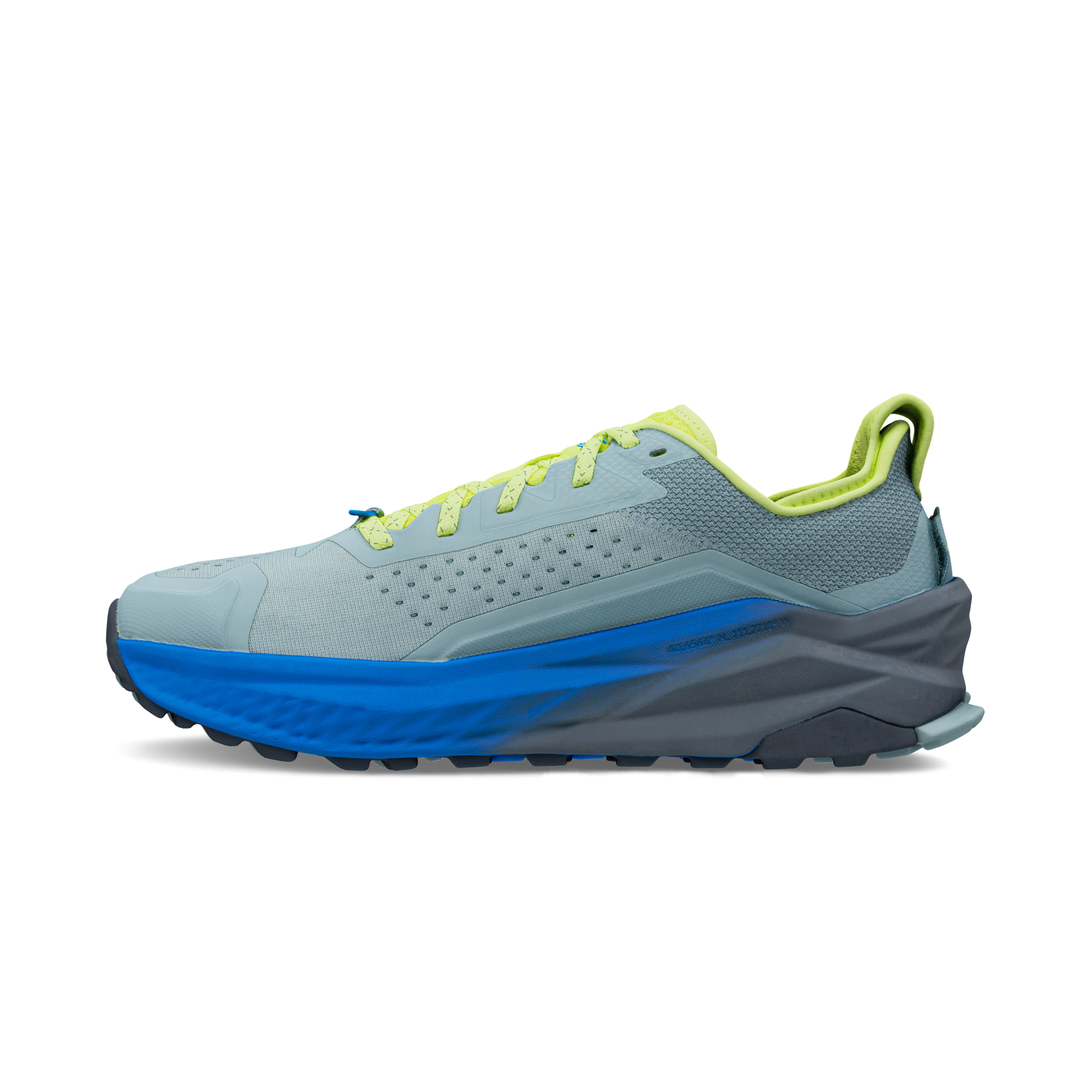
Altra Olympus 6
$170-$185
Why this shoe
Maximum cushioning with zero-drop reduces joint compression forces throughout the kinetic chain - particularly beneficial for midfoot and ankle arthritis on trail.
Maximum cushion trail shoe with 33mm stack height and FootShape toe box - the highest stack zero-drop trail shoe in the catalog combining maximum impact protection with natural foot mechanics
Vibram Megagrip outsole for exceptional wet and dry trail traction - reliable on technical terrain where foot placement is critical for patients managing metatarsalgia or nerve conditions
Zero-drop with maximum cushioning - uniquely addresses metatarsalgia and forefoot pain on trail by absorbing impact without shifting weight forward onto the metatarsal heads

New Balance Fresh Foam X More v6
$159-$175
Why this shoe
Maximum Fresh Foam X cushioning with rocker sole is among the best available for absorbing the impact that arthritic joints cannot tolerate.
Maximum Fresh Foam X cushioning with rocker sole geometry
Maximalist stack height for superior shock absorption
Ultra-plush ride ideal for fat pad atrophy and arthritis
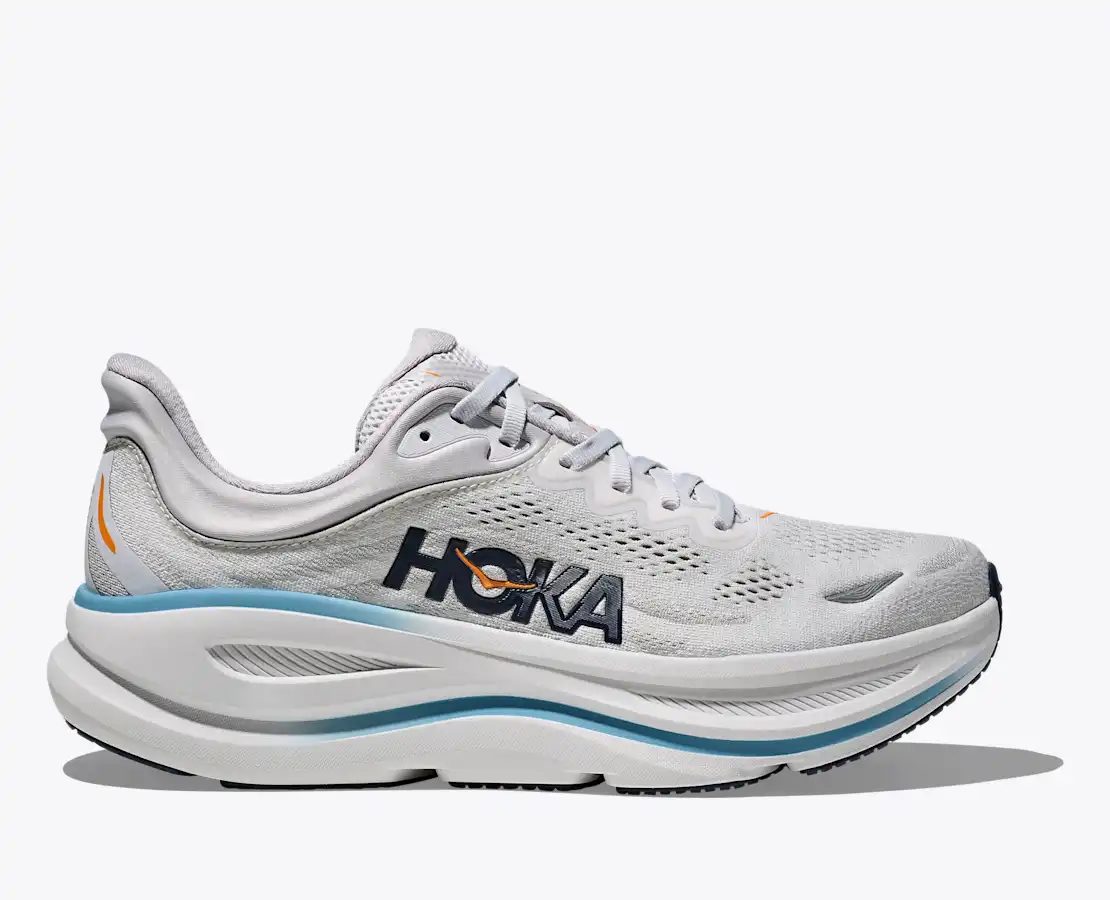
HOKA Bondi 9
$165-$180
Why this shoe
Maximum cushioning absorbs the joint impact arthritic feet cannot tolerate - the rocker sole reduces stress on arthritic joints during walking.
Supercritical EVA foam for maximum plush cushioning
Meta-Rocker geometry reduces plantar fascia stress
APMA Seal of Acceptance pid=9031 - podiatrist top recommendation for heel pain - verified directly from APMA Seal Database May 2026
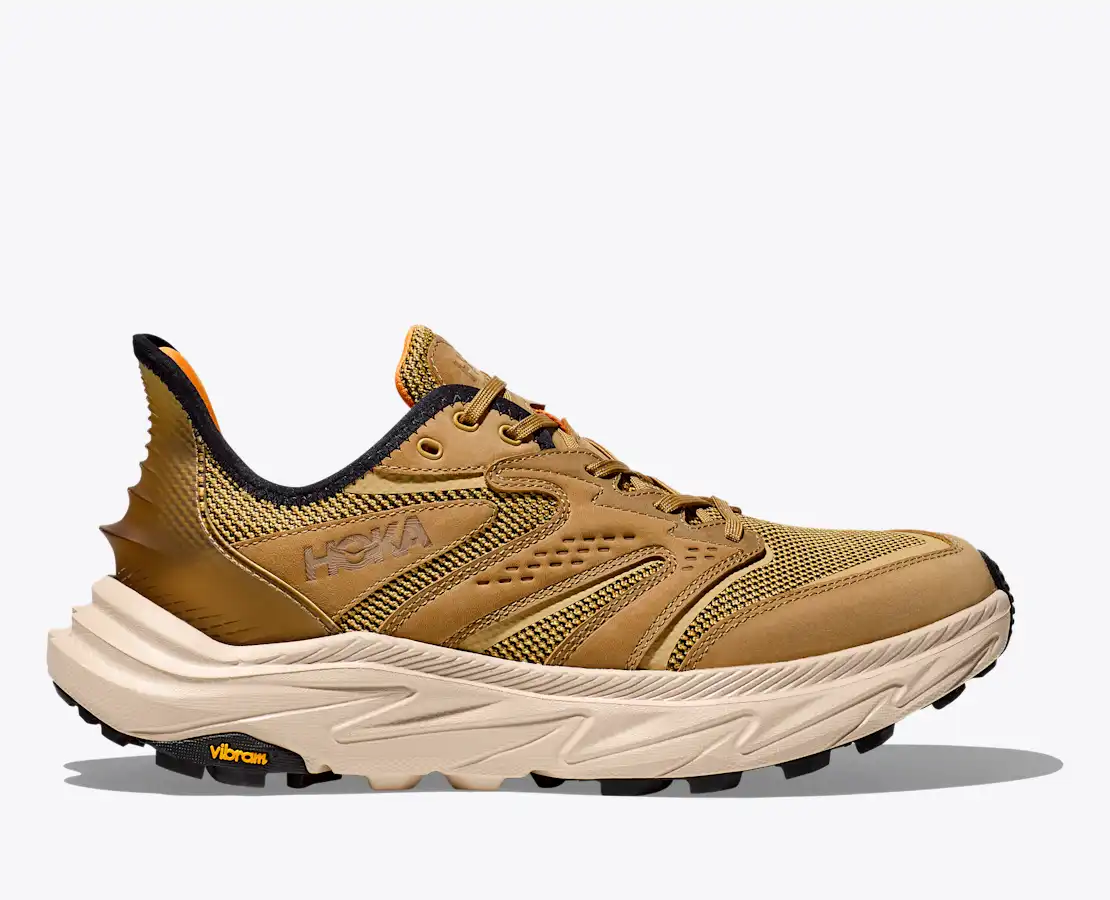
HOKA Anacapa 2 Freedom
$155-$165
Why this shoe
TPU Freedom heel counter flexes for effortless entry - critical for patients with hand arthritis or limited dexterity. Meta-Rocker smooths gait reducing joint stress.
Slip-on design with TPU Freedom heel counter flexes for easy entry and springs back for a secure fit - ideal for patients with limited hand dexterity, arthritis, or post-surgical swelling
Vibram Megagrip outsole with 5mm lugs delivers confident traction on wet roots, loose gravel, and variable trail surfaces
APMA Seal of Acceptance pid=8528 - verified directly from APMA Seal Database May 2026
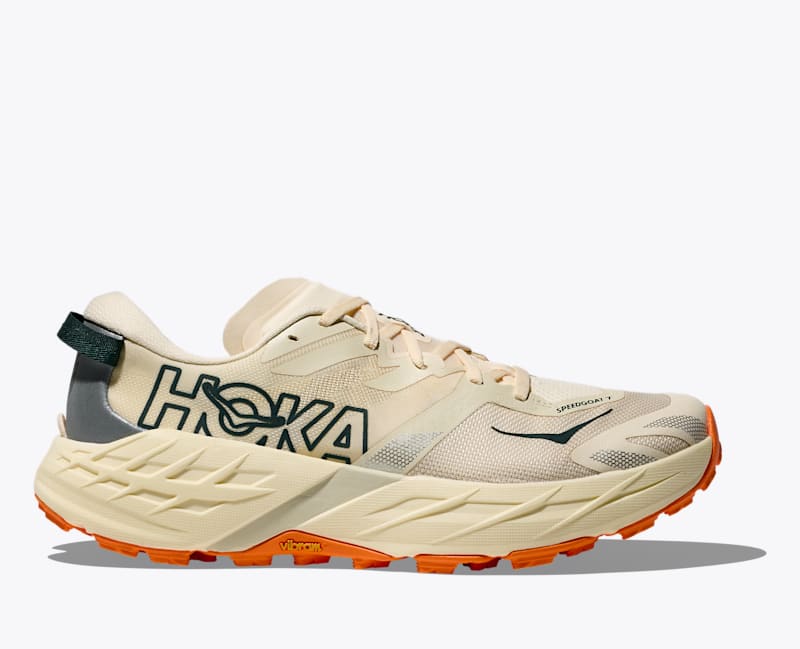
HOKA Speedgoat 7
$165
Why this shoe
High stack cushioning and MetaRocker-style geometry reduce impact loading on arthritic joints during hikes and trail walks, similar to the reasoning behind Anacapa recommendations for this condition.
New supercritical EVA midsole delivers noticeably more energy return than the prior CMEVA compound, HOKA's biggest Speedgoat foam upgrade to date
Vibram Megagrip outsole with a redesigned lug pattern for improved traction on technical and loose terrain
J-Frame technology guards against overpronation without overcorrecting a neutral gait
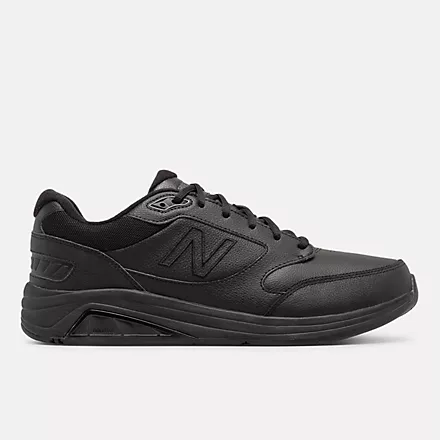
New Balance 928v3 Lace-Up Walking Shoe
$134-$145
Why this shoe
ROLLBAR stability and ABZORB cushioning provide clinical-grade joint support for arthritic feet.
ROLLBAR motion control technology and Clinical-Grade Support: The signature ROLLBAR® motion control system minimizes rear-foot movement, keeping your stride aligned and reducing stress on the plantar fascia.
Reduces morning heel pain and keeps you moving comfortably all day, whether you're on your feet for work or walking for fitness.
Maximum Shock Absorption: Engineered with ABZORB® cushioning in the midfoot to absorb harsh impacts, protecting your heels from painful concrete and hard floors.

Brooks Glycerin 22
$160-$175
Why this shoe
Maximum DNA Tuned cushioning absorbs arthritic joint impact - dual-density midsole reduces stress on arthritic joints during walking and running.
DNA Tuned dual-density midsole for maximum plush cushioning
Premium luxury neutral trainer with highest stack height in Brooks lineup
APMA Seal of Acceptance pid=8887 - ideal for high arches and stress fracture recovery - verified directly from APMA Seal Database May 2026
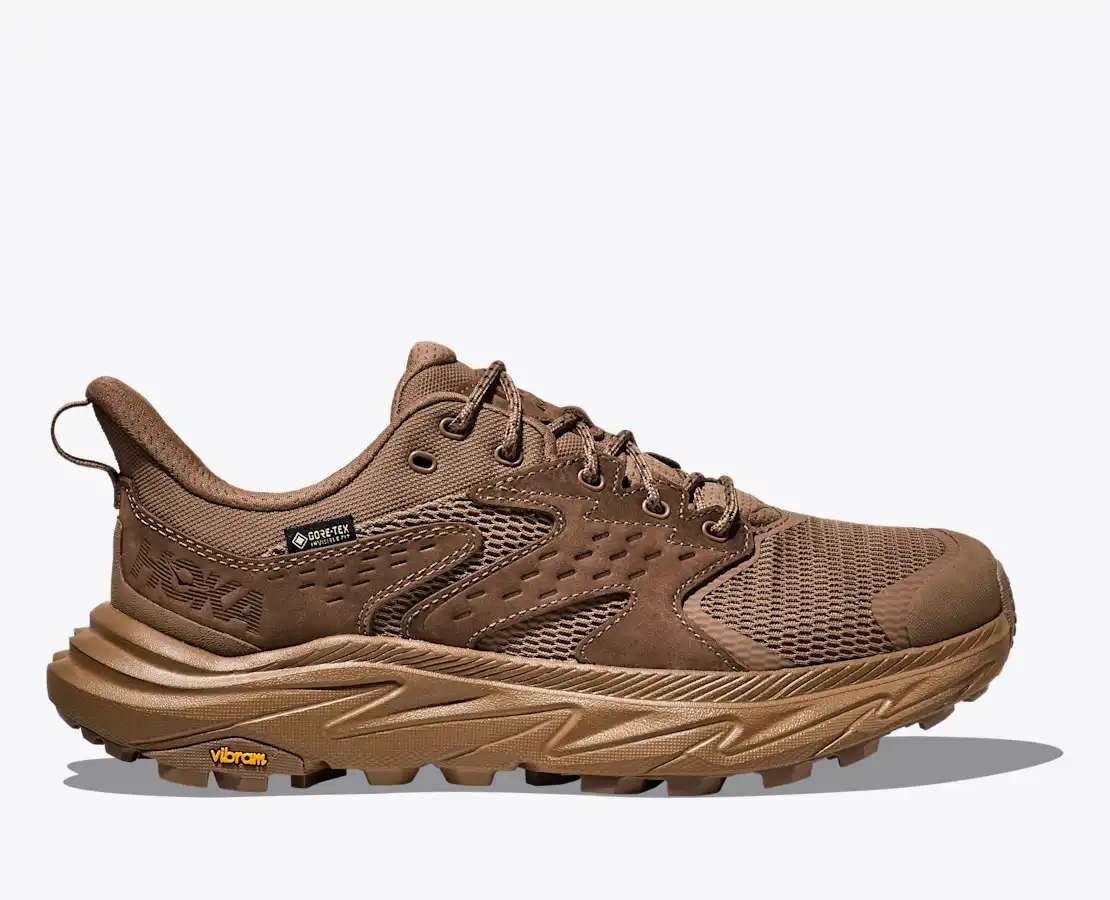
HOKA Anacapa 2 Low GTX
$180-$200
Why this shoe
High cushioning stack with Meta-Rocker smooths gait and reduces joint loading - beneficial for ankle and midfoot arthritis on variable terrain.
Gore-Tex Invisible Fit waterproof lining keeps feet dry in rain, stream crossings, and wet trail conditions without sacrificing breathability
Vibram Megagrip outsole with 5mm lugs provides superior traction on technical terrain - wet rock, loose scree, muddy switchbacks
APMA Seal of Acceptance pid=7811 - verified directly from APMA Seal Database May 2026

On Cloudvista 2 Waterproof
$160
Why this shoe
A more pronounced rocker and softer midsole reduce impact loading on arthritic joints during hikes and mixed-terrain walks, with a waterproof membrane that extends usability into wet conditions.
Waterproof membrane with a ripstop vamp mesh keeps feet dry on wet trails, On's lightest waterproof model to date
Softer Helion superfoam midsole with a slightly higher stack height than the prior Cloudvista generation
Reengineered two-pronged Speedboard adds rebound and responsiveness through the midsole

New Balance 1540v4
$195-$205
Why this shoe
Maximum motion control and extra depth accommodate orthotics for severe arthritic foot cases.
Extra depth design accommodates custom orthotics
ROLLBAR motion control technology for severe overpronation
ABZORB cushioning for impact absorption

ASICS GEL-Nimbus 28
$165-$175
Why this shoe
Maximum cushioning absorbs arthritic joint impact - PureGEL technology is 65% softer than standard GEL reducing stress on arthritic joints during every step.
FF Blast Plus cushioning with PureGEL technology for maximum soft landings
25g lighter than previous version - exceptional cushioning without weight penalty
Engineered knit upper wraps foot for comfort and breathability
Saucony Triumph 23
$165-$175
Why this shoe
Maximum PWRRUN PB superfoam cushioning absorbs arthritic joint impact - rocker geometry reduces the load on arthritic joints during every step.
Full-length PWRRUN PB superfoam midsole - first training shoe with all-superfoam construction
42mm heel stack height for maximum impact protection
Rocker geometry for effortless heel-to-toe transitions
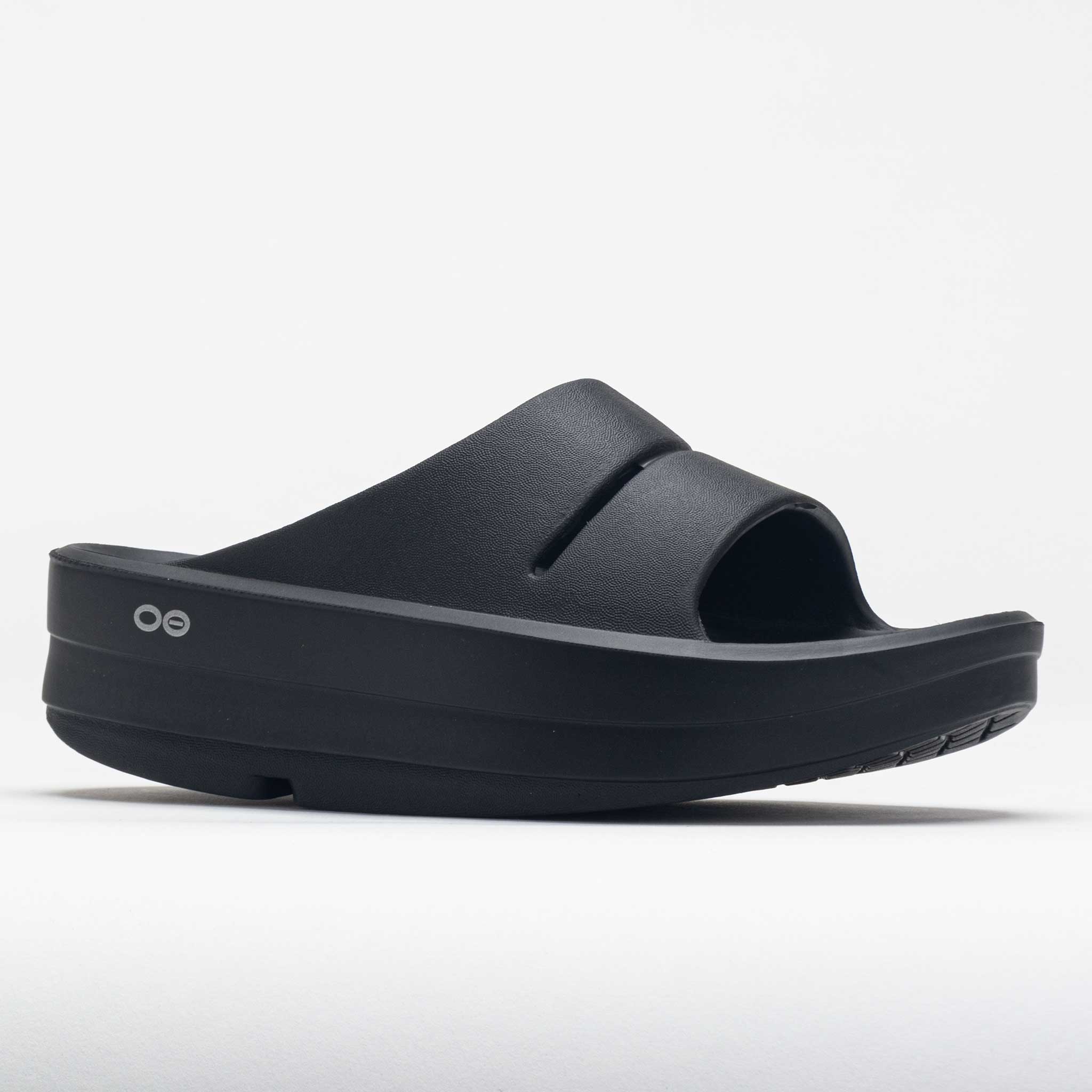
OOFOS OOmega OOahh Slide
$60-$75
Why this shoe
OOFoam absorbs 37% more impact than standard foam - gives arthritic joints meaningful relief during post-activity recovery. Biomechanical footbed reduces joint loading while standing or moving around the home.
OOFoam technology absorbs 37% more impact than traditional footwear foam
APMA Seal of Acceptance pid=8716 - verified directly from APMA Seal Database May 2026
Closed toe design with biomechanical footbed reduces plantar fascia strain
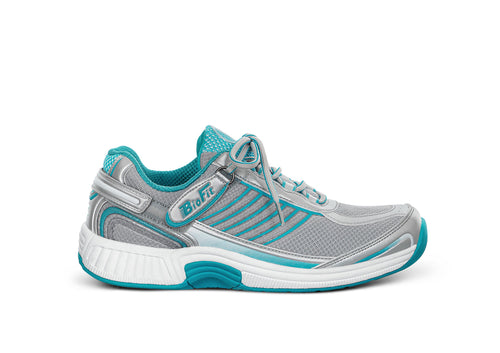
Orthofeet Verve
$130-$155
Why this shoe
Tie-less closure with adjustable heel strap allows entry without bending or gripping - critical for women with foot and ankle arthritis.
Ingenious tie-less closure with openable tabs on either side - laced look with zero tying required
Adjustable heel strap secures custom fit - ideal for women with foot swelling or arthritis
APMA Seal of Acceptance pid=7101 - verified directly from APMA Seal Database May 2026

Apex Performance Athletic Sneaker Women's
$115-$135
Why this shoe
Doctor-recommended for arthritis, with a slip-on stretch upper that accommodates joint swelling and deformity.
Doctor-recommended for diabetic neuropathy, plantar fasciitis, bunions, and arthritis
Breathable mesh upper reduces moisture buildup - key for diabetic foot health
Slip-on stretchable upper accommodates swelling and foot deformities throughout the day

Apex Lace Walker Men's
$125-$145
Why this shoe
Podiatrist-recommended for arthritis, with extra-depth construction accommodating swollen or deformed arthritic joints.
X-Last construction designed for superior motion control and rearfoot stability
High and wide toe box eliminates pressure on bunions, hammertoes, and diabetic feet
5/16 inch removable depth in two layers for maximum orthotic fitting flexibility

Apex Lace Walker X-Last Women's
$125-$145
Why this shoe
Recommended for arthritis, with accommodating width options and removable depth for swollen arthritic joints.
X-Last construction provides superior motion control and midfoot stability for women
High and wide toe box protects bunions, hammertoes, and post-surgical feet
5/16 inch removable depth in two layers accommodates custom orthotics and AFOs

Apex Classic Moc Dress Shoe Biomechanical Men's
$130-$160
Why this shoe
Firm heel counter provides rearfoot stabilization while extra-depth construction accommodates arthritic joint swelling, in professional footwear.
Ambulator Biomechanical design limits stress at the foot's most pain-prone areas
Half inch removable depth in 3 layers accommodates custom orthotics and AFOs
Firm heel counter provides optimal rearfoot stabilization on every step
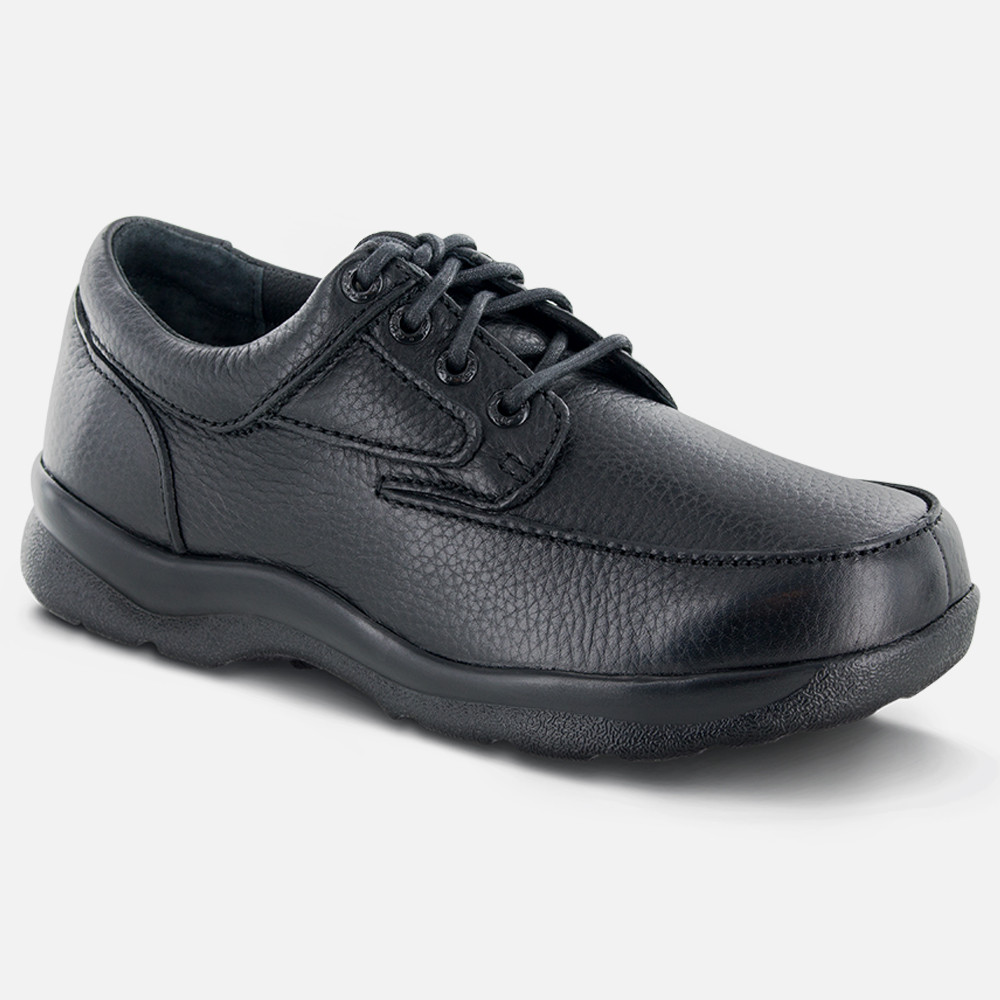
Apex Ariya Moc Toe Dress Shoe Men's
$130-$155
Why this shoe
Designed by doctors and pedorthists for arthritic feet, with a reinforced shank providing rearfoot stability in dress footwear.
Full-grain leather dress shoe designed by doctors and pedorthists for diabetic and arthritic feet
Reinforced shank provides rearfoot stability - higher and wider toe box prevents diabetic irritation
Soft moisture-wicking lining with non-exposed seams protects neuropathic feet from friction

Skechers Arch Fit
$80-$100
Why this shoe
High shock absorption reduces joint impact loading, while a removable insole accommodates custom orthotics needed for arthritic deformity. APMA accepted.
Podiatrist-certified Arch Fit insole developed from 120,000 foot scans - the most clinically credible OTC insole Skechers makes
40mm heel stack with 130 SA shock absorption score - comparable to premium running shoes at half the price
Removable insole accommodates custom orthotics for patients requiring prescription support

Skechers Max Cushioning Arch Fit
$90-$110
Why this shoe
Among the highest shock absorption scores of any walking shoe tested reduces cumulative joint impact for arthritic feet during travel and daily wear. APMA accepted.
Combines Arch Fit insole with Max Cushioning technology - rated best overall Skechers walking shoe in independent lab testing
36mm heel and 27.4mm forefoot stack with Goga Mat cooling technology for temperature regulation during long days
139 SA shock absorption score - among the highest of any walking shoe tested at any price point
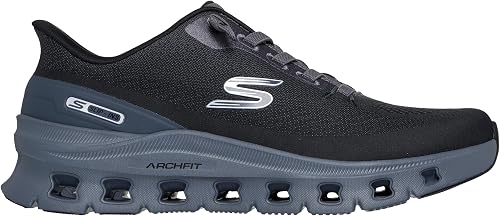
Skechers Arch Fit Slip-In
$85-$100
Why this shoe
Firm heel counter prevents heel slippage during walking while the hands-free design removes the bending and gripping that arthritic patients struggle with.
Hands-free Slip-In design with Heel Pillow technology - no bending or touching required for donning
Full Arch Fit insole maintained in slip-on format - does not sacrifice clinical support for convenience
Firm heel counter prevents heel slippage during walking - critical for seniors and mobility-limited patients

Skechers Arch Fit SR
$70-$100
Why this shoe
Podiatrist-certified insole and removable orthotic compatibility support arthritic joints during extended standing shifts on hard workplace floors. APMA accepted.
APMA Seal of Acceptance pid=8917 - Arch Fit SR Collection - verified directly from APMA Seal Database May 2026
ASTM F2913 slip-resistant outsole rated for wet, oily, and contaminated surfaces - the industry standard for healthcare and foodservice environments
Podiatrist-certified Arch Fit insole provides biomechanical support during 8-12 hour shifts on hard floors

Skechers Go Recover Refresh
$45-$65
Why this shoe
Zero-drop natural alignment with ultra-responsive foam gives arthritic joints meaningful relief during post-activity recovery at home. APMA accepted.
APMA Seal of Acceptance pid=8165 - Go Recover Refresh - verified directly from APMA Seal Database May 2026
Ultra-responsive foam footbed with arch-contoured base - budget alternative to OOFOS at roughly half the price for the same recovery function
Zero heel-to-toe drop promotes natural foot alignment and reduces plantar fascia tension during post-activity recovery
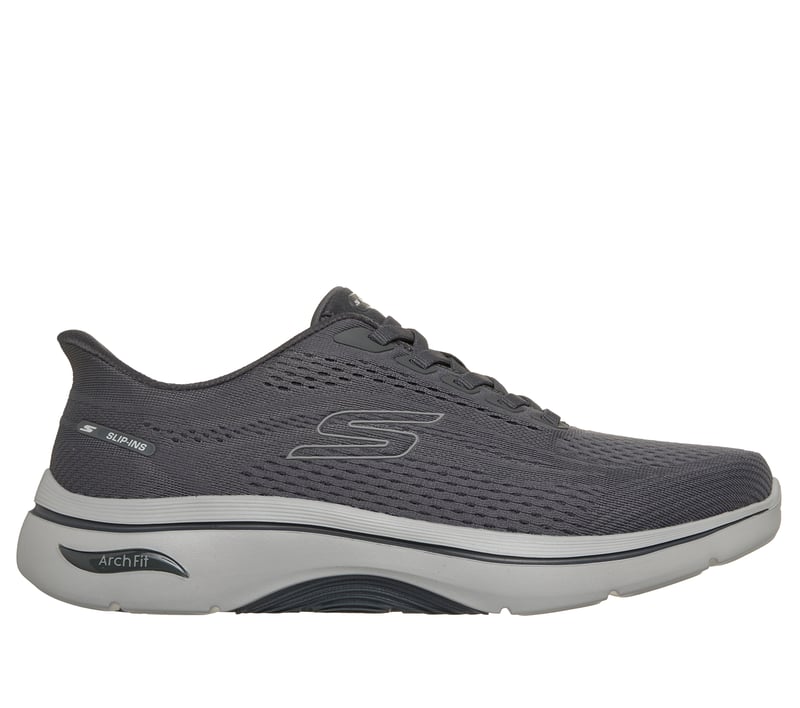
Skechers Go Walk Arch Fit Outdoor
$75-$100
Why this shoe
Lightweight construction under 12oz reduces cumulative joint fatigue during day hikes and travel, easing the load on arthritic joints over long walks. APMA accepted.
APMA Seal of Acceptance pid=7936 - Go Walk Arch Fit Outdoor - verified directly from APMA Seal Database May 2026
Multi-directional traction lug outsole grips gravel, grass, and packed trail surfaces without the bulk of a dedicated hiking boot
Podiatrist-certified Arch Fit insole transfers biomechanical support from the Arch Fit walking line to outdoor terrain

Nike Vomero 18
$160-$180
Why this shoe
Maximum cushioning and a wide stable platform base reduce joint impact loading and lateral roll, both directly relevant to arthritic joint protection. APMA accepted.
Nike's maximum cushion flagship - full-length ZoomX foam delivers the highest stack height in the Nike running lineup
APMA Seal of Acceptance pid=9108 - Nike Vomero 18 - verified directly from APMA Seal Database May 2026
Triple-density foam construction absorbs peak impact forces for heel pain, metatarsalgia, and joint protection
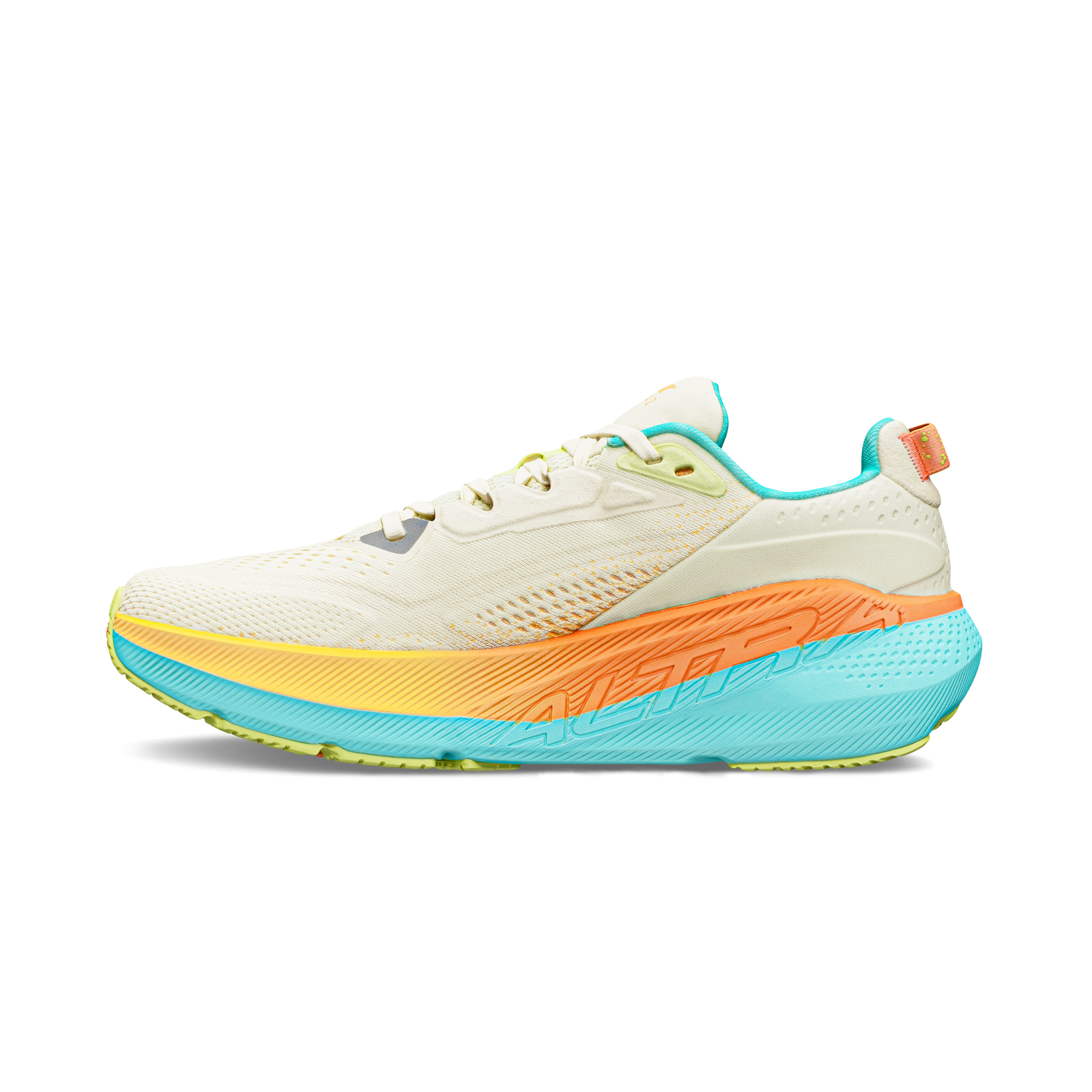
Altra Via Olympus 2
$160-$175
Why this shoe
Explicitly positioned as Altra's answer to the HOKA Bondi 9, with maximum cushioning and rocker geometry providing joint impact protection for standing professionals. APMA accepted.
Maximum cushion road shoe with rocker construction and 33mm stack height - Altra's answer to HOKA Bondi 9 for runners and standing professionals who want natural foot shape alongside maximum protection
FootShape toe box with rocker sole geometry reduces forefoot load during toe-off - the combination most relevant for metatarsalgia and plantar fasciitis sufferers on hard surfaces
Zero-drop rocker platform is uniquely suited to standing professionals who want maximum cushioning without the Achilles shortening of elevated-heel maximum cushion shoes
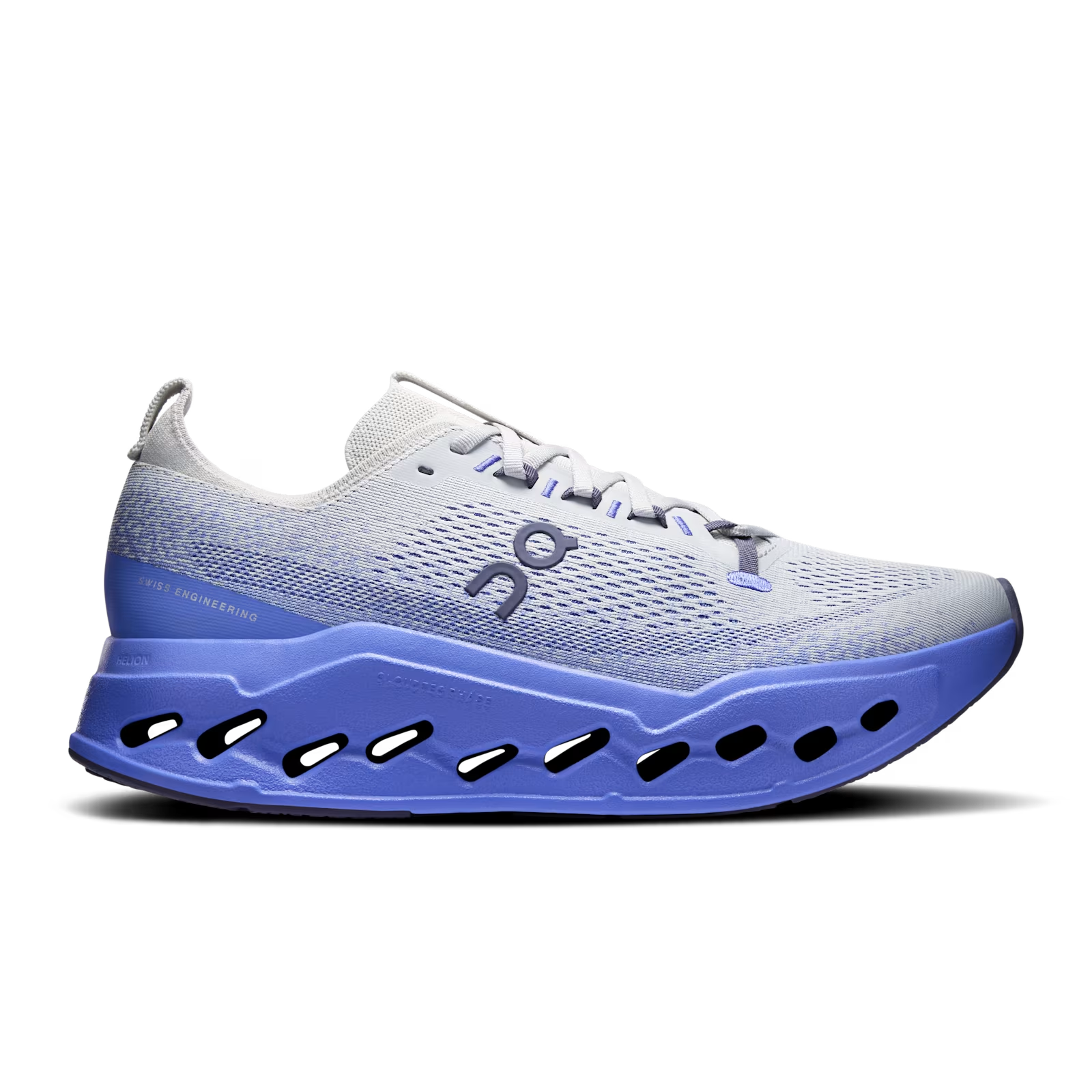
On Cloudsurfer Max
$175-$185
Why this shoe
37mm heel stack with a firm yet smooth ride provides high-level impact absorption explicitly positioned for joint protection during easy paces and all-day wear.
Double-layer CloudTec Phase cushioning compresses sequentially for smooth heel-to-toe transitions
6mm heel drop with moderate rocker geometry reduces forefoot loading during long runs and extended standing
No Speedboard plate delivers a softer more natural feel than other Cloudmonster models
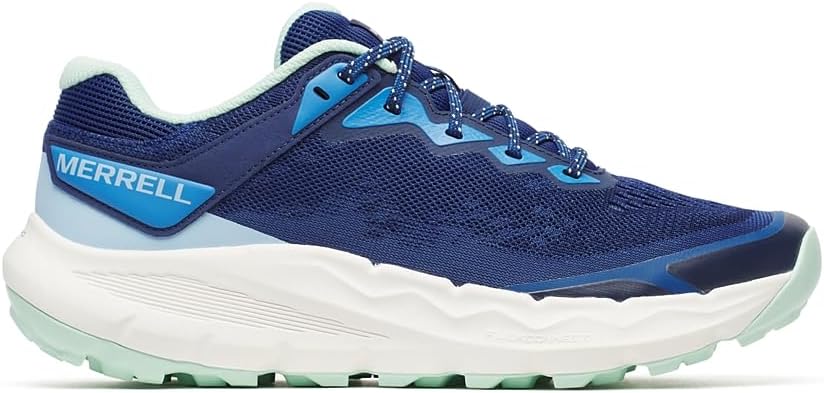
Merrell Nova 4 Trail Running Shoes - Men
$130-$140
Why this shoe
Balanced FloatPro cushioning with FLEXconnect flex grooves reduces joint impact loading on uneven trail terrain. APMA accepted.
APMA Seal of Acceptance pid=8344 - Merrell Nova 4 - verified directly from APMA Seal Database September 2026
FloatPro foam midsole provides lightweight cushioning that lasts through long hikes
FLEXconnect dual-directional flex grooves enhance ground connection and natural foot movement

OOFOS OOriginal Sandal
$55-$65
Why this shoe
OOfoam's superior impact absorption gives arthritic joints meaningful relief during standing and post-activity recovery. APMA accepted.
OOFOS classic thong sandal - the original recovery flip-flop trusted by podiatrists worldwide
OOfoam technology absorbs 37% more impact than traditional footwear foam on every step
APMA Seal of Acceptance pid=8700 - verified directly from APMA Seal Database May 2026
Merrell Antora 4 Trail Running Shoes - Women
$130-$140
Why this shoe
FloatPro cushioning with FLEXconnect flex grooves reduces joint impact loading on uneven trail terrain. APMA accepted.
APMA Seal of Acceptance pid=8340 - Merrell Antora 4 - verified directly from APMA Seal Database September 2026
FloatPro foam midsole provides lightweight cushioning with 29mm heel and 21mm forefoot stack height
FLEXconnect dual-directional flex grooves enhance ground connection and natural foot movement

OOFOS OOlala Sandal
$70-$80
Why this shoe
Full OOfoam cushioning provides meaningful joint impact relief for everyday wear, not just post-activity recovery. APMA accepted.
Women's fashion-forward recovery sandal - sleek thong design with full OOfoam cushioning
APMA Seal of Acceptance pid=8707 - verified directly from APMA Seal Database May 2026
OOfoam absorbs 37% more impact than traditional foam - recovery in a lifestyle silhouette

FitFlop Rally X Leather Sneakers - Men
$110-$130
Why this shoe
Ergonomically engineered for optimal body alignment during extended walking and standing, reducing compensatory joint strain throughout the kinetic chain.
APMA Seal of Acceptance - confirmed via FitFlop's own product copy and consistent across multiple independent retailers; Anatomicush midsole technology is covered under APMA pid=7830 (Anatomicush Collection), whose product photo is consistent with this style, but the collection listing does not itself name individual covered styles, so no style-specific PID is confirmed; verified September 2026
Note: current FitFlop men's catalog may list this style as "Rally II" rather than "Rally" - naming needs confirmation against live catalog before treating as fully resolved
Ultralight Anatomicush midsole diffuses pressure evenly across the entire footbed
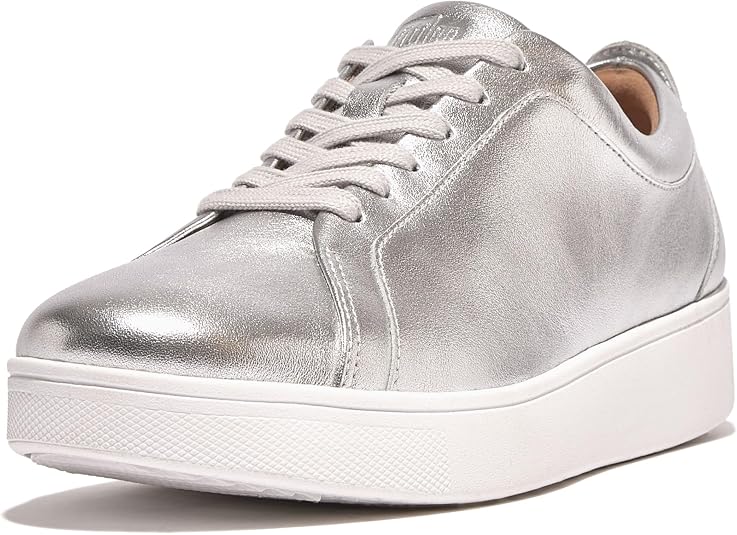
FitFlop Rally Leather Sneakers - Women
$110-$130
Why this shoe
Ergonomically engineered for optimal body alignment during extended walking and standing, reducing compensatory joint strain throughout the kinetic chain.
APMA Seal of Acceptance - confirmed via FitFlop's own product copy and consistent across multiple independent retailers; Anatomicush midsole technology is covered under APMA pid=7830 (Anatomicush Collection), whose product photo is consistent with this style, but the collection listing does not itself name individual covered styles, so no style-specific PID is confirmed; verified September 2026
Ultralight Anatomicush midsole diffuses pressure evenly across the entire footbed
Flex grooves cut across the outsole allow natural foot movement and reduce forefoot strain
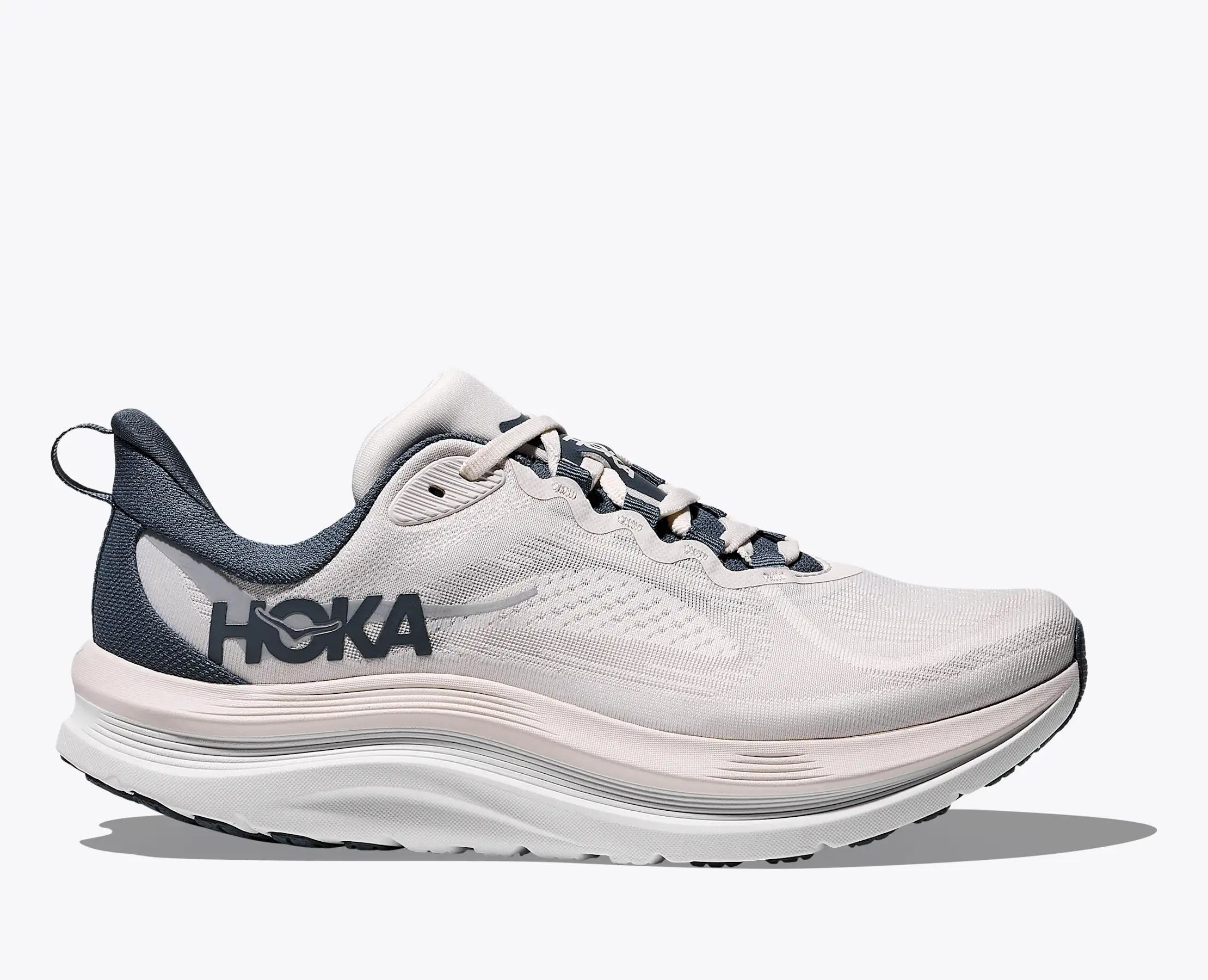
HOKA Kawana 3
$140
Why this shoe
MetaRocker geometry guides the foot from heel to toe with less muscular effort, easing cumulative joint fatigue during long standing shifts.
SwallowTail extended heel geometry creates a broader, flatter heel surface for smoother landings - reduces heel strike impact on hard hospital floors
CMEVA foam sits between Clifton and Bondi in cushioning - softer than the Arahi and Gaviota, firmer and more responsive than the Bondi
MetaRocker geometry guides the foot from heel to toe with less muscular effort - the same core technology that makes HOKAs effective for long shifts
What to Look for in a Shoe
Evidence-based footwear criteria specific to this condition.
Heel Drop
Recommended: 6-12mm
A moderate heel drop reduces the range of ankle and midfoot joint motion required during the stance phase of gait, reducing the mechanical work demanded of arthritic joints with every step. For first MTP joint osteoarthritis specifically, a higher heel drop reduces push-off extension demands at the already-compromised joint. Rocker sole designs that further reduce joint flexion requirements during push-off are particularly effective for foot osteoarthritis.
Avoid below 4mm
Cushioning
maximum
Maximum cushioning is the most important midsole feature for foot osteoarthritis. Arthritic joints have reduced cartilage, meaning the natural joint cushioning that healthy joints provide is diminished. A thick, compliant midsole compensates for this lost joint cushioning by absorbing ground reaction forces before they reach the arthritic joint surfaces. Research in Arthritis Care and Research consistently identifies footwear cushioning as a primary modifiable factor in foot osteoarthritis pain management.
Avoid: minimal, thin-soled, rigid-soled, worn-out midsoles, barefoot-style
Stability vs. Neutral
stability
Mild stability features are appropriate for most foot osteoarthritis patients. Arthritic joints are mechanically vulnerable to the abnormal loading that overpronation creates. A stability shoe with medial support maintains more consistent joint alignment during gait and reduces the torsional forces that accelerate cartilage wear. For ankle osteoarthritis specifically, stability that reduces medial-lateral rocking at the ankle protects the arthritic joint surface from the shear forces that drive progressive cartilage damage.
Exception: Patients with first MTP joint osteoarthritis - hallux rigidus - may benefit specifically from a rocker sole rather than stability features, as the rocker reduces the range of joint motion required at the already-stiffened joint. A podiatrist assessment should identify the specific joint or joints affected before footwear is selected.
Width
Recommended: D, 2E, 4E
Standard to wide fit is important for foot osteoarthritis patients. Arthritic joints frequently develop bony enlargements - osteophytes - that increase foot width at the affected joint. A shoe that accommodated the foot before osteoarthritis developed may no longer fit properly as joint swelling and osteophyte formation progress. Wide to extra-wide fit accommodates joint changes without applying compressive force to enlarged joint margins.
Insoles and Orthotics
Custom orthotics designed for foot osteoarthritis serve two functions - they redistribute plantar pressure away from the most affected joint surfaces and they correct any biomechanical alignment issues that are accelerating cartilage wear. For first MTP joint osteoarthritis, a Morton's extension or rocker bottom insole reduces joint motion requirements during push-off. For midfoot and ankle osteoarthritis, custom orthotics with specific arch and heel support address the individual joint loading pattern. Shoes with removable insoles and adequate depth to accommodate orthotics are essential.
Sources: APMA Clinical Practice Guidelines; Arthritis Care and Research, Vol. 65, 2013; Journal of Foot and Ankle Research
Recommended Accessories for Foot Osteoarthritis
Insoles, heel cups, compression socks, and braces that complement your shoe recommendation and provide additional targeted relief.
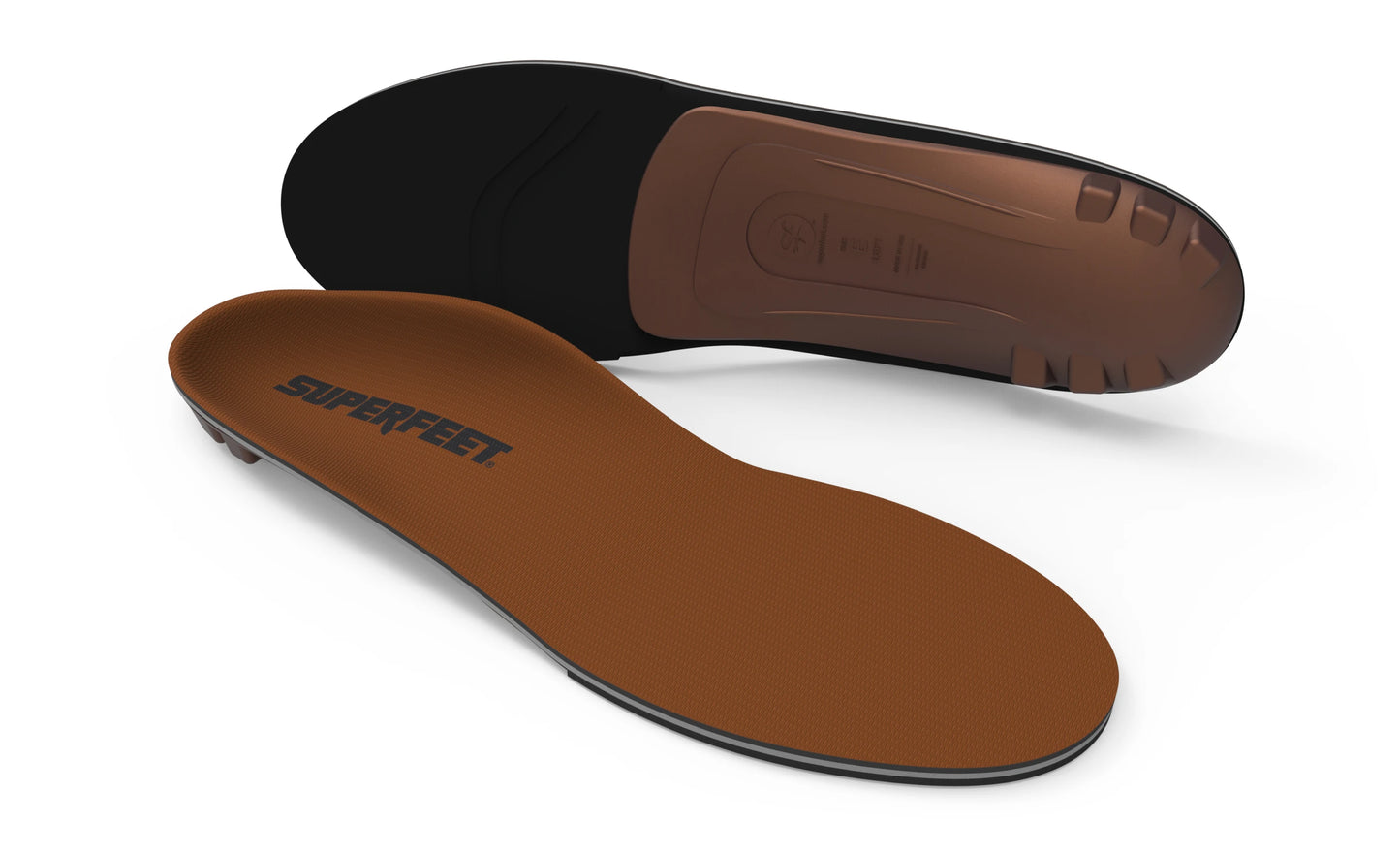
Superfeet COPPER Cushioned Support Insoles
Superfeet
$55-$65
Why this accessory
Memory foam and arch support reduce arthritic joint impact
Memory foam comfort layer molds to the shape of your foot over time
Moderate arch support suitable for a wider range of arch heights
Deep heel cup with extra cushioning for all-day standing comfort
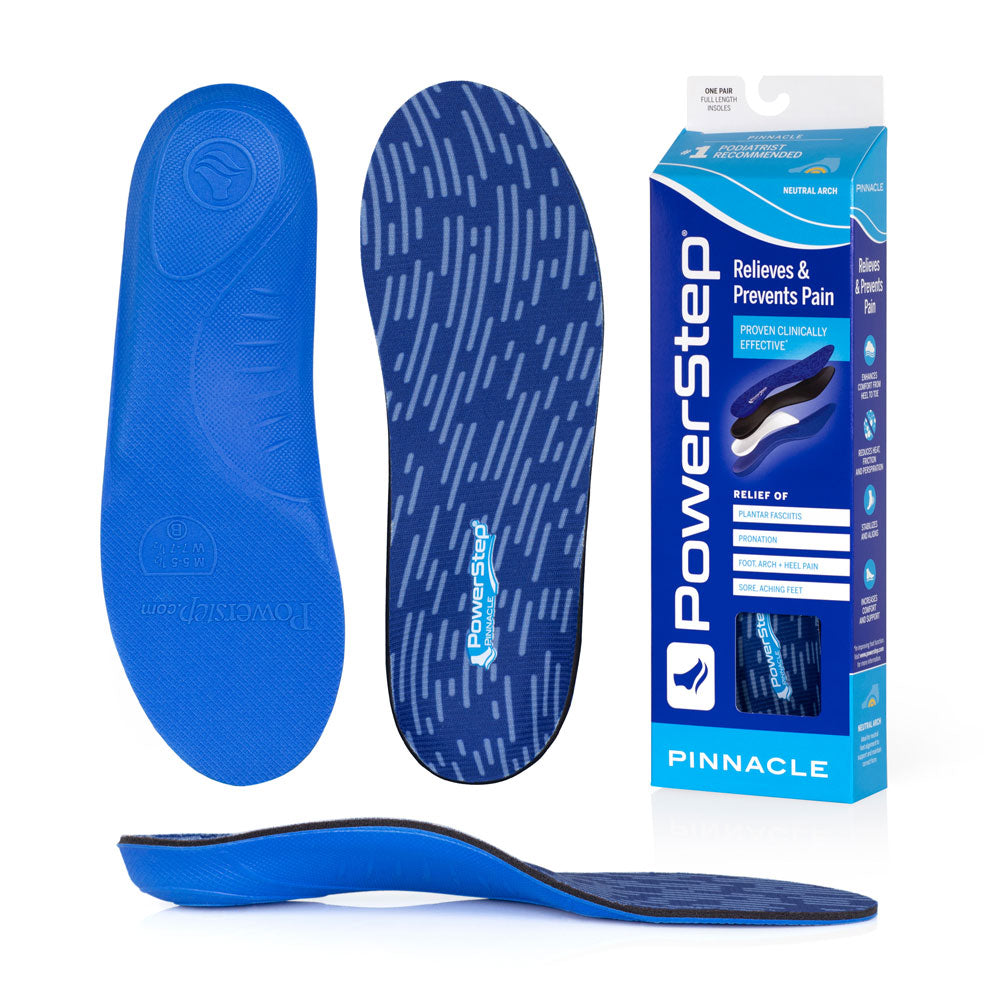
Powerstep Pinnacle Maxx Support Insoles
Powerstep
$45-$55
Why this accessory
Cushioned arch support absorbs the impact arthritic joints cannot tolerate
Number one podiatrist recommended OTC insole in the USA
Double-layer cushioning with semi-rigid arch support controls overpronation
Deep heel cradle stabilizes and cushions the calcaneus on every step
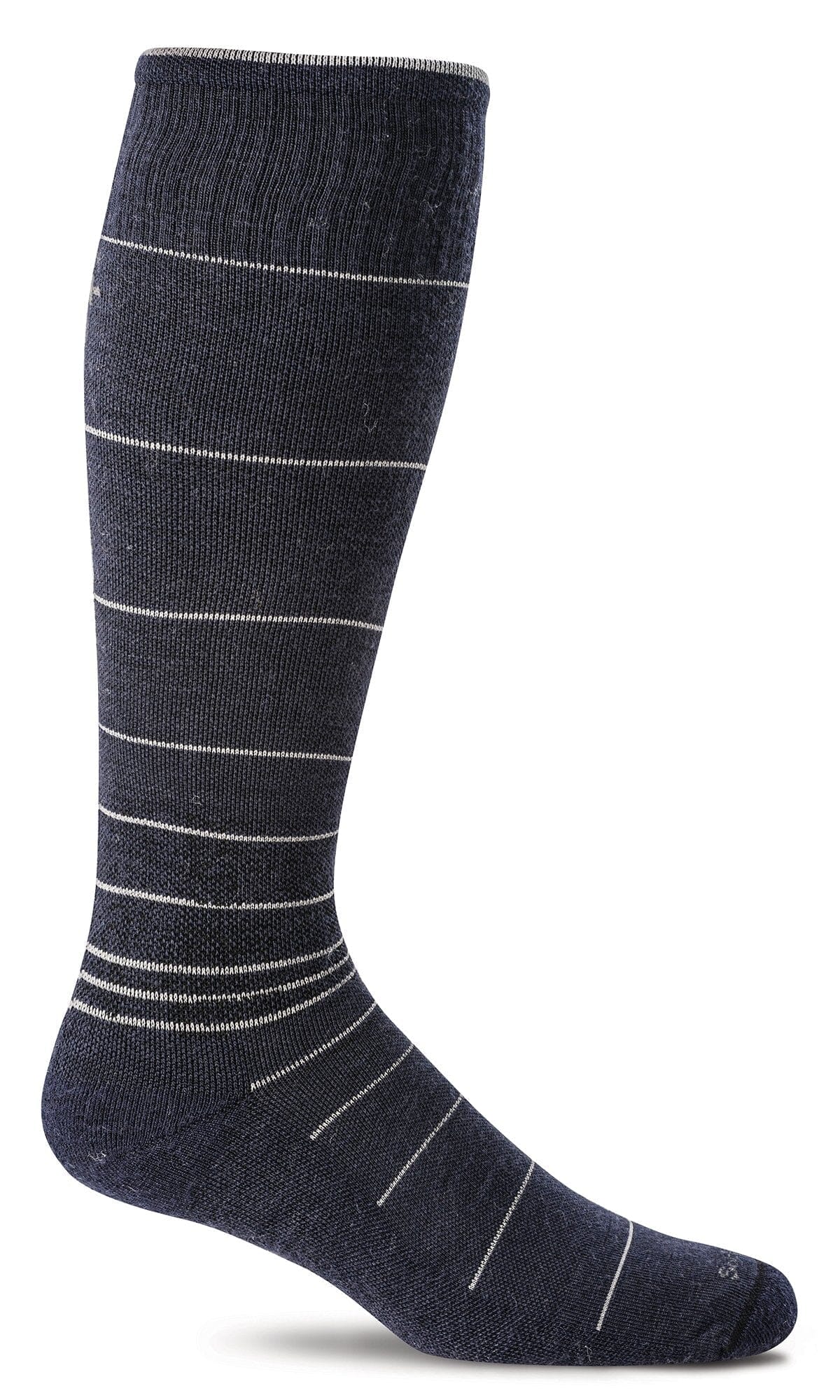
Sockwell Circulator Moderate Compression Socks
Sockwell
$25-$35
Why this accessory
APMA compression reduces arthritic joint swelling and inflammation
APMA Seal of Acceptance - reviewed by podiatrists for foot health benefits
15-20 mmHg graduated compression improves circulation from ankle to calf
Merino wool construction naturally regulates temperature and moisture

Bauerfeind MalleoTrain Ankle Support
Bauerfeind
$80-$120
Why this accessory
Medical compression reduces ankle joint swelling during activity
Medical-grade knit compression with anatomical massage pads
Massage inserts stimulate circulation and reduce swelling around the ankle
Worn by professional athletes and prescribed by orthopedic surgeons
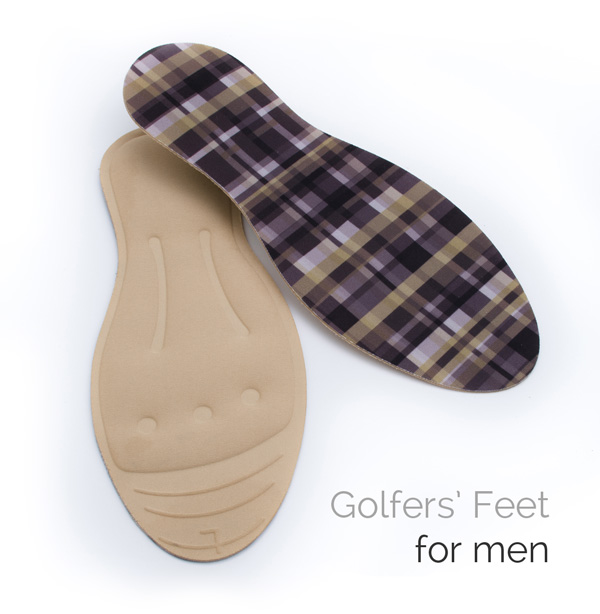
HappyFeet Golfers' Feet Massaging Liquid Insoles
HappyFeet
$45-$55
Why this accessory
Liquid cushioning absorbs the joint impact arthritic feet cannot tolerate
Medical-grade dynamic fluid technology distributes weight evenly across the entire foot in real time
Food-grade glycerin filling provides a massaging effect with every step for active circulation
Clinically shown to increase blood circulation in the feet by up to 115%

Apex A-Wave Orthotic Support Insole Unisex
Apex
$35-$45
Why this accessory
Three-tier cushioning reduces arthritic joint stress on every step
Three support levels - Flex for high arches, Firm for all arch types, X-Firm for low to medium arches
Proprietary blend of thermoplastic resins, performance memory foam, and supportive gels
Supports the arch biomechanically so the foot moves in the most efficient and pain-free way possible
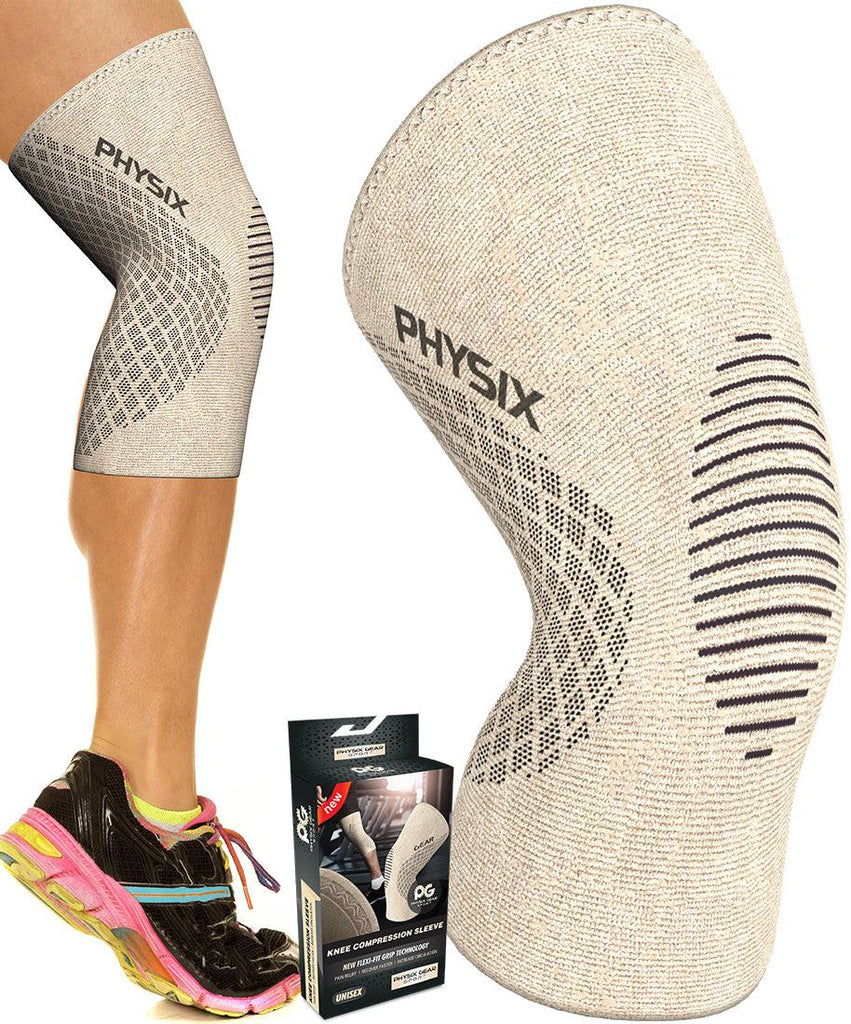
Physix Gear Sport Knee Sleeves
Physix Gear
$15-$20
Why this accessory
Knee compression reduces joint load that worsens arthritic foot pain
Non-slip grip gel lining keeps the sleeve firmly in place during movement without rolling or bunching
4-way stretch knitting conforms to the knee for a secure fit across all activity levels
Targeted compression reduces swelling and soreness while promoting muscle and joint recovery
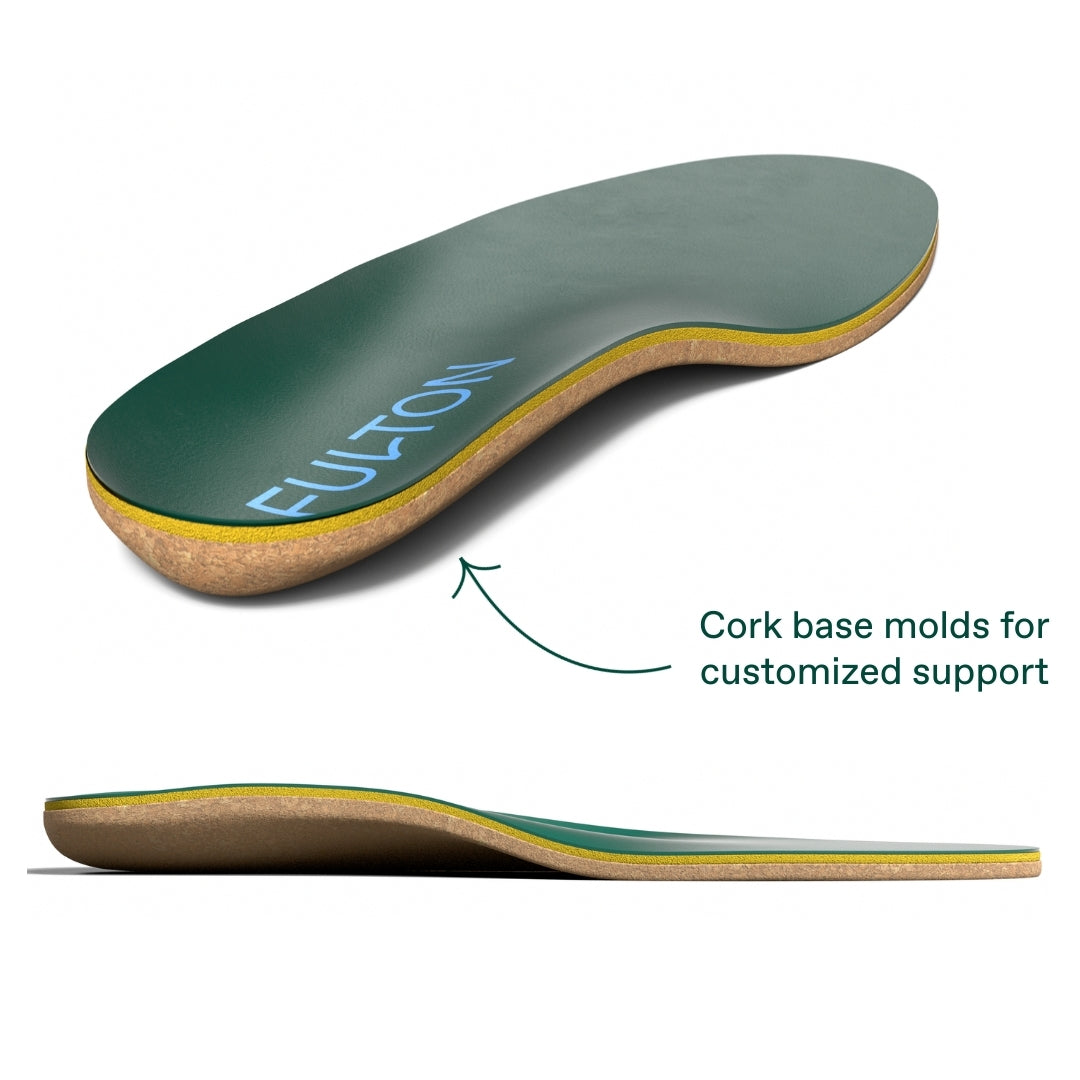
Fulton Cork Everyday Insole
Fulton
$38-$48
Why this accessory
Soft forgiving cork cushioning is gentler on arthritic joints than rigid shell insoles
Natural cork base molds to the unique shape of your foot over time
Provides a custom-like feel without the custom orthotic price
Deep heel cup and arch support made from sustainable cork
What Is Happening in Your Foot
Foot osteoarthritis is a degenerative joint disease affecting one or more of the foot's 33 joints, in which the cartilage that cushions the joint surfaces gradually wears away, eventually allowing bone to contact bone. The most commonly affected foot joints are the first metatarsophalangeal joint - causing hallux rigidus or stiff big toe - the midfoot tarsometatarsal joints, and the ankle joint. Osteoarthritis is the most common form of arthritis worldwide and one of the leading causes of disability in older adults. In the foot specifically, it affects approximately one in six adults over 50 and significantly impacts walking, standing tolerance, and quality of life. Unlike gout or rheumatoid arthritis, foot osteoarthritis is driven by mechanical wear rather than systemic inflammation - making footwear one of the most clinically meaningful modifiable factors in disease management.
Biomechanics
Healthy articular cartilage performs two critical mechanical functions - it distributes load across a broad joint surface area, reducing peak contact stress, and it provides a nearly frictionless surface for joint motion. When cartilage degenerates, both functions are compromised. Peak contact stress rises as the load-distributing surface area decreases, accelerating further cartilage damage in a self-reinforcing cycle. Joint motion becomes painful as rough bone surfaces articulate against each other and surrounding inflammatory tissue. In the foot, every step applies joint loading forces that a healthy cartilage surface manages with minimal stress but that an arthritic joint experiences as concentrated bone-on-bone compression. Maximum cushioning footwear reduces the magnitude of ground reaction forces that reach the arthritic joint. Rocker sole designs reduce the range of joint motion required during walking, allowing arthritic joints that have lost range of motion to function within their available range without pain.
Why Symptoms Behave the Way They Do
Foot osteoarthritis follows the classic inflammatory joint pattern of morning stiffness. During sleep and rest, synovial fluid - which lubricates and nourishes the joint - becomes less mobile and the joint capsule tightens. The first minutes of weight-bearing after rest are typically the most painful as the arthritic joint is loaded before synovial fluid has redistributed and the joint has warmed up. This start-up pain characteristically improves after 15 to 30 minutes of gentle activity. Unlike rheumatoid arthritis where morning stiffness lasts more than an hour, osteoarthritis morning stiffness typically resolves within 30 minutes. Supportive footwear worn immediately upon rising reduces the joint loading during this vulnerable start-up period.
What Makes It Worse
Prolonged walking or standing that accumulates joint impact loading beyond the arthritic joint's tolerance
High-impact activities including running and jumping that apply impact forces several times body weight to already-compromised joint surfaces
Stairs and inclines that increase joint flexion range requirements beyond what the arthritic joint can comfortably achieve
Rigid, thin-soled, or minimalist footwear that transmits ground reaction forces directly to arthritic joints without cushioning attenuation
Obesity that increases the compressive joint load with every step - each pound of body weight creates approximately three to six pounds of force across weight-bearing foot joints
Worn-out footwear with degraded cushioning that no longer absorbs impact forces effectively
What Helps
Maximum cushioning footwear that absorbs ground reaction forces before they reach arthritic joint surfaces
Rocker sole designs that reduce the range of joint motion required during walking - particularly effective for first MTP joint and midfoot osteoarthritis
Custom orthotics that redistribute joint loading away from the most affected surfaces and correct alignment issues that accelerate cartilage wear
Weight management to reduce the compressive joint load with every step
Low-impact exercise such as swimming and cycling that maintains muscle strength and joint health without high joint loading
Physician-managed pharmacological management including topical NSAIDs and intra-articular injections for acute pain management
Common Misconceptions
Myth: Osteoarthritis is simply wear and tear that cannot be influenced by treatment.
While osteoarthritis cannot be reversed once established, research demonstrates that the rate of progression is significantly modifiable through weight management, appropriate exercise, footwear, and orthotics. Treating osteoarthritis as inevitable and unmanageable leads to under-treatment that allows preventable progression. Many patients with foot osteoarthritis manage symptoms effectively for years or decades with appropriate conservative management.
Myth: Rest is the best treatment for arthritic foot pain.
Extended rest weakens the muscles that support arthritic joints and reduces joint nutrition from synovial fluid circulation. Research supports regular low-impact exercise as one of the most effective interventions for osteoarthritis - it maintains muscle strength that reduces joint loading, maintains cartilage nutrition through synovial fluid circulation, and reduces pain through endorphin release. The goal is load management rather than load elimination.
Myth: Surgery is the inevitable endpoint for foot osteoarthritis.
Research indicates that a significant proportion of foot osteoarthritis patients manage their condition effectively with conservative treatment throughout their lives without requiring surgical intervention. Footwear, orthotics, weight management, and appropriate exercise address the mechanical drivers of symptoms. Surgical intervention - typically fusion or joint replacement for end-stage disease - is reserved for patients whose symptoms cannot be adequately controlled by comprehensive conservative management.
Sources: Arthritis Care and Research, Vol. 65, 2013; Journal of Foot and Ankle Research, Vol. 9, 2016; APMA; Osteoarthritis and Cartilage, Vol. 22, 2014
Foot Osteoarthritis by Occupation
How this condition presents differently depending on how you spend your day.
seniors
Foot osteoarthritis is primarily a condition of older adults, with prevalence rising sharply after age 50 as cumulative joint loading and age-related cartilage changes converge.
Many older adults have multiple foot conditions simultaneously - osteoarthritis alongside bunions, hammertoes, and flat feet - creating complex footwear requirements. Standard footwear designed for healthy feet may accommodate none of these conditions adequately. The combination of reduced mobility from joint stiffness and reduced protective sensation from age-related nerve changes creates both pain and fall risk.
Shoe Priority
Maximum cushioning shoe with wide toe box to accommodate joint swelling and deformity, rocker sole where tolerated for push-off facilitation, easy entry design, and non-slip outsole for fall prevention. Custom orthotics addressing the specific affected joints are the most effective footwear adjunct for this population.
standing workers
Workers with foot osteoarthritis who stand for extended periods accumulate significant arthritic joint stress across every shift.
Sustained static standing maintains continuous compressive joint loading that arthritic foot joints tolerate poorly. Workers cannot selectively offload the arthritic joint during standing as they might during walking. Hard work floors transmit maximum impact to arthritic joints without surface cushioning. Work footwear chosen for safety compliance rather than joint protection is a persistent problem for workers with foot osteoarthritis.
Shoe Priority
Maximum cushioning work shoe with rocker sole where available in the required safety footwear category. Anti-fatigue mats at standing workstations meaningfully reduce static joint loading and are a worthwhile workplace accommodation for workers with diagnosed foot osteoarthritis.
walkers
Fitness walkers with foot osteoarthritis must balance the joint health benefits of low-impact activity against the cumulative joint loading that high step counts create.
Walking is one of the most recommended activities for osteoarthritis management because it maintains muscle strength and joint health without the high impact of running. However, excessive step counts or hard walking surfaces accumulate joint stress that exceeds arthritic tolerance. Many walkers with foot osteoarthritis find that there is a daily step threshold beyond which pain significantly increases.
Shoe Priority
Maximum cushioning walking shoe with a rocker sole profile that reduces joint motion requirements. Staying within tolerable daily step counts and choosing softer walking surfaces - grass, packed dirt, synthetic tracks - over concrete and asphalt reduces the per-step joint impact that determines total daily joint stress.
arthritis patients
Foot osteoarthritis patients represent a distinct and underserved footwear audience whose needs differ fundamentally from the athletic and occupational audiences that most footwear guides address.
Patients with foot osteoarthritis require footwear that simultaneously maximizes cushioning, accommodates joint deformity and swelling, facilitates walking mechanics impaired by joint stiffness, and can be modified with custom orthotics. No single off-the-shelf shoe category consistently meets all of these requirements. The footwear needs of this population require podiatric guidance and often custom solutions that the consumer market does not easily provide.
Shoe Priority
Maximum cushioning shoes with rocker sole design, extra width to accommodate joint swelling and osteophytes, and removable insoles for custom orthotic accommodation. Podiatrist evaluation to identify the specific affected joints and their individual loading patterns is the foundation of appropriate footwear selection for foot osteoarthritis.
Frequently Asked Questions
Related Guides and Resources
Walk Into Your Appointment With Answers
Before Your Next Appointment
Take Your Results to Your Podiatrist
Answer a few quick questions. Takes under 2 minutes. Get personalized shoe recommendations.
Not Sure Which Shoe Is Right?
Take our guided quiz and get a personalized recommendation based on your specific foot condition and lifestyle.
Start the Quiz