Disclosure: We may earn a small commission if you purchase through links on this page. No additional cost to you, and we only recommend products we trust. This helps us keep MySoleMatch free and ad-free. Thank you for your support!
Tailor's Bunion (Bunionette)
A tailor's bunion, also called a bunionette, is a bony bump that develops on the outside of the foot at the base of the little toe. The name comes from tailors who historically sat cross-legged for long periods, placing pressure on the outer foot. The condition causes pain, redness, and swelling at the fifth metatarsal head, most often from footwear that compresses the outer forefoot. The right shoe eliminates this compression entirely by providing a wide enough toe box to accommodate the natural width of the foot without lateral pressure.
Signs You May Have Tailor's Bunion (Bunionette)
Visible bony bump on the outer edge of the foot at the base of the little toe
Pain and tenderness along the outer fifth metatarsal head
Redness and swelling at the site of the prominence
Pain that worsens with footwear that has a narrow or tight outer forefoot
Callus formation over the bony prominence from repeated friction
Walk Into Your Appointment With Answers
Before Your Next Appointment
Take Your Results to Your Podiatrist
Answer a few quick questions. Takes under 2 minutes. Get personalized shoe recommendations.
Best Shoes for Tailor's Bunion (Bunionette) | MySoleMatch
The single most important footwear change is eliminating lateral forefoot compression. Look for shoes with a wide toe box that does not taper toward the little toe, a soft or flexible upper that conforms to the foot shape rather than forcing the foot into a narrower silhouette, and adequate forefoot depth to reduce pressure on the prominence. Avoid any shoe with a narrow outer toe wall.
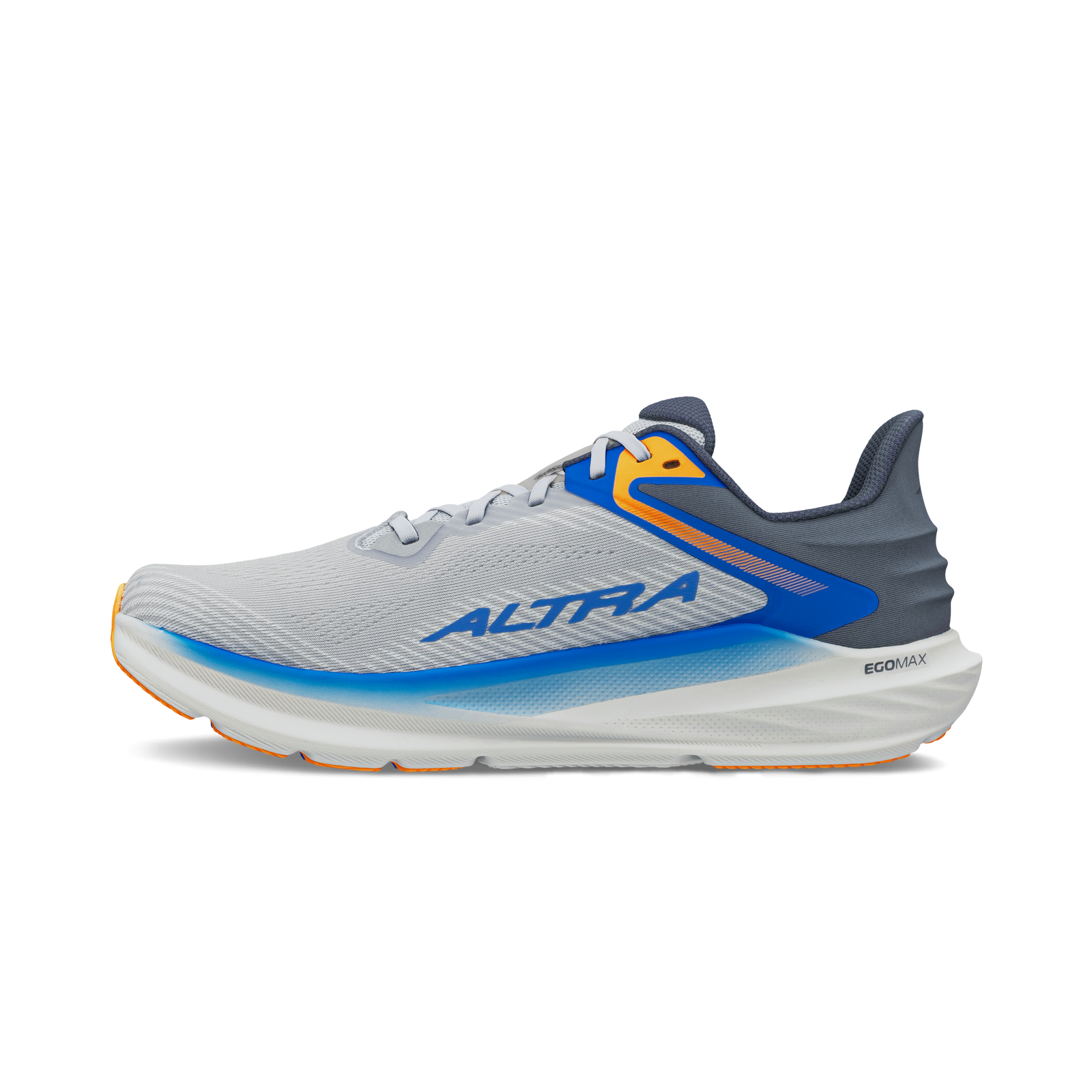
Altra Torin 8
$140-$150
Why this shoe
The Altra Torin 8's FootShape toe box at 104mm is the widest in the MySoleMatch catalog and is specifically designed to allow full natural toe splay with zero lateral compression. The single most important clinical requirement for a tailor's bunion. The zero-drop platform with EGO MAX midsole eliminates forefoot loading from heel elevation. APMA accepted.
FootShape toe box with 104mm width at the ball of the foot - the widest toe box in the catalog, allowing full natural toe splay on every step
Zero-drop platform keeps heel and forefoot at equal height - promoting natural foot mechanics and reducing Achilles strain from elevated heels
APMA Seal of Acceptance pid=8835 - verified directly from APMA Seal Database May 2026
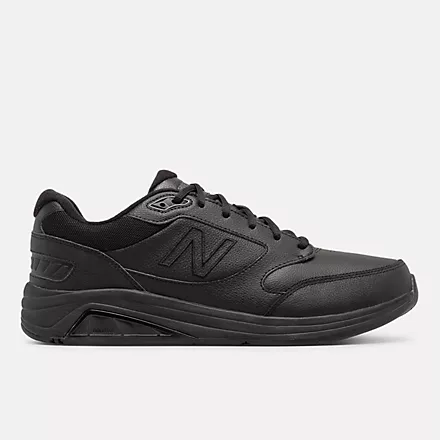
New Balance 928v3 Lace-Up Walking Shoe
$134-$145
Why this shoe
The SL-2 last provides a deeper, wider toe box and higher instep than standard lasts, available up to 6E extra-extra-wide. which is the widest width selection in the catalog. The wide forefoot accommodates the fifth metatarsal prominence without lateral compression. ROLLBAR motion control adds stability for walkers. APMA accepted.
ROLLBAR motion control technology and Clinical-Grade Support: The signature ROLLBAR® motion control system minimizes rear-foot movement, keeping your stride aligned and reducing stress on the plantar fascia.
Reduces morning heel pain and keeps you moving comfortably all day, whether you're on your feet for work or walking for fitness.
Maximum Shock Absorption: Engineered with ABZORB® cushioning in the midfoot to absorb harsh impacts, protecting your heels from painful concrete and hard floors.
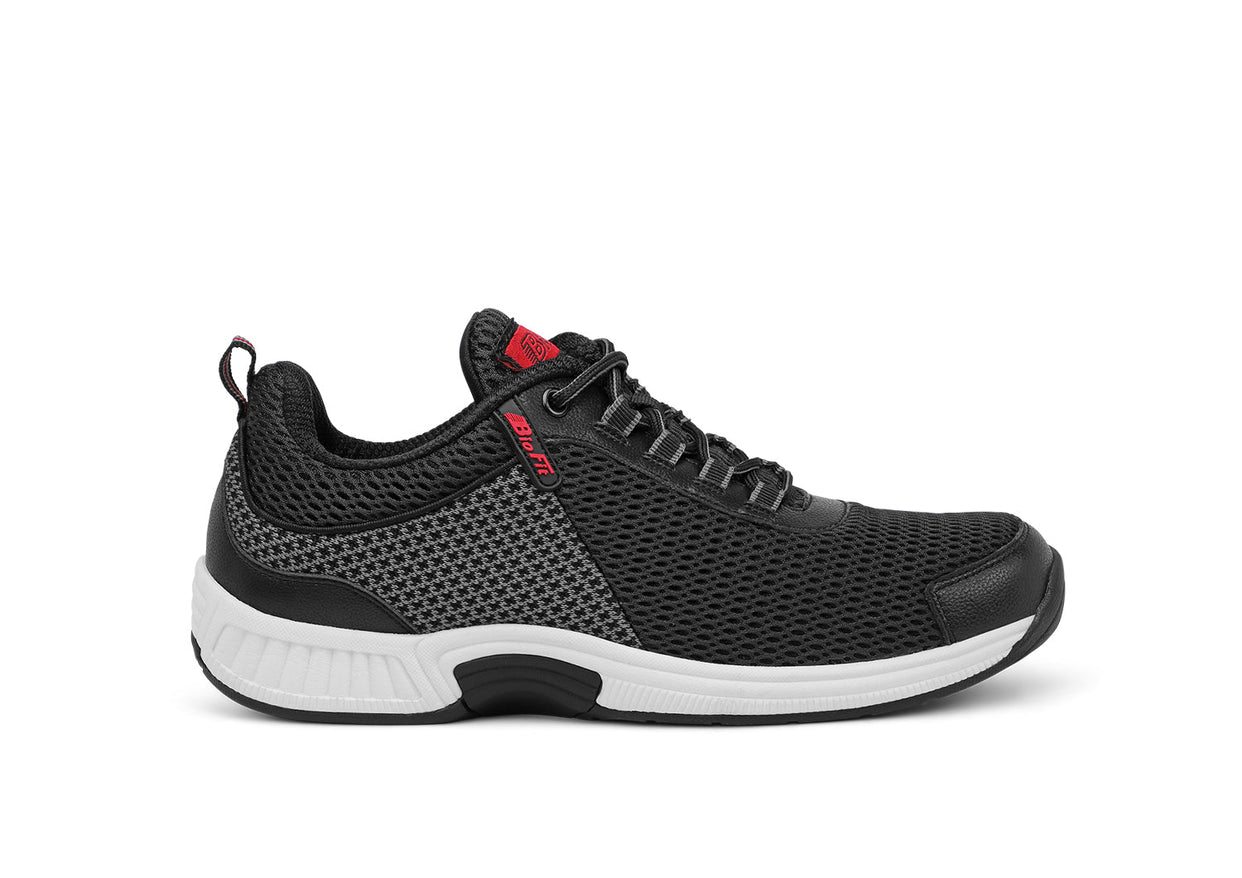
Orthofeet Edgewater
$129-$145
Why this shoe
The stretch upper conforms to the contour of the fifth metatarsal prominence rather than compressing against it, eliminating the primary pain mechanism. Extra-depth construction accommodates custom orthotics. PDAC A5500 diabetic certified and APMA accepted.
Biomedical-engineered extra-depth design accommodates custom orthotics
Stretch upper eliminates pressure on bunions, hammertoes, and swollen feet
Ergonomic Stride outsole with mild rocker reduces plantar fascia strain
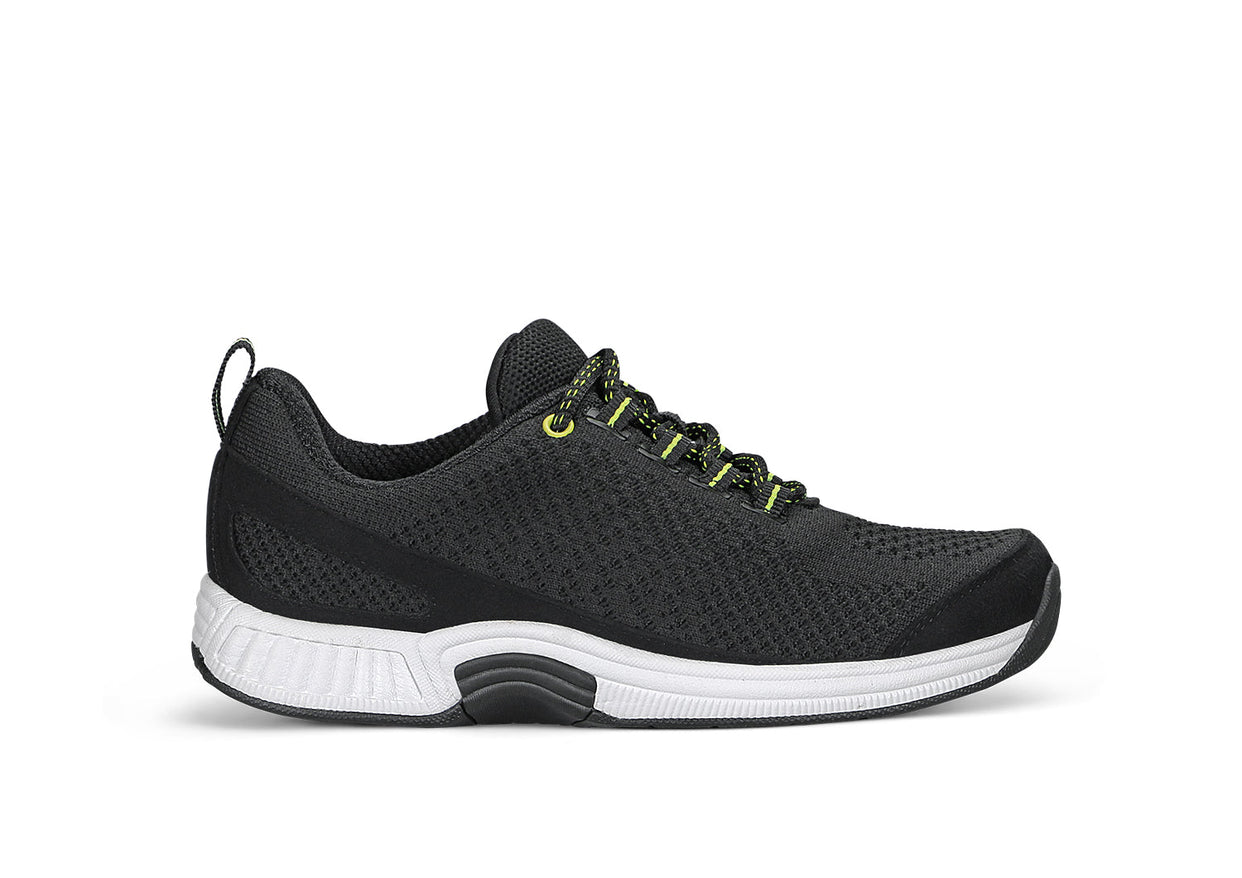
Orthofeet Coral
$129-$145
Why this shoe
Women's equivalent of the Edgewater with the same stretch knit upper that accommodates fifth metatarsal prominence without compression. Extra-depth construction for orthotic accommodation. APMA accepted.
Women's equivalent of the Edgewater - biomedical-engineered extra-depth design
Stretch knit upper relieves pressure on bunions, hammertoes, and swollen feet
Deep heel cup with gel cushioning for plantar fasciitis and heel pain relief

Topo Athletic Phantom 4
$140-$155
Why this shoe
Anatomical toe box with no aggressive lateral tapering eliminates compression on the fifth metatarsal head. The 5mm drop reduces forefoot loading without going fully zero-drop. APMA accepted.
Anatomical toe box promotes natural toe splay
APMA Seal of Acceptance pid=9177 - Topo Athletic Phantom 4 - verified directly from APMA Seal Database August 2026
Roomy toe box reduces forefoot compression that causes bunion and neuroma pain
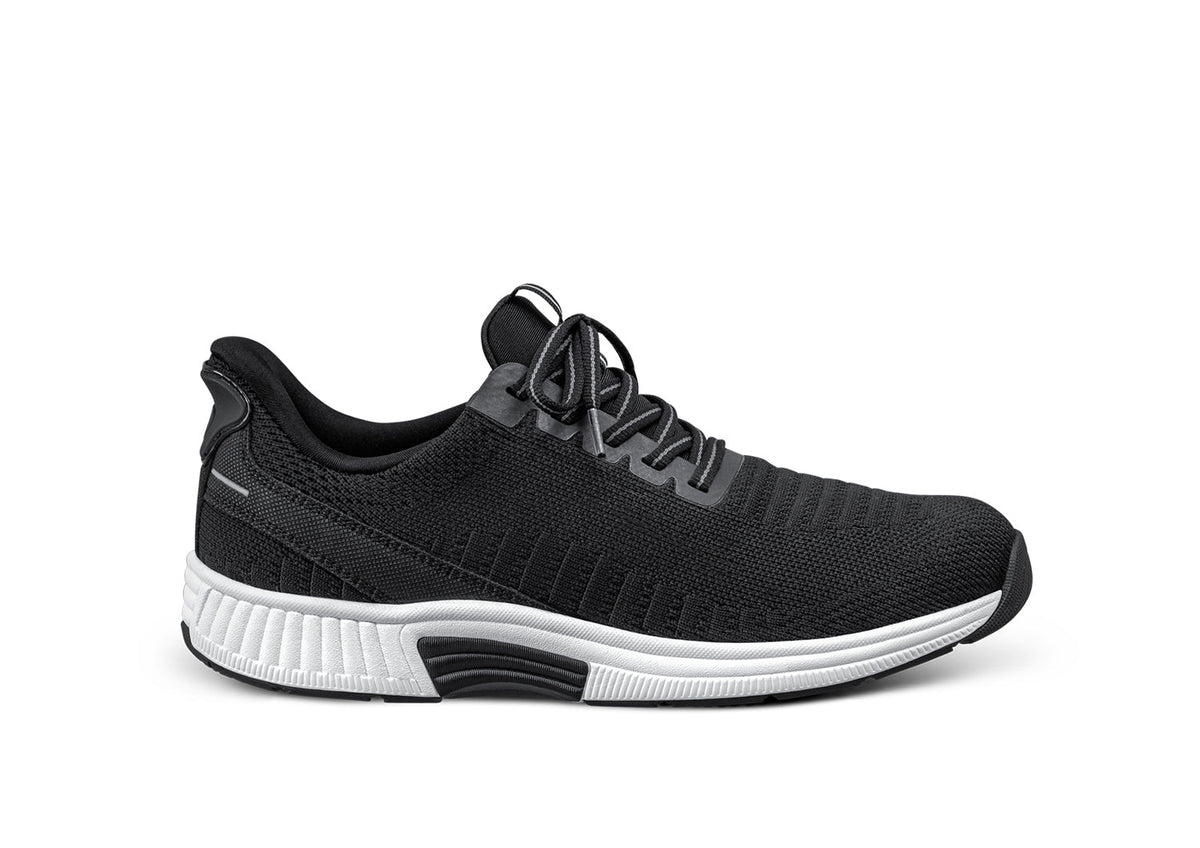
Orthofeet Kita
$130-$160
Why this shoe
Stretchable upper flexes around fifth metatarsal head prominence on the outer forefoot, reducing lateral pressure that a standard sneaker's rigid upper would concentrate directly on the bunionette.
APMA Seal of Acceptance pid=9248 - Orthofeet Kita - verified directly from APMA Seal Database September 2026
Hands-Free Easy On/Off heel spring allows entry without bending or using hands
Multi-Layer Ortho-Cushion system with ergonomic sole and mild rocker for reduced impact
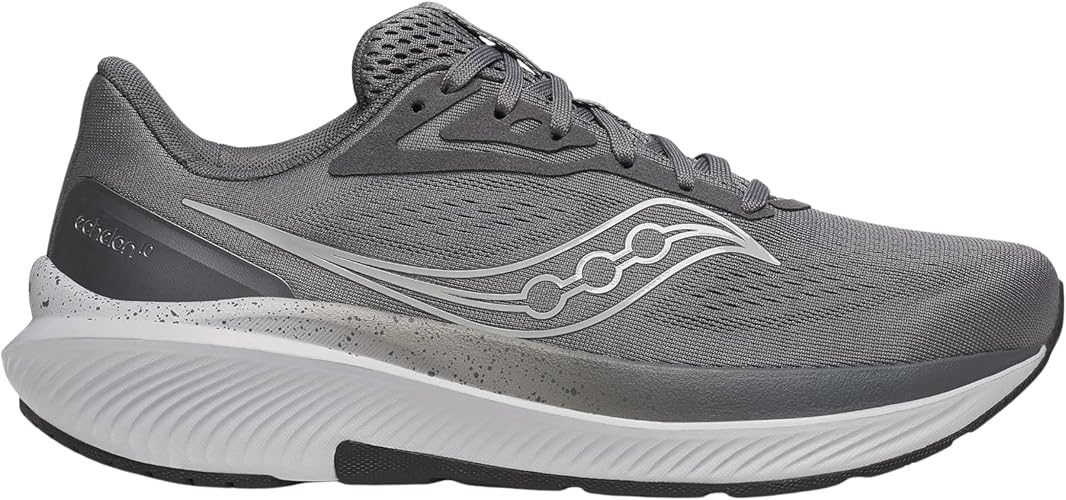
Saucony Echelon 10
$130-$150
Why this shoe
High-volume straight last with 4E wide width provides lateral forefoot room that prevents compression on the fifth metatarsal head. Roomy toe box designed specifically for orthotic users and wide feet. APMA accepted.
High-volume fit with straighter last specifically engineered for custom orthotic users
Extra depth and roomy toe box accommodates bunions, hammertoes, and wide feet comfortably
PWRRUN cushioning provides reliable impact protection for orthotic-wearing runners and walkers
What to Look for in a Shoe
Evidence-based footwear criteria specific to this condition.
Heel Drop
Recommended: 6-10mm
Moderate heel drop distributes weight evenly across the forefoot without concentrating pressure on the fifth metatarsal head. Very high drop shoes shift weight forward onto the forefoot, increasing lateral forefoot loading.
Cushioning
high
Adequate forefoot cushioning reduces impact forces on the fifth metatarsal head during walking and standing, reducing pain at the prominence site.
Avoid: minimal, barefoot-style
Stability vs. Neutral
neutral
Tailor's bunion management is primarily about forefoot width and upper flexibility rather than medial stability. Neutral shoes with wide lasts are the priority. Stability features are relevant only if overpronation is also present.
Exception: Patients with concurrent overpronation or flat feet may benefit from a stability shoe with a wide last.
Width
Recommended: 2E, 4E
Wide and extra-wide widths are the single most important footwear variable for tailor's bunion management. The wider the last, the less lateral forefoot compression is applied to the fifth metatarsal head with every step.
Insoles and Orthotics
Protective padding and custom orthotics with lateral offloading can supplement footwear changes. Silicone bunionette pads placed over the fifth metatarsal head reduce friction and pressure from the upper.
Sources: APMA; podiatric clinical practice consensus
What Is Happening in Your Foot
A tailor's bunion forms when the head of the fifth metatarsal bone, the long bone connecting to the little toe, protrudes outward beyond the natural outer profile of the foot. This can happen because the bone itself is angled outward, because the toe drifts inward, or both. The result is a bony bump that presses against the outer wall of any shoe that does not have sufficient forefoot width to accommodate it.
Biomechanics
During normal gait, the fifth metatarsal head bears weight during the push-off phase as the foot transitions from the outer edge to the toes. In a tailor's bunion, this weight-bearing prominence is also compressed by the lateral wall of the shoe simultaneously, creating a painful pinching effect that is worst in narrow or pointed footwear.
What Makes It Worse
Any footwear that tapers toward the little toe
High heels that shift weight onto the forefoot
Prolonged standing or walking in narrow shoes
Running or athletic activity in shoes that compress the lateral forefoot
Socks or hosiery that are too tight across the forefoot
What Helps
Switching to wide toe box footwear that does not contact the fifth metatarsal head
Protective silicone padding over the prominence
Anti-inflammatory measures including ice and NSAIDs during flares
Custom orthotics that redistribute forefoot pressure
Going barefoot or wearing open-toed sandals during low-activity periods
Common Misconceptions
Myth: A tailor's bunion is the same as a standard bunion just on the other side.
While both are bony prominences at metatarsal heads, a tailor's bunion at the fifth metatarsal has distinct anatomical causes and requires opposite footwear solutions. Standard bunions need medial forefoot accommodation, tailor's bunions need lateral forefoot accommodation.
Myth: Surgery is the only permanent solution for a tailor's bunion.
Most tailor's bunions are successfully managed conservatively with appropriate wide-toe-box footwear and protective padding. Surgery is reserved for cases with significant bony deformity that cannot be managed with footwear changes alone.
Sources: Journal of Foot and Ankle Surgery; APMA; podiatric clinical practice consensus
Tailor's Bunion (Bunionette) by Occupation
How this condition presents differently depending on how you spend your day.
standing workers
Standing professionals who wear dress shoes or uniform footwear are at elevated risk for tailor's bunion aggravation.
Dress codes often require narrow or formal footwear that directly compresses the fifth metatarsal head throughout a shift. Workers with limited footwear options may not be able to switch to wider shoes without violating workplace requirements.
Shoe Priority
Widest available dress or professional shoe with a soft upper. Orthofeet and Apex offer dress-appropriate options with wide widths that do not compromise professional appearance.
nurses
Nurses who wear standard-width nursing shoes during twelve-hour shifts frequently aggravate existing tailor's bunions.
Standard nursing shoe widths compress the lateral forefoot throughout extended shifts. Few nursing shoe brands offer meaningful wide-width options in clinical-appropriate silhouettes.
Shoe Priority
Wide toe box nursing shoe with soft outer forefoot. Clove Classic and HOKA Bondi SR are available in wider fits and do not taper aggressively at the fifth metatarsal.
Frequently Asked Questions
Related Guides and Resources
Shoe Guides
From the MySoleMatch Journal
Walk Into Your Appointment With Answers
Before Your Next Appointment
Take Your Results to Your Podiatrist
Answer a few quick questions. Takes under 2 minutes. Get personalized shoe recommendations.
Not Sure Which Shoe Is Right?
Take our guided quiz and get a personalized recommendation based on your specific foot condition and lifestyle.
Start the Quiz