Disclosure: We may earn a small commission if you purchase through links on this page. No additional cost to you, and we only recommend products we trust. This helps us keep MySoleMatch free and ad-free. Thank you for your support!
Tarsal Tunnel Syndrome
Tarsal tunnel syndrome is the foot's equivalent of carpal tunnel syndrome in the wrist. The posterior tibial nerve becomes compressed as it passes through a narrow channel near the inside of the ankle, causing burning, tingling, and shooting pain that can radiate through the entire foot. Cushioned supportive shoes that reduce nerve compression are essential.
Signs You May Have Tarsal Tunnel Syndrome
Burning, tingling, or shooting pain in the foot
Numbness in the sole of the foot
Symptoms may worsen with standing or walking
Electric shock sensation along the nerve path
Pain that may radiate to the heel or arch
Walk Into Your Appointment With Answers
Before Your Next Appointment
Take Your Results to Your Podiatrist
Answer a few quick questions. Takes under 2 minutes. Get personalized shoe recommendations.
Best Shoes for Tarsal Tunnel Syndrome | MySoleMatch
Cushioned insoles that support the arch and reduce overpronation are key. Look for stability shoes with good medial support.

New Balance Fresh Foam Hierro v8
$134-$145
Why this shoe
Cushioned insole with arch support reduces nerve compression in the tarsal tunnel.
Fresh Foam X cushioning for trail comfort
Vibram outsole for superior traction
Protective toe cap

New Balance Fresh Foam X 860v15
$145-$155
Why this shoe
Stability Plane technology reduces overpronation that can aggravate tarsal tunnel nerve compression.
Fresh Foam X midsole with Stability Plane technology
Engineered mesh upper for breathability
Described by New Balance as a stability shoe
What to Look for in a Shoe
Evidence-based footwear criteria specific to this condition.
Heel Drop
Recommended: 6-12mm
A moderate heel drop reduces overpronation-related stretch on the posterior tibial nerve, which is the primary nerve compressed in tarsal tunnel syndrome. Overpronation elongates the tarsal tunnel as the ankle rolls inward, increasing tension on the nerve. A moderate heel drop combined with medial support reduces this elongation mechanism.
Avoid below 4mm
Cushioning
moderate_to_maximum
Moderate to maximum cushioning reduces the impact forces transmitted through the ankle joint and surrounding structures with every footstrike. A cushioned midsole also reduces the ground reaction force that compresses the tarsal tunnel contents during the stance phase of gait, providing indirect nerve decompression.
Avoid: minimal, rigid-soled, thin-soled
Stability vs. Neutral
stability
Stability shoes are the primary footwear intervention for tarsal tunnel syndrome because overpronation is the most common mechanical driver of the condition. Overpronation causes inward ankle roll that stretches and compresses the posterior tibial nerve as it passes through the tarsal tunnel. A stability shoe with medial post support resists this inward roll, directly reducing the mechanical force that compresses the nerve.
Exception: Patients whose tarsal tunnel syndrome is not associated with overpronation - those with a neutral or supinating gait, or those whose compression results from a space-occupying lesion, ankle injury scar tissue, or systemic inflammation - may not benefit from stability features. These patients require medical evaluation to identify and address the specific compression source.
Width
Recommended: D, 2E
Standard to wide fit is appropriate. A shoe that is too narrow can increase pressure on the medial ankle and tarsal tunnel region. Adequate width ensures the upper does not apply compressive force to the medial ankle structures where the posterior tibial nerve passes.
Insoles and Orthotics
Custom orthotics with medial arch support are among the most effective conservative interventions for overpronation-driven tarsal tunnel syndrome. They address the biomechanical root cause of nerve compression rather than just the symptoms. A podiatrist should assess gait and foot structure before prescribing orthotics, as the degree and type of support required varies significantly between patients. Shoes with removable insoles and adequate depth to accommodate orthotics are essential.
Sources: APMA Clinical Practice Guidelines; Foot and Ankle International
Recommended Accessories for Tarsal Tunnel Syndrome
Insoles, heel cups, compression socks, and braces that complement your shoe recommendation and provide additional targeted relief.
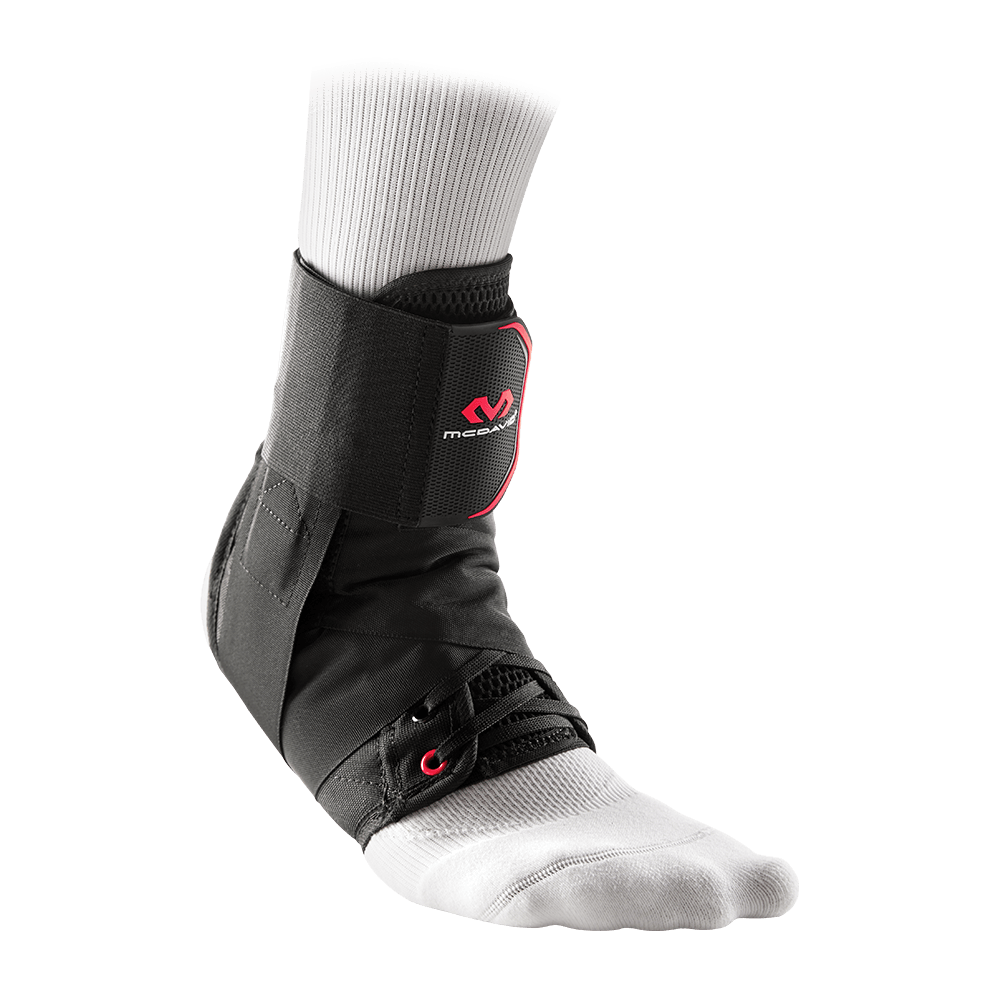
McDavid Ankle Brace with Strap Support
McDavid
$20-$50
Why this accessory
Ankle support reduces nerve compression in the tarsal tunnel
Figure-8 strapping system mimics athletic taping for lateral ankle support
Fits inside most athletic shoes without modifying fit
Lightweight breathable construction for all-day wear
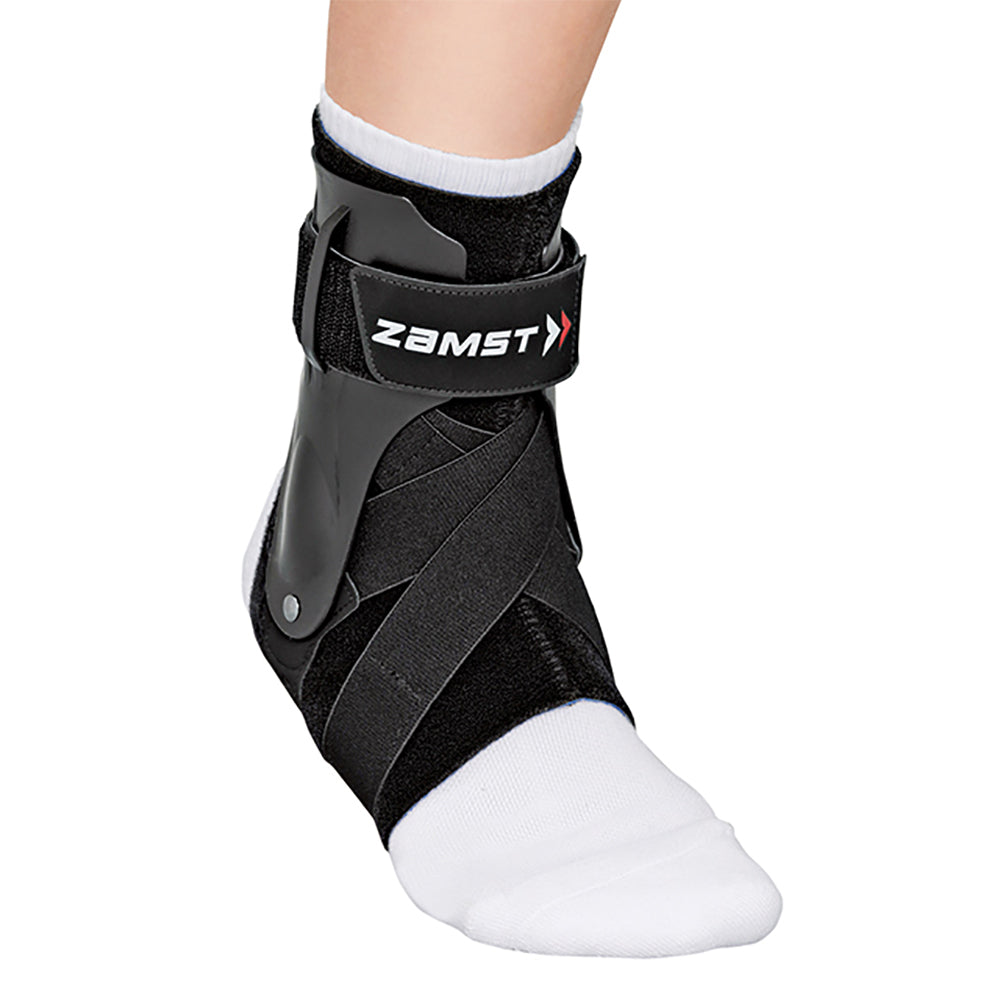
Zamst A2-DX Ankle Brace
Zamst
$60-$80
Why this accessory
Maximum ankle support prevents inversion that compresses the nerve
Exo-Grid hard shell provides maximum lateral ankle support for severe instability
Used by professional athletes and endorsed by sports medicine physicians
Dual-motion control restricts inversion without limiting forward motion
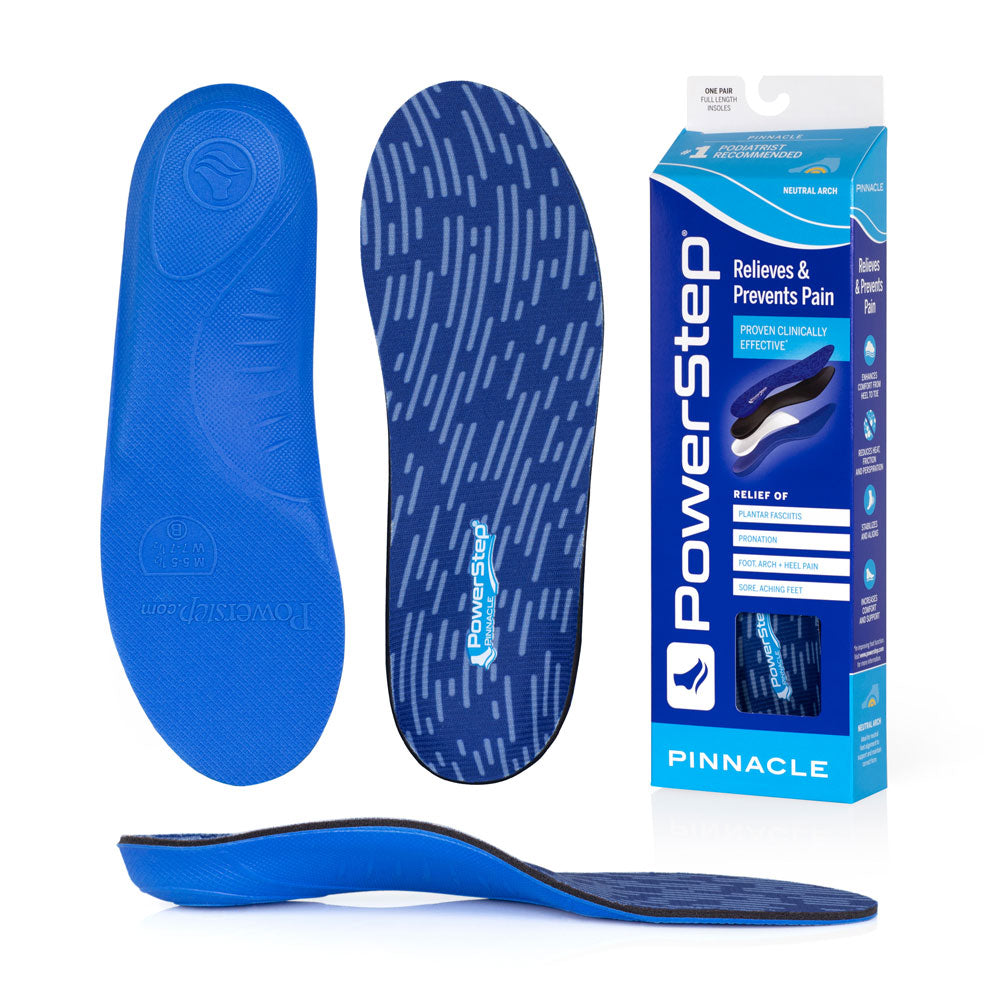
Powerstep Pinnacle Maxx Support Insoles
Powerstep
$45-$55
Why this accessory
Arch support reduces overpronation that aggravates tarsal tunnel
Number one podiatrist recommended OTC insole in the USA
Double-layer cushioning with semi-rigid arch support controls overpronation
Deep heel cradle stabilizes and cushions the calcaneus on every step

Bauerfeind MalleoTrain Ankle Support
Bauerfeind
$80-$120
Why this accessory
Medical compression reduces nerve inflammation around the ankle
Medical-grade knit compression with anatomical massage pads
Massage inserts stimulate circulation and reduce swelling around the ankle
Worn by professional athletes and prescribed by orthopedic surgeons
What Is Happening in Your Foot
Tarsal tunnel syndrome is a compression neuropathy of the posterior tibial nerve as it passes through the tarsal tunnel - a narrow fibro-osseous channel on the inner side of the ankle, beneath the flexor retinaculum ligament. It is structurally analogous to carpal tunnel syndrome in the wrist. The posterior tibial nerve provides sensation to the sole of the foot and motor function to the intrinsic foot muscles. When this nerve is compressed in the tarsal tunnel, patients experience burning, tingling, and shooting pain that can radiate from the ankle through the sole of the foot and sometimes into the toes. Unlike many other foot conditions, the source of the pain is in the ankle rather than the foot itself, which can make it difficult to identify without clinical examination.
Biomechanics
The tarsal tunnel contains the posterior tibial nerve, the posterior tibial artery and vein, and three tendons - the tibialis posterior, flexor digitorum longus, and flexor hallucis longus. All of these structures pass through a fixed-volume channel beneath the flexor retinaculum. Anything that reduces the available space in this channel - swelling, scar tissue from ankle injury, a ganglion cyst, or increased tension on the retinaculum from overpronation - compresses the nerve and produces symptoms. Overpronation is the most common mechanical driver because inward ankle roll elongates the tarsal tunnel and stretches the flexor retinaculum taut across its contents. Stability shoes with medial support reduce this inward roll and the associated tunnel compression. Custom orthotics that correct overpronation address the root biomechanical mechanism.
Why Symptoms Behave the Way They Do
Tarsal tunnel syndrome pain patterns vary by cause. Patients whose compression is driven by overpronation typically experience worsening with activity - symptoms build throughout the day and are worst after prolonged standing or walking. Patients whose compression results from inflammation or swelling may notice morning stiffness as overnight fluid accumulation increases pressure in the tunnel. Either way, supportive footwear worn immediately upon rising reduces the mechanical compression from the first steps of the day.
What Makes It Worse
Prolonged standing or walking, particularly on hard surfaces, which increases cumulative nerve compression
Overpronation without supportive footwear, which elongates the tarsal tunnel and stretches the posterior tibial nerve
Previous ankle sprains that have left scar tissue in or near the tarsal tunnel, reducing available nerve space
Systemic conditions including diabetes, hypothyroidism, and rheumatoid arthritis that cause inflammation in the tunnel
Flat feet that place the ankle in chronic valgus alignment, chronically stretching the tarsal tunnel contents
Tight-fitting footwear or lacing that applies external pressure to the medial ankle over the tarsal tunnel
What Helps
Stability shoes with medial arch support that reduce overpronation and the tarsal tunnel stretching it causes
Custom orthotics prescribed by a podiatrist that correct the specific biomechanical alignment driving nerve compression
Rest from activities that trigger symptoms, allowing acute nerve inflammation to subside
Ice applied to the medial ankle for 15 minutes after activity to reduce local inflammation
Avoiding tight footwear lacing over the medial ankle, which adds external compression to an already compromised nerve
Medical evaluation to identify and address non-mechanical causes - space-occupying lesions, systemic inflammation - when conservative footwear measures are insufficient
Common Misconceptions
Myth: Tarsal tunnel syndrome and plantar fasciitis feel the same and are the same condition.
Both conditions cause foot pain that worsens with activity, but they are anatomically distinct. Plantar fasciitis pain is located at the heel and arch and is driven by fascial inflammation. Tarsal tunnel syndrome pain originates at the medial ankle and radiates into the sole due to nerve compression. Burning, tingling, and electric sensations are characteristic of tarsal tunnel syndrome and are not typical of plantar fasciitis. A podiatrist can distinguish the two with clinical examination.
Myth: Surgery is necessary to treat tarsal tunnel syndrome.
Research suggests that conservative treatment - stability footwear, custom orthotics, activity modification, and treatment of any underlying systemic conditions - resolves tarsal tunnel syndrome symptoms in the majority of patients without surgery. Surgical tarsal tunnel release is reserved for cases that do not respond to comprehensive conservative management over several months. Non-mechanical causes such as ganglion cysts may require surgical removal, but biomechanically-driven cases typically respond well to conservative care.
Myth: Tarsal tunnel syndrome only affects people with flat feet.
While overpronation and flat feet are the most common mechanical drivers, tarsal tunnel syndrome can develop from multiple causes including ankle injury scar tissue, space-occupying lesions, systemic inflammatory conditions, and diabetes-related nerve vulnerability. Patients with neutral or high-arched feet can develop tarsal tunnel syndrome when these non-overpronation causes are present.
Sources: Journal of Foot and Ankle Surgery, Vol. 47, 2008; Foot and Ankle International, Vol. 32, 2011; APMA
Tarsal Tunnel Syndrome by Occupation
How this condition presents differently depending on how you spend your day.
standing workers
Workers who stand on hard floors for extended periods accumulate sustained nerve compression in the tarsal tunnel with every hour of unsupported standing.
Prolonged static standing increases the cumulative compressive load on the posterior tibial nerve, particularly in workers with flat feet or overpronation. Hard floors transmit maximum impact to the ankle and tarsal tunnel structures. Workers who cannot take regular seated breaks maintain sustained nerve compression throughout a full shift.
Shoe Priority
Stability work shoe with medial arch support and a moderate heel drop that reduces overpronation. Custom orthotics are a high-value addition for workers with significant flat feet who experience tarsal tunnel symptoms during standing shifts.
nurses
Nurses with overpronation who walk 10,000 or more steps per shift accumulate significant posterior tibial nerve stress across a working week.
The combination of high daily step count, hard hospital floors, and footwear that may not provide adequate medial support creates sustained biomechanical nerve compression in flat-footed nurses. Tarsal tunnel syndrome is an underdiagnosed contributor to the chronic ankle and foot pain commonly reported in nursing populations.
Shoe Priority
Slip-resistant stability shoe with medial arch support. Custom orthotics prescribed by a podiatrist are the most effective mechanical intervention for nurses with confirmed overpronation-driven tarsal tunnel syndrome.
runners
Runners with overpronation are at elevated risk for tarsal tunnel syndrome from the repetitive ankle roll that stretches the posterior tibial nerve with every stride.
Running amplifies the biomechanical nerve stress of overpronation to many times walking levels. Every inward ankle roll during running stretches the tarsal tunnel and its contents. Runners who transition to lower heel drop or minimalist shoes - which tend to increase overpronation forces - can trigger tarsal tunnel symptoms. Downhill running particularly increases tarsal tunnel nerve stress from combined impact and pronation forces.
Shoe Priority
Stability running shoe with a moderate heel drop and firm medial post. Gait analysis is strongly recommended for runners with tarsal tunnel syndrome to identify the degree of overpronation present and select the appropriate level of medial support.
seniors
Older adults with longstanding flat feet develop tarsal tunnel syndrome as cumulative years of overpronation-related nerve stress accumulate.
Many older adults have had flat feet throughout their lives without symptoms. Age-related changes in the posterior tibial tendon, which supports the arch, can accelerate arch collapse in the fifth and sixth decades, increasing overpronation and tarsal tunnel nerve compression that was previously tolerated. Diabetes in older adults adds a second risk factor for nerve compression and reduces the nerve's tolerance for mechanical stress.
Shoe Priority
Stability shoe with firm medial support, adequate cushioning, and a comfortable fit that does not apply pressure to the medial ankle. Custom orthotics are particularly valuable for elderly patients with significant flat feet and tarsal tunnel symptoms.
Frequently Asked Questions
Related Guides and Resources
MySoleMatch Picks
Top APMA Verified Shoes for Tarsal Tunnel Syndrome
Every shoe below carries the APMA Seal of Acceptance. Reviewed by licensed podiatrists and confirmed to promote good foot health. Picks are matched specifically to Tarsal Tunnel Syndrome based on clinical alignment strength.
New Balance Fresh Foam X 860v15
new balance
$145-$155
Why it works for Tarsal Tunnel Syndrome
Stability Plane technology reduces overpronation that can aggravate tarsal tunnel nerve compression.
6mm
Heel Drop
high
Cushion
3
Widths
MySoleMatch is an independent platform. We are not affiliated with any shoe brand or the APMA. Shoe links are affiliate links through Amazon, HOKA, Brooks, and other partner programs. We may earn a small commission if you purchase through our links at no additional cost to you. These picks are editorially selected based on APMA acceptance and clinical alignment to Tarsal Tunnel Syndrome. Not commission rates. Always consult a podiatrist for persistent foot pain.
Walk Into Your Appointment With Answers
Before Your Next Appointment
Take Your Results to Your Podiatrist
Answer a few quick questions. Takes under 2 minutes. Get personalized shoe recommendations.
Not Sure Which Shoe Is Right?
Take our guided quiz and get a personalized recommendation based on your specific foot condition and lifestyle.
Start the Quiz