Disclosure: We may earn a small commission if you purchase through links on this page. No additional cost to you, and we only recommend products we trust. This helps us keep MySoleMatch free and ad-free. Thank you for your support!
Wide Feet
Wide feet affect roughly 20% of adults and are one of the most common reasons people experience foot pain, blisters, and progressive deformity from otherwise healthy footwear. The shoe industry builds most shoes around a medium width last, leaving a significant portion of the population in shoes that are fundamentally too narrow. Finding the right width is not a comfort preference. It is a mechanical requirement.
Signs You May Have Wide Feet
Shoes feel tight or pinching across the ball of the foot
Pressure marks or red lines on the sides of the foot after wearing shoes
Blisters on the outer edges of the forefoot
Numbness or tingling in the toes from forefoot compression
Difficulty finding shoes that fit without toe box tightness
Shoes that fit in length but feel too narrow within an hour of wear
Corns or calluses on the outer forefoot from chronic friction
Walk Into Your Appointment With Answers
Before Your Next Appointment
Take Your Results to Your Podiatrist
Answer a few quick questions. Takes under 2 minutes. Get personalized shoe recommendations.
Best Shoes for Wide Feet | MySoleMatch
Width is the primary fit variable. A 2E width is the appropriate starting point for most people with wide feet. A 4E width is necessary for those with significantly wider feet, foot deformities, edema, or diabetic foot changes. The shoe must accommodate the full forefoot width without compressing the metatarsal heads. Heel fit should remain secure. Midfoot volume must be sufficient for any custom orthotics required.

New Balance 990v6
$185-$200
Why this shoe
Available in 2E and 4E widths with a semi-curved last that accommodates wide forefeet without sacrificing heel fit. ENCAP stability and high-rebound FuelCell foam provide the cushioning support that wide feet require.
ENCAP® Structural Support: Built with a durable polyurethane rim that cradles the heel and arch, preventing the over-pronation that actively strains and inflames the plantar fascia ligament.
High-Rebound FuelCell Core: Infused with New Balance's premier performance foam to absorb heavy heel shock and deliver a responsive, bouncy feel that takes the pressure off your feet.
Dual-density foam for lasting comfort and support
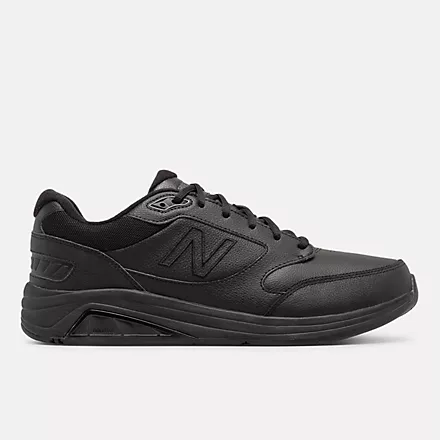
New Balance 928v3 Lace-Up Walking Shoe
$134-$145
Why this shoe
ROLLBAR motion control on a straight last with 2E and 4E width options. Wide toe box designed specifically for bunions and foot deformities that frequently accompany wide feet. Orthotic-friendly removable footbed. APMA accepted.
ROLLBAR motion control technology and Clinical-Grade Support: The signature ROLLBAR® motion control system minimizes rear-foot movement, keeping your stride aligned and reducing stress on the plantar fascia.
Reduces morning heel pain and keeps you moving comfortably all day, whether you're on your feet for work or walking for fitness.
Maximum Shock Absorption: Engineered with ABZORB® cushioning in the midfoot to absorb harsh impacts, protecting your heels from painful concrete and hard floors.

Brooks Ghost Max 4
$165
Why this shoe
Available in wide and extra-wide widths, continuing Ghost Max's accommodating fit for wider forefeet.
40mm heel / 34mm forefoot stack of nitrogen-infused DNA Loft v3 foam, 1mm taller than the prior Ghost Max 3
GlideRoll rocker geometry smooths the heel-to-toe transition on long, easy-paced runs and all-day standing
Reworked outsole with generous forefoot and heel rubber coverage and added flex grooves for wet-surface traction

New Balance 1540v4
$195-$205
Why this shoe
Extra-depth motion control shoe in 2E and 4E widths with ROLLBAR and ABZORB. The extra depth accommodates custom orthotics and high-volume feet that need more than width alone. Made in USA. APMA accepted.
Extra depth design accommodates custom orthotics
ROLLBAR motion control technology for severe overpronation
ABZORB cushioning for impact absorption

New Balance 1080v15
$165-$175
Why this shoe
Neutral trainer with an Infinion foam midsole in 2E and 4E widths in men's sizing. At the standard D width, New Balance's fit data lists an average foot width, so the wider widths are the ones to consider for wide feet. APMA accepted pid=9679.
Neutral support, a 6mm drop, and a weight of 261 grams (9.2 oz) for the men's version, per New Balance
Perforated mesh upper that New Balance describes as lightweight and breathable
Ultra Heel design for secure fit

New Balance Fresh Foam X 880v15
$145-$155
Why this shoe
Neutral everyday trainer with a Fresh Foam X midsole in 2E and 4E widths in men's sizing, which suits wide feet that need cushioning without motion control. APMA accepted pid=8825.
Fresh Foam X midsole with approximately 3% bio-based content for cushioned ride
Structured yet breathable engineered mesh upper
Structured, breathable engineered mesh upper, per New Balance

Brooks Ghost Max 3
$150-$160
Why this shoe
GlideRoll Rocker with nitrogen-infused DNA LOFT v3 high-stack midsole available in 4E extra wide. Broad stable base provides inherent stability for wide feet. APMA accepted pid=9111.
Nitrogen-infused DNA LOFT v3 high-stack midsole delivers maximum cushioning with 39mm heel and 33mm forefoot stack height
GlideRoll Rocker geometry actively assists heel-to-toe transitions for effortless forward momentum
Broad stable base provides inherent stability without a restrictive feel for neutral runners

Brooks Ghost 17
$140-$155
Why this shoe
Brooks flagship neutral trainer with APMA Seal of Acceptance available in 2E wide width. DNA LOFT v3 cushioning with a balanced platform suits wide feet across running and walking activities. APMA accepted.
DNA Loft v3 nitrogen-infused foam for soft responsive cushioning
APMA Seal of Acceptance pid=9077 - PDAC A5500 diabetic shoe certified - verified directly from APMA Seal Database May 2026
Segmented crash pad for smooth heel-to-toe transitions
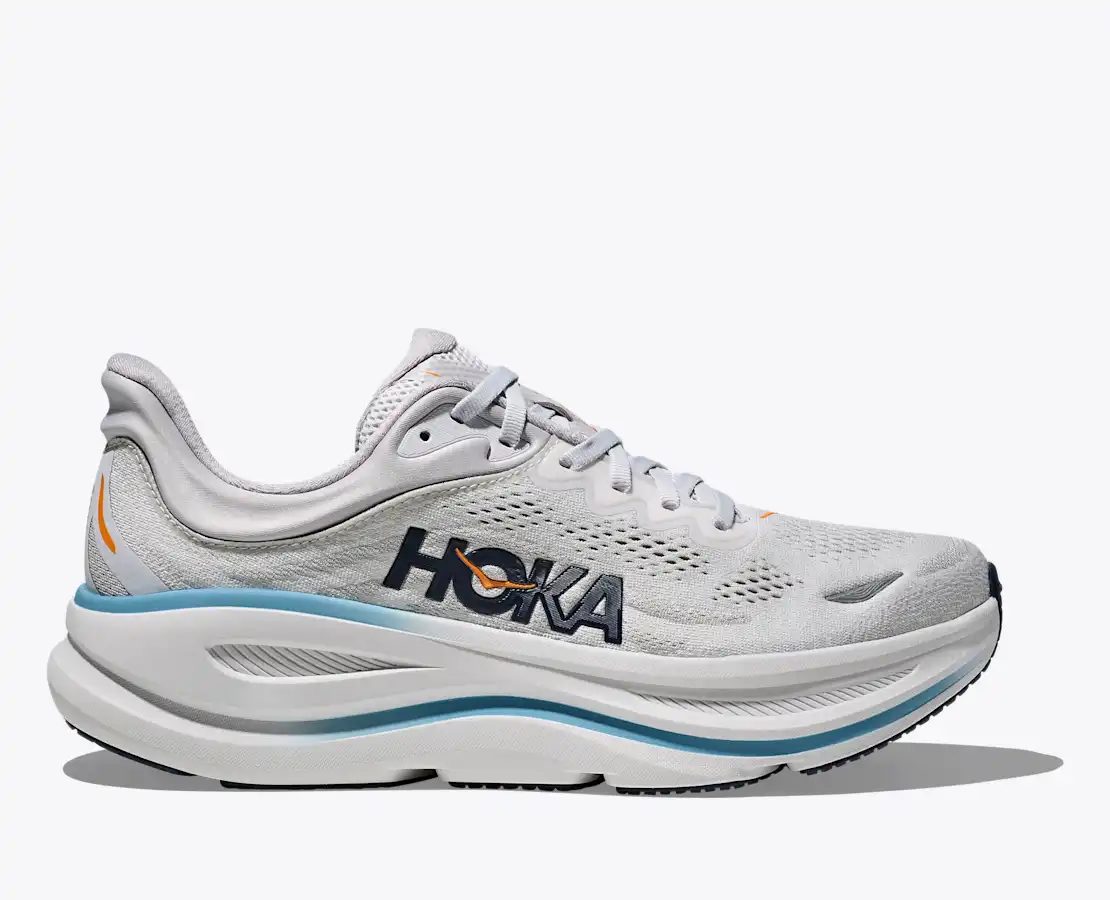
HOKA Bondi 9
$165-$180
Why this shoe
Maximum 41mm stack height with Meta-Rocker geometry available in wide width. Broad stable base prevents the foot from spilling over the midsole edge. A critical fit issue for wide feet. APMA accepted.
Supercritical EVA foam for maximum plush cushioning
Meta-Rocker geometry reduces plantar fascia stress
APMA Seal of Acceptance pid=9031 - podiatrist top recommendation for heel pain - verified directly from APMA Seal Database May 2026

New Balance Fresh Foam X 840v1
$109-$120
Why this shoe
Fresh Foam X with spacious straight last available in 2E and 4E. Designed with diabetic foot care in mind making it ideal for wide feet with diabetic changes or edema. APMA accepted pid=7791.
Fresh Foam X cushioning
Spacious toe box
Supportive design for diabetic foot care

New Balance 877
$99-$100
Why this shoe
OutdoorGearLab's review of the 877 V1 describes it as a comfortable, supportive walking shoe for wider feet. New Balance no longer lists it on its own site, so confirm availability, widths and fit before you buy.
Good cushioning for everyday comfort
Classic walking shoe design
Affordable everyday option

New Balance 608v5
$74-$85
Why this shoe
ABZORB cushioned casual cross-trainer available in 2E and 4E. Straight last with moderate support for wide feet who need an everyday casual option at an affordable price point.
ABZORB cushioning in heel
Casual cross-trainer comfort
Supportive design for everyday pain relief

Apex Lace Walker Men's
$125-$145
Why this shoe
Available up to 6E extra-extra-wide, the widest width selection in the entire Apex catalog.
X-Last construction designed for superior motion control and rearfoot stability
High and wide toe box eliminates pressure on bunions, hammertoes, and diabetic feet
5/16 inch removable depth in two layers for maximum orthotic fitting flexibility
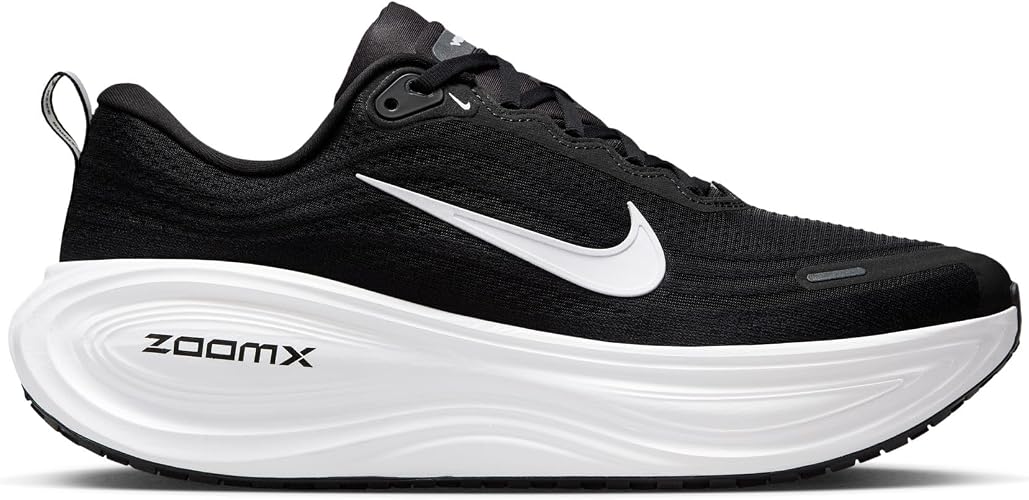
Nike Vomero Plus
$170-$190
Why this shoe
Nike's widest-fit maximum cushion option, with a roomy last providing pressure-free volume for wide feet that cannot tolerate the standard Vomero 18 fit. APMA accepted.
APMA Seal of Acceptance pid=9110 - Nike Vomero Plus - verified directly from APMA Seal Database May 2026
Wider, plusher variant of the Vomero 18 - built for runners and walkers who need more volume in the toe box and forefoot for bunions, wide feet, or orthotic use
Full-length ZoomX foam with expanded forefoot platform absorbs maximum impact while accommodating wider foot shapes without compression
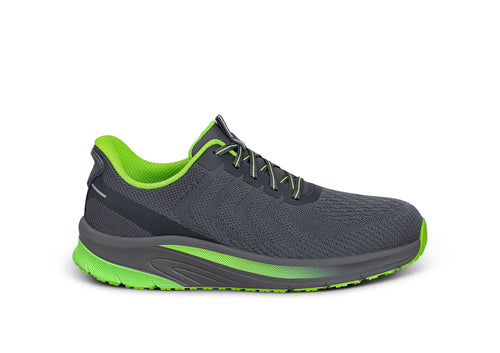
Orthofeet Men's Orthopedic Shoes Collection
$100-$185
Why this shoe
Up to five width options per style, including narrow and extra-extra-wide, span the entire men's collection across every category.
Full collection of podiatrist-designed men's orthopedic shoes in sneakers, sandals, boots, casuals, dress, and work styles
Every style features the Ortho-Cushion System with anatomical arch support and rocker sole
Extra-depth construction accommodates custom orthotics across the entire line
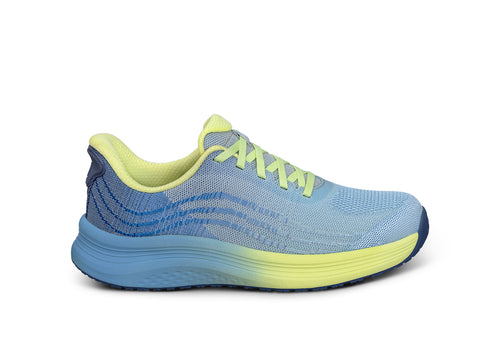
Orthofeet Women's Orthopedic Shoes Collection
$100-$175
Why this shoe
Up to five width options per style, including narrow and extra-extra-wide, span the entire women's collection across every category.
Full collection of podiatrist-designed women's orthopedic shoes in sneakers, sandals, boots, casuals, and dress styles
Every style features the Ortho-Cushion System with anatomical arch support and rocker sole
Extra-depth construction accommodates custom orthotics across the entire line
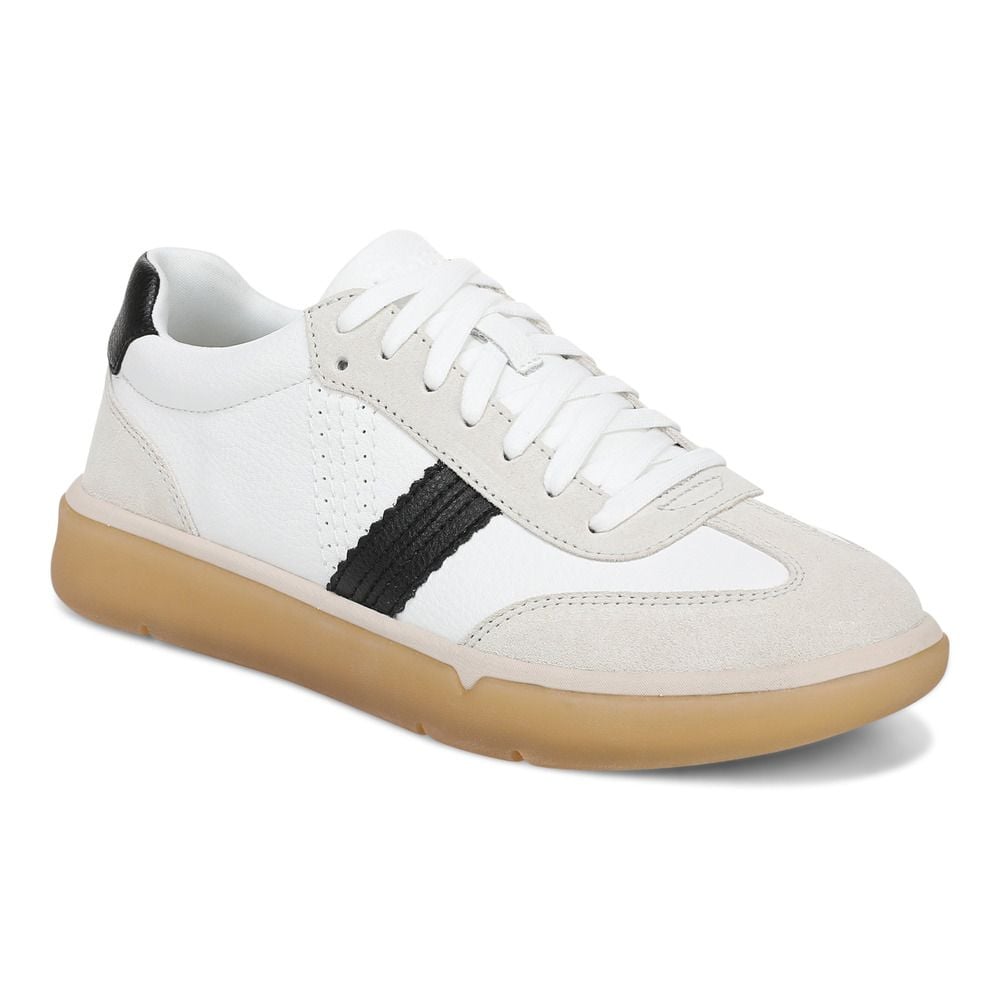
Vionic City Walk Sneaker
$130-$150
Why this shoe
Available in Medium (B) and Wide (D) widths per manufacturer sizing chart, avoiding the need for a separate wide-specific purchase. Fit-accommodation match, not a clinical claim.
APMA Seal of Acceptance pid=9392 - Vionic City Walk Sneaker - verified directly from APMA Seal Database August 2026; also explicitly stated as 'Received APMA Seal of Acceptance' on Vionic's own product page
Removable, mesh-covered EVA midsole absorbing shock
First Ray Technology promoting forefoot flexibility and stability

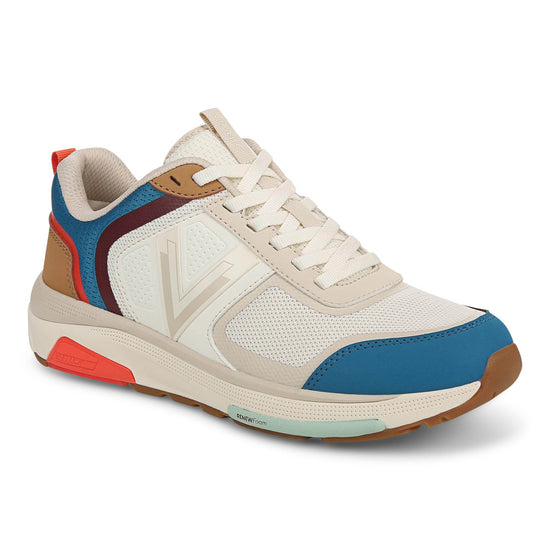
Vionic Walk Max
$150-$175
Why this shoe
Available in Medium (B) and Wide (D) widths per manufacturer sizing chart. Fit-accommodation match, not a clinical claim.
APMA Seal of Acceptance pid=8593 - Vionic Walk Max - verified directly from APMA Seal Database August 2026; also explicitly stated as 'Received APMA Seal of Acceptance' on Vionic's own product page
Super Critical Foam midsole - Vionic's lightest, highest-rebound cushioning as of this listing
Vio Flex insole with perforated heel for breathability and moisture control
Vionic Walk Strider
$150-$170
Why this shoe
Available in Wide (D) width per manufacturer and retailer listings. Fit-accommodation match, not a clinical claim.
APMA Seal of Acceptance pid=9397 - Vionic Walk Strider - verified directly from APMA Seal Database August 2026
Soft, breathable knit upper paired with a biomechanically designed footbed
Built-in VIO MOTION arch support with shock-absorbing cushioning
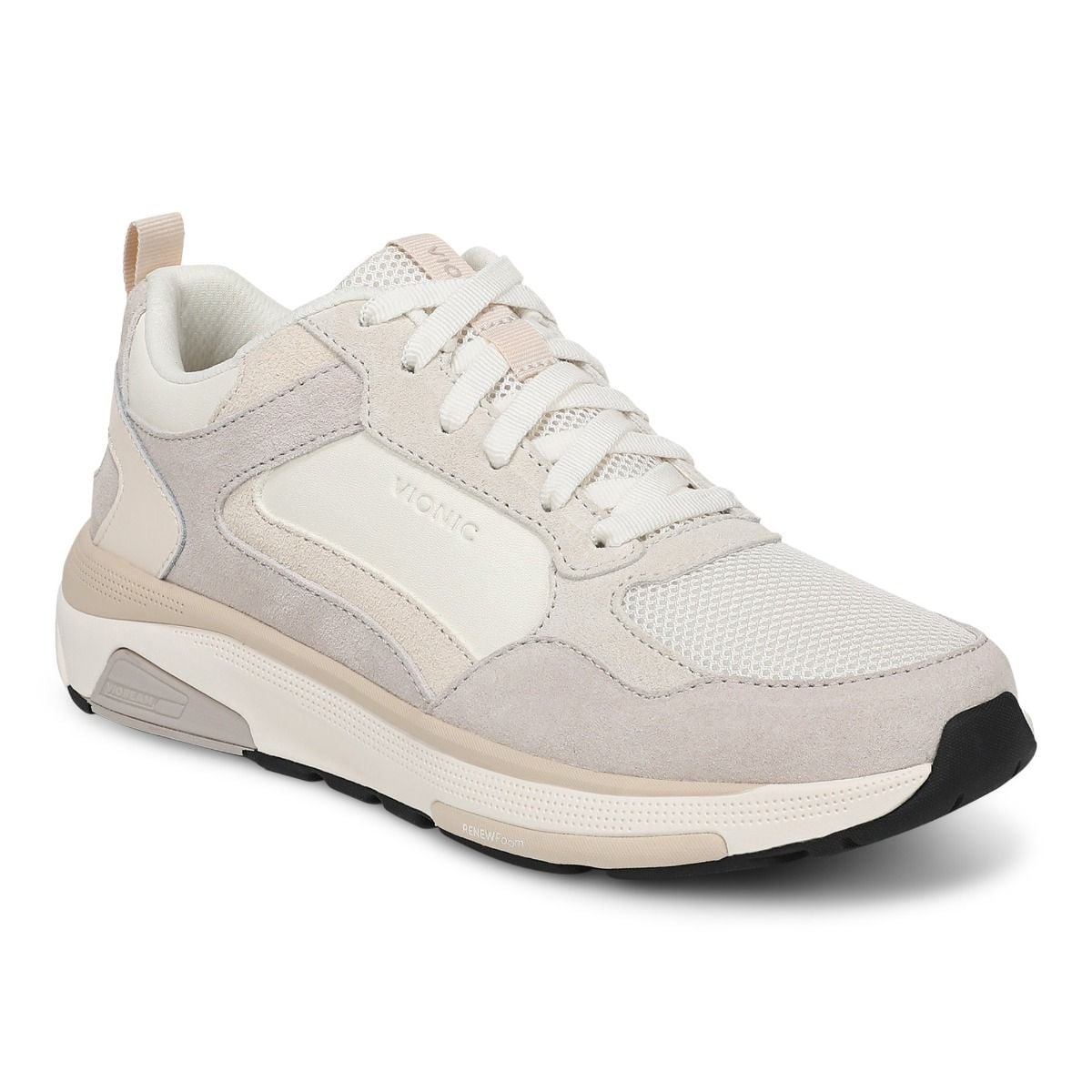
Vionic Walk Strider Weekender
$150-$175
Why this shoe
Available in Wide (D) width per manufacturer and retailer listings. Fit-accommodation match, not a clinical claim.
APMA Seal of Acceptance pid=9762 - Vionic Walk Strider Weekender - verified directly from APMA Seal Database August 2026
Leather, suede and mesh upper with adjustable lace-up closure
Dual-density EVA midsole with 1st Ray Technology for added forefoot flexibility and stability
What to Look for in a Shoe
Evidence-based footwear criteria specific to this condition.
Heel Drop
Recommended: 4-12mm
Heel drop is not the primary variable for wide feet. Any heel drop that addresses co-existing conditions such as plantar fasciitis or Achilles tendinopathy is appropriate as long as the shoe is available in adequate width.
Cushioning
moderate_to_high
Adequate cushioning reduces ground reaction force at the metatarsal heads, which are more exposed in wide feet due to plantar fat pad changes that often accompany the structural factors causing width increase.
Avoid: minimalist, zero-cushion
Stability vs. Neutral
depends_on_arch
Wide feet with flat arches benefit from stability or motion control shoes. Wide feet with neutral or high arches are better served by neutral cushioned shoes. Width is the non-negotiable requirement regardless of stability category.
Exception: Always prioritize correct width over stability category when the two conflict.
Width
Recommended: 2E, 4E
2E is the appropriate starting width for most people with wide feet. 4E is required for those with significantly wide feet, bunions, hammertoes, edema, or diabetic foot changes that increase volume demand.
Insoles and Orthotics
Wide feet frequently require custom orthotics to address co-existing arch collapse or biomechanical issues. A shoe with a removable insole and adequate depth is essential to accommodate orthotics without pushing the foot upward and creating new pressure points at the toe box ceiling.
What Is Happening in Your Foot
Wide feet occur when the width measurement across the ball of the foot exceeds the standard medium width that most shoes are built around. The shoe industry defaults to a D-width last for men and a B-width last for women, which leaves roughly 20% of adults in shoes that are fundamentally too narrow for their feet. Wide feet are not a medical condition but a physical characteristic with significant footwear implications. Wearing shoes that are too narrow for your feet over time directly contributes to bunion progression, hammertoe development, Morton's neuroma, and metatarsalgia.
Biomechanics
The five metatarsal heads at the ball of the foot are designed to bear body weight during walking and running with adequate space between them. When a shoe's forefoot is too narrow, the metatarsal heads are compressed laterally toward each other. This compression reduces the space between the metatarsal heads, increases pressure on the interdigital nerves, applies chronic lateral force to the first metatarsophalangeal joint, and prevents the natural forefoot splay that distributes load across all five metatarsal heads during push-off. The cumulative effect of thousands of steps per day in an incorrectly fitted shoe is measurable structural change over time.
What Makes It Worse
Shoes built on standard medium-width lasts
Pointed or tapered toe boxes that narrow toward the front
Shoes fitted by length alone without width consideration
Prolonged standing that increases forefoot swelling beyond morning fit
High heels that shift body weight onto the already-compressed forefoot
Wearing the same narrow shoes daily without rotation
What Helps
Transitioning to correctly fitted 2E or 4E width shoes
Having feet measured with a Brannock device to confirm actual width
Shopping for shoes later in the day when feet are at their widest
Choosing shoes with soft flexible uppers that accommodate forefoot spread
Using metatarsal pads to distribute forefoot pressure when transitioning to wider shoes
You Might Also Have
Frequently Asked Questions
Related Guides and Resources
Walk Into Your Appointment With Answers
Before Your Next Appointment
Take Your Results to Your Podiatrist
Answer a few quick questions. Takes under 2 minutes. Get personalized shoe recommendations.
Not Sure Which Shoe Is Right?
Take our guided quiz and get a personalized recommendation based on your specific foot condition and lifestyle.
Start the Quiz