Disclosure: We may earn a small commission if you purchase through links on this page. No additional cost to you, and we only recommend products we trust. This helps us keep MySoleMatch free and ad-free. Thank you for your support!
Posterior Tibial Tendinitis
Posterior tibial tendinitis occurs when the tendon running behind the inner ankle becomes inflamed and begins to break down. This tendon is the main dynamic support for your arch - when it fails, the arch collapses and the foot flattens. It is the most common cause of adult-acquired flatfoot and is most prevalent in women over 40. Footwear with strong medial arch support and a stable midsole is one of the most critical conservative treatments, often slowing or halting progression before surgery becomes necessary.
Signs You May Have Posterior Tibial Tendinitis
Pain along the inner ankle and arch, behind the bony bump on the inside of the ankle
Swelling along the path of the tendon from behind the ankle to the arch
Tenderness when touching the inner ankle or arch
Weakness when trying to rise onto tiptoe on the affected foot
Progressive flattening of the arch over time
Ankle rolling inward when standing or walking
Difficulty walking on uneven surfaces or climbing stairs
Walk Into Your Appointment With Answers
Before Your Next Appointment
Take Your Results to Your Podiatrist
Answer a few quick questions. Takes under 2 minutes. Get personalized shoe recommendations.
Best Shoes for Posterior Tibial Tendinitis | MySoleMatch
Motion control or maximum stability shoes with aggressive medial arch support are the most critical footwear requirement. The shoe must resist inward rolling of the ankle, support the arch with every step, and have a firm heel counter. Removable insoles for custom orthotics are strongly preferred.
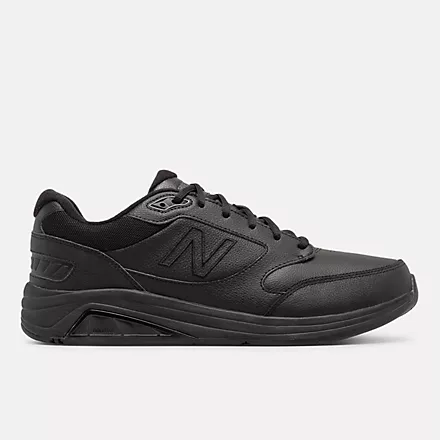
New Balance 928v3 Lace-Up Walking Shoe
$134-$145
Why this shoe
The 928v3 is the closest thing to a clinical prescription in over-the-counter footwear for PTTD. The ROLLBAR posts directly against excessive pronation - the exact mechanical failure the posterior tibial tendon is struggling to control. APMA accepted. Motion control walking shoe built for this condition.
ROLLBAR motion control technology and Clinical-Grade Support: The signature ROLLBAR® motion control system minimizes rear-foot movement, keeping your stride aligned and reducing stress on the plantar fascia.
Reduces morning heel pain and keeps you moving comfortably all day, whether you're on your feet for work or walking for fitness.
Maximum Shock Absorption: Engineered with ABZORB® cushioning in the midfoot to absorb harsh impacts, protecting your heels from painful concrete and hard floors.

New Balance 1540v4
$195-$205
Why this shoe
Maximum motion control with the ROLLBAR stability system and ENCAP midsole technology. Designed for severe overpronation - ideal for PTTD patients where arch collapse is already progressing. Six width options ensure proper fit without compensatory gait changes.
Extra depth design accommodates custom orthotics
ROLLBAR motion control technology for severe overpronation
ABZORB cushioning for impact absorption

Brooks Beast GTS 26
$170
Why this shoe
Aggressive medial support directly offloads the posterior tibial tendon by mechanically resisting the overpronation that overloads it.
First Beast generation built on nitrogen-infused DNA Loft v3 foam, replacing the firmer BioMoGo DNA used in the GTS 24
GuideRails support system reworked with a higher medial flare for runners with moderate to severe overpronation
38mm heel / 28mm forefoot stack with a 12mm drop, positioning it among Brooks' most cushioned stability shoes

Brooks Addiction Walker V-Strap 2
$130
Why this shoe
Aggressive medial support directly counters the overpronation that overloads the posterior tibial tendon, the same rationale established for the laced version of this shoe.
Extended Progressive Diagonal Rollbar (PDRB) provides maximum motion control for significant overpronation
Dual hook-and-loop V-Strap closure eliminates laces entirely for easy on/off, no bending or tying required
Certified PDAC A5500 diabetic shoe, confirmed directly on Brooks' own product page

Brooks Ariel GTS 26
$170
Why this shoe
Aggressive medial support directly offloads the posterior tibial tendon by mechanically resisting the overpronation that overloads it.
First Ariel generation built on nitrogen-infused DNA Loft v3 foam, replacing the firmer BioMoGo DNA used in the GTS 24
GuideRails support system reworked with a higher medial flare for runners with moderate to severe overpronation
38mm heel / 28mm forefoot stack with a 12mm drop, positioning it among Brooks' most cushioned stability shoes

Brooks Addiction Walker 2
$130-$160
Why this shoe
The Addiction Walker 2 is a maximum stability walking shoe with an extended Progressive Diagonal Rollbar that mechanically supports the medial arch - exactly the support the posterior tibial tendon needs when compromised. APMA accepted. Preferred by podiatrists for PTTD patients who need a walking-specific shoe.
Extended Progressive Diagonal Rollbar provides maximum motion control for severe overpronators
Full-grain leather upper offers durability and weather resistance for all-day wear
DNA midsole cushioning adapts to your stride for personalized comfort on hard surfaces

ASICS GEL-Kayano 32
$160-$170
Why this shoe
The Kayano 32 provides 4D Guidance System stability with a firm medial post and maximum GEL cushioning. A strong PTTD option for active patients who need motion control support for both walking and light running.
4D Guidance System provides adaptive stability for overpronation control
FF Blast Plus foam midsole with higher stack height for balanced cushioning
PureGEL technology in heel for softer landings and shock absorption
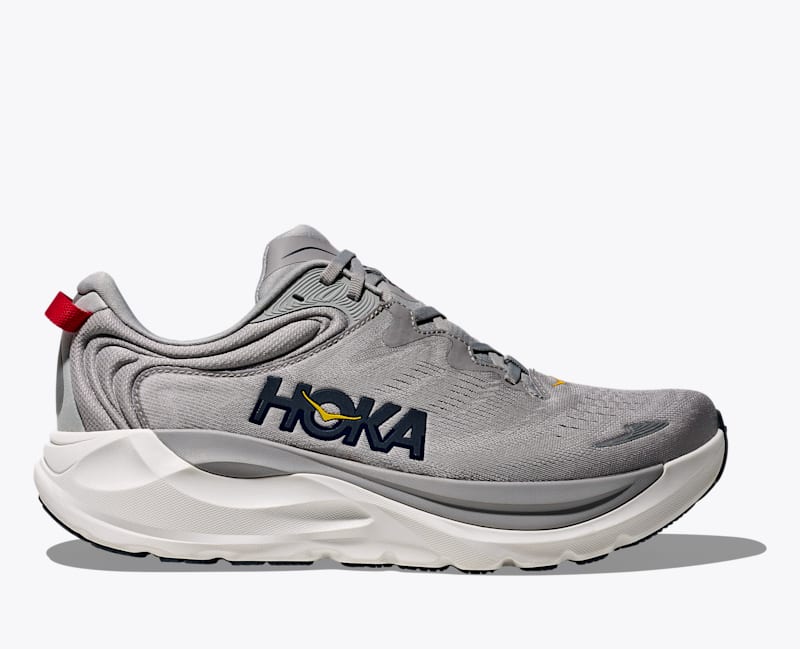
HOKA Gaviota 6
$175-$195
Why this shoe
The Gaviota 6 combines HOKA maximum cushioning with H-Frame stability - providing medial arch support alongside the shock attenuation that reduces cumulative tendon stress over long days. Best PTTD option for patients who also need maximum cushioning for plantar fasciitis or heel pain.
H-Frame stability base provides maximum motion control with premium HOKA cushioning
More cushioning than the Arahi 8, ideal for overpronators who need maximum protection
Meta-Rocker geometry reduces forefoot and plantar fascia load during long runs and walks

New Balance Fresh Foam X 860v15
$145-$155
Why this shoe
The 860v15 Stability Plane technology provides firm medial support at a more accessible price point. A solid entry-level motion control option for early-stage PTTD patients who need more support than a neutral shoe but are not yet at the severity requiring full motion control footwear.
Fresh Foam X midsole with Stability Plane technology
Engineered mesh upper for breathability
Described by New Balance as a stability shoe

Apex Stealth Runner Men's
$140-$165
Why this shoe
Rigid heel counter provides rearfoot stability that resists the overpronation which overloads the posterior tibial tendon during activity.
Active running and walking shoe with full diabetic orthopedic construction
V-Last design provides superior motion control and rearfoot stability for active diabetic patients
PDAC A5500 diabetic shoe certified - may qualify for Medicare insurance reimbursement

Nike Structure Plus
$130-$145
Why this shoe
Firmer medial posting and a straight last with reinforced heel counter directly resist the overpronation that overloads the posterior tibial tendon. APMA accepted.
APMA Seal of Acceptance pid=9280 - Nike Structure Plus - verified directly from APMA Seal Database May 2026
Maximum stability tier above the Structure 26 - engineered for severe overpronators who need more medial support than a standard stability shoe provides
Enhanced midfoot support system with firmer medial posting controls arch collapse during high-impact running and extended standing
What to Look for in a Shoe
Evidence-based footwear criteria specific to this condition.
Heel Drop
Recommended: 8-12mm
Moderate heel drop reduces load on the posterior tibial tendon by shortening the lever arm it must support during the stance phase of gait. Avoiding low or zero-drop footwear is especially important during acute flare-ups.
Avoid below 4mm
Cushioning
high
High cushioning attenuates ground reaction forces that would otherwise be transmitted through the collapsed or at-risk arch to the posterior tibial tendon insertion. Maximum cushioning is appropriate in cases with significant arch collapse.
Avoid: minimal, barefoot-style, zero-drop
Stability vs. Neutral
motion_control
The posterior tibial tendon is the primary dynamic restraint against excessive pronation. Motion control shoes with a medial post or dual-density foam directly reduce the functional demand on a compromised tendon, providing mechanical support the tendon can no longer fully supply.
Exception: Patients with confirmed rigid high arches and supination pattern should consult a podiatrist before using motion control footwear. High-arch PTTD is uncommon but requires a neutral or cushioned shoe instead.
Width
Recommended: D, 2E, 4E
Standard to wide fit prevents forefoot compression and allows the foot to spread naturally during the stance phase, reducing compensatory loading on the medial arch and posterior tibial tendon.
Insoles and Orthotics
Removable footbeds are essential. Custom orthotics with aggressive medial arch support and heel valgus posting are one of the most evidence-supported conservative treatments for PTTD and are prescribed by podiatrists as a primary intervention. The shoe must have adequate interior depth to accommodate them.
Sources: Cleveland Clinic; AAFP; Tread Labs; American Journal of Sports Medicine
What Is Happening in Your Foot
The posterior tibial tendon runs behind the inner ankle bone and connects the calf muscle to the bones of the midfoot. Its primary job is to hold up the arch of the foot and prevent it from collapsing inward with every step. When this tendon becomes inflamed or starts to break down, the arch loses its main dynamic support. Over time, without intervention, the arch flattens, the ankle rolls inward, and the foot changes shape permanently.
Biomechanics
During normal walking, the posterior tibial tendon fires at heel strike to control pronation and locks the midfoot joints at push-off to create a rigid lever for propulsion. When the tendon is damaged, this locking mechanism fails - the foot remains floppy at push-off, the arch collapses under load, and the ankle rolls inward. Each step in this compromised state further stresses the tendon, creating a progressive cycle of damage. Motion control footwear and medial arch orthotics mechanically substitute for the tendon's failing function.
Why Symptoms Behave the Way They Do
Like most tendinopathies, PTTD pain is often worse after periods of rest due to tendon stiffness and reduced fluid circulation to the tendon during inactivity. Morning stiffness along the inner ankle that eases after the first few minutes of walking is a characteristic early presentation. Unlike plantar fasciitis, PTTD pain typically worsens throughout the day with continued activity rather than improving after warm-up.
What Makes It Worse
Prolonged walking or standing without arch-supportive footwear
Running or high-impact activity during active inflammation
Wearing flat, unsupportive shoes including flip-flops and ballet flats
Walking on uneven terrain that increases inversion and eversion demands
Sudden increases in activity level without adequate conditioning
Obesity, which dramatically increases the mechanical load on the tendon
What Helps
Motion control or stability footwear with medial arch support worn throughout the day
Custom orthotics with medial arch posting prescribed by a podiatrist
Physical therapy focusing on eccentric posterior tibial tendon strengthening
Ice applied to the inner ankle after activity
Activity modification reducing high-impact load on the tendon
Weight management to reduce mechanical demand on the tendon
Common Misconceptions
Myth: Posterior tibial tendinitis is just ankle pain that will go away on its own.
PTTD is a progressive condition that worsens without treatment. Pain that resolves on its own may mask ongoing tendon degeneration. By the time arch collapse is visible, significant irreversible tendon damage has often already occurred. Early intervention is critical.
Myth: Only athletes get posterior tibial tendinitis.
PTTD is most common in sedentary or moderately active women over 40, not athletes. Prolonged standing in unsupportive footwear, obesity, and gradual age-related tendon degeneration are the primary drivers in the general population.
Myth: Surgery is the only solution for flat feet caused by PTTD.
In early and moderate stages, PTTD responds well to conservative treatment including motion control footwear, custom orthotics, and physical therapy. Surgery is typically reserved for advanced cases where the arch has already collapsed and conservative measures have failed after 6 or more months.
Sources: Cleveland Clinic; American Family Physician, Vol. 105, 2022; AAFP; Tread Labs; Straits Podiatry; Wikipedia - Posterior Tibial Tendon Dysfunction
You Might Also Have
Posterior Tibial Tendinitis by Occupation
How this condition presents differently depending on how you spend your day.
nurses
Nurses and healthcare workers face elevated PTTD risk from sustained standing on hard floors across long shifts.
Twelve-hour shifts on hard hospital floors place continuous load on the posterior tibial tendon. Many nurses in the 40-plus age group are in the highest-risk demographic for PTTD onset. Inadequate footwear is a primary contributing factor in healthcare settings where comfort is often sacrificed for appearance or dress code compliance.
Shoe Priority
Maximum stability or motion control shoe with strong medial arch support, firm heel counter, and slip-resistant outsole. Removable insole for custom orthotics is essential.
standing workers
Retail, warehouse, and factory workers face sustained posterior tibial tendon stress across every shift.
Prolonged standing on concrete floors without adequate arch support is one of the primary risk environments for PTTD onset and progression. Workers in these environments often wear safety footwear that prioritizes toe protection over arch support.
Shoe Priority
Motion control or stability shoe with firm medial arch support, wide fit, and a cushioned midsole rated for extended standing.
seniors
Adults over 60 with PTTD face compounded risk from age-related tendon degeneration and reduced proprioception.
Age-related reduction in tendon vascularity accelerates degeneration in the posterior tibial tendon. Seniors often attribute inner ankle pain to general aging and delay seeking treatment until significant arch collapse has occurred. Footwear that is easy to put on and take off is a practical requirement that must not compromise arch support.
Shoe Priority
Motion control shoe with Velcro or easy-lace closure, firm medial arch support, wide toe box, and slip-resistant outsole.
Frequently Asked Questions
Related Guides and Resources
Walk Into Your Appointment With Answers
Before Your Next Appointment
Take Your Results to Your Podiatrist
Answer a few quick questions. Takes under 2 minutes. Get personalized shoe recommendations.
Not Sure Which Shoe Is Right?
Take our guided quiz and get a personalized recommendation based on your specific foot condition and lifestyle.
Start the Quiz