Disclosure: We may earn a small commission if you purchase through links on this page. No additional cost to you, and we only recommend products we trust. This helps us keep MySoleMatch free and ad-free. Thank you for your support!
Athlete's Foot
Athlete's foot is one of the most common fungal infections worldwide, affecting the skin between the toes and on the soles of the feet. It thrives in warm, moist environments. While antifungal treatment addresses the infection, breathable footwear that keeps feet dry is essential for preventing recurrence.
Signs You May Have Athlete's Foot
Redness and itching between the toes
Scaling and cracking of the skin
Burning sensation on the soles
Flaky or peeling skin in patches
Unpleasant odor from fungal breakdown
Walk Into Your Appointment With Answers
Before Your Next Appointment
Take Your Results to Your Podiatrist
Answer a few quick questions. Takes under 2 minutes. Get personalized shoe recommendations.
Best Shoes for Athlete's Foot | MySoleMatch
Breathable mesh uppers are essential to keep feet dry and reduce fungal growth. Moisture-wicking insoles and antimicrobial treatments are beneficial.

New Balance 990v6
$185-$200
Why this shoe
Pigskin and mesh upper combination maximizes breathability to keep feet dry and reduce fungal growth.
ENCAP® Structural Support: Built with a durable polyurethane rim that cradles the heel and arch, preventing the over-pronation that actively strains and inflames the plantar fascia ligament.
High-Rebound FuelCell Core: Infused with New Balance's premier performance foam to absorb heavy heel shock and deliver a responsive, bouncy feel that takes the pressure off your feet.
Dual-density foam for lasting comfort and support

New Balance 1080v15
$165-$175
Why this shoe
Perforated mesh upper promotes consistent airflow reducing the warm moist environment fungus thrives in.
Neutral support, a 6mm drop, and a weight of 261 grams (9.2 oz) for the men's version, per New Balance
Perforated mesh upper that New Balance describes as lightweight and breathable
Ultra Heel design for secure fit

New Balance Fresh Foam X 880v15
$145-$155
Why this shoe
Engineered mesh upper provides consistent airflow keeping feet drier throughout the day.
Fresh Foam X midsole with approximately 3% bio-based content for cushioned ride
Structured yet breathable engineered mesh upper
Structured, breathable engineered mesh upper, per New Balance

New Balance Fresh Foam Cruz v3
$89-$100
Why this shoe
Breathable mesh upper with moisture management lining specifically enhances airflow for fungal prevention.
Breathable mesh upper enhances airflow
Fresh Foam midsole for lightweight cushioning
Slip-on style for easy wear
What to Look for in a Shoe
Evidence-based footwear criteria specific to this condition.
Heel Drop
Recommended: 0-12mm
Heel drop is not a primary footwear consideration for athlete's foot. The dominant footwear requirement is upper breathability and moisture management. Any heel drop is acceptable provided the shoe has a breathable mesh or knit upper and adequate ventilation.
Cushioning
moderate
Moderate cushioning with a focus on breathable materials is appropriate. Dense foam midsoles that retain heat can contribute to the warm, moist shoe interior that promotes fungal growth. Open-cell foam or ventilated midsole designs that allow airflow are preferable to dense, heat-retaining materials.
Avoid: heat-retaining dense foam, waterproof membranes worn without necessity
Stability vs. Neutral
neutral
Athlete's foot does not influence the stability-versus-neutral decision. Choose based on foot type and gait pattern. Prioritize breathability over support category when the two considerations conflict.
Exception: Patients who require stability or motion control features for biomechanical reasons should select the most breathable option available within their required support category.
Width
Recommended: D, 2E
Adequate toe box width reduces inter-toe friction and moisture accumulation between the toes - the most common site for athlete's foot infection. A toe box that is too narrow presses the toes together, creating warm, moist inter-toe spaces where tinea pedis thrives. Standard to wide fit ensures toes can spread and air can circulate between them.
Insoles and Orthotics
Moisture-wicking insoles that actively draw perspiration away from the plantar surface are an important secondary intervention for athlete's foot management. Antimicrobial insoles with silver or copper infusion can reduce fungal and bacterial load inside the shoe. Rotating shoes between uses - allowing each pair to dry fully for 24 hours - is equally important, as fungal spores persist in shoe interiors and cause reinfection if footwear is worn before drying completely.
Sources: American Academy of Dermatology Tinea Pedis Guidelines; Journal of the American Academy of Dermatology
Recommended Accessories for Athlete's Foot
Insoles, heel cups, compression socks, and braces that complement your shoe recommendation and provide additional targeted relief.
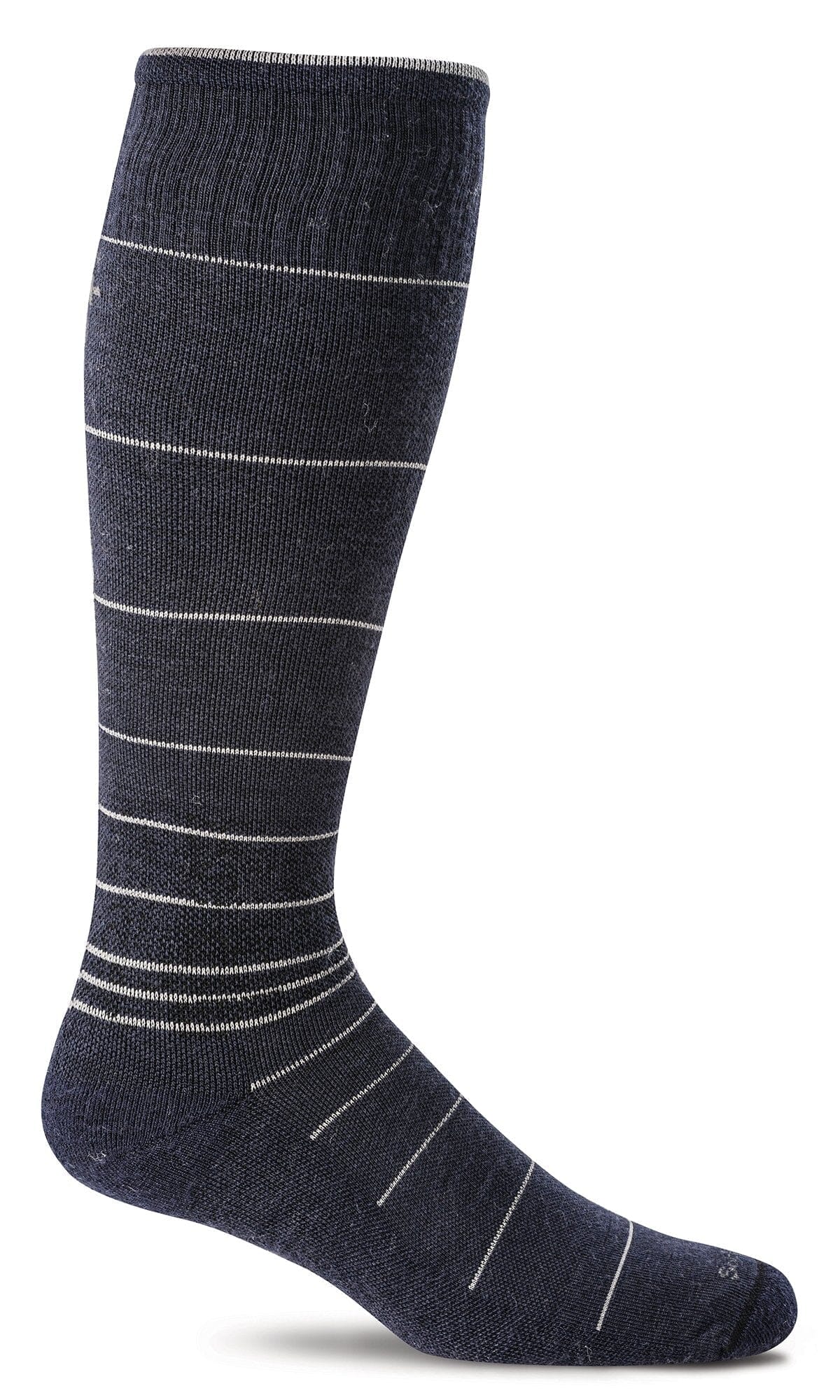
Sockwell Circulator Moderate Compression Socks
Sockwell
$25-$35
Why this accessory
Merino wool naturally inhibits the bacteria and moisture that cause athletes foot
APMA Seal of Acceptance - reviewed by podiatrists for foot health benefits
15-20 mmHg graduated compression improves circulation from ankle to calf
Merino wool construction naturally regulates temperature and moisture
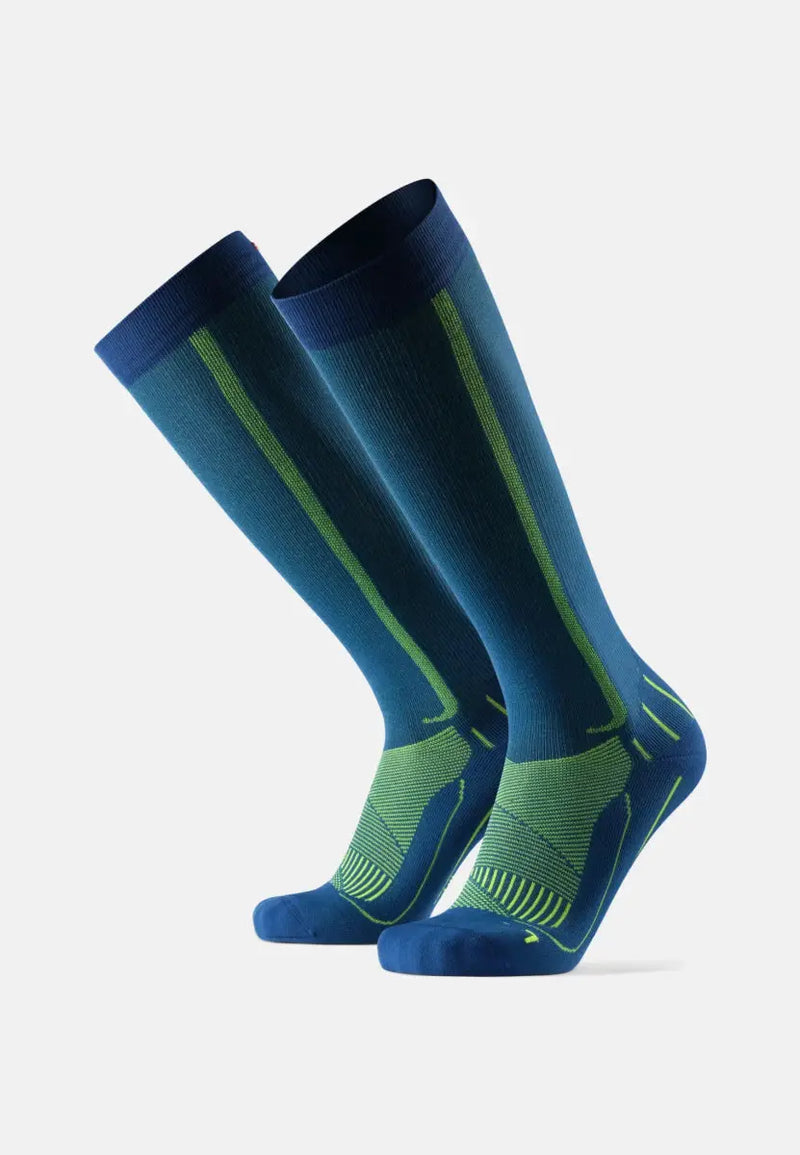
Danish Endurance Merino Wool Compression Socks
Danish Endurance
$25-$35
Why this accessory
Natural merino resists the fungal environment that causes athletes foot
Merino wool naturally regulates temperature in both hot and cold conditions
15-20 mmHg graduated compression improves circulation
Natural odor resistance - merino wool inhibits bacteria growth
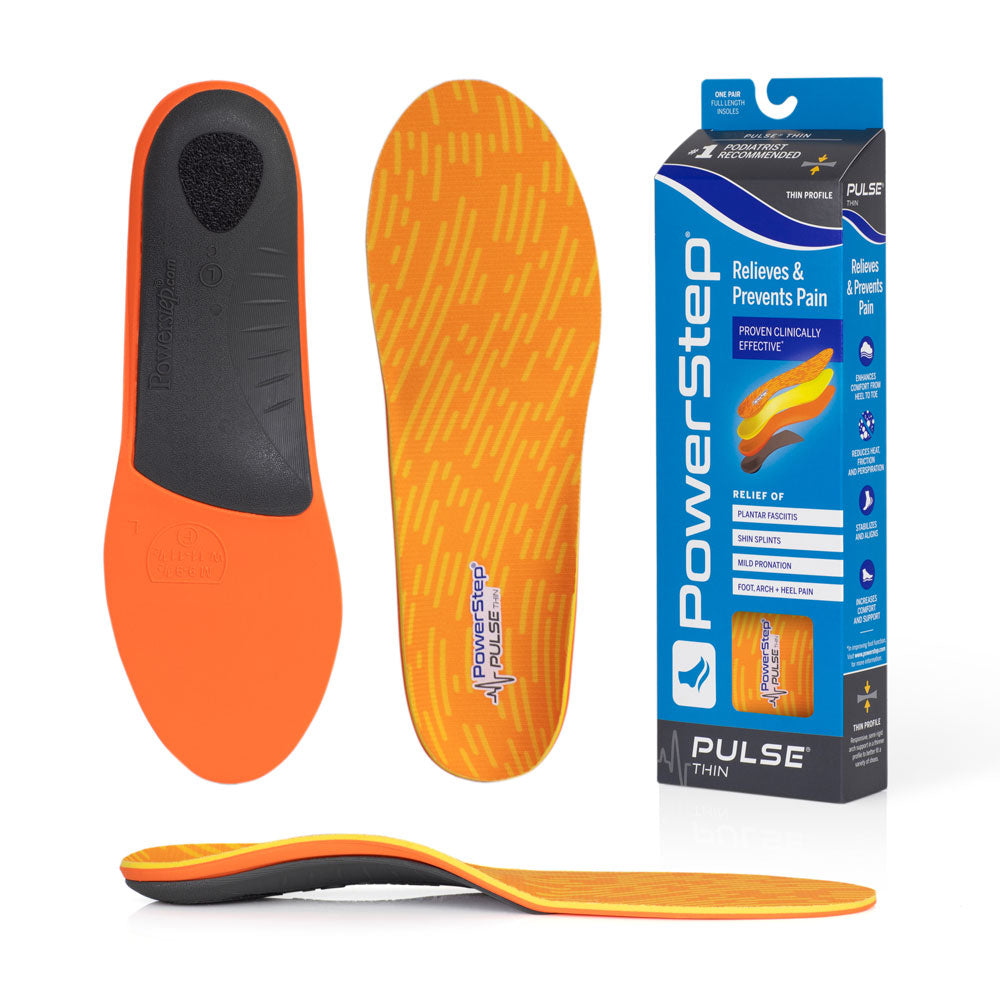
Powerstep Pro Thin Flexible Insoles
Powerstep
$40-$50
Why this accessory
Ventilated insole reduces moisture buildup that promotes fungal growth
Low-profile design fits athletic and performance shoes without crowding
Flexible shell moves with the foot for a more natural feel
Ventilated top cover reduces moisture and fungal growth risk

SteriShoe+ UV Shoe Sanitizer
PediFix
$80-$100
Why this accessory
APMA accepted UVC device eliminates the fungus living inside shoes at its source
APMA Seal of Acceptance. The manufacturer states a 99.9% reduction of bacteria, fungi, and viruses inside shoes
Dual 5-watt UVC bulbs sanitize the full interior of each shoe in just 15 minutes
Integrated shoe dryer reduces the damp environment that causes fungal reinfection
What Is Happening in Your Foot
Athlete's foot, medically known as tinea pedis, is a superficial fungal infection of the skin of the feet caused by dermatophyte fungi - most commonly Trichophyton rubrum. These fungi thrive in warm, moist environments and feed on the keratin protein in skin. The infection is highly contagious and spreads through direct contact with infected skin or contaminated surfaces such as shower floors, pool decks, and locker room floors. While antifungal medications address the active infection, the shoe environment plays a critical role in both allowing the infection to persist and enabling reinfection after treatment.
Biomechanics
Athlete's foot is not a biomechanical condition in the way that plantar fasciitis or bunions are, but footwear mechanics directly influence its development and recurrence. A shoe that traps heat and moisture creates an interior environment with elevated temperature and humidity - precisely the conditions dermatophytes require to grow. Mesh and knit uppers allow heat and moisture to escape during activity, maintaining a cooler, drier shoe interior that is inhospitable to fungal growth. Waterproof membranes such as Gore-Tex, while valuable for wet outdoor conditions, prevent moisture from escaping and create a more favorable fungal environment when worn in non-wet conditions.
Why Symptoms Behave the Way They Do
Athlete's foot does not typically follow a morning-worsening pattern. Symptoms - itching, burning, and skin irritation - tend to be worst during and immediately after activity when heat and moisture are at their highest inside the shoe. The inter-toe spaces are the most symptomatic area because they retain the most moisture throughout the day. Symptoms may temporarily improve when shoes are removed and feet are exposed to air.
What Makes It Worse
Non-breathable footwear that traps heat and moisture, creating ideal fungal growth conditions inside the shoe
Wearing the same shoes every day without allowing them to dry fully between uses
Walking barefoot in shared facilities such as gym showers, pool areas, and locker rooms where fungal spores are present on surfaces
Wearing tight socks or synthetic materials that trap moisture against the skin
Diabetes or immune compromise, which reduces the skin's ability to resist fungal infection
Hot, humid climates that maintain elevated baseline foot moisture even outside footwear
What Helps
Breathable mesh or knit upper shoes that allow heat and moisture to escape during activity
Rotating between at least two pairs of shoes, allowing each pair to dry fully for 24 hours between uses
Moisture-wicking socks made from merino wool or synthetic wicking materials rather than cotton
Drying feet thoroughly after bathing, particularly between the toes where moisture persists longest
Topical antifungal treatment applied as directed - typically for two to four weeks beyond symptom resolution to prevent recurrence
Antifungal foot powder applied inside shoes to reduce fungal load in the shoe environment
Common Misconceptions
Myth: Athlete's foot only affects athletes.
Despite its name, athlete's foot affects people across all activity levels and demographics. The name reflects its association with locker rooms and shared athletic facilities, but the infection is equally common in non-athletes who walk barefoot in public spaces, wear non-breathable footwear, or have risk factors such as diabetes or immune compromise. Approximately 15 to 25 percent of the general population has active tinea pedis at any given time.
Myth: Once athlete's foot clears with treatment, it will not come back.
Athlete's foot has a high recurrence rate because the shoe environment and shared surfaces that caused the initial infection remain present after treatment. Research suggests recurrence rates of 70 percent or higher within one year when footwear hygiene and environmental exposure are not addressed alongside medical treatment. Continuing antifungal powder use in shoes, rotating footwear, and wearing sandals in shared facilities are essential recurrence prevention steps.
Myth: You can treat athlete's foot without changing your footwear.
Antifungal medication addresses the active infection on the skin, but fungal spores that persist inside non-breathable shoes will reinfect treated skin as soon as footwear is resumed. Treating the shoe environment - through antifungal powder, UV shoe sanitizers, and allowing shoes to dry fully between uses - is as important as treating the skin. Without addressing footwear, recurrence is nearly inevitable.
Sources: American Academy of Dermatology Tinea Pedis Guidelines; Journal of the American Academy of Dermatology, Vol. 69, 2013; APMA
Athlete's Foot by Occupation
How this condition presents differently depending on how you spend your day.
runners
Runners are among the highest-risk groups for athlete's foot due to sustained heat and moisture buildup inside running shoes during activity.
Running generates significant foot perspiration that saturates the shoe interior. Many runners wear the same pair of running shoes daily without allowing adequate drying time between uses. Post-run locker room and gym shower use adds exposure to contaminated surfaces. Tight-fitting performance running shoes with minimal ventilation are a particularly favorable environment for fungal growth.
Shoe Priority
Breathable mesh upper running shoe that allows maximum airflow during activity. Rotate between two pairs to ensure each pair has 24 hours of drying time. Wear sandals in gym showers and changing areas without exception.
construction workers
Construction workers who wear waterproof or steel-toe work boots for extended shifts face significantly elevated athlete's foot risk.
Waterproof work boots seal moisture inside the boot throughout a full shift. Steel-toe boots add weight and stiffness that restrict natural foot movement and ventilation. Many construction workers cannot remove boots during shifts, meaning feet remain in a saturated environment for 8 to 10 hours continuously. Shared changing facilities add exposure risk.
Shoe Priority
The most breathable work boot that meets required safety standards for the job site. Where safety requirements allow, non-waterproof mesh-panel work boots allow significantly more moisture escape than fully sealed waterproof designs. Moisture-wicking socks and daily antifungal powder inside boots are essential management tools.
nurses
Healthcare workers in closed non-breathable footwear across 12-hour shifts accumulate significant foot moisture that elevates athlete's foot risk.
Hospital shoe policies that require closed-toe slip-resistant footwear often result in nurses wearing dense, less breathable shoes for extended periods. Healthcare environments also have shared changing facilities with shower and locker room exposure. Diabetic nurses are at particularly elevated risk given the combined footwear and immune factors.
Shoe Priority
The most breathable slip-resistant shoe available within hospital footwear policy requirements. Breathable mesh or perforated uppers in slip-resistant designs exist and are worth specifically seeking. Moisture-wicking socks changed between shifts significantly reduce the in-shoe moisture environment.
travelers
Travelers who use hotel gyms, pools, and shared shower facilities face elevated athlete's foot exposure risk.
Travel frequently involves shared facilities with high foot traffic and variable cleaning standards. Travelers often pack minimally and may not have sandals or shower shoes available. Hotel pool decks, gym showers, and spa facilities are high-risk surfaces for tinea pedis transmission.
Shoe Priority
Pack lightweight sandals or flip-flops specifically for use in hotel showers, pool areas, and gym changing rooms. Breathable walking shoes for sightseeing days reduce the in-shoe moisture buildup during extended city walking.
Frequently Asked Questions
Related Guides and Resources
MySoleMatch Picks
Top APMA Verified Shoes for Athlete's Foot
Every shoe below carries the APMA Seal of Acceptance. Reviewed by licensed podiatrists and confirmed to promote good foot health. Picks are matched specifically to Athlete's Foot based on clinical alignment strength.
New Balance 1080v15
new balance
$165-$175
Why it works for Athlete's Foot
Perforated mesh upper promotes consistent airflow reducing the warm moist environment fungus thrives in.
6mm
Heel Drop
maximum
Cushion
4
Widths
New Balance Fresh Foam X 880v15
new balance
$145-$155
Why it works for Athlete's Foot
Engineered mesh upper provides consistent airflow keeping feet drier throughout the day.
6mm
Heel Drop
high
Cushion
4
Widths
MySoleMatch is an independent platform. We are not affiliated with any shoe brand or the APMA. Shoe links are affiliate links through Amazon, HOKA, Brooks, and other partner programs. We may earn a small commission if you purchase through our links at no additional cost to you. These picks are editorially selected based on APMA acceptance and clinical alignment to Athlete's Foot. Not commission rates. Always consult a podiatrist for persistent foot pain.
Walk Into Your Appointment With Answers
Before Your Next Appointment
Take Your Results to Your Podiatrist
Answer a few quick questions. Takes under 2 minutes. Get personalized shoe recommendations.
Not Sure Which Shoe Is Right?
Take our guided quiz and get a personalized recommendation based on your specific foot condition and lifestyle.
Start the Quiz