Disclosure: We may earn a small commission if you purchase through links on this page. No additional cost to you, and we only recommend products we trust. This helps us keep MySoleMatch free and ad-free. Thank you for your support!
Foot Ulcers
Foot ulcers are serious open wounds that develop most commonly in people with diabetes or poor circulation. They occur when skin breaks down under sustained pressure or due to reduced sensation from neuropathy. All ulcers require immediate medical attention. For people at risk, a clinician may recommend footwear with extra depth, cushioning, and room for orthotics as part of prevention.
Signs You May Have Foot Ulcers
Open wound on the foot
Redness, swelling, or drainage around the ulcer
Foul odor from infected tissue
Black tissue indicating poor circulation
Pain may be absent due to neuropathy
Walk Into Your Appointment With Answers
Before Your Next Appointment
Take Your Results to Your Podiatrist
Answer a few quick questions. Takes under 2 minutes. Get personalized shoe recommendations.
Best Shoes for Foot Ulcers | MySoleMatch
An open ulcer needs medical evaluation and a clinician directed offloading plan. Ordinary footwear is not a substitute for that treatment. For people at risk of ulcers, or after one has healed, a clinician may recommend extra depth shoes with seamless interiors and room for custom orthotics to help reduce pressure and friction.

New Balance Fresh Foam X 860v15
$145-$155
Why this shoe
New Balance describes a stability shoe with Stability Plane technology and a Fresh Foam X midsole, offered in several widths. New Balance makes no claim about wound or ulcer care for this shoe and does not list extra depth or orthotic compatibility. Anyone with an open wound or a history of foot ulcers should have a podiatrist or wound care team approve footwear before wearing it.
Fresh Foam X midsole with Stability Plane technology
Engineered mesh upper for breathability
Described by New Balance as a stability shoe

New Balance 1080v15
$165-$175
Why this shoe
New Balance describes a lightweight, breathable perforated mesh upper and rates the cushioning Extra Soft. New Balance makes no claim about wound or ulcer care for this shoe. Anyone with an open wound or a history of foot ulcers should have a podiatrist or wound care team approve footwear before wearing it.
Neutral support, a 6mm drop, and a weight of 261 grams (9.2 oz) for the men's version, per New Balance
Perforated mesh upper that New Balance describes as lightweight and breathable
Ultra Heel design for secure fit
What to Look for in a Shoe
Evidence-based footwear criteria specific to this condition.
Heel Drop
Recommended: 8-12mm
Heel drop is a minor consideration for people at risk of foot ulcers. Extra depth, a seamless interior, and room for custom orthotics matter far more. The best heel drop depends on where pressure builds on your foot, and changing it can move load toward the heel or the forefoot. A clinician can advise on the right choice for your ulcer history and foot shape.
Cushioning
maximum
Cushioning that spreads pressure across the foot is a helpful feature for people at risk of foot ulcers, but it is not a treatment on its own. When sensation is reduced, damage can build at a single pressure point without pain to warn the wearer. A thick, soft midsole may help ease pressure at individual spots, and a clinician may pair it with custom orthotics. Shoes do not replace the offloading devices used to treat an open ulcer.
Avoid: rigid-soled, thin-soled, minimal, any footwear without pressure distribution
Stability vs. Neutral
stability
A mildly structured shoe with a stable base may help keep the foot positioned consistently and spread pressure more evenly. People with neuropathy may not feel where pressure is building, so a shoe that holds the foot steadily can make problem areas easier to spot early. Research on stability features specifically for ulcer prevention is limited, so treat this as a general starting point rather than a prescription. A clinician can advise on the right shoe for your foot shape, ulcer location and history.
Exception: All footwear decisions for patients with active or healed foot ulcers must be made in consultation with a podiatrist or wound care specialist. Individual ulcer location, foot deformity, and vascular status all influence the appropriate footwear specification. No general recommendation substitutes for individualized clinical assessment in this population.
Width
Recommended: 2E, 4E
Room matters for people at risk of foot ulcers. A shoe that presses on any part of the foot can damage the skin, and reduced sensation means the wearer may not feel it happening. Wider widths such as 2E or 4E can give extra room for foot deformities, swelling, and dressings, but the right width depends on the individual foot. A clinician or certified fitter can help confirm the fit.
Insoles and Orthotics
Custom molded insoles are made from a mold or scan of an individual foot and are designed to spread pressure more evenly than a flat insole. For people with a healed ulcer, guidelines support footwear with a demonstrated pressure relieving effect, and a clinician may use custom insoles to achieve it. Medicare Part B may cover custom molded inserts for eligible people with diabetes under its therapeutic shoe benefit, but eligibility rules change, so check current requirements. Shoes with a removable insole and enough depth leave room for these inserts without making the fit too tight.
Sources: International Working Group on the Diabetic Foot Guidelines, 2023; CMS Therapeutic Shoe Bill; American Diabetes Association Standards of Medical Care in Diabetes, 2023
Recommended Accessories for Foot Ulcers
Insoles, heel cups, compression socks, and braces that complement your shoe recommendation and provide additional targeted relief.

SteriShoe+ UV Shoe Sanitizer
PediFix
$80-$100
Why this accessory
Shoe sanitizer for keeping shoe interiors cleaner. It does not treat or heal an ulcer
APMA Seal of Acceptance. The manufacturer states a 99.9% reduction of bacteria, fungi, and viruses inside shoes
Dual 5-watt UVC bulbs sanitize the full interior of each shoe in just 15 minutes
Integrated shoe dryer reduces the damp environment that causes fungal reinfection

PediFix GelStep Heel Cup
PediFix
$12-$20
Why this accessory
Soft gel heel cushioning. If you have skin breakdown or an open wound, see a clinician first
Visco-elastic gel conforms to the exact shape of the heel
Softer than rubber cups - gentler on sensitive or diabetic heel skin
Reduces friction and pressure on the heel pad and spur site
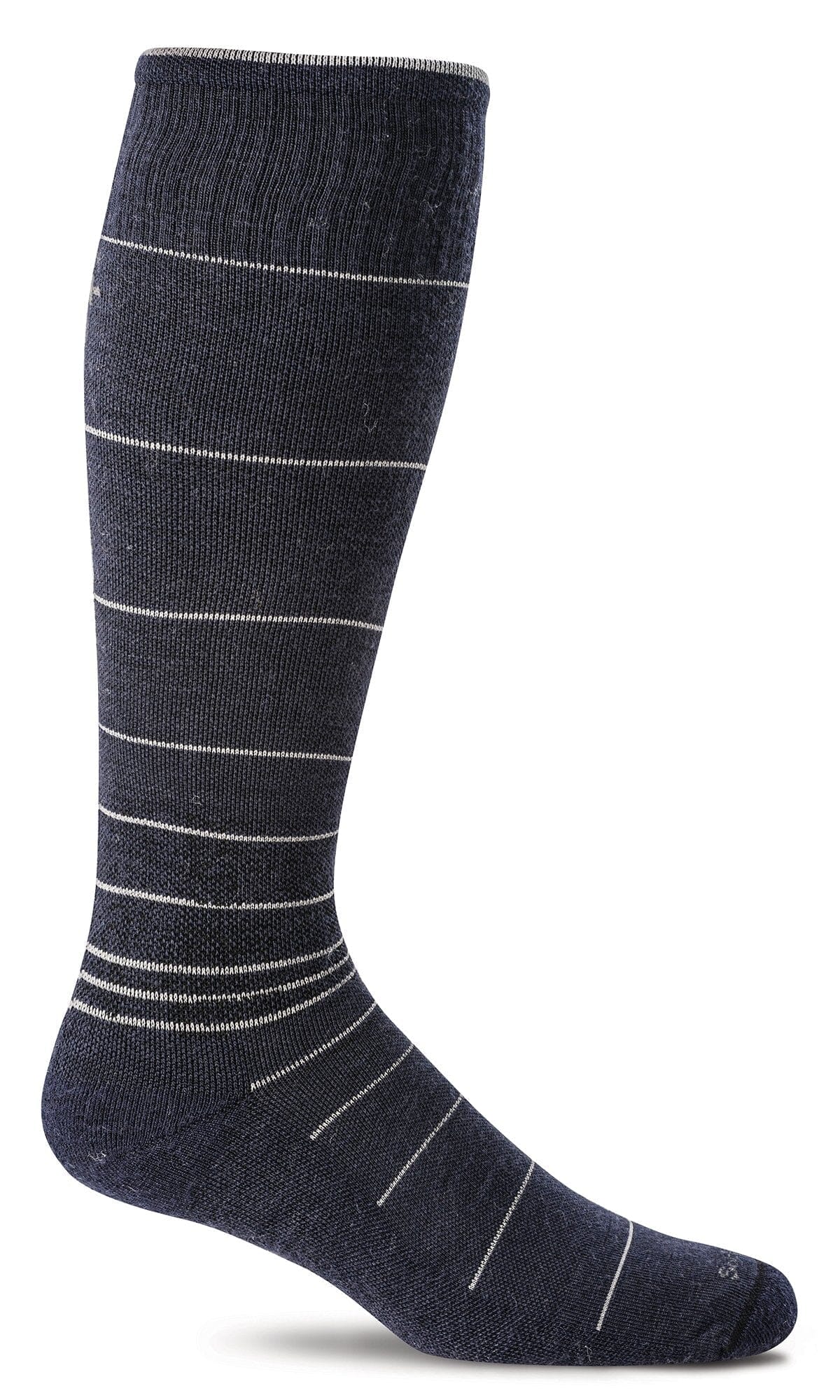
Sockwell Circulator Moderate Compression Socks
Sockwell
$25-$35
Why this accessory
Compression sock. Ask a clinician whether compression is appropriate for your circulation, especially with an ulcer
APMA Seal of Acceptance - reviewed by podiatrists for foot health benefits
15-20 mmHg graduated compression improves circulation from ankle to calf
Merino wool construction naturally regulates temperature and moisture

Apex Roomy Acrylic Diabetic Sock with Copper
Apex
$10-$15
Why this accessory
Roomy, non binding sock with moisture wicking fabric and padding. Not a wound treatment
CuTec® Copper fiber infusion minimizes odor and supports healthier skin with every wear
Spun-Poly® moisture-wicking technology keeps feet dry and cool throughout the day
Terry cloth padding along the plantar surface, sides, and dorsal toes cushions high-pressure areas
What Is Happening in Your Foot
A foot ulcer is an open wound on the foot that does not heal through the normal process. Foot ulcers develop most often in people with diabetes, poor circulation, or both. In people with diabetes, nerve damage can remove the pain that normally warns of an injury, and poor circulation can slow healing. Together, these can allow a minor injury to become a serious wound that takes weeks or months to heal. Without prompt care, an ulcer can lead to infection, bone infection (osteomyelitis), and in severe cases amputation. Because of these risks, any open foot wound needs medical attention. Footwear is one part of prevention, alongside daily foot checks, blood sugar management, and regular podiatric care.
Biomechanics
Ulcers on the sole of the foot usually develop through a mechanical pathway. Sustained or repeated pressure at one spot, typically over a bony area such as the ball of the foot, the heel, or a deformed toe, can damage the skin and the tissue beneath it by cutting off its blood supply. With normal sensation, this pressure feels uncomfortable long before damage occurs, so a person shifts their weight or changes their shoes. With nerve damage, that warning signal is missing. The injured tissue can break down into an ulcer that the person may not notice until it is well established. Footwear that spreads pressure more evenly across the foot, instead of concentrating it over bony areas, can help reduce this risk. Extra depth shoes and custom insoles are designed with that goal in mind, and a clinician can advise on whether they suit a particular foot.
Why Symptoms Behave the Way They Do
Foot ulcer pain patterns vary by ulcer type and depth. Ischemic ulcers from poor circulation are characteristically worse at night and with leg elevation. Pain often eases when the foot hangs down, because gravity helps blood reach the tissue. Neuropathic ulcers from diabetic neuropathy may be painless regardless of time of day because protective sensation is absent. Infected ulcers may produce systemic symptoms including fever and malaise regardless of time of day. Any ulcer that causes significant pain, particularly in a diabetic patient, warrants urgent medical evaluation.
What Makes It Worse
Poor glycemic control in diabetic patients, which impairs wound healing and reduces the immune response to wound infection
Any footwear that creates pressure points on the foot, including seams, narrow widths, or insufficient depth, in people with reduced protective sensation
Walking without appropriate offloading footwear, which applies plantar pressure to the ulcer site with every step
Peripheral vascular disease that reduces blood flow to the foot and impairs the delivery of oxygen and immune cells needed for wound healing
Foot deformities including hammertoes, bunions, and Charcot foot that create bony prominences against which footwear or the ground apply concentrated pressure
Neuropathy-related loss of protective sensation that allows mechanical damage to occur and progress without the patient being aware
What Helps
A non removable knee high offloading device, such as a total contact cast, prescribed by a clinician. Guidelines name it as the first choice for a neuropathic plantar forefoot or midfoot ulcer
Extra depth seamless footwear with custom insoles, chosen with a clinician, to help reduce pressure on feet at risk of ulcers or after an ulcer has healed
Consistent blood glucose management in diabetic patients to optimize the wound healing environment
Daily foot inspection to identify new pressure areas, skin changes, or early wound development before they progress
Prompt treatment of any wound, callus, or skin breakdown by a podiatrist or wound care specialist before it develops into a full ulcer
Vascular evaluation and intervention for patients with peripheral arterial disease to restore adequate blood flow to the foot
Common Misconceptions
Myth: A foot ulcer that does not hurt is not serious.
The absence of pain in a diabetic foot ulcer is a sign of advanced neuropathy rather than a sign that the wound is minor. Painless ulcers can be deeply established, infected, and progressing toward osteomyelitis while the patient remains unaware because protective sensation is absent. A painless ulcer in a diabetic patient needs the same urgent medical attention as a painful one, because the usual pain warning is missing.
Myth: Foot ulcers always heal if kept clean and covered.
Wound care and dressings are important, but they are usually not enough for a diabetic foot ulcer on the sole of the foot. Pressure on the wound with every step can stop it from healing, so clinicians use offloading, which means taking pressure off the ulcer site. The 2023 International Working Group on the Diabetic Foot (IWGDF) offloading guideline names a non removable knee high device, such as a total contact cast, as the first choice for a neuropathic plantar forefoot or midfoot ulcer. Without offloading, healing can be slow or stall, even when the wound is otherwise well cared for.
Myth: Once a foot ulcer heals, the risk of another one is gone.
Diabetic foot ulcers frequently recur after healing. The 2023 International Working Group on the Diabetic Foot (IWGDF) guideline reports recurrence of about 40 percent within a year and 65 percent within 3 years, though estimates vary between studies. The underlying risk factors, including neuropathy, vascular disease, foot deformity, and glycemic control challenges, remain present after the ulcer heals. Lifelong preventive footwear, regular podiatric monitoring, and sustained glycemic management are required to reduce but not eliminate recurrence risk.
Sources: International Working Group on the Diabetic Foot Guidelines, 2023; American Diabetes Association Standards of Medical Care in Diabetes, 2023; APMA Diabetic Footwear Guidelines; Journal of Diabetes Science and Technology, Vol. 11, 2017
Foot Ulcers by Occupation
How this condition presents differently depending on how you spend your day.
diabetics
Every diabetic patient with peripheral neuropathy or peripheral vascular disease requires foot ulcer prevention as an active clinical priority, not a future concern.
Foot ulcer risk is a real concern for people with diabetes and neuropathy. The 2023 International Working Group on the Diabetic Foot (IWGDF) guideline reports a lifetime incidence of diabetes related foot ulceration of 19 to 34 percent. The best time to act is before a first ulcer occurs. Daily foot checks, regular podiatric care, and properly fitted footwear chosen with a clinician are the main tools for prevention.
Shoe Priority
Look for an extra depth shoe with a seamless interior, good cushioning, enough width, and a removable insole that leaves room for custom orthotics. A clinician can review footwear choices for anyone with neuropathy. Medicare may help cover therapeutic shoes and inserts for eligible people with diabetes, so check current coverage rules.
seniors
Older adults with diabetes face compounded ulcer risk from the combination of neuropathy, vascular disease, and age-related skin vulnerability.
Skin tends to become thinner and less elastic with age, which can make it easier to injure. In older adults with diabetes, this can combine with neuropathy and poor circulation so that a minor injury is harder to notice and slower to heal. Some older adults live alone and may not have anyone to help with daily foot checks, so asking a family member, caregiver, or clinician for help can be worthwhile.
Shoe Priority
Extra-depth seamless therapeutic shoe with easy entry design that allows the patient to don and doff footwear independently. Non-slip outsole for fall prevention. Podiatric monitoring should include explicit assessment of footwear adequacy at every visit.
standing workers
Diabetic workers who stand for extended periods face amplified ulcer risk from the sustained plantar pressure that standing creates.
Long periods of standing keep pressure on the same parts of the foot without the relief that comes from changing position, which matters when sensation is reduced. Workers in retail, warehousing, food service, and manufacturing who have diabetes and neuropathy may want to talk with a clinician about footwear that suits their job, such as extra depth shoes with a seamless interior and room for custom orthotics.
Shoe Priority
Extra-depth therapeutic work shoe with total contact insoles and seamless interior. For environments requiring safety footwear, composite toe extra-depth options exist that meet safety standards while accommodating the therapeutic footwear requirements of diabetic patients with ulcer risk.
nurses
Healthcare workers with diabetes face a particular challenge in finding footwear that meets both hospital requirements and their therapeutic footwear needs.
Hospital footwear policies requiring slip resistance and specific appearance standards can conflict with the extra-depth, seamless therapeutic footwear needs of diabetic healthcare workers with neuropathy. Nurses with diabetes who compromise their therapeutic footwear requirements for workplace compliance are accepting significant personal ulcer risk. Workplace accommodations for therapeutic footwear should be requested and documented.
Shoe Priority
Extra-depth slip-resistant shoe with seamless interior and custom total contact insoles. Several manufacturers produce footwear that meets both diabetic therapeutic standards and hospital slip-resistance requirements. Occupational health consultation is recommended for diabetic nurses to identify appropriate options within their workplace footwear policy.
Frequently Asked Questions
Related Guides and Resources
MySoleMatch Picks
Top APMA Verified Shoes for Foot Ulcers
Every shoe below carries the APMA Seal of Acceptance. Reviewed by licensed podiatrists and confirmed to promote good foot health. Picks are matched specifically to Foot Ulcers based on clinical alignment strength.
New Balance Fresh Foam X 860v15
new balance
$145-$155
Why it works for Foot Ulcers
New Balance describes a stability shoe with Stability Plane technology and a Fresh Foam X midsole, offered in several widths. New Balance makes no claim about wound or ulcer care for this shoe and does not list extra depth or orthotic compatibility. Anyone with an open wound or a history of foot ulcers should have a podiatrist or wound care team approve footwear before wearing it.
6mm
Heel Drop
high
Cushion
3
Widths
New Balance 1080v15
new balance
$165-$175
Why it works for Foot Ulcers
New Balance describes a lightweight, breathable perforated mesh upper and rates the cushioning Extra Soft. New Balance makes no claim about wound or ulcer care for this shoe. Anyone with an open wound or a history of foot ulcers should have a podiatrist or wound care team approve footwear before wearing it.
6mm
Heel Drop
maximum
Cushion
4
Widths
MySoleMatch is an independent platform. We are not affiliated with any shoe brand or the APMA. Shoe links are affiliate links through Amazon, HOKA, Brooks, and other partner programs. We may earn a small commission if you purchase through our links at no additional cost to you. These picks are editorially selected based on APMA acceptance and clinical alignment to Foot Ulcers. Not commission rates. Always consult a podiatrist for persistent foot pain.
Walk Into Your Appointment With Answers
Before Your Next Appointment
Take Your Results to Your Podiatrist
Answer a few quick questions. Takes under 2 minutes. Get personalized shoe recommendations.
Not Sure Which Shoe Is Right?
Take our guided quiz and get a personalized recommendation based on your specific foot condition and lifestyle.
Start the Quiz