Disclosure: We may earn a small commission if you purchase through links on this page. No additional cost to you, and we only recommend products we trust. This helps us keep MySoleMatch free and ad-free. Thank you for your support!
Blisters
Blisters are one of the most universal foot complaints, affecting athletes, hikers, workers, and anyone breaking in new shoes. They form when friction separates layers of skin, allowing fluid to collect. Seamless shoe construction that minimizes friction points is the most effective footwear solution.
Signs You May Have Blisters
Painful fluid-filled bump on the skin
Redness and swelling around the blister
Tenderness sensitive to touch
Peeling skin if blister bursts
Raw tender skin underneath a burst blister
Walk Into Your Appointment With Answers
Before Your Next Appointment
Take Your Results to Your Podiatrist
Answer a few quick questions. Takes under 2 minutes. Get personalized shoe recommendations.
Best Shoes for Blisters | MySoleMatch
Seamless or minimal-seam construction eliminates friction hotspots. Look for shoes with soft mesh uppers and proper fit - not too loose, not too tight.

New Balance 1080v15
$165-$175
Why this shoe
New Balance describes a lightweight, breathable perforated mesh upper, and men's sizing comes in widths up to 4E, which may help avoid a tight fit that can rub. Blisters depend on fit, socks, and activity, and New Balance makes no blister claim for this shoe, so try it on with the socks you plan to wear.
Neutral support, a 6mm drop, and a weight of 261 grams (9.2 oz) for the men's version, per New Balance
Perforated mesh upper that New Balance describes as lightweight and breathable
Ultra Heel design for secure fit

New Balance 990v6
$185-$200
Why this shoe
Soft pigskin upper conforms to foot shape reducing friction across all contact points.
ENCAP® Structural Support: Built with a durable polyurethane rim that cradles the heel and arch, preventing the over-pronation that actively strains and inflames the plantar fascia ligament.
High-Rebound FuelCell Core: Infused with New Balance's premier performance foam to absorb heavy heel shock and deliver a responsive, bouncy feel that takes the pressure off your feet.
Dual-density foam for lasting comfort and support
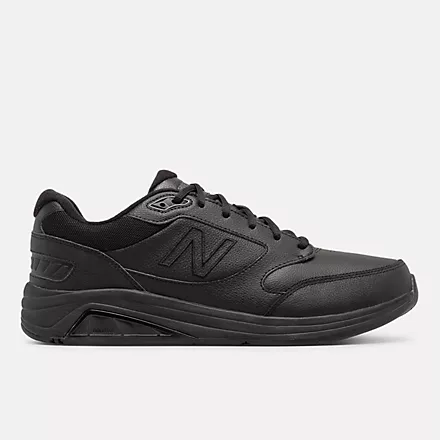
New Balance 928v3 Lace-Up Walking Shoe
$134-$145
Why this shoe
Well-constructed walking shoe with smooth interior reduces friction during extended wear.
ROLLBAR motion control technology and Clinical-Grade Support: The signature ROLLBAR® motion control system minimizes rear-foot movement, keeping your stride aligned and reducing stress on the plantar fascia.
Reduces morning heel pain and keeps you moving comfortably all day, whether you're on your feet for work or walking for fitness.
Maximum Shock Absorption: Engineered with ABZORB® cushioning in the midfoot to absorb harsh impacts, protecting your heels from painful concrete and hard floors.
What to Look for in a Shoe
Evidence-based footwear criteria specific to this condition.
Heel Drop
Recommended: 0-12mm
Heel drop is not a primary consideration for blister prevention. The dominant footwear requirements are seamless or minimal-seam upper construction, correct fit, and soft materials that minimize friction against the skin. Any heel drop is acceptable provided the shoe fits correctly and does not create friction hotspots.
Cushioning
moderate
Moderate cushioning with a focus on a secure, non-sliding fit is appropriate. A cushioned insole that prevents the foot from sliding inside the shoe during activity is more important than midsole thickness for blister prevention. Foot slide inside the shoe - caused by a shoe that is too large or an insole that does not grip the foot - is a primary driver of friction blisters at the heel and forefoot.
Avoid: loose insoles, non-grippy footbeds, shoes that are too large
Stability vs. Neutral
neutral
Blisters do not require stability features. Choose based on foot type and gait pattern. The upper construction and fit precision are the footwear variables relevant to blister prevention.
Exception: Patients who develop blisters consistently at the medial heel or arch due to overpronation-related foot slide may benefit from stability features that reduce the foot motion inside the shoe that generates friction.
Width
Recommended: D, 2E
Precise width fit is critical for blister prevention. A shoe that is too narrow compresses the forefoot and creates friction at the lateral fifth metatarsal and between toes. A shoe that is too wide allows lateral foot slide that generates friction at the medial and lateral forefoot edges. Correct width - snug but non-compressive across the full foot width - is the most important fit variable after length for blister prevention.
Insoles and Orthotics
A moisture-wicking insole that grips the foot and prevents slide is highly effective for blister prevention. Insoles with a textured or tacky top surface reduce the micro-movements between foot and insole that generate friction blisters at the plantar surface. Moisture-wicking materials that draw perspiration away from the skin reduce the skin softening effect of moisture that makes skin more vulnerable to blister formation.
Sources: APMA; Journal of Athletic Training; Military Medicine
Recommended Accessories for Blisters
Insoles, heel cups, compression socks, and braces that complement your shoe recommendation and provide additional targeted relief.

PediFix GelStep Heel Cup
PediFix
$12-$20
Why this accessory
Gel cushion eliminates the friction that causes heel blisters
Visco-elastic gel conforms to the exact shape of the heel
Softer than rubber cups - gentler on sensitive or diabetic heel skin
Reduces friction and pressure on the heel pad and spur site

Pedag Stop Leather Heel Grips
Pedag
$8-$15
Why this accessory
APMA accepted heel lock eliminates the friction that causes heel blisters
APMA accepted under Pedag USA - vegetable-tanned suede leather vetted for skin safety
Self-adhesive backing anchors firmly inside the heel counter without damaging the shoe
Prevents heel slippage that causes toe clawing - a direct contributor to hammertoe and tendon strain
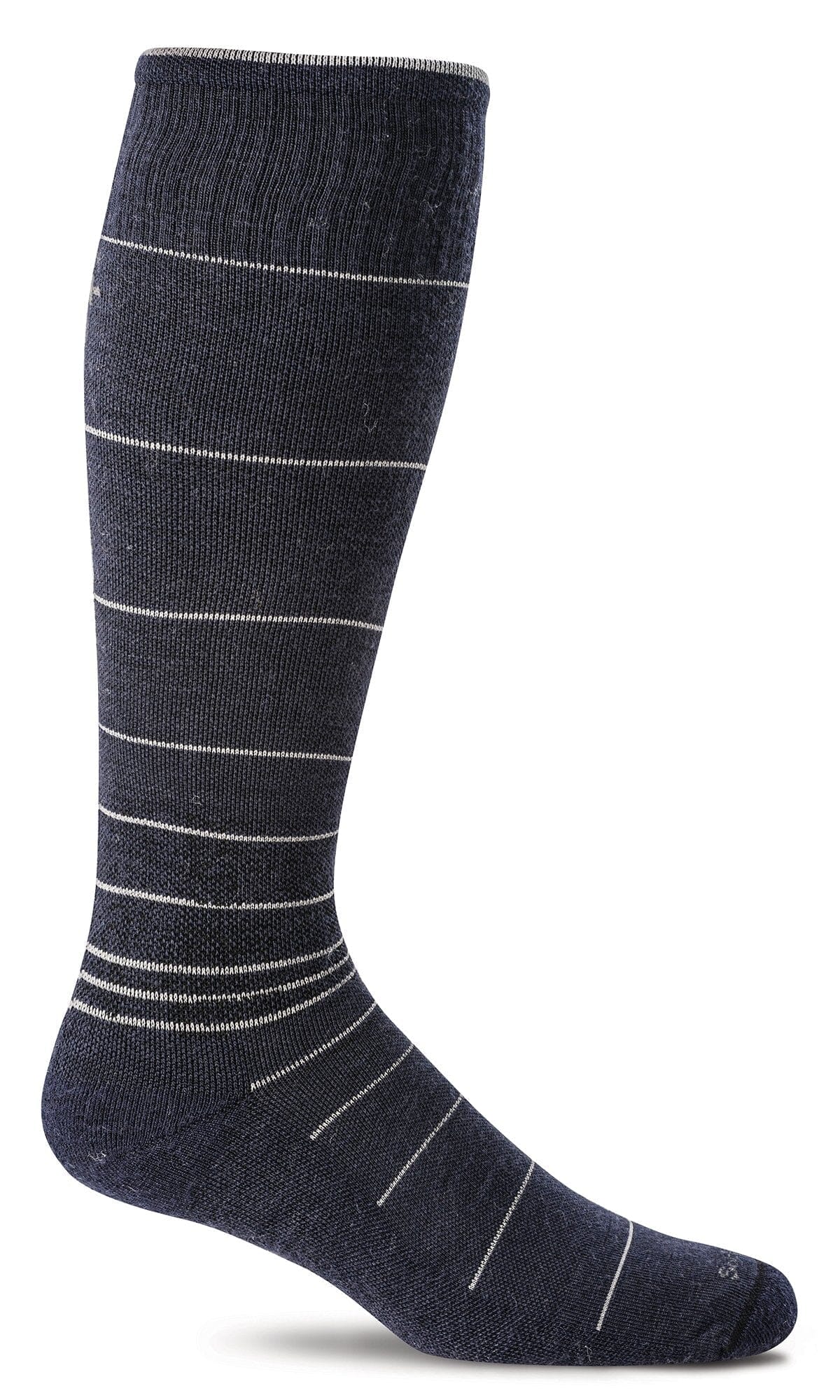
Sockwell Circulator Moderate Compression Socks
Sockwell
$25-$35
Why this accessory
Moisture wicking merino reduces the dampness that causes blisters
APMA Seal of Acceptance - reviewed by podiatrists for foot health benefits
15-20 mmHg graduated compression improves circulation from ankle to calf
Merino wool construction naturally regulates temperature and moisture

Apex Roomy Acrylic Diabetic Sock with Copper
Apex
$10-$15
Why this accessory
Roomy copper-infused sock reduces friction and moisture that cause blisters
CuTec® Copper fiber infusion minimizes odor and supports healthier skin with every wear
Spun-Poly® moisture-wicking technology keeps feet dry and cool throughout the day
Terry cloth padding along the plantar surface, sides, and dorsal toes cushions high-pressure areas
What Is Happening in Your Foot
A blister is a fluid-filled pocket that forms between the outer and inner layers of skin in response to sustained friction. The fluid - typically clear serum - accumulates to cushion and protect the damaged tissue underneath. Blisters are among the most universal foot complaints, affecting athletes, hikers, workers, and anyone breaking in new shoes. They are not a sign of weakness or poor foot conditioning - they are a mechanical response to friction that exceeds what the skin can tolerate without separation. The footwear variables that cause blisters are well understood, and most blisters are entirely preventable with proper shoe fit and upper construction.
Biomechanics
Blister formation requires three conditions to occur simultaneously - friction, moisture, and repetitive movement. Friction between the skin and shoe upper or sock creates a shear force that separates the epidermis from the dermis. Moisture softens the skin and reduces its resistance to this shear force - wet skin blisters at approximately half the friction level of dry skin. Repetitive movement ensures that the friction and shear are applied consistently at the same location until separation occurs. Shoes with seamless or minimal-seam uppers eliminate the friction concentration points that seams create. Moisture-wicking socks and breathable uppers reduce skin softening. A correctly fitted shoe that does not allow foot slide during movement eliminates the repetitive movement component. Address all three factors and blisters do not form.
Why Symptoms Behave the Way They Do
Blisters do not follow a morning-worsening pattern. They form during activity and are typically most painful immediately after the friction event that caused them. A new blister may feel slightly better in the morning after a night of rest and reduced pressure, then worsen again when footwear is resumed and pressure is applied to the fluid-filled pocket.
What Makes It Worse
New or stiff shoes that have not yet conformed to the foot shape and create friction at specific contact points
Shoes that are too large, allowing the foot to slide forward and backward or side to side during activity
Wet conditions - rain, water crossings, excessive perspiration - that soften skin and dramatically reduce its resistance to friction
Thin or cotton socks that provide minimal friction buffering between skin and shoe upper
Sudden large increases in activity volume - the skin adapts to friction gradually and new activity creates friction at locations that have not yet developed protective callus
Hot weather that increases perspiration and keeps feet in a consistently moist state during activity
What Helps
Seamless or minimal-seam upper shoes that eliminate friction concentration points
Correctly fitted shoes - snug but non-compressive - that minimize foot movement inside the shoe during activity
Moisture-wicking socks made from merino wool or synthetic wicking materials that keep skin drier than cotton
Blister prevention tape or body glide applied to known hotspot locations before activity
Gradual break-in of new shoes with progressively longer wear periods before full activity use
Keeping an intact blister intact if possible - the fluid provides natural cushioning and the roof protects the healing tissue underneath
Common Misconceptions
Myth: Popping a blister will help it heal faster.
Research generally supports leaving intact blisters unpopped when possible. The blister roof protects the raw tissue underneath from infection and provides natural cushioning during continued activity. If a blister must be drained - because it is large, painful, or in a location where it will burst regardless - the roof should be left in place and the area kept clean and covered. Removing the blister roof leaves the underlying tissue exposed and significantly increases infection risk.
Myth: Toughening skin with rubbing alcohol prevents blisters.
Alcohol dries and stiffens skin, making it more brittle and actually more susceptible to friction damage than well-moisturized skin. Research does not support alcohol toughening as a blister prevention strategy. Skin that is appropriately moisturized - neither too dry nor too wet - is most resistant to friction-induced shear. Barrier products like body glide or blister prevention tape are far more evidence-supported than skin toughening approaches.
Myth: Breaking in shoes by wearing them for short periods before long events is always effective.
Gradual break-in is effective for shoes that need to conform to the foot shape - leather and structured uppers in particular. However, shoes that cause blisters due to incorrect fit rather than stiffness will not improve with break-in. A shoe that is too narrow, creates a pressure point at a seam location, or allows foot slide due to incorrect length will continue to cause blisters regardless of break-in duration. Fit problems require fit solutions, not time.
Sources: Journal of Athletic Training, Vol. 38, 2003; Military Medicine, Vol. 179, 2014; APMA
Blisters by Occupation
How this condition presents differently depending on how you spend your day.
runners
Runners are among the most blister-prone populations due to the combination of repetitive foot movement, heat generation, and perspiration during training.
Running generates significant foot perspiration that keeps skin moist and vulnerable to friction. Repetitive foot movement inside the shoe across thousands of strides per run means that even minor friction points accumulate into significant skin shear. New running shoes, sudden mileage increases, and race-day conditions all trigger blister episodes in otherwise well-adapted runners.
Shoe Priority
Seamless or minimal-seam running shoe upper with a fit that prevents foot slide. Moisture-wicking running socks are equally important - the sock-skin interface generates as much blister-causing friction as the shoe-sock interface. Double-layer socks that allow the two layers to slide against each other rather than against the skin are particularly effective for blister-prone runners.
travelers
Travelers who walk significantly more than their baseline daily step count in unfamiliar footwear are among the highest-risk groups for acute blister formation.
Travel sightseeing days routinely involve 15,000 to 25,000 steps - far more than most travelers walk daily at home. Footwear chosen for appearance rather than fit or upper construction is frequently worn. New travel shoes worn for the first time on a trip combine stiff materials with high activity volume - the highest-risk combination for blister formation. Fashion footwear worn for evening dining after a full sightseeing day further extends friction exposure.
Shoe Priority
Well-fitted walking shoe with a broken-in, seamless or minimal-seam upper as the primary sightseeing shoe. Never wear new shoes for the first time on a travel day. Bring blister prevention tape and bandages as standard travel items.
construction workers
Construction workers wearing new work boots or boots that do not fit precisely are at high blister risk during the break-in period.
Work boots - particularly leather safety boots - require a significant break-in period during which the stiff materials create friction at heel, ankle, and forefoot contact points. Workers who must wear new boots immediately for full shifts cannot gradually break them in. The combination of physical labor, heat, perspiration, and stiff new boot materials creates severe blister conditions.
Shoe Priority
Work boots that are correctly fitted at purchase - not relied upon to stretch to fit over time. Breaking in new work boots gradually on non-work days before committing to full-shift wear prevents the acute blister episodes common in new boot wearers. Moisture-wicking work socks are a high-value addition for workers in physically demanding environments.
nurses
Nurses breaking in new work shoes or wearing incorrectly fitted footwear during long shifts are vulnerable to significant blister formation.
A 12-hour nursing shift represents an extreme volume of foot movement - rarely an appropriate context for new shoes. Nurses who purchase new work footwear and wear it for a full shift immediately frequently develop blisters at the heel and forefoot. Hospital footwear policies that require specific shoe types limit options, and nurses may not be able to change shoes mid-shift if problems develop.
Shoe Priority
Break in new work shoes on shorter days or non-work days before committing to full-shift wear. A correctly fitted seamless or minimal-seam work shoe that has been broken in is the blister prevention foundation. Keeping a backup pair of broken-in shoes at work for shift changes is a practical strategy for blister-prone nurses.
Frequently Asked Questions
Related Guides and Resources
MySoleMatch Picks
Top APMA Verified Shoes for Blisters
Every shoe below carries the APMA Seal of Acceptance. Reviewed by licensed podiatrists and confirmed to promote good foot health. Picks are matched specifically to Blisters based on clinical alignment strength.
New Balance 1080v15
new balance
$165-$175
Why it works for Blisters
New Balance describes a lightweight, breathable perforated mesh upper, and men's sizing comes in widths up to 4E, which may help avoid a tight fit that can rub. Blisters depend on fit, socks, and activity, and New Balance makes no blister claim for this shoe, so try it on with the socks you plan to wear.
6mm
Heel Drop
maximum
Cushion
4
Widths
MySoleMatch is an independent platform. We are not affiliated with any shoe brand or the APMA. Shoe links are affiliate links through Amazon, HOKA, Brooks, and other partner programs. We may earn a small commission if you purchase through our links at no additional cost to you. These picks are editorially selected based on APMA acceptance and clinical alignment to Blisters. Not commission rates. Always consult a podiatrist for persistent foot pain.
Walk Into Your Appointment With Answers
Before Your Next Appointment
Take Your Results to Your Podiatrist
Answer a few quick questions. Takes under 2 minutes. Get personalized shoe recommendations.
Not Sure Which Shoe Is Right?
Take our guided quiz and get a personalized recommendation based on your specific foot condition and lifestyle.
Start the Quiz