Disclosure: We may earn a small commission if you purchase through links on this page. No additional cost to you, and we only recommend products we trust. This helps us keep MySoleMatch free and ad-free. Thank you for your support!
Extensor Tendinitis
Extensor tendinitis is inflammation of the tendons that run along the top of your foot, responsible for lifting your toes and flexing your foot upward with every step. Because these tendons lie close to the skin surface, they are especially vulnerable to pressure from tight shoes and repetitive stress. Pain on the top of the foot that worsens with activity is the hallmark symptom. Shoes with a roomy toe box, low tongue pressure, good cushioning, and a moderate heel drop are essential for recovery and prevention.
Signs You May Have Extensor Tendinitis
Aching or sharp pain on the top of the foot that worsens with activity
Swelling or puffiness across the dorsum of the foot
Pain when curling the toes downward, which stretches the tendons
Tenderness along the tendon lines visible on the top of the foot
Stiffness and pain after rest that loosens with gentle movement
Walk Into Your Appointment With Answers
Before Your Next Appointment
Take Your Results to Your Podiatrist
Answer a few quick questions. Takes under 2 minutes. Get personalized shoe recommendations.
Best Shoes for Extensor Tendinitis | MySoleMatch
Choose shoes with a roomy toe box and low-profile tongue to reduce pressure on the extensor tendons. Good arch support and cushioning reduce overall tendon loading. A moderate heel drop of 6-10mm is appropriate. Avoid tight lacing across the midfoot.

New Balance 574
$89-$100
Why this shoe
Built on a wider last and sold in extended widths, which may reduce squeezing across the top of the foot. It runs small according to New Balance, so size up to avoid pressure on the extensor tendons.
ENCAP midsole for cushioning and support
Built on a wider last than New Balance's earlier narrow racing shoes, per New Balance
Classic lifestyle design
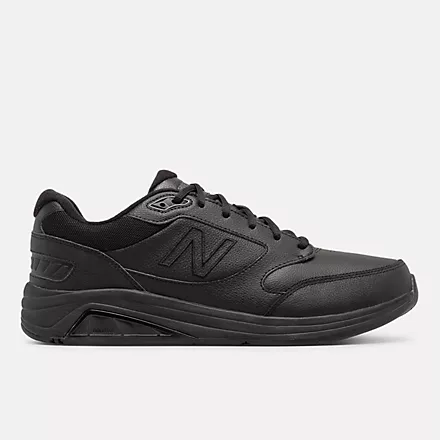
New Balance 928v3 Lace-Up Walking Shoe
$134-$145
Why this shoe
Extra depth design and wide toe box reduce dorsal pressure significantly. ROLLBAR and ABZORB cushioning reduce overall foot loading that stresses the extensor tendons.
ROLLBAR motion control technology and Clinical-Grade Support: The signature ROLLBAR® motion control system minimizes rear-foot movement, keeping your stride aligned and reducing stress on the plantar fascia.
Reduces morning heel pain and keeps you moving comfortably all day, whether you're on your feet for work or walking for fitness.
Maximum Shock Absorption: Engineered with ABZORB® cushioning in the midfoot to absorb harsh impacts, protecting your heels from painful concrete and hard floors.

New Balance Fresh Foam X 880v15
$145-$155
Why this shoe
Fresh Foam X midsole provides excellent cushioning that reduces impact transmitted to extensor tendons. Available in wide and extra wide for a pressure-free fit across the top of the foot.
Fresh Foam X midsole with approximately 3% bio-based content for cushioned ride
Structured yet breathable engineered mesh upper
Structured, breathable engineered mesh upper, per New Balance

Brooks Ghost 17
$140-$155
Why this shoe
Available in five widths including extra wide - roomy toe box and soft engineered mesh upper eliminate the tendon compression that drives extensor tendinitis pain.
DNA Loft v3 nitrogen-infused foam for soft responsive cushioning
APMA Seal of Acceptance pid=9077 - PDAC A5500 diabetic shoe certified - verified directly from APMA Seal Database May 2026
Segmented crash pad for smooth heel-to-toe transitions
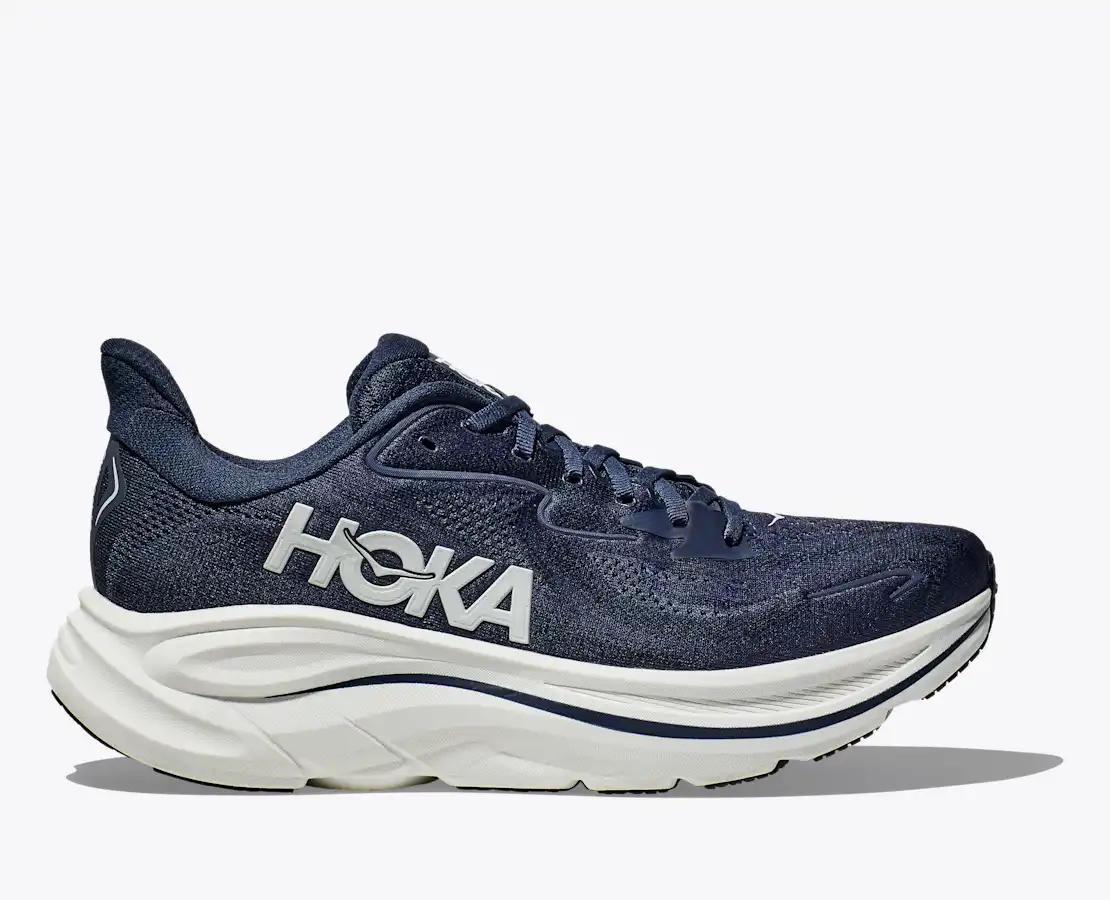
HOKA Clifton 10
$145-$160
Why this shoe
HOKA's meta-rocker reduces toe-off dorsiflexion demand, directly reducing extensor tendon loading. Wide toe box and soft mesh upper minimize compression on the top of the foot.
CM EVA midsole for plush responsive cushioning
8mm heel drop reduces Achilles and calf strain
APMA Seal of Acceptance pid=9032 - lightweight daily trainer verified directly from APMA Seal Database May 2026

ASICS GEL-Nimbus 28
$165-$175
Why this shoe
Engineered knit upper is the softest and most yielding upper in our catalogue - minimal tongue pressure on the extensor tendons. Maximum FF Blast Plus cushioning reduces overall foot impact.
FF Blast Plus cushioning with PureGEL technology for maximum soft landings
25g lighter than previous version - exceptional cushioning without weight penalty
Engineered knit upper wraps foot for comfort and breathability
What to Look for in a Shoe
Evidence-based footwear criteria specific to this condition.
Heel Drop
Recommended: 6-10mm
A moderate heel drop is appropriate for extensor tendinitis. It reduces the degree of ankle dorsiflexion required during the stance phase of gait, which in turn reduces the eccentric load on the extensor tendons as they control foot lowering during early stance. Zero or very low heel drop increases dorsiflexion demands and extensor tendon loading. Very high heel drop is not specifically beneficial and may alter forefoot mechanics in ways that change extensor tendon stress patterns.
Avoid below 4mm
Cushioning
moderate
Moderate cushioning with a low-profile, soft tongue is the most important combination for extensor tendinitis. The tongue of the shoe sits directly over the extensor tendons on the dorsal foot - a stiff or thick tongue creates direct external compression on already-inflamed tendons with every step. A low-profile, soft tongue that does not press against the top of the foot is more important than midsole cushioning depth for this specific condition.
Avoid: thick rigid tongues, high-pressure lacing systems, shoes that require tight midfoot lacing
Stability vs. Neutral
neutral_to_stability
Neutral to mild stability features are appropriate depending on the patient's gait pattern. Flat feet and overpronation alter extensor tendon mechanics by changing the foot's dorsiflexion axis, and mild stability features can normalize these mechanics and reduce extensor tendon load. High-arched feet create different extensor tendon stress patterns that may not benefit from stability features. Gait assessment determines the appropriate category.
Exception: Patients with high arches and supination who develop extensor tendinitis may require a neutral cushioned shoe rather than stability features. The extensor tendon stress pattern in cavus feet differs from that in flat feet and warrants individual assessment.
Width
Recommended: D, 2E
Standard to wide fit is appropriate. The toe box must be wide enough to prevent lateral compression that could cause compensatory lacing tightening across the midfoot. A properly fitted wide toe box reduces the need to secure the shoe tightly across the dorsal foot, reducing the tongue pressure that aggravates extensor tendinitis.
Insoles and Orthotics
Lacing technique is as important as insole selection for extensor tendinitis. Window lacing - skipping an eyelet directly over the most tender tendon location - eliminates pressure at the specific painful point while maintaining overall shoe security. This technique is used by runners and recommended by sports medicine practitioners as a first-line intervention alongside footwear changes. Custom orthotics that address any underlying flat foot or high arch mechanics driving abnormal extensor tendon load are appropriate for patients with structural contributors to the condition.
Sources: APMA Clinical Practice Guidelines; Journal of Orthopaedic and Sports Physical Therapy; Cleveland Clinic
Recommended Accessories for Extensor Tendinitis
Insoles, heel cups, compression socks, and braces that complement your shoe recommendation and provide additional targeted relief.
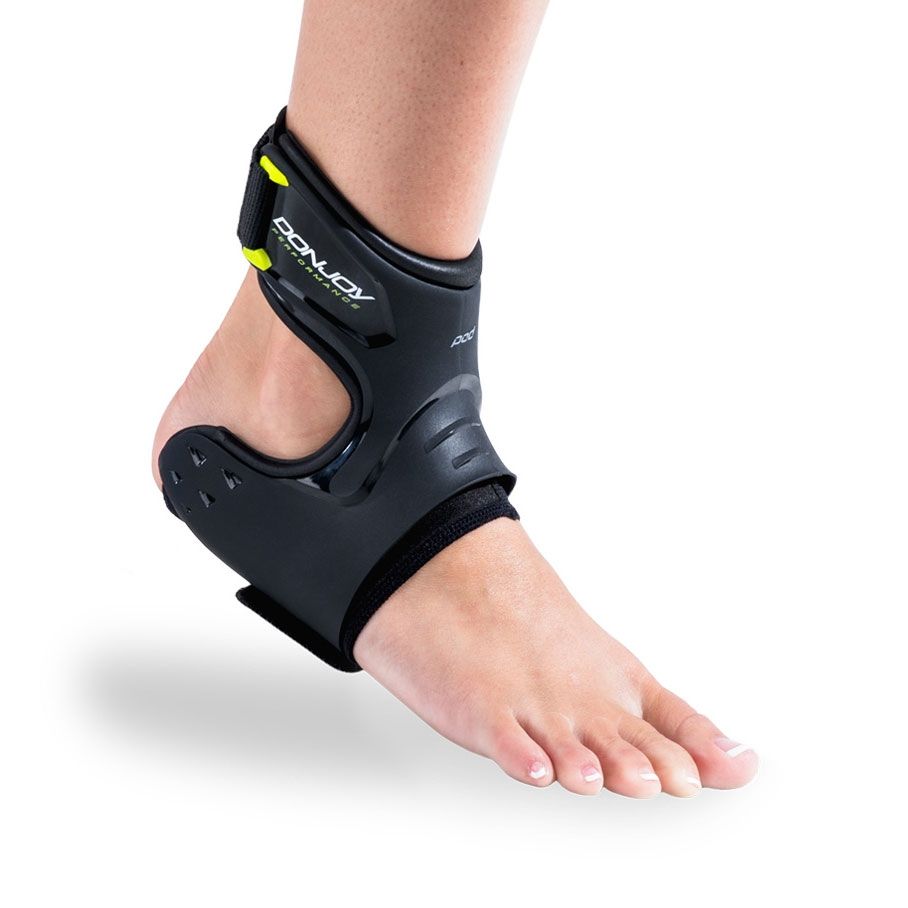
DonJoy Performance Ankle Brace
DonJoy
$11-$125
Why this accessory
Low profile ankle support reduces dorsal tendon compression
Webbing strap system provides figure-8 support without rigid components
Low-profile design fits easily inside athletic shoes
Breathable open-air design reduces heat buildup during activity

Mueller Adjustable Ankle Support
Mueller
$12-$20
Why this accessory
Budget ankle compression reduces extensor tendon irritation
Budget accessible entry-level ankle compression support
Adjustable straps allow customized fit and compression
Widely available in pharmacies and sporting goods stores
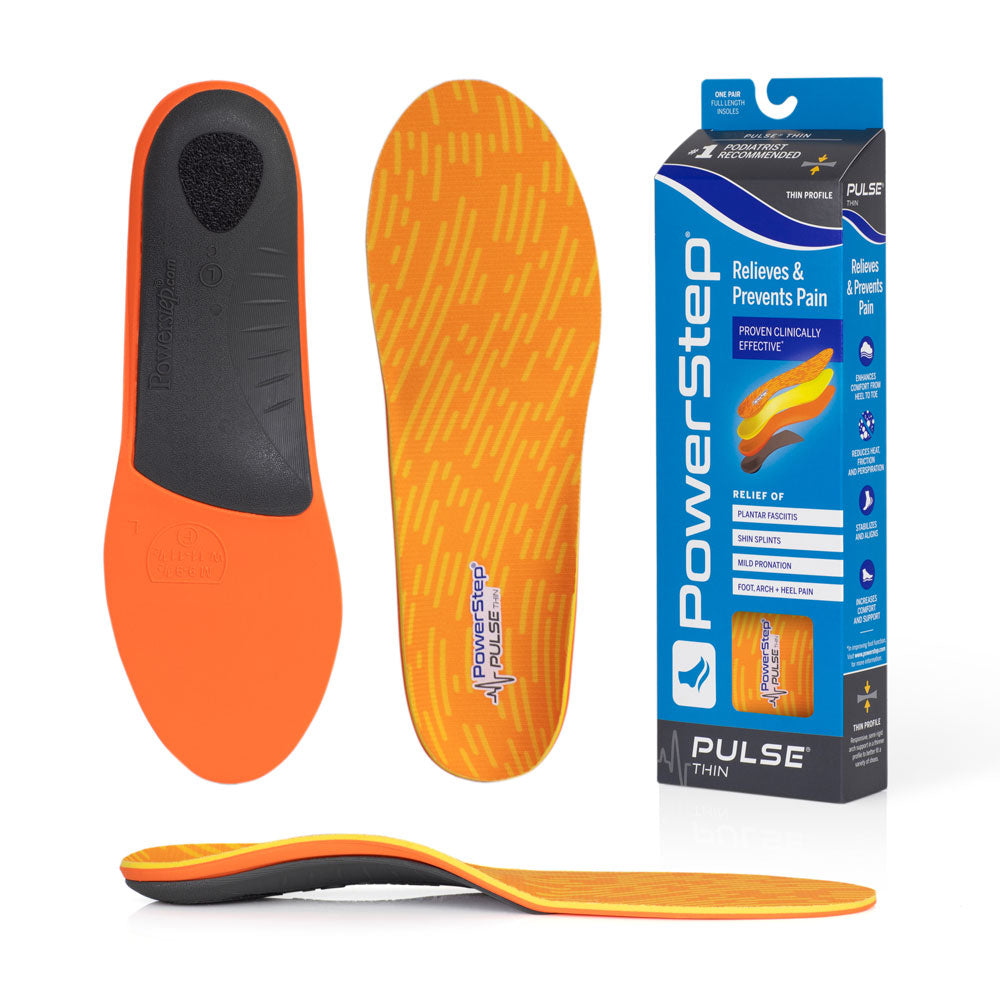
Powerstep Pro Thin Flexible Insoles
Powerstep
$40-$50
Why this accessory
Thin profile insole reduces shoe volume that compresses extensor tendons
Low-profile design fits athletic and performance shoes without crowding
Flexible shell moves with the foot for a more natural feel
Ventilated top cover reduces moisture and fungal growth risk
What Is Happening in Your Foot
Extensor tendinitis is inflammation of the extensor tendons that run across the top of the foot from the ankle to the toes. These tendons - the extensor digitorum longus, extensor hallucis longus, and extensor digitorum brevis - are responsible for lifting the toes and dorsiflexing the foot with every step. Because they run just beneath the skin on the dorsal foot surface with minimal soft tissue protection, they are uniquely vulnerable to direct external compression from shoe tongues and lacing, in addition to the repetitive mechanical stress of overuse. Extensor tendinitis is one of the few foot conditions where the footwear itself - rather than the foot's contact with the ground - is frequently the primary cause of the injury.
Biomechanics
During the swing phase of gait, the extensor tendons contract concentrically to dorsiflex the foot and lift the toes clear of the ground. During early stance, they contract eccentrically to control the rate of foot lowering after heel strike. In runners and active walkers, this loading cycle repeats hundreds of times per mile. The extensor tendons' superficial position on the dorsal foot makes them directly accessible to external compression from the shoe tongue and lacing system. A tight lace across the midfoot applies continuous compressive force to the tendon sheaths during the entire period of shoe wear, creating both mechanical compression and friction on the tendon as it moves within its sheath with every step. Loose lacing or window lacing that bypasses the most painful area immediately reduces this compression and provides significant symptom relief - often within days - when the external compression was the primary driver.
Why Symptoms Behave the Way They Do
Extensor tendinitis pain does not typically follow a morning-worsening pattern. Pain is characteristically worst during and after periods of footwear wear and activity, reflecting the mechanical compression and overuse mechanisms that drive the condition. Many patients notice that symptoms improve after removing shoes at the end of the day and worsen again when shoes are put on the next morning - reflecting the return of tongue and lacing compression rather than overnight inflammatory stiffness.
What Makes It Worse
Tight lacing across the midfoot that applies direct compressive pressure to the extensor tendon sheaths throughout shoe wear
Shoes with thick, rigid tongues that press against the dorsal foot regardless of lacing tension
Sudden increases in running mileage or intensity that increase the frequency and force of extensor tendon loading
Hill running - particularly uphill - which dramatically increases extensor tendon loading as the foot must dorsiflex more aggressively to clear the incline
Flat feet and high arches that alter the dorsiflexion axis and change extensor tendon stress distribution
Returning to full training volume too quickly after initial symptom improvement, which is the most common cause of chronic extensor tendinitis
What Helps
Looser lacing across the midfoot - the single most immediately effective intervention for compression-driven extensor tendinitis
Window lacing that skips an eyelet directly over the most tender tendon area, eliminating pressure at the specific painful point
Shoes with a low-profile, soft tongue that does not apply pressure to the dorsal foot
Rest from the activity volume that triggered the condition to allow tendon inflammation to subside
Ice applied to the top of the foot for 15 minutes after activity
Gradual return to full training volume at no more than 10 percent per week after symptoms resolve
Common Misconceptions
Myth: Extensor tendinitis and a metatarsal stress fracture feel the same and cannot be distinguished without imaging.
While both conditions produce dorsal foot pain that worsens with activity, they have clinically distinguishable features. Extensor tendinitis produces pain along the tendon lines that cross the dorsal foot and is typically aggravated by the compressive pressure of a shoe tongue. Metatarsal stress fractures produce point-specific bone tenderness at a precise location that can be identified by direct palpation. A podiatrist can distinguish the two with clinical examination in most cases, reserving imaging for cases where the distinction is not clinically clear.
Myth: Extensor tendinitis only affects runners.
While runners are a high-risk group due to repetitive extensor tendon loading during training, extensor tendinitis also develops in people who stand for prolonged periods in tight footwear, hikers who lace boots tightly across steep terrain, and anyone who wears shoes with rigid tongues that apply sustained dorsal foot pressure. The condition is not exclusive to athletic populations.
Myth: Tighter lacing provides better ankle support and reduces extensor tendinitis risk.
Tight midfoot lacing is one of the primary causes of extensor tendinitis rather than a protection against it. The extensor tendons pass directly beneath the lacing system - increased lacing tension increases the compressive force on the tendon sheaths. Adequate shoe security can be achieved with moderate lacing tension that does not compress the dorsal foot. Runners who lace tightly for a snug fit should consider whether this habit is contributing to their symptoms.
Sources: Journal of Orthopaedic and Sports Physical Therapy, Vol. 41, 2011; Cleveland Clinic Extensor Tendinitis Guidelines; APMA; Sports Health, Vol. 5, 2013
You Might Also Have
Extensor Tendinitis by Occupation
How this condition presents differently depending on how you spend your day.
runners
Runners who lace shoes tightly across the midfoot or who rapidly increase training volume are the most common extensor tendinitis patient population.
Running generates repetitive extensor tendon loading thousands of times per training session. Runners who lace shoes tightly for a performance-oriented snug fit apply continuous compression to the extensor tendon sheaths during every training run. Uphill training sessions dramatically increase extensor tendon load. The transition to shoes with stiffer tongues or different lacing geometry can trigger extensor tendinitis onset even without changes in training volume.
Shoe Priority
Running shoe with a low-profile, soft tongue and adequate midfoot width that allows moderate lacing tension without compressing the extensor tendons. Window lacing over the most painful midfoot area is the first management step. Avoid racing shoes with aggressive midfoot lacing systems during recovery.
construction workers
Construction workers who lace heavy work boots tightly across the foot for ankle support accumulate sustained extensor tendon compression across every shift.
Work boots require secure lacing for ankle support and safety during physical labor. The combination of heavy boot construction, thick tongues, and tight lacing for ankle security creates sustained high compression on the extensor tendons across an entire shift. Workers who tighten lacing further when working on uneven terrain or climbing ladders amplify this compression at the most demanding moments.
Shoe Priority
Work boot with a soft, padded tongue that cushions the dorsal foot from lacing pressure. Lacing technique - maintaining adequate ankle support without over-tightening the midfoot section specifically - is as important as boot selection. Window lacing over the most painful midfoot area is compatible with maintaining ankle security in the lower boot eyelets.
hikers
Hikers who tightly lace boots for ankle support on steep or uneven terrain frequently develop extensor tendinitis from sustained dorsal foot compression.
Hiking boots require secure lacing for ankle protection on technical terrain, creating the same compression mechanism as work boots. Uphill hiking dramatically increases extensor tendon loading as the foot dorsiflexes more aggressively with every step up an incline. Multi-day hikers who wear boots for 8 to 10 hours daily accumulate significant sustained tendon compression.
Shoe Priority
Hiking boot or trail shoe with a padded tongue that distributes lacing pressure across a broader dorsal foot area. Learning to lace the midfoot section of a hiking boot with less tension than the ankle section - maintaining ankle support without midfoot compression - is a practical technique for hikers prone to extensor tendinitis.
standing workers
Workers who stand for extended periods in tightly laced work shoes accumulate sustained extensor tendon compression throughout every shift.
Standing workers who secure their footwear tightly to prevent heel slippage during dynamic movement apply sustained compression to the extensor tendons for the full shift duration. Workers who tighten lacing at the start of a shift and do not adjust it throughout the day maintain this compression regardless of foot swelling that occurs during prolonged standing.
Shoe Priority
Work shoe with a soft, compliant tongue and lacing system that can be adjusted during the shift as foot swelling occurs. Loosening midfoot lacing while maintaining heel security is the most practical intervention for standing workers who develop extensor tendinitis symptoms during shifts.
Frequently Asked Questions
Related Guides and Resources
Walk Into Your Appointment With Answers
Before Your Next Appointment
Take Your Results to Your Podiatrist
Answer a few quick questions. Takes under 2 minutes. Get personalized shoe recommendations.
Not Sure Which Shoe Is Right?
Take our guided quiz and get a personalized recommendation based on your specific foot condition and lifestyle.
Start the Quiz