Disclosure: We may earn a small commission if you purchase through links on this page. No additional cost to you, and we only recommend products we trust. This helps us keep MySoleMatch free and ad-free. Thank you for your support!
Shin Splints
Shin splints are one of the most common running injuries, affecting athletes who suddenly increase their training intensity or volume. The pain runs along the inner shinbone and is caused by repetitive stress on the tibia and surrounding tissue. Cushioned shoes that absorb impact and reduce stress transmission to the lower leg are essential.
Signs You May Have Shin Splints
Aching or sharp pain along the inner shin
Pain that worsens during or after exercise
Tenderness along the shinbone
Mild swelling in the lower leg
Pain that improves with rest
Walk Into Your Appointment With Answers
Before Your Next Appointment
Take Your Results to Your Podiatrist
Answer a few quick questions. Takes under 2 minutes. Get personalized shoe recommendations.
Best Shoes for Shin Splints | MySoleMatch
Cushioning that absorbs impact and reduces stress transmission to the lower leg is key. Stability shoes help runners with flat feet who are prone to shin splints.

New Balance 1540v4
$195-$205
Why this shoe
Superior cushioning absorbs tibial impact and motion control reduces the overpronation that causes shin splints.
Extra depth design accommodates custom orthotics
ROLLBAR motion control technology for severe overpronation
ABZORB cushioning for impact absorption

New Balance Fresh Foam X 860v15
$145-$155
Why this shoe
Stability Plane technology and Fresh Foam X cushioning reduce impact stress on the shinbone.
Fresh Foam X midsole with Stability Plane technology
Engineered mesh upper for breathability
Described by New Balance as a stability shoe
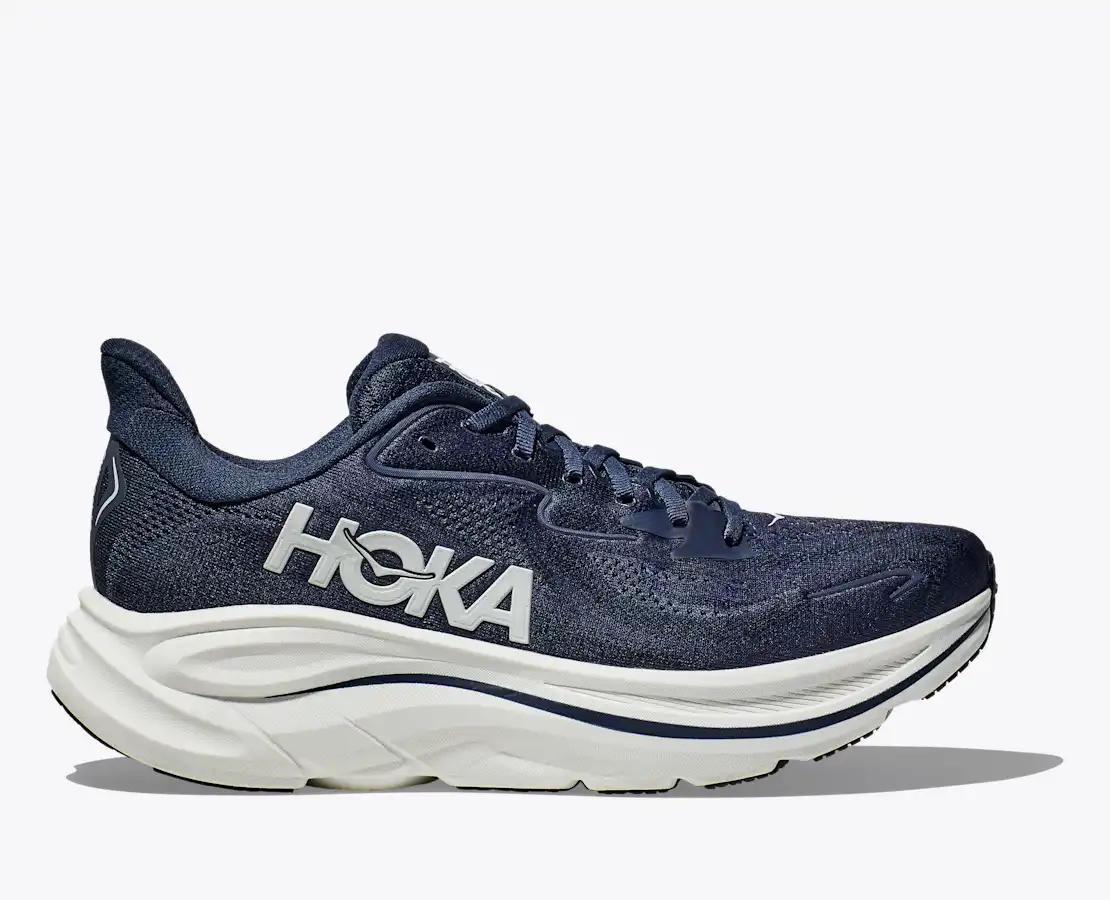
HOKA Clifton 10
$145-$160
Why this shoe
Lightweight cushioning absorbs tibial impact while 8mm heel drop reduces the calf tightness that contributes to shin splint pain.
CM EVA midsole for plush responsive cushioning
8mm heel drop reduces Achilles and calf strain
APMA Seal of Acceptance pid=9032 - lightweight daily trainer verified directly from APMA Seal Database May 2026

Brooks Ghost 17
$140-$155
Why this shoe
DNA Loft v3 cushioning absorbs tibial impact - segmented crash pad smooths heel strike reducing the impact forces that cause shin splint pain.
DNA Loft v3 nitrogen-infused foam for soft responsive cushioning
APMA Seal of Acceptance pid=9077 - PDAC A5500 diabetic shoe certified - verified directly from APMA Seal Database May 2026
Segmented crash pad for smooth heel-to-toe transitions
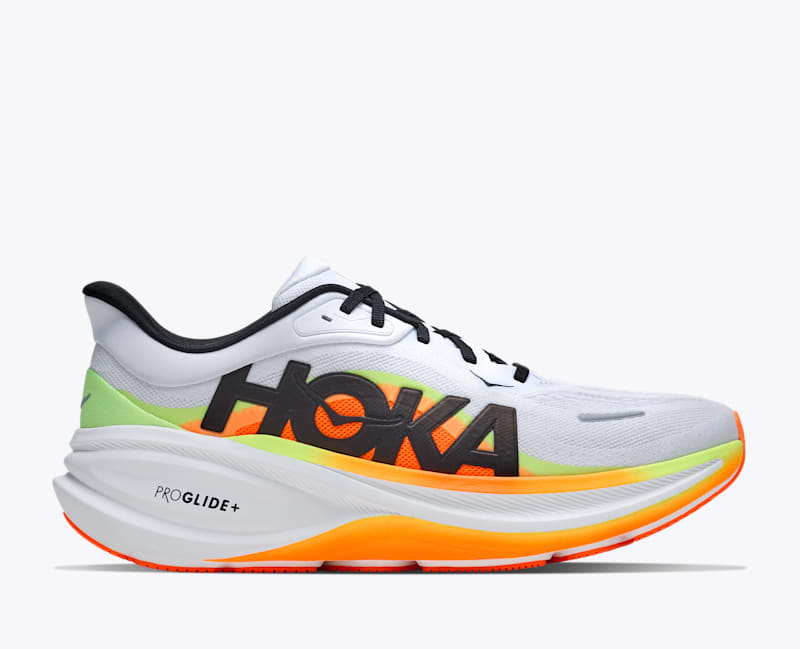
HOKA Clifton PRO
$165
Why this shoe
SCF foam midsole absorbs tibial impact forces while the 8mm heel drop reduces calf tightness associated with shin splint development.
PROGLIDE+ series midsole with SCF foam and an aggressive MetaRocker geometry for a smoother, faster-feeling ride
Breathable engineered mesh upper with a padded comfort collar
J-Frame technology built into the Clifton line guards against overpronation without overcorrecting a neutral gait
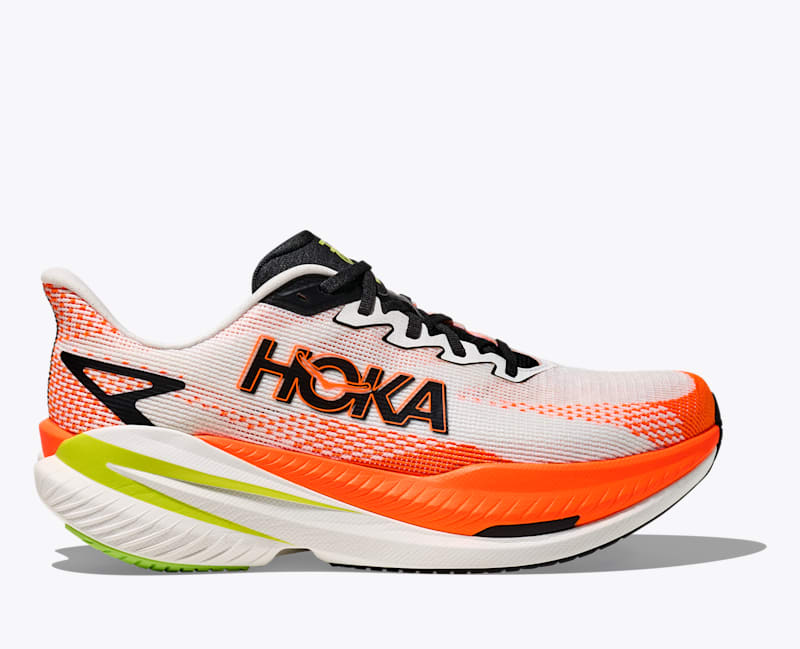
HOKA Mach X 3
$190
Why this shoe
High cushioning under a firm, stable platform absorbs tibial impact during a gradual return to faster-paced training, though this shoe is built for performance runners rather than rehabilitation.
PEBA-topped midsole with an embedded Pebax plate delivers a plated, propulsive ride for tempo and speed-focused training
44mm heel / 39mm forefoot stack height provides high-cushion protection without the weight of a full super shoe
J-Frame technology guards against overpronation without overcorrecting a neutral gait, useful for high step-count days
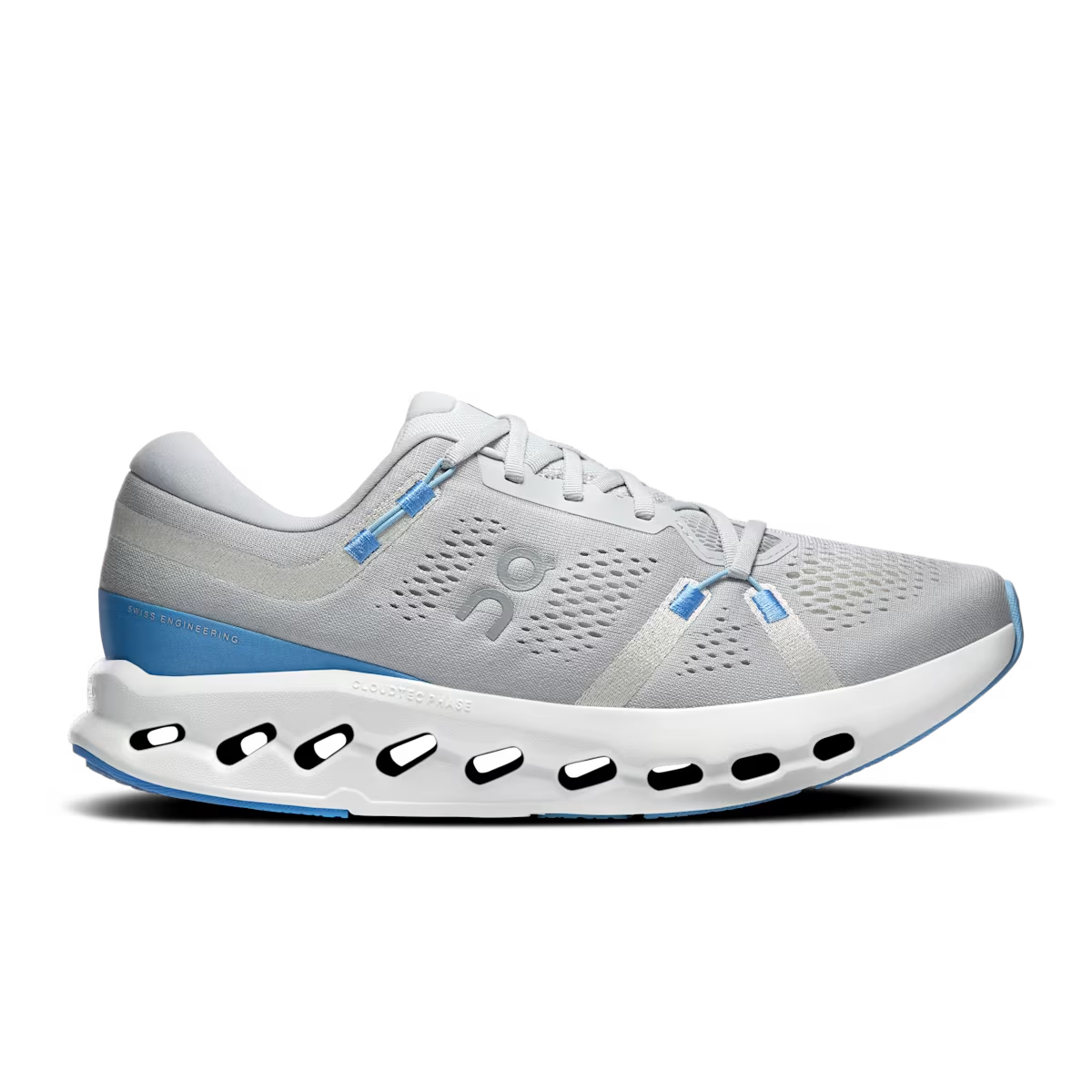
On Cloudsurfer 2
$160
Why this shoe
Moderate-to-high cushioning under a stable, firm midsole reduces tibial impact stress during the gradual return to daily running mileage.
CloudTec Phase midsole with soft Helion superfoam delivers a smooth, cushioned ride for daily miles
9mm heel-to-toe drop suits heel-strike-dominant runners looking for cushioned impact absorption
Subtle rocker geometry supports an efficient, effortless heel-to-toe transition

ASICS GEL-Nimbus 28
$165-$175
Why this shoe
Maximum FF Blast Plus cushioning absorbs tibial impact - 43mm stack height significantly reduces the ground reaction forces that cause shin splint pain.
FF Blast Plus cushioning with PureGEL technology for maximum soft landings
25g lighter than previous version - exceptional cushioning without weight penalty
Engineered knit upper wraps foot for comfort and breathability
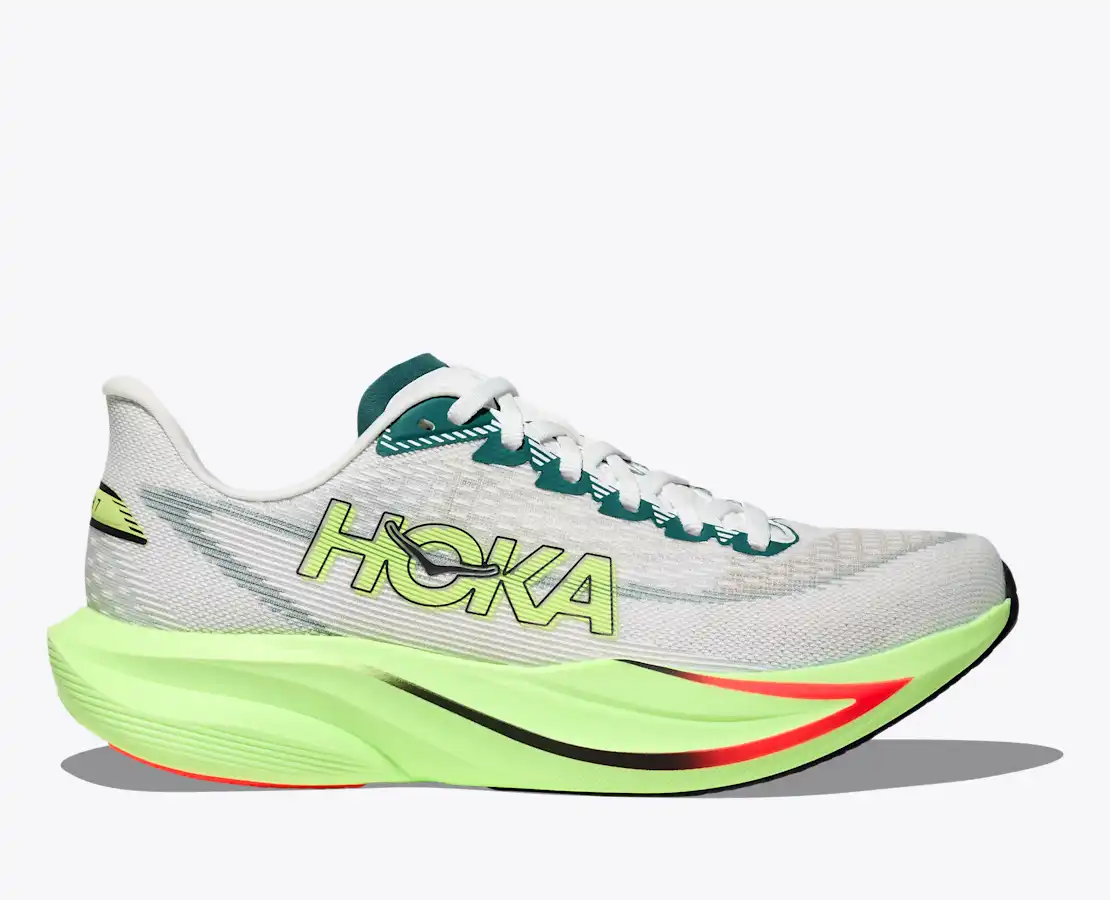
HOKA Mach 7
$145
Why this shoe
Supercritical EVA cushioning absorbs tibial impact during daily training miles, suitable for runners gradually building mileage without irritating shin splint symptoms.
Supercritical EVA midsole with Early Stage MetaRocker geometry for a lightweight, responsive daily-trainer ride
J-Frame technology guards against overpronation without overcorrecting a neutral gait
Creel jacquard woven upper with internal gusset for a secure, breathable fit
Saucony Triumph 23
$165-$175
Why this shoe
Maximum PWRRUN PB superfoam with 42mm stack absorbs tibial impact - significantly reduces the ground reaction forces that cause shin splint pain.
Full-length PWRRUN PB superfoam midsole - first training shoe with all-superfoam construction
42mm heel stack height for maximum impact protection
Rocker geometry for effortless heel-to-toe transitions
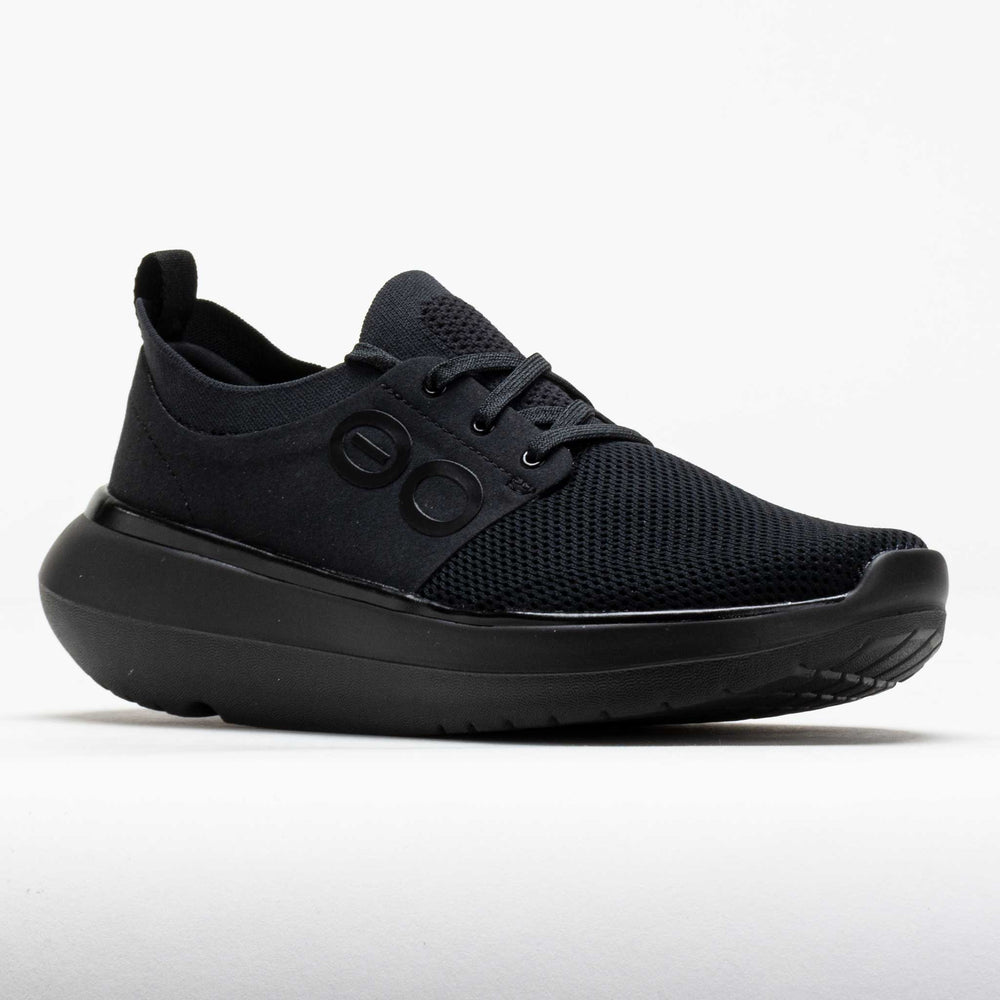
OOFOS OOmy Stride
$80-$95
Why this shoe
OOFoam absorbs 37% more impact than standard foam - wearing the OOrunner post-activity reduces tibial stress during recovery, allowing the shin bone and surrounding tissue to decompress between training sessions.
OOFOS's current closed-toe recovery shoe - direct successor to the OOrunner
OOFoam absorbs 37% more impact than traditional foam reducing Achilles and shin stress
APMA Seal of Acceptance pid=8542 - verified directly from APMA Seal Database May 2026

ASICS GT-4000 4
$130-$150
Why this shoe
Maximum motion control prevents the overpronation and tibial rotation that drives shin splints in flat-footed runners requiring maximum structural support.
Maximum support construction built for severe overpronators requiring the highest level of motion control
Reinforced medial post and structured midsole prevent arch collapse during high-impact activity
GEL technology cushioning absorbs shock while the stable base controls excessive inward rolling

ASICS GT-1000 14
$80-$100
Why this shoe
3D Guidance System controls mild overpronation that causes tibial stress and shin splints in casual runners and walkers at a budget-friendly price.
Entry-level stability at an accessible price point - ideal for mild overpronators and casual walkers
Rearfoot GEL technology cushioning absorbs impact during daily running and walking
3D Guidance System provides reliable support for mild to moderate overpronation
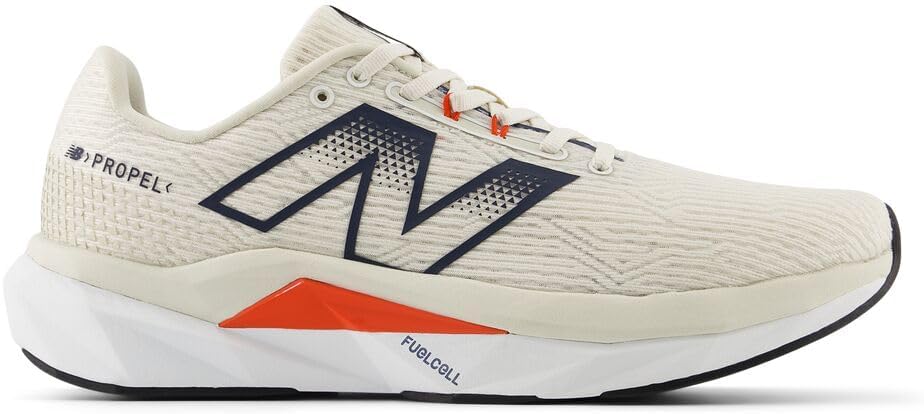
New Balance FuelCell Propel v5
$110-$120
Why this shoe
Responsive FuelCell foam with bio-based content absorbs tibial impact during a gradual return to daily running mileage.
FuelCell foam with bio-based content delivers responsive, propulsive cushioning with a soft bouncy feel
TPU plate adds smooth transition and mild structure for daily miles and tempo runs
35mm heel stack with forefoot rocker for comfortable heel-to-toe transitions
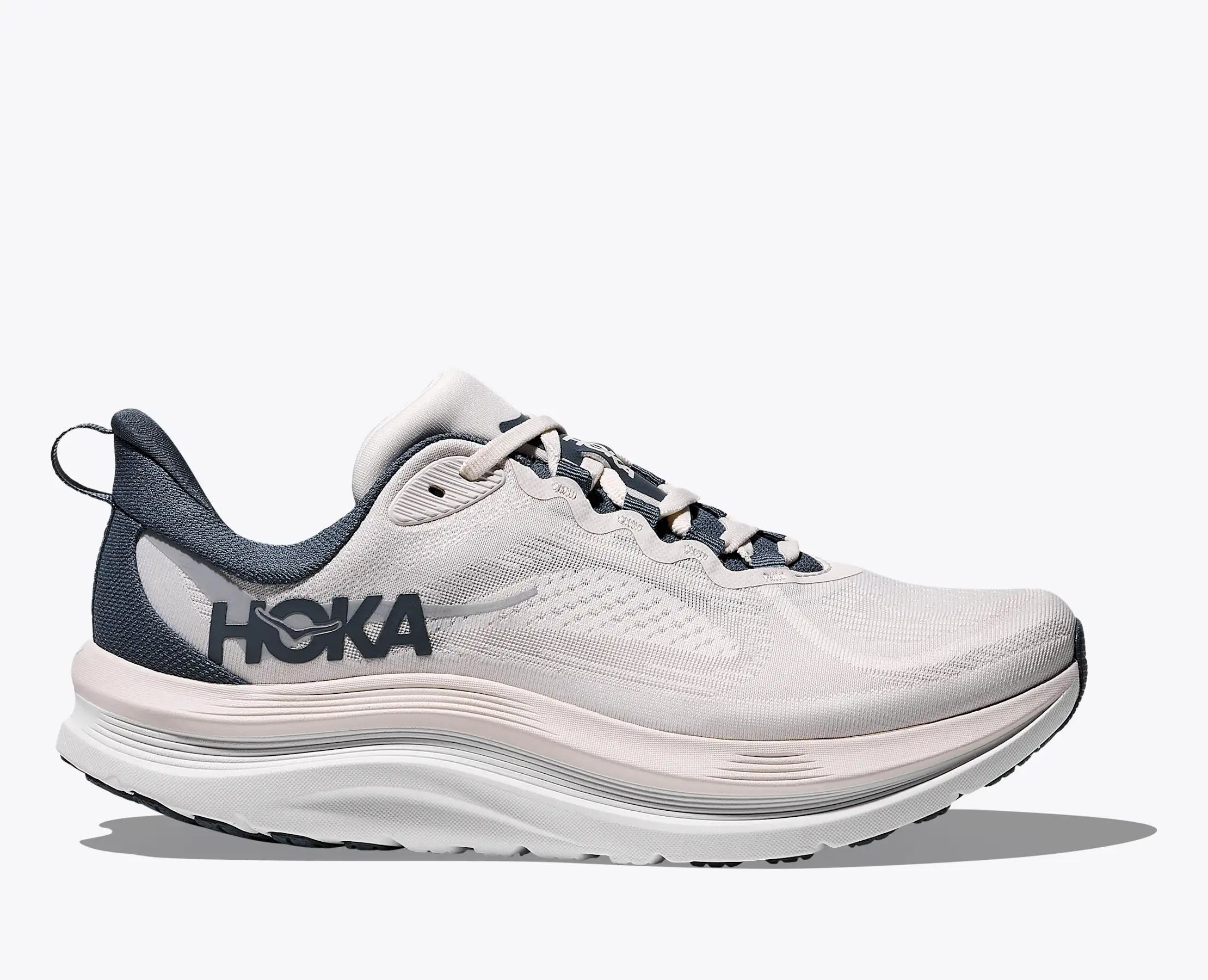
HOKA Kawana 3
$140
Why this shoe
CMEVA foam cushioning between the Clifton and Bondi tiers absorbs tibial impact during a gradual return to standing shifts or daily mileage.
SwallowTail extended heel geometry creates a broader, flatter heel surface for smoother landings - reduces heel strike impact on hard hospital floors
CMEVA foam sits between Clifton and Bondi in cushioning - softer than the Arahi and Gaviota, firmer and more responsive than the Bondi
MetaRocker geometry guides the foot from heel to toe with less muscular effort - the same core technology that makes HOKAs effective for long shifts
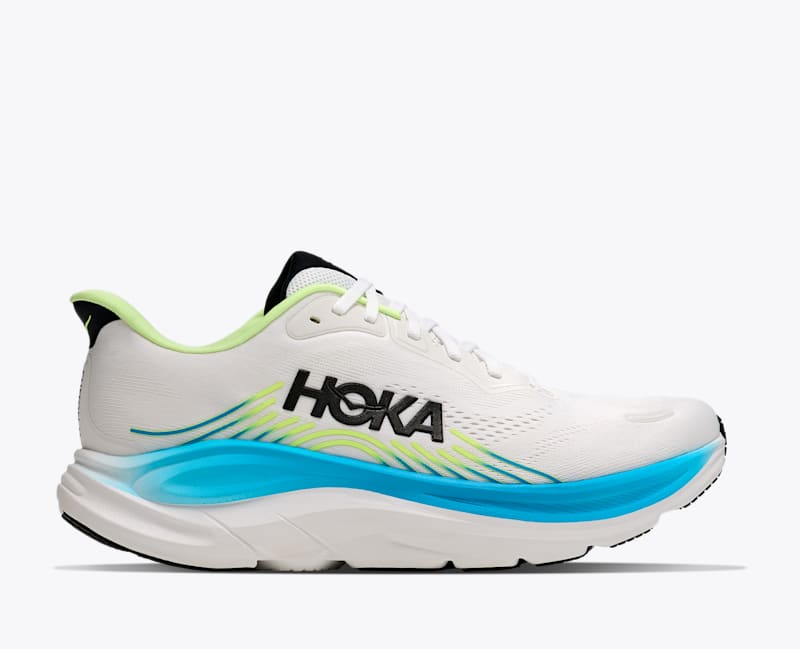
HOKA Clifton 11
$150-$165
Why this shoe
CM EVA midsole cushioning absorbs repetitive impact stress, and the Smooth MetaRocker geometry reduces the calf and shin loading associated with shin splints - construction shared with the Clifton 10.
APMA Seal of Acceptance - Clifton 11 not yet individually listed in the live APMA Seal Database as of August 2026 (verified directly against HOKA's full 22-product listing); HOKA's own marketing pages and retailer listings claim the seal, but only Clifton 10 (pid=9032) and Clifton 9 (pid=8533) currently appear filed. Feature-based match pending independent APMA re-verification.
Compression-molded EVA foam midsole with Smooth MetaRocker geometry for plush cushioning and effortless heel-to-toe transitions
8mm heel-to-toe drop, consistent with Clifton 10

Saucony Ride 19
$130-$145
Why this shoe
A neutral, well-cushioned daily trainer absorbs impact before it transmits up the lower leg, making it a fit for impact-driven shin splints rather than the overpronation-driven cases that call for a stability shoe instead.
PWRRUN+ cushioning delivers a balanced, responsive ride for daily running and walking
Saucony's flagship all-around daily trainer - versatile for running, walking, and everyday wear
FORMFIT technology wraps the foot for a personalized, secure fit throughout the gait cycle
What to Look for in a Shoe
Evidence-based footwear criteria specific to this condition.
Heel Drop
Recommended: 6-12mm
A moderate to higher heel drop reduces the impact forces transmitted to the tibia by shortening the effective moment arm of the ground reaction force at the ankle. Research in the British Journal of Sports Medicine indicates that higher heel drop running shoes reduce tibial stress in runners prone to medial tibial stress syndrome. Zero or low heel drop shoes increase forefoot loading and tibial bending stress in runners not specifically adapted to that gait pattern.
Avoid below 4mm
Cushioning
maximum
Maximum cushioning is the primary midsole requirement for shin splints. The midsole is the primary shock absorber between the ground and the skeleton. When midsole cushioning is inadequate or degraded, ground reaction forces are transmitted more directly to the tibia, increasing the repetitive bending stress that causes medial tibial stress syndrome. A thick, compliant midsole attenuates these forces before they reach the lower leg.
Avoid: minimal, thin-soled, worn-out midsoles, barefoot-style
Stability vs. Neutral
stability
Stability shoes are strongly indicated for shin splints patients with flat feet or overpronation. Overpronation increases the internal tibial rotation that occurs with inward ankle roll, and this tibial rotation is a primary biomechanical driver of medial tibial stress syndrome. Research consistently identifies overpronation as a significant risk factor. Stability shoes with medial post support reduce this tibial rotation and its cumulative stress on the periosteum.
Exception: Runners with neutral gait or supination who develop shin splints from training load errors rather than biomechanical factors may not benefit from stability features. For this group, maximum cushioning and training load management are the appropriate interventions. Gait analysis can determine which category applies.
Width
Recommended: D, 2E
Standard to wide fit is appropriate for most shin splints patients. Width considerations are secondary to cushioning and stability for this condition. Adequate width prevents compensatory gait changes from lateral forefoot compression that could alter tibial loading patterns.
Insoles and Orthotics
Custom orthotics that address overpronation and tibial rotation are among the most effective conservative interventions for recurrent shin splints in runners with confirmed biomechanical contributors. Research supports orthotic use as an adjunct to footwear in reducing medial tibial stress syndrome recurrence. Shoes with removable insoles and adequate depth to accommodate orthotics are important for runners with chronic shin splints.
Sources: British Journal of Sports Medicine; Journal of Orthopaedic and Sports Physical Therapy; APMA
Recommended Accessories for Shin Splints
Insoles, heel cups, compression socks, and braces that complement your shoe recommendation and provide additional targeted relief.

CEP Progressive+ Compression Run Socks
CEP
$50-$65
Why this accessory
Medical-grade compression reduces tibial vibration and inflammation
20-30 mmHg medical-grade graduated compression for serious athletes
Reduces muscle oscillation that causes shin splint and stress fracture risk
Anatomically shaped for left and right feet - not interchangeable
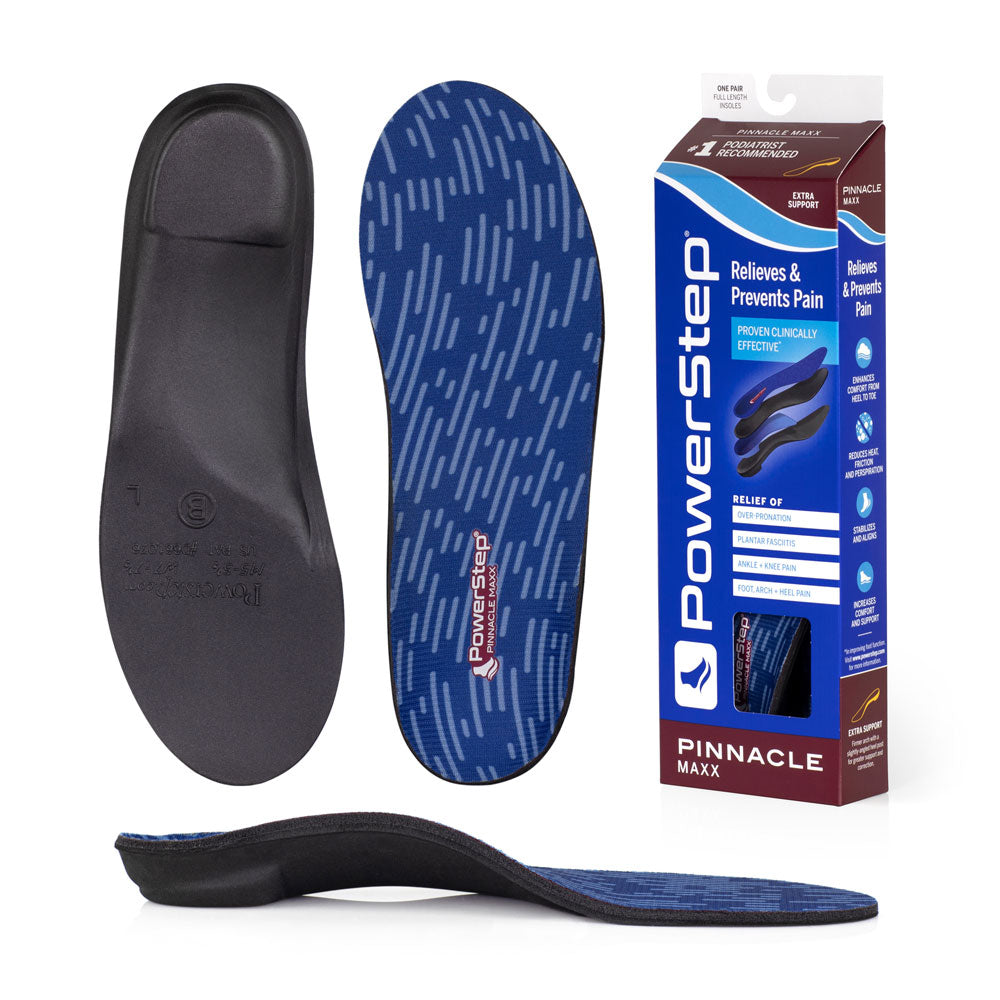
Powerstep Pinnacle Maxx Motion Control Insoles
Powerstep
$50-$60
Why this accessory
Motion control reduces overpronation that causes shin splint stress
Maximum motion control for severe overpronation and flat feet
Firm medial post prevents inward rolling more aggressively than standard Pinnacle
Deep heel cup with extra cushioning for heel pain relief
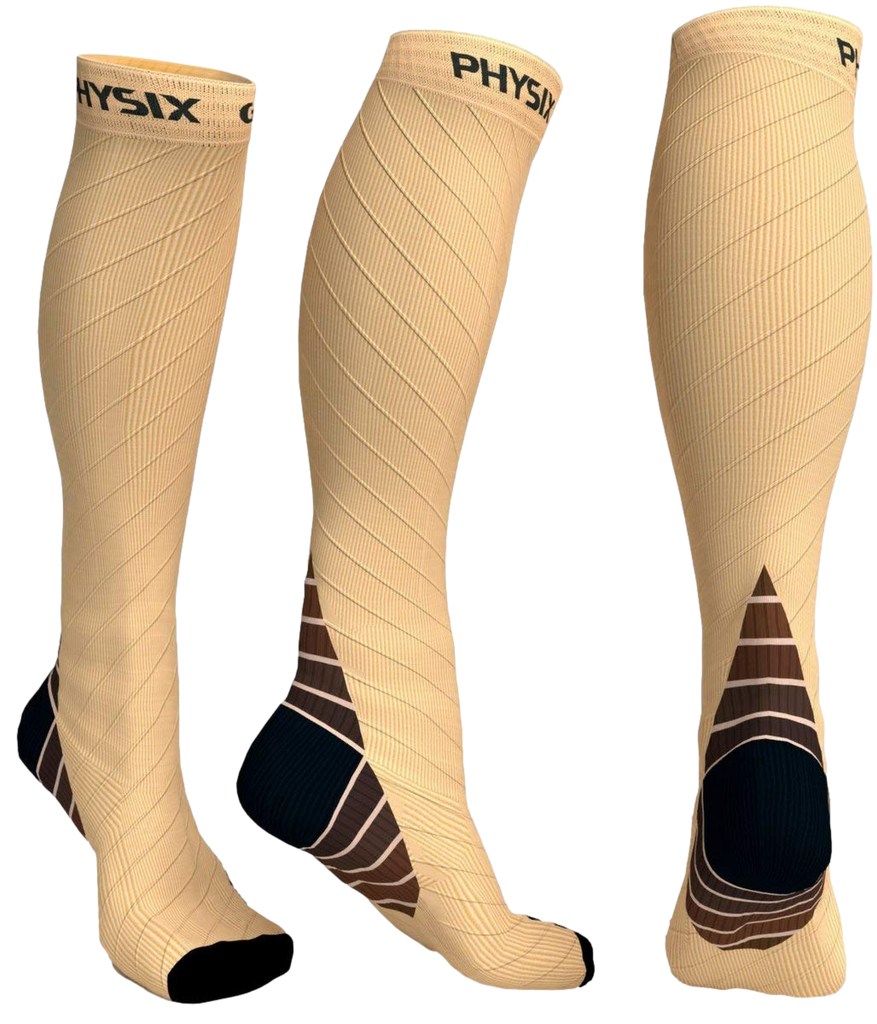
Physix Gear Sport Compression Socks
Physix Gear
$15-$25
Why this accessory
Budget compression reduces shin inflammation during activity
15-20 mmHg graduated compression at an accessible price point
Moisture wicking and breathable nylon construction
Reinforced heel and toe for durability under daily use

Apolla Shocks Compression Performance Sock
Apolla
$30-$40
Why this accessory
APMA compression with ankle stability reduces tibial stress
APMA accepted - patented targeted compression technology reviewed by podiatrists
Built-in orthotic-like arch support reduces plantar fascia strain
Ankle stabilization targets key ligament insertion points like a brace

Aetrex L700 Speed Orthotics - Men
Aetrex
$40-$50
Why this accessory
Pro Shox shock absorption reduces the repetitive impact forces behind shin splints
APMA accepted - designed for athletic performance and swift workouts
AeroCell PU provides high energy return during running and high-impact activity
Pro-Shox polyurethane center cushion absorbs shock and reduces impact forces

Aetrex L700 Speed Orthotics - Women
Aetrex
$40-$50
Why this accessory
Women's Pro Shox insole reduces the repetitive impact forces behind shin splints
APMA accepted - designed for athletic performance and swift workouts
AeroCell PU provides high energy return during running and high-impact activity
Pro-Shox polyurethane center cushion absorbs shock and reduces impact forces
What Is Happening in Your Foot
Shin splints is the common name for medial tibial stress syndrome - pain along the inner edge of the shinbone caused by repetitive stress on the tibia and the muscles, tendons, and bone tissue that attach to it. It is one of the most common running and military training injuries, accounting for 13 to 20 percent of all running injuries. The pain is characteristically diffuse along the lower inner shinbone rather than point-specific, which distinguishes it from a stress fracture. Shin splints exist on a continuum - early shin splints represent inflammation of the tibial periosteum, while untreated continued loading can progress to tibial stress reaction and ultimately stress fracture. Recognizing and addressing shin splints early prevents this progression.
Biomechanics
The tibia is the primary weight-bearing bone of the lower leg and absorbs significant bending stress with every footstrike. In normal gait, this stress is within the bone's remodeling capacity. Shin splints occur when bending stress exceeds remodeling capacity - either because training load has increased too quickly, because biomechanical factors such as overpronation increase tibial torsion stress beyond the bone's tolerance, or because footwear cushioning has degraded and no longer attenuates impact forces adequately. Overpronation drives tibial stress through a specific mechanism - inward ankle roll during stance phase creates internal tibial rotation that adds a rotational bending stress to the already-loaded tibia. Stability shoes reduce this rotation at its source. Maximum cushioning midsoles reduce the overall impact magnitude before it reaches the tibia.
Why Symptoms Behave the Way They Do
Early shin splints follow a characteristic activity-related pattern rather than a morning-worsening pattern. Pain typically begins after a certain volume of running, initially resolves with rest, but progressively requires more rest to resolve as the condition advances. Advanced shin splints may produce some morning stiffness from overnight periosteal inflammation, but this is less characteristic than in tendon conditions. Pain that occurs from the very start of a run and does not warm up is a warning sign of progression toward stress reaction.
What Makes It Worse
Sudden increases in running mileage or intensity beyond 10 percent per week - the most common single cause of shin splints onset
Running on hard surfaces such as concrete and asphalt that transmit higher impact forces to the tibia than softer surfaces
Worn-out running shoes with degraded midsole cushioning that no longer attenuate tibial impact effectively
Flat feet and overpronation that add tibial rotation stress to the impact loading the bone already manages
Transitioning to lower heel drop or minimalist footwear without a prolonged gradual adaptation period
Inadequate calcium and vitamin D intake that reduces tibial bone density and its tolerance for repetitive mechanical stress
What Helps
Reducing training volume to a level that allows the tibia to remodel - typically 50 percent reduction from the volume at which symptoms appear
Maximum cushioning running shoes that reduce the tibial impact per footstrike
Stability shoes or custom orthotics that reduce overpronation-driven tibial rotation
Running on softer surfaces - grass, trails, synthetic tracks - that reduce impact magnitude compared to concrete
Cross-training with low-impact activities such as swimming or cycling to maintain fitness without tibial loading
Gradual return to full training volume at no more than 10 percent per week once symptoms have fully resolved
Common Misconceptions
Myth: Shin splints and stress fractures are the same injury.
Shin splints and stress fractures exist on the same continuum of tibial overuse injury but represent different severity levels. Shin splints involve periosteal inflammation and early bone stress reaction. Stress fractures involve actual microscopic bone cracks. The clinical distinction matters because stress fractures require longer rest periods, may require imaging to confirm, and carry a risk of complete fracture if loading continues. Point-specific tenderness at a single location on the tibia, rather than the diffuse tenderness of shin splints, is the primary distinguishing symptom.
Myth: Running through shin splints will toughen the tibia and resolve the problem.
Continuing to run through shin splints without addressing the underlying cause allows the periosteal inflammation to progress toward stress reaction and stress fracture. The tibia does adapt to loading over time, but this adaptation requires recovery periods between loading bouts. Running through pain eliminates the recovery window and drives the condition toward more serious injury rather than adaptation.
Myth: Only beginner runners get shin splints.
Shin splints affect experienced runners at all levels when they increase training load too quickly, change surfaces, transition to new footwear, or return to training after a period of reduced activity. Elite runners develop shin splints when training volume escalates during race preparation. The condition is a training load management problem that affects any runner who loads the tibia beyond its current remodeling capacity.
Sources: British Journal of Sports Medicine, Vol. 47, 2013; Journal of Orthopaedic and Sports Physical Therapy, Vol. 39, 2009; Journal of Biomechanics, Vol. 47, 2014
Shin Splints by Occupation
How this condition presents differently depending on how you spend your day.
runners
Runners account for the vast majority of shin splints cases, with the condition representing 13 to 20 percent of all running injuries.
Mileage increases, surface changes, new footwear transitions, and return-to-running after rest are the four most common shin splints triggers in runners. Many runners identify the 10 percent mileage rule intellectually but violate it in practice when training for events with fixed timelines. The desire to make up lost training after injury or illness frequently drives the training spikes that cause shin splints.
Shoe Priority
Maximum cushioning stability running shoe with a heel drop of 8mm or higher. Replace running shoes on schedule - every 300 to 500 miles - before midsole cushioning degrades below the level needed to protect the tibia. Never transition to lower heel drop or minimalist shoes while managing active shin splints.
standing workers
Workers who transition from sedentary to highly active roles - such as new retail or warehouse employees - face elevated shin splints risk from sudden sustained activity increases.
Starting a new job that requires sustained standing and walking represents exactly the kind of sudden activity increase that causes shin splints in previously less-active individuals. New employees in retail, warehousing, and food service frequently report shin pain in their first weeks before the tibia adapts to the new loading. Inadequate work footwear amplifies this risk.
Shoe Priority
Maximum cushioning work shoe worn from day one of a new physically demanding role. Gradual shift-length increases during the first weeks of a new active job - similar to the 10 percent mileage rule in running - reduce the tibial loading spike that causes shin splints in new workers.
walkers
Fitness walkers who increase daily step counts rapidly - particularly those following medical advice to increase activity - are a frequently overlooked shin splints risk group.
Walking generates lower tibial impact than running but follows the same overuse principle. Walkers who jump from 3,000 to 10,000 steps per day in response to fitness tracker goals or physician advice subject the tibia to a sudden loading increase that can trigger shin splints. Many walkers attribute the resulting shin pain to general soreness rather than recognizing it as an overuse injury.
Shoe Priority
Maximum cushioning walking shoe with a moderate heel drop. The 10 percent activity increase rule applies equally to walkers and runners. Gradual step count increases of no more than 10 percent per week allow the tibia to adapt without developing stress symptoms.
runners
Military recruits and service members in basic training face the highest institutional shin splints rates of any population.
Military basic training imposes extreme and sudden loading increases on recruits who may have had low baseline activity levels. Research consistently shows shin splints rates of 4 to 20 percent in military recruits. Standardized footwear issue rather than individual fit assessment means recruits may train in shoes that do not match their biomechanical needs. The inability to reduce training volume due to institutional requirements limits the primary conservative management tool.
Shoe Priority
Maximum cushioning with stability features for recruits with confirmed overpronation. Where service regulations permit personal footwear selection, evidence supports selecting maximum cushioning over minimalist designs for populations undergoing high-intensity training ramp-ups.
Frequently Asked Questions
Local Foot Health
Shin Splints by City
Environmental factors, terrain, and climate affect how common this condition is across different cities. Find local podiatrist resources near you.
Related Guides and Resources
Walk Into Your Appointment With Answers
Before Your Next Appointment
Take Your Results to Your Podiatrist
Answer a few quick questions. Takes under 2 minutes. Get personalized shoe recommendations.
Not Sure Which Shoe Is Right?
Take our guided quiz and get a personalized recommendation based on your specific foot condition and lifestyle.
Start the Quiz