Disclosure: We may earn a small commission if you purchase through links on this page. No additional cost to you, and we only recommend products we trust. This helps us keep MySoleMatch free and ad-free. Thank you for your support!
Peroneal Tendinitis
Peroneal tendinitis occurs when one or both peroneal tendons running along the outer ankle become inflamed from overuse or repetitive stress. These tendons are the primary stabilizers of the ankle against inversion - they fire with every step to prevent the foot from rolling outward. When overloaded, they become inflamed, thicken, and cause pain along the outer ankle and foot. Proper footwear that cushions lateral impact, supports the ankle, and reduces the mechanical demand on the peroneal tendons is a primary component of conservative treatment.
Signs You May Have Peroneal Tendinitis
Pain and tenderness along the outer ankle, behind or below the outer ankle bone
Swelling along the outer ankle and foot
Pain that worsens with activity and improves with rest
Stiffness in the ankle especially after periods of inactivity or in the morning
Weakness or instability when walking on uneven surfaces
A popping or snapping sensation during foot movement in severe cases
Pain when turning the foot inward
Walk Into Your Appointment With Answers
Before Your Next Appointment
Take Your Results to Your Podiatrist
Answer a few quick questions. Takes under 2 minutes. Get personalized shoe recommendations.
Best Shoes for Peroneal Tendinitis | MySoleMatch
Look for shoes with a firm heel counter for ankle stability, adequate lateral cushioning, and a moderate heel drop. Avoid highly flexible or minimalist shoes that allow excessive ankle inversion. Cushioned neutral shoes are appropriate for high-arch peroneal tendinitis. Stability shoes may be appropriate when overpronation is a contributing factor.
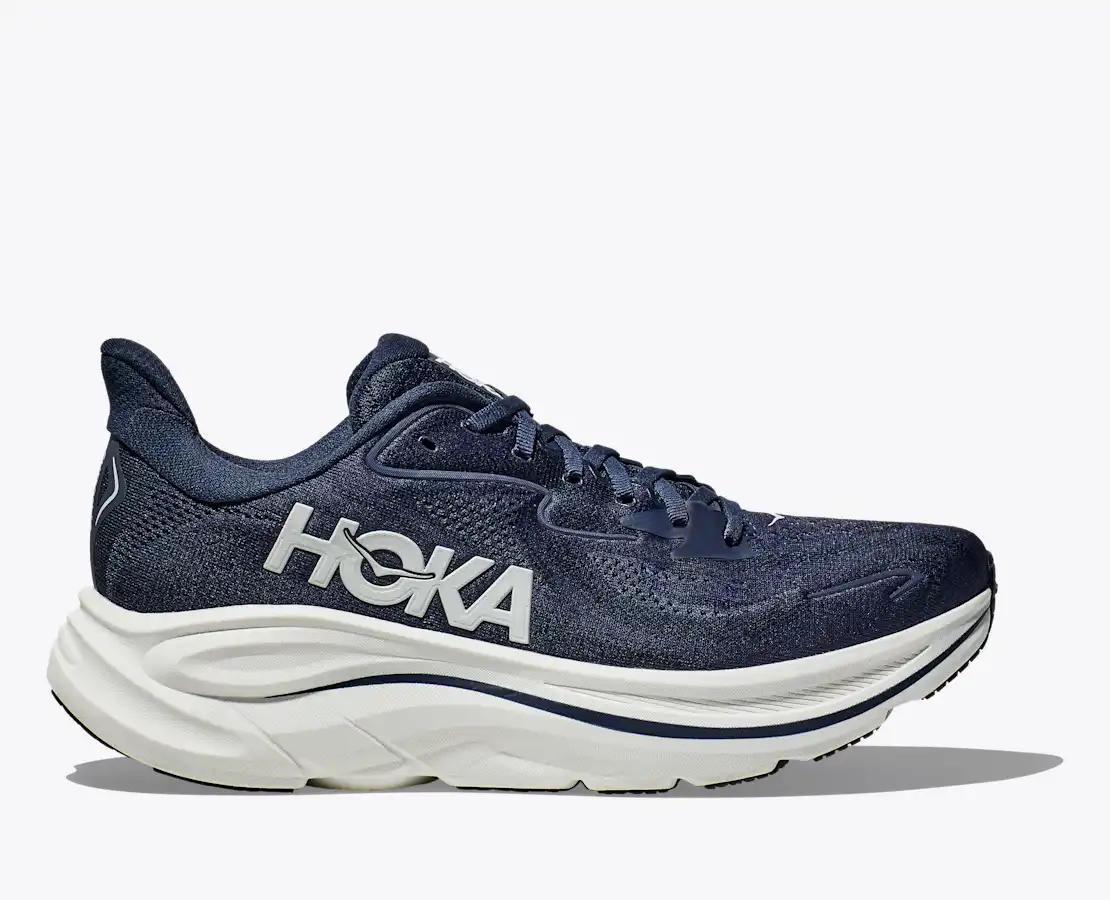
HOKA Clifton 10
$145-$160
Why this shoe
The Clifton 10 is the top podiatrist recommendation for peroneal tendinitis in high-arch patients. High-stack neutral cushioning absorbs lateral impact forces that load the peroneal tendons, while the firm heel counter limits excessive ankle inversion. Lightweight enough for return-to-activity use. APMA accepted.
CM EVA midsole for plush responsive cushioning
8mm heel drop reduces Achilles and calf strain
APMA Seal of Acceptance pid=9032 - lightweight daily trainer verified directly from APMA Seal Database May 2026

Brooks Ghost 18
$140-$160
Why this shoe
The Ghost 18 provides neutral DNA Loft v3 cushioning with a reliable heel counter that reduces inversion stress on the peroneal tendons. A consistently recommended podiatrist pick for lateral ankle tendinitis in neutral and high-arch foot types. APMA accepted.
DNA LOFT v3 cushioning delivers a soft, smooth ride for daily running and walking
Flat-knit tongue and two-colored air-mesh upper provide superior breathability and comfort
Balanced cushioning platform works for neutral arches and all foot types

ASICS GEL-Kayano 32
$160-$170
Why this shoe
The Kayano 32 provides maximum GEL cushioning with mild stability - appropriate for peroneal tendinitis cases where mild overpronation is a contributing factor alongside lateral tendon stress. The 4D Guidance system stabilizes without over-correcting.
4D Guidance System provides adaptive stability for overpronation control
FF Blast Plus foam midsole with higher stack height for balanced cushioning
PureGEL technology in heel for softer landings and shock absorption

New Balance 1080v15
$165-$175
Why this shoe
The Infinion midsole delivers maximum neutral cushioning that absorbs the lateral impact forces peroneal tendons must resist with every step. Neutral support type is correct for the high-arch supination pattern most common in peroneal tendinitis. APMA accepted.
Neutral support, a 6mm drop, and a weight of 261 grams (9.2 oz) for the men's version, per New Balance
Perforated mesh upper that New Balance describes as lightweight and breathable
Ultra Heel design for secure fit
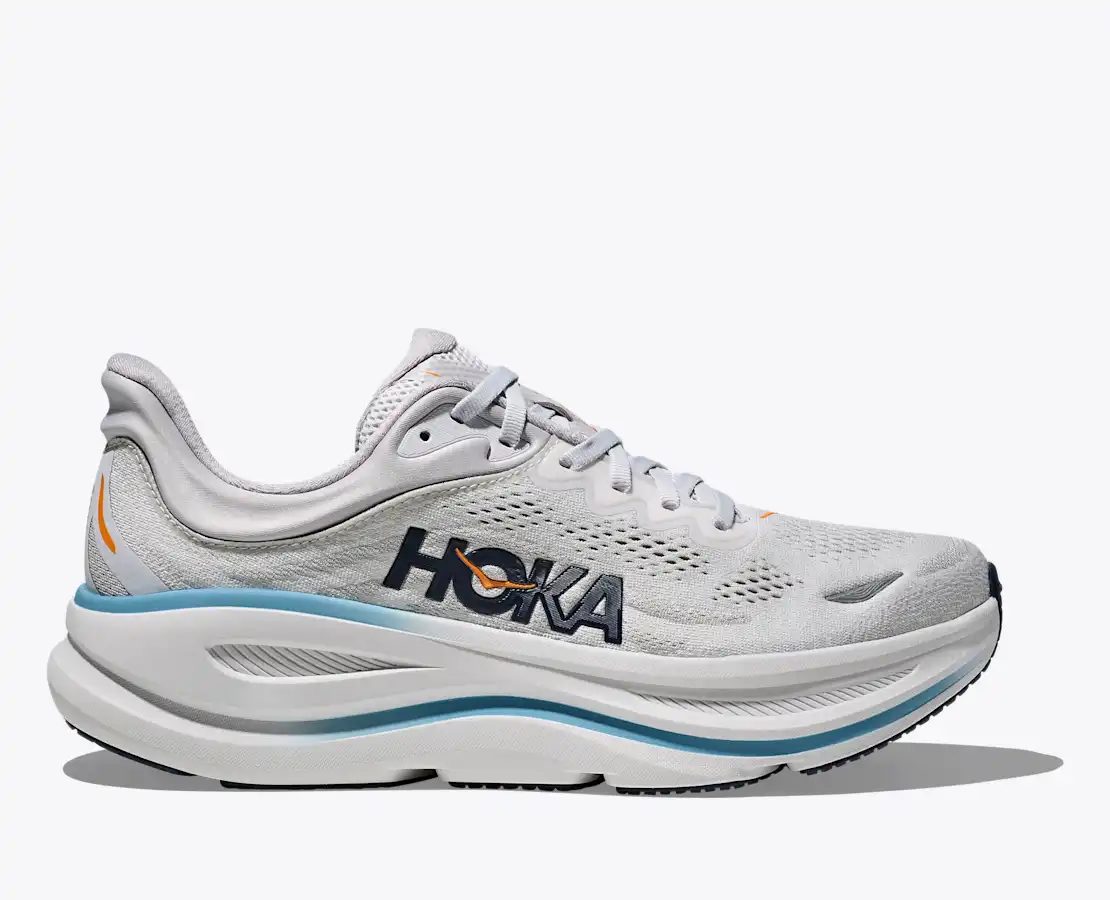
HOKA Bondi 9
$165-$180
Why this shoe
The Bondi 9 maximum stack height provides the highest level of lateral cushioning available in a neutral shoe - directly reducing peak force transmitted to the peroneal tendons at the outer ankle. Best option for peroneal tendinitis patients who also have significant heel or forefoot pain. APMA accepted.
Supercritical EVA foam for maximum plush cushioning
Meta-Rocker geometry reduces plantar fascia stress
APMA Seal of Acceptance pid=9031 - podiatrist top recommendation for heel pain - verified directly from APMA Seal Database May 2026

New Balance Fresh Foam X 860v15
$145-$155
Why this shoe
The 860v15 Stability Plane provides mild medial support appropriate for peroneal tendinitis cases where mild overpronation contributes to lateral tendon compensation. An accessible entry-level option for patients whose peroneal tendinitis is driven by gait mechanics rather than high arches.
Fresh Foam X midsole with Stability Plane technology
Engineered mesh upper for breathability
Described by New Balance as a stability shoe
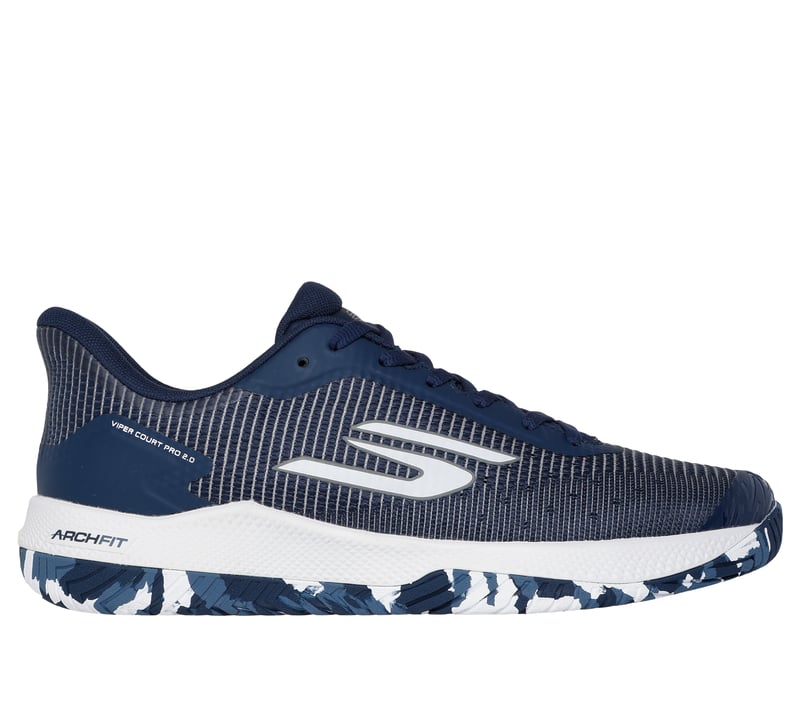
Skechers Viper Court Pickleball
$80-$100
Why this shoe
Lateral reinforcement chassis reduces the repetitive lateral loading forces on the peroneal tendons during rapid court direction changes. APMA accepted.
APMA Seal of Acceptance pid=8972 - Skechers Viper Court Pickleball - verified directly from APMA Seal Database May 2026
Non-marking herringbone outsole engineered for indoor and outdoor court surfaces - approved for pickleball, tennis, and racquet sports
Lateral reinforcement chassis controls side-to-side movement forces - reduces ankle inversion risk during rapid direction changes
What to Look for in a Shoe
Evidence-based footwear criteria specific to this condition.
Heel Drop
Recommended: 6-10mm
Moderate heel drop reduces the mechanical demand on the peroneal tendons during the stance phase without excessively loading the lateral forefoot. Zero-drop shoes are contraindicated as they increase lateral ankle stress during active tendinitis.
Avoid below 4mm
Cushioning
high
High cushioning attenuates lateral impact forces that load the peroneal tendons with every footstrike. The peroneal tendons are most vulnerable at the point where they curve around the outer ankle bone - cushioning reduces the peak force transmitted to this avascular zone.
Avoid: minimal, barefoot-style, zero-drop
Stability vs. Neutral
neutral
Most peroneal tendinitis cases involve high arches and supination - the opposite of the overpronation that stability shoes address. Neutral cushioned shoes with firm heel counters are the preferred choice. Mild stability shoes are appropriate only when overpronation is a confirmed contributing factor.
Exception: Patients with confirmed overpronation as a contributing factor to peroneal tendinitis may benefit from mild stability features. A podiatrist or gait analyst should confirm the foot mechanics before prescribing stability footwear for this condition.
Width
Recommended: D, 2E
Standard to wide fit prevents lateral forefoot compression that can increase inversion stress and peroneal tendon load. Proper width ensures the foot sits correctly in the shoe without compensatory gait changes.
Insoles and Orthotics
Over-the-counter or custom orthotics with lateral wedging can reduce peroneal tendon stress in high-arch supinators. A podiatrist can prescribe orthotics that correct the underlying foot mechanics contributing to peroneal tendon overload.
Sources: Physiopedia; NHS Lanarkshire; PowerStep; Advanced Foot and Ankle Clinic
What Is Happening in Your Foot
The two peroneal tendons run side by side down the outer calf, curve behind the outer ankle bone, and attach to the midfoot and arch. Their job is to stabilize the ankle and prevent it from rolling outward with every step. When these tendons are repeatedly overloaded - through running, lateral sports, or simply walking with high arches - they become inflamed and painful. The outer ankle swells, hurts to touch, and aches during and after activity.
Biomechanics
The peroneal tendons pass through an avascular zone as they curve around the lateral malleolus - an area with limited blood supply that heals slowly when injured. Repetitive loading at this curve causes micro-tears and inflammation. High arches place the peroneal tendons under chronic stretch load because the supinated foot position keeps the tendons taut throughout the gait cycle. Footwear with a firm heel counter limits excessive ankle inversion and directly reduces the peak stress at this vulnerable anatomical zone.
Why Symptoms Behave the Way They Do
Peroneal tendinitis typically causes stiffness and aching along the outer ankle after periods of inactivity, including overnight rest. The tendons stiffen in a shortened position during sleep. Unlike plantar fasciitis where morning pain is the hallmark, peroneal tendinitis pain more commonly builds throughout the day with activity and peaks after exercise rather than at first steps.
What Makes It Worse
Running on cambered or uneven road surfaces that tilt the foot into inversion
Lateral cutting movements in basketball, tennis, and soccer
Hiking on uneven trail terrain
Wearing flexible or minimalist shoes without heel counter support
Sudden training volume increases without adequate recovery
Running in worn-out shoes where lateral midsole cushioning has degraded
What Helps
Cushioned neutral shoes with firm heel counters worn during all activity
Rest from high-impact and lateral movement activities during acute inflammation
Ice applied to the outer ankle for 15 to 20 minutes after activity
Physical therapy targeting peroneal and calf muscle strengthening
Ankle bracing during return to sport to reduce inversion stress
Custom orthotics with lateral wedging if high arches are a contributing factor
Common Misconceptions
Myth: Outer ankle pain is always an ankle sprain.
Approximately 60% of peroneal tendinitis cases are initially misdiagnosed as lateral ankle sprains. The key distinction is that peroneal tendinitis develops gradually from overuse while ankle sprains result from a sudden inversion event. Persistent outer ankle pain that does not resolve within 2 to 3 weeks of standard sprain treatment warrants evaluation for peroneal tendinopathy.
Myth: Peroneal tendinitis only affects athletes.
While peroneal tendinitis is common in runners and dancers, it also affects people with high arches who walk regularly, older adults with chronic ankle instability, and anyone who wears unsupportive footwear on a daily basis. The condition is not exclusive to high-level athletes.
Myth: Once the pain goes away the tendon is fully healed.
Pain resolution after peroneal tendinitis does not indicate complete tendon healing. Returning to full activity before the tendon has recovered is the primary cause of recurrence and progression to chronic tendinopathy. A graduated return-to-activity protocol supervised by a physical therapist or podiatrist significantly reduces re-injury risk.
Sources: Physiopedia; NHS Lanarkshire Physiotherapy MSK; Cleveland Clinic; Medical News Today; Flawless Physio; PowerStep; Advanced Foot and Ankle Clinic
You Might Also Have
Peroneal Tendinitis by Occupation
How this condition presents differently depending on how you spend your day.
runners
Runners are the highest-risk group for peroneal tendinitis due to repetitive lateral loading across high mileage.
Cambered road surfaces tilt the foot into inversion on every stride, chronically loading the peroneal tendons. Trail runners face continuous unpredictable lateral foot plant events. Sudden mileage increases during training blocks are the most common trigger. Many runners continue training through early symptoms, converting acute tendinitis into chronic tendinopathy.
Shoe Priority
Neutral maximum cushion running shoe with firm heel counter and good lateral midsole integrity. Avoid highly flexible racing shoes during recovery. Rotate two pairs to allow midsole recovery between runs.
athletes
Basketball, tennis, soccer, and dance athletes face elevated peroneal tendinitis risk from lateral cutting demands.
Rapid lateral direction changes create high inversion loading on the peroneal tendons at speed. Court surfaces amplify impact forces. Athletes with prior lateral ankle sprains are at significantly elevated risk due to residual instability that overloads the tendons.
Shoe Priority
Sport-specific footwear with firm heel counter, adequate lateral cushioning, and ankle support. Ankle bracing during high-intensity activity is standard protocol for athletes with prior ankle sprains.
standing workers
Workers who stand for extended periods on hard floors with unsupportive footwear face gradual peroneal tendon overload.
Prolonged standing on hard surfaces without lateral ankle support gradually overloads the peroneal tendons, particularly in workers with high arches. Many standing workers wear dress shoes or fashion footwear that provides no heel counter support.
Shoe Priority
Cushioned neutral shoe with firm heel counter and adequate lateral support. Custom orthotics with lateral wedging if high arches are confirmed.
Frequently Asked Questions
Related Guides and Resources
Shoe Guides
From the MySoleMatch Journal
Walk Into Your Appointment With Answers
Before Your Next Appointment
Take Your Results to Your Podiatrist
Answer a few quick questions. Takes under 2 minutes. Get personalized shoe recommendations.
Not Sure Which Shoe Is Right?
Take our guided quiz and get a personalized recommendation based on your specific foot condition and lifestyle.
Start the Quiz