Disclosure: We may earn a small commission if you purchase through links on this page. No additional cost to you, and we only recommend products we trust. This helps us keep MySoleMatch free and ad-free. Thank you for your support!
High Arches
High arches, clinically known as pes cavus, occur when the arch of the foot is raised higher than normal, leaving less surface area in contact with the ground. Unlike flat feet, high arches do not flatten under body weight - they stay elevated, forcing the heel and ball of the foot to absorb nearly all impact with every step. This concentrated pressure leads to pain, instability, and a cascade of secondary conditions including ankle sprains, stress fractures, plantar fasciitis, and peroneal tendinitis. The right footwear provides cushioning and stability that the rigid high-arched foot cannot generate on its own.
Signs You May Have High Arches
Pain and pressure under the heel and ball of the foot during standing and walking
Frequent ankle sprains due to lateral instability
Foot fatigue and cramping after prolonged standing or walking
Calluses forming under the heel and ball of the foot from concentrated pressure
Claw toes or hammertoes developing from abnormal muscle tension
Difficulty finding shoes that fit - shoe gaps at the midfoot
Feeling unstable on uneven surfaces
Walk Into Your Appointment With Answers
Before Your Next Appointment
Take Your Results to Your Podiatrist
Answer a few quick questions. Takes under 2 minutes. Get personalized shoe recommendations.
Best Shoes for High Arches | MySoleMatch
Look for neutral or cushioned shoes with maximum shock absorption, a deep heel cup, and extra arch support insoles. Avoid stability or motion control shoes - high arches supinate rather than pronate, so medial posting will worsen the condition. Wide toe boxes reduce claw toe pressure. Custom orthotics are highly effective.
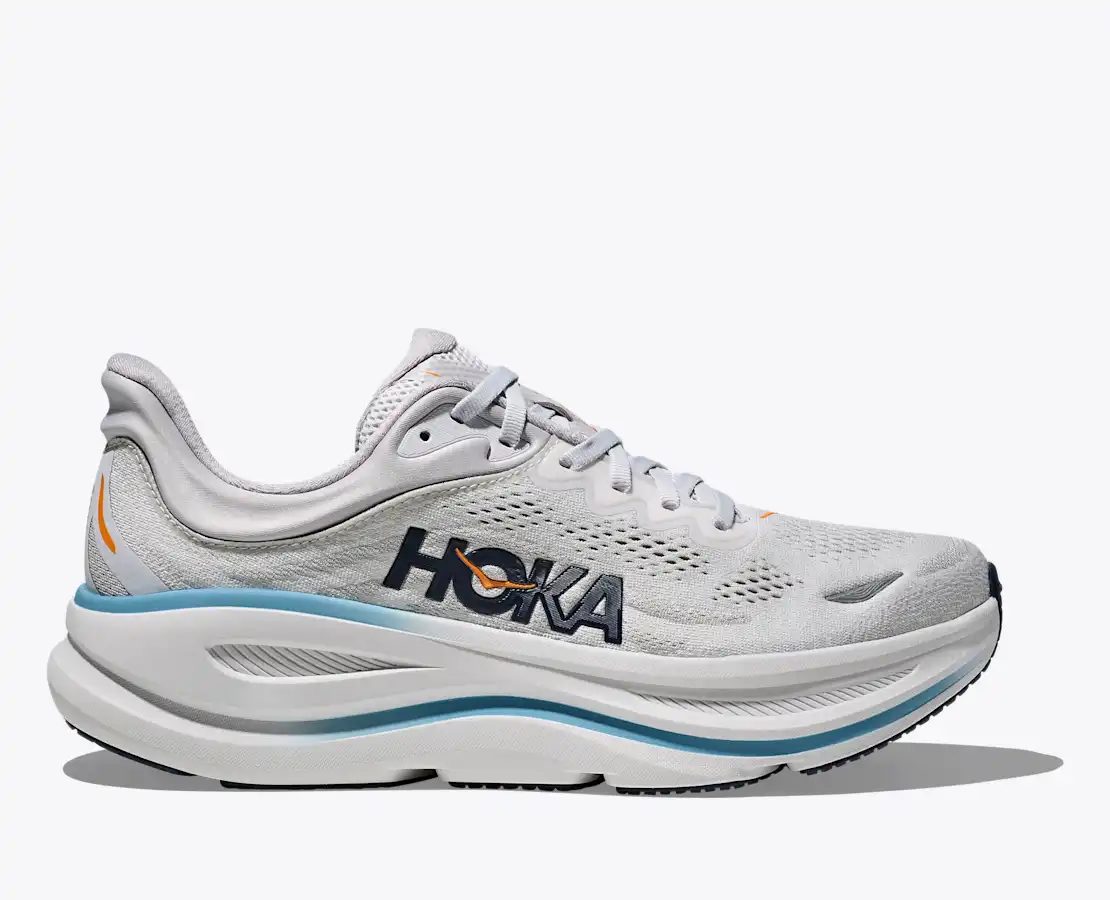
HOKA Bondi 9
$165-$180
Why this shoe
The Bondi 9 is the gold standard for high arch cushioning. Maximum stack height distributes the concentrated heel and forefoot pressure of cavus foot across the widest possible midsole surface. Neutral support type is correct for supinating high-arch feet. APMA accepted.
Supercritical EVA foam for maximum plush cushioning
Meta-Rocker geometry reduces plantar fascia stress
APMA Seal of Acceptance pid=9031 - podiatrist top recommendation for heel pain - verified directly from APMA Seal Database May 2026

New Balance 1080v15
$165-$175
Why this shoe
New Balance rates the Infinion foam cushioning Extra Soft and lists neutral support. High arches can place more load on the heel and forefoot, so many people look for cushioning, but New Balance makes no claim about high arches for this shoe. Check comfort under the arch when you try it on. APMA accepted.
Neutral support, a 6mm drop, and a weight of 261 grams (9.2 oz) for the men's version, per New Balance
Perforated mesh upper that New Balance describes as lightweight and breathable
Ultra Heel design for secure fit

Brooks Ghost Max 4
$165
Why this shoe
Maximum cushioning compensates for the reduced natural shock absorption of a high-arched foot, same rationale that applies across the Ghost Max line.
40mm heel / 34mm forefoot stack of nitrogen-infused DNA Loft v3 foam, 1mm taller than the prior Ghost Max 3
GlideRoll rocker geometry smooths the heel-to-toe transition on long, easy-paced runs and all-day standing
Reworked outsole with generous forefoot and heel rubber coverage and added flex grooves for wet-surface traction

Brooks Ghost 18
$140-$160
Why this shoe
The Ghost 18 is a neutral maximum cushion shoe with DNA Loft v3 foam that provides consistent shock absorption across the full footstrike. A top podiatrist recommendation for high arches due to its neutral geometry and reliable cushioning stack. APMA accepted.
DNA LOFT v3 cushioning delivers a soft, smooth ride for daily running and walking
Flat-knit tongue and two-colored air-mesh upper provide superior breathability and comfort
Balanced cushioning platform works for neutral arches and all foot types

Brooks Defyance Max
$120
Why this shoe
Firm, balanced DNA Loft v2 cushioning compensates for reduced natural shock absorption in high-arched feet, though the narrower toe box may not suit those needing extra volume for orthotics.
39mm heel / 33mm forefoot stack of DNA Loft v2 foam, the same firmer, more balanced midsole used in the original Ghost Max
GlideRoll rocker geometry smooths the heel-to-toe transition for easy runs and all-day walking
Gentle GuideRails-style side support adds mild stability without the structured correction of Brooks' full GTS line

ASICS GEL-Cumulus 27
$130-$150
Why this shoe
The Gel-Cumulus 27 provides FF Blast Plus cushioning with GEL technology in both heel and forefoot - addressing the two exact pressure points that high arches overload. Neutral support type correct for supinating feet. APMA accepted.
FF BLAST PLUS ECO cushioning provides a lightweight, responsive ride for daily training
Lighter and more versatile than the GEL-Nimbus - ideal for everyday running and walking
PureGEL technology in the heel delivers soft shock absorption without added weight

New Balance 990v6
$185-$200
Why this shoe
The 990v6 ENCAP midsole provides substantial cushioning with a wide stable base - ideal for high-arch patients who need all-day walking support. Six width options ensure proper fit without forefoot compression.
ENCAP® Structural Support: Built with a durable polyurethane rim that cradles the heel and arch, preventing the over-pronation that actively strains and inflames the plantar fascia ligament.
High-Rebound FuelCell Core: Infused with New Balance's premier performance foam to absorb heavy heel shock and deliver a responsive, bouncy feel that takes the pressure off your feet.
Dual-density foam for lasting comfort and support
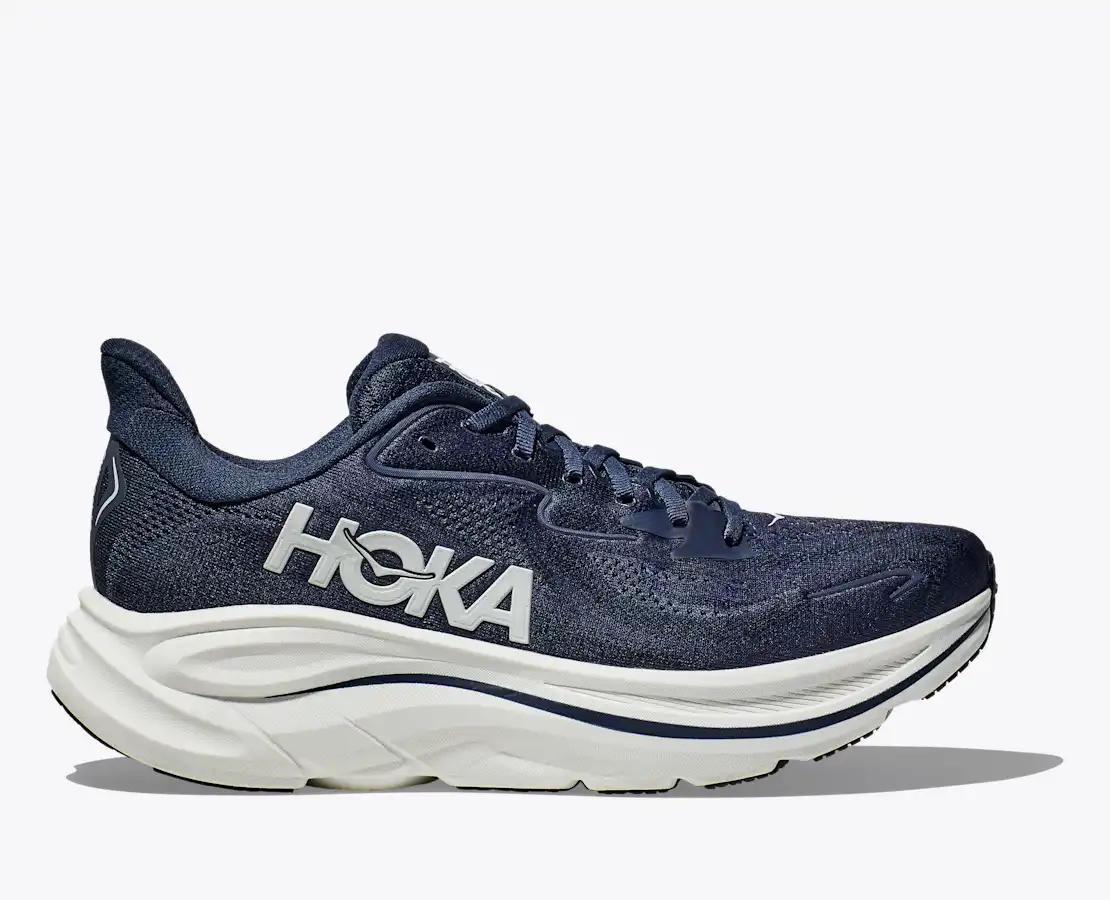
HOKA Clifton 10
$145-$160
Why this shoe
The Clifton 10 offers high-stack neutral cushioning in a lightweight package. The Meta-Rocker geometry smooths the abrupt heel-to-toe transition that rigid high-arch feet struggle with. A strong everyday option for high-arch patients who want maximum cushion without bulk. APMA accepted.
CM EVA midsole for plush responsive cushioning
8mm heel drop reduces Achilles and calf strain
APMA Seal of Acceptance pid=9032 - lightweight daily trainer verified directly from APMA Seal Database May 2026

Brooks Ghost Max 3
$150-$160
Why this shoe
Neutral geometry and nitrogen-infused DNA LOFT v3 high-stack midsole provide consistent shock absorption across the full footstrike for rigid high-arch feet. Broad stable base prevents lateral instability common in high-arch gait. GlideRoll Rocker smooths the abrupt heel-to-toe transition. APMA accepted.
Nitrogen-infused DNA LOFT v3 high-stack midsole delivers maximum cushioning with 39mm heel and 33mm forefoot stack height
GlideRoll Rocker geometry actively assists heel-to-toe transitions for effortless forward momentum
Broad stable base provides inherent stability without a restrictive feel for neutral runners

Nike Pegasus 42
$135-$150
Why this shoe
Wider forefoot platform and updated ReactX foam provide improved stability and shock absorption for the reduced natural cushioning of a high-arched foot. APMA accepted.
Current generation Pegasus - updated ReactX foam platform with improved cushioning integrity over long distances
APMA Seal of Acceptance pid=9689 - Nike Pegasus 42 - verified directly from APMA Seal Database May 2026
Dual Air Zoom units provide targeted cushioning for heel and forefoot impact zones

Brooks Glycerin Max 2
$190-$200
Why this shoe
Dual-cell DNA Tuned 47mm heel stack delivers the deepest neutral cushioning in the Brooks catalog for high-arch feet that require maximum shock absorption. GlideRoll Rocker geometry smooths the rigid transition pattern common in high-arch gait. APMA status unconfirmed as of June 2026. Available in medium width only.
Dual-cell DNA Tuned midsole features 47mm heel and 41mm forefoot stack with larger cells for soft landings and smaller cells for energetic toe-offs
GlideRoll Rocker with sculpted bevel and toe spring geometry delivers effortless heel-to-toe transitions
Broad stable base with high midsole sidewalls provides inherent stability without a restrictive feel for neutral runners
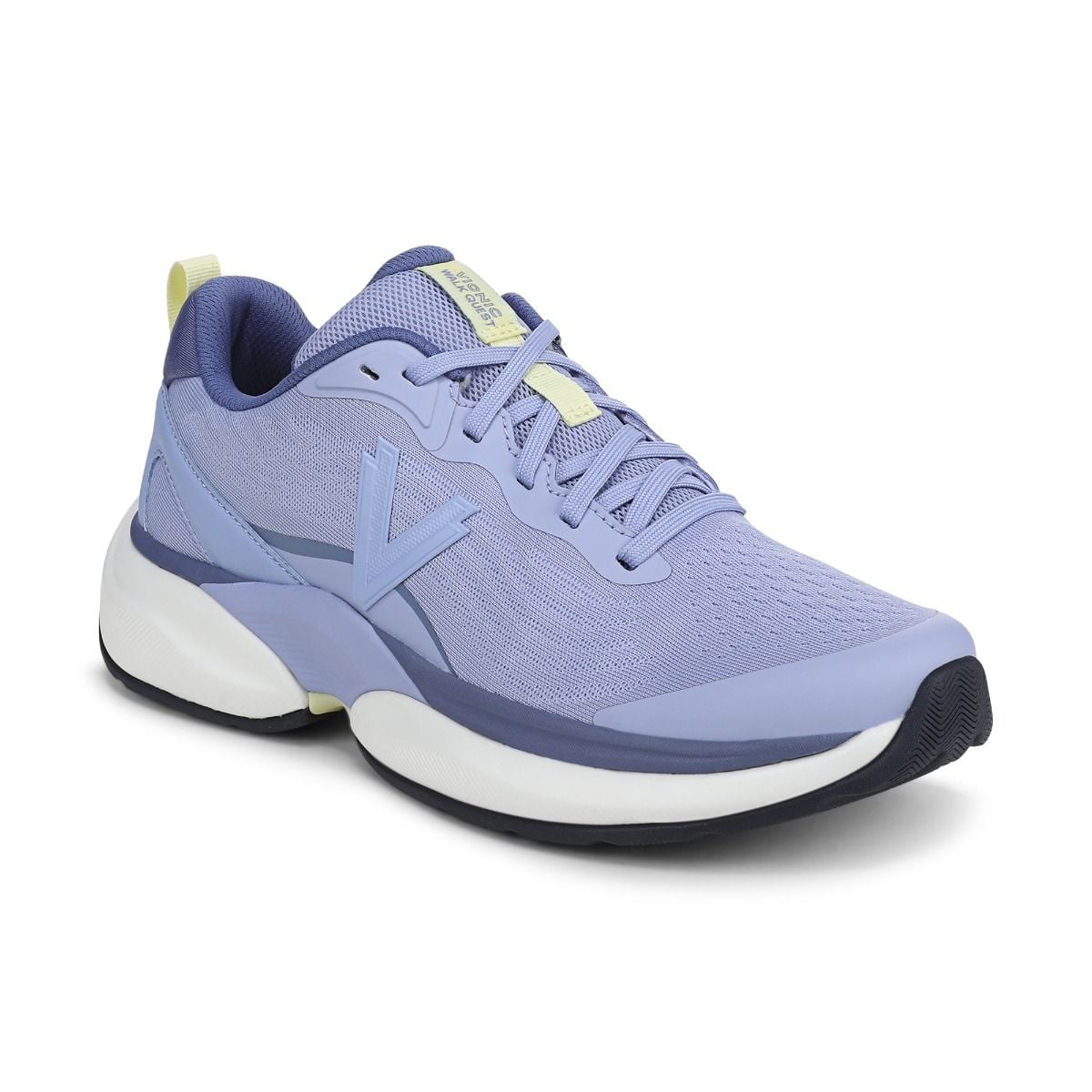
Vionic Walk Quest
$120-$140
Why this shoe
A neutral build paired with high, Super Critical Foam cushioning delivers the maximum shock absorption high arches need to compensate for reduced natural cushioning, without the stability posting that would worsen supination.
APMA Seal of Acceptance pid=9394 - Vionic Walk Quest - verified directly from APMA Seal Database August 2026; also explicitly cited as 'APMA Seal of Acceptance' on Vionic's own product page
Super Critical Foam midsole for soft, immediate step-in cushioning
Breathable engineered mesh with seamless TPU overlays for structure and stability
What to Look for in a Shoe
Evidence-based footwear criteria specific to this condition.
Heel Drop
Recommended: 6-10mm
Moderate heel drop reduces stress on the heel fat pad without excessively loading the forefoot. Very high heel drop can increase forefoot pressure in high-arch feet. Zero-drop shoes are contraindicated as they eliminate the cushioning buffer at heel strike.
Avoid below 4mm
Cushioning
maximum
Maximum cushioning is the single most important feature for high arch footwear. The reduced ground contact area means heel and forefoot pressure is dramatically concentrated compared to a neutral foot. Maximum stack height distributes this load across the midsole rather than transmitting it directly to the heel and metatarsals.
Avoid: minimal, barefoot-style, zero-drop, firm-racing
Stability vs. Neutral
neutral
High arches supinate rather than pronate. Stability and motion control shoes with medial posting are designed to resist inward rolling - applying them to a supinating foot increases lateral stress and worsens instability. Neutral cushioned shoes allow the foot to move naturally while providing maximum shock absorption.
Exception: Some patients with high arches and secondary overpronation from muscle compensation may benefit from mild stability features. Gait analysis by a podiatrist is recommended when arch type and gait pattern appear contradictory.
Width
Recommended: D, 2E
Standard to wide fit accommodates the claw toes and hammertoes that frequently develop with high arches. A wide toe box prevents additional pressure on already-stressed toe joints.
Insoles and Orthotics
Custom orthotics for high arches work differently than those for flat feet. Rather than supporting a collapsed arch, they fill the gap under the elevated arch to distribute pressure more evenly across the entire plantar surface. A podiatrist or certified pedorthist should assess whether flexible or rigid orthotic material is appropriate based on cavus severity.
Sources: APMA; Foot and Ankle Group; Achilles Foot and Ankle Center; The Foot Practice
What Is Happening in Your Foot
A normal foot arch acts as a spring - it compresses slightly under body weight to absorb impact and then recoils to propel you forward. A high arch stays rigid. It does not compress, so the heel and ball of the foot take the full force of every step without the benefit of natural shock absorption. Over thousands of steps per day, this concentrated loading causes pain, calluses, stress fractures, and tendon injuries.
Biomechanics
High arch feet supinate - they roll outward rather than inward during the stance phase of gait. This places the lateral border of the foot under disproportionate load and keeps the ankle in a position vulnerable to inversion sprains. The rigid midfoot fails to transfer load smoothly from heel to toe, creating abrupt pressure peaks at both ends of the foot. Footwear with maximum cushioning and a wide midsole base mechanically compensates for this rigid, high-pressure gait pattern.
Why Symptoms Behave the Way They Do
High arch pain often intensifies after periods of inactivity due to tightening of the plantar fascia and intrinsic foot muscles in a shortened position overnight. The concentrated pressure on the heel at first steps is more pronounced than in a neutral foot because the arch provides no shock-absorbing buffer. Supportive footwear worn immediately upon rising significantly reduces morning pain.
What Makes It Worse
Walking or running on hard surfaces without cushioned footwear
Barefoot walking on tile, concrete, or hardwood floors
Wearing flat or unsupportive shoes that provide no additional cushioning
High-impact sports without ankle bracing when instability is present
Sudden increases in walking or running mileage
Wearing worn-out shoes where midsole cushioning has compressed
What Helps
Maximum cushioning footwear worn throughout the day
Custom orthotics that fill the arch gap and distribute pressure evenly
Ankle strengthening exercises targeting peroneal muscles for lateral stability
Calf and plantar fascia stretching to reduce morning tightness
Activity modification reducing high-impact load during flare-ups
Ankle bracing during sport to reduce inversion sprain risk
Common Misconceptions
Myth: High arches are less of a problem than flat feet.
High arches carry equal or greater injury risk compared to flat feet. The rigid, supinated gait pattern associated with cavus foot significantly increases risk of lateral ankle sprains, stress fractures, plantar fasciitis, and peroneal tendinitis. The difference is that flat feet are more widely known, so high arch problems are more frequently dismissed or misdiagnosed.
Myth: Stability shoes are better for everyone with foot problems.
Stability and motion control shoes are specifically designed for overpronating flat feet. Applying them to high-arched supinating feet increases lateral stress and can worsen ankle instability. The correct shoe for high arches is a neutral, maximum-cushion shoe - the opposite of what many people assume.
Myth: High arches cannot be treated without surgery.
Most high arch cases respond well to conservative treatment. Custom orthotics, maximum-cushion neutral footwear, ankle strengthening, and physical therapy manage the majority of pes cavus cases effectively. Surgery is reserved for severe rigid cavus with significant deformity that has not responded to conservative care.
Sources: Foot and Ankle Group; Achilles Foot and Ankle Center; Foot and Ankle Associates of Southern NH; The Foot Practice; San Diego Podiatry Group; APMA
You Might Also Have
High Arches by Occupation
How this condition presents differently depending on how you spend your day.
runners
Runners with high arches face elevated stress fracture and ankle sprain risk with every training mile.
The supinated gait pattern concentrates impact on the lateral foot and heel, accelerating midsole compression in running shoes. Lateral ankle sprains during trail and road running are significantly more common in high-arch runners. Midsole cushioning degrades faster under concentrated heel and forefoot load, requiring more frequent shoe replacement.
Shoe Priority
Maximum cushioning neutral running shoe with wide midsole base. Rotate two pairs to allow midsole recovery. Consider ankle bracing for trail running.
standing workers
Workers who stand all day on hard floors experience amplified high arch pain due to unrelenting concentrated pressure.
Anti-fatigue mats reduce but do not eliminate the concentrated heel and forefoot loading of high-arched feet. Eight or more hours of standing compresses midsole cushioning rapidly. Many standing workers delay shoe replacement until pain becomes severe.
Shoe Priority
Maximum cushioning neutral shoe with custom or over-the-counter orthotics for arch gap filling. Replace shoes every 6 months rather than annually given accelerated cushion compression.
seniors
Older adults with high arches face compounded fall risk from lateral ankle instability and reduced proprioception.
Age-related proprioceptive decline combines with the supinated instability of cavus foot to significantly increase lateral fall risk. Many seniors have lived with high arches their entire lives and do not associate their ankle instability with a treatable condition.
Shoe Priority
Maximum cushioning neutral shoe with wide midsole base, firm heel counter, and slip-resistant outsole. Easy-closure options improve compliance.
Frequently Asked Questions
Related Guides and Resources
Walk Into Your Appointment With Answers
Before Your Next Appointment
Take Your Results to Your Podiatrist
Answer a few quick questions. Takes under 2 minutes. Get personalized shoe recommendations.
Not Sure Which Shoe Is Right?
Take our guided quiz and get a personalized recommendation based on your specific foot condition and lifestyle.
Start the Quiz